
Oak remains one of the most powerful tools available to winemakers for shaping wine style, structure, and complexity. While traditional barrel ageing continues to play an important role, modern oak alternatives offer greater flexibility, lower cost, and increased precision when used with a clearly defined objective.
The first question winemakers should ask is not which oak product to choose, but what they are trying to achieve. Is the goal to increase aromatic complexity? Improve colour stability? Enhance mouthfeel? Or simply replicate certain characteristics of barrel ageing? The answer will determine which oak alternative is most appropriate
Aromatic complexity starts with the right choice
When the primary objective is aroma enhancement, most oak alternatives can be effective. The intensity and speed of aroma release depend largely on the surface area of the oak and its level of toast. Generally speaking, the greater the surface area, the faster aromatic compounds are released into the wine.
Toast level is particularly important. Lightly toasted oak contributes fresh oak and coconut notes, while medium toast tends to enhance vanilla, caramel, and roasted coffee aromas. Heavy toast shifts the profile toward spice, smoke, cocoa, and toasted characters.
For winemakers looking to build complexity during fermentation or ageing, the INCANTO range offers solutions designed to match different wine styles and objectives. The INCANTO NC range provides the key active compounds associated with oak while avoiding some of the limitations of traditional oak powder. Depending on the desired style, these products can enhance fresh fruit, vanilla, chocolate, spice, or toasted oak characters while helping preserve colour intensity.
Understanding the different oak options
Not all oak alternatives behave the same way. Oak tannins are immediately soluble and begin working as soon as they are added to wine. Beyond their sensory contribution, they help improve aromatic cleanliness by binding sulphur compounds that may contribute to off-aromas.
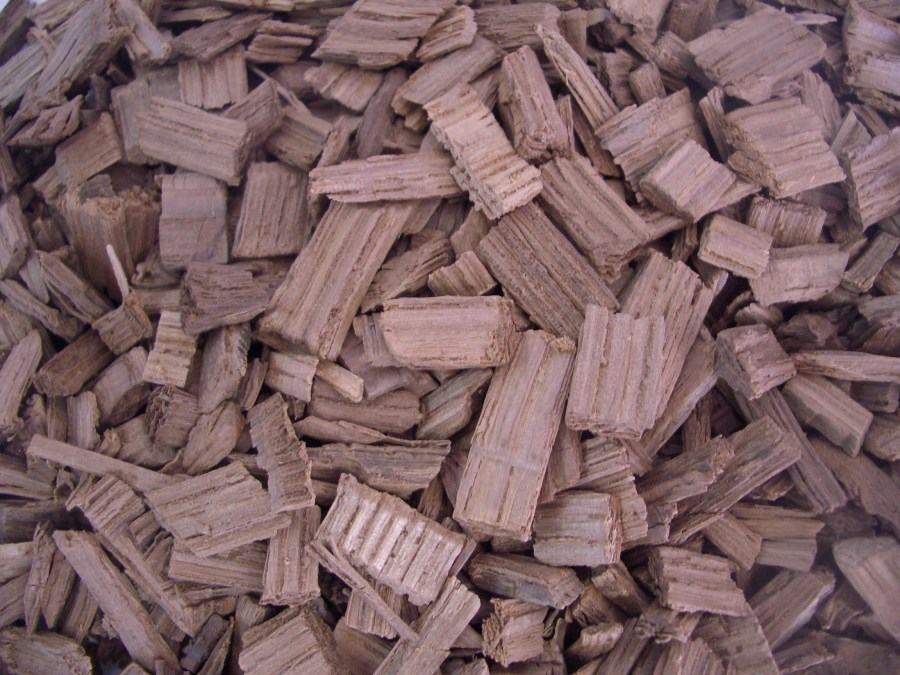
Oak chips offer rapid extraction and are an efficient way to add oak character during wine ageing. Different oak alternatives vary in extraction rate, sensory impact, and practical application, making product selection dependent on wine style objectives as well as cellar logistics.
Enartis currently offers several INCANTO oak chip products, including INCANTO VANILLA, INCANTO CREAM, INCANTO CARAMEL, INCANTO DARK CHOCOLATE, and INCANTO SPECIAL FRUIT. Each has been designed to support a different sensory objective, from enhancing sweetness perception and vanilla notes to reinforcing toasted, chocolate, caramel, or fruit-forward characteristics. This allows winemakers to select an oak profile that best complements their desired wine style while benefiting from the practicality and flexibility of oak chips.
The choice often comes down to available time, desired sensory outcome, and practical winery considerations rather than one product being inherently superior to another.
Oak and colour stability: a common misunderstanding
One of the most misunderstood aspects of oak use is its role in colour stabilization.
Oak additions are often associated with improved colour stability, but the timing of addition plays an important role. Oak-derived tannins require oxygen to support the reactions responsible for creating stable colour pigments. When oak chips are added during active fermentation, the impact on colour stability may be limited because oxygen availability is very low.
The greatest benefit occurs during maturation when oak alternatives are combined with controlled oxygen exposure, such as micro-oxygenation. Under these conditions, ellagic tannins released from the oak promote the formation of stable pigment structures that improve colour longevity while contributing to a softer, more integrated mouthfeel and greater structure.
A precision approach to oak
Modern oak alternatives are no longer simply lower-cost substitutes for barrels. They have become precision tools that allow winemakers to tailor aromatic expression, structure, and colour stability according to the needs of each wine.
Whether the objective is enhancing fruit expression, adding complexity, building structure, or supporting colour stability, successful use of oak begins with understanding what each alternative is designed to accomplish. Choosing the right tool for the right objective often delivers better results than simply adding more oak.
More information can be found on our website. Looking for further technical support?
Reach out to Elia Metelio at Enartis. Products are locally available through Itasca Wines.