

From vineyard to fermentation.
The 2026 growing season has brought a mix of challenges across UK vineyards. Periods of heat, drought stress, and irregular rainfall have created conditions that may impact grape composition at harvest, leading to higher pH, elevated sugar accumulation, nutrient imbalances, and increased pressure from spoilage microorganisms. These conditions can translate into fermentation difficulties, reduced aromatic expression, and greater microbiological instability if not managed proactively.
Understanding fermentation risks
One of the most common concerns in difficult vintages is sluggish or stuck fermentation. Stress conditions in the vineyard can lead to musts with reduced yeast assimilable nitrogen (YAN), vitamin deficiencies, and altered sugar profiles. High fructose concentrations, particularly in overripe fruit, can be challenging for yeast to metabolize during the final stages of fermentation, increasing the risk of residual sugar and fermentation arrest.
Higher pH values may further complicate fermentation by creating more favourable conditions for spoilage organisms while reducing the effectiveness of sulphur dioxide. As a result, microbiological management becomes increasingly important throughout the winemaking process.
Establishing yeast dominance
A strong fermentation strategy starts with proper yeast management. Early and effective inoculation helps rapidly establish the selected yeast population, limiting the growth of spontaneous microflora and unwanted microorganisms. Promoting rapid yeast dominance reduces competition for nutrients, improves fermentation reliability, and supports cleaner aromatic expression.
Nutrition also plays a critical role. Supplying balanced nitrogen and survival factors at the appropriate stages of fermentation helps maintain yeast vitality and reduce stress.
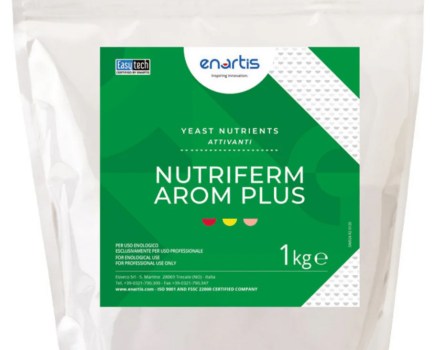
During the early stages, Nutriferm Ultra provides organic nutrients rich in amino acids and growth factors that promote healthy yeast development and cell multiplication. When aromatic expression is a priority, Nutriferm Arom Plus can help support the formation of aroma precursors while maintaining strong fermentation performance.
As fermentation progresses and alcohol levels increase, yeast are exposed to greater stress. Nutriferm Advance helps maintain yeast viability and metabolic activity, supporting a steady fermentation through the more demanding stages of the process. In situations where fermentations begin to slow or show signs of arrest, Nutriferm No Stop can provide targeted support to help maintain momentum and achieve completion.
This approach is particularly valuable when fermenting musts with elevated sugar levels, low YAN, or other conditions that increase the risk of sluggish or stuck fermentations.
Protecting aroma and freshness
Oxidation management is equally important in seasons where fruit quality may be variable. Oxidative damage can reduce freshness, diminish varietal character, and limit aroma potential before fermentation even begins.
Preventative treatments such as Claril OX can help protect must quality from the earliest stages of processing by limiting oxidative damage during grape handling and settling. At juice rack-off, antioxidant solutions such as EnartisPro Blanco can further preserve freshness, safeguard delicate aroma compounds, enhance varietal character, and contribute to greater palate volume and mouthfeel.
Taking preventative action early often delivers better results than attempting to correct oxidation issues later in the winemaking process.
Managing microbiological stability
Elevated pH and compromised fruit can also increase the risk of spoilage organisms such as Brettanomyces, lactic acid bacteria, and acetic acid bacteria. Once established, these microorganisms can be difficult to control and may negatively impact wine quality.
For wineries concerned about microbiological stability, EnartisStab Micro M provides an additional tool to help manage microbial populations and support product stability while preserving wine quality. When integrated into a broader quality management programme, preventative microbiological control can reduce risk and improve consistency.
A proactive approach
While seasonal conditions cannot be controlled, careful preparation before harvest can significantly reduce their impact. Evaluating fruit maturity, monitoring nutrient levels, implementing early oxidation protection, and selecting the right yeast and nutrition strategy will help producers navigate potential challenges and capture the best possible expression of the vintage.
In a demanding harvest year, a proactive approach from grape reception through fermentation remains the most effective way to protect wine quality, preserve aromatic potential, and ensure successful fermentations.
More information can be found on our website. Looking for further technical support?
Reach out to Jennifer Lincoln at Enartis. Products are locally available through Itasca Wines.