

Andrea Ontiveros Flores, a sommelier and marketing & communications specialist from Alicante, Spain is rethinking how we discover wine.
Back when I still lived with my parents, every special occasion that called for a good bottle of wine meant a trip to a large specialist retailer, rows and rows of stacked bottles, six or eight aisles deep, dominated by familiar names, all priced to feel like a sensible choice. The logic was simple: value came with volume. The more bottles you bought, the better the deal. There was no tasting, no conversation, no sense of discovery, just selection at scale. That was, for me and perhaps for many, the first real “experience” of buying wine.
Today the picture is quite different. The act of choosing a bottle is no longer defined by shelves, but by scenes, communities, conversations, and moments that feel personal, social, and culturally relevant. Wine’s new generation isn’t discovering it in retail aisles, but in spaces or experiences where connection matters just as much as what is in the glass.
For decades, wine discovery began in supermarkets and ended at the dinner table. Today, it starts in a pop-up, in a neighbourhood deli, in a group chat, or via an Instagram story. The old model, built on regional categorisation, price promotions, critics’ reviews, and dominated by large retail chains, is now adapting to a more personal approach. Wine discovery today is shaped by local shop owners, community-led spaces, and curated experiences that feel relevant to everyday life. The global decline in wine consumption, now at its lowest level in over 60 years, is more than a structural or generational shift; it is a transformation. The issue is not that people have stopped drinking wine, but that they have stopped engaging with it in traditional ways. Younger drinkers are not rejecting wine; they are rejecting the way it has long been sold and consumed.
From consumption to participation: the rise of hyper-personalised wine experiences
This cultural and behavioural shift is rooted in how wine consumption is understood today. Wine can no longer be positioned and sold simply as a static product or even just as a social connector for special occasions, but as a shared experience shaped by open, multi-directional conversations and consumer participation. The value is no longer just in what’s in the bottle, but what happens around it during the moment of discovery and purchase.
Today, a new wave of wine experiences is emerging across the UK and Europe, ranging from curated events to highly personalised tastings. Their aim is not only to attract new consumers and build connections, but also to foster genuine awareness of local production, provide context behind each label, and more importantly, create space to listen to what consumers are saying. These experience-led initiatives are successfully bringing together producers, distributors, and drinkers in a truly two-way conversation.
Local shops as cultural hubs
This model is becoming the heartbeat of many boroughs in London and other cities in the UK. Local neighbourhood shops, often independently owned, are no longer just retail spaces. They are spaces of curation and personality. Staff are seen as tastemakers, not just sellers, championing local makers, British farmers, and seasonal produce. What defines these spaces is a strong sense of community. Events around art, design, and of course, food and wine bring people together in-store, turning shops into cultural hubs and replacing the authority of critics with the intimacy of trust. Carefully selected and often in limited batches, their offerings lean towards “hidden gems”, premium, organic, non-alcoholic, and sustainable choices rather than mass-market brands. This creates a sense of filtered discovery, where consumers trust the place even more than the label itself.
As an East Londoner, one example I return to is Tuck Shop in Hackney Wick, where regular tastings and events create a genuine connection between producers and the local community. The owners’ passion for quality and local sourcing becomes a defining advantage, positioning them as both curators and trusted voices within the neighbourhood. For English wine producers, this shift is significant. Placement and positioning are no longer just about visibility, but about being part of a story that resonates within these communities.
Community tastings without rules
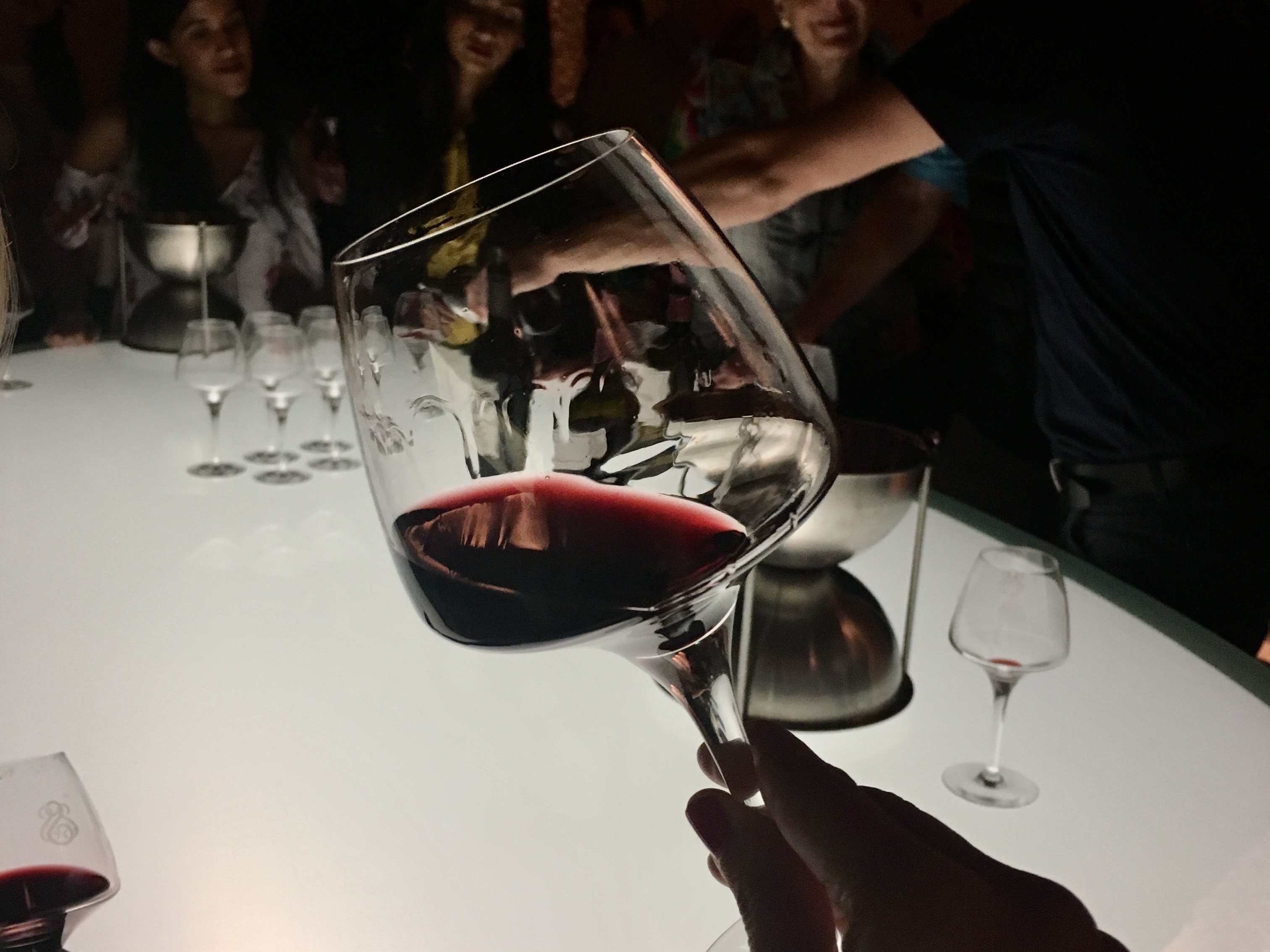
Here, there is only one rule that matters: tasting without rules. Across Europe, and particularly in communities such as Donostia–San Sebastián and other parts of the Iberian Peninsula, a long-standing model already reflects this approach. Gastronomic societies, or informal wine clubs, bring members together in shared spaces equipped with kitchens or communal tables, where they cook, eat, and drink in the company of friends and family, not limited to industry professionals. There is no hierarchy, and these gatherings are not sommelier-led. Instead, they are open spaces for debate, disagreement, and storytelling. In this setting, wine becomes democratic and conversational, less about “correct” tasting notes and more about personal interpretation. The new wine drinkers do not want to be taught; they want to participate.
Food-led wine experiences
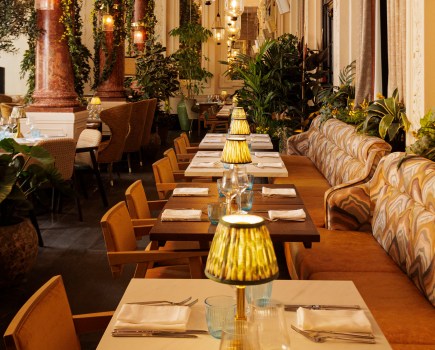
Another highly effective format is placing wine within a broader gastronomic narrative. This goes beyond the traditional restaurant setting, where wine is simply ordered alongside a meal. Instead, it centres on curated experiences such as chef residencies or pop-ups, where the food, or the chef, becomes the entry point rather than the winemaker. People come for the food but discover the wine almost incidentally. The key lies in thoughtful selection, with wines chosen to surprise, complement, and leave a lasting impression, building an emotional connection through the overall experience. Guests not only discover new wines but often develop a lasting affinity with specific producers or styles. The success of these experiences often depends on their limited and temporary nature, creating a sense of urgency and desirability. In this context, food becomes a Trojan horse for wine discovery, attracting a food-driven audience that is naturally more open to exploring new wine styles and preferences
Reinventing the vineyard experience
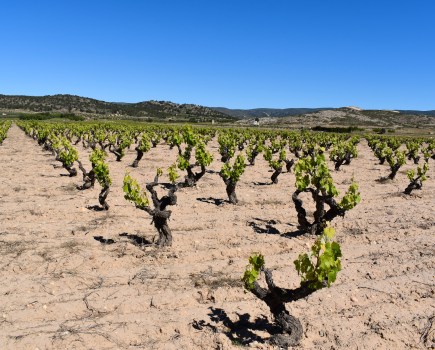
This is already gaining momentum across the UK and Europe, but its relevance today cannot be overstated. Vineyard visits are moving away from scripted tours and technical lectures towards more immersive and culturally driven experiences. Music, art, shared dinners, and even harvest participation are becoming central to how people engage with wineries. Chef residencies and collaborations with well-known restaurants are also proving particularly effective in attracting new audiences through the gastronomic scene. Initiatives such as restaurant takeovers or seasonal residencies bring a different profile of visitor, often introducing wine in a more accessible and engaging way. A clear example is a Sticks’n’Sushi takeover at Balfour Winery in Kent, where a recognised restaurant brand brings a new audience into the vineyard setting. Vineyards are no longer just places of production; they are becoming destinations.
Digital and remote wine experience
One format that has become particularly relevant for this generation, accelerated by the pandemic, is the rise of online tastings. Wine clubs and live virtual sessions have created cross-border communities, removing geographical barriers and making wine more accessible. For consumers, this offers a unique opportunity to discover niche products and lesser-known producers. For wineries, it provides a cost-effective way to introduce new labels, small-batch releases, and experimental wines, while also gaining direct feedback from a broader audience. In many ways, it acts as real-time market insight, creating a more direct and personal conversation between producers, distributors, and consumers. Digital formats also remove much of the intimidation traditionally associated with wine, replacing it with curiosity and openness. The scope for creativity is wide, from monthly subscriptions and tiered tasting packs to different formats of live sessions. Ultimately, success lies in creating a sense of belonging to a community that is open to discussion, exploration, and learning.
Social media and the fall of wine gatekeeping
This is perhaps the most transformative shift in how wine is communicated and shared, moving from a model dominated by critics and sommeliers to one shaped by creators, casual drinkers, and niche influencers. It has become one of the most effective ways to generate word-of-mouth, or rather screen-to-screen recommendations, connecting wines with entirely new audiences. At the core of this shift is authenticity. Imperfection is part of the appeal, and wine is no longer reserved for experts. Anyone can explore, enjoy, and share their perspective, often with humour rather than technical precision, and with a willingness to challenge long-established rules around how wine should be consumed. Wine is no longer explained by a select few, it is shared by many.
Why this matters: from acquisition to loyalty
These experience-led trends are just a few among many that continue to grow in popularity and creativity. Some are even integrating technology to enhance engagement, such as the Tuscan estate Campo alla Sughera, which uses virtual reality to place guests in the middle of the harvest at any time of year. Volume-driven and price-led strategies remain essential for many wineries, but the opportunity lies not in replacing one model with another, but in combining both. A balanced approach, using a mix of marketing activations and consumer channels, is key to staying relevant in an evolving market.
Today’s audience is increasingly experience-driven and community-led, placing value on emotional connection. Experiences do not just sell bottles; they build belonging. They not only attract new consumers but also create long- term loyalty. For producers and distributors, this means rethinking one-way storytelling. It is about investing in spaces, communities, and people, not just channels. The future of wine will not be shaped by supermarkets alone, but by conversations, whether in shops, online, or within communities where wine becomes part of people’s lives, not just their purchases. Experiences are no longer marketing tools; they are the product.
For more like this, sign up for the FREE Vineyard newsletter here and receive all the latest viticulture news, reviews and insight