
How Navarra Rosado turned production challenges into premium positioning and a compelling marketing story. Andrea Ontiveros Flores, a sommelier and marketing & communications specialist from Alicante, Spain asks if English wine could do the same?
Consumers rarely pay more simply because winemaking is difficult. If they did, the wine business would look very different. Instead, what makes people willing to pay a premium is when the challenges of production become part of the story behind the bottle, framed as a compelling narrative of quality, authenticity and craftsmanship.
Navarra succeeded not because of its rosé Saignée method alone, but because producers consistently communicated why it mattered and the intention behind using it. English wine faces a similar opportunity. Low yields and challenging vintages are often presented as limitations, yet they can also become powerful signals of rarity and quality when incorporated into a clear positioning strategy. The question is: could English producers do the same?
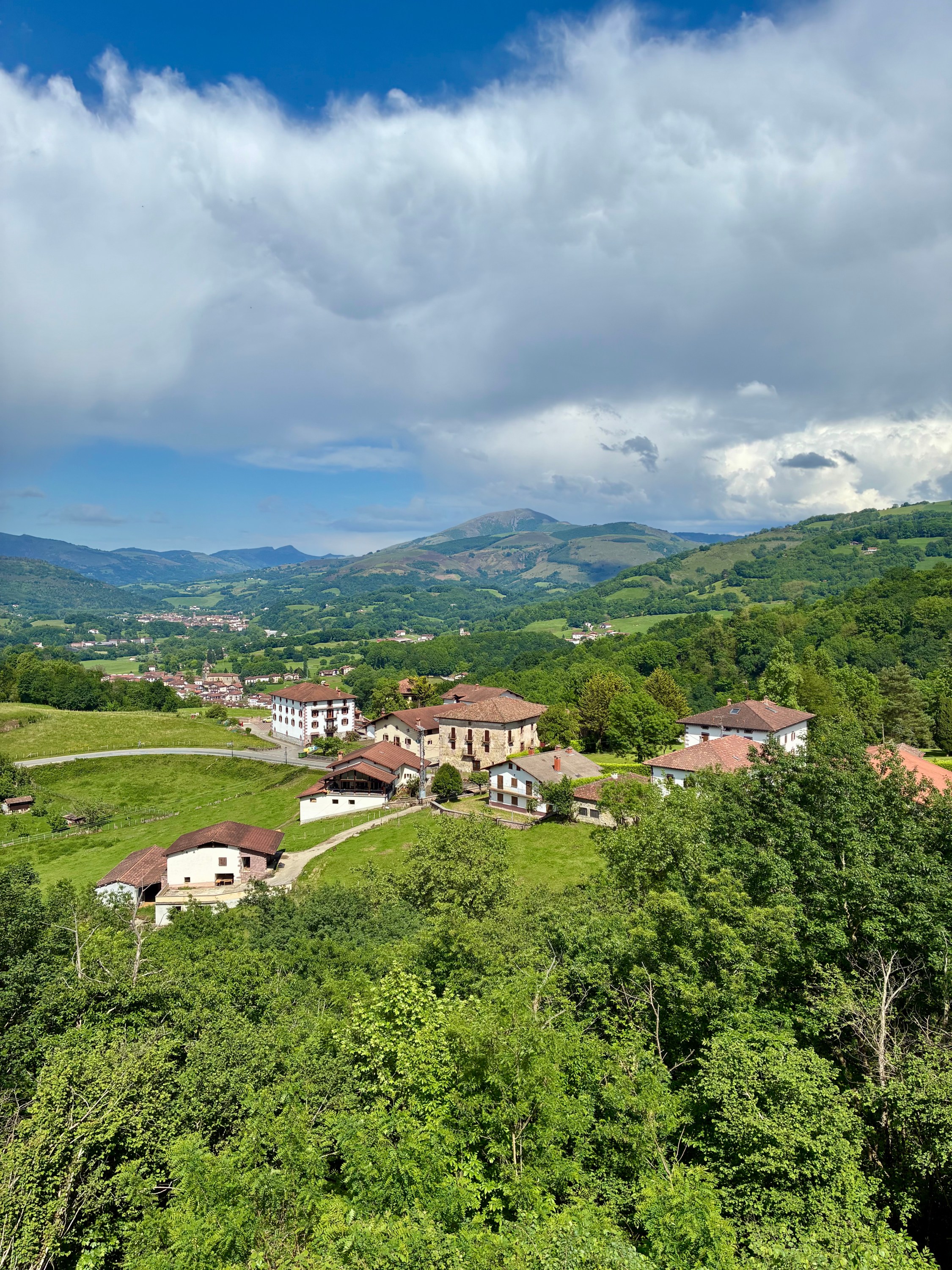
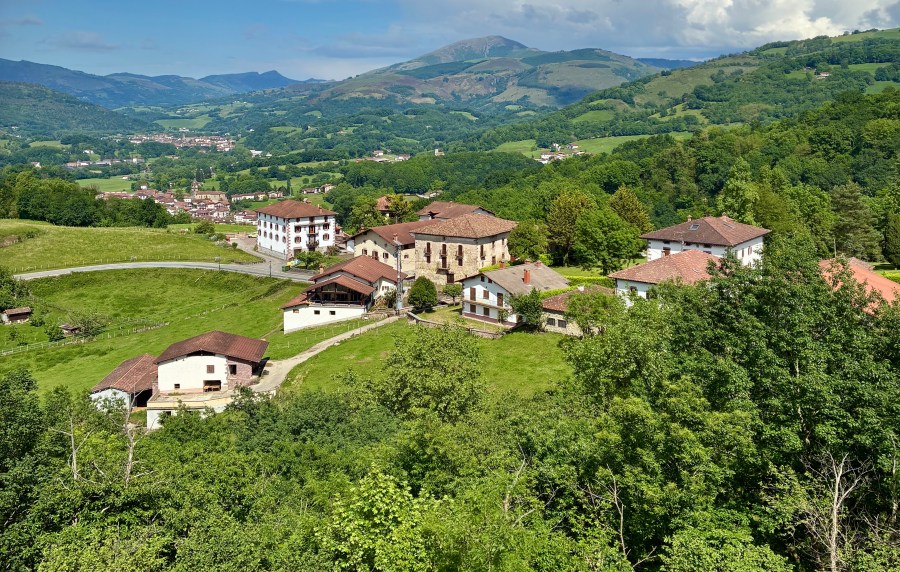
Located in northern Spain, Navarra has fewer than 9,000 hectares of vineyards and offers an extraordinary range of wine styles thanks to its varied landscapes and the influence of several climates. Navarra rosado has evolved from a traditionally inexpensive, everyday wine into a globally recognised category known for its complexity and food-friendly character. Between 2001 and 2021, global rosé production increased by 25%, reflecting the category’s evolution from a cheap summer drink to a more gastronomic, year-round choice. Today, Navarra is one of the world’s leading rosé-producing regions, alongside Provence in France.
One of the foundations of Navarra’s premium positioning was its commitment to making rosado intentional rather than treating it as a by-product. Producers in Navarra use the traditional Saignée (bleeding) method, in which juice is drawn off the grape skins during maceration specifically for rosé, a process that can require up to three times more grapes than standard red wine production. This creates a dark, vibrant and intensely flavoured style rather than a lighter, diluted one. From the very beginning, the wine is intended to be rosado. Committing that amount of fruit to rosé sends a clear signal that it is viewed as a premium wine, not a secondary product.
The challenge doesn’t end there. Strict regulations apply at every stage of rosé production. Vineyard yields are controlled, grapes must reach sufficient ripeness, and only free-run juice, obtained naturally without pressing, is used to produce rosado, relying solely on gravity to separate the juice from the skins. The result of this gentle extraction is fresh, aromatic wines with greater flavour, concentration and texture, helping establish Navarra as one of the world’s leading regions for premium rosé.
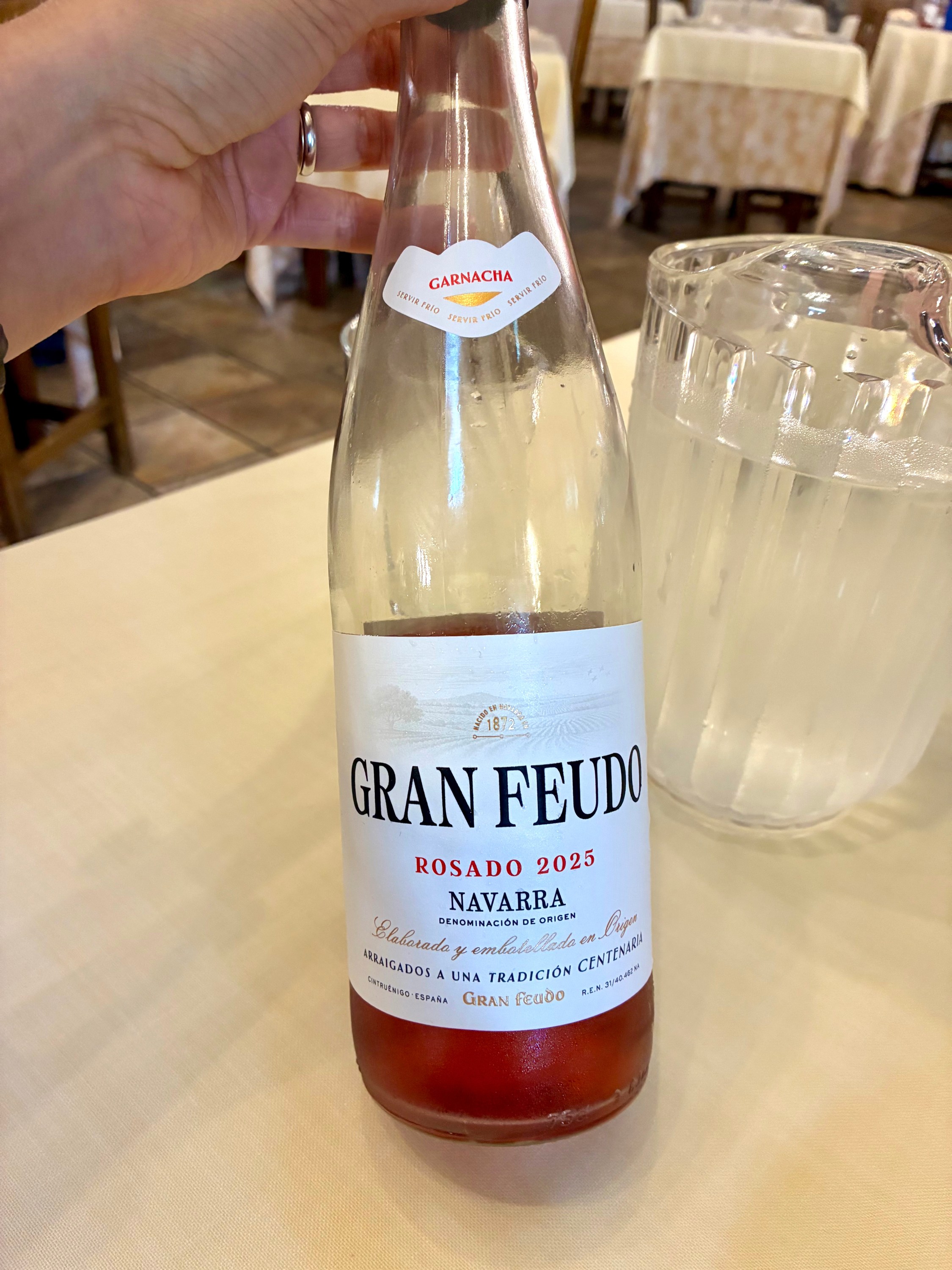
The rise of Navarra rosado also reflects the growing importance of the region’s signature grape, Garnacha. Although rosado is made from several varieties, including Tempranillo, Cabernet Sauvignon and Merlot, Garnacha has always been at the heart of Navarra’s identity. Producers have also refined its style over time. While today’s wines are often recognised for their deep colour, Navarra has historically produced a broad range of styles, with official colour categories introduced as early as the mid-twentieth century.
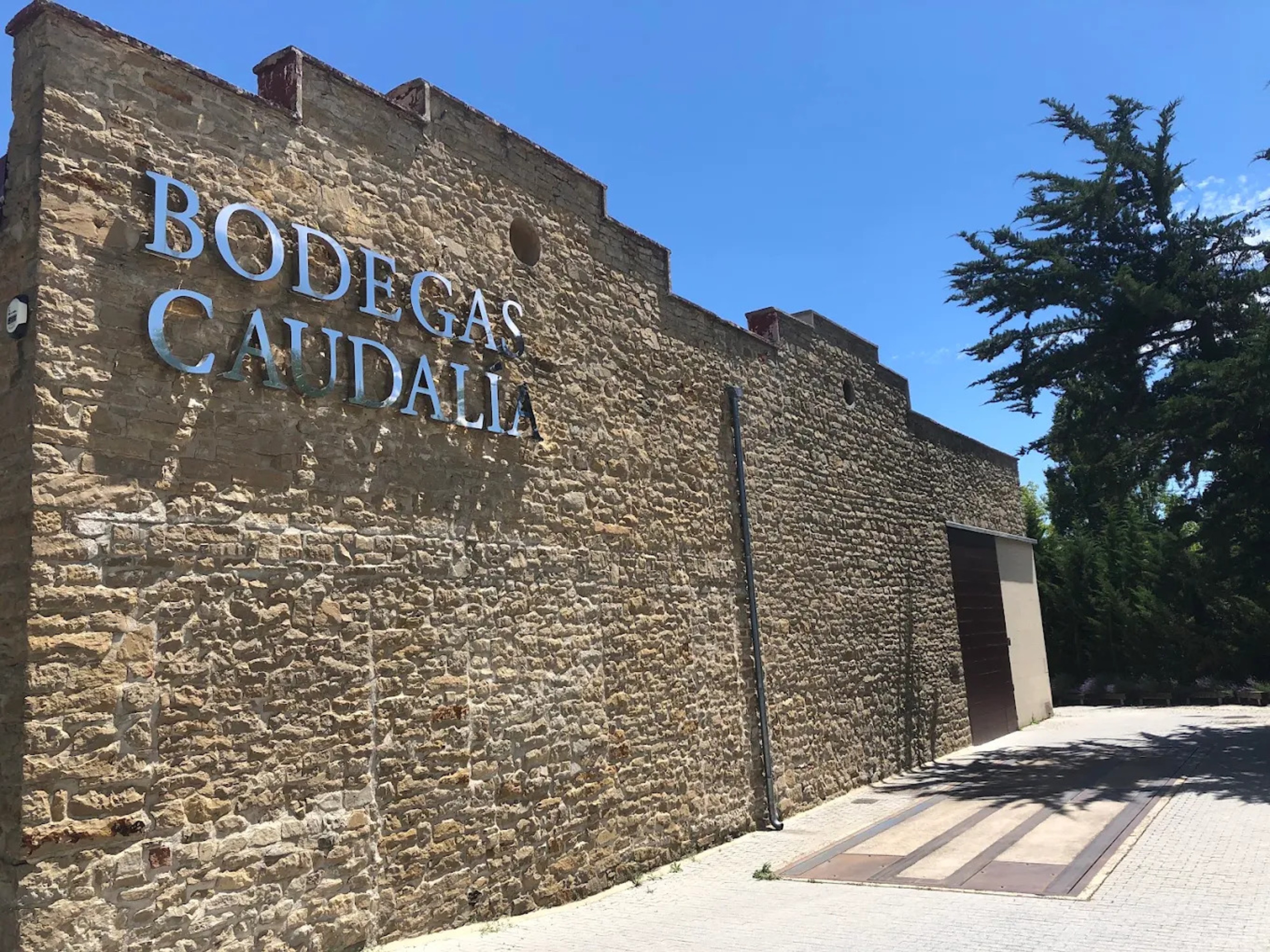
The evolution of Navarra rosado continues today. It is easy to think of rosé as a single style of wine, but the category is far more diverse than many drinkers realise. Navarra has not only refined its approach to making rosé to position its wines and remain relevant, but has also responded to changing consumer preferences. While the region has traditionally been known for deeply coloured rosados, producers are increasingly exploring paler expressions, such as Bodegas Caudalia Xi’ipal, an exclusive wine with an annual production of around 1,150 bottles from a single plot that delivers concentrated flavours despite its pale appearance. Some are intended for early drinking, while others are made with ageing potential in mind.
Producers are also experimenting with vessels such as oak, concrete eggs, amphorae and even glass globes, each influencing texture, flavour, structure and ageing in different ways. These techniques can increase production costs further, alongside the large quantity of grapes required for the Saignée method, while traditional rosado styles continue to play an important role across the region. Recent years have also seen significant investment in preserving old-vine Garnacha vineyards. These old vines produce fruit with intense freshness, aromatic complexity and natural acidity, helping to enhance the quality and reputation of Navarra’s rosé portfolio.
As part of its premium positioning and official protection, the Regulatory Council of D.O. Navarra recently introduced the Rosado Tradition designation, requiring the Saignée method and the exclusive use of Garnacha. The aim is not simply to preserve tradition, but to reinforce the practices that define Navarra rosado. Rather than causing winemaking to be easier or more efficient, producers continue to invest in techniques that strengthen the identity of their wines. Old-vine Garnacha, single-vineyard expressions and more ambitious styles of rosé all reflect the same philosophy: producers deliberately embrace demanding techniques because they create wines with a distinctive identity and reinforce Navarra’s premium positioning.
English wine faces a similar challenge. Winemaking in the UK is inherently demanding, with producers navigating a combination of climatic, geographical and economic constraints. The country’s cool climate brings vintage variation, low yields, frost risk and difficulties achieving consistent ripeness, while many vineyards also struggle with challenging terrain and small production volumes. In addition, strict quality standards mean that hand harvesting remains the predominant practice, particularly for premium traditional-method sparkling wines, where careful fruit selection is essential to preserve grape quality before pressing. Rising labour costs, taxes and disease pressure add further pressure to producers. But as Navarra has shown, these realities need not be seen simply as limitations. When communicated effectively, they can become powerful signals of craftsmanship, rarity and quality.
The opportunity is not simply to explain that English wine is difficult to produce, but to explain why those difficulties matter. Low yields can be presented as rarity instead of limited supply. Hand harvesting is a sign of craftsmanship. Vintage variation reflects authenticity and uniqueness rather than inconsistency. Choosing the traditional method for sparkling wine as its defining identity, instead of the more accessible tank method, signals quality and provides a clear point of difference from other sparkling wine styles, such as Prosecco. Frost, cool-climate viticulture and patient ripening all form part of a story that reinforces quality rather than apologising for higher costs.
Turning production realities into commercial value is not unique to Navarra’s Saignée technique. Regions such as Etna and Lanzarote with their volcanic vineyards, the Mosel with its impossibly steep slopes, and Champagne with its long lees ageing have all transformed demanding practices into part of their premium identity. Rather than hiding the costs or apologising for the challenges, they have made them part of the story behind the bottle. In each case, the winemaking process itself becomes part of the premium positioning. The commercial lesson is always the same: production alone does not create value. Meaning creates value.