
I am honoured to be one of three writers, invited to contribute wine reviews of English and Welsh wines to Vineyard magazine after the untimely death of Matthew Jukes earlier this year. Though I didn’t know him well, I always admired Matthew’s professionalism, enthusiasm and sheer tasting ability.
To celebrate his incredible contribution to English wine, Vineyard Magazine will present a Matthew Jukes Trophy to the best wine featured in this column over the past 12 editions, as chosen by a panel of judges at the Vineyard and Winery Show at the Kent County Showground on 25 November. Tom Surgey and I will also be hosting a masterclass featuring the wines from our first columns including the ones below.
For my Vineyard magazine debut, I am shining a spotlight on a variety that doesn’t get the love it deserves. While the papers are full of champagne houses making wine in Kent or how Essex is making Pinot Noir to rival Burgundy, Ortega is quietly getting on with making some of the best wines in the country. It seems uniquely suited to southern England, yielding much better than the more starry French varieties. No less a figure than the great organic pioneer Will Davenport has said he thinks Ortega, rather than Bacchus, should be England’s calling card.
Ortega is an early-ripening German cross created in 1948 with some Riesling and Gewürztraminer heritage. In the best versions, you can really pick up that noble parentage: Gutters & Stars’ 2025 Avalon Ortega from Yew Tree vineyard in Oxfordshire, for example, shows a delicate rose petal edge redolent of Gewürz. What I love about the variety is its sheer versatility. Dry whites, orange wines and late-harvest sweeties: Ortega can do it all.
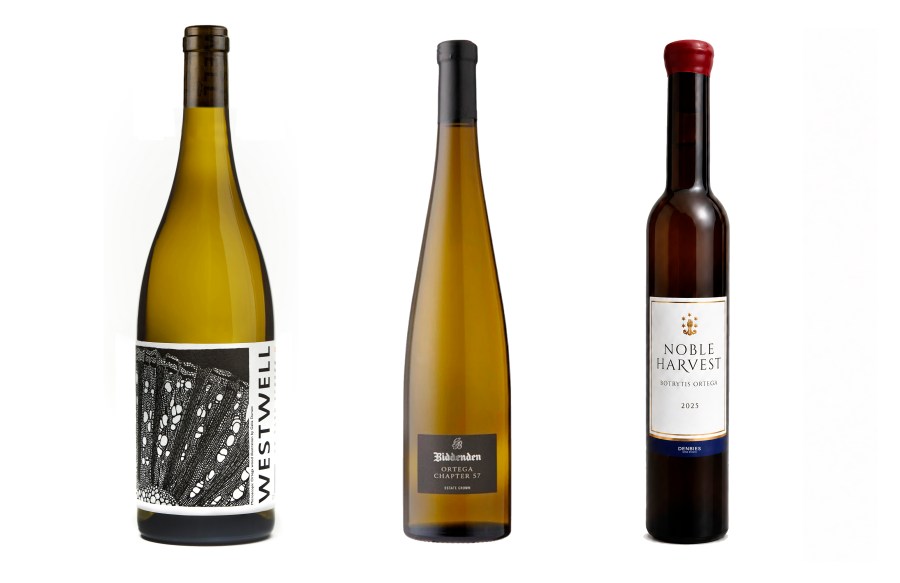
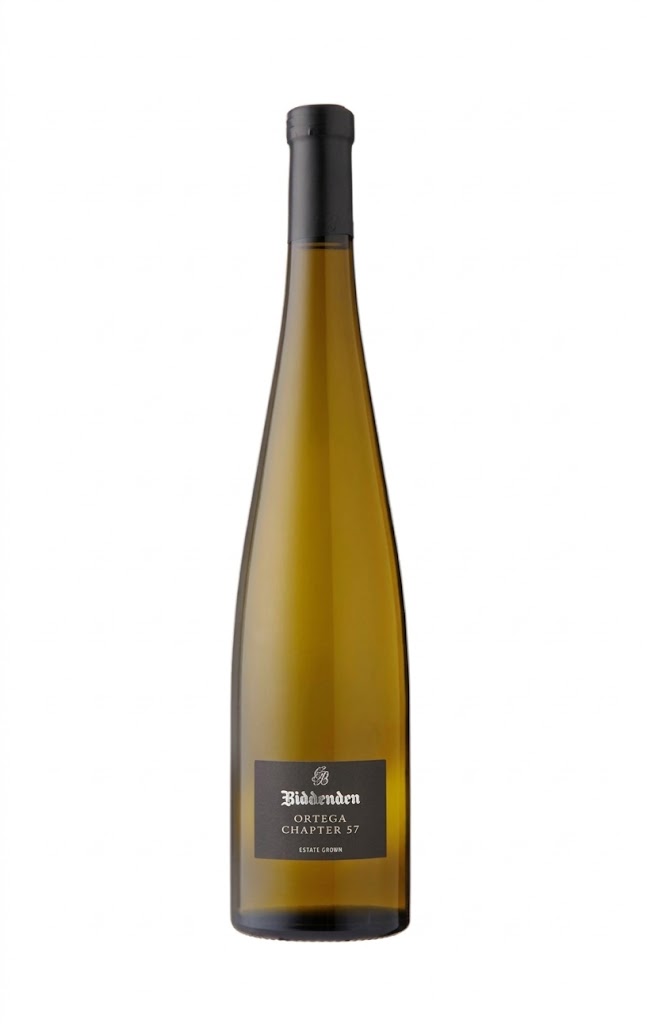
Biddenden Vineyards Ortega Chapter 57 2025
£18.00 www.biddendenvineyards.com
The Barnes family were the first people in England to plant Ortega, at their farm in 1969. Ever since, they have released an off-dry wine with a distinctive Germanic label. It was one of the first English still wines I actually wanted to spend my own money on. Winemaking is now in the hands of Tom Barnes, and he’s really pushing what Ortega can do in this corner of Kent. In 2018 he produced a superb sweet version with 122 grams of residual sugar, and again in 2025.
Now, there’s a series of old vine wines made from an original plot planted in 1969. The Chapter 56 from 2024 stopped me in my tracks when I tasted it earlier this year. It was so concentrated that it reminded me of something from Santorini rather than an easy-drinking wine from Kent. This latest release, Chapter 57 from 2025, is even better. Tom used late-picked grapes and the alcohol level of 13.5% gives you some idea of how ripe those grapes were. The result has intense flavours of grapefruit and baked apple with a salty, smoky bone-dry finish. I can’t think of anything else like it from England and it’s seriously underpriced for a wine this good.
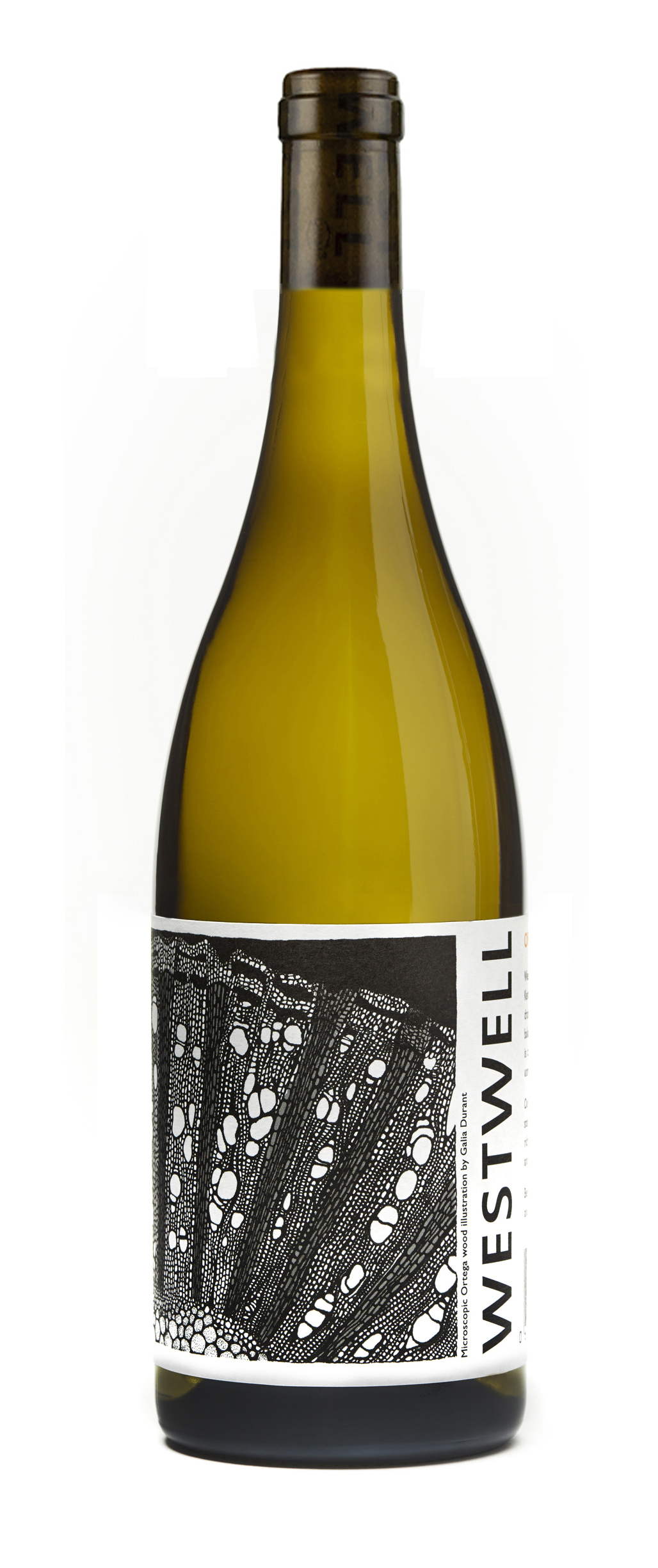
Westwell Ortega 2025
£19.50 www.westwellwines.com / The Wine Society
Westwell is also in Kent, but the soil is very different: chalk and sandy loam, compared with the sticky clay at Biddenden. Winemaker Adrian Pike is a massive Ortega enthusiast, which is perhaps no wonder, as he trained with Will Davenport.
Over the years he has made flor-affected Ortega, sweet wines, and, in most years, a skin contact wine. The 2025 orange wine is particularly fine, with a distinct flavour of bitter apricots, but numbers are very limited, so I have picked the flagship bottling instead.
It comes from the excellent 2025 vintage. The grapes were fermented fully with native yeasts to 11.5% ABV and then aged on the lees, Muscadet-style. The result has peachy fruit with a zing of citrus and a creaminess from the yeast cells. There’s nothing better with oysters from nearby Whitstable. It couldn’t be more different from Biddenden’s famous Ortega but both are Kentish classics.
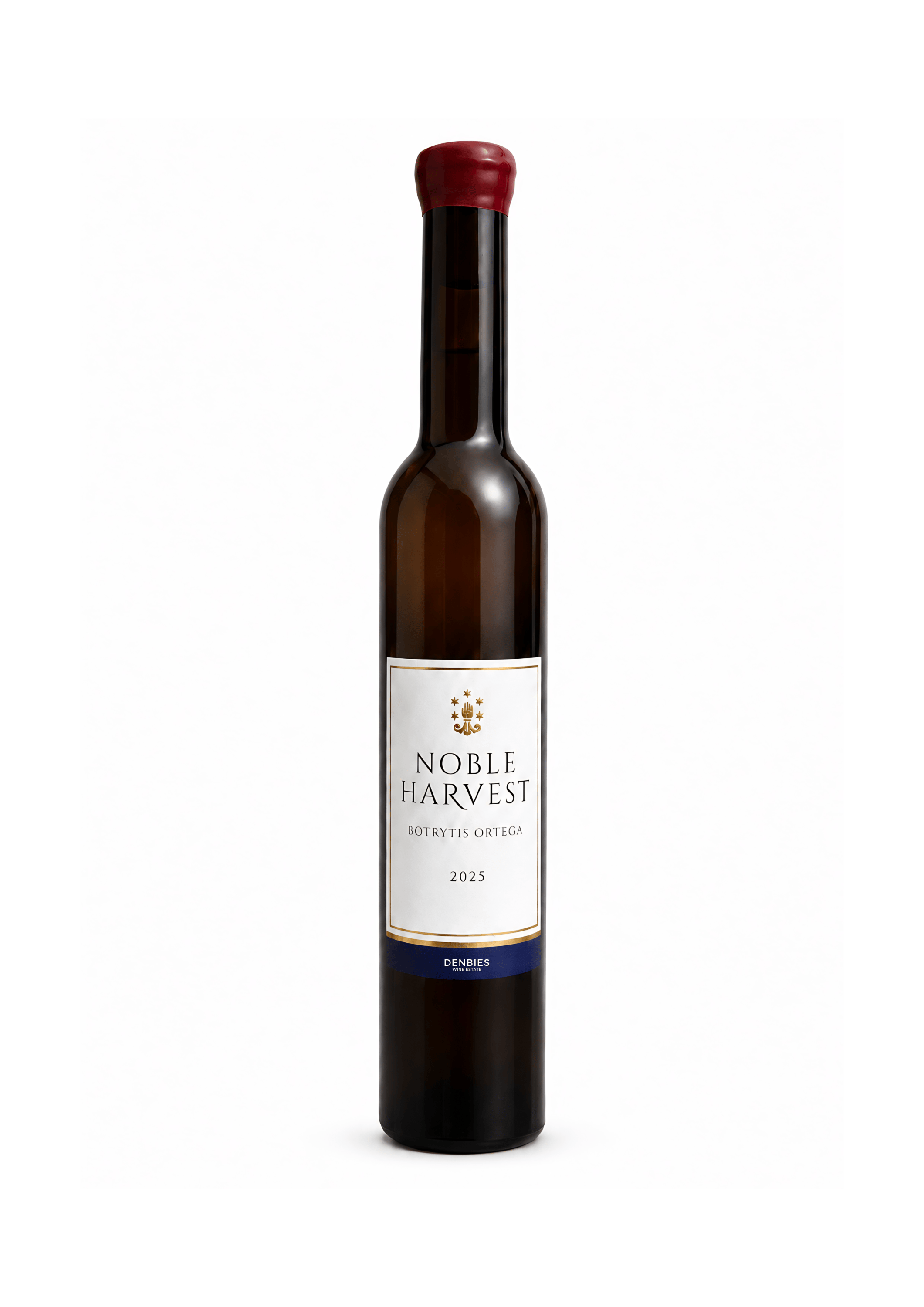
Denbies Noble Harvest Ortega 2025
£35.00 www.denbies.co.uk/products
Biddenden isn’t the only vineyard in the south east to make late-harvest Ortega. There’s Denbies in Surrey. Founded in 1986, it is one of the old guard, ancient by English wine standards.
The soil here is mainly chalk. Every so often, when the climatic conditions are just right, cool misty mornings followed by bright afternoon sunshine, Denbies is blessed with outbreaks of botrytis cinerea – noble rot. Last year was one such year.
Winemaker Andy Kershaw pressed the hand-picked and carefully-sorted grapes very slowly over two weeks and fermented at low temperature for 20 days to produce a wine with 92g of residual sugar and 11.5% alcohol.
John Mobbs from Great British Wine came up to me at WineGB with a gleam in his eye and insisted I taste this, and I’m glad he did. You really get the botrytis on the nose, with notes of apricot and honey. The palate is sweet and beautifully balanced, with an electric seam of acidity. It would be very nice with blue cheese or a fruit tart. It’s quite primary now, but put it away for five years and I think you will have something quite sensational.
That is the magic of Ortega: sweet, intense or easy-drinking, it is the grape for all seasons. But it can also be tricky. That ability to accumulate sugar makes it a tempting target for birds and other predators and susceptible to rot. Get it right, however, as Biddenden, Westwell and Denbies do year after year, and you can make wine that is appealing, distinctively English and, best of all, affordable. Why don’t we grow more of it?