
Record-early starts, ripe and healthy fruit, and a season that kept teams on their toes. Spring frost left its mark on some, but the mood across the industry is one of real excitement.
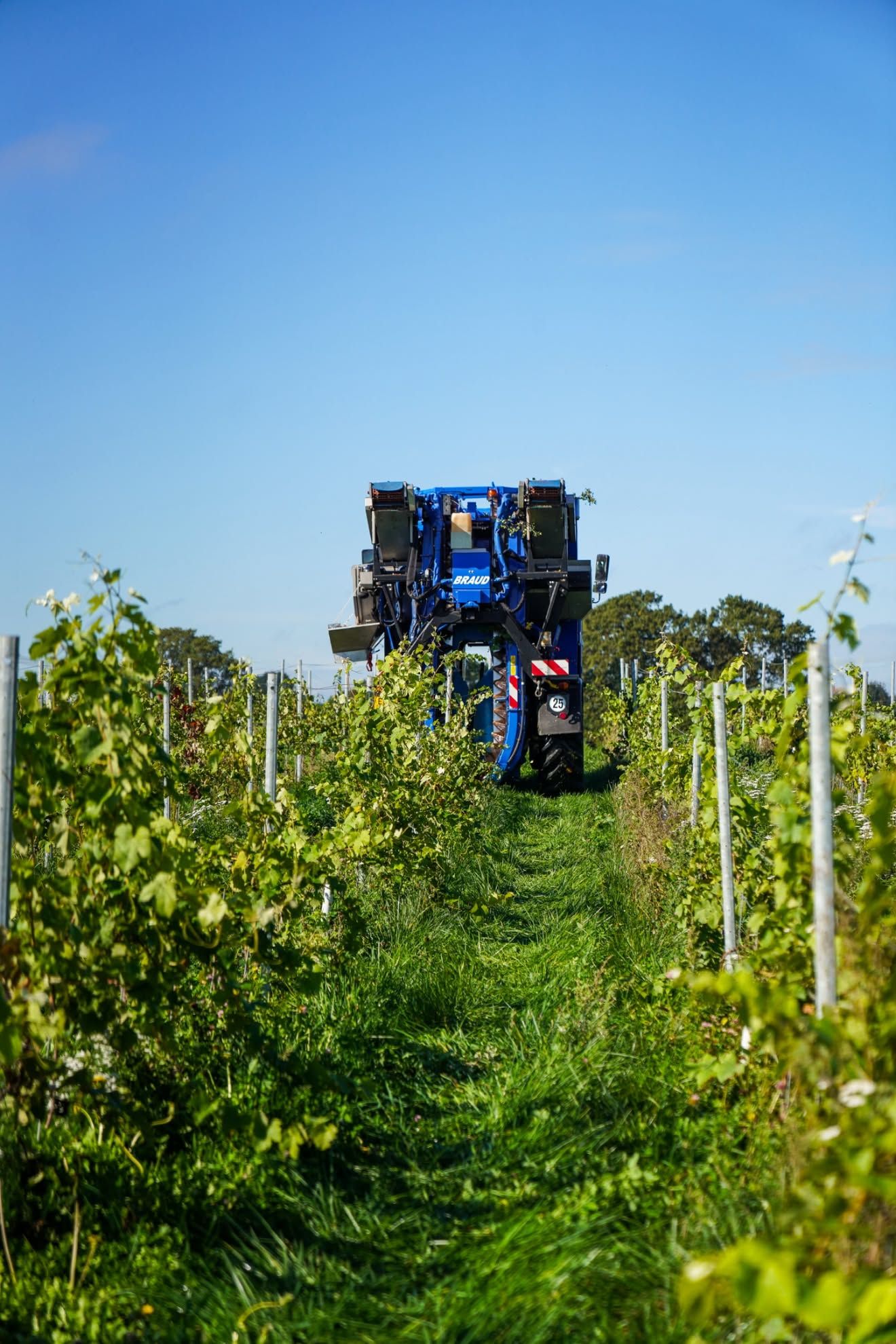
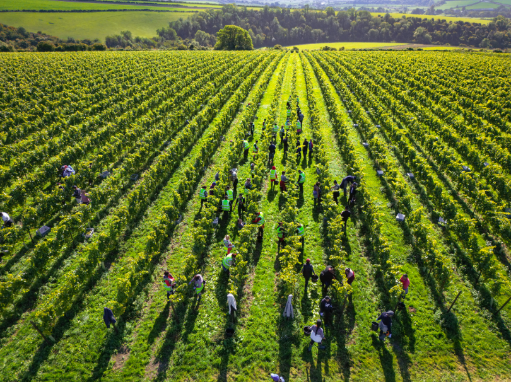
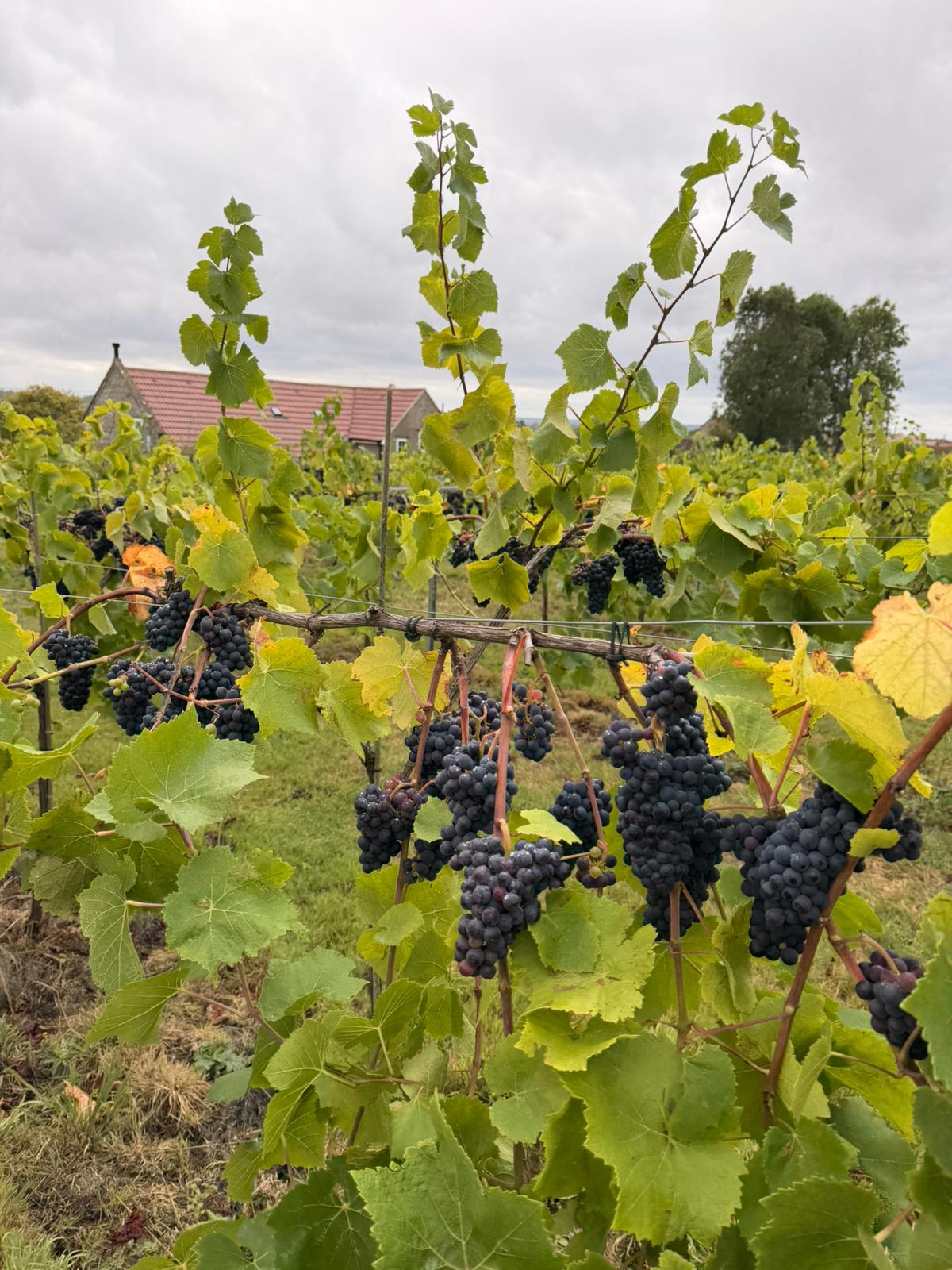
As I look back to last year’s report of earliest on record, 2026 seemed in a hurry to beat it. The industry spent the end of August into September adapting at great speed; holidays were cancelled, volunteer days were hurriedly arranged, pickers were brought in at the last minute and winemakers were flying back from their breaks. The mainstream media called it an incredible year, with high temperatures and low rainfall putting England and Wales on the map as the next big region. That misses the bigger picture of a season with real ups and downs, where earlier bud break brought extreme frost risk across the whole of the country.
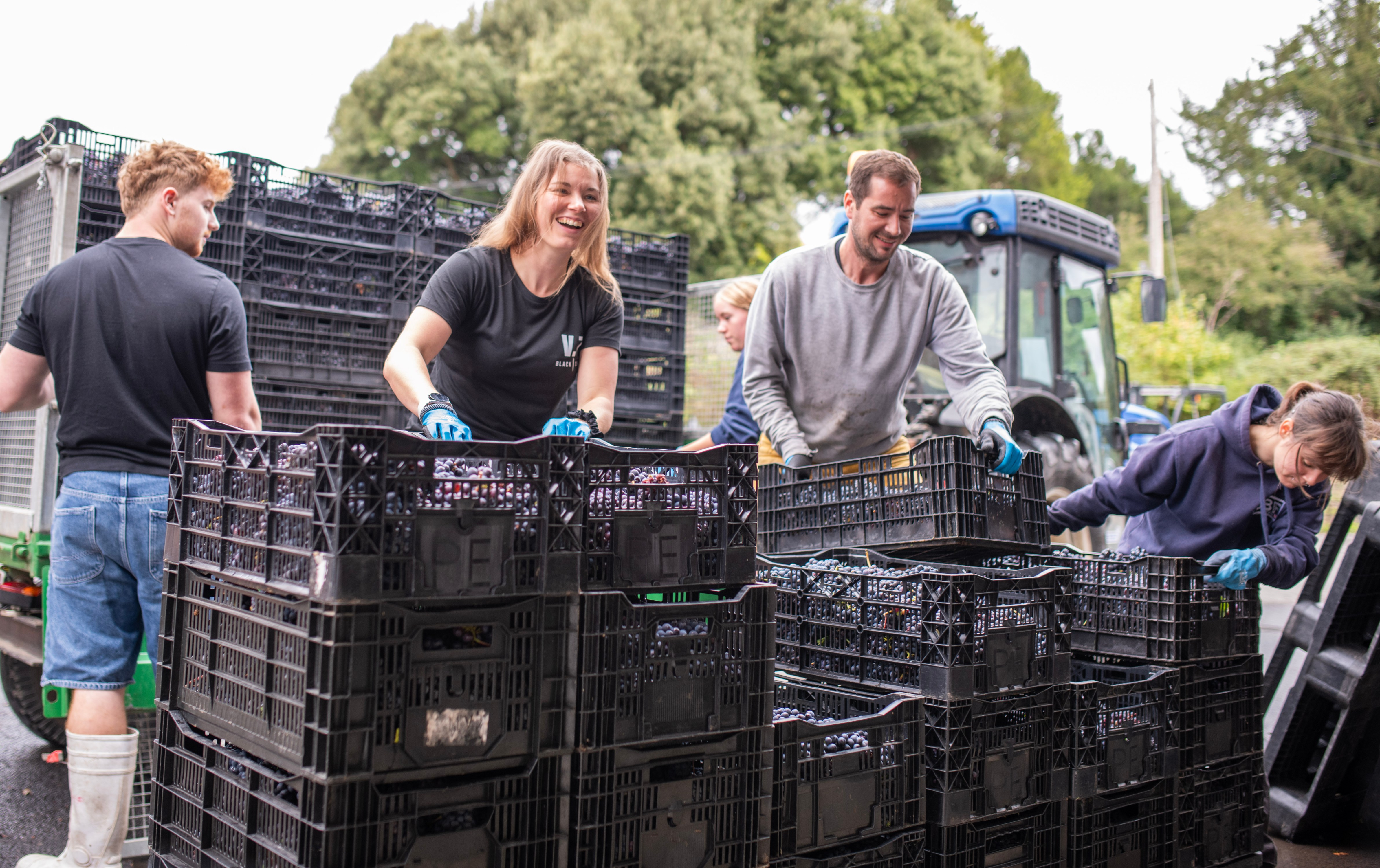
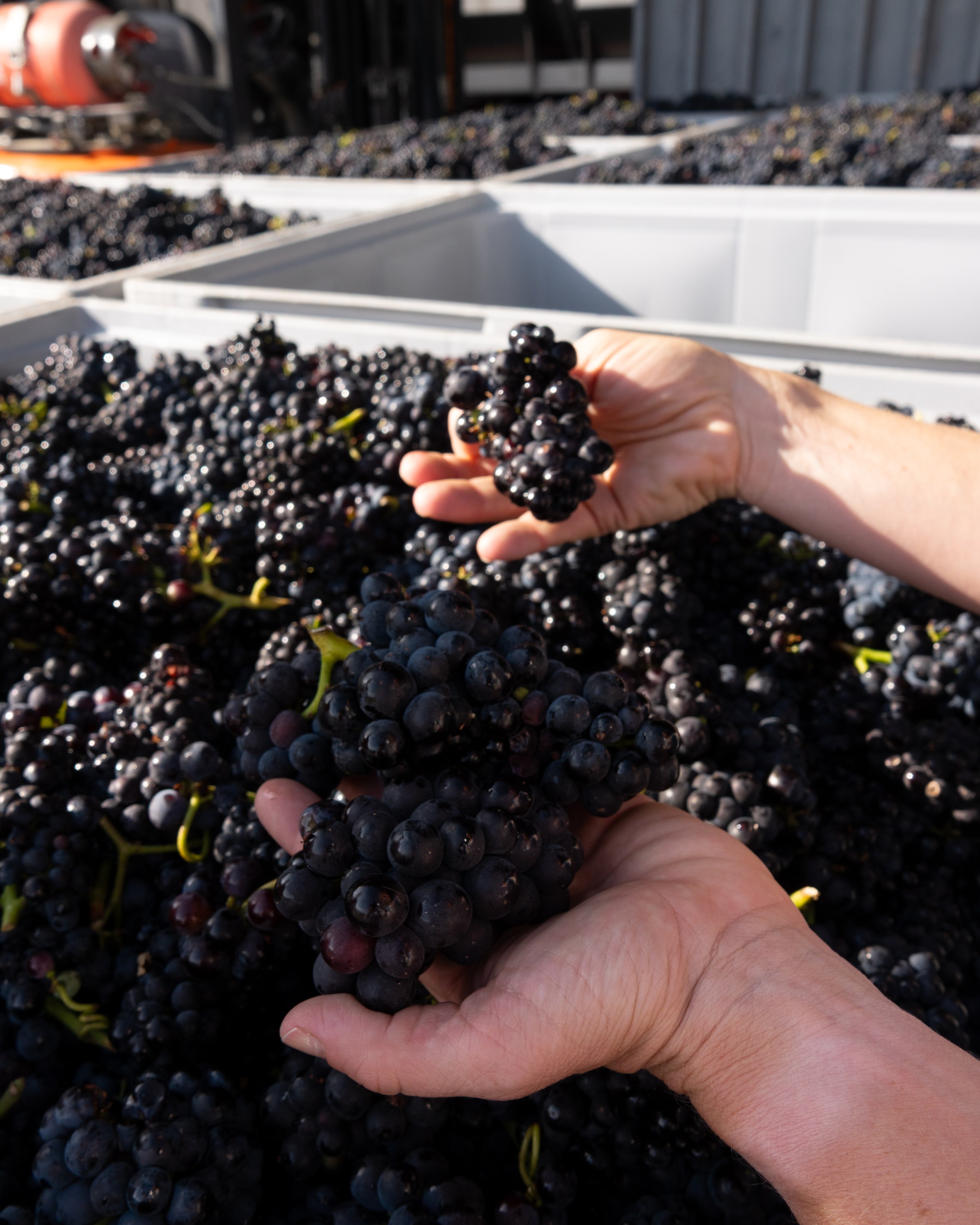
Even so, ripeness came early. Gusbourne in Kent began picking Pinot Noir in Boot Hill on 26 August, two weeks ahead of 2025. Head winemaker Mary Bridges describes the vintage as a “big personality”. The early start raised the question of phenolic ripeness, which she answered directly: “From everything I’ve seen and tasted so far, the early harvest has not meant we have compromised phenolic ripeness.” Head vineyard manager Jon Pollard was equally pleased: “All we had to say to the pickers is ‘pick everything’ because the fruit was so consistently ripe and in such good condition.” Westwell, also in Kent, started in the first week of September with Ortega and Regent, its earliest start in memory, and describes picking its best Chardonnay in the middle of September rather than November.
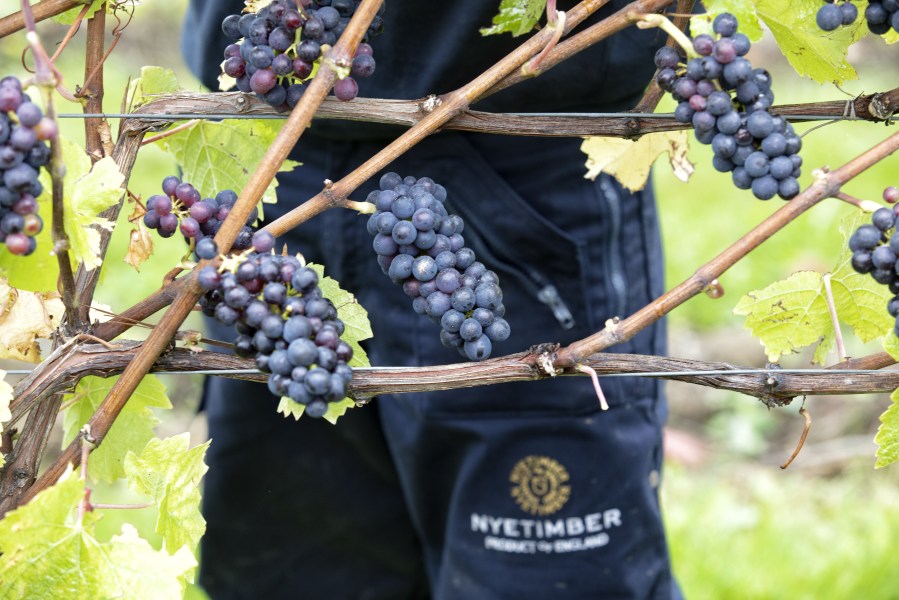
Across in West Sussex the pattern held. Nyetimber announced its earliest ever harvest, beginning on Monday 14 September, five days ahead of the previous record set in 2018. Cradlers Barn Vineyard in Tillington, near Petworth, had an early bud burst, five heatwaves and an amazingly warm growing season, and its position high on the Tillington terroir avoided frost altogether.
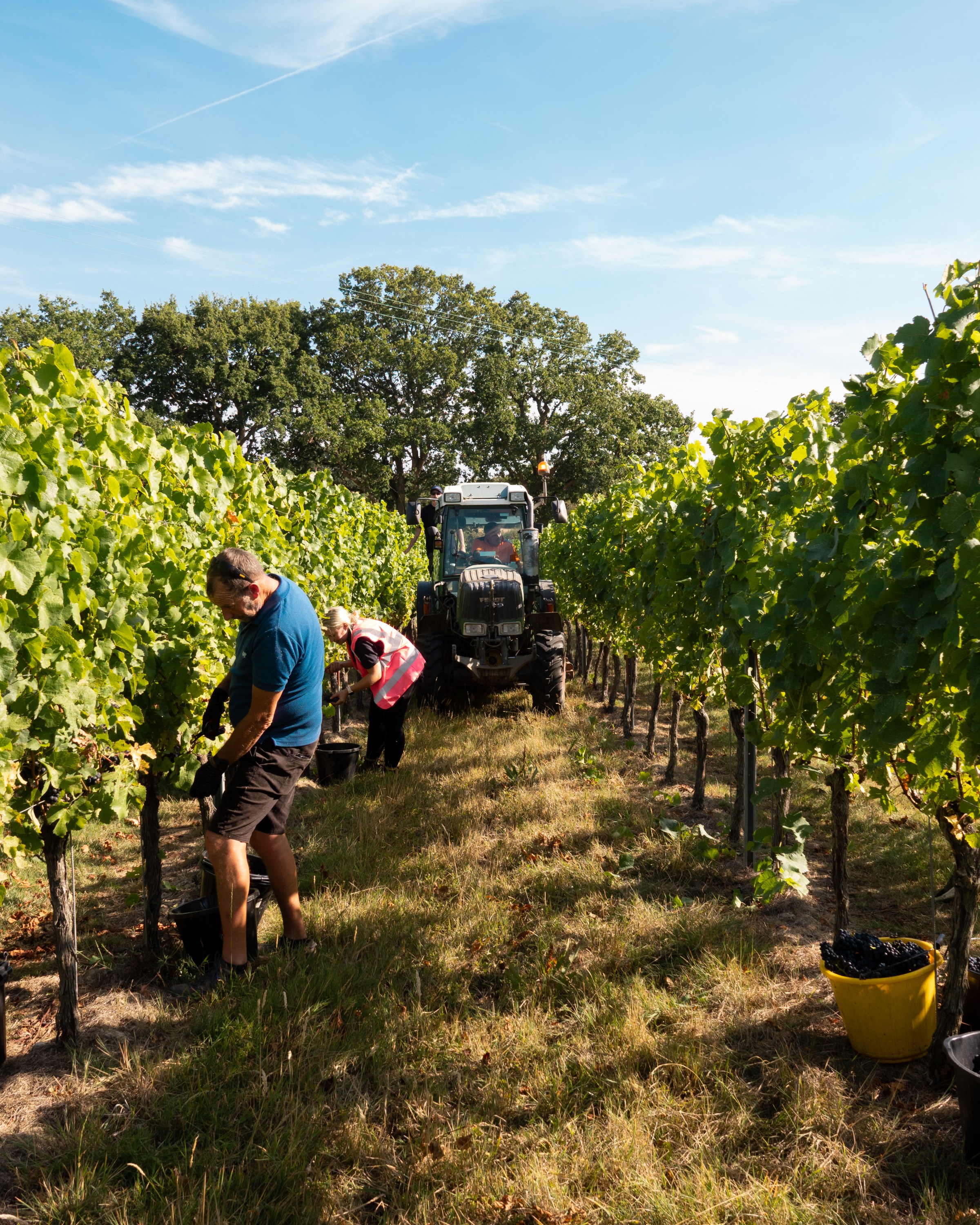
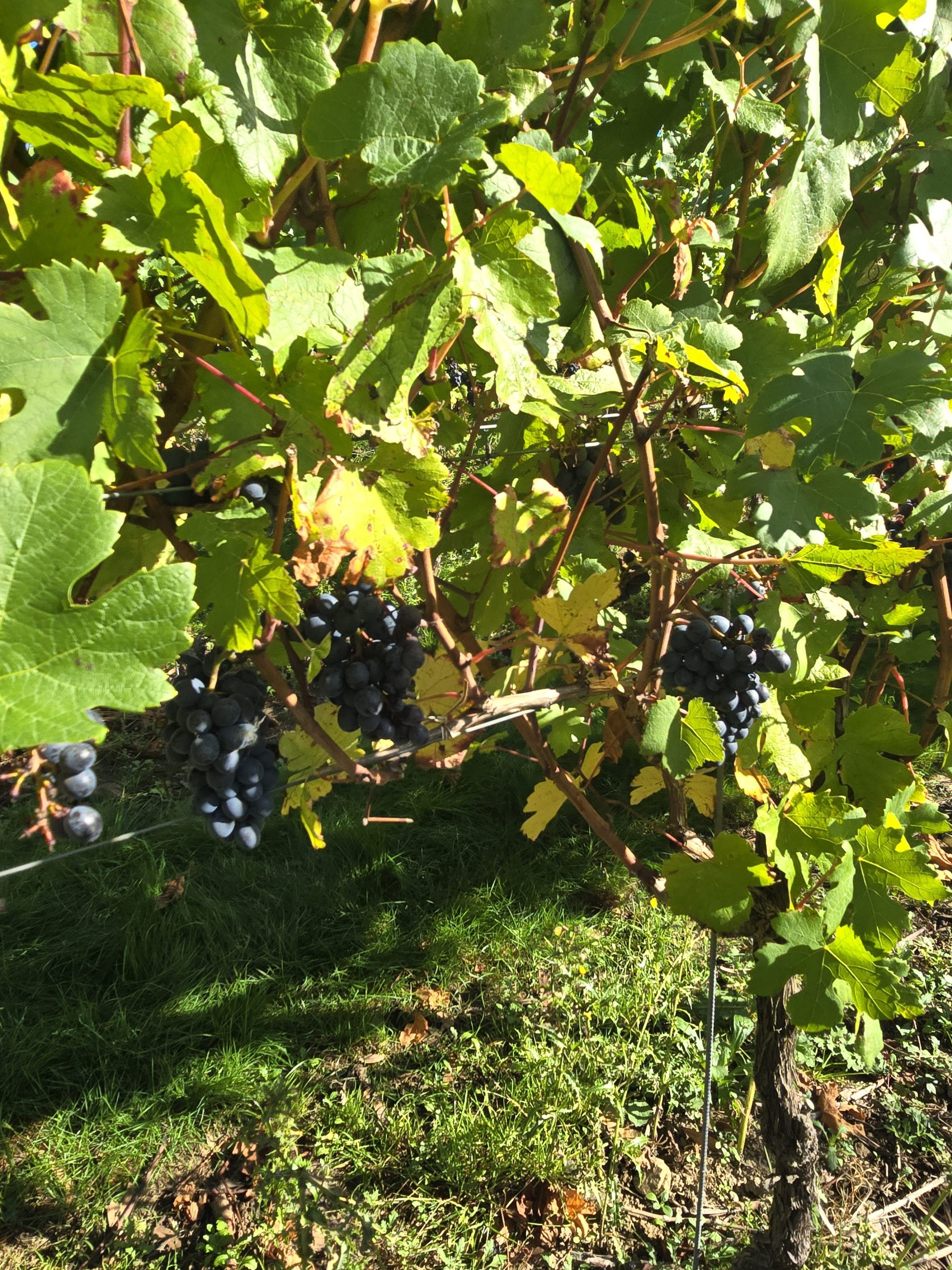
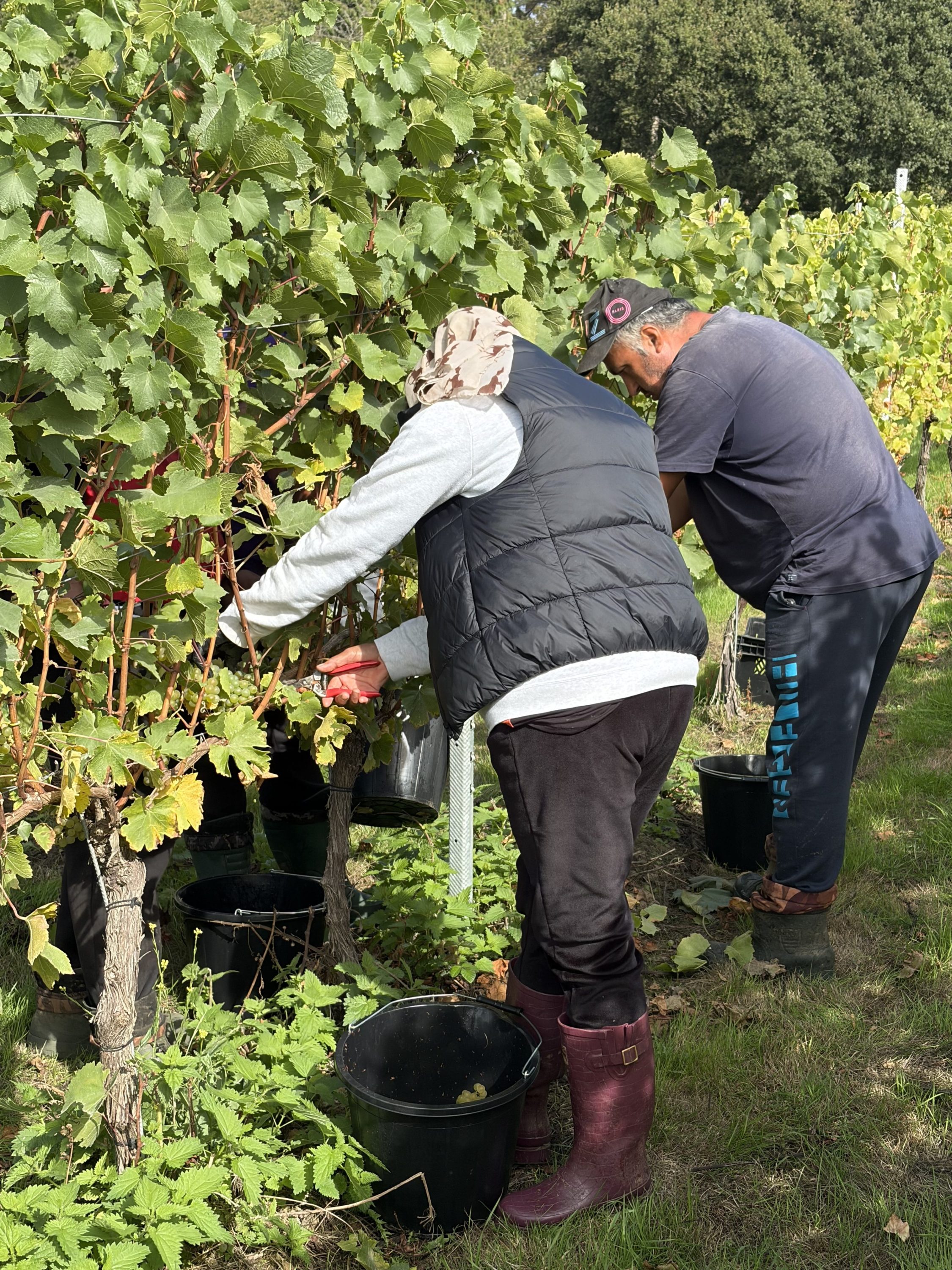
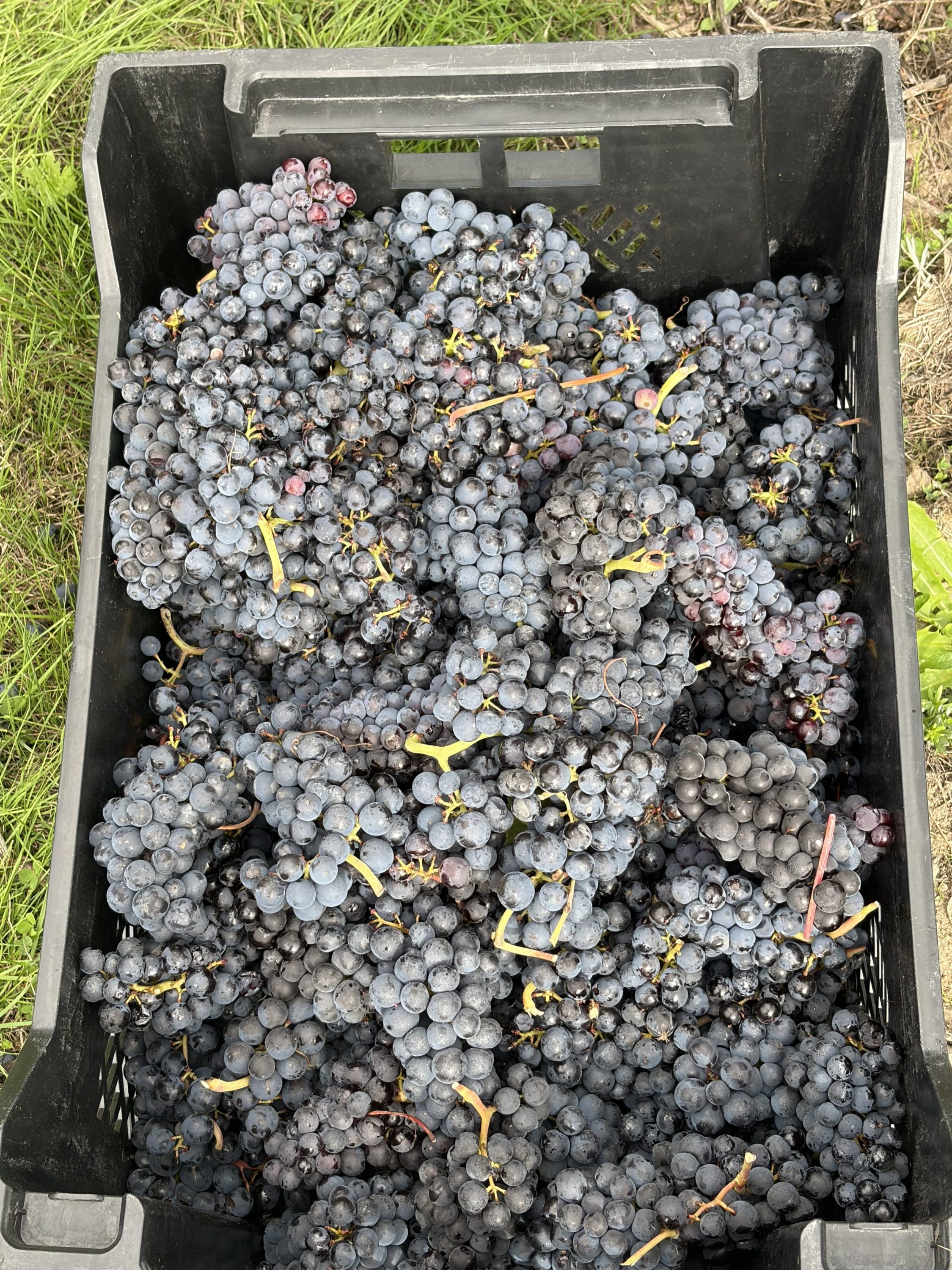
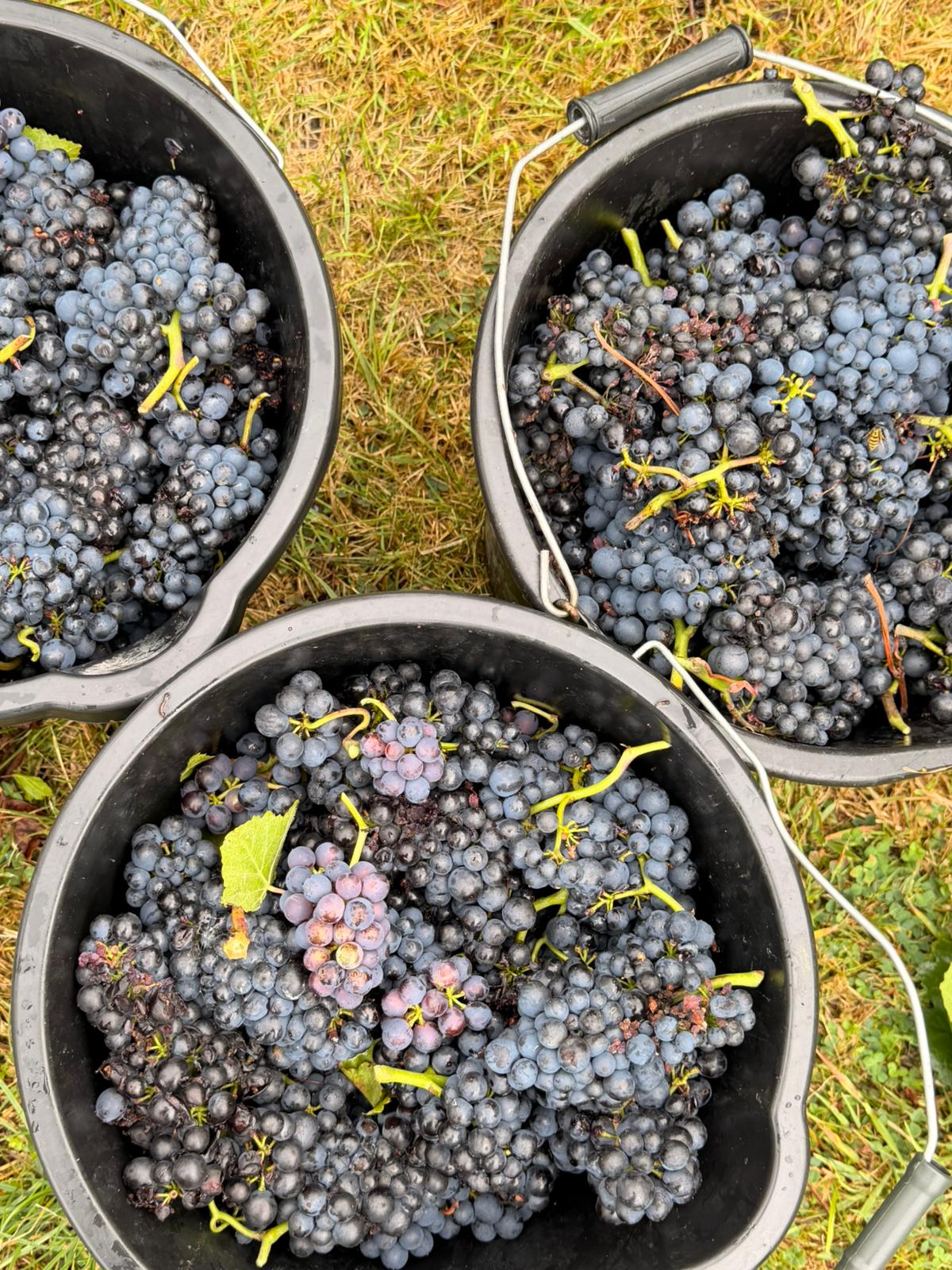
I saw the season at first hand helping with the pinotage harvest at Leonardslee in Sussex, where Barry Anderson discussed how they were bringing in the earliest harvest so far. Bunches were lower in weight, but the fruit was ripe, with concentrated flavours, great phenolics and good tannins. A small area was lost to frost, but it was a good year overall.
Further west, Jo Hilditch of White Heron Estate in Herefordshire said the warm, dry weather of June meant a successful flowering: “This gave potential for a large harvest and the prolonged hot weather throughout the summer has helped deliver extremely clean fruit with good ripeness levels.”
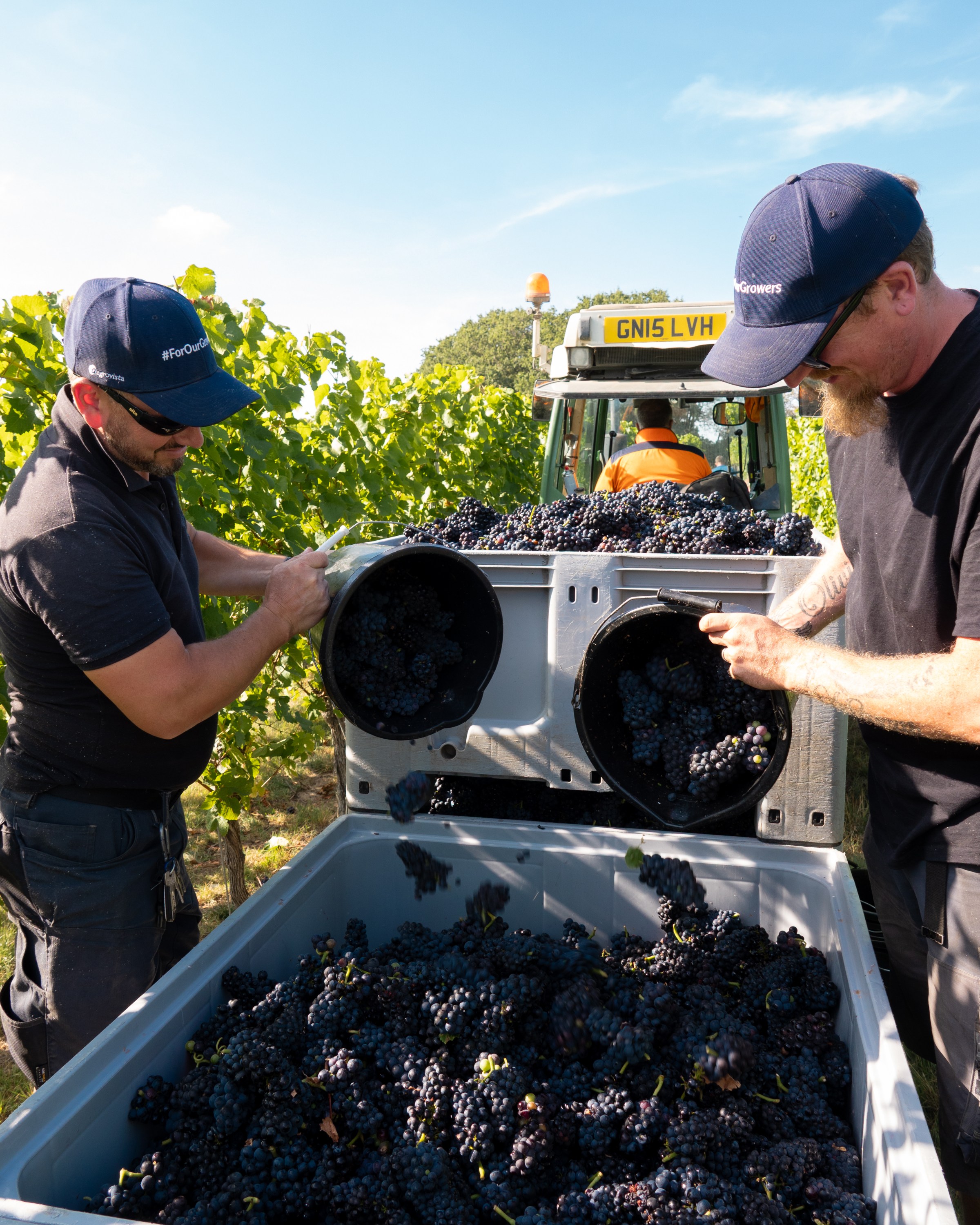
In Somerset, Wraxall Vineyard escaped the late frosts, and David Bailey summed up the mood on the first day of picking: “Seeing the grapes safely gathered into the bins is always a hugely rewarding moment and the culmination of an entire year’s work in the vineyard.”
The last rushes of rain at the cusp of September gave berries a late rise in water concentration, and there was a fear of splitting as smaller, concentrated berries filled out. That fear did not come to light. David said: “The long, hot summer has given us beautifully ripe, flavoursome fruit, with the recent rainfall arriving at just the right time to help swell the grapes ahead of picking. The quality is looking extremely promising and, if everything continues as it should, we believe 2026 has all the makings of an excellent year.”
In many regions the lack of rain eased disease pressure and reduced spraying. At Gusbourne, Jon Pollard reported that mature root systems gave the vines access to moisture, with no water stress in the hottest spells and the humid heat easier to handle than the 40°C spikes of 2022.
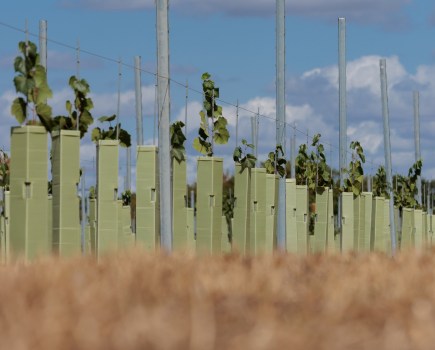
That was not the case across the whole country, where younger, less established vines struggled and brought conversations about irrigation, as well as discussion of more drought resistant rootstocks.
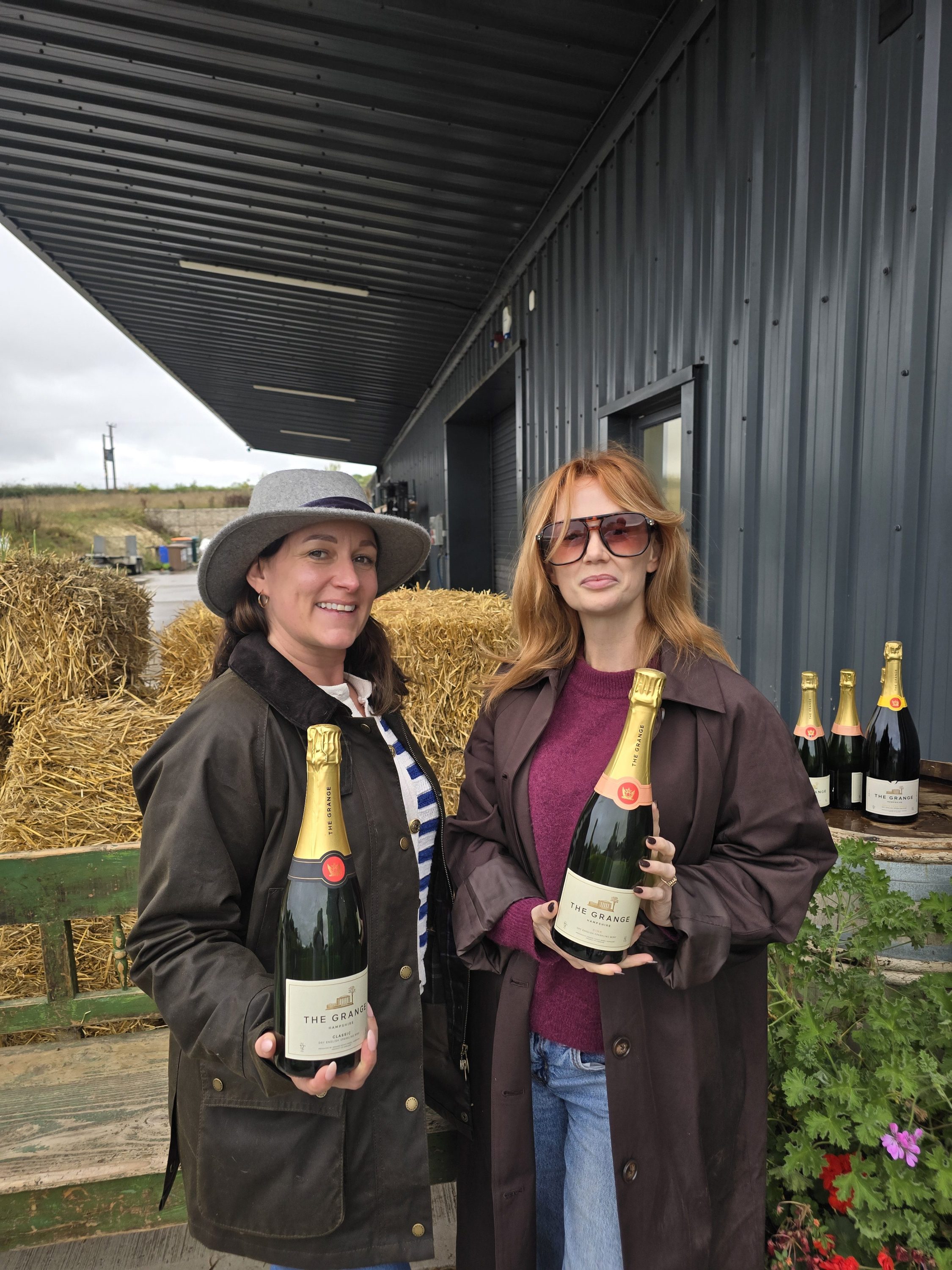
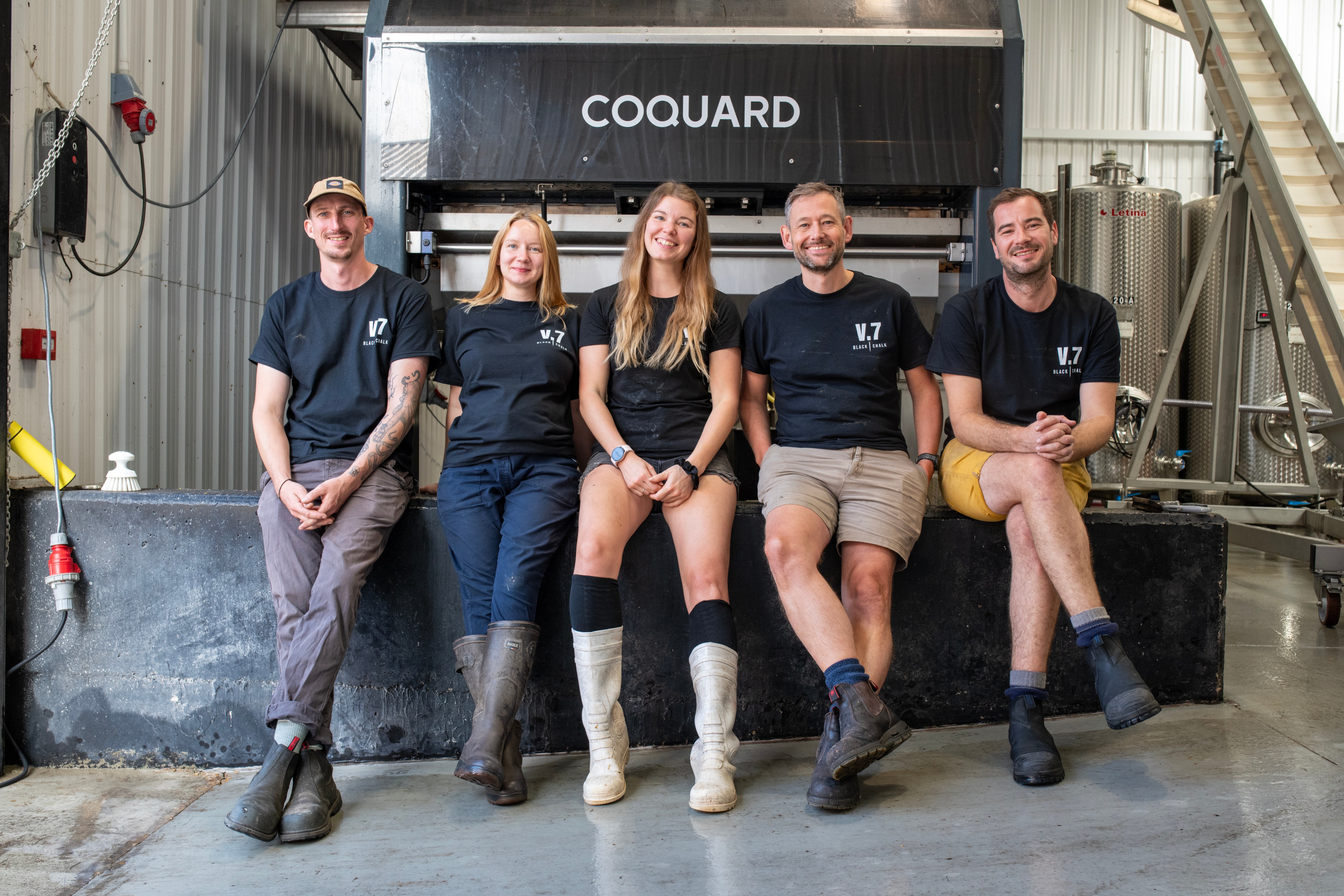
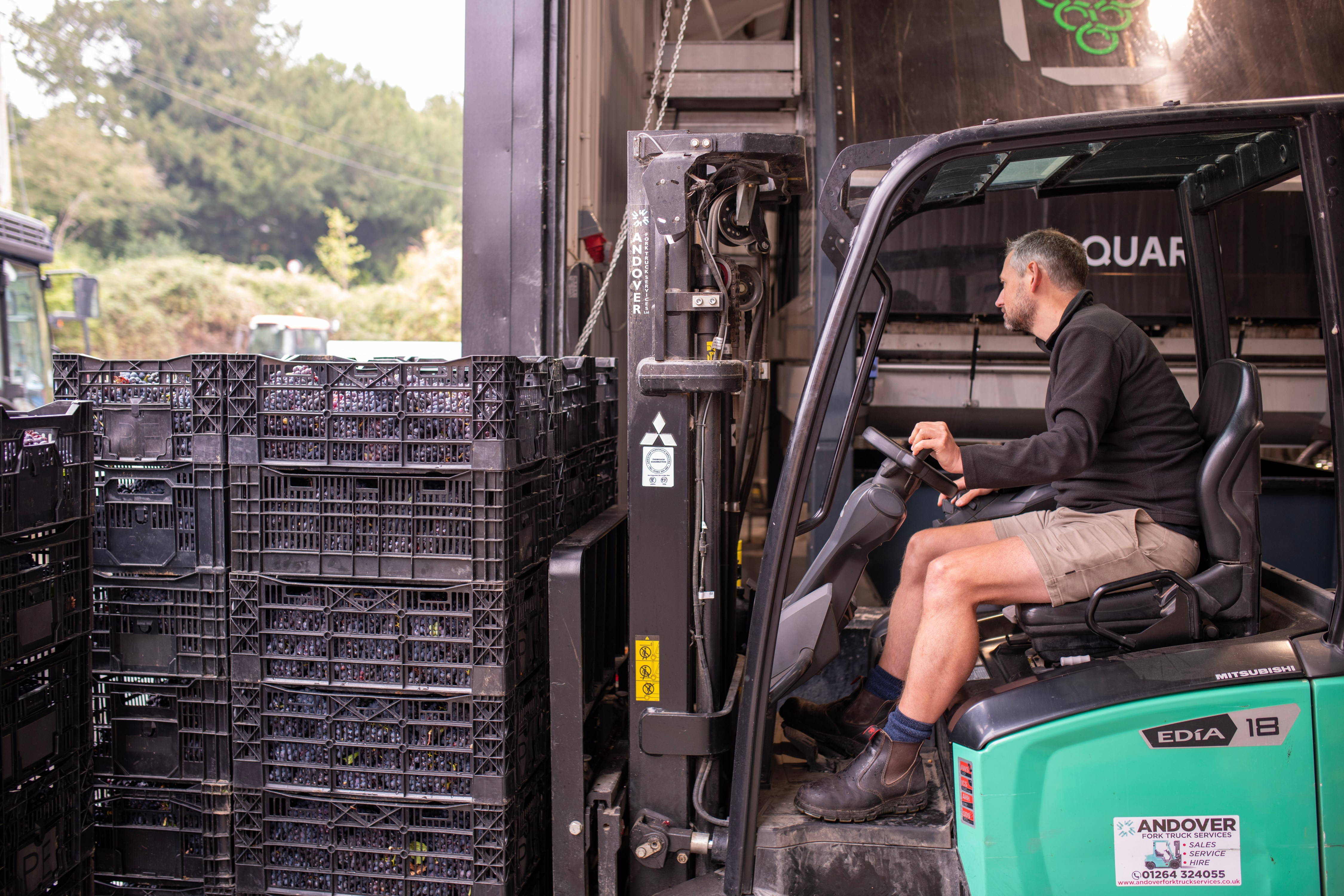
Frost remained the dividing line. At The Grange in Hampshire, picking began on 6 September, a fortnight before last year, but very bad frosts in late April and early May killed the first emerging shoots and reduced yield. Mark Darley of All Angels also reported early frosts and reduced yields, but “off the charts quality throughout”. At Black Chalk in Hampshire, Jacob Leadley called the year “crazy early, small in volume but high in quality”, and Zoë Driver reported yields down due to the frost but “so many interesting parcels”.
Taken together, 2026 delivered early, ripe and healthy fruit across many regions, with volume decided largely by the spring. The season rewarded established vineyards, tested younger plantings and showed how quickly the industry can adapt. As Andy Wiles at Black Chalk put it: “A year like 2026 makes vintage winemaking such a joy, even with having to cancel a holiday.”
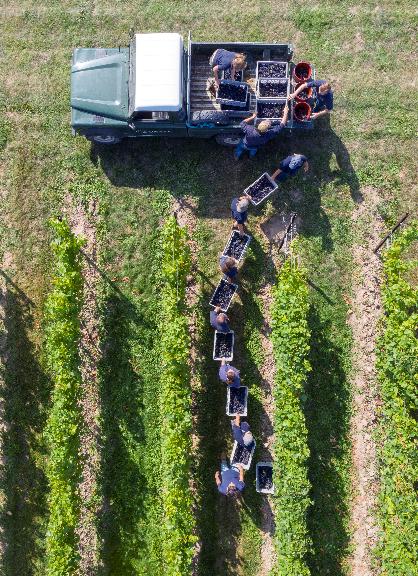
Workers, volunteers, consumers and the whole team will no doubt be enjoying harvest celebrations now that the last grapes are safely in, much deserved. The final word will, as always, come from the cellar. As Zam Baring at The Grange said: “Overall we think 2026 will be an amazing year but, as usual, you will have to wait until 2030 to taste it.”
Alice Griffiths is a wine communicator boosting the profile of English and Welsh Wine on social media. Alice has worked within the agriculture industry for the past 20 years, spending time as a lecturer and a smallholder before discovering her passion for viticulture, winemaking and wine tasting.
Get in touch to have your events featured: [email protected] | www.alicegriffithswine.com | Alice can be found on social media under @alicegriffithswine on Instagram.