
After a run of dramatically different vintages, 2026 has given UK viticulture another season that challenged assumptions, but also demonstrated just how much English and Welsh vineyards can achieve.
The 2026 growing season began with a series of extraordinary frost events, creating a challenging start before developing into a season defined by warmth, dryness and exceptionally rapid ripening. As spring gave way to summer, growers faced a very different set of problems from those they had become accustomed to. Disease pressure was generally manageable, but water availability, heat stress and the speed of fruit development became increasingly important.
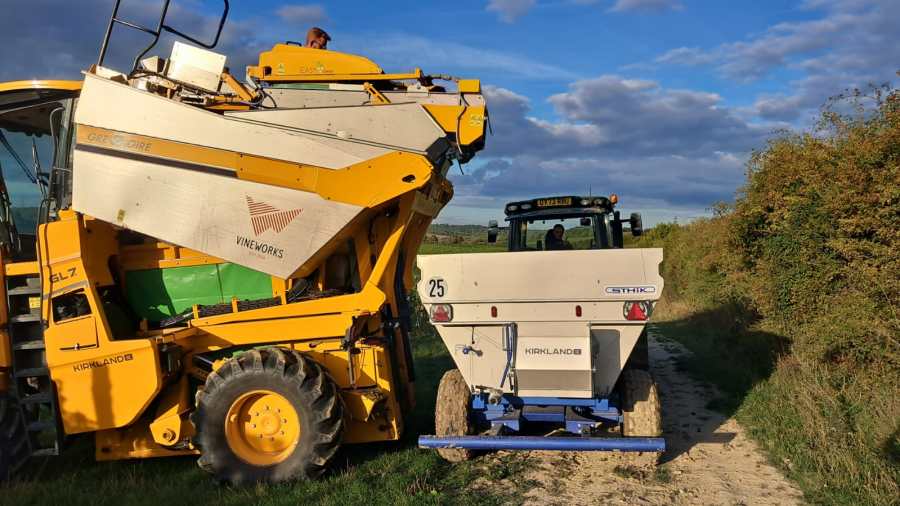
Harvest arrived early across much of the country, with some vineyards picking several weeks ahead of traditional expectations. This created a race to keep pace with rapidly developing fruit while coordinating labour, machinery, transport and winery capacity.
The reward was fruit that, in many vineyards, arrived at the winery in excellent condition. Dry weather reduced disease pressure and allowed teams to harvest clean, healthy bunches. Smaller berries on some sites brought good concentration, while sugar, acidity and flavour development provided plenty of interest for winemakers.
But perhaps the most important story of 2026 is what the season tells us about the direction UK viticulture is heading.
Learning to manage extremes
The past few years have provided an extraordinary education in vineyard resilience.
2023 brought abundance, with exceptional yields creating challenges around winery capacity, fruit pricing and supply and demand. 2024 brought difficult weather, disease pressure and severely reduced crops. 2025 provided a welcome return to balance, with good yields and strong fruit quality.
Then came 2026 – a season where warmth and drought became the dominant concerns.
The lesson is increasingly clear: there is no longer a typical growing season that growers can plan around with confidence.
Traditional challenges (i.e., cool conditions, rainfall and disease pressure) remain, but they are being joined by problems more familiar to warmer wine regions. Soil moisture, canopy protection, sun exposure and heat stress are becoming increasingly relevant. Harvest dates are moving, and decisions once made according to the calendar are increasingly being driven by the fruit itself.
For vineyard managers, this demands greater observation and adaptability. Soil health and organic matter can improve water retention, while canopy management must balance sunlight and airflow with protection from excessive heat. Maturity analysis also becomes increasingly important when ripening can accelerate so quickly.
Building resilience for the future
The biggest takeaway from 2026 is that resilience cannot be built in response to a crisis. It needs to be developed year after year.
That means investing in healthy soils, improving water management, choosing appropriate varieties and clones, maintaining flexible vineyard infrastructure and making decisions based on detailed monitoring rather than historical assumptions.
Different vineyards also have different needs. Aspect, soil type, elevation, exposure and vine age can all make a significant difference when weather becomes more extreme. What works on one site may not work on another.
The industry also needs greater collaboration between growers, contractors and wineries. Earlier harvests require earlier planning, while labour, machinery, transport and winery capacity may need to be coordinated with little notice. A connected supply chain will be better equipped to respond to rapid changes in the vineyard.
At VineWorks, we see the results of vineyard decisions first-hand, from soil preparation and canopy management through to spraying, harvesting and fruit quality. That reinforces the importance of practical, commercially sensible decisions that improve resilience without unnecessarily increasing costs or inputs.
If 2023 taught us about abundance, 2024 about vulnerability and 2025 about balance, 2026 may be remembered as the year we began to understand what a warmer UK vineyard really looks like. The future of English and Welsh wine will depend not on perfect weather, but on vineyards and businesses resilient enough to succeed without it.
At VineWorks, we’ll continue to adapt, monitor and improve, helping growers make informed decisions that keep their vineyards productive, sustainable and commercially viable – one vine at a time.
For more like this, sign up for the FREE Vineyard newsletter here and receive all the latest viticulture news, reviews and insight