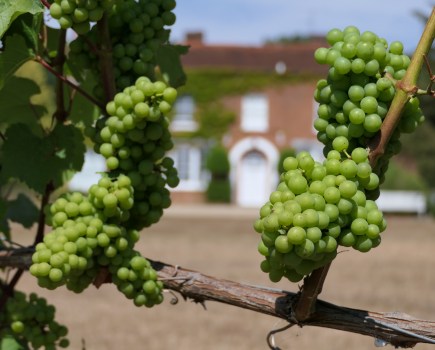

Viticulturist Tom Reid examines the disease risks vineyards face following this spring’s frost events and the changing weather conditions that have followed.
This season has given us plenty to think about. The extreme frosts earlier in the year left a legacy of dead and dying material within the canopy, tissue that breaks down and provides exactly the kind of organic matter Botrytis thrives on.
Heavy rain through the first half of June then created a prolonged period of leaf wetness, ideal conditions for downy mildew to establish and spread. More recently, the switch to high temperatures and humidity has tipped the balance towards powdery mildew, which favours warm, still, humid air within a dense canopy. Three different diseases, three different weather triggers, all within a matter of weeks. It’s a reminder that disease monitoring isn’t a single task but a constantly shifting picture, and this year has offered anything but a “typical” season.
Powdery mildew
Powdery mildew doesn’t need free water to infect, which is why the recent warm, humid spell has been such a concern. It favours shaded, still air within the canopy, so leaf removal around the fruiting zone is one of the most effective non-chemical tools available. Opening the canopy improves airflow and spray penetration, and it makes early symptoms easier to spot on the top surface of leaves and on developing berries, where infection is far more damaging once berries pass through the fruit set.
Downy mildew
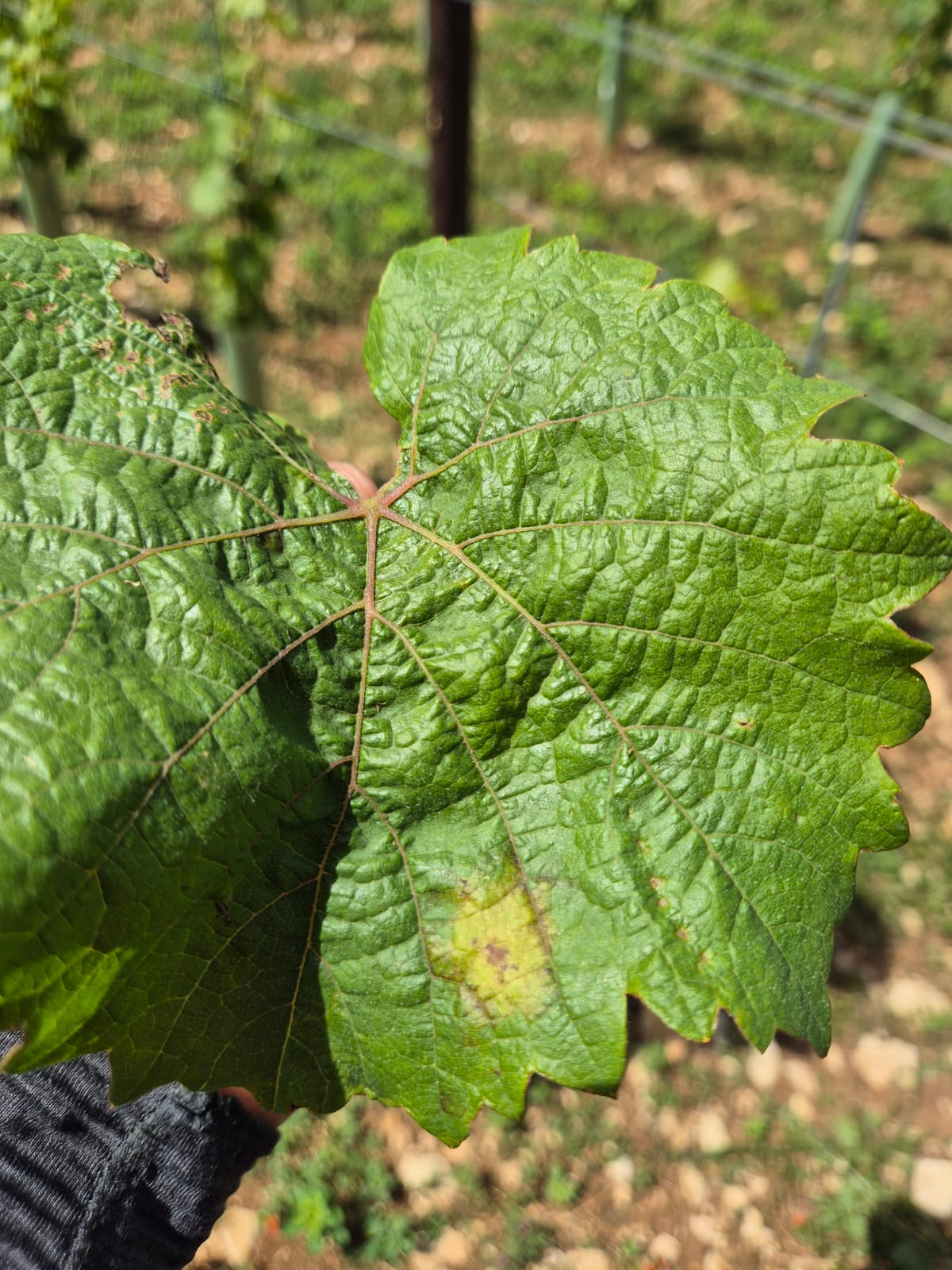
Downy mildew needs moisture to complete its infection cycle, and the sustained rainfall in early June provided exactly that. Oil spots on leaves are the classic early sign, but by the time these are obvious, secondary infection may already be underway. Spray intervals need to be tightened during and immediately after wet spells, and any gaps in coverage caused by canopy density should be addressed through leaf removal and shoot positioning rather than left to a spray programme to compensate for.
Botrytis
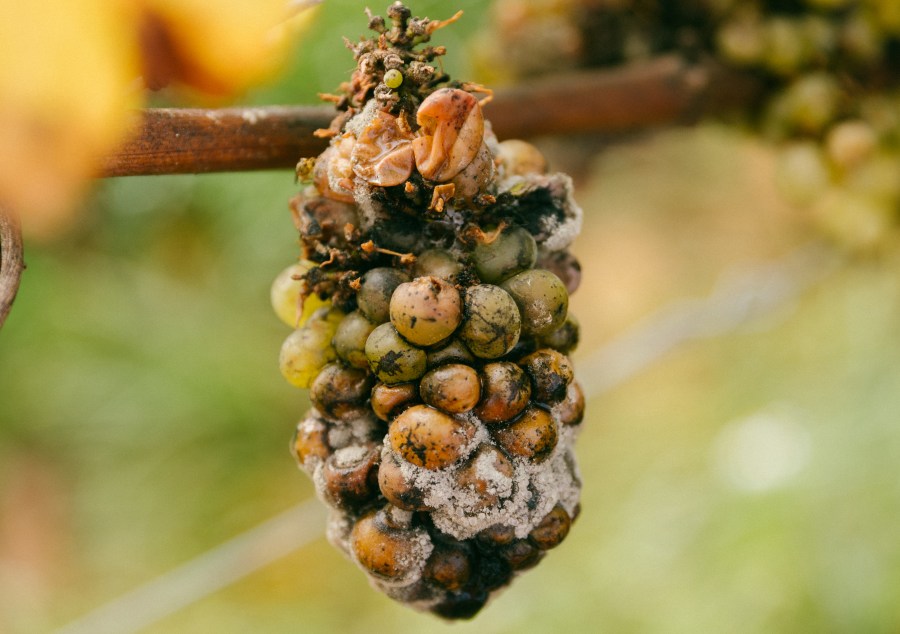
Botrytis is opportunistic, and this year’s frost damage has left more decaying material in the canopy than usual, giving it a head start. Bunch zone leaf removal, timed appropriately, reduces humidity around the fruit and removes some of the material the fungus relies on. Because Botrytis pressure tends to build later in the season, what happens now in terms of canopy hygiene has a direct bearing on risk at veraison and beyond.
Canopy management and spray adherence
None of this works in isolation. Canopy management and spray programmes are two sides of the same job. A well-opened canopy improves spray penetration and coverage, reduces humidity around fruit, and makes scouting genuinely useful rather than a guessing game through dense foliage. Conversely, sticking rigidly to a spray programme while ignoring canopy density undermines the whole effort; product simply can’t reach where it’s needed, no matter how well-timed the application or how good the chemistry.
Given the pressures this season has already thrown at us, our advice is straightforward: keep spray intervals tight, don’t let wet-weather gaps extend beyond label guidance, and treat leaf removal as disease prevention rather than a job for tidiness. Walk the vineyard regularly and look specifically for early symptoms of all three diseases, not just the one that seems most likely given recent weather, since conditions can shift quickly and pressure can overlap. A five-minute check through the fruiting zone, tells you far more than one thorough inspection after symptoms have taken hold. Care and vigilance is essential through the whole season – one vine at a time.
For more like this, sign up for the FREE Vineyard newsletter here and receive all the latest viticulture news, reviews and insight