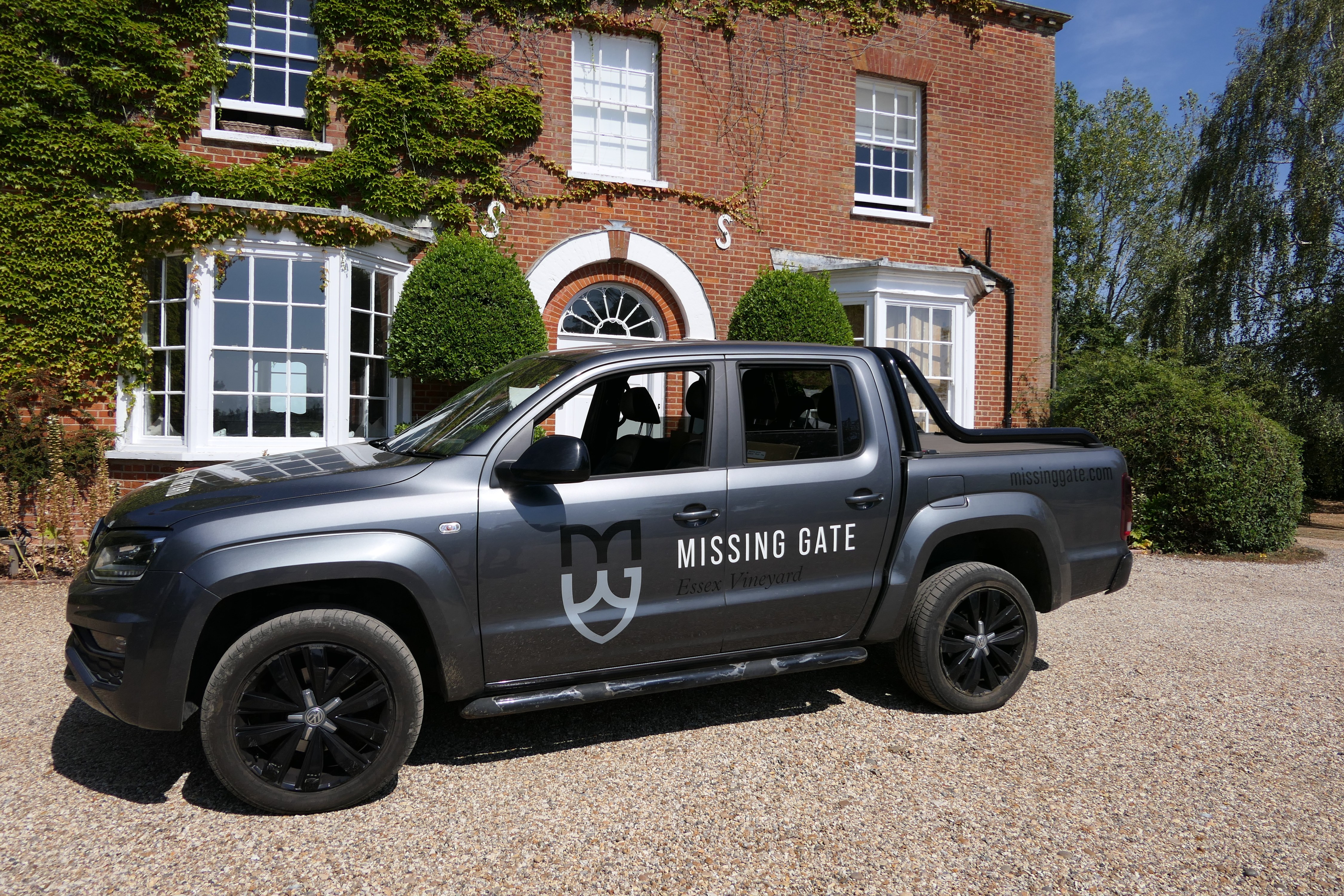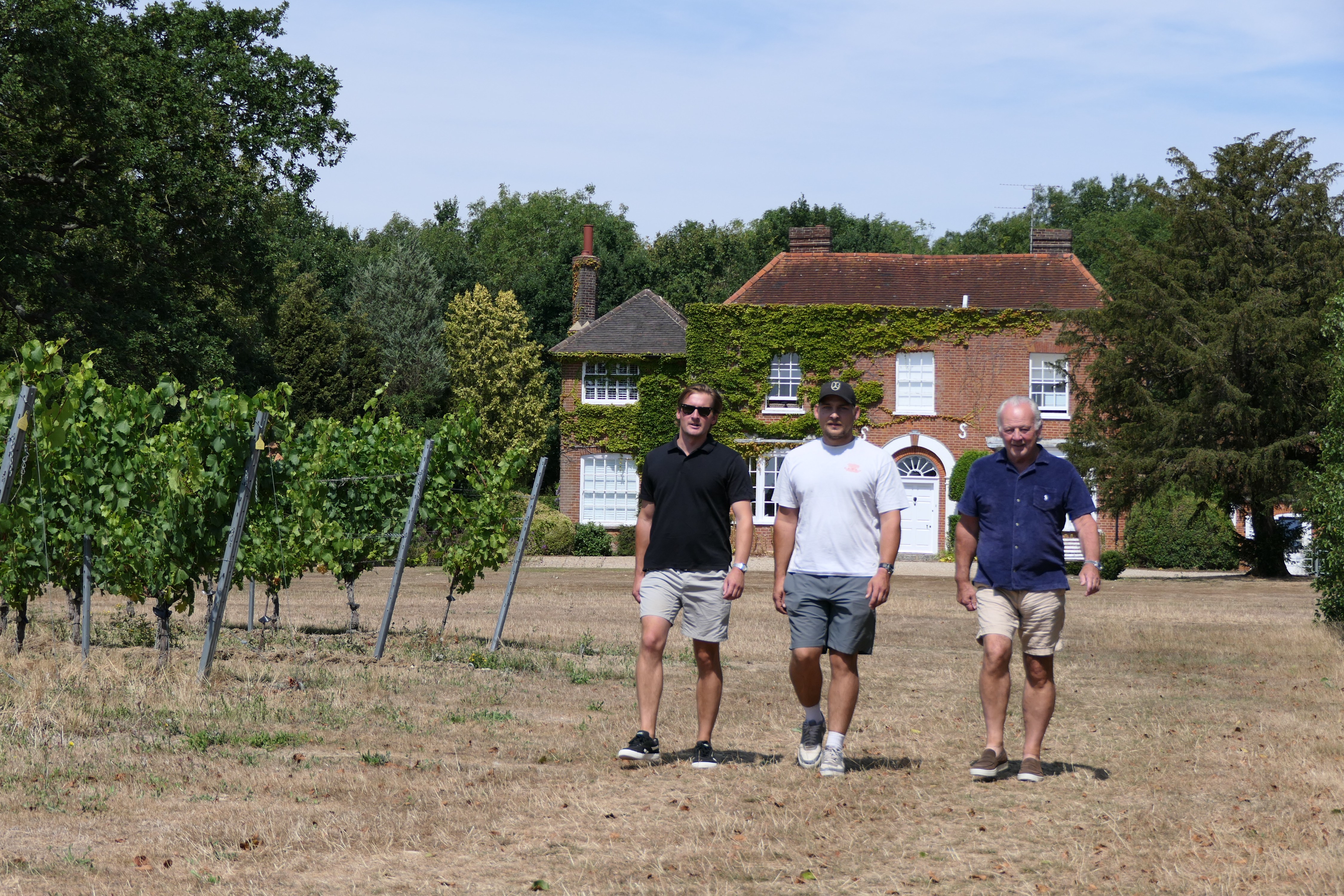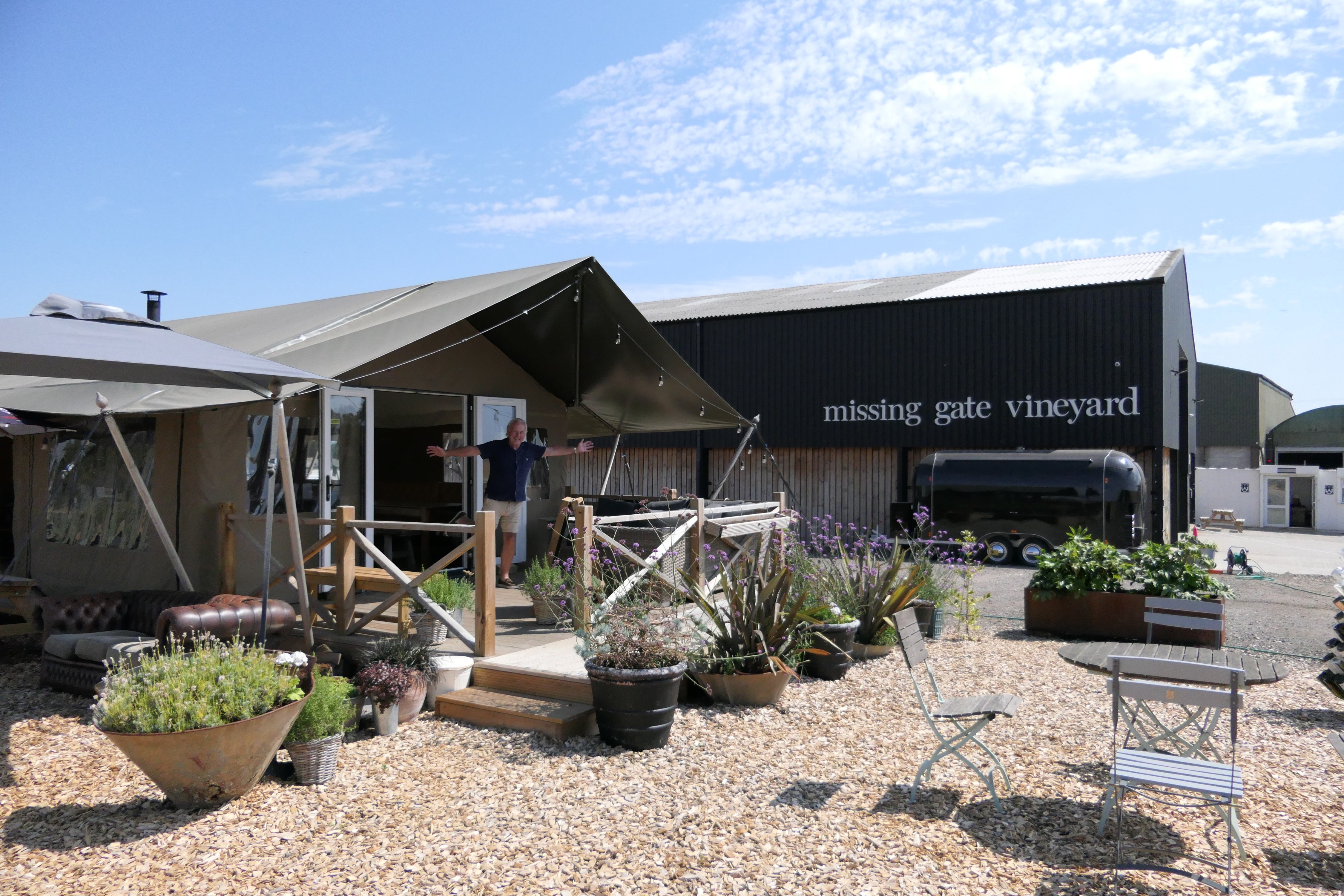

In the county of Essex situated in close proximity to the Crouch Valley, the River Blackwater and the Hanningfield Estuary, sits Missing Gate Vineyard. The family run vineyard was first planted in 2018 by the Speakman family.
The land at Missing Gate has been in the same family for nearly 200 years and the land on which the first vineyard was planted was originally purchased after WWII as part of the push to feed the nation. Having been used as arable land and interestingly to raise dairy cows the Speakman Family wanted to put the land into production for the future.
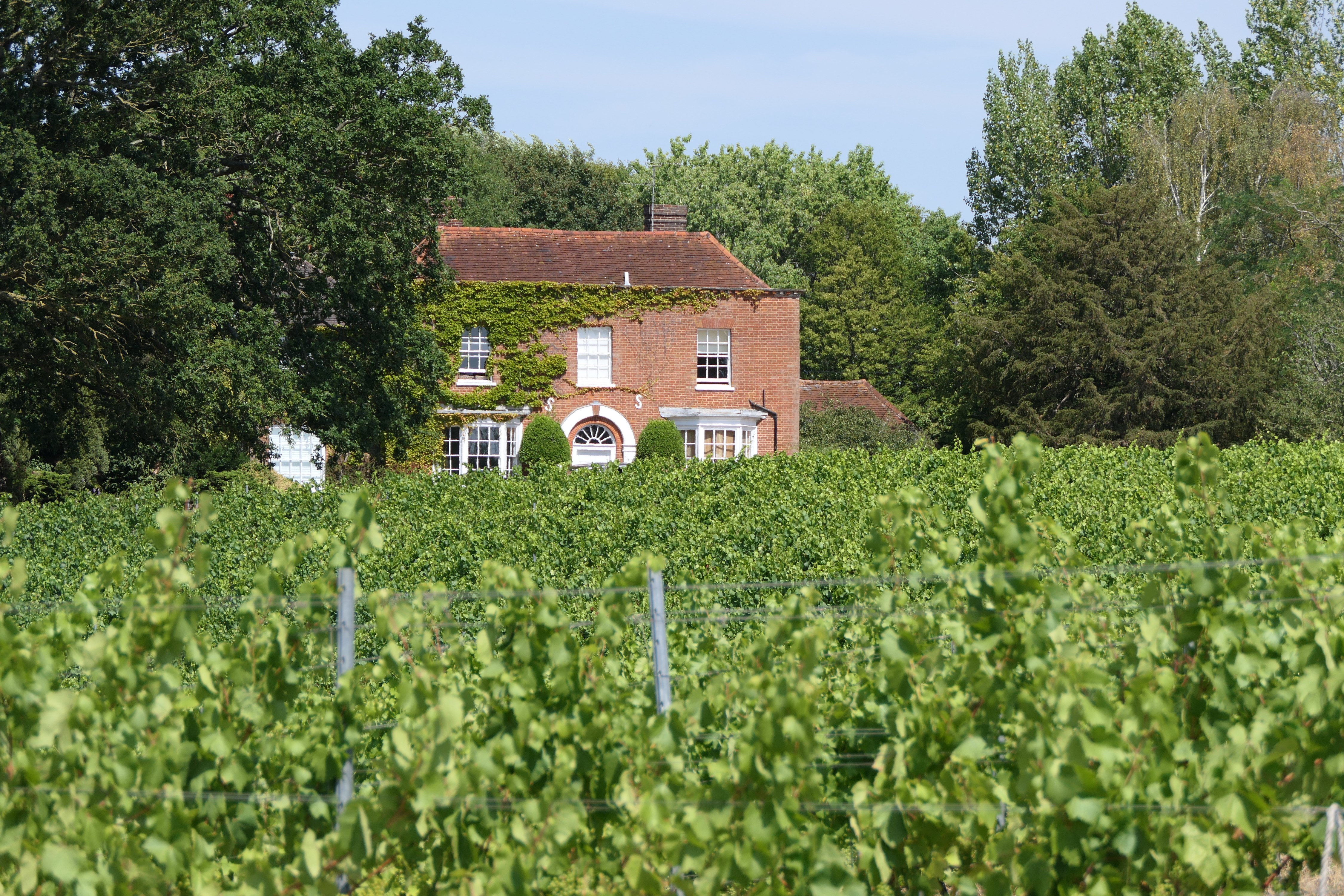
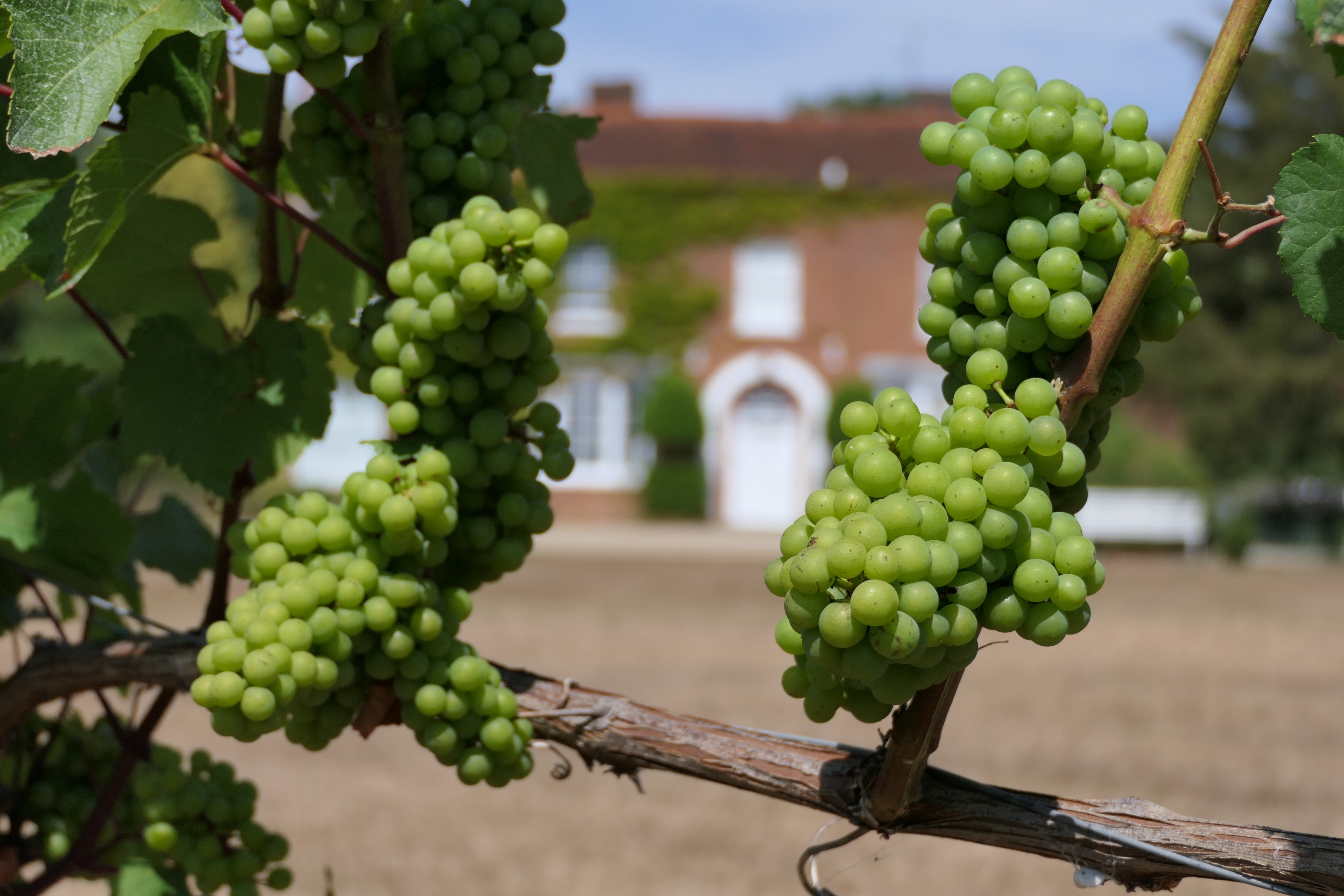
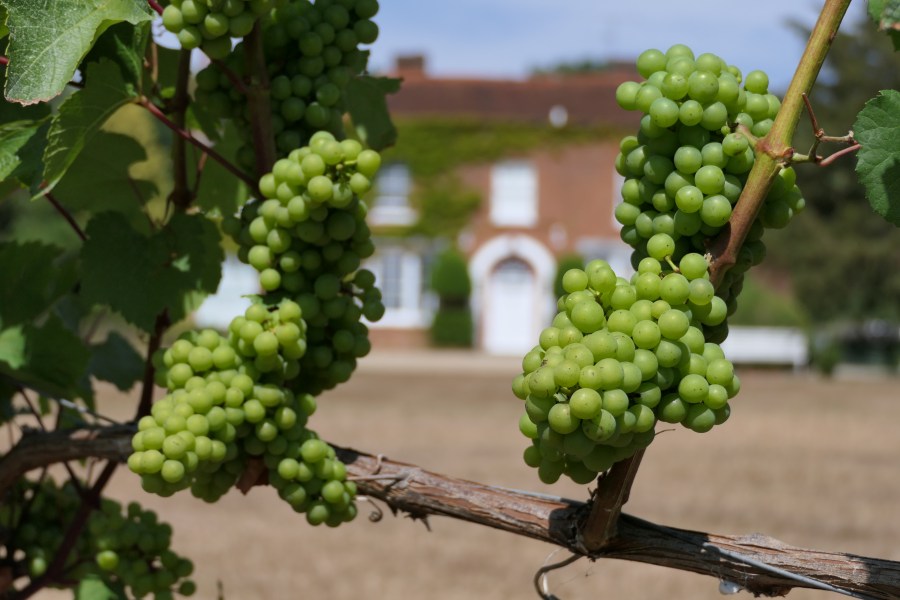
It is now possible to look out across acres of land producing exceptional quality fruit from the manor house that has been home to the family for three generations.
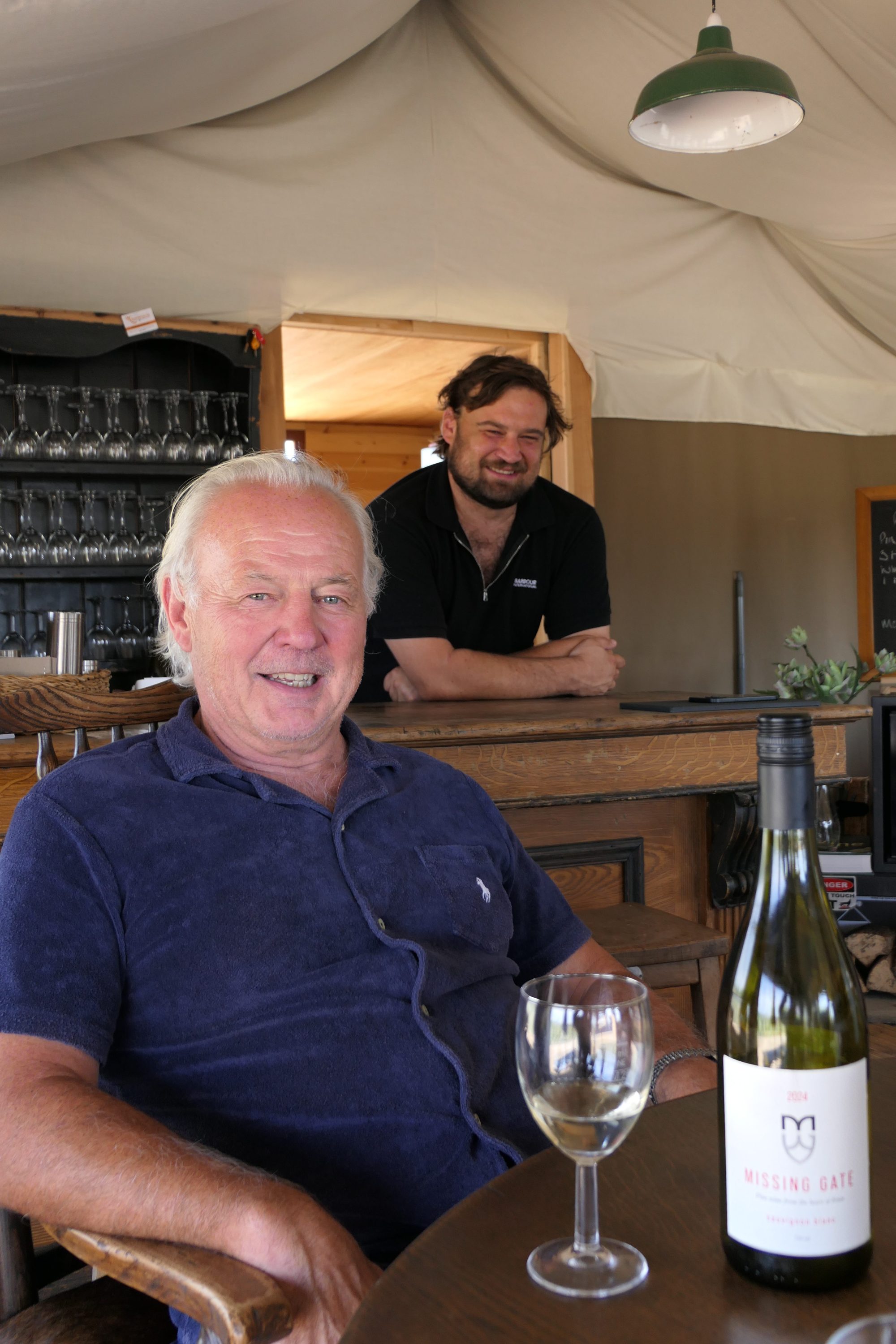
“Farming production has been underfunded but we wanted this land to grow something valuable again,” said Nick Speakman who runs the business in conjunction with his wife Ali and three sons Charlie, Olly and Jack. Olly described his dad as “taking a leap of faith” when he first planted the vines on the unique soil of this part of Essex. “My dad told me the bunches were too small but he liked the idea of planting once for the next three decades,” said Nick with a laugh.
The original planting of 18 acres has since grown to over 110 acres across numerous soil types. “The topography of the Crouch Valley means most of the vineyards sit on the productive London Clay but we sit on a high point of the area at 61m above sea level which is the watershed between the Blackwater and Crouch Valleys and we have tougher igneous based clays,” explained Nick.
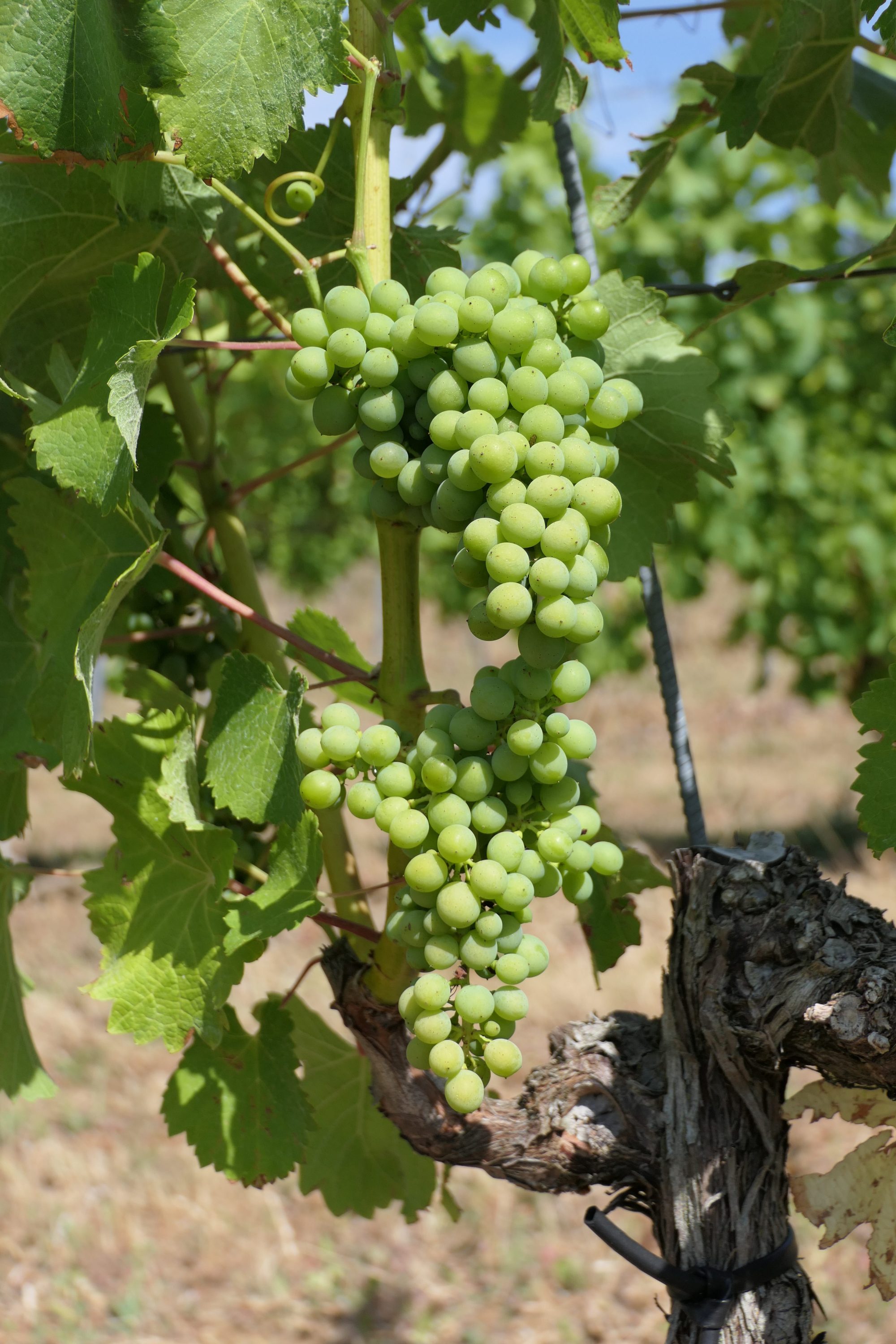
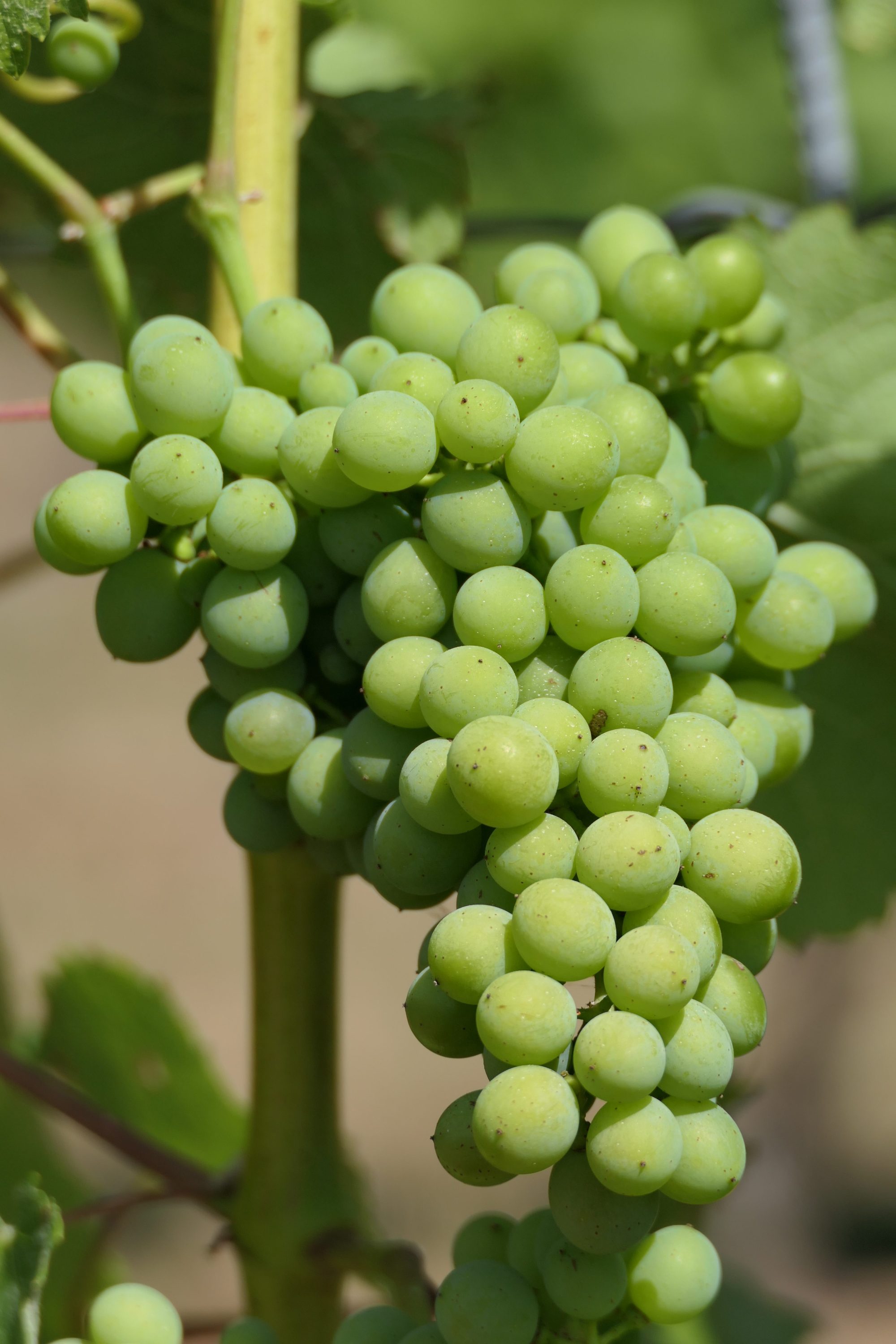
The vine varieties include Chardonnay, Pinot Noir, Pinot Blanc, Bacchus and also Sauvignon Blanc. There are other varieties planted here such as Merlot along with even more unusual varieties that the family team are keeping to themselves.
“One of the things I really appreciate about working in the vineyard is how the same clone on a different rootstock will perform in a completely different way,” explained Jack Speakman who is in charge of the management of the vineyard. Jack points to the Alsatian N81 clone of Pinot Blanc as a good example of rootstock choice making a significant difference in fruit development. “Pinot Blanc is a great variety to work with,” said Jack.
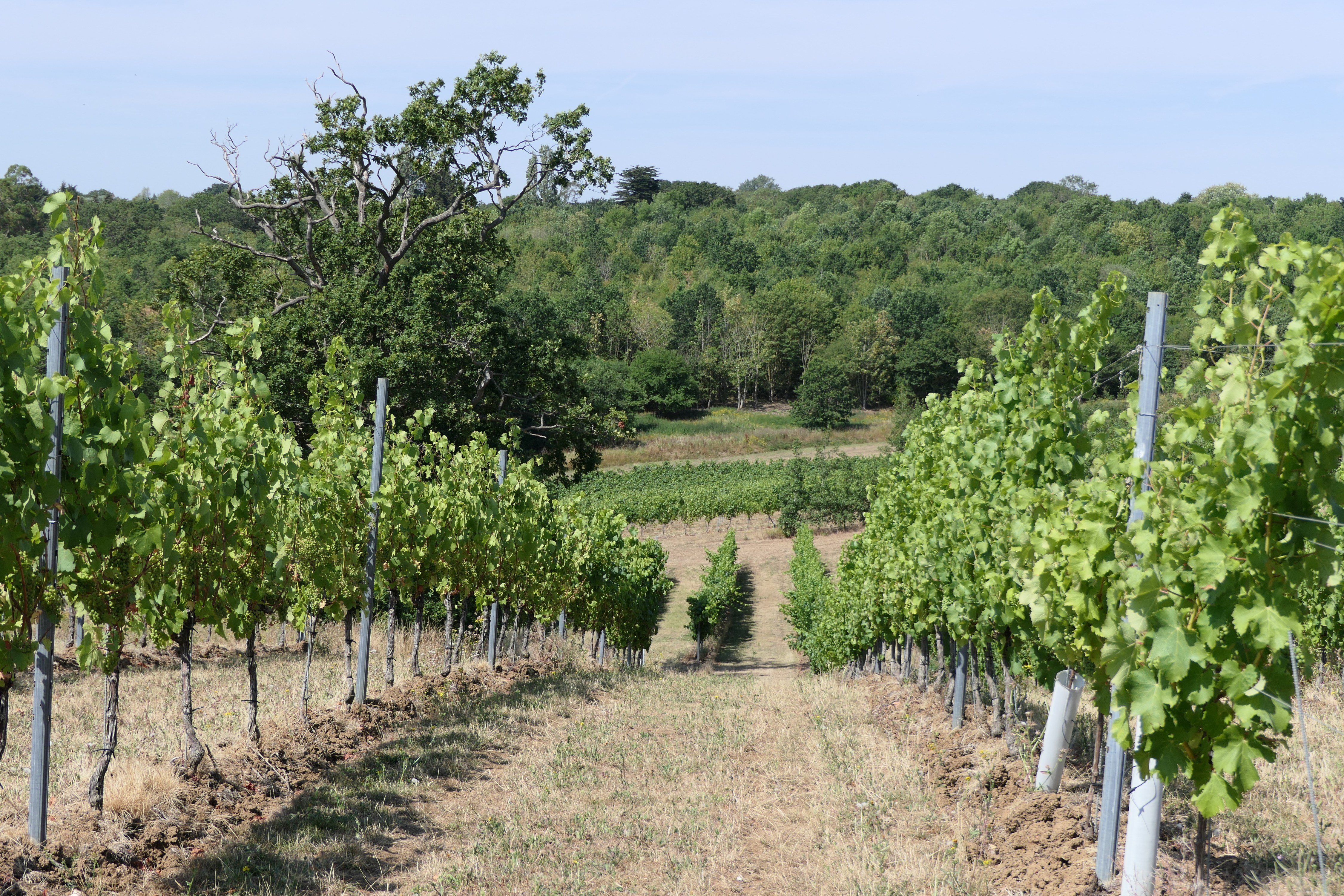
The main route through the vineyard gives the impression that the vines fall away beside you as they follow the contours of the slopes on either side giving a wonderful panoramic view. The quote from Henry Beecher Jones springs to mind: “It is easier to go down a hill than up it but the view is better at the top.” Indeed, the slopes have proved to be the perfect frost drain and are the reason why the vineyard has escaped the worst of the frost this season. “We have had about 2% frost damage overall, although one block did suffer 10% frost damage,” said both Jack and Nick together.
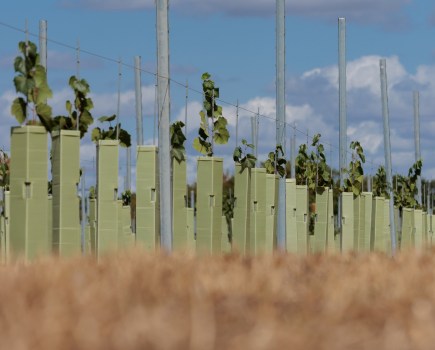
The vineyard has suffered in the past from cutworm caterpillar damage so there is evidence of barrier control with caps used to prevent access to the new shoots by this damaging pest. Cutworm causes significant damage to emerging shoots and can often be mistaken for bird damage.
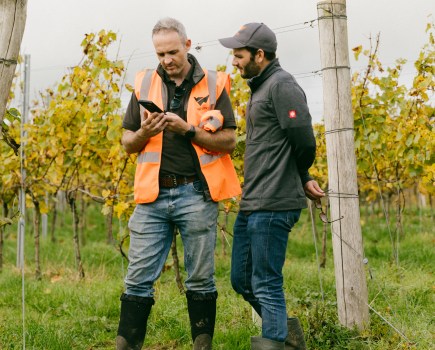
The vineyard team have had the help of independent consultant Marco Tessari in diagnosing this issue. Marco has also provided advice on shoot positioning and pruning techniques. The team have also had the benefit of expert advice from Nigel Blieschke of Torbreck Vintners in the Barossa Valley.
There is a team of skilled workers on site that undertake the major vineyard tasks including pruning leaf stripping, canopy management and harvest. As a licensed Gangmaster Jack is able to ensure that the vineyard has all the labour in place so that tasks are undertaken when the timing is perfect. “The latest harvest was 5 November in 2023,” said Olly.
The aim is for the fruit to develop to between 90°-100° Oechsle depending on the variety with acidity levels again depending on the variety. The Chardonnay, Pinot Noir and Sauvignon Blanc are given greater hangtime to allow the sugars to accumulate. “We have been able to achieve 105°-107° Oechsle leaving us with a finished wine pushing 14% alcohol without chaptalization but this makes wines that are just not the wine style we want to produce,” said Nick.
Any grapes that are left longer on the vine do require the vineyard team to put up bird nets. The team expect to be putting out the nets before the end of August with the high number of sunshine hours and the dry weather meaning the vines look to be significantly ahead of past seasons.
“We have reached the point where we don’t now want late rain. We had that problem in the 2023 season where the late rain caused an increase in fruit fly damage. We do a lot of work on the removal of hedgerow fruits to try to control populations of SWD. We find that when the hedgerow fruits are finished the timing of the ripening for the grapes means that SWD move straight from hedgerow to the vine,” said Jack.
Missing Gate supply fruit to numerous other producers. This year the family team at Missing Gate estimate that there will be 130 tonnes of fruit produced “although I have yet to finalise the harvest estimates,” said Jack quickly. This will allow Missing Gate to keep enough fruit to produce around 40,000 bottles from the 2026 harvest.
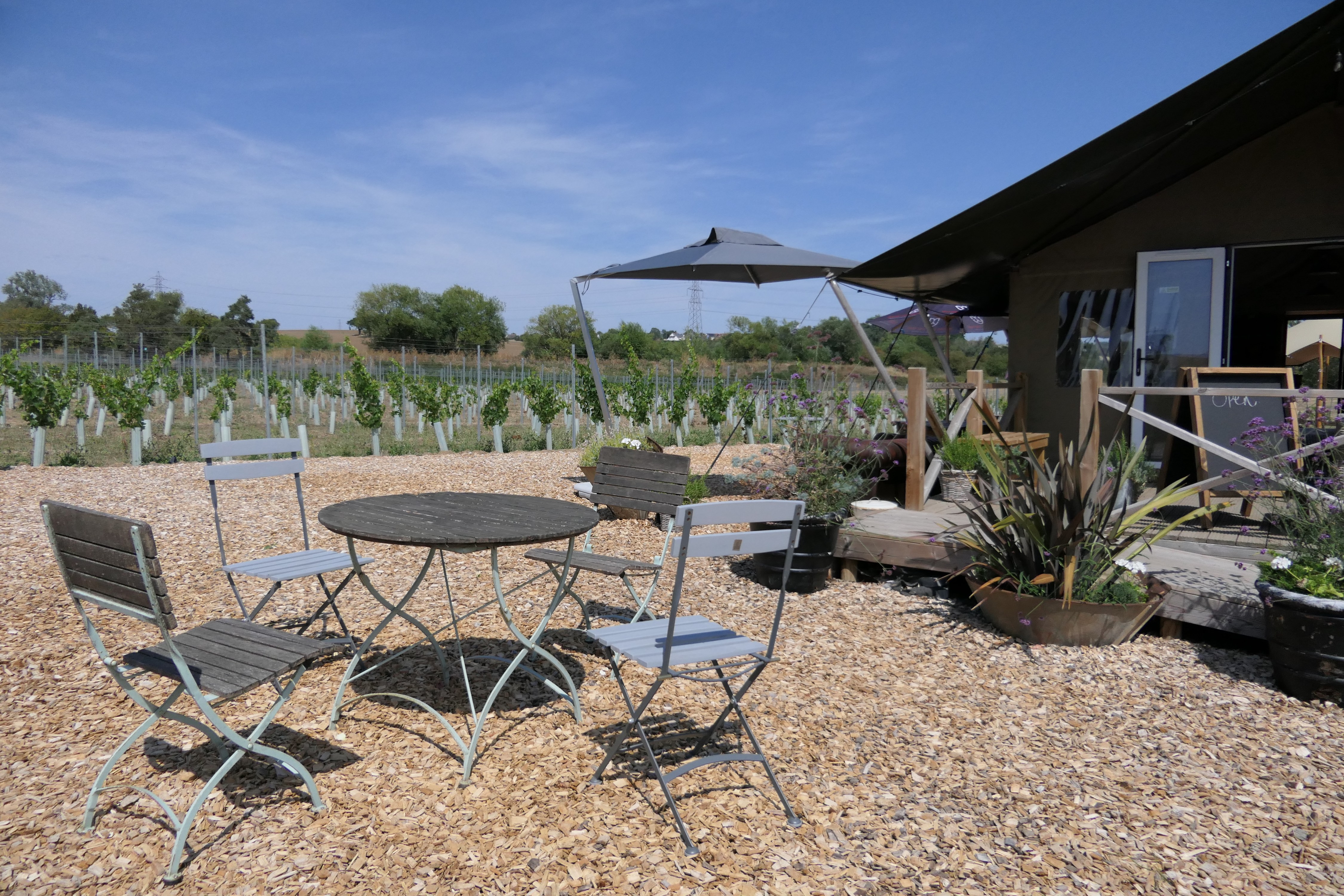
The wine is sold onsite with Missing Gate offering visitors the chance to sit and enjoy a significant selection of wines by the glass whilst enjoying the view across the vines. The wines by the glass start at an extremely good price of £6. This gives visitors an enticing invitation to try something that would be outside of their normal comfort zone. Any visitors who do venture to take the plunge and try something different are in for a surprise. “There are 30 different wines to try because of the different soil types across our vineyard plots,” explained Nick.
Tastings are conducted in a marquee with a fantastic interior design. There is a feeling of a safari tent from the 1920s, a luxury combined with elegance but there is still a modern twist. For the winter months there is a wood burner although in the current temperatures it sits unused but the atmosphere that it would create on an early autumn evening is something that every visitor would enjoy. “We have a fantastic designer in Ali,” said Nick referring to his wife who is responsible for the wonderful décor that visually captures the essence of a luxury but relaxed wine drinking experience.
The tasting room is open seven days a week and with RHS Hyde Hall and its famous gardens (including a drought tolerant garden) nearby, the area is a popular destination with visitors both from the local area and further afield. From Thursday to Saturday the tasting room offers a seasonal menu which has been expertly curated to shine a spotlight on how the wines of Missing Gate pair exceptionally with several food styles.
The wines of Missing Gate are made at the Defined wine facilities on the Essex/Suffolk border and the team work with winemaker Tim Manning who is based in Tuscany. These international wine connections have been made possible because Nick and Ali Speakman run an international food technology company Food-Physics. The company has revolutionised aspects of food production with Pulsed Electric Field (PEF) technology a technique that allows access at the cellular level to fresh produce. The applications of the technology range from increasing shelf life to improving the quality of freeze dried fruits. PEF technology has been approved by the AOV for the treatment of grapes and wine.
With international connections at universities and research companies all over the world it is hardly surprising that the new winery that is being built at Missing Gate will incorporate research and development into its core. “The PEF technology will also have applications in wine production and the research winery will investigate this area as well. I enjoy the process of getting something to work better to be less energy intensive or to enhance a process,” said Nick with warmth in his voice.
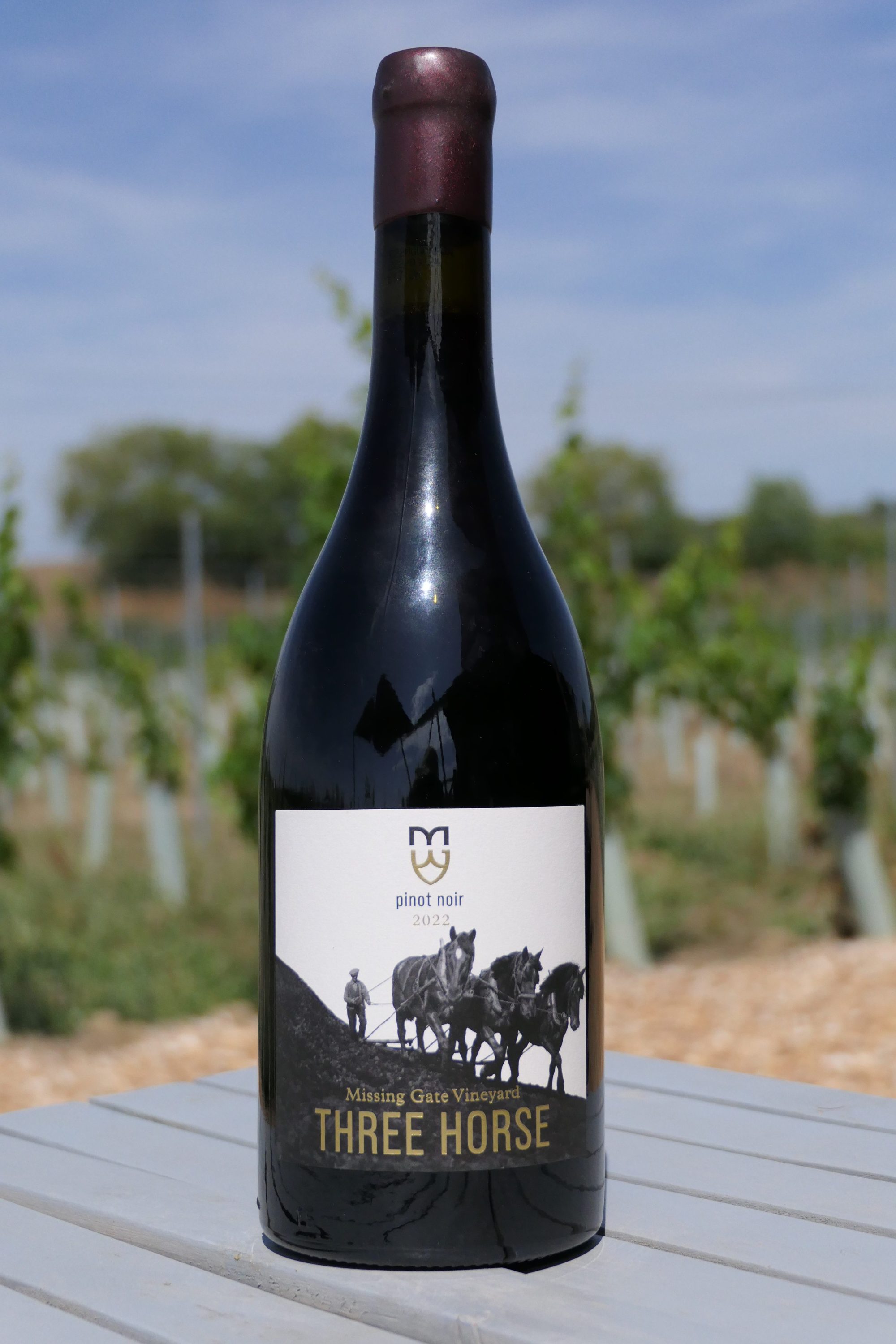
Missing Gate may be making remarkable advances in the science of food technology but that has been woven seamlessly into the history of the land and the importance of the soil. The story of the wine produced here has been cleverly incorporated into the label designs with the Three Horse, Two Horse and One Horse Pinot Noir wines.
The Number of Shire Horses that it took to successfully pull a plough through land was directly linked to the soil type and these phrases are traditionally associated with the land in Essex and the Crouch Valley in particular.
It is important to the Speakman family that the wines demonstrate the identity of Essex – the dry climate with high sunshine hours linked with the history of the unique soils are the central themes of all the wines. “People really enjoy the link between the land and the wine through the horse power story and we have a lot of customers who regularly come in to buy these wines,” said Charlie. Two Horse Land Pinot Noir 2022 is served at The Farmers Dog (The pub belonging to Jeremy Clarkson) and has won much praise.
The recently bottled Pinot Noir 2024 is a wine that has huge aging potential. For many 2024 was a year that was poor in terms of weather but Missing Gate in Essex had only average rainfall and good degree growing days meaning this wine has black fruit notes underpinned with spice that give an elegant drinking experience. This wine indicates that there are many exciting things ahead at Missing Gate and the day of the visit Olly was heading to Defined to discuss the progress of the wines from the 2025 harvest.
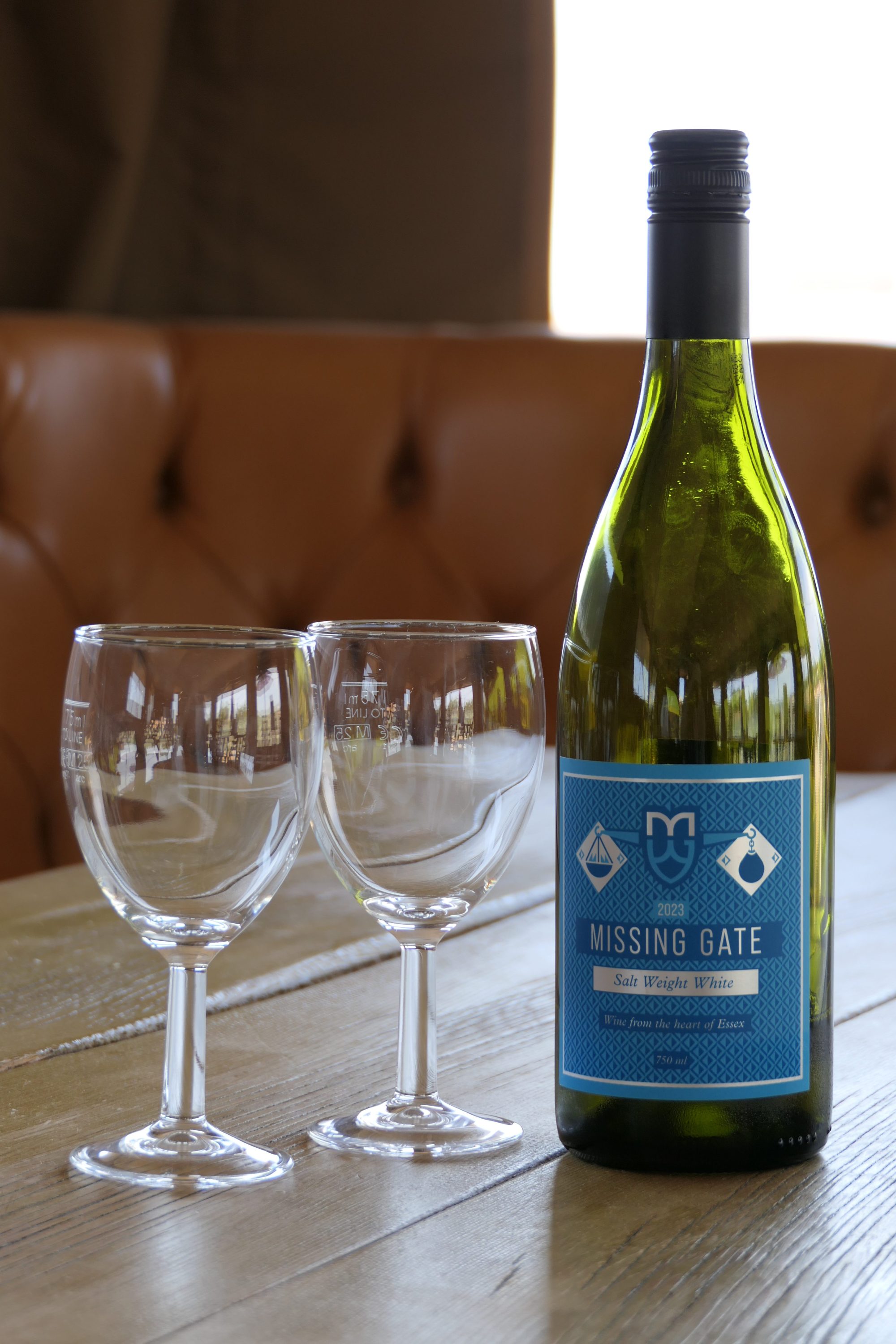
The only blended wine that is produced at Missing Gate is named Salt Weight, a blend of Chardonnay and Pinot Blanc. The name comes from the discovery of weights dating to the roman period (in the fields planted with Pinot Blanc) that were used by traders selling salt that was produced in the Crouch Valley notably the Saltcoats, a couple of miles from the vineyard. Salt production is still synonymous with this part of Essex. The wine produced is a beautiful honey colour with pear notes and a balanced acidity with 12.5% alcohol and the wine has a wonderful long finish making it perfect to accompany seafood but also as a stand alone easy drinking wine.
A long finish is something that is noticeable in every wine that Missing Gate have produced. It is so noticeable it is almost like a fingerprint. This is especially true in the Sauvignon Blanc 2024 which is fruit forward with a lively acidity, this wine has introduced itself as soon as the bottle is opened. A great wine with a long finish this is a wine to drink at anytime with or without food and is an exciting representation of the excellent Sauvignon Blanc that can be produced in Essex.
Missing Gate is a perfect metaphor for a vineyard where imagination meets technical innovation. There is an open road ahead that the family team at Missing Gate will continue to navigate with their customary humour and technical expertise. It feels like the deep connection to the past and the land has given this team the confidence to embrace the future with a desire to constantly improve. It is in fact a complete recipe for success.
“All at Missing Gate send our heartfelt condolences to Matthew Jukes’ family. He was a great supporter of the nascent Essex wine industry. His honesty and kind words helped with our development enormously.”