
At a double blind tasting held at this year’s London Wine Fair, there was a surprise winner at the Icon Tasting: The Greatest Chardonnay Showdown. The winner was not from Burgundy, or the sunny slopes of California, as you might expect. Instead it was a single variety from Tasmania that took the title. The 2023 Tolpuddle Vineyard Chardonnay was crowned the best in the world – one of three wines of Australia to rank in the competition’s top ten.
English producers, Danbury Ridge, also performed phenomenally well, taking third place in the Chardonnay Showdown for their Octagon Block Chardonnay 2023. These wines are made every year using a focused selection of fruit from handpicked parcels of the estate. The grapes were whole-bunch pressed and fermented in 228L French oak barrels, then left on the gross lees for 18 months. There was a further 12 months elevage before release to give a creamy wine with complex tropical fruit flavours.
The fact that such a competition even exists is testament to the incredible global success story that is Chardonnay. The grape variety has proliferated unimaginably from its humble beginnings. It all began, so the story goes, in the village of the same name in the Mâconnais district of Burgundy. Chardonnay has now gone on to become the most planted white grape variety in the world.
A vigorous variety known for its heavy cropping, Chardonnay’s popularity amongst winemakers is no doubt thanks to its flexibility and forgiving nature. It grows in a range of climates and its sensitivity to winemaking practices means that the grape can exhibit anything from mouth filling honey and butterscotch tones to austere mineral-heavy, lemon scented wines.
It’s not all good news, however. It is an early budding variety that can leave it susceptible to frost. That is a particular worry for English growers who have seen more prolonged and later frost events when the shoots come forth in the spring. Having a thin skin can also make Chardonnay a ready candidate for mildew in damp seasons.
Despite these drawbacks, Chardonnay has become relatively ubiquitous throughout the wine growing world. There was a tendency amongst some New World producers to over-oak Chardonnay from the 1980s. This led to the rise of the so-called ABC ‘movement’ in the early 2000s. “Anything But Chardonnay” were the words on everyone’s lips as consumer palates grew fatigued by heavily sweetened, full-fruited and creamy wines.
However, the ABC movement did not spell the end for the grape by any means. Thanks to the diversity of wines that can be made, and the complexity it can exhibit when left to express its innate character, Chardonnay is back in a big way. In fact, the strong public reaction may have helped winemakers to put more consideration into their methods to fit in with changes in public tastes. And perhaps nowhere is Chardonnay having a new dawn more than here in the United Kingdom. To an extent, the grape is moving away from its traditional bedfellows, Pinot Noir and Pinot Meunier, and standing on its own two feet as a single varietal to be reckoned with.
Chardonnay’s origins
Dr Carole Meredith spent 20 years as a professor at UC Davis doing active research into grape genetics. One of her most famous findings was the establishment of Chardonnay’s parentage. Pinot was shown to be the father, the pollen parent. Gouais Blanc, a now extremely rare variety, was the mother. It is not known which variety of Pinot exactly is the parent: Noir, Gris, Blanc or Meunier. That is because they all have the same DNA profile.
“In botanical terms, they all represent a single variety,” Dr Meredith says. She suspects that it may have been the case that the reason Pinot and Gouais Blanc were able to create such a strong offspring was due to them being so genetically different from each other. That diverse gene pool has created a grape variety that has not just survived, but thrived.
The variety’s first mention in the historical source material is disputed. Some cite a document of 1330. Cistercian monks from Cîteaux Abbey were supposedly noted for building a wall around a section of their now famous Clos de Vougeot vineyard in Burgundy, which was planted solely with Chardonnay. Clos de Vougeot is now widely regarded as the original experimental vineyard and the cradle of terroir winemaking.
Others feel that the most secure early reference is much later, deriving from the nearby French village of Saint-Sorlin, known now as La Roche-Vineuse. Written in the late 1600s, it discusses plantings of the “Chardonnet” grape.
Whatever the truth of the matter, the variety spread first across France and then outward through Europe, before being picked up by the New World. It was first seen in California in the 19th century, under the auspices of the head of the California Viticulture Commission, Charles Wetmore. He had imported cuttings from Meursault to plant in his Livermore vineyard. Those first plants, and further material brought over by the Wente family, established Chardonnay firmly on the West Coast.
In Australia, its proliferation as a commercial variety is often attributed to Murray Tyrrell jumping the fence of Penfolds’ experimental HVD vineyard to “liberate” some Chardonnay cuttings in 1967. However, this may simply be a question of never letting the truth get in the way of a good story!
In England, Chardonnay was a natural choice for the first pioneering winemakers of the modern age because, of course, it is one of the classic trinity of grapes used for making world-class sparkling wines. The cool English climate helped the variety retain its natural high acidity, making it a perfect base for award-winning sparkling wines.
It is estimated that the combination of Pinot Noir, Pinot Meunier and Chardonnay now makes up around 70% of all vines planted in England and Wales in total, with Chardonnay accounting for nearly half of that number. That makes it the most planted variety in the country.
In the past 15 years or so, however, as summers have warmed and the growing season has lengthened, growers have found themselves able to achieve Chardonnay harvests with higher sugar levels and fuller ripeness. This has encouraged the production of more single-variety sparkling and still Chardonnays. It is the proliferation of high-quality single-variety Chardonnay in England and Wales that we focus on in more detail in this month’s Vineyard Magazine.
The small producer
Brabourne Vineyard, Kent.
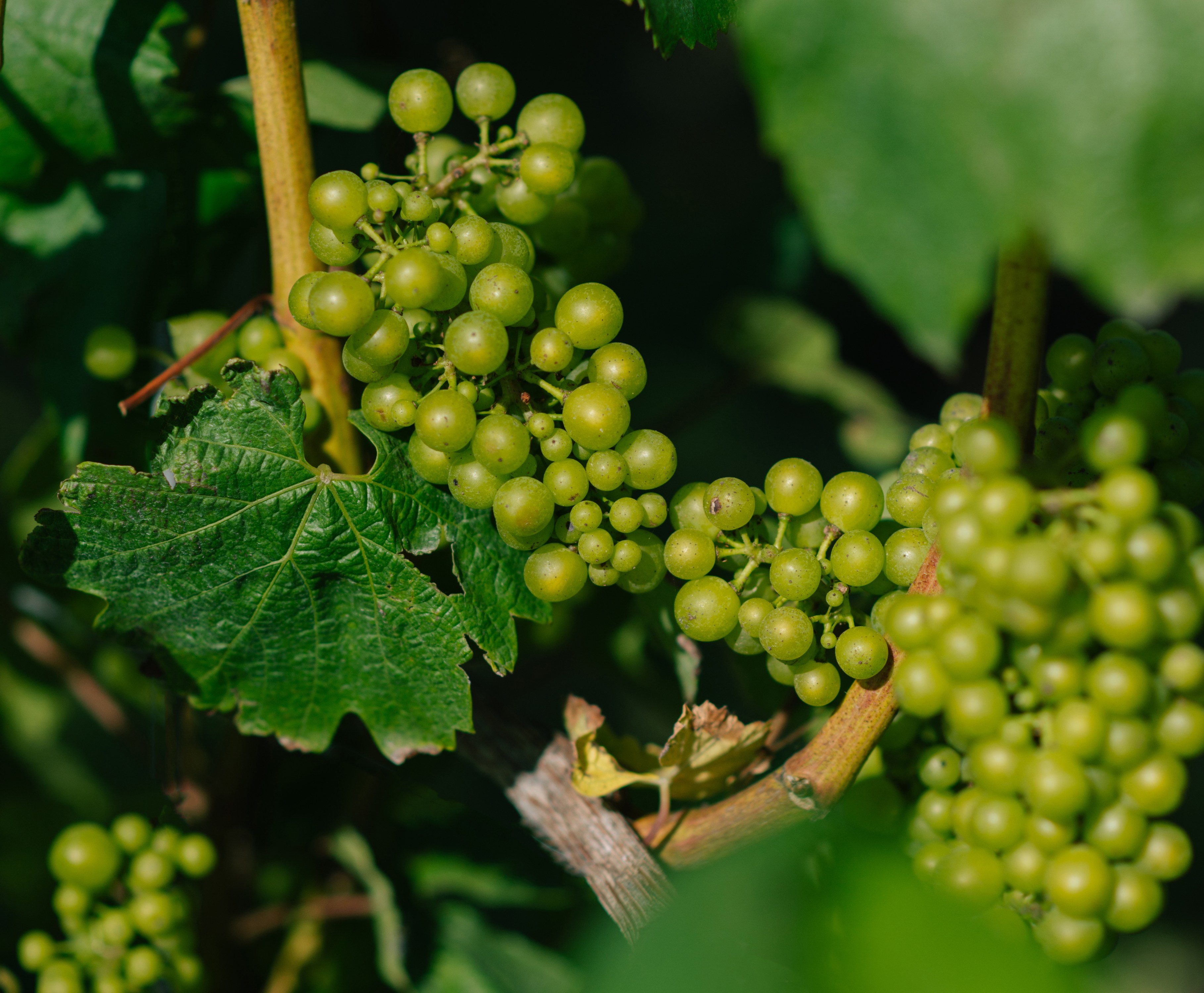
Blanc de Blancs and single variety still Chardonnays are still a minority when it comes to the total commercial output of English and Welsh vineyards, but winemakers and the wine-drinking public certainly appear to be getting a taste for them. Hester Fenwick, the co-founder of Brabourne Vineyard, on the Kent Downs took time out to tell us more about her work with Chardonnay as a single variety.
“We only have ten rows of Chardonnay, so the only times we can do a pure Chardonnay is in the high yield years when we can get over one tonne of it. This year is looking good! We did a Blanc de Blancs in 2020, which is still aging, and a still Chardonnay in 2023.”
“For us Chardonnay struggles to ripen more than our Pinot Noir – we have had a couple of years (2017, 2024) where we didn’t bother picking it because it was late in the season and still not where we wanted it to be.
“We’re quite high up here so our normal picking time is mid-October. If it hasn’t hit the levels we want by then, there’s not much point in hoping that it’s going to get better – but they tend to be the low yield years anyway. Normally we use Chardonnay in a sparkling wine with the Pinot Noir (2018, 2019, 2022, 2025). And 2021 was dire for both grapes, so we made Vermouth.”
“In terms of selling, most of our visitors state a dislike of Chardonnay before trying it – but the vast majority have been put off by a heavily oaked examples in the past so they realise it was the oak, not the Chardonnay, that they disliked. Ours is very light and unoaked. It is not our best seller because it is so light, but it definitely has its niche market – and is my favourite wine!”
Aged sparkling Chardonnay
Exton Park Vineyard, Hampshire.
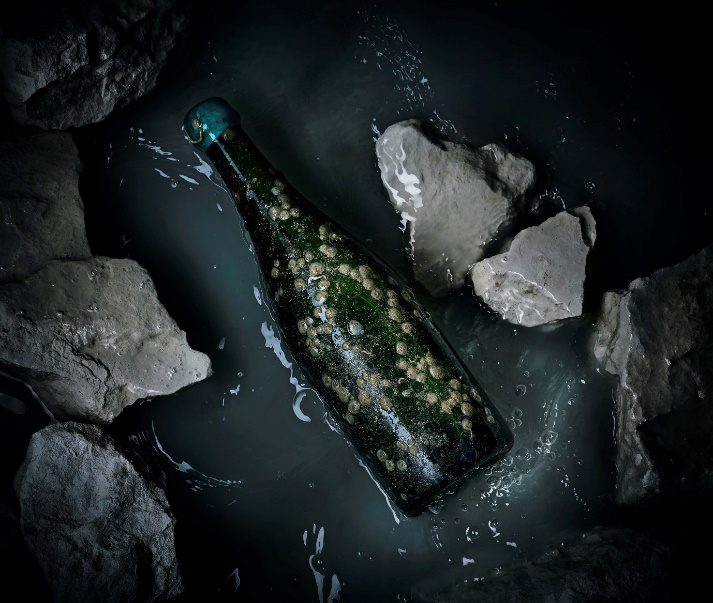
Exton Park Vineyard in Hampshire have form when it comes to trialling new ways of bringing flavour and complexity to their wines. They were the first to create a sea-aged English sparkling, for example. The ‘60 Below’ Blanc de Blancs 2014, made from 100% Chardonnay, of course, spent 12 months submerged to a depth of 60m under the English Channel/La Manche off the coast of Brest, Brittany. This release was followed up by a ‘60 Below’ Blanc de Noirs 2014.
So it was no surprise to see them toasting a phenomenal success in the 2026 Wine GB awards. Their 100% Chardonnay Blanc de Blancs Vintage 2013 picked up the gold in the Best Aged/Prestige Wine category. They have claimed that the wine has the longest lees ageing of any English wine from that vintage, as it was bottled in 2014 and disgorged in 2025.
The award-winning 2013 vintage sparkling was made using the grapes harvested from the first twenty rows of Exton Park’s oldest vines. The vineyard was first established in 2003 and its on-site winery was built there in 2009 – all to the vision of Exton Park’s late founder, Malcolm Isaac MBE. Chardonnay, Pinot Noir and Pinot Meunier were the first varieties planted on the estate’s chalk slopes.
The Chardonnay grapes harvested in that particular vintage enjoyed the benefits of a long, warm summer, and so were able to mature to their fullest on the vines. Such was the concentration and balance of the wine that an experiment in long aging on the lees was a gamble worth taking. Such prolonged maturation periods show a new confidence in English winemaking, as well as demonstrating that the secure financial foundations are in place to allow a parcel of wine to be tied up for so long before it comes to market.
Exton Park are not the first to release late disgorged styles, Chapel Down, Wiston Estate, Gusbourne and All Angels are among the names that have also brought Cuveés made with a long period of lees aging to the market.
Aged still Chardonnay
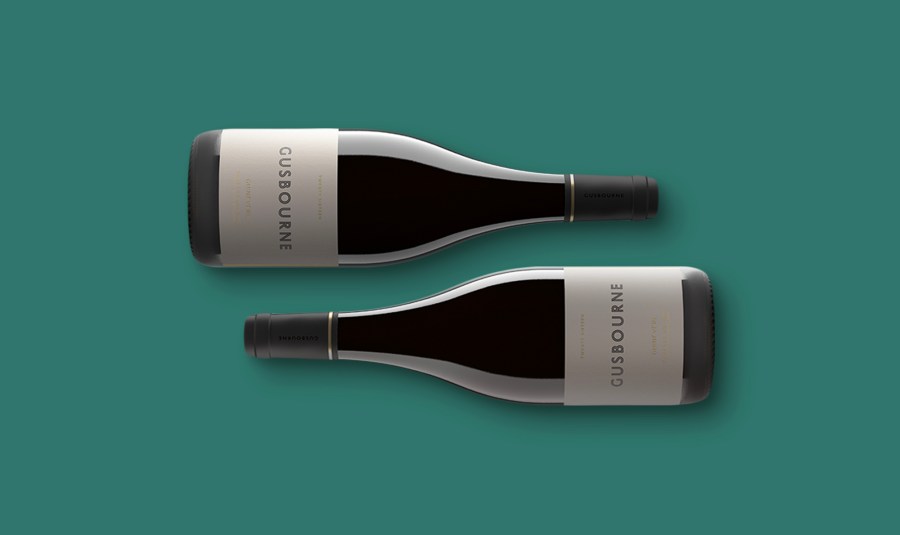
Gusbourne, Kent.
Still wines “are a labour of love” according to Laura Rhys MS, the Head of Wine at Gusbourne of Kent. However, the labour is gradually easing slightly, thanks (and I use the word with caveats!) to the dramatic impact of climate change making it easier to achieve the necessary ripeness in the Chardonnay plantings.
Still wines are very much a minority concern when you look at the industry as a whole. Of the total production, sparkling wine is dominant, with some three-quarters of all wines produced by English and Welsh makers being sparkling.
Gusbourne already have an excellent reputation for sparkling wines, but have found that still wine also fills an important place in their portfolio, not least to fulfil the demand from restaurants who want quality English-grown still wines on their menus
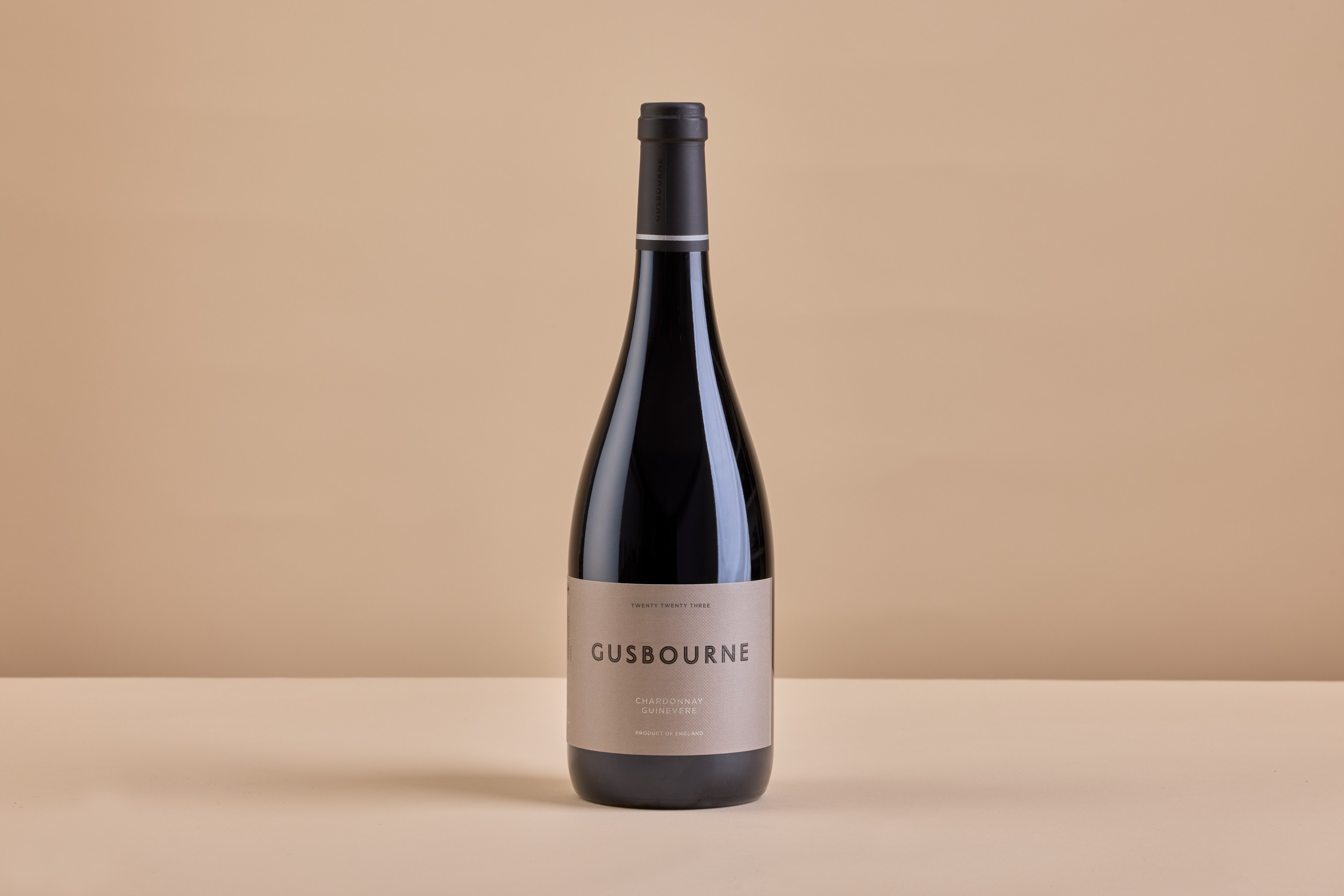
Gusbourne’s still Chardonnay, Guinevere, is generally made from Burgundy clones and has been produced since 2011. At a recent tasting, a part of their 20th anniversary celebrations, Gusbourne demonstrated that not only does their wine have the flavour and freshness to meet the highest expectations, but in addition that their still wine can also be laid down for as long as a decade, with delicious results.
At their 10 Years On tasting, hosted at London’s 67 Pall Mall, the 2016 Guinevere was tasted alongside the most recent release, the 2023 vintage. 2016, as you may remember, was described as a vintage of two halves by Stephen Skelton in his annual harvest report – with excellent sugar levels and very ripe grapes on the one hand, but low yields on the other. However, this was exactly what Gusbourne needed to make a full flavoured still Chardonnay that has softened and intensified over the intervening years.
The 2016 Guinevere was made using grapes only from Gusbourne’s Boot Hill Vineyard. The parcels of grapes were whole bunch pressed and fermented in 228l barrels. The wine then spent 10 months in oak; 20% new and 80% old.
Compared to its younger counterpart, Guinevere 2016 has a delicate creaminess and round notes of honey, pineapple and soft peach. The 2023, made in what was described as a “near perfect year” exhibits Gusbourne’s characteristic salinity against crisper citrus and fruit flavours. This wine was made from Chardonnay grapes from both the Boot Hill and Commanders vineyards. It was also whole-bunch pressed and the fermentation was split between 228l barrels and 500l puncheons. It spent nine months in oak – 16% new and 84% old – before enjoying a further six months’ repose on the fine lees in stainless steel.
It was fascinating to weigh up the old and the new in terms of how the soft fruit character had developed and evolved over time and how both exhibited a certain richness, which had come to the fore beautifully in the older wine. Both are undeniably excellent, but the mouthfilling character of the 2016 was truly worth the wait.
This exhibition of Guinevere in her delicious maturity is arguably a part of the first wave of purposefully aged still English wines that we are seeing being released in a more public forum. Conventional wisdom states that the fresh acidity of English stills will be best enjoyed while they are young, but Gusbourne has clearly demonstrated that their wines have all the character and depth that is required to easily buck that trend. I am very hopeful that this can be taken as a sign of some more mature still English and Welsh wines filtering through that are yet another feather in the cap of our industry on the international stage.