
Harvest readiness starts with effective maturity monitoring.
Every growing season presents unique challenges, but one decision remains pivotal across all vineyards: determining the optimum harvest date. With seasonal variability becoming increasingly common, both between vineyards and within individual vineyard blocks, maturity monitoring has become more important than ever. It has evolved from a routine laboratory exercise into a critical management tool that underpins fruit quality, winery efficiency and, ultimately, wine style.
Beyond sugar levels
While sugar accumulation is often the most visible indicator of ripening, harvest decisions based solely on °Brix can compromise fruit quality. Effective maturity assessment requires a holistic understanding of berry development, integrating analytical measurements with sensory evaluation and knowledge of vineyard variability.
Representative sampling
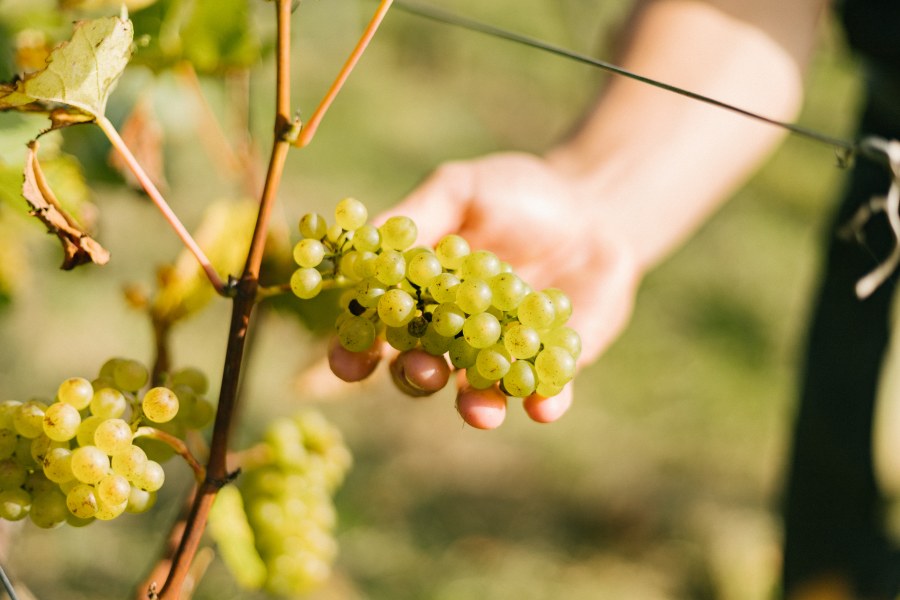
Sampling should commence several weeks before the expected harvest date and increase in frequency as ripening accelerates. Representative sampling is essential. Bunches should be collected randomly throughout the block, accounting for differences in row orientation, canopy position, vine vigour and soil variability. Consistent sampling techniques ensure that trends observed over time accurately reflect vineyard development rather than sampling bias.
Routine laboratory analysis focuses on three core parameters: soluble solids (°Brix), titratable acidity (TA) and pH. Together these measurements provide an indication of the balance between sugar accumulation and acid degradation. However, their interpretation depends on the intended wine style. Fruit destined for sparkling wine generally benefits from higher natural acidity and lower sugar levels, while premium red wine production often requires extended ripening to achieve flavour and tannin development.
Phenolic maturity has become an equally important consideration, particularly for red cultivars. Skin tannins, seed lignification and anthocyanin development influence colour stability, mouthfeel and ageing potential. Berry tasting remains an invaluable complement to laboratory analysis, allowing growers and winemakers to assess flavour intensity, seed maturity, skin texture and the reduction of green, herbaceous characters that are not captured by chemical measurements alone.
Weather and technology
Weather conditions during the final weeks before harvest often dictate management decisions. Heat events can accelerate sugar accumulation while delaying flavour development, creating a disconnect between technological and physiological maturity. Conversely, rainfall may dilute berry composition, increase berry splitting or elevate disease pressure. Frequent maturity assessments enable vineyard managers to respond quickly as conditions change, balancing fruit quality against seasonal risk.
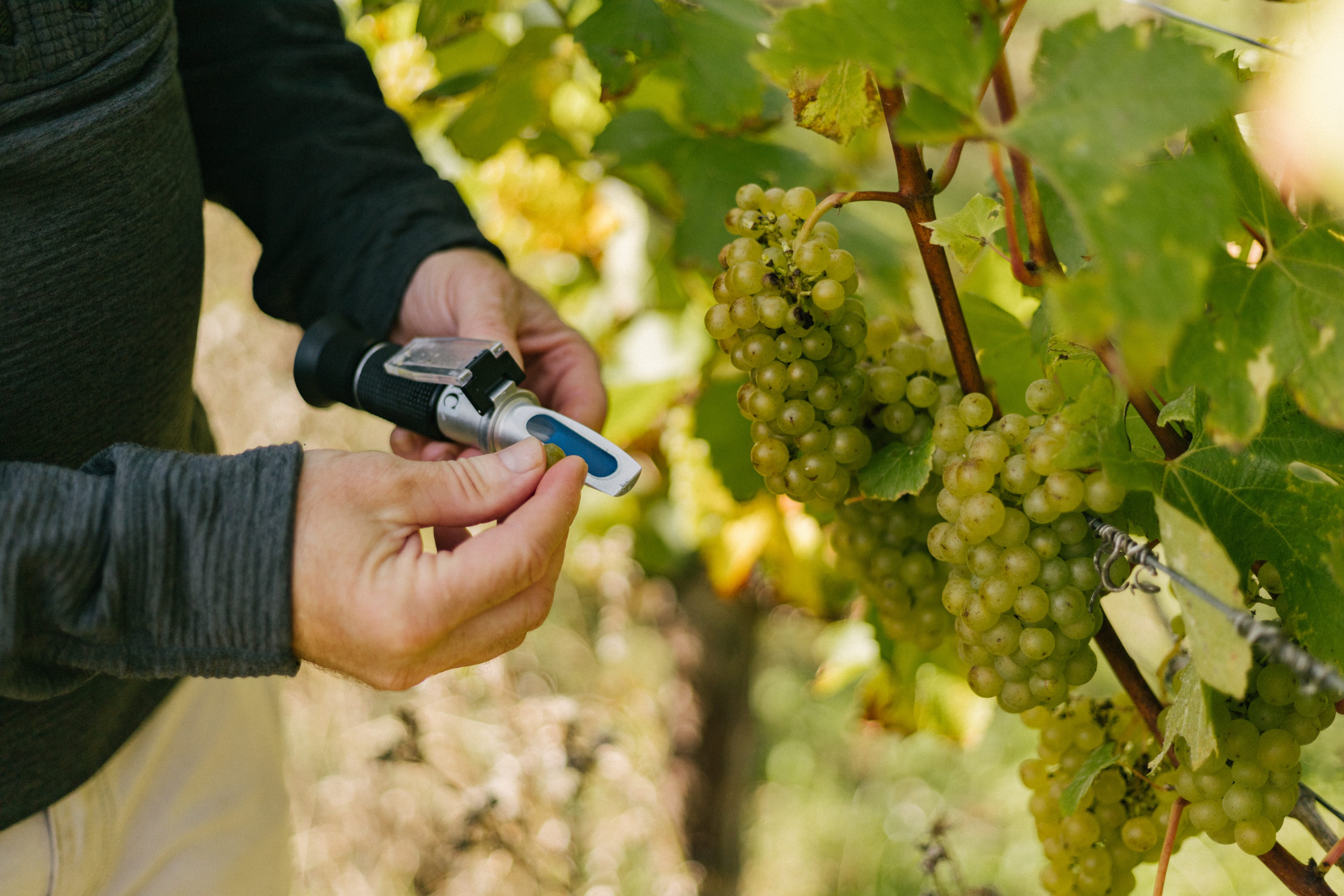
Advances in vineyard technology continue to improve harvest decision-making. Portable refractometers, handheld pH meters and near-infrared (NIR) instruments provide rapid field measurements, while precision viticulture tools, yield mapping and remote sensing help identify spatial variability within vineyard blocks. These technologies are increasingly being integrated with weather forecasts and winery logistics to optimise harvest scheduling.
Vineyard experience
Despite these advances, maturity monitoring remains both a science and an art. Analytical data provide objective benchmarks, but they should never replace experienced vineyard observation. Vine balance, canopy condition, berry flavour, weather forecasts and winery capacity all contribute to determining the optimal picking window.
As climate variability continues to challenge UK viticulture and the wine styles made here broaden, the importance of comprehensive maturity monitoring will only increase. Growers who combine robust sampling protocols with sound analytical data and practical vineyard experience are best positioned to deliver fruit that meets both production targets and winemaking objectives. In an environment where harvest timing can determine wine quality, maturity analysis remains one of the most valuable tools available to the modern vineyard manager.
At VineWorks, our advice is built on experience, shaped by science and focused on helping vineyards thrive – one vine at a time.
For more like this, sign up for the FREE Vineyard newsletter here and receive all the latest viticulture news, reviews and insight