
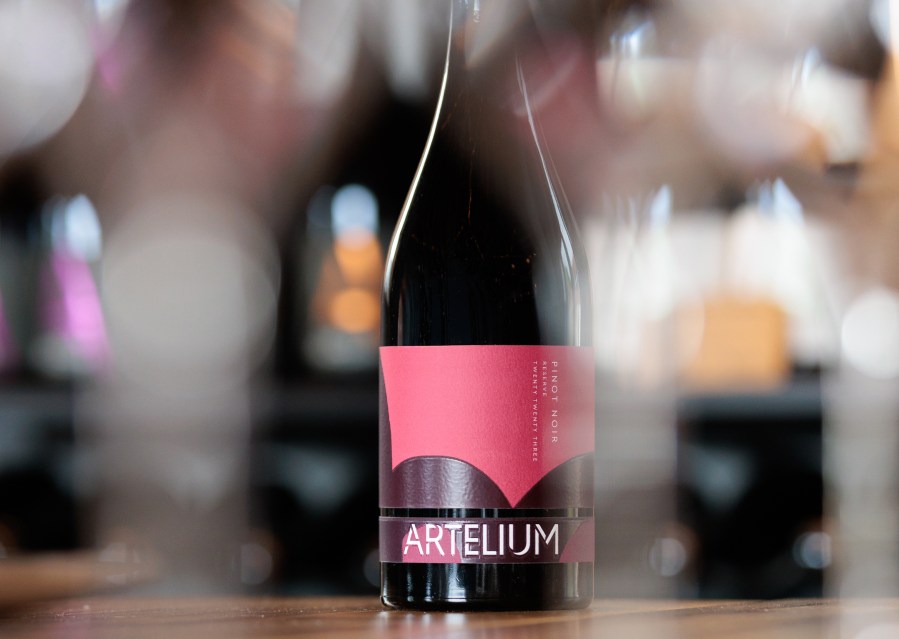
Artelium Wine Estate first featured on these pages in July 2023 having scooped the award for best newcomer at the Wine GB awards 2022 so it was a distinct pleasure to be invited back three years later to these wonderful vineyards to discuss the new plantings, new wines and new awards.
First planted in 2018 Artelium Wine Estate is owned by Julie Bretland and Mark Collins. The couple have continued to grow the business adding new plantings in 2021 and 2022 along with a winery in 2022. “Streat vineyard is predominantly a clay soil structure and Madehurst is Chalk,” said Mark. This leads to noticeable differences in the fruit that is produced and gives Mark and the winemaking team plenty of opportunity to make unique and exciting wines.
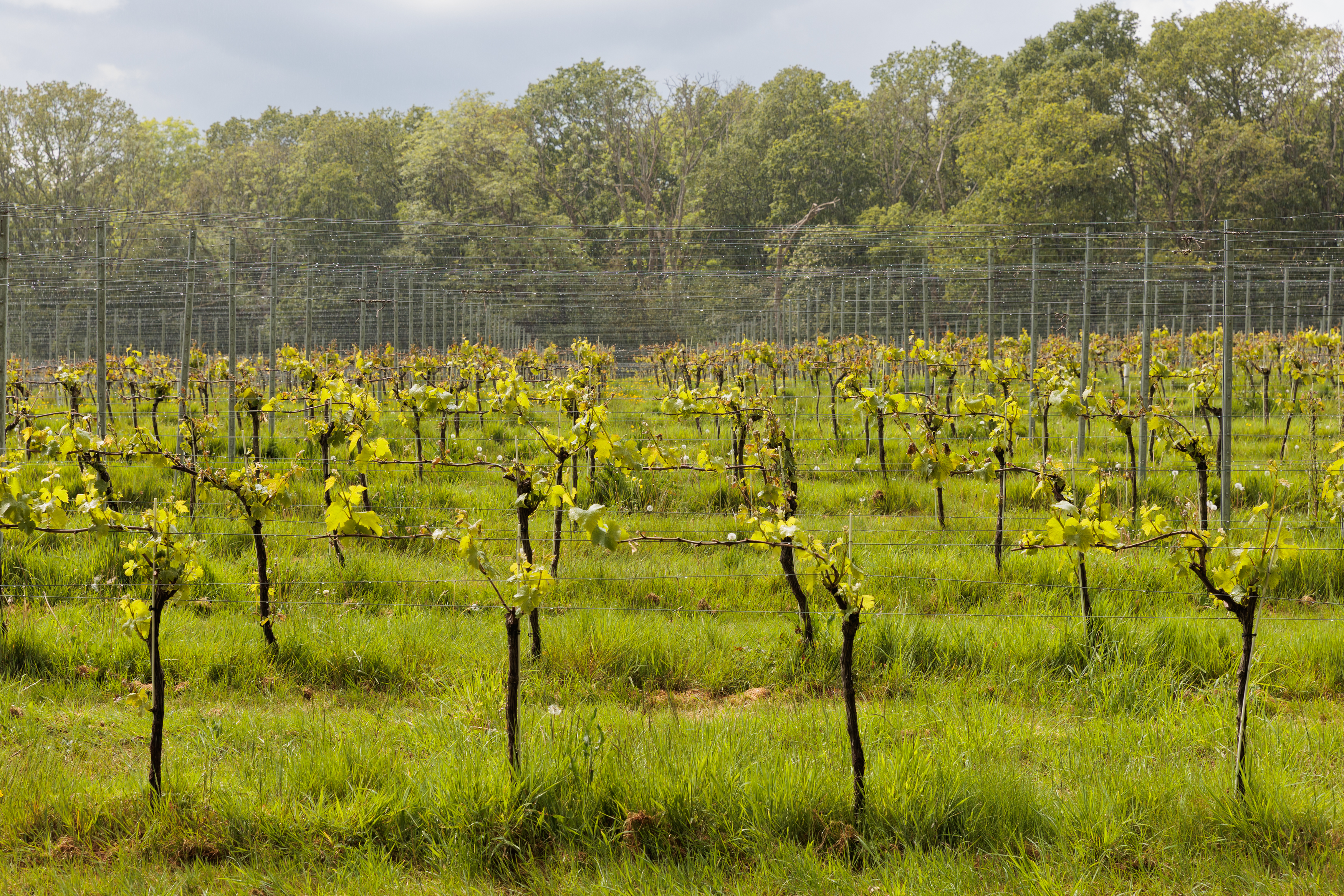
The 2022 plantings mean that PIWI vines now make up an impressive 15% of the total plantings across two sites in Sussex. There are 125,000 vines in total consisting of Chardonnay, Pinot Noir, Pinot Meunier and Pinot Gris alongside the PIWI varieties Souvignier Gris, Sauvignac, Rinot, Pinotin, Caberet Noir and Divico. Mark is quick to point out that the plantings of PIWI have been done in such a way that there is enough fruit to produce commercial wines.
“The Artefact #9 Cabaret Noir reviewed by Matthew Jukes in Vineyard Magazine November 2025 has sold out but PIWI grapes will be a feature of many wines in the future of Artelium,” Mark said. Bottled in 2026 the White Mosaic from the 2025 harvest will have 16% of the blend made up of PIWI grapes. (Mosaic is the name given to the blends produced at Artelium). The wine has yet to be released but “Souvignier Gris has lifted the floral component of the wine,” said Mark. The first white PIWI wine is currently in barrel and will consist of Souvignier Gris and Sauvignac currently on schedule to be released in 2027 “it is tasting beautifully” Mark added with a knowing smile.
Commenting on the common criticism that PIWI wines do not win the same degree of accolades as traditional varieties Mark pointed out: “These newer varietals have a short winemaking history so every vintage that passes will allow skilled winemakers to understand and get the very best from them.” As an example, Mark pointed to Caberet Noir as providing velvety texture and structure whilst Divico adds interest as part of a blend with a fruit forward variety such as Pinot Meunier.
Creating a Wine Estate that is in harmony with the surroundings is very important to Julie and Mark and this is clearly visible at every stage of the wines journey. The planting of PIWI varieties that have a greater resilience to pest and disease threats is just one way that Artelium Wine Estate are limiting their environmental impact.
In the vineyard (as we walk to a beautiful vantage point which looks towards the famous Streat Hill Jubilee Plantation of over 3,000 trees planted to mark the Jubilee of Queen Victoria in 1887 and in the other direction the site of the battle of Lewes in 1264 known as Mount Harry) Julie points out that there has been frost damage to some of the vines. “It has been the worst year we have had for frost,” she said. It is clear that Julie accepts this situation as part of the vineyard cycle rather than talking about mitigating for frost she has a level of acceptance which is unusual and instead points out ways to maximise the quality of the fruit. “The reason we planted the vineyard is that we want to make the very best wine and because we have a passion for both the land and for the wine,” she said with a glance towards the surrounding countryside.
The winemaking team at Artelium consists of Mark, Owen Elias and Solly Monyamane, creating a small but exceptionally talented team. Solly Monyamane joined Artelium in the summer of 2023 bringing with him experience of still winemaking in South Africa especially focussing on premium Chardonnay and Pinot Noir wines. “Since that initial year in 2023 Solly has been able to live the journey of the vineyard and therefore the wine and has had an important influence on the wines produced in the subsequent vintages,” said Mark. “Each wine produced will be different according to style, technique and vintage variation but despite these differences it is important that each wine still expresses the essence of Artelium,” Mark added. The idea of difference with a common thread is exciting and allows the on-site restaurant plenty of scope when it comes to menu decisions.
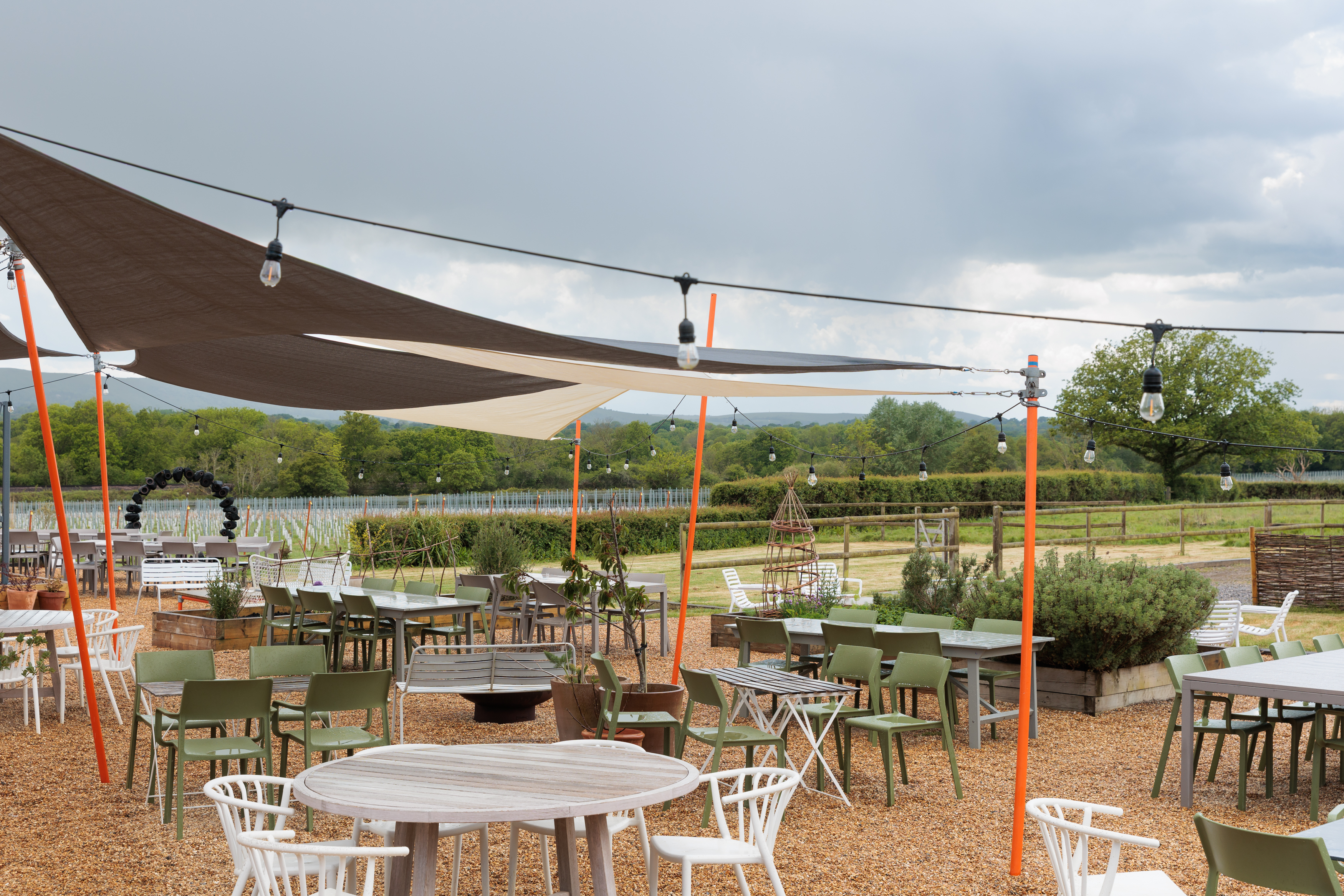
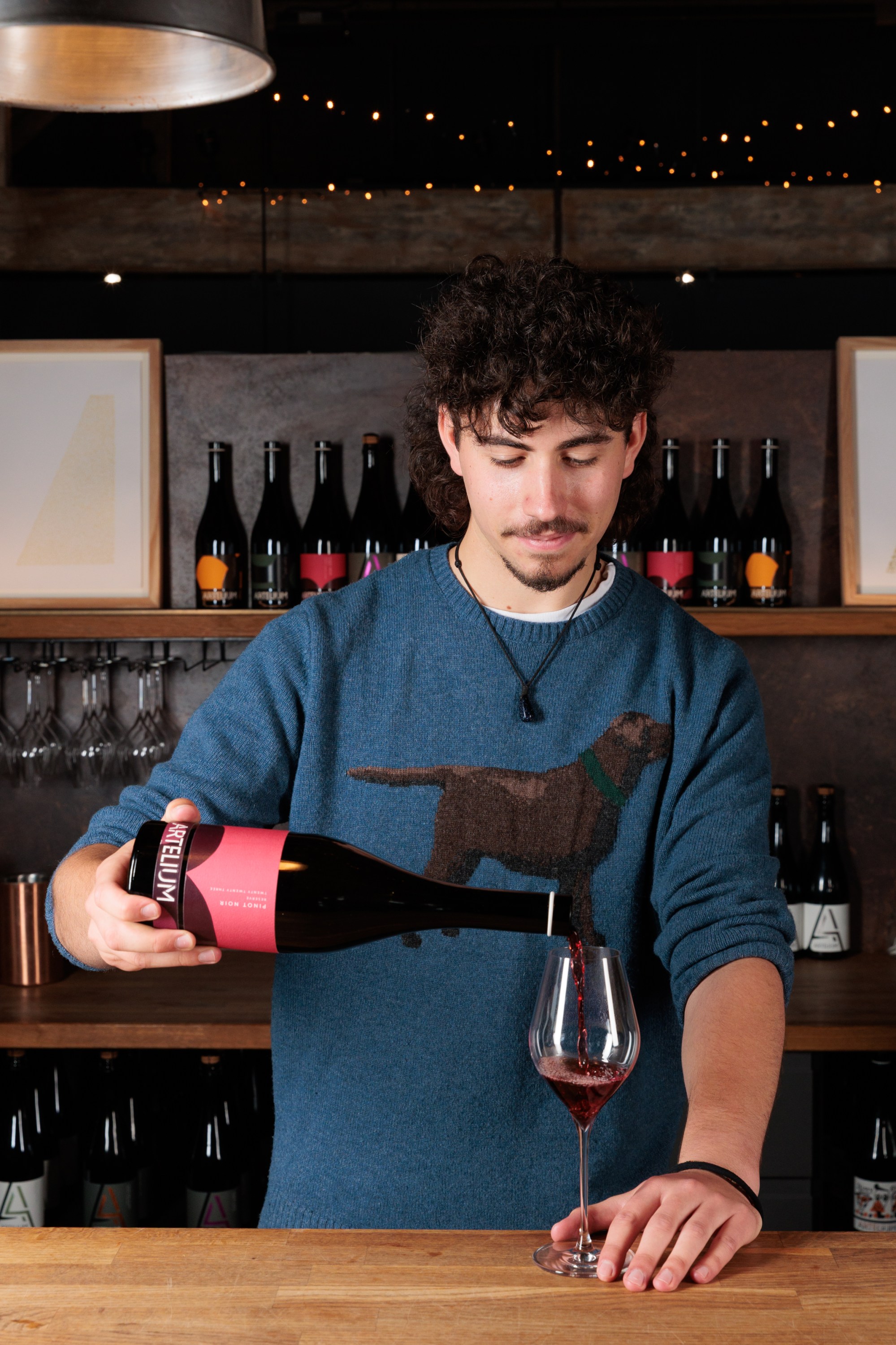
The restaurant started to offer a full dining experience in 2025 and Julie explained: “Our wines have been a decade in the making and we therefore wanted people to discover our wines in a relaxed and comfortable way.” The restaurant has a kitchen garden and the menu is both seasonal and local changing frequently across the month meaning that loyal customers can always find something new to pair with their chosen wine.
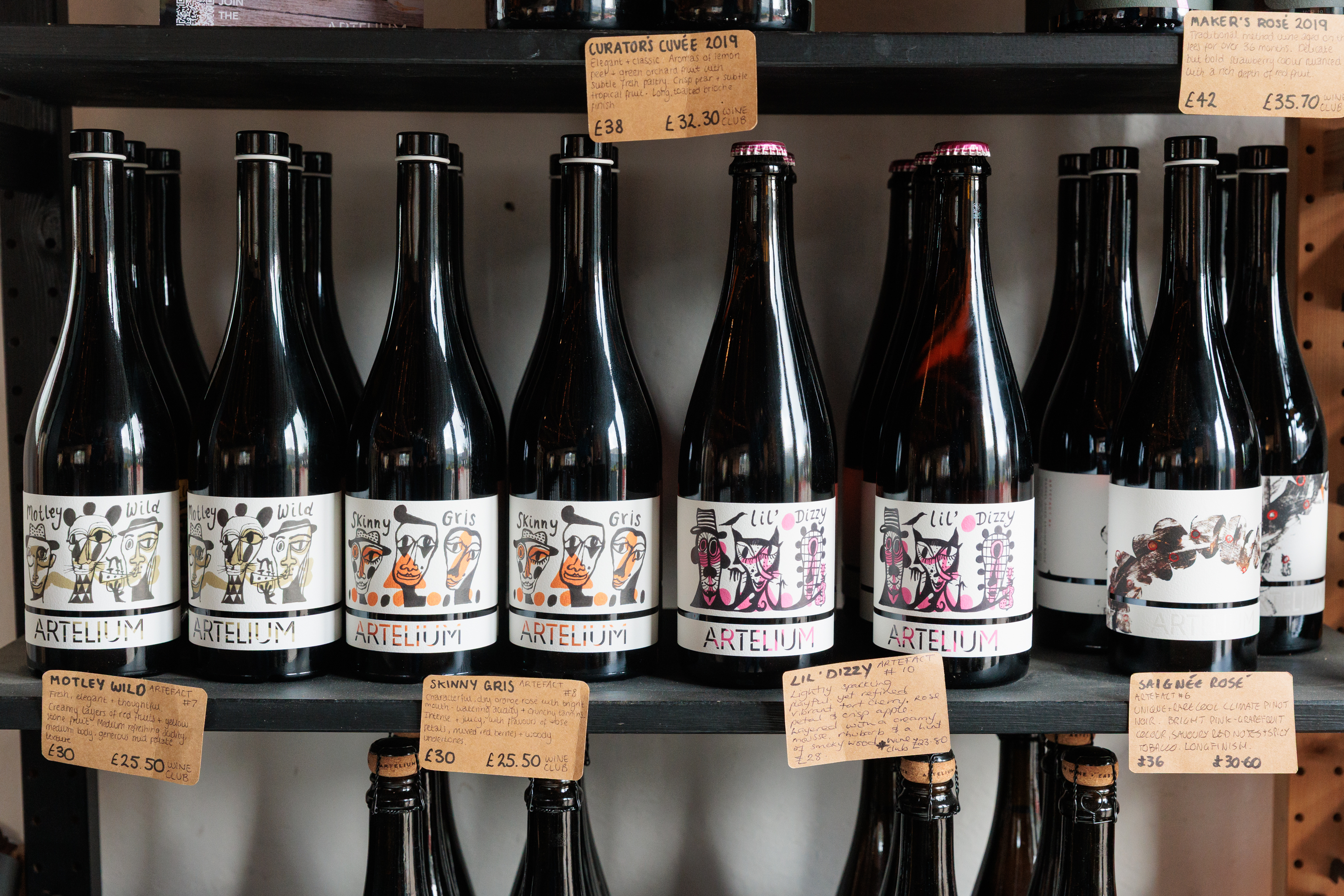
The Estate has continued to develop its deep rooted connection with the local artistic community. The name Artelium was chosen to represent both creativity and a celebration of community and this ethos is evident throughout the Estate. The entire range of wines have names driven by the art world and the Artefact range of wine is truly unique. Artefact is a way for Mark and the winemaking team to release wines that involve a new planting, a new technique or even a new plot. “This gives the winemaking team freedom to innovate without the pressure,” Mark explained.
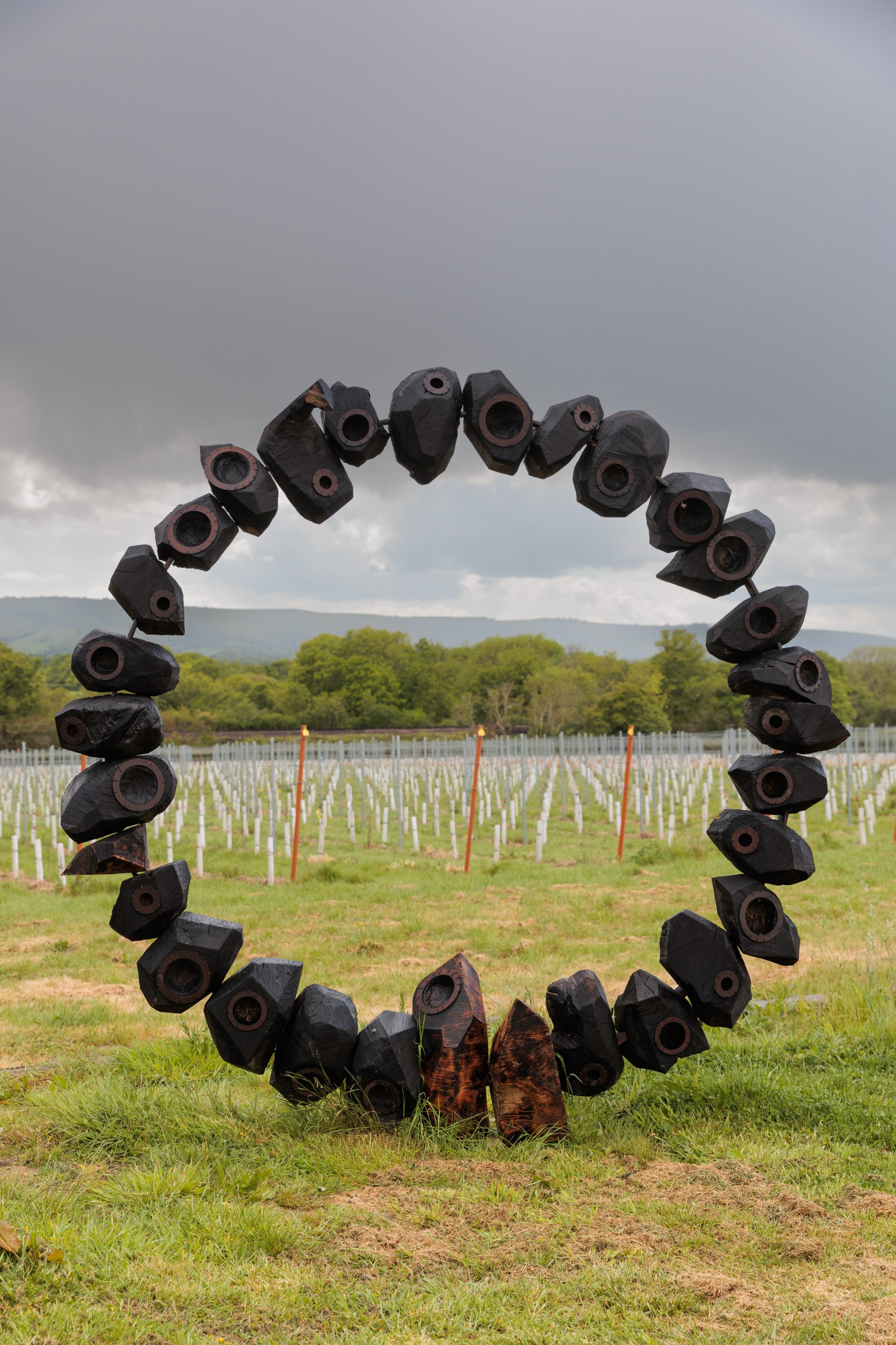
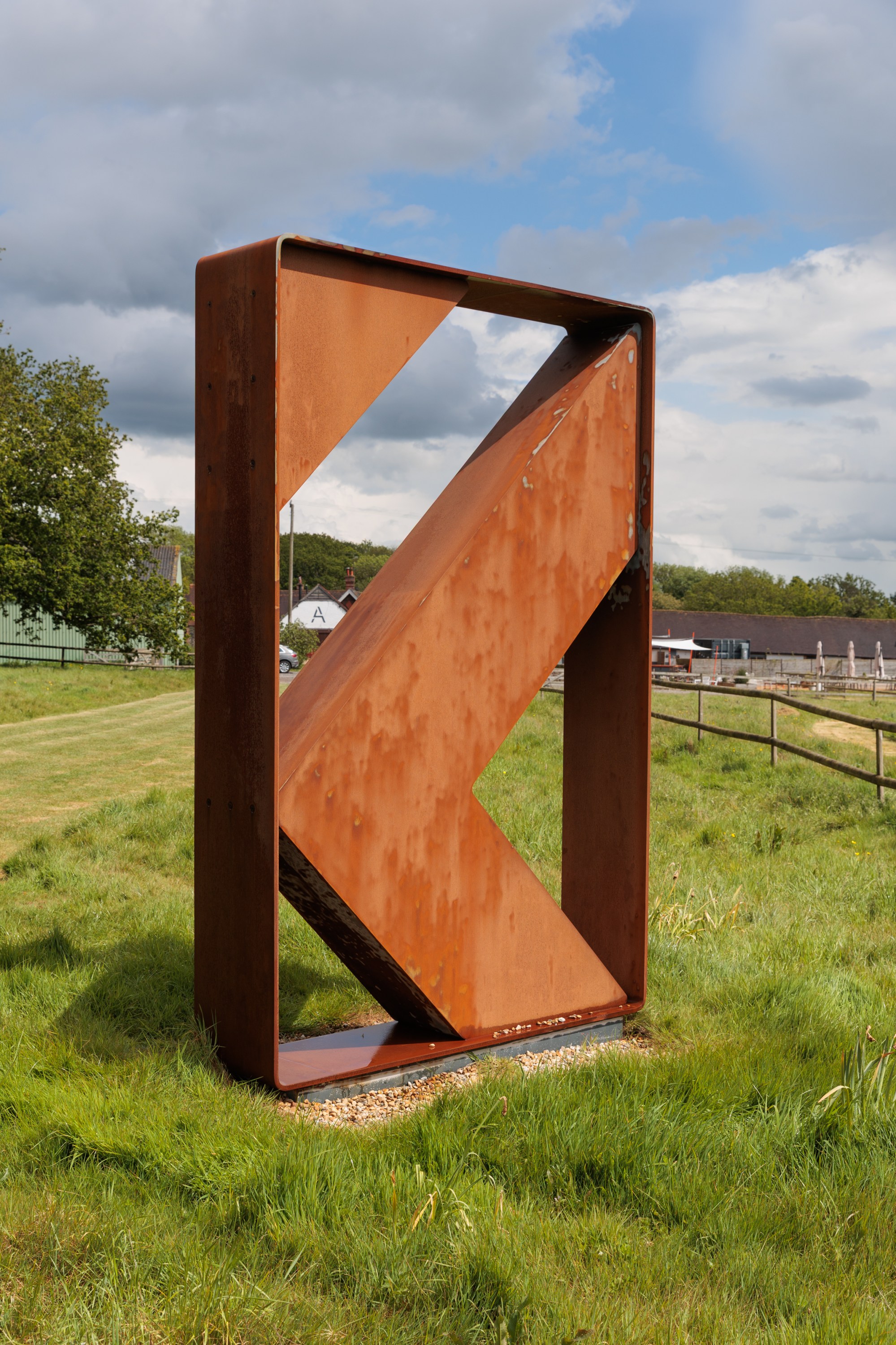
The Artefact wines are limited to 500-1000 bottles so they provide an ever changing perspective on the creative process at Artelium Wine Estate. The release of Artefact wines are also given creative freedom in another sense as the release of the wines coincides with the unveiling of an art installation in the vineyards by a local artist. “In this way the art remains as a permanent reminder even when the limited edition wines exist only in the estate library,” said Julie. As would be expected, the art is now part of the wine experience offered to the many visitors who come to Artelium for tours and tastings and as with the wine there is something that will appeal to everyone.
Tours take place Thursday to Sunday all year round and Julie explained that demand for wine tourism continues to grow. This growth is being driven by those who are specifically looking for wine tourism rather than those who happen upon a vineyard experience. “We now find that we have visitors from Norway most weekends and demand from international visitors has meant we now are able to provide delivery to Europe and the USA,” explained Julie. Artelium Wine Estate work with Bubbles of Britain, a company that specialises in bringing Traditional Method English Sparkling Wine from small boutique producers to key markets in the United States such as Washington, New York, Florida and Connecticut. This highlights the high esteem in which the wines from Artelium are held.
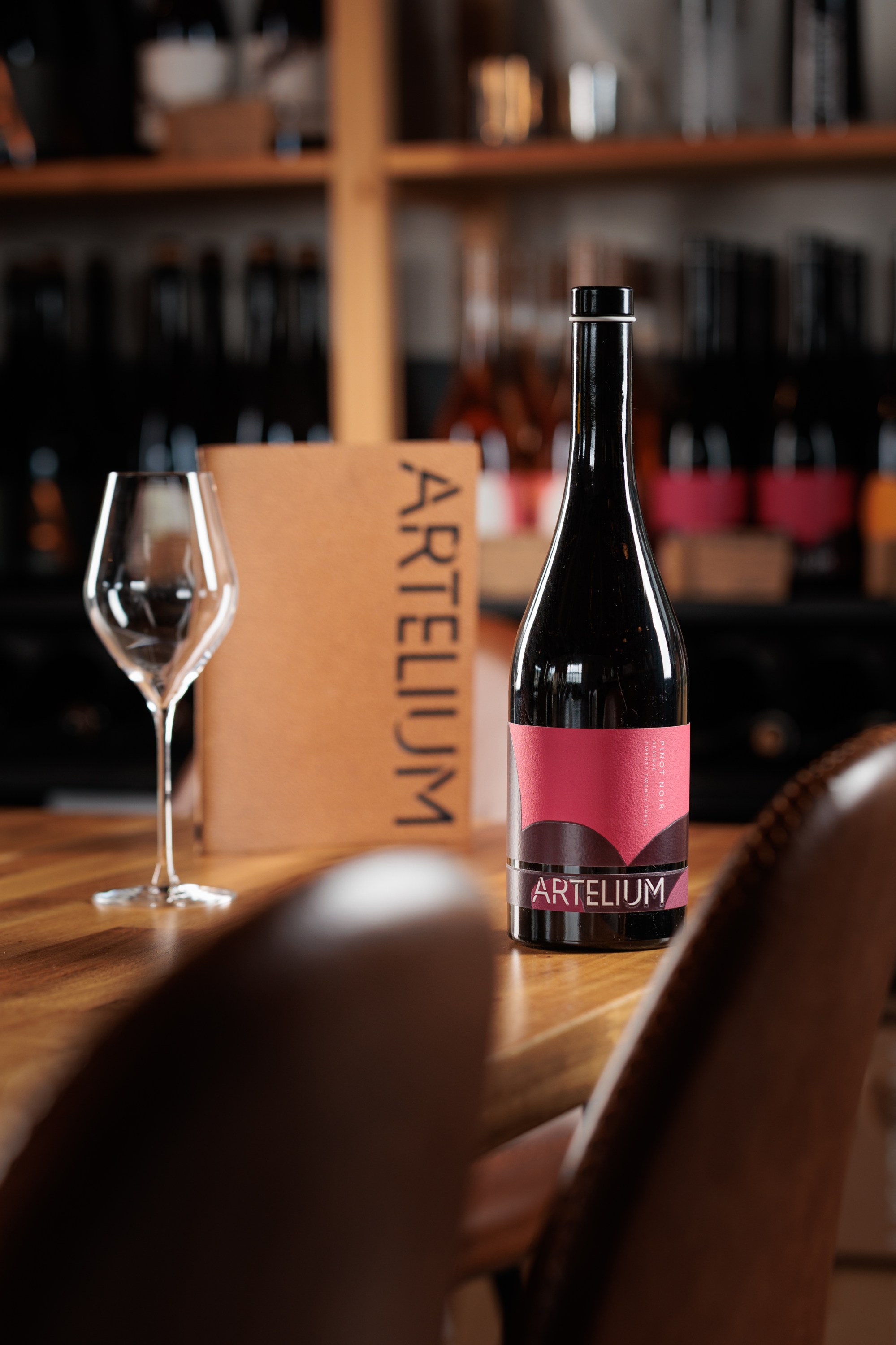
The wines of Artelium are stylish and thoughtfully made. When Julie discusses the wine she likes to drink she mentions season, atmosphere, food pairings and the company in which it is drunk before choosing the Makers Rosé 2019, “summer is on the way,” she said with a smile. The Makers Rosé 2019 is Pinot Noir dominant with flavours of ripe red fruits and has benefitted from extended lees aging. Mark explained: “Extended lees aging allows the sugar to inculcate and the wines to broaden and mellow. Having our own winery allows us to have this patience in the winemaking process.” The stunning colour which could be described as blush plus (the plus meaning it has just that something extra in colour which makes the glass stand out on the table) has been achieved through light maceration of a small portion of the Pinot Noir for between four and seven days. As Julie rightly pointed out, the wine does indeed taste of summer.
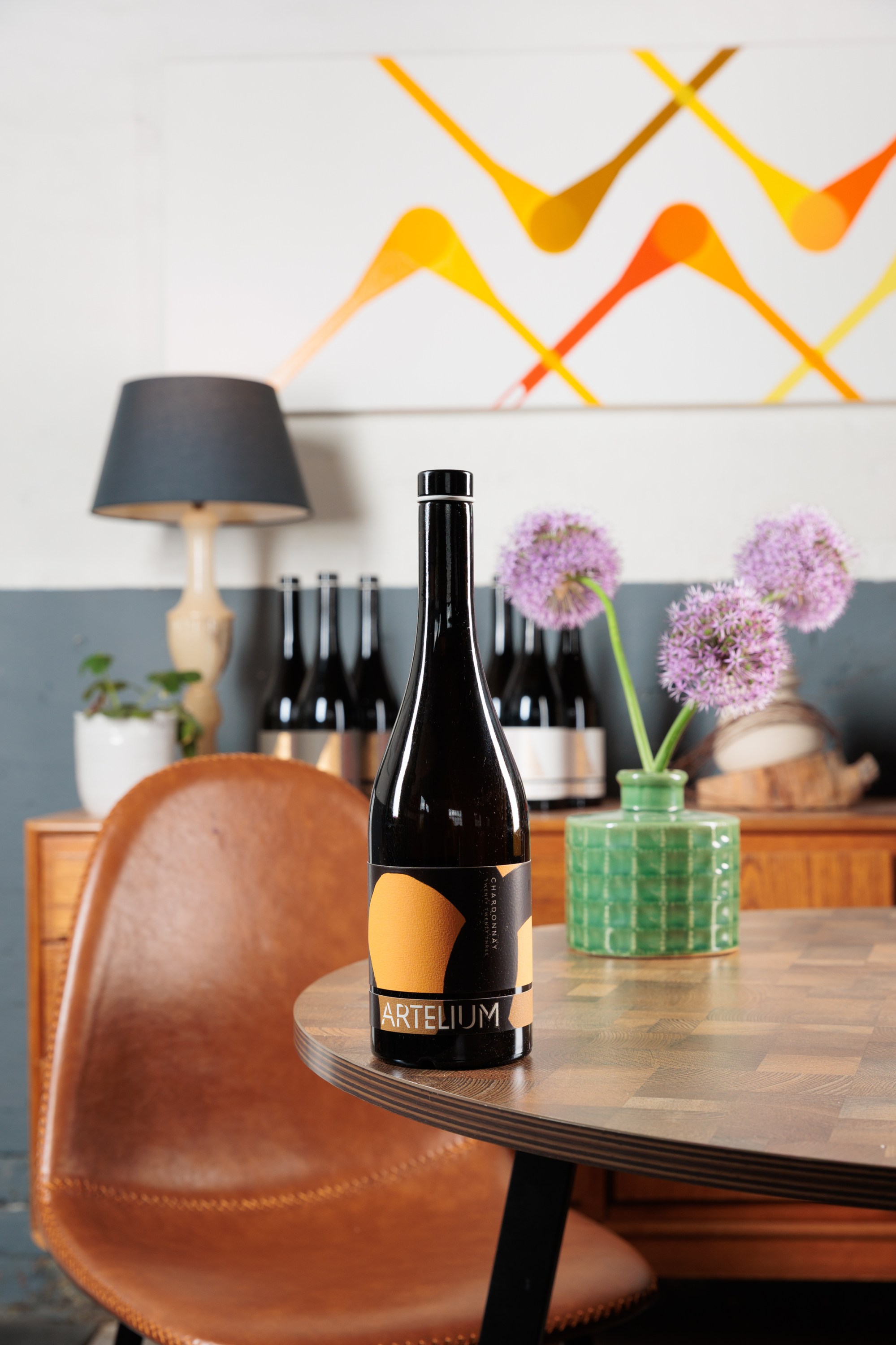
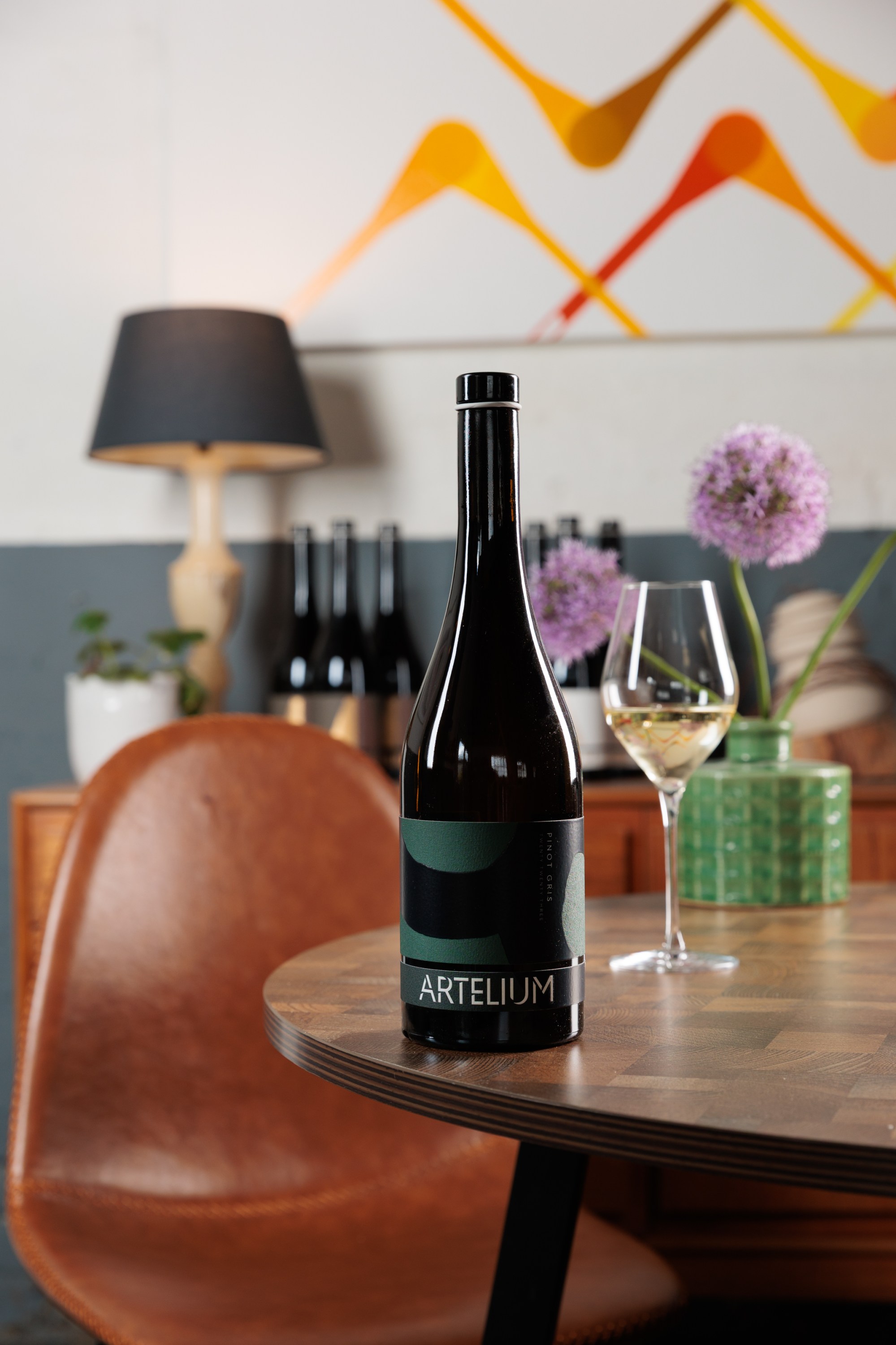
Throughout the visit it is clear that Mark has a special affinity with Pinot Gris as a variety. “It is a joy to work with Pinot Gris, it is versatile, producing very different wines that are all premium but distinct,” he said with warmth. The Pinot Gris Twenty Twenty Three has a definite hint of tropical fruit. “There is an Alsace clone of Pinot Gris that we have that carries minerality,” said Mark and it is obvious that this varietal sense of place is why he has such a fond liking for this grape. The 2023 harvest of Pinot Gris at Streat Vineyard was used to make a skin contact orange wine. The resulting wine Artefact #8 is playfully named Skinny Gris and the label design is, of course, a collaboration with a British artist. The grapes had seven days maceration and then spent a short six weeks in oak with light filtering. The result is a wine bursting with interest but maintaining a classy and elegant finish. It is in this wine that Mark’s comment that “every wine produced should express the essence of Artelium” truly becomes clear. The Skinny Gris is a completely distinct and different wine, a style that is unique and yet it bears the hallmarks that identify this wine undeniably as Artelium.
Artelium Wine Estate have received many accolades including gold medals from WineGB, Decanter and IWSC. The latest in this long line of awards has seen Artelium Wine Estate recognised as a Brand of Tomorrow 2026 by Walpole, the official body for the British luxury sector. This is an award that recognises fast growing luxury British brands from across a huge variety of sectors. The award highlights the creation of a brand and looks at tangible values that underpin the Artelium name such as quality, sustainability and craftsmanship. “We are pleased to be selected as a Brand of Tomorrow by Walpole and to be able to showcase English winemaking to a larger audience,” said Julie.
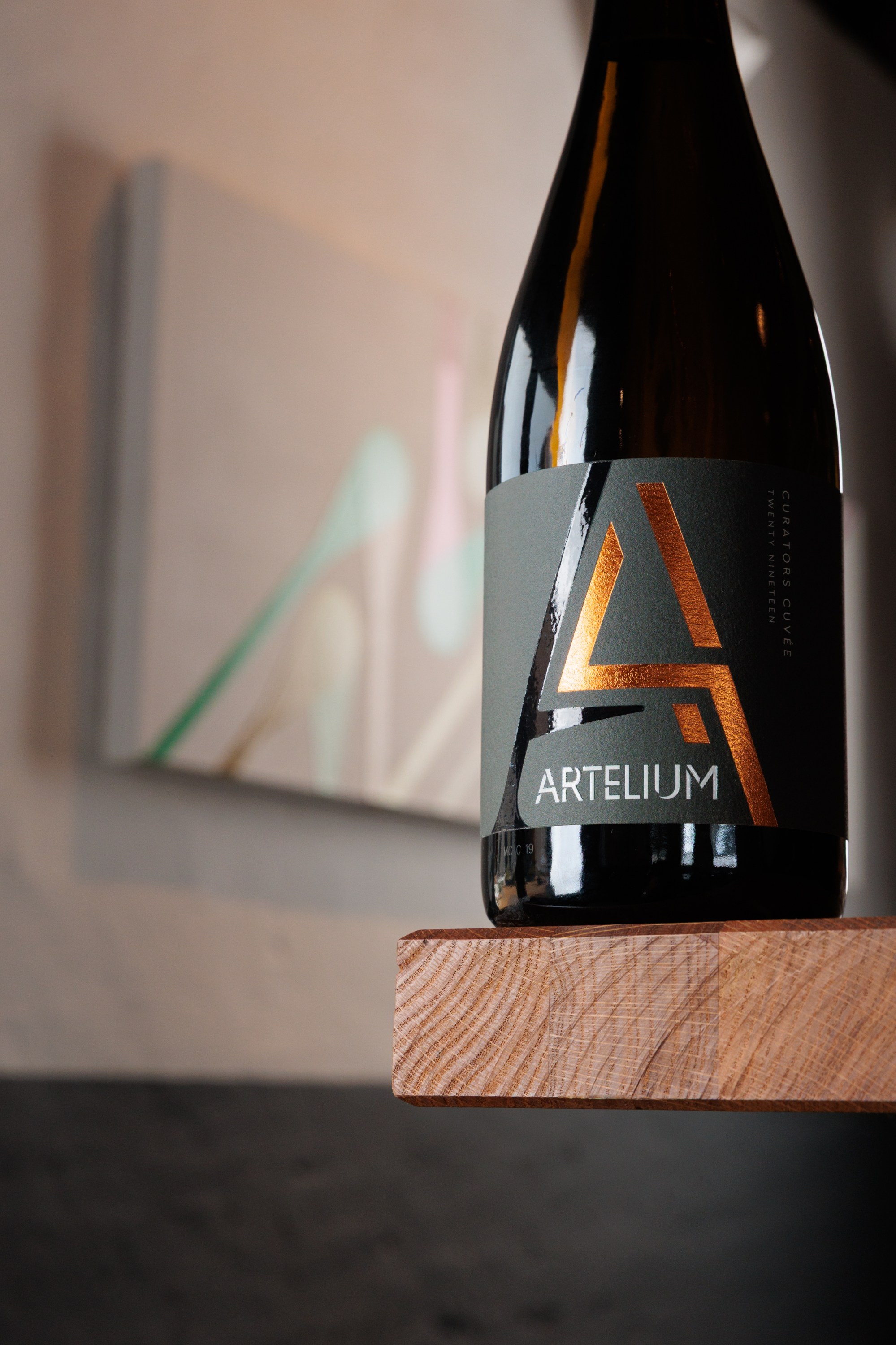
The team at Artelium do not just collaborate with artists but also with other winemakers. The newly released Natures Series Cuvée 2019 has been produced in collaboration with Urban Wine brand Vagabond. Like Artelium, Vagabond is a brand dedicated to quality with a desire to continue to produce interesting wines that express the unique qualities of the vineyard, vintage and variety. Vagabond winemaker José Quintana worked with Mark, Owen and Solly on this third instalment of the Nature Series. With five years on lees this wine reflects the 2019 vintage and is a blend of 49% Pinot Noir, 34% Chardonnay and 17% Pinot Meunier. The labels once again take the form of a triptych representing depictions of water, light and soil, the essential elements for any vine. Artist Sam Hodge used clay pigments from Streat Vineyard and chalk pigments from Madehurst Vineyard along with natural pigment from the leaves of the vines in the design and production of the label artwork. The Natures series Cuvée 2019 therefore truly expresses the values of those involved in its production.
Artelium continues to be a place where creativity thrives and a peaceful tranquillity greets all those who visit but there continue to be many exciting developments in both the winemaking and the vineyard. Artelium Wine Estate has built upon a firm foundation and I look forward to returning again to see how the story continues and once more enjoy the artistic atmosphere, the breath taking views and the unique wines.
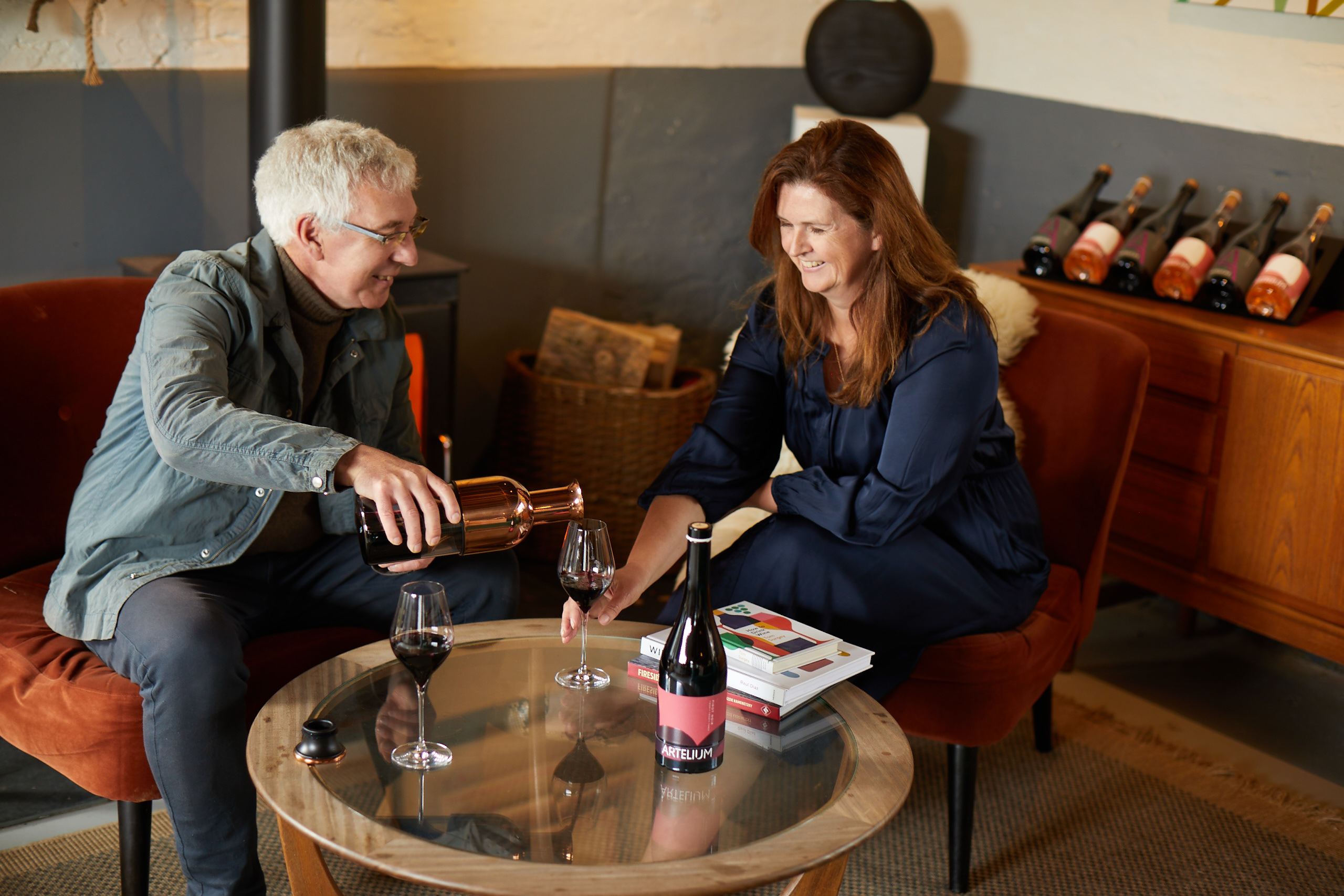
Photos: © Martin Apps, Countrywide Photographic