
The trend towards milder winters and more extreme hot, dry, and wet conditions, could reshape pest and disease threats in UK vineyards. Hutchinsons agronomist, Will Robinson, highlights some potential issues to look out for.
1. European grapevine moth (Lobesia botrana) and Grape berry moth (Eupoecilia ambiguella)
Both moth species are known to be significant pests in parts of continental Europe, favouring warmer conditions. They are occasionally found in southern parts of the UK, although it is thought they get blown in from the near continent, rather than reproducing here, as conditions are usually too cool (shorter day lengths and cooler temperatures initiate dormancy – ‘diapause’).
First generation larvae (caterpillars) feed on flower clusters in spring, with later generations feeding on developing and ripening berries. As well as direct feeding damage, this also creates an entry point for infection from diseases such as Botrytis, and may attract secondary pests, such as fruit fly.
2. Winter moth (Operophtera brumata)
Males of this white moth are sometimes seen flying during the winter, seeking out the flightless females that lay their eggs in bark and crevices of vine trunks. Eggs hatch in early spring, with larvae feeding on green buds, creating holes that can render shoots unviable.
It is another pest that has been seen in UK vineyards, and could become more prevalent in the future, with February to April being the main risk period.
3. Brown marmorated stink bug (Halyomorpha halys)
This invasive pest native to Asia reached a significant milestone in 2024, when juveniles were found for the first time in the UK.
Feeding damage to ripening grapes can create an entry point for diseases such as Botrytis, while the pungent coriander-like odour given off when the bug is stressed, can also taint the flavour of wine if it gets into the press.
Control options are very limited, so vigilance is key. If you think you have BMSB, take a photograph and report it to NIAB ([email protected]), which is monitoring BMSB as part of a DEFRA-funded project.
For more information, see the August 2025 Vineyard article on BMSB: www.vineyardmagazine.co.uk/agronomy/be-vigilant-for-new-pest/
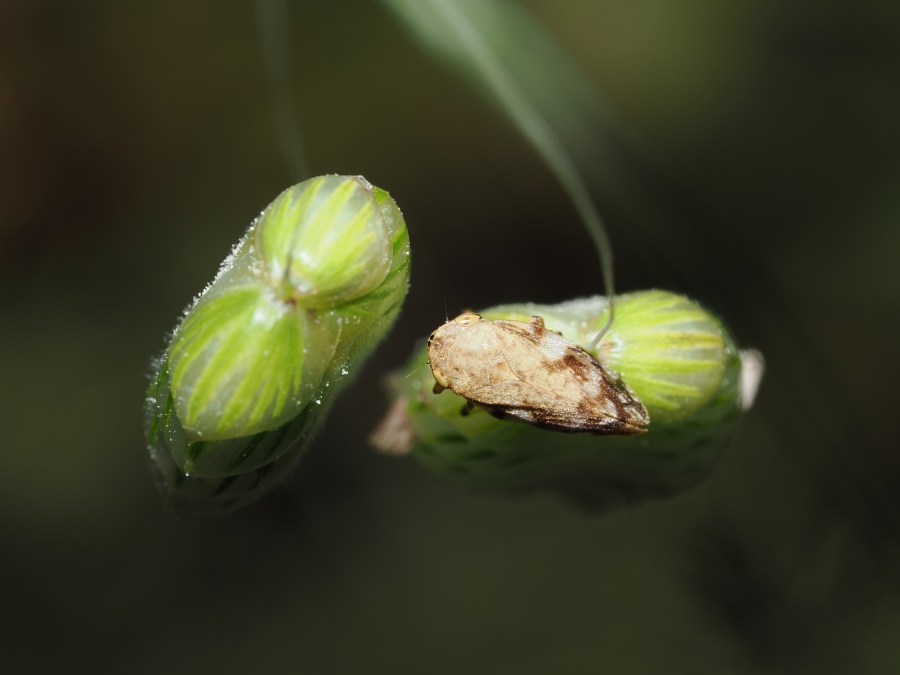
4. American grapevine leafhopper (Scaphoideus titanus)
This is one of several notifiable pests that could threaten UK vines, as it is already present in other European countries, such as France, Italy, and Spain. The climate of south east England is thought to be most likely to support development of the pest.
American grapevine leafhopper is the primary vector for flavescence dorée phytoplasma (FDp), a devastating, quarantine-status bacterial pathogen that causes Grapevine Yellows disease. Compulsory spraying is often required in other countries, with affected vines having to be uprooted and burned. According to DEFRA, the long distance spread of American grapevine leafhopper across Europe is mostly associated with the movement of planting material. DEFRA’s plant health portal
(https://planthealthportal.defra.gov.uk/) contains a host of information on notifiable pests and diseases, and what to do if you find one.
5. Grapevine fan leaf virus (GFLV)
GFLV was first found in the UK almost a decade ago, but is more widespread elsewhere in Europe, especially in hotter, drier regions.
It is primarily spread by the root-feeding dagger nematode, causing progressive decline and eventual death of affected vines. Symptoms include leaf malformation, yellowing, and abnormal ‘zigzag’ cane growth.
Once infected, there is no cure, so vines will have to be removed and destroyed. GFLV is not a legally notifiable disease in the UK, but it is tracked on the UK Plant Health Risk Register. Sourcing certified virus-free rootstocks is one of the main ways to minimise risk.
6. Black rot (Guignardia bidwellii)
Black rot is favoured by prolonged periods of high heat and humidity/wetness, with an optimal temperature range of 21°C to 27°C . Such conditions are becoming increasingly common in the UK, so the disease could appear more frequently as weather patterns change.
Given the right conditions, infections can occur from spring onwards, on the leaves, flowers and fruit of grapevines, and a mixture of cultural and chemical control practices is needed to manage the disease.
To conclude, these are just a few examples of how pest and disease threats are changing with our climate; there may well be many others. If you see something you don’t recognise, take a picture and speak to your agronomist in the first instance, as they are usually well placed to advise on the best course of action.
For more like this, sign up for the FREE Vineyard newsletter here and receive all the latest viticulture news, reviews and insight