
As the new season approaches, vineyard nutrition becomes central to optimising vine performance. While winter pruning sets the physical foundation, it is nutrition that enables vines to release their potential.
In UK viticulture, particularly in areas with fertile soils and generous rainfall, the challenge of controlling excessive vegetative growth, or vigour, persists. Although canopy management techniques such as tucking, trimming and leaf removal are essential, the true basis of vigour control lies in understanding and managing vine nutrition. This is not simply a matter of applying fertiliser; it requires interpreting what a vine needs, monitoring nutrient levels, and responding with targeted actions.
Nutrition as a driver of vigour
Vine vigour reflects a balance between growth potential and limiting factors such as soil, climate, and management practices. Nitrogen is the most influential nutrient, driving canopy growth, but potassium, phosphorous, magnesium and calcium also play vital roles in fruit set, berry development, and overall vine health. Imbalances in any of these nutrients can lead to unpredictable vigour and impact both yield and fruit quality.
A recurring issue in UK vineyards is magnesium deficiency. Magnesium, being a highly mobile cation, binds weakly to sandy, chalk, or limestone soils, which have a low cation exchange capacity. Potassium competes for uptake, and winter rainfall can leach magnesium from the root zone. As a result, annual spring applications of magnesium sulphate are often necessary, providing an immediately available source that vines absorb within days to weeks of application. This intervention enables noticeable improvements in chlorophyll production and canopy efficiency within the same growing season.
Optimal timing for ground fertiliser application
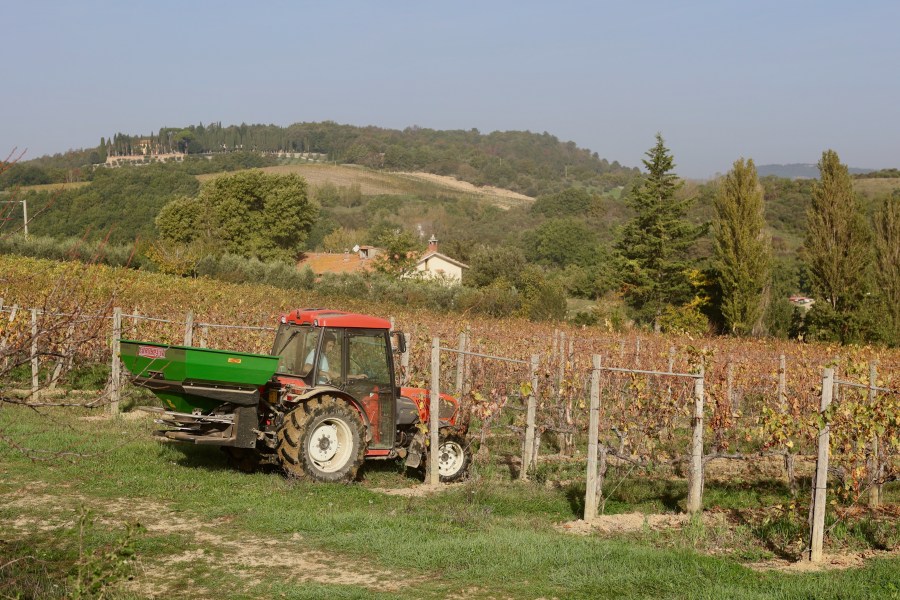
Ground fertilisers are typically applied in early spring, just before budburst. This timing ensures nutrients are present as vines transition from dormancy to active growth.
Applying nutrients in early spring supports root activity, fosters steady initial growth to prevent erratic shoots, and improves fruit set, as adequate potassium and calcium aid flowering and cluster development. Applying fertiliser too late can lead to excess vegetative growth at the expense of fruit balance, while too early an application increases the risk of nutrient leaching, particularly in regions with high rainfall.
The value of petiole testing
Petiole testing is the most reliable method for assessing vine nutrient status. Conducted at flowering or veraison, it provides a snapshot of what nutrients the vine has absorbed, rather than what is simply present in the soil. This distinction is crucial for precise nutrition management. Petiole testing aids in reducing unnecessary fertiliser use, monitoring trends over time, and identifying deficiencies before visual symptoms appear, allowing for timely interventions.
Recognising early signs of deficiency
The vineyard itself often reveals early signs of nutrient imbalance. Subtle changes in leaf colour, shoot growth, or fruit set may signal deficiencies. Common early indicators include pale leaves (nitrogen), interveinal chlorosis (magnesium), marginal leaf scorching (potassium), brittle shoot tips (boron), and yellowing of young leaves (iron). Prompt action prevents a cascade of secondary issues that can compromise both yield and fruit quality.
A proactive approach to balanced growth
As growers prepare for the season, there is an opportunity to reset and refine nutritional management. Achieving balanced growth is about supplying enough nutrients for a healthy, productive canopy, without encouraging excessive vegetative growth that could hinder fruit development. Regular soil tests, petiole analysis, and attentive vineyard monitoring empower growers to make informed decisions supporting vine balance and fruit quality. Should you wish to discuss tailored nutritional plans, or require assistance with soil or petiole testing, please feel free to get in touch for guidance and support.
Photo: Dutch_Photos / Shutterstock.com
For more like this, sign up for the FREE Vineyard newsletter here and receive all the latest viticulture news, reviews and insight