
Why 2026 is rewriting the UK vineyard calendar. If you haven’t started preparing for harvest, now is the time.
Across much of the UK, harvest is shaping up to be one of the earliest in recent memory. Veraison arrived during the last week of July on many sites, but the warning signs had been there for months. Since April, prolonged heat and exceptionally low rainfall have accelerated vine development, shortened the ripening period and left growers watching fruit mature at remarkable speed.
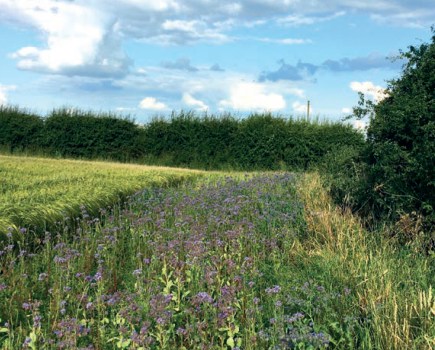
Not every vineyard has responded in the same way. Sites with deeper soils and better moisture reserves have generally maintained balanced growth, while shallower or drought prone vineyards have seen reduced shoot growth and earlier signs of water stress. This season has highlighted just how important soil type, site and canopy management are in determining crop development.
Why are grapes ripening so quickly?
The answer lies in how vines respond to heat and drought.
Warm conditions accelerate sugar accumulation while speeding up the breakdown of malic acid; the acid responsible for the crisp, green-apple character of immature grapes. At the same time, berries lose a small amount of water through transpiration, concentrating sugars even further.
As soils dry, vines redirect energy away from producing new shoots and leaves and towards ripening fruit. Berries soften sooner, seeds brown earlier and skins begin to toughen, all signs that physiological maturity is advancing.
The result is a compressed ripening window. Sugar rises rapidly, acidity falls quicker than normal, and grapes move from veraison to harvest readiness much faster than growers expect in a typical UK season.
|
Typical harvest indicators by variety |
||||
|
Variety |
°Brix |
Titratable acidity |
pH |
Sensory indicators |
|
Chardonnay |
18 – 20 |
0.8-1.0 |
3.1 – 3.3 |
Yellow/green berries, brown seeds, citrus and stone fruit aromas |
|
Bacchus |
17 – 19 |
0.6-0.75 |
3.1 – 3.3 |
Pale yellow berries, elderflower and lime aromatics |
|
Pinot Noir |
20 – 22 |
0.6-0.8 |
3.3 – .5 |
Full colour development, supple skins, red fruit flavours |
|
Pinot Meunier |
19 – 21 |
0.6-0.8 |
3.2 – 3.4 |
Even red/black colour, brown seeds, berries soften uniformly |
|
*Targets vary depending on site, season, crop load and intended wine style. Sparkling wine production typically favours higher acidity and lower sugar levels than still wine production. |
Don’t rely on the calendar: monitor the fruit
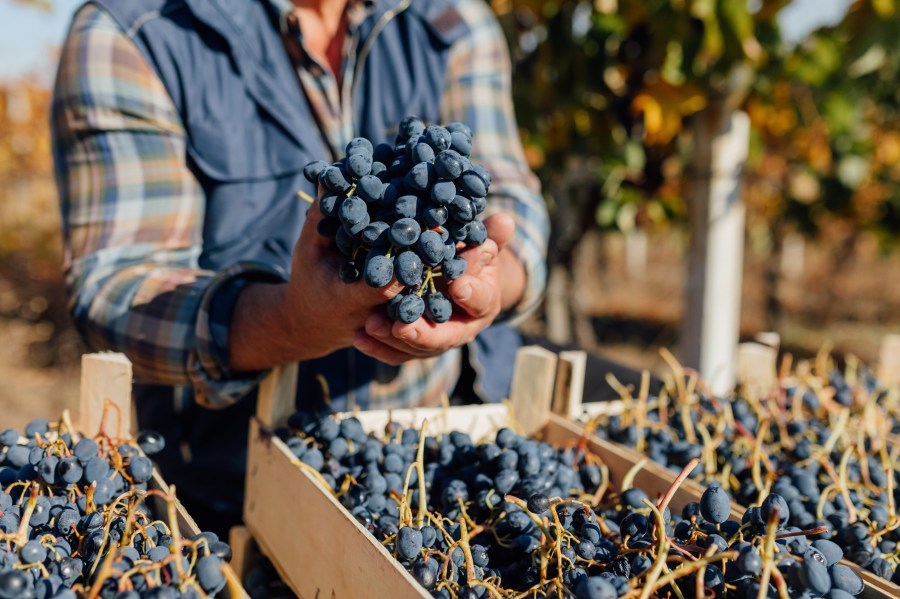
This season, relying on the calendar could prove costly. With ripening progressing so rapidly, regular fruit sampling is essential.
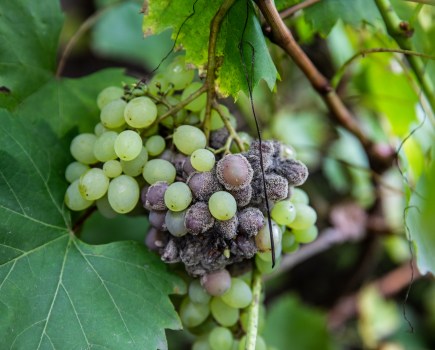
Rather than focusing on °Brix alone, growers should assess the full picture of ripeness, including sugar, titratable acidity (TA), pH, berry colour and physiological maturity. Together, these indicators provide the clearest guide to harvest timing and help ensure fruit is picked at its optimum balance of sugar, acidity and flavour.
Harvest preparation starts now
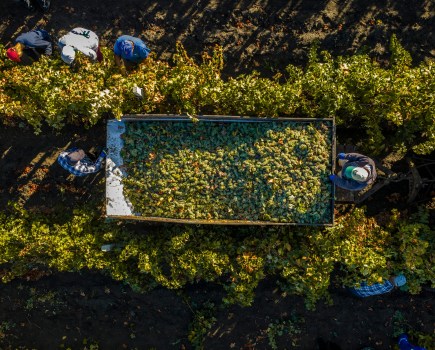
An early harvest leaves little room for last minute organisation. Every picker needs buckets, gloves, PPE and vine snips. Sharp secateurs are often overlooked but make a noticeable difference, producing clean cuts that reduce berry damage and improve picking efficiency.
Harvest machinery deserves the same attention. Tractors, trailers, presses, pumps and sorting tables should all be serviced before harvest begins, when even minor breakdowns can quickly become costly delays.
Protecting soils during harvest
Across parts of the UK, July 2026 recorded virtually no measurable rainfall, while sunshine hours significantly exceeded those of July 2025, leaving many vineyard soils exceptionally dry.
Dry soils are generally less prone to deep compaction because they are structurally stronger. However, if significant rain arrives before or during harvest, conditions can deteriorate rapidly. Wet soils are highly vulnerable to rutting, smearing and structural damage, particularly where machinery repeatedly follows the same wheelings.
Low ground pressure tyres, minimising unnecessary machinery movements and planning traffic routes carefully can all help protect soil structure during harvest.
A season that rewards preparation
Every vintage presents its own challenges, but 2026 stands out for its pace. Heat, drought and accelerated ripening have shifted the UK’s harvest calendar forward by weeks rather than days, leaving growers with less time to react than usual.
The vineyards that perform best this season are unlikely to be those with the earliest fruit; they will be those that are best prepared.
Regular sampling, flexible harvest planning, well maintained equipment and organised picking teams will be key to making timely harvest decisions. In 2026, waiting for the “usual” harvest date may simply be too late.
For more like this, sign up for the FREE Vineyard newsletter here and receive all the latest viticulture news, reviews and insight