
What UK vineyard growers should be looking out for this autumn.
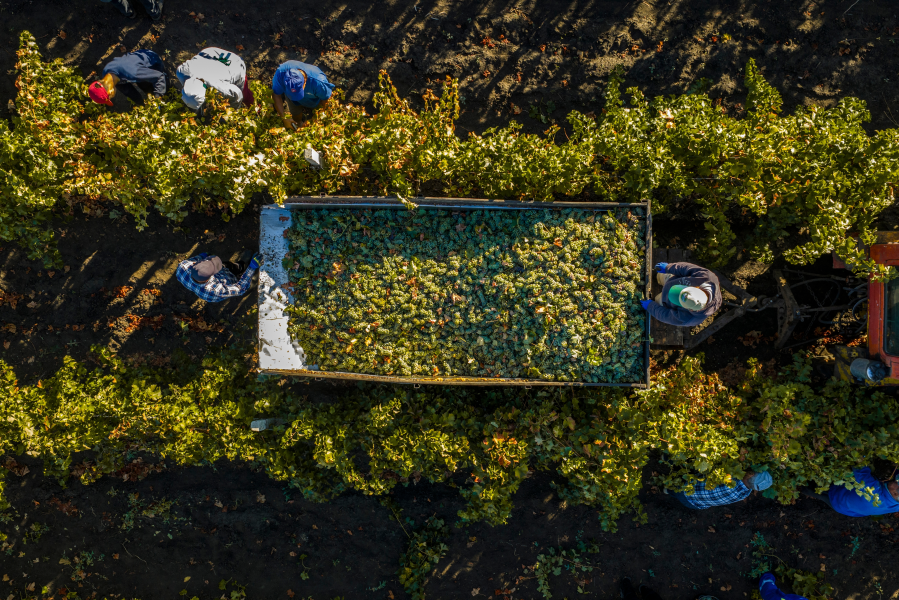
As the 2026 harvest draws towards its final weeks, vineyards across the UK are entering two very different phases. Some are still watching the weather as the last blocks come in, while others have moved on to post-harvest jobs and the inevitable list of tasks that signals the start of winter preparation.
Still harvesting? Here’s what to watch
After a relatively dry summer, powdery mildew pressure has generally been lower than expected. However, cooler nights, heavier dews and more frequent rainfall mean conditions are becoming increasingly favourable for disease development. Keep walking the vineyard, check fruit and canopy regularly and don’t assume a clean vineyard in September will stay that way through October.
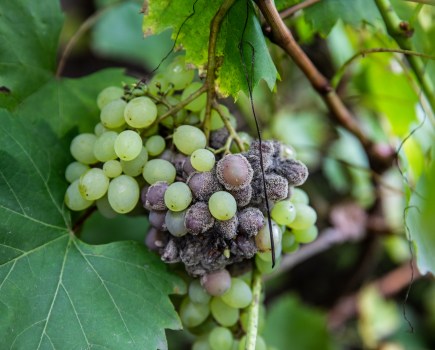
Look for the familiar grey-white fungal growth of powdery mildew on leaves and berries. Where late infections are identified, potassium bicarbonate products such as Karma can have a role, particularly against younger infections. However, once powdery mildew is well established, control becomes more difficult this late in the season. Karma has a zero day harvest interval, although growers should check with their winery, as potassium bicarbonate can affect alkalinity.
Then there is Botrytis – often the disease growers least want to find as harvest progresses. Keep an eye on bunches sitting tightly together, damaged berries and areas of the vineyard where airflow is poor. If infection is localised, removing affected bunches by hand can prevent problems spreading through otherwise healthy fruit.
Botector can provide a preventative biological option by colonising the berry surface and competing with Botrytis spores. It can be a useful crutch at this late stage in the season due to its zero day harvest interval, however bear in mind that peak control is around 72 hours after application.
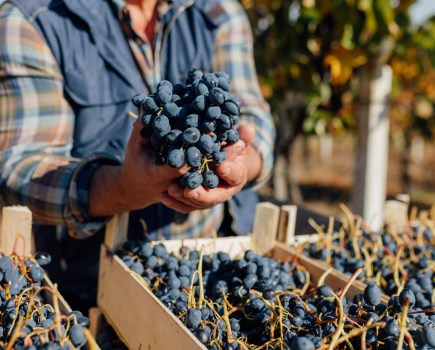
And don’t forget the practicalities of harvest. Keep picking decisions under review, particularly where disease is beginning to appear. Sometimes getting fruit into the winery slightly earlier is preferable to watching a clean crop deteriorate while waiting for another few points of ripeness. This is the hard task of finding the sweet spot between the agronomist, winemaker and vineyard conditions.
Harvest complete? This one’s for you
First, assess the vineyard while everything is still fresh in your mind. Make a note of weak blocks, disease hotspots, poor performing vines, missing plants and areas where machinery has caused damage. These observations will be invaluable when planning winter work.
A post-harvest copper treatment can help reduce sources of downy mildew inoculum on leaf litter and woody material, combined with boron or YaraVita Bud Builder, which supports carbohydrate transport, energy stores for next season and wood maturation.
Level ruts, repair damaged areas and address genuine compaction where necessary. A tine or subsoiler can be useful, but resist the temptation to work every row simply because the machine is available. Working wet soils can create a bigger problem than the original rut.
Sustainable Farming Incentive
The second window for the Sustainable Farming Incentive grant opens on the 22 September. Make sure to check that land boundaries, land covers and digital maps are up to date, as errors or changes can create delays during the application process. Equally important: do not start any SFI actions until you have received and accepted your formal agreement.
Kent Downs Healthy Vineyards Workshop
For vineyards within the Kent Downs National Landscape, there is also an opportunity to get involved in shaping future support for viticulture. As part of its Sustainable Viticulture initiative, the Kent Downs National Landscape is hosting an online Healthy Vineyards Workshop on 23 October.
The two hour workshop will bring vineyards together to share knowledge and identify the types of support that would be most useful to growers. In particular, the session will explore suitable cover crop species for future trials, with the aim of developing practical approaches that can be tested within local vineyards.
If you are a vineyard within the Kent Downs and would like to get involved, please contact me for further information.
For more like this, sign up for the FREE Vineyard newsletter here and receive all the latest viticulture news, reviews and insight