
Andrea Ontiveros Flores, a sommelier and marketing & communications specialist from Alicante, Spain discovers the ultimate Autumn wine list England never had.
Every year there seems to be a new guide to the ultimate summer English wine list, featuring bottles to enjoy in the sunshine alongside oysters, seafood, barbecues and long al fresco afternoons. These lists are typically filled with crisp, zesty whites, refreshing sparkling wines and lighter reds, with Bacchus, Pinot Gris, fresh Chardonnay and the sparkling trio often taking centre stage.
But what about autumn? Wine lists are full of international options associated with cooler days and comfort food, from spicy Shiraz and Montepulciano to earthy Rioja and richer sparkling styles such as Crémant. When most people think of English wine, they think of summer. But is that perception causing us to overlook some of the country’s cooler weather styles? As Sunday roasts and hearty seasonal cooking return to the table, perhaps it is time to ask whether England has its own autumn wine list.
While English wine is often marketed around summer, spring is associated with floral rosé, and winter has its own place for toasty sparkling wines. Yet autumn is when Pinot Noir comes into its own, oaked Chardonnay feels more relevant, skin-contact styles begin to shine, and sparkling rosé finds a more gastronomic role. Recognising these seasonal associations could help expand the English wine season, rather than limiting it to just one or two key periods of the year.
To succeed in this transition, producers need to understand consumer behaviour, purchasing habits and market trends. This is particularly important as the wine industry continues to face changing drinking habits, economic uncertainty and growing competition from other categories, including cider during the autumn months. Using data and consumer insights can help producers position their wines more effectively throughout the year and identify new opportunities for growth.
If English wine sales are heavily concentrated in summer, how can producers create relevance during autumn? Industry data suggests that consumer preferences begin to shift in September and October, with growing interest in more structured styles, including fuller-bodied whites, chillable reds such as Pinot Noir and more gastronomic rosé styles. As the seasons change, many drinkers start looking for greater texture and wines that complement hearty dishes such as roast meats, root vegetables and comforting pasta.
Consumer insights also point to a broader premiumisation trend across the wine category. Buyers are increasingly willing to spend more per bottle during the autumn and winter months, embracing a “drink less, drink better” approach. Combined with a growing preference for cosy indoor dining and seasonal entertaining, this creates opportunities for more complex and characterful wines.
England has all the ingredients for a stronger autumn wine story. By moving beyond the traditional focus on summer styles and sparkling wine, producers can create demand year-round through restaurant partnerships, vineyard harvest experiences, direct-to-consumer initiatives, retail campaigns and seasonal point-of-sale strategies. Autumn may well prove to be one of the most exciting seasons for English wine.
What to drink as the seasons change
Pinot Noir: The star of autumn
Danbury Ridge Pinot Noir. Essex (£40–£45)
Widely considered the ultimate English autumn red, this Pinot Noir is produced in Essex’s Crouch Valley, one of the country’s warmest wine regions. Ripe dark fruit, forest-floor character and warming oak spice create a fuller, more structured style than many consumers expect from English Pinot Noir. Ageing in French oak adds notes of clove, nutmeg and toasted spice, making it a natural partner for roast meats, game and mushroom-based dishes.
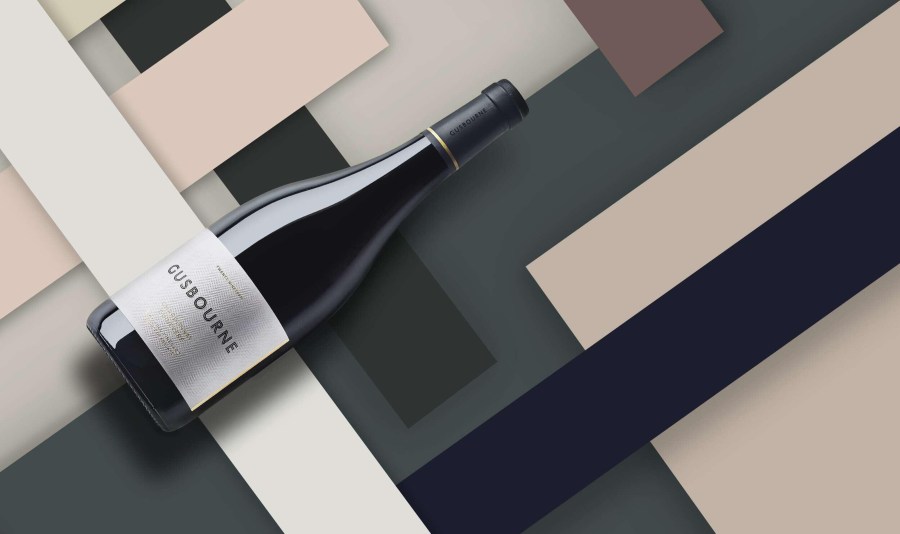
Gusbourne Pinot Noir. Kent (£55)
Offering a refined interpretation of English Pinot Noir, this still red combines Burgundian elegance with woodland character and warming oak spice. Notes of Morello cherry, cranberry and wild raspberry are complemented by hints of clove, truffle and forest floor, while vibrant acidity keeps the wine fresh and versatile. It pairs beautifully with duck, guinea fowl, charcuterie and roasted autumn vegetables.
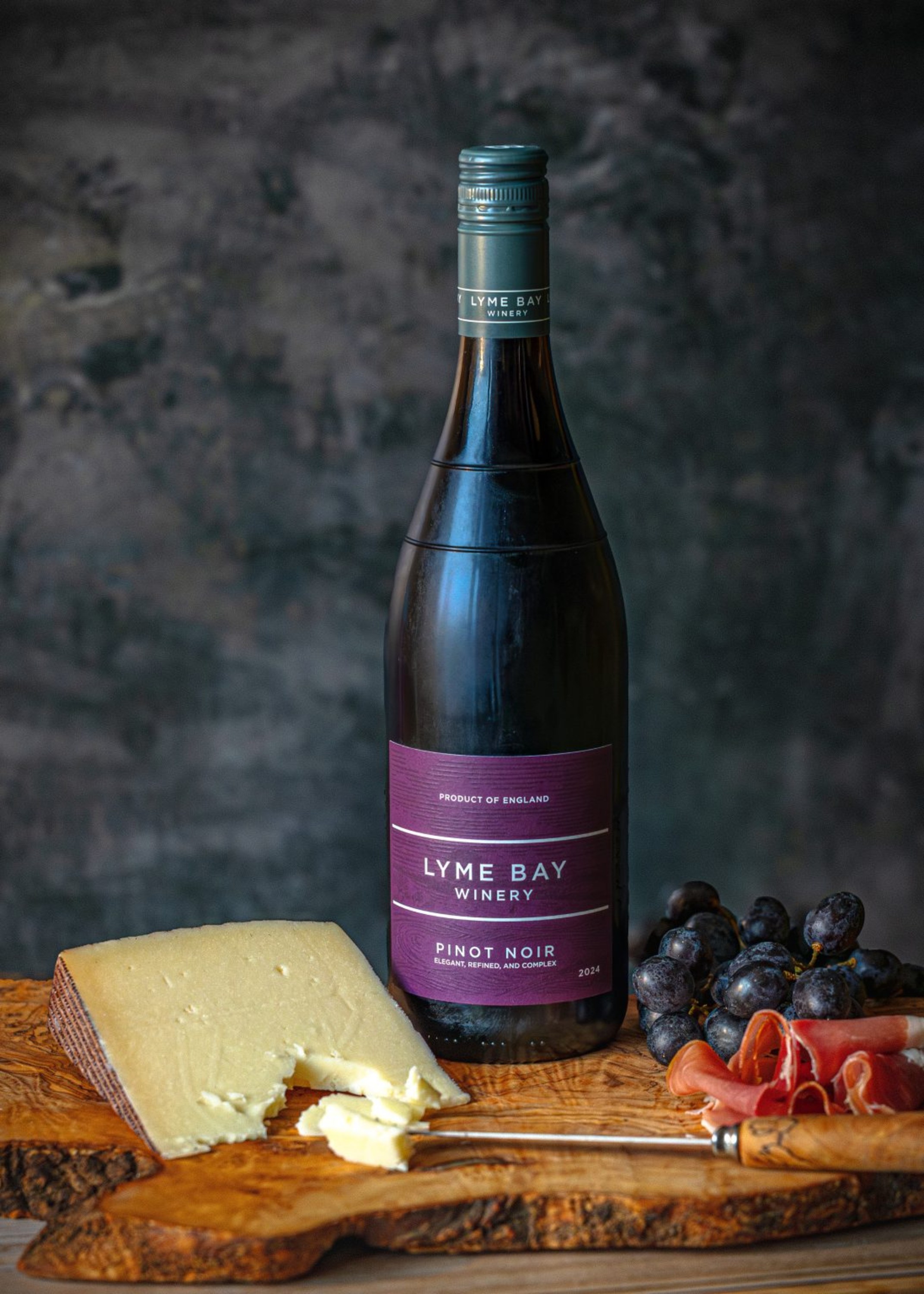
Lyme Bay Pinot Noir. Devon (£27.50)
Perhaps the most evocative wine on this list, this Pinot Noir captures the character of the late British harvest. Produced from Essex-grown fruit and crafted in Devon, it combines hedgerow berries with notes of damp earth, tobacco and autumn leaves. Its savoury, atmospheric style makes it an excellent match for pheasant, venison and wild mushroom dishes.
Barrel-aged Chardonnay
Danbury Ridge Chardonnay. Essex (£36–£41)
If any English white wine belongs on an autumn wine list, it is this Chardonnay. Produced in Essex’s Crouch Valley, it combines ripe orchard fruit with notes of poached pear, toasted nuts and subtle struck-match character. Barrel fermentation and extended lees ageing create a creamy, generous texture that pairs exceptionally well with chicken and leek pie, roasted pork and vegetable gratins.
Gusbourne Chardonnay. Kent (£40)
While Danbury Ridge Chardonnay is defined by power and concentration, this wine demonstrates the value of balance. Oak and lees ageing bring texture and gentle spice, while bright acidity preserves freshness and precision. Notes of toasted brioche, roasted nuts and citrus make it equally suited to seasonal comfort food and more refined dining.
Sparkling beyond summer
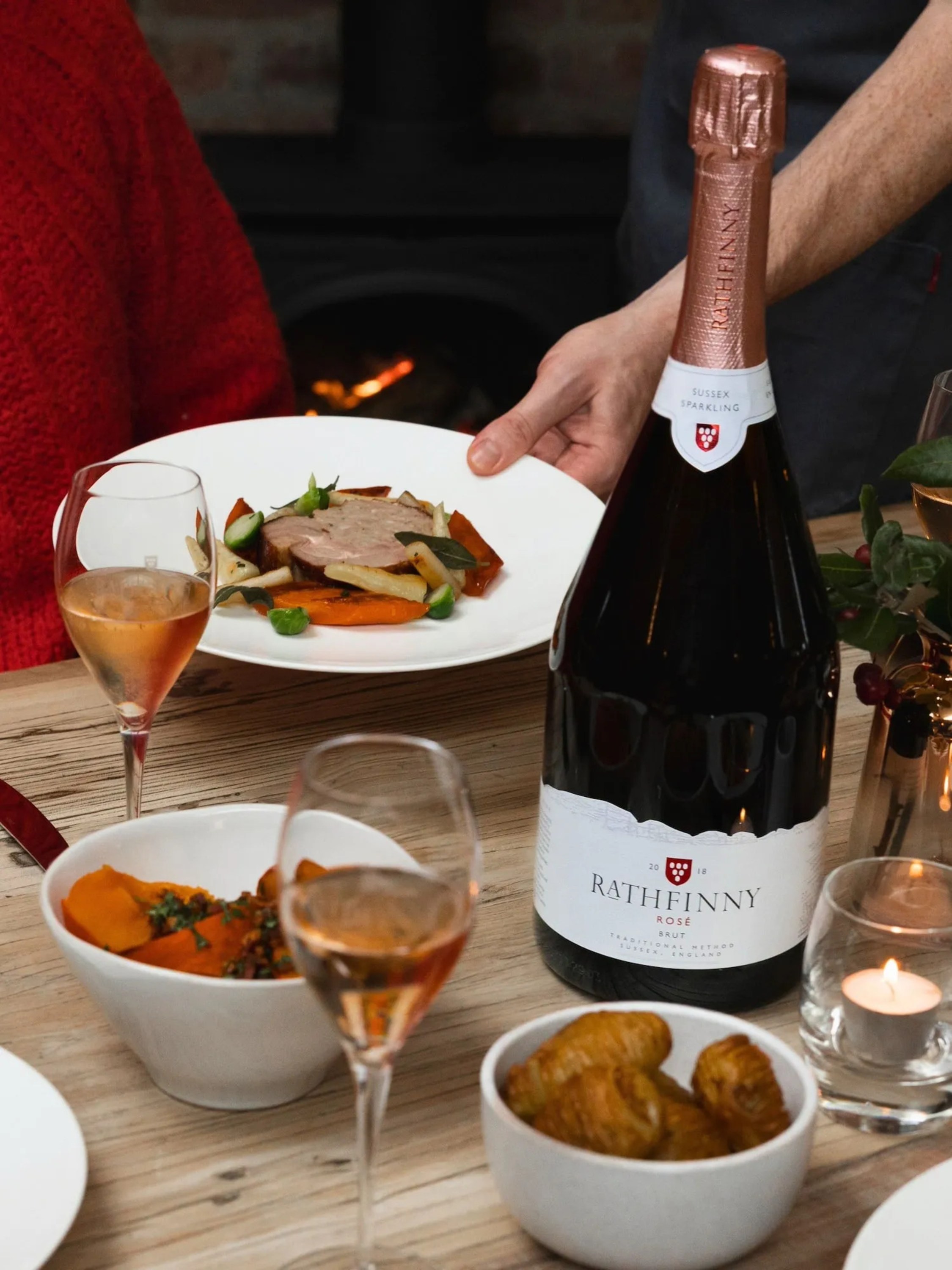
Rathfinny Rosé Brut. Sussex (£43)
Challenging the perception of rosé as a purely summer drink, this sparkling wine remains remarkably food-friendly throughout the colder months. Produced in a dry, low-dosage style, it combines cranberry, rhubarb and citrus peel with subtle oak influence and chalky minerality. It is an excellent partner for roast duck, pork dishes and mushroom- based cuisine.
Hambledon Première Cuvée. Hampshire (£75)
This sparkling wine offers impressive depth and complexity. Extended lees ageing brings notes of brioche, toasted pastry and baked apple, while a small proportion of oak-fermented base wine adds subtle baking spice. It is particularly enjoyable with roast chicken, pork belly and savoury mushroom dishes.
Skin-contact wines
Westwell Ortega, Skin Contact. Kent (£25-28)
One of the most distinctive styles emerging from the English wine scene, this skin-contact Ortega sits comfortably between a white and a light red. Notes of orange peel, bergamot and dried stone fruit are layered with chamomile and wild herbs, while skin contact provides a fine-grained, velvety texture. It works beautifully with roasted vegetables, charcuterie, mushroom dishes and gently spiced curries.
Offbeat Wines Bacchus, Skin Contact. Salisbury (£28–£30)
Showing a very different side of England’s signature grape, this skin-contact Bacchus moves well beyond the fresh elderflower style traditionally associated with the variety. Tangerine peel, dried apricot, chamomile and candied ginger are supported by tea-like tannins and a savoury complexity that makes it an excellent match for charcuterie, game terrines and gently spiced curries.
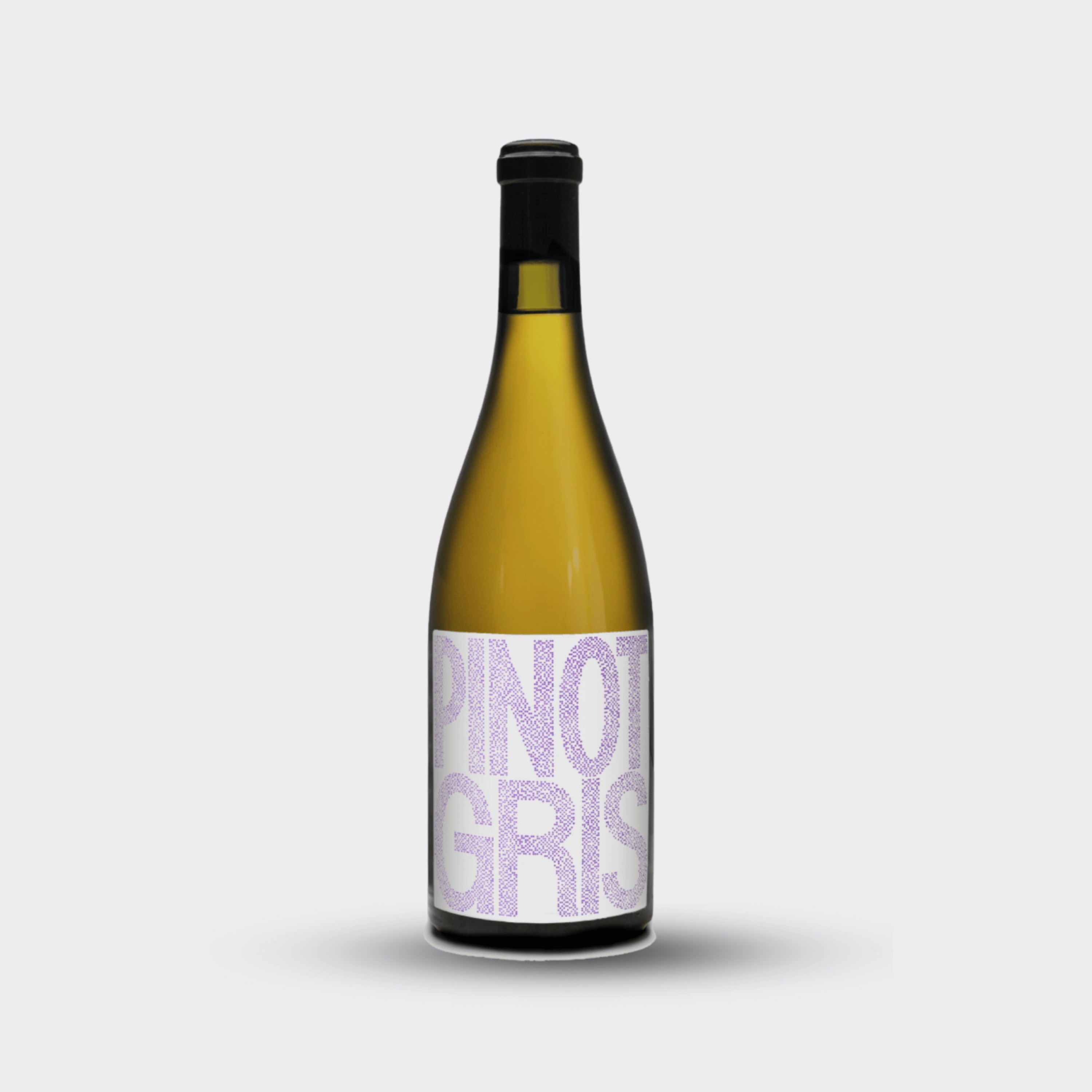
Tillingham Pinot Gris, Skin Contact. East Sussex (£35–£37)
At the forefront of England’s natural wine movement, Tillingham produces some of the country’s most distinctive skin-contact wines. Orange peel, bergamot, rosewater and dried stone fruit combine with a raw, rustic character shaped by low-intervention winemaking and traditional clay qvevri. Expect it to shine alongside miso-based dishes, herb-led cooking and roasted vegetables.
For more like this, sign up for the FREE Vineyard newsletter here and receive all the latest viticulture news, reviews and insight