
There are producers whose arrival in a category feels like a statement of intent rather than simply an expansion of portfolio. The launch of Graham Beck’s first English sparkling wine is one such moment, and attending the UK debut event made clear that this is a collaboration rooted in genuine conviction rather than commercial opportunism.
Graham Beck needs little introduction to anyone working in the sparkling wine world. The Robertson-based house has spent three decades establishing Cap Classique as a category worthy of serious international attention. Founding cellarmaster Pieter Ferreira, guided the house from its maiden 1991 vintage, building the philosophy and cellar standards that continue to define it. His successor Pierre de Klerk, who joined in 2010 after twelve years working under Ferreira’s mentorship, has continued that work with the same exacting standards. That the two chose this project as their final collaboration before Ferreira’s retirement is itself worth noting.
The seed of the idea was planted not in England but in Düsseldorf. At ProWein 2016, the Graham Beck team found themselves standing next to a brand new Wine GB stand, a handful of producers making the case for English sparkling wine to an international trade audience. The conversations that followed were the kind that accumulate quietly before becoming something concrete: chatter about chalk soils, about cool-climate acidity, about whether the stylistic parallels with Champagne were as meaningful as the growing enthusiasm suggested. For a house that had built its reputation on traditional method sparkling wine, the curiosity was natural. A study tour of southern England’s key wine regions later that year, taking in the geology of Hampshire and West Sussex alongside the broader landscape of the emerging industry, turned interest into intent.
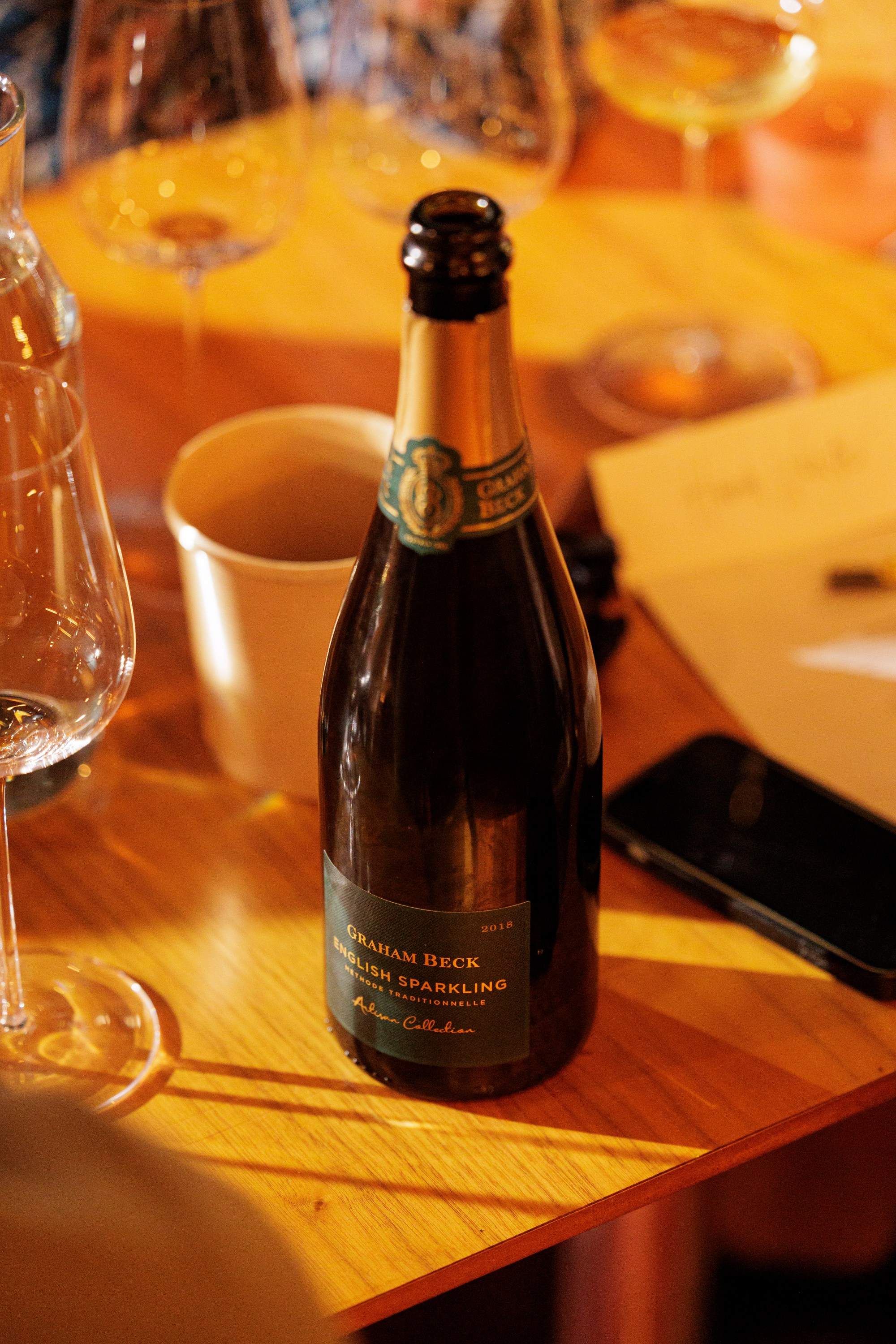
The English wine, released under the Artisan Collection label, is a traditional method cuvée from the 2018 vintage, widely regarded as one of the finest in English sparkling wine’s recent history. The blend draws on Chardonnay, Pinot Noir and Pinot Meunier sourced from four growers across Hampshire and West Sussex, with parcels vinified separately before assemblage. A proportion of the base wines were fermented in neutral French oak. Production stands at 8,000 bottles in total, making this a genuinely limited release.
The route taken is significant. Rather than acquiring vineyard land, which would have pushed any first vintage a decade into the future, Graham Beck chose a négociant model, working with established English growers and accessing existing cellar facilities in Hampshire. It is an approach that prioritises knowledge exchange and collaboration over ownership, and one that sits comfortably within a broader culture of generosity that English wine, at its best, has demonstrated towards incoming producers. The wealth of experience Ferreira and De Klerk bring to English harvests, both in traditional method winemaking and cool-climate viticulture from a southern hemisphere perspective, represents a genuine contribution to that conversation rather than simply a borrowing from it.
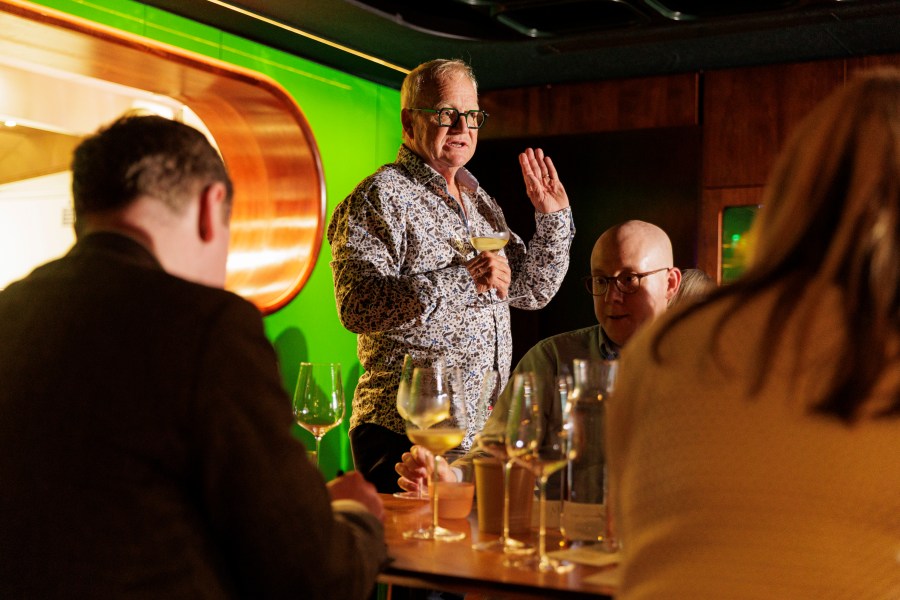
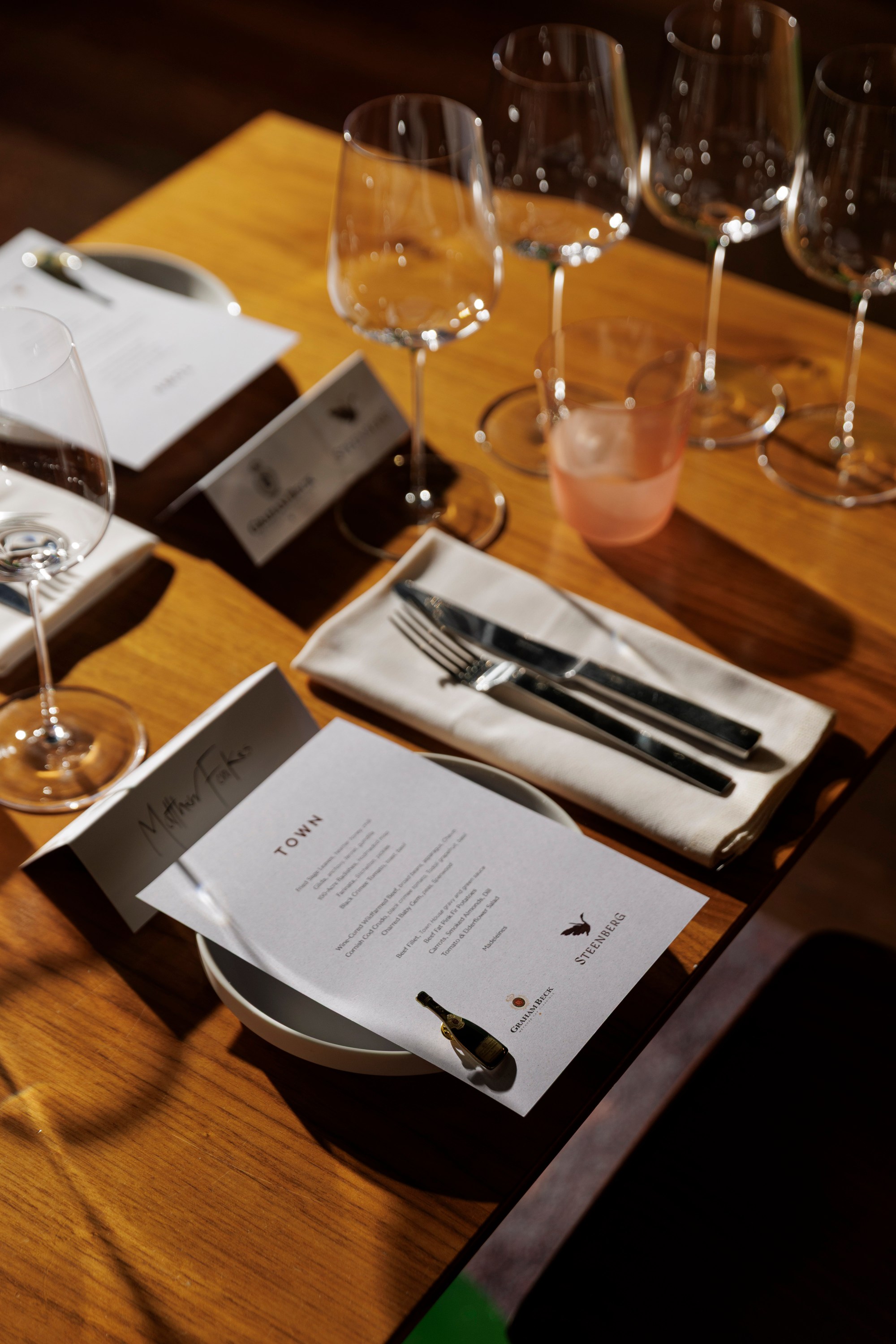
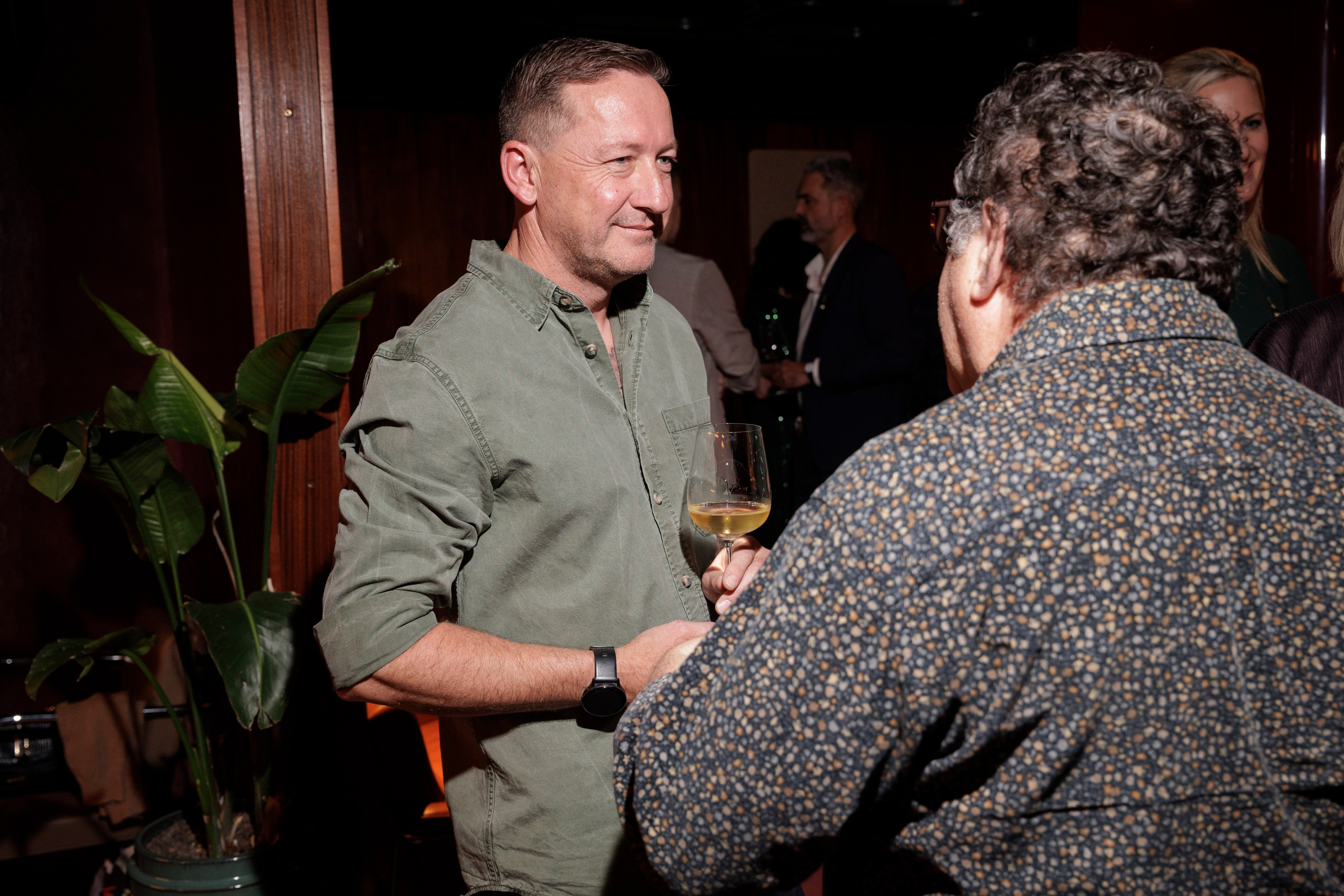
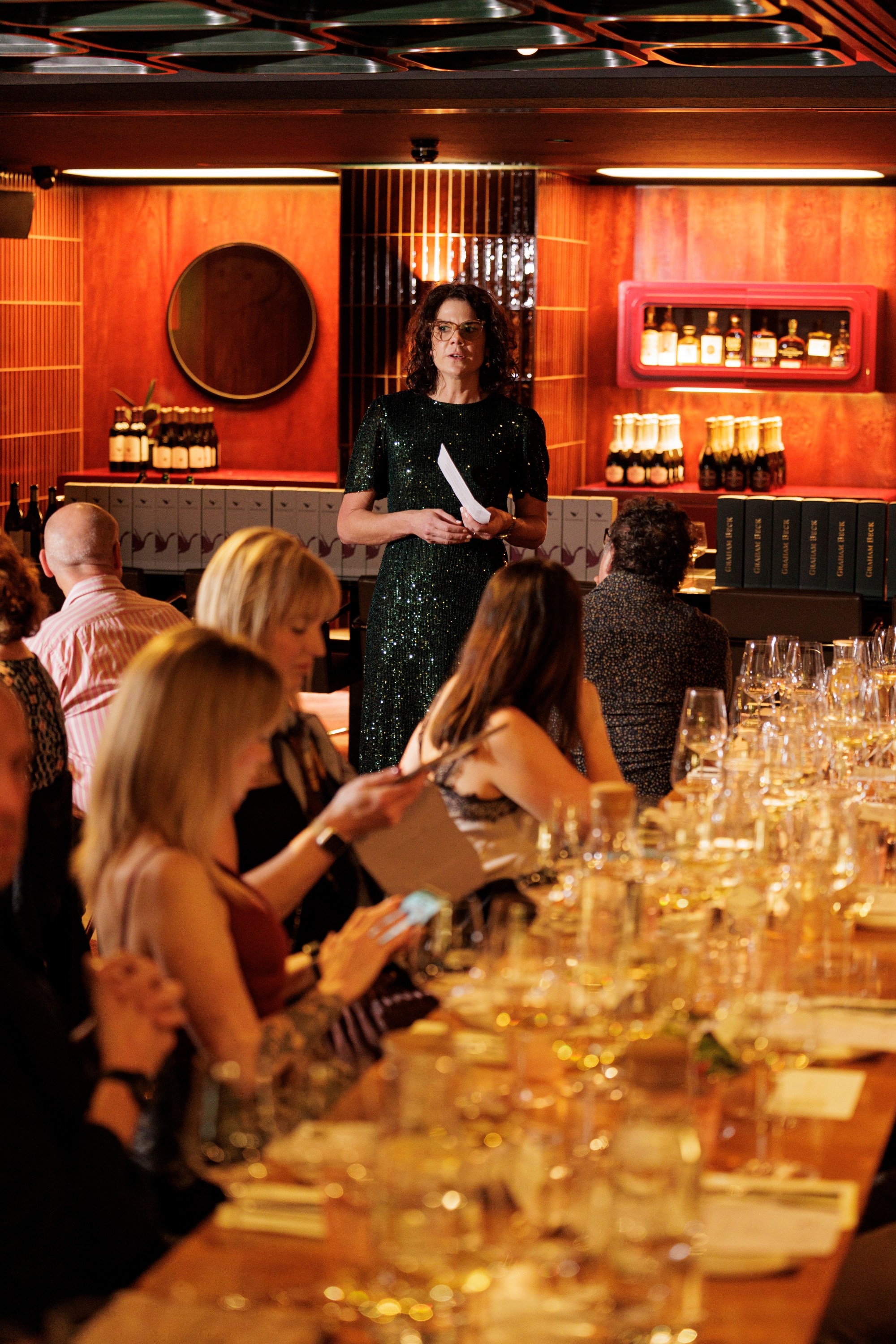
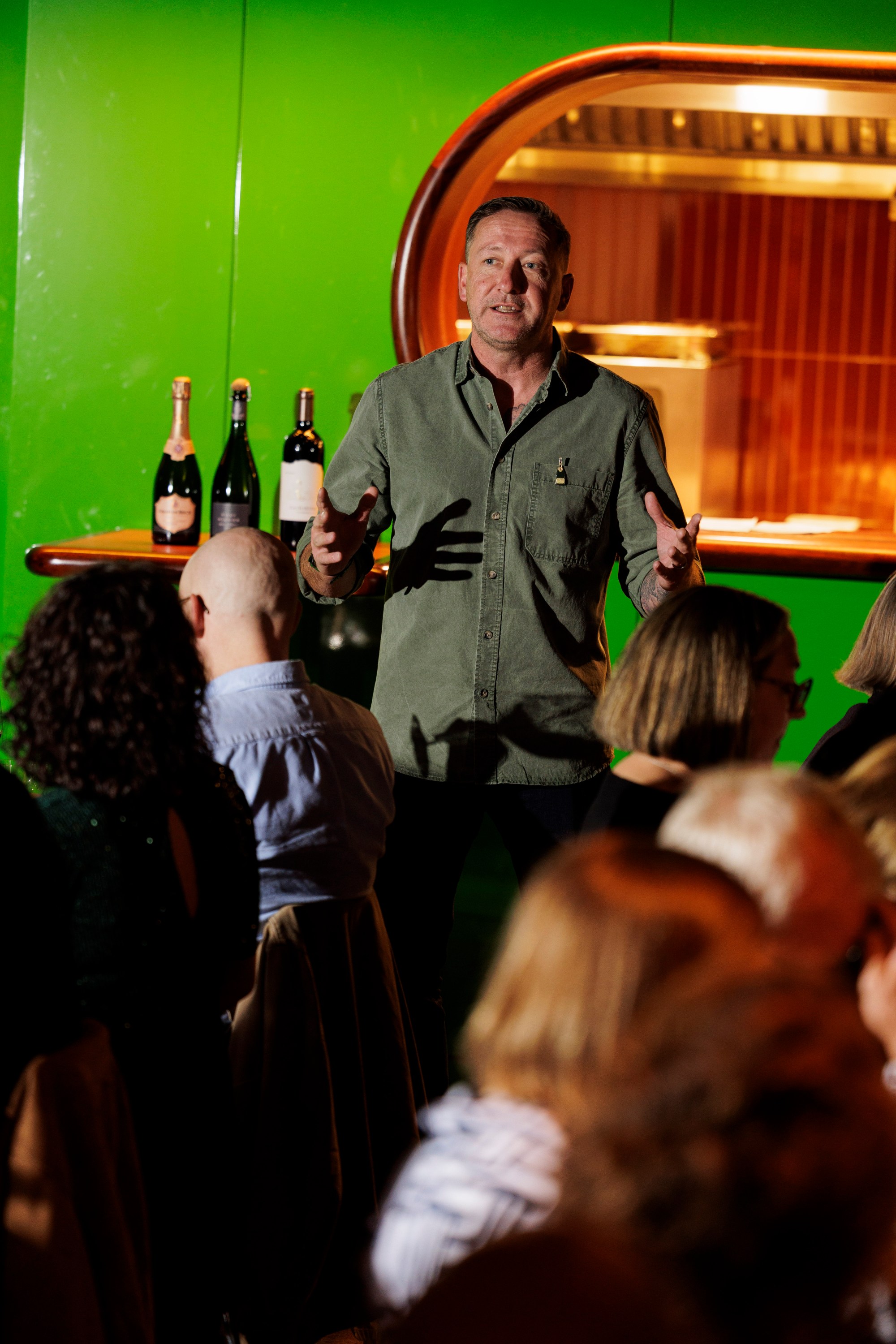
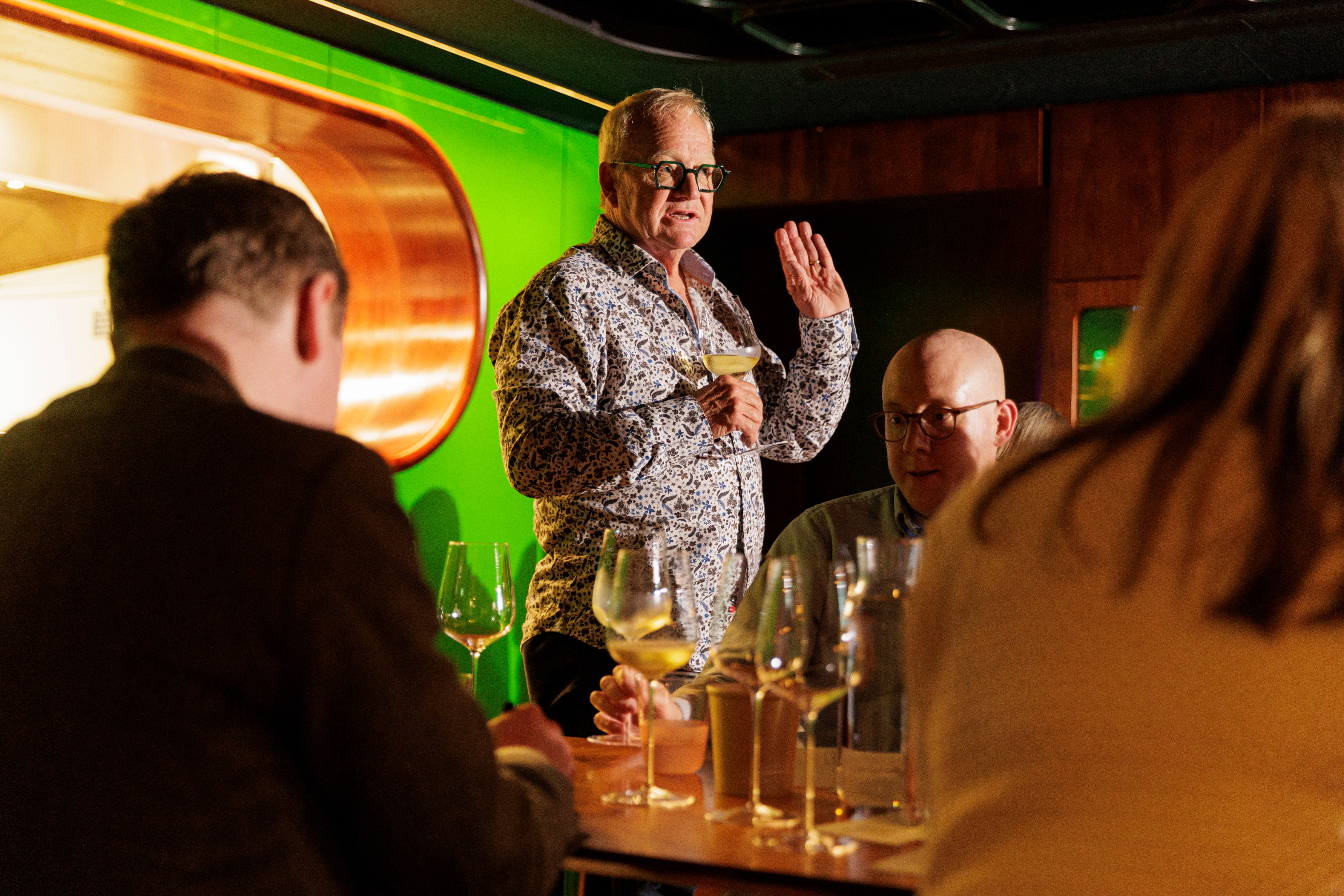
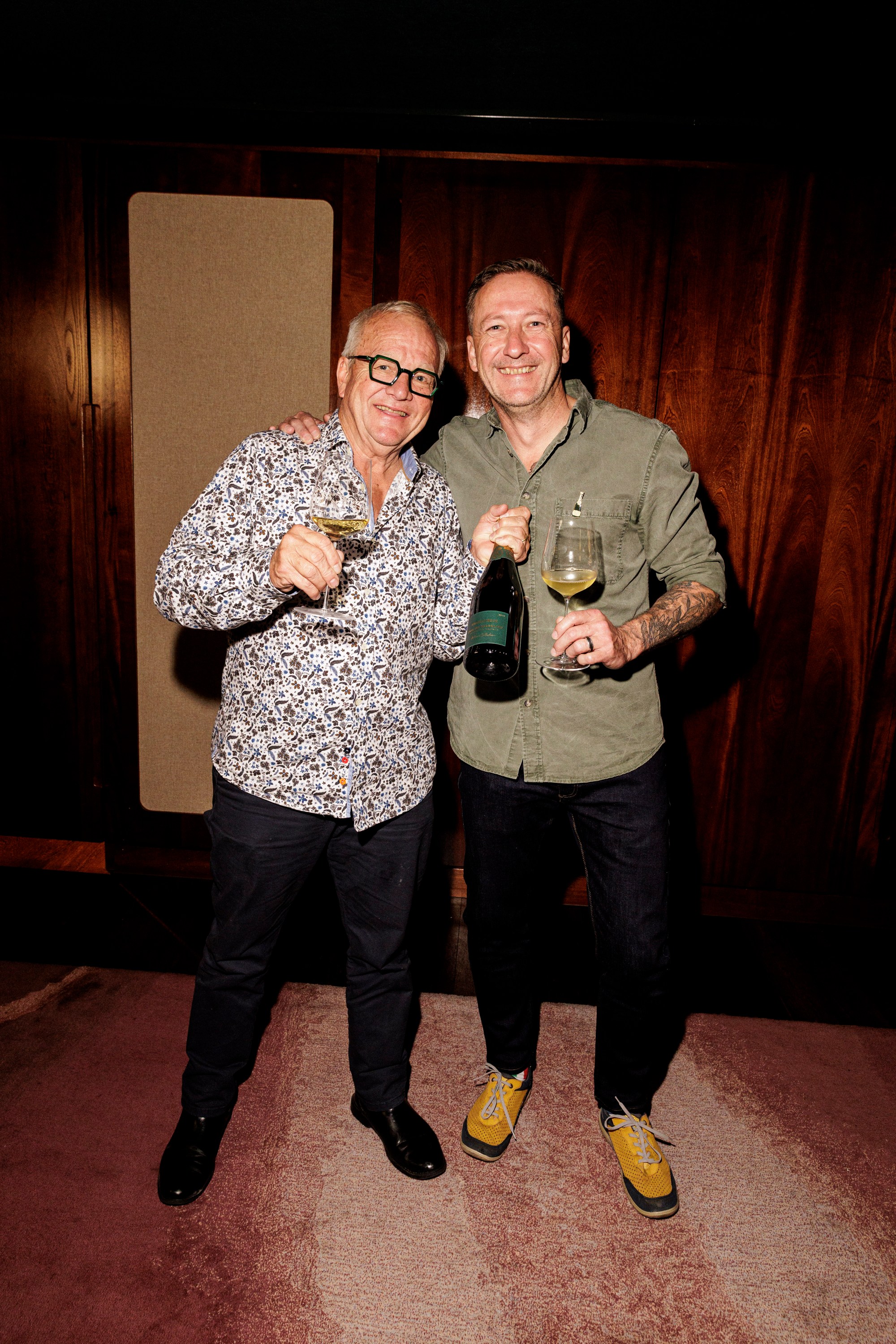
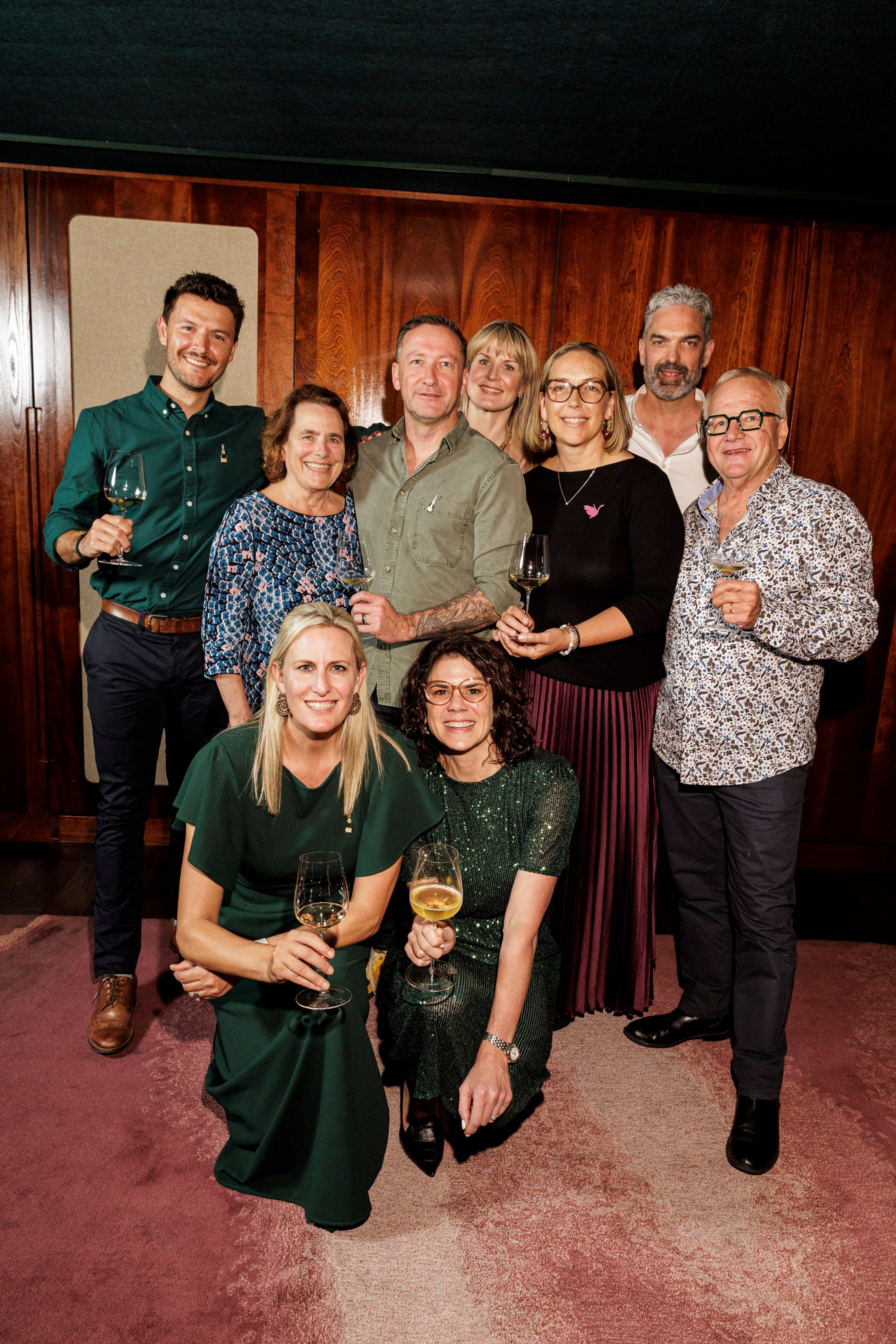
The launch event brought together the Graham Beck and Steenberg Vineyards teams for an evening that gave those present the opportunity to taste across both portfolios alongside the new English cuvée. It was a fitting setting in which to consider what this project represents more broadly.
At an RRP of £45, the wine enters a market that has become considerably more crowded since Ferreira first began visiting English vineyards in the years when the entire industry could be counted on one hand. The category has matured considerably, and the producers who will sustain credibility in it are those able to demonstrate consistent quality vintage on vintage. A single release tells only part of the story, but Graham Beck’s entry into English sparkling wine is both considered and compelling.
What this project ultimately represents is a recognition that English sparkling wine has reached the point where it attracts serious international practitioners, not as a curiosity, but as a genuine creative challenge. That is a marker of progress worth acknowledging.
Photos: ©Thomas Alexander Photography
For more like this, sign up for the FREE Vineyard newsletter here and receive all the latest viticulture news, reviews and insight