

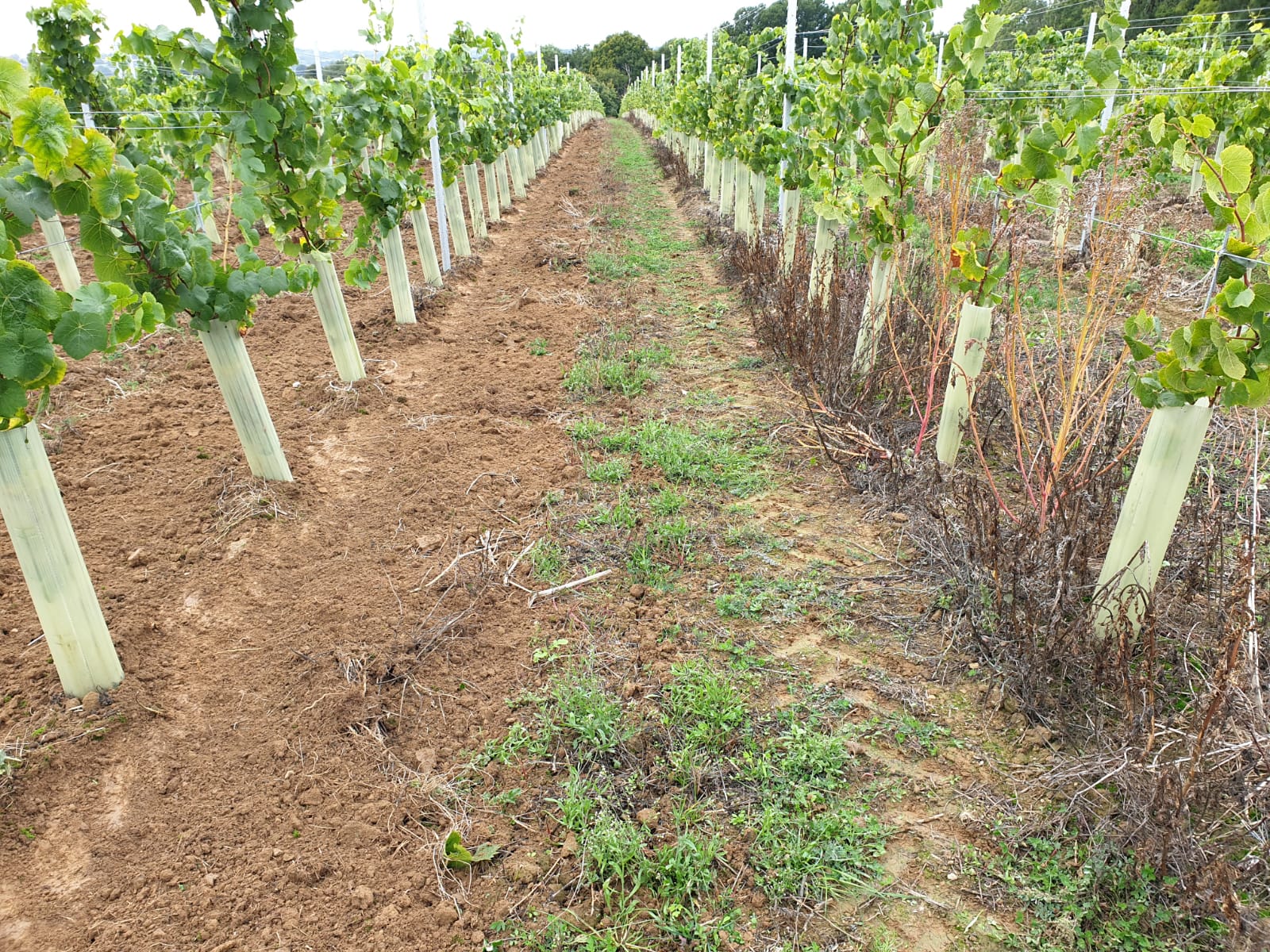
With the dry conditions many vineyards have been experiencing, undervine management has become increasingly important in maintaining healthy vine growth and reducing competition for moisture and nutrients. This is especially important in young vineyards, where developing root systems can be more vulnerable to competition from grasses and weeds during dry periods.
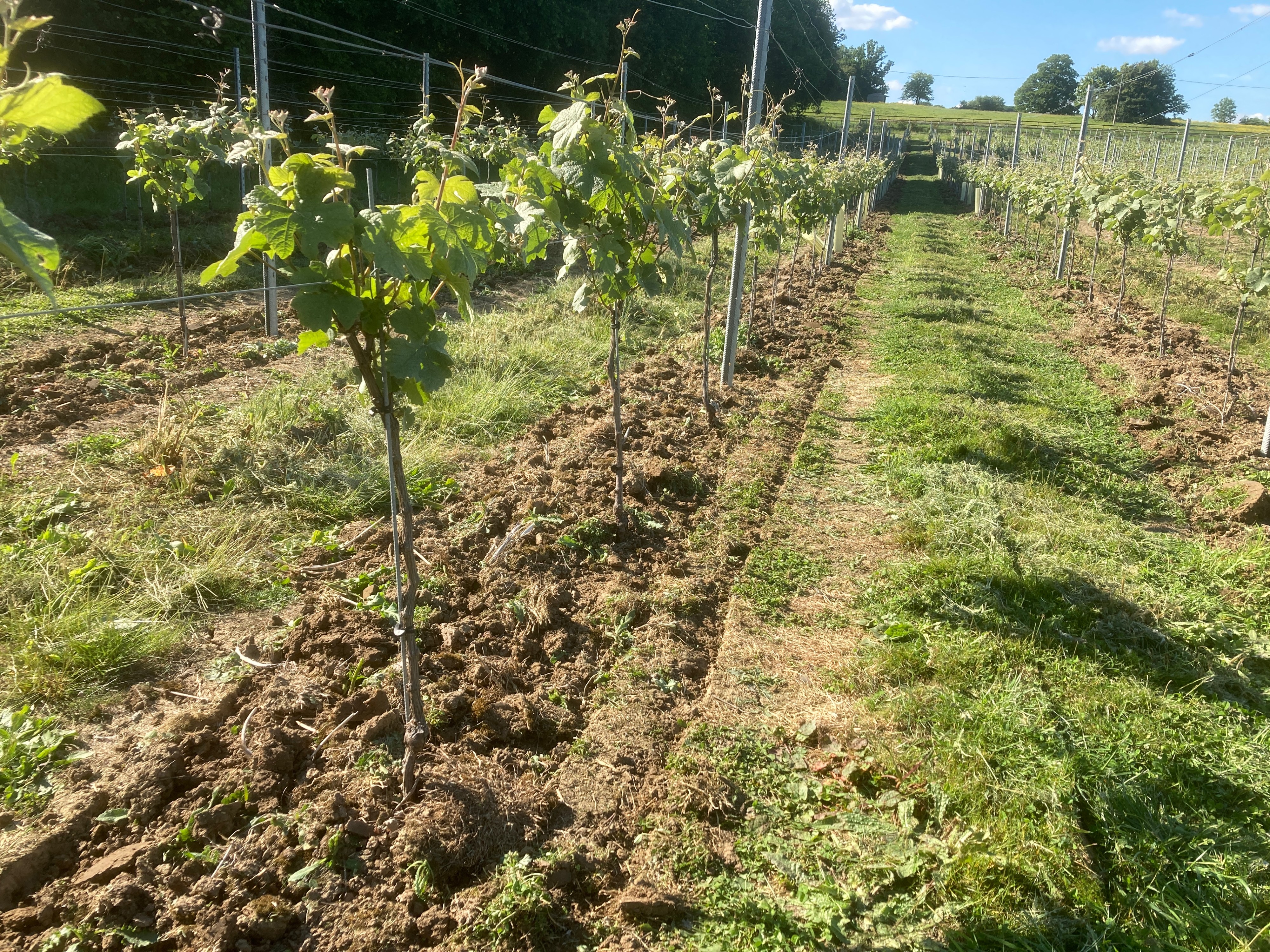
Mechanical undervine management continues to grow in popularity across UK vineyards as growers look to reduce herbicide use while also adopting more regenerative viticulture practices focused on improving soil health, biodiversity, and long-term vineyard resilience. Earlier interventions often allow lighter and faster passes before weeds become too established, while helping preserve soil structure and maintain a cleaner undervine strip throughout the season.
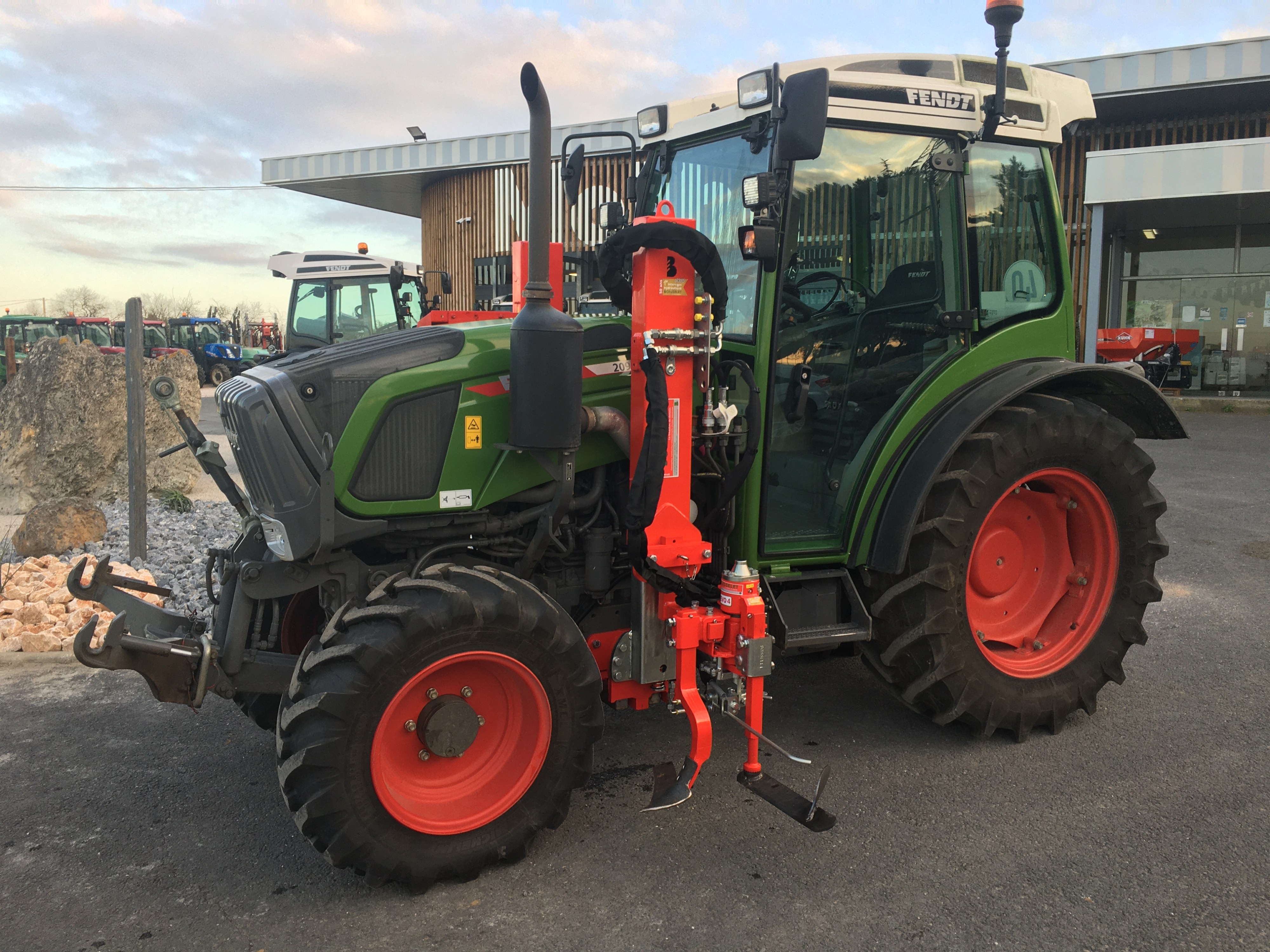
Boisselet offers several options for adapting undervine management to different soil conditions and weed pressures. The Cutmatic is designed for lightly unearthing around the vines and removing young weeds while minimising plough pan creation and excessive soil movement. For younger vineyards, Boisselet’s servo-controlled system helps the tool move accurately around the vine, reducing the risk of damage while maintaining close undervine working. The popular Petalmatic can also be useful for leveling undervine ridges created earlier in the season.
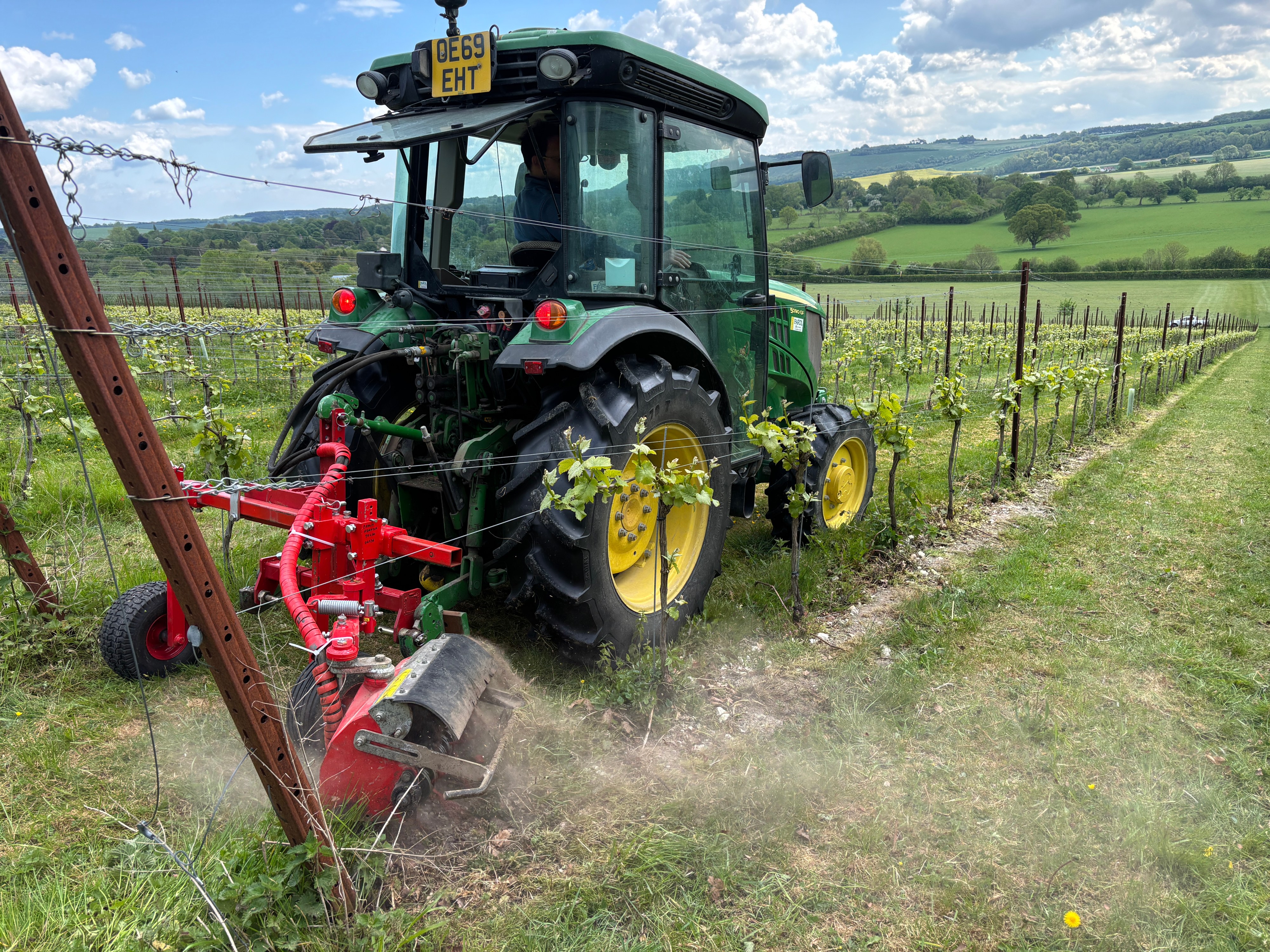
Where growers are looking to minimise soil disturbance during dry conditions, the Mini-Rotofil provides a mechanical strimming option for controlling vegetation beneath the vine row. The horizontal rotating head allows close working around the vine while retracting away from the trunk when contact is made. The hard wearing strimmer cords have proven effective and long lasting.
With labour pressures continuing across the industry, mechanical undervine management allows growers to maintain consistent weed control across larger vineyard areas while reducing reliance on hand labour and repeated chemical applications.
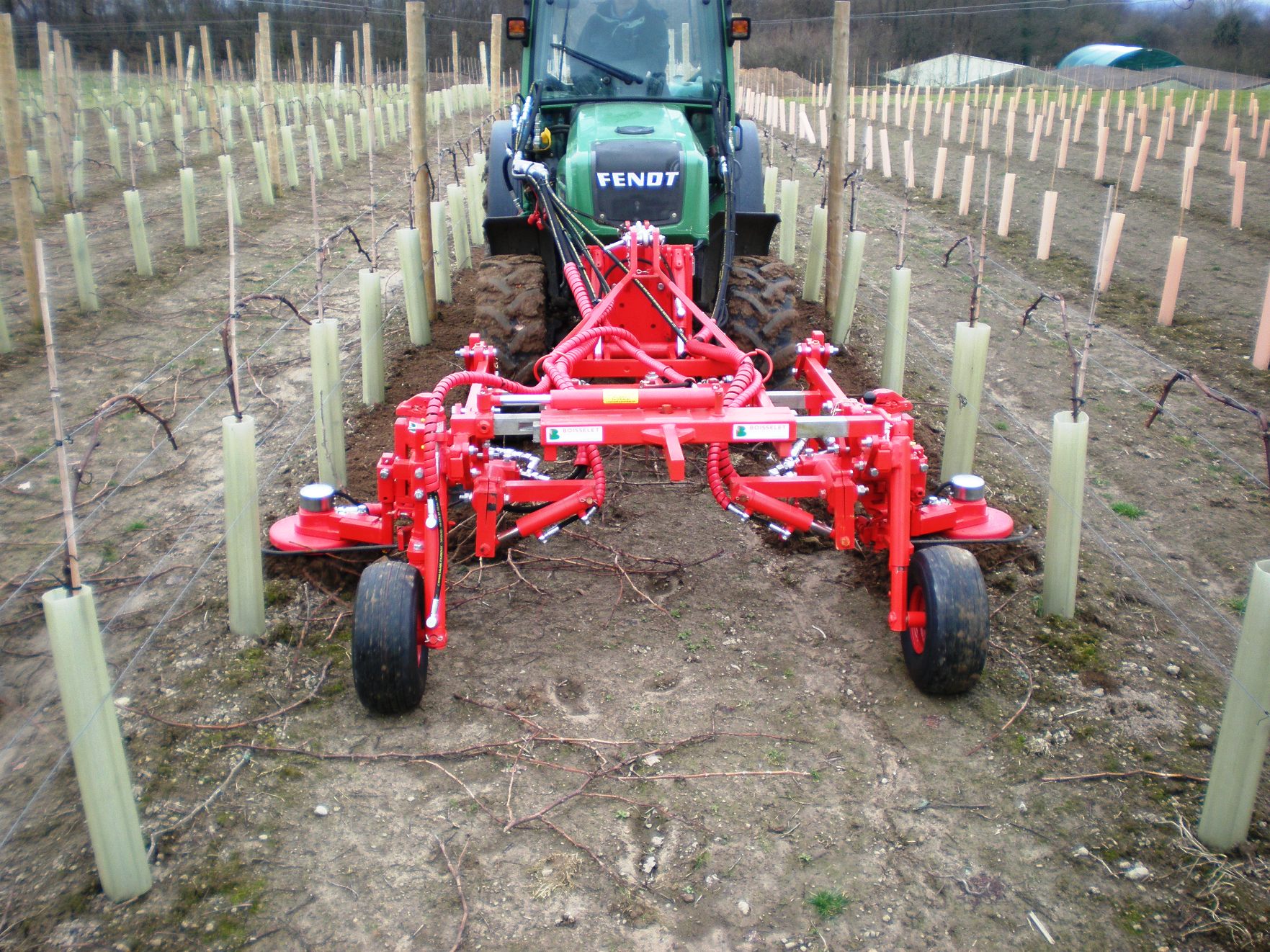
Boisselet Petalmatic