
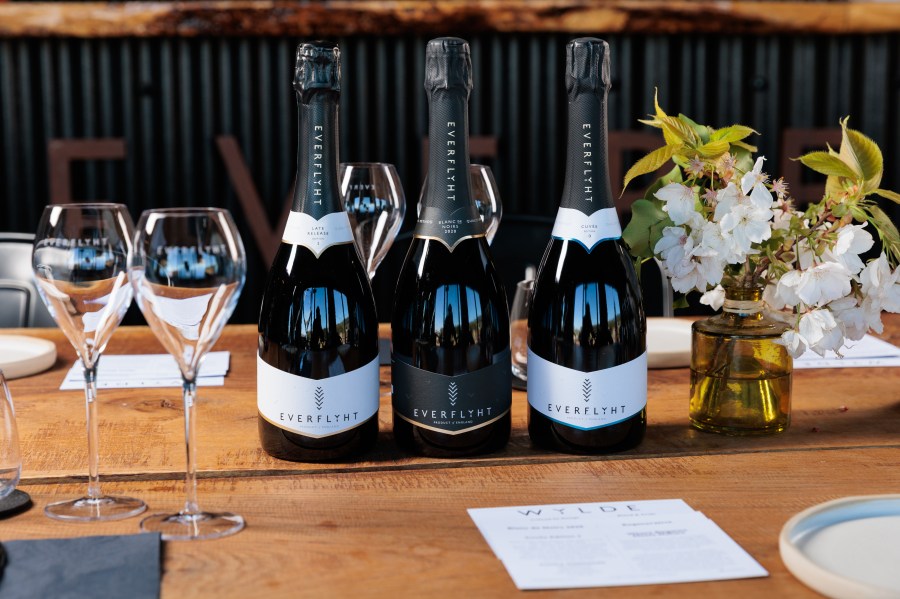
This month, Nigel Akehurst visited Everflyht Vineyard in Ditchling, East Sussex, to meet general manager and viticulturist Luke Spalding and owners Ben and Sam Ellis, and to learn more about their regenerative approach as they mark 10 years since planting with the launch of a new Charmat method sparkling wine.
A vineyard shaped by the land
There is a growing sense that how vineyards are managed is starting to matter as much as what they produce. At Everflyht in Sussex, that thinking runs through the whole site, from how water moves across the land to how soils are built and crops are grown.
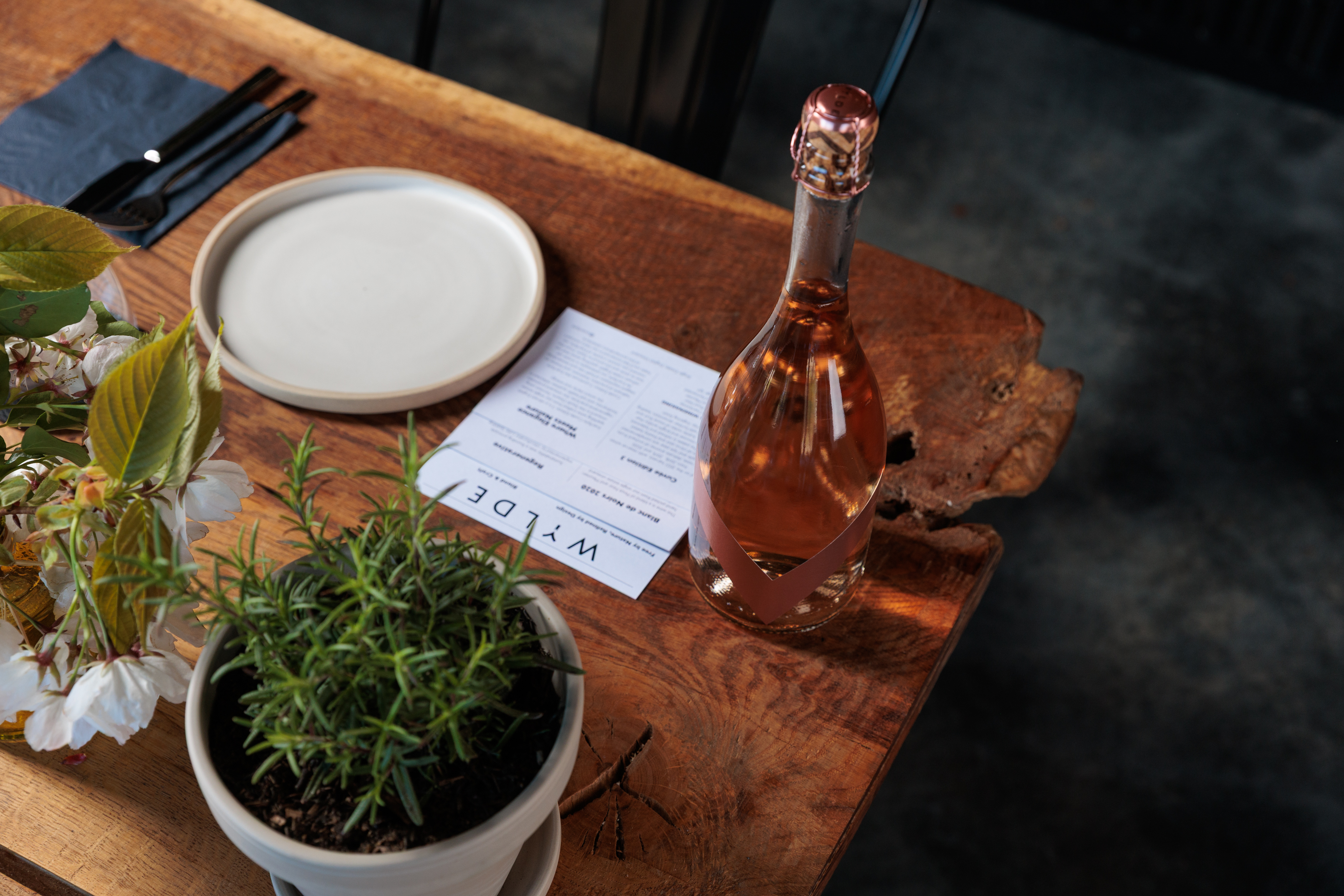
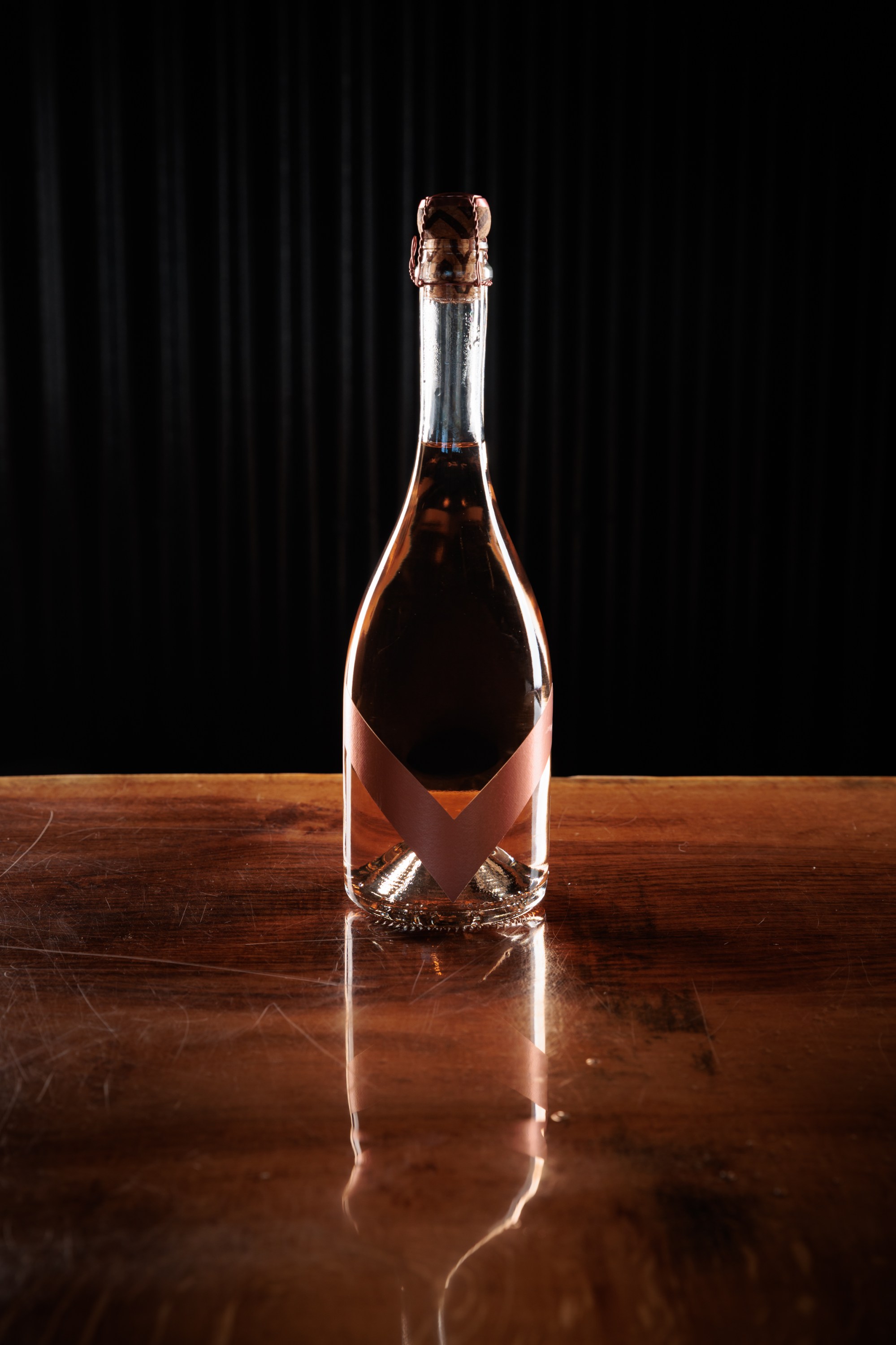
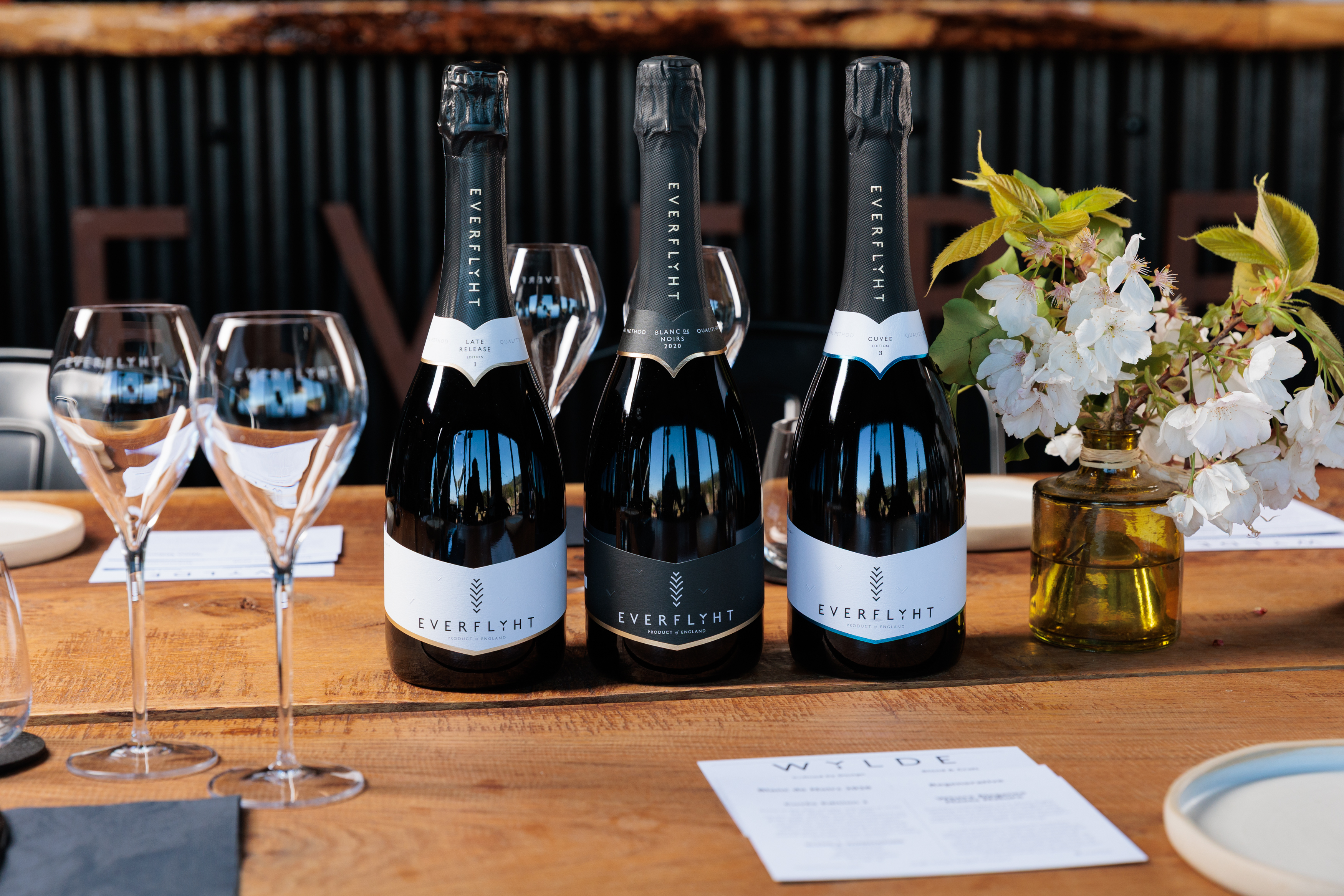
Ten years on from their initial planting, Everflyht will be marking the milestone with the launch of a new Charmat-method sparkling wine, Wylde. It reflects a business still evolving, shaped by close observation, a willingness to adapt, and a long-term focus on looking after the ground it sits on. It is an approach that sits comfortably alongside their internal mantra, never settle.
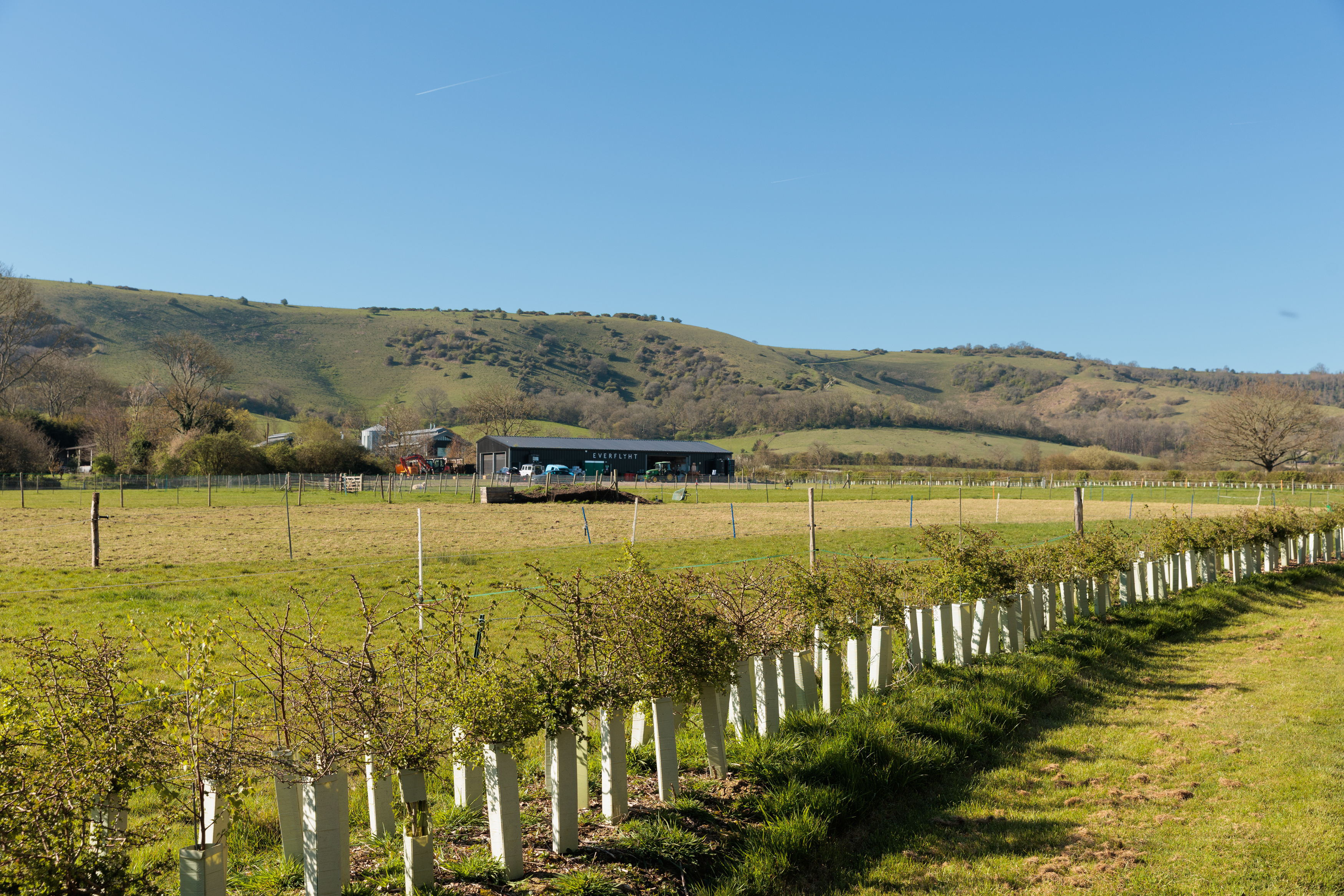
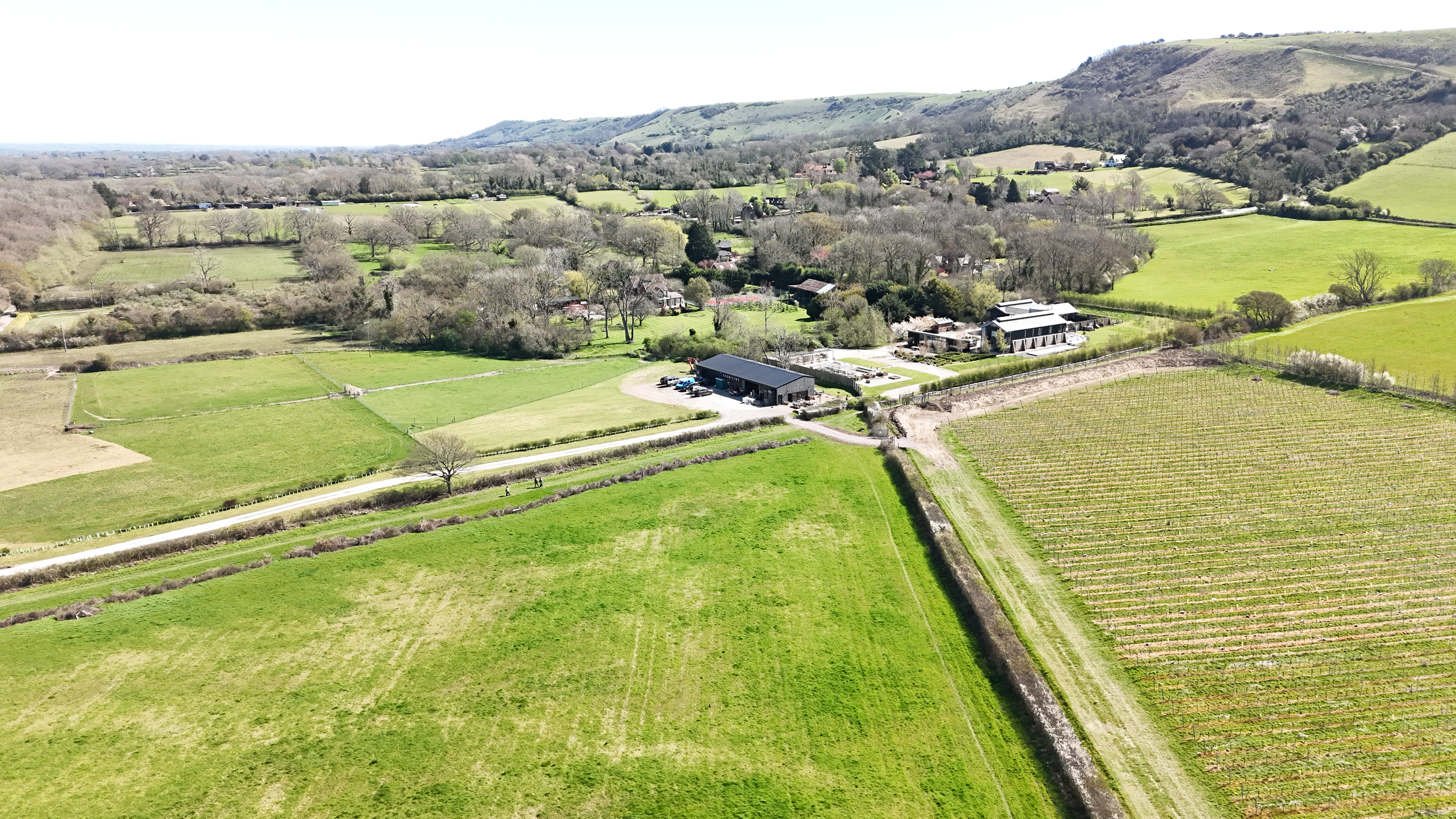
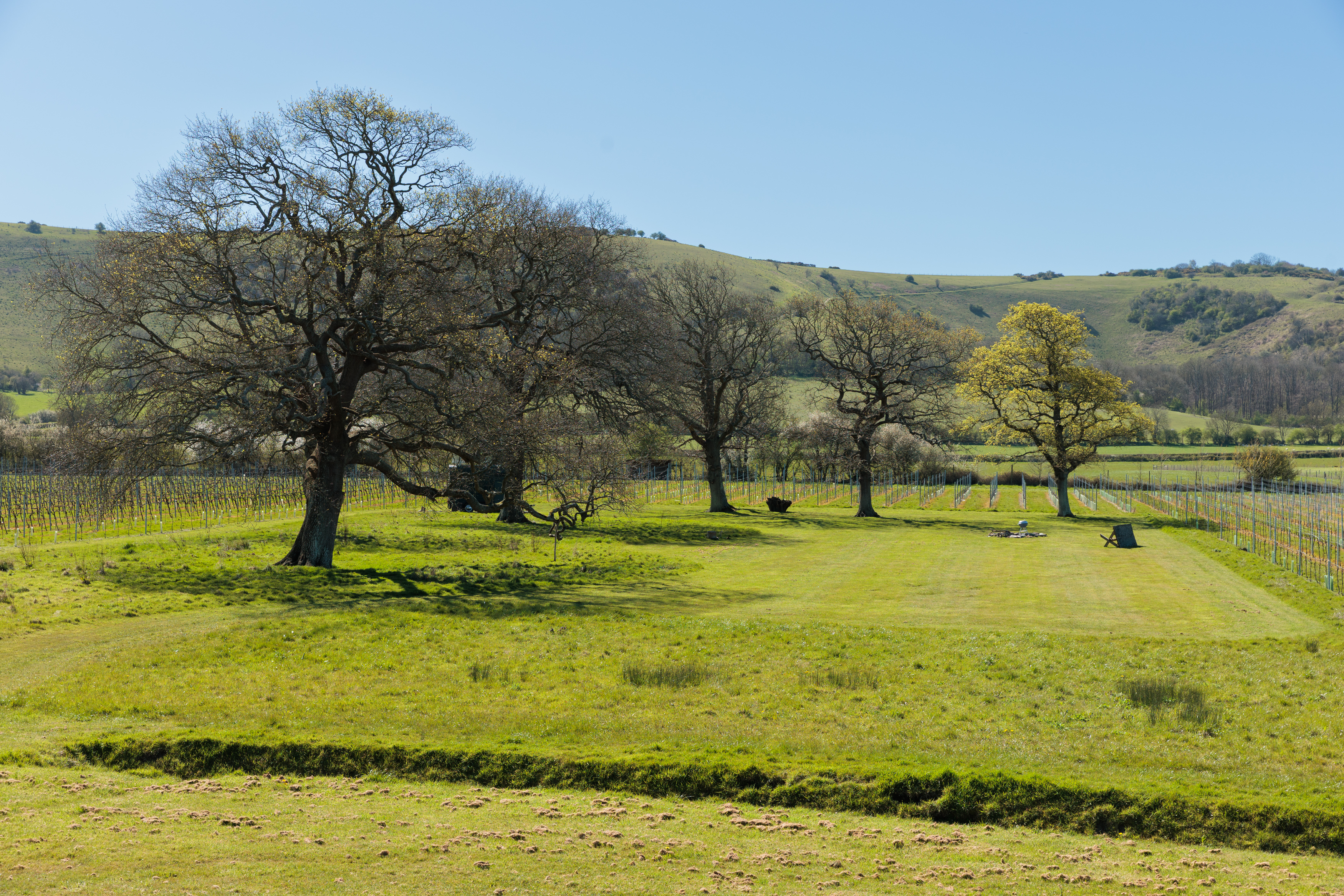
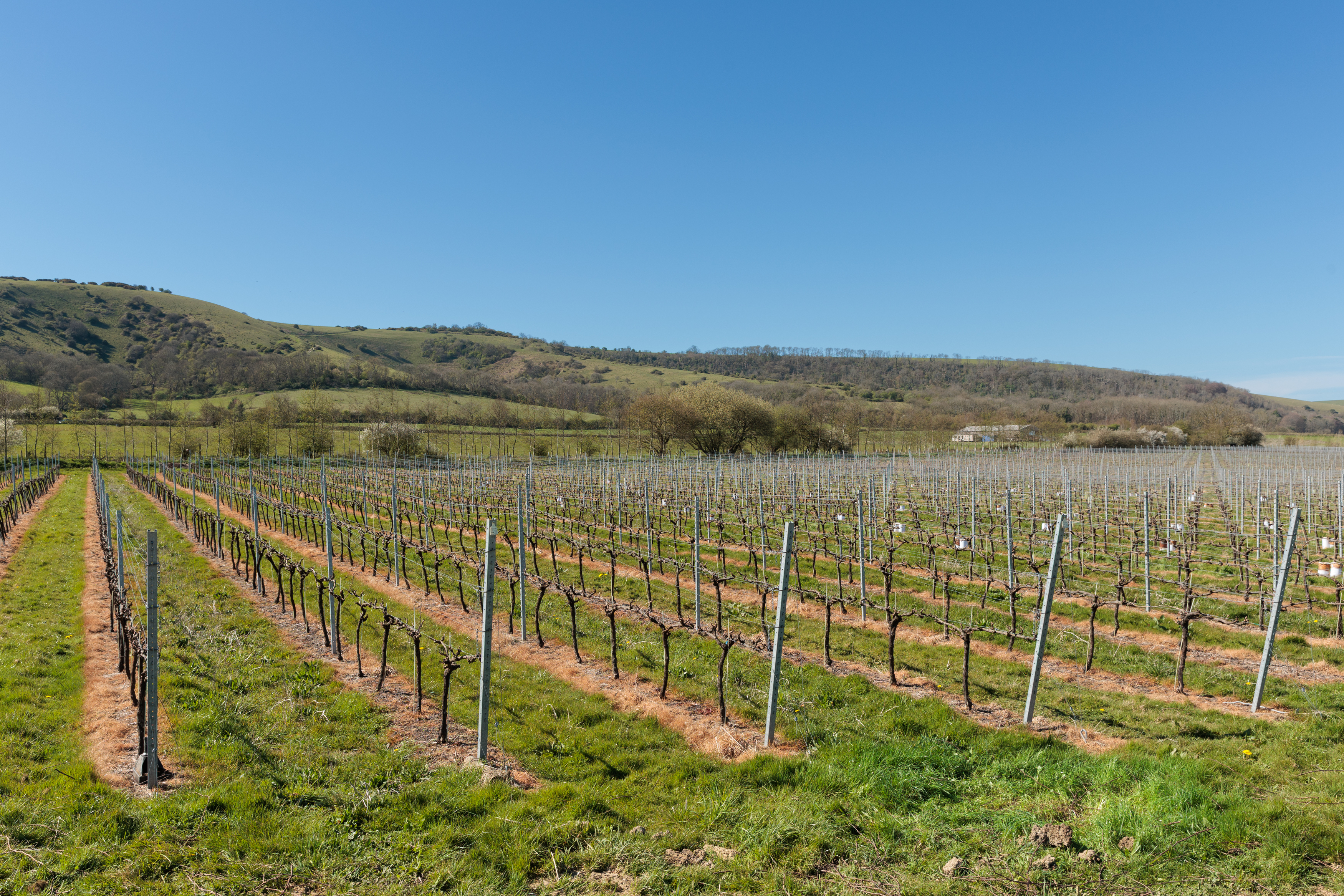
From the bottom of the site, the vineyard rises in a long sweep towards the South Downs. It is an impressive setting, but not an obvious one. Much of the vineyard lies on heavy clay. Water runs off the Downs, parts of the site can become waterlogged, and spring frost remains a constant threat in the lower-lying pockets of the site. On paper, it is not the sort of ground that should make life easy for vines. Yet a decade on, Everflyht has grown into a distinctive Sussex wine business, built as much on careful systems and long-term thinking as on the landscape itself.
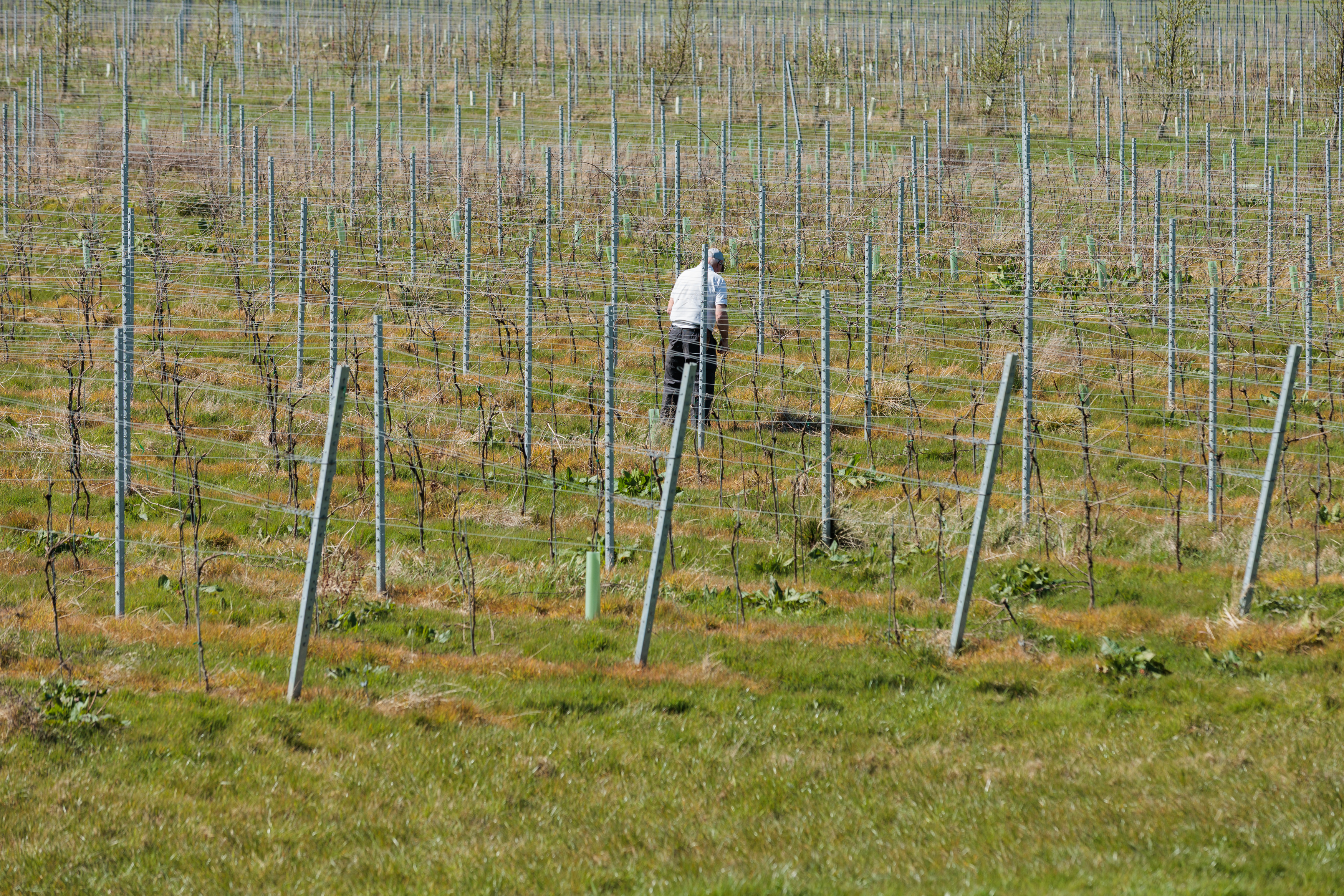
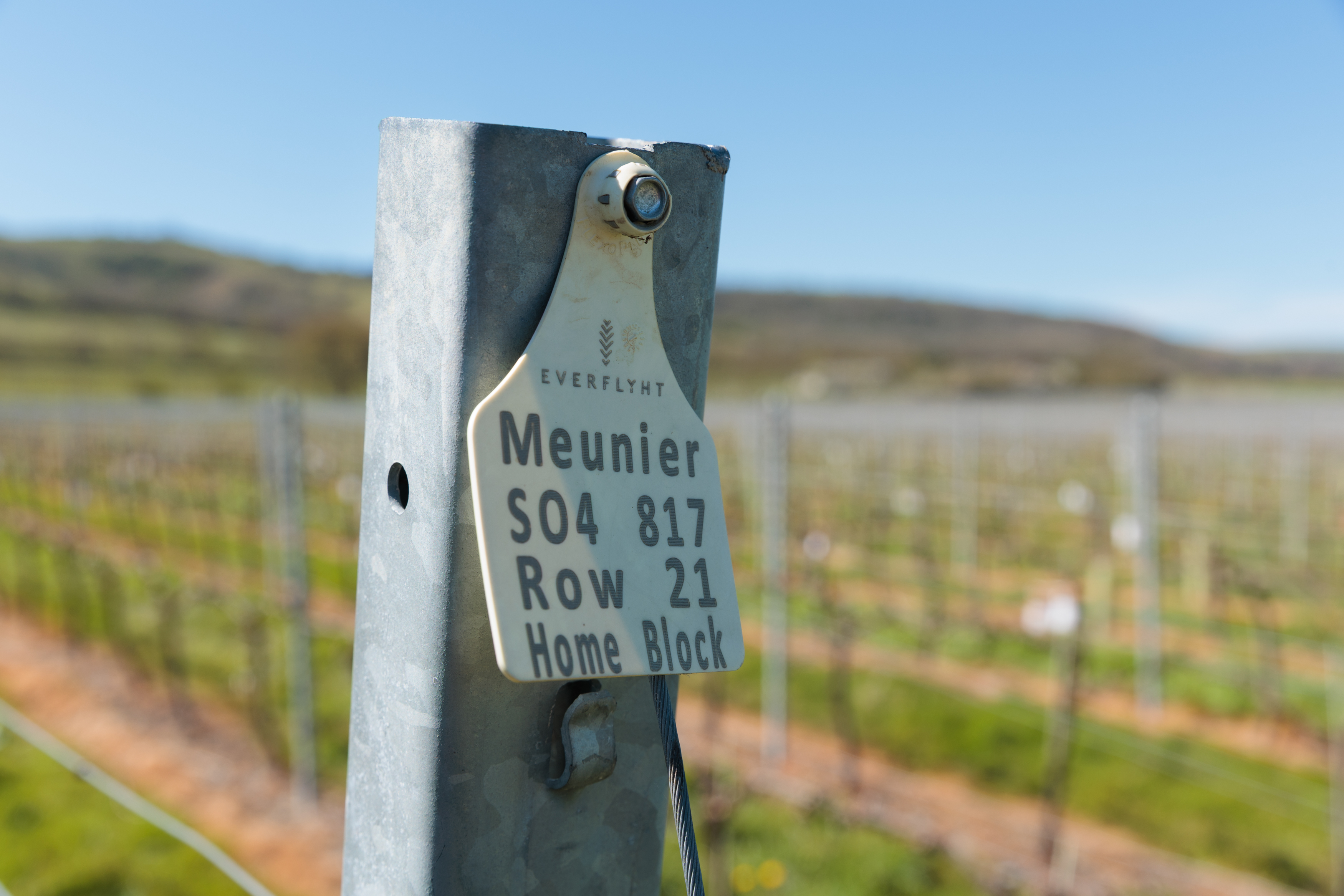
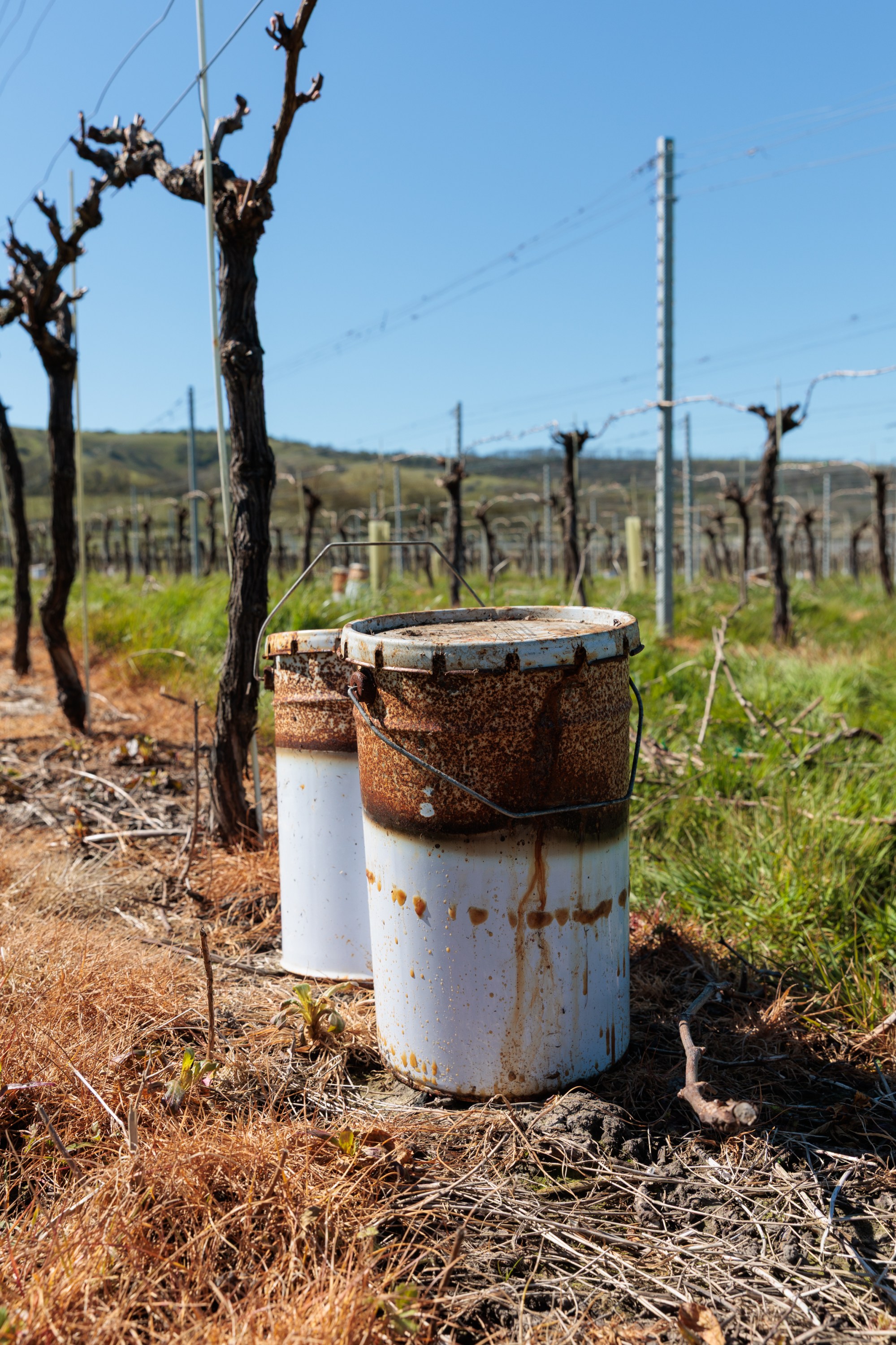
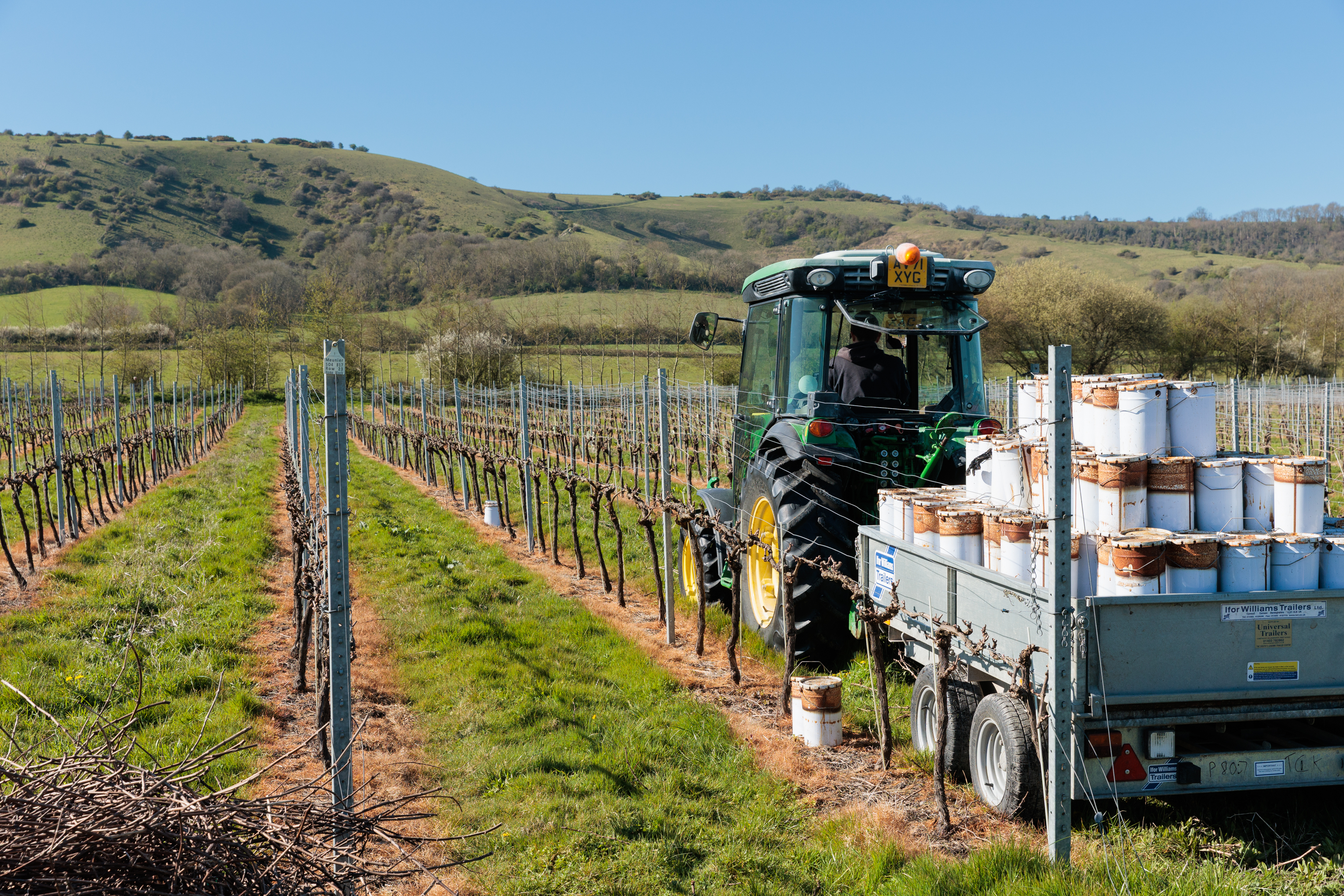
When I visited, the vines were just beginning to move after a long winter. There was still a sharpness in the air, but the season was starting to shift. Budburst was underway, and with it came the familiar risk of spring frost, the reason candles were already being deployed across the vineyard. Everything felt poised.
Building the vineyard
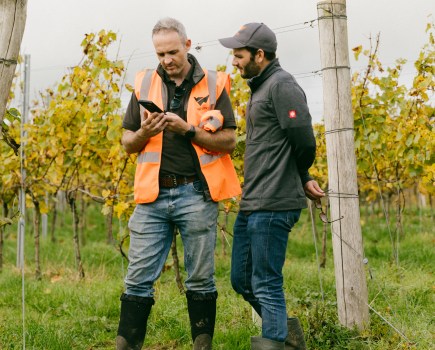
Luke Spalding, now General Manager at Everflyht and previously part of the team at Ridgeview, did not come into the industry through a traditional farming background. He worked first in magazine publishing, then moved into wine merchants, studied wine in London and eventually found his way into viticulture through working on the job with Matt Struggnell and completing his Masters at Plumpton. “I got the bug,” he said. “I started learning more and then just kept going.”
Luke began consulting here in 2018, after first meeting Ben and Sam Ellis in the local pub – the Bull in Ditchling, that sits half way between Ridgeview and Everflyht, before joining full time in 2019. By then the vineyard had already been planted, VineWorks having established and managed it through the early years, but the business was still finding its shape.
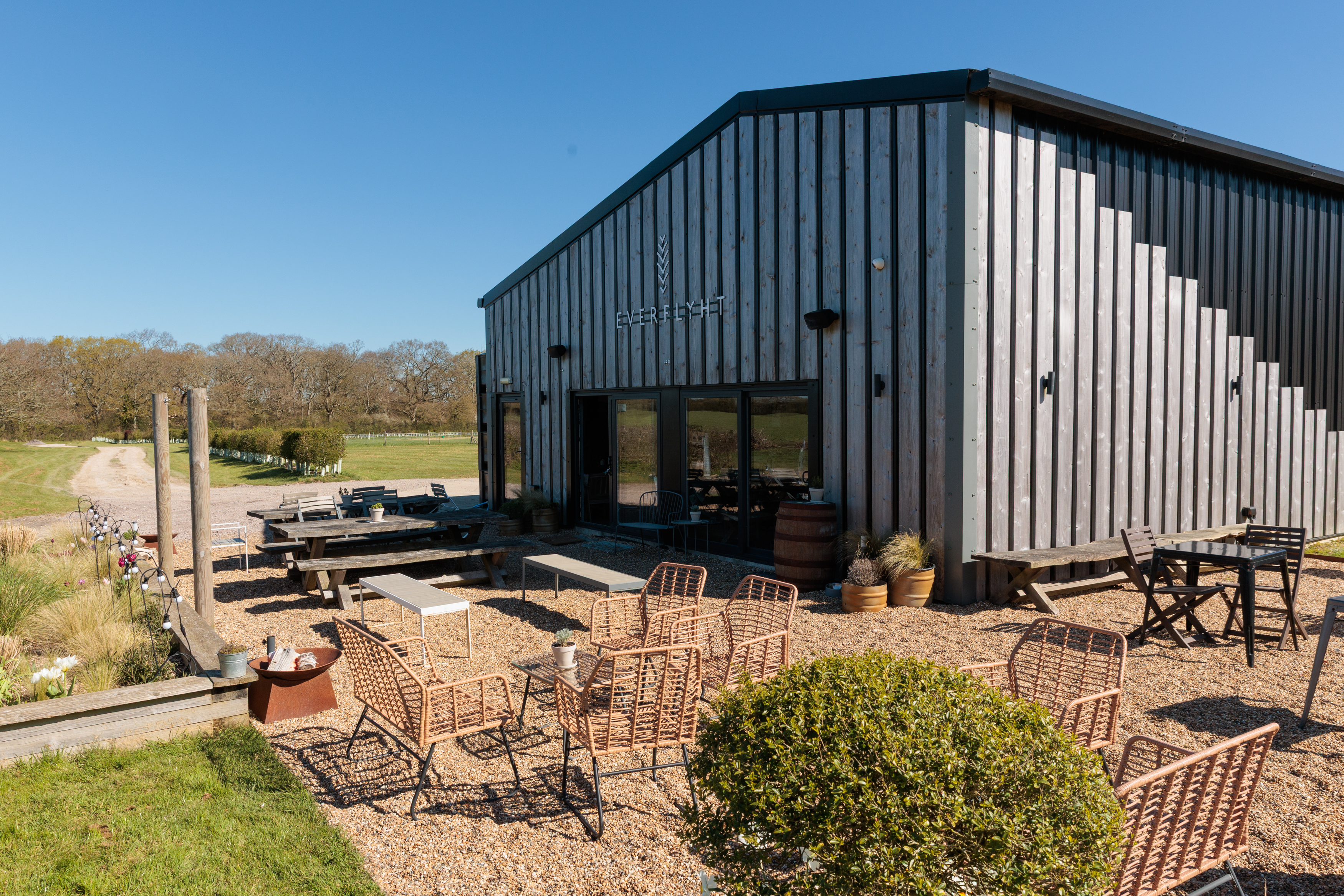
At first it was known as Chalk House vineyard. That name later changed in 2020, partly for practical reasons, but also because the business was becoming something more defined. Everflyht, with its stronger sense of place and identity, suited what they were trying to build.
The name itself is drawn from the six Martlets of the Sussex crest, birds said to never land, symbolising knowledge, adventure and learning. ‘Ever in flight’, they reflect the approach here, a business shaped by constant adaptation, innovation and a determination, as they put it, to never settle.
That journey began with Ben and Sam Ellis, who come from a property development background and started thinking seriously about vines after a family trip abroad more than a decade ago. Ben continues to run the day-to-day property business, while Sam is more closely involved in the events and hospitality development. The venture has been privately funded from the outset, with no external debt, allowing a longer-term view as the vineyard has established.
They bought the land, built the house and planted the vineyard in 2016. “It’s been a hard slog,” Luke said. “Covid-19, inflation, economic shocks, it hasn’t exactly been an easy ten years but we are still growing above 20% year on year.”
Growing into a business
Even so, progress has been steady. Before the launch of Wylde, production was around 15,000 bottles a year. It is now closer to 25,000, with further growth expected as younger plantings come fully into production. If output reaches between 25,000 and 30,000 litres, the vineyard is expected to become operationally sustainable this year. The level of thought that has gone into how the site functions is striking.
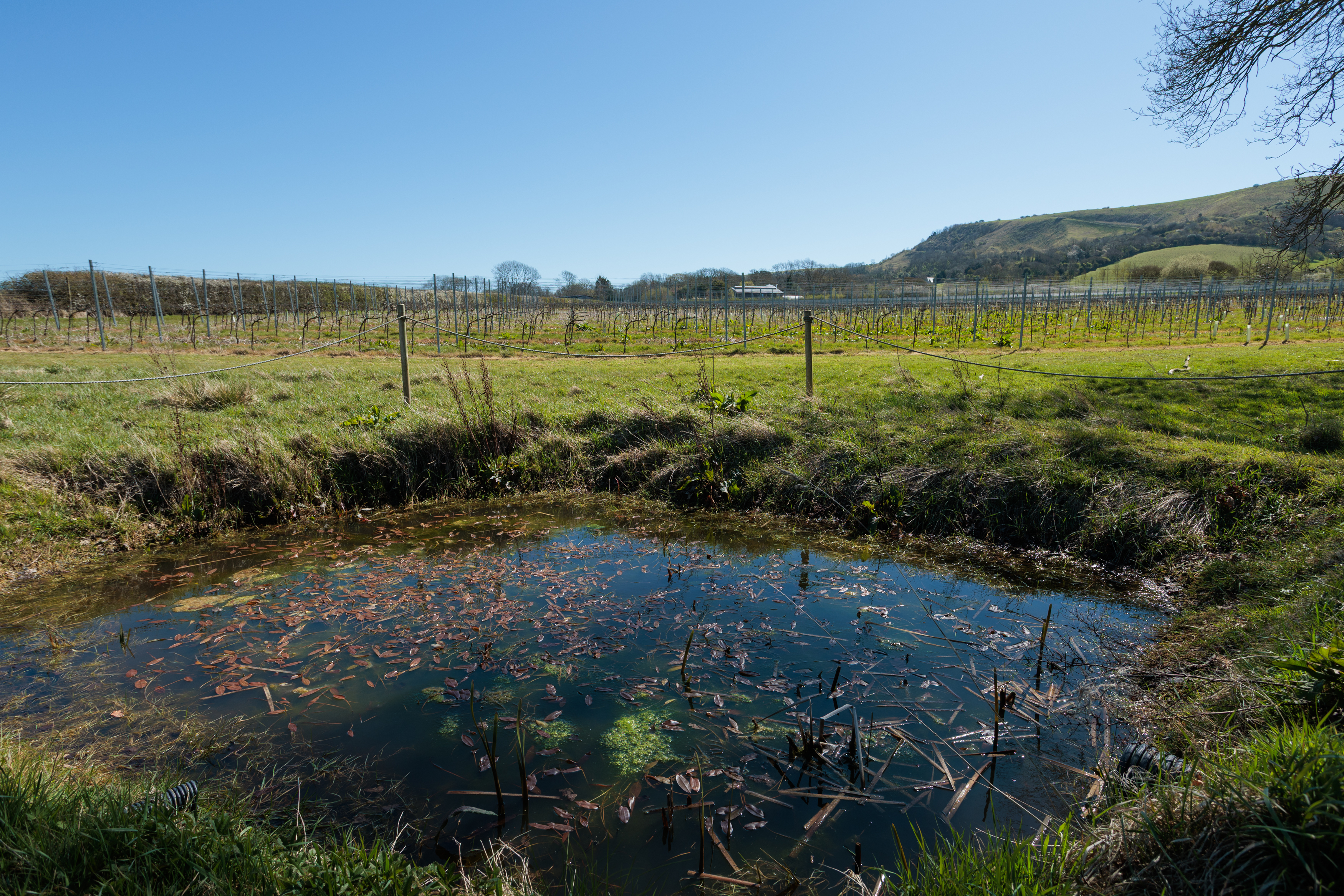
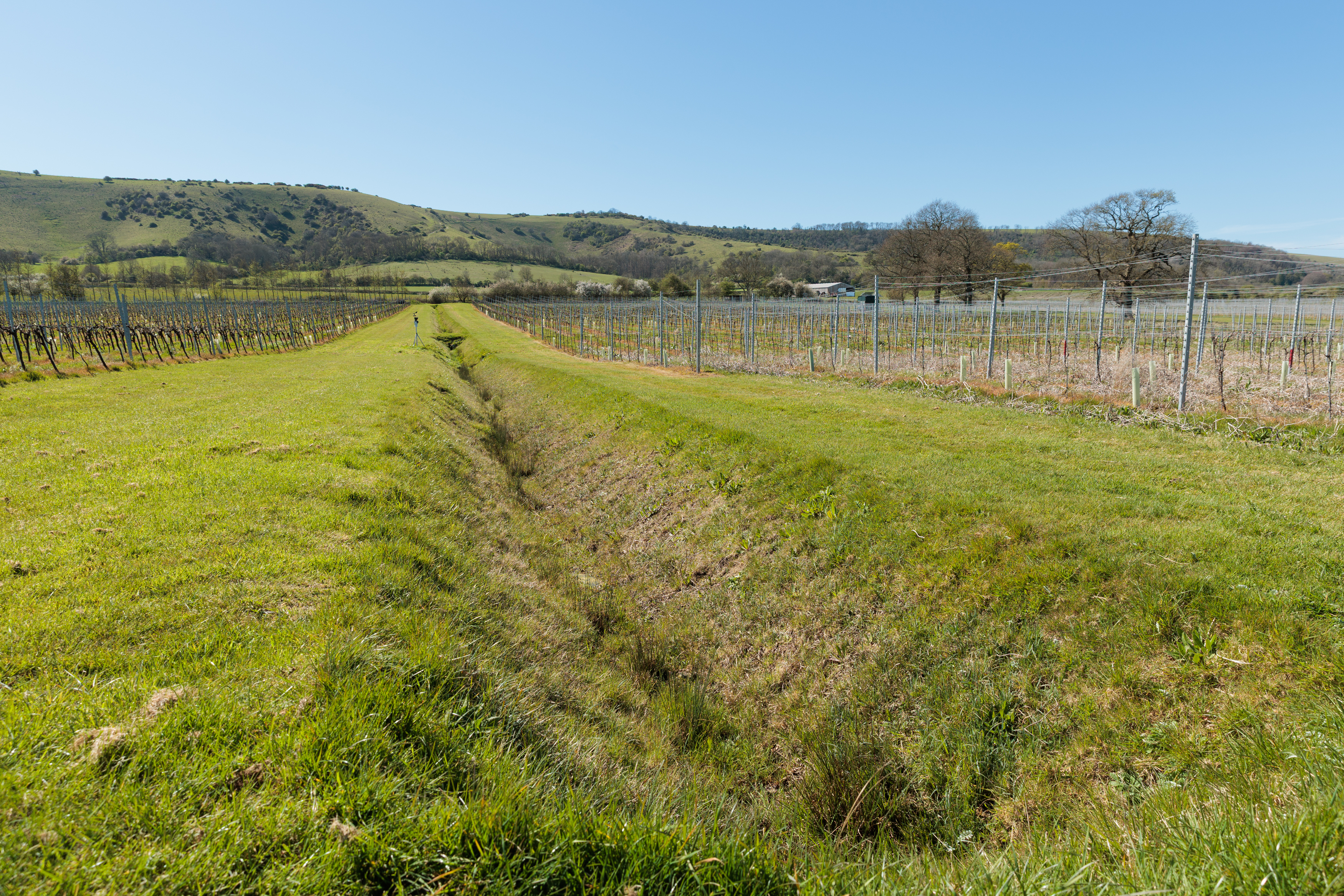
Water is one of the defining issues. The vineyard catches runoff from the Downs and, because of the clay, can quickly become waterlogged. Rather than fight that reality, the response has been to redesign around it. Ditches and field drains now run through the site, channeling water down towards the lowest point, where a pond has been dug.
“Three years after we put it in, we found an old map showing there had always been a pond there,” Luke said. “We’d basically recreated an old pond without knowing it.”
That approach, working with the site rather than trying to force it, runs through much of the operation. For growers working on heavier soils, it offers a practical example of how drainage and water management can be designed into the system, rather than treated as a problem to be corrected later.
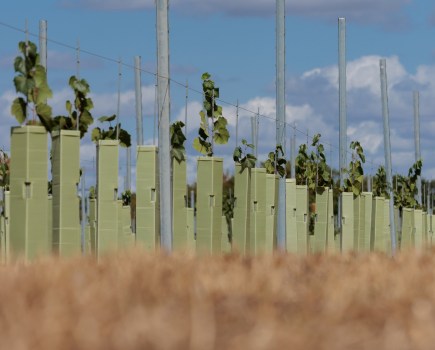
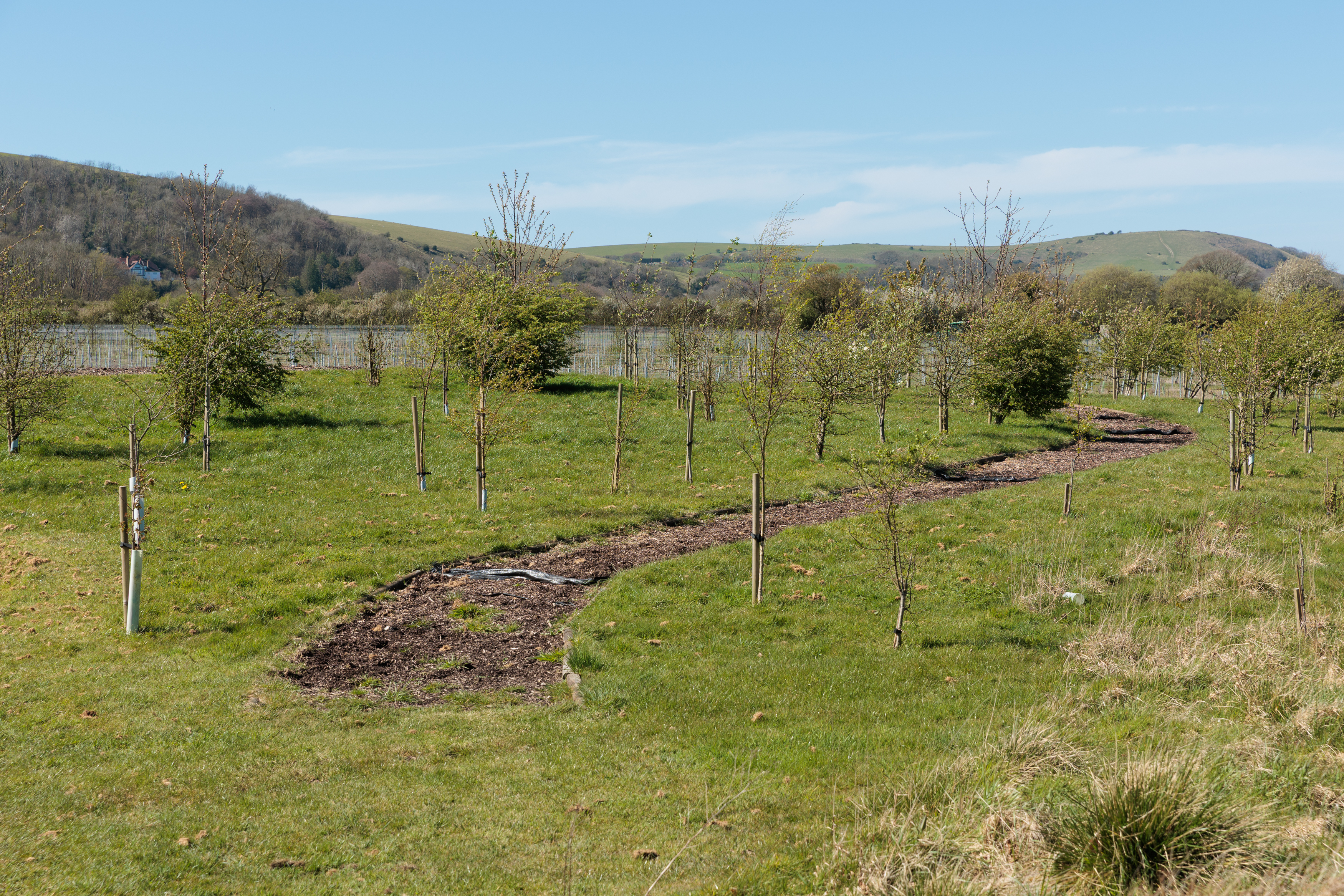
Around three hectares have been given over to biodiversity, scrub, long grass, new tree planting, ponds and connected habitats.
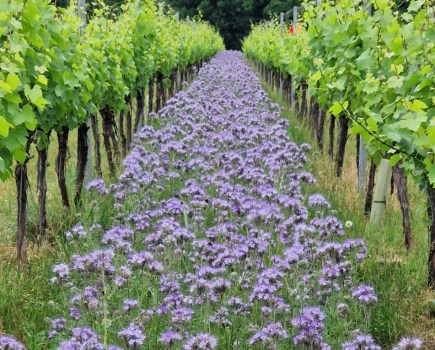
Cover crops run through every other row, with rows rotated over time to allow extended rest periods. “We’re trying to get the soil working properly,” he said. “That’s where everything starts.” The shift reflects a wider move within viticulture towards reducing reliance on synthetic inputs and building resilience through soil function, something that is becoming increasingly relevant as input costs and climate pressures rise.
Data, soil and decision making
Since 2019, insecticides have been removed. Fertiliser use has been reduced, with a greater emphasis on foliar feeds, biostimulants and soil-building inputs such as biochar, often combined with composts to increase biological activity and nutrient availability. The vineyard is monitored in close detail through soil, sap and crop analysis.
Luke has developed a detailed system for tracking performance, looking at pruning weights, crop loads, shoot fertility and likely wine destinations before harvest even starts. “It’s all vineyard-focused data,” he said. “But it absolutely shapes what happens later in the winery.”
It is a reminder that decisions made in the vineyard increasingly determine both yield and style, tightening the link between agronomy and the final product.
There is no winery on site. Fruit goes to Hambledon Vineyard in Hampshire, where Everflyht has been able to use its own tanks and barrels, giving more control over style than many contract-made wines. Clay vessels are also part of the set-up, adding another layer to the blends.
For all the technical detail, the approach is not ideological. The vineyard borrows from regenerative thinking, but Luke is clear that it is not organic. There is, however, a clear direction of travel, with an ambition to move away from glyphosate and towards mechanical under-vine cultivation, although the cost of the machinery remains prohibitive for now.
“I’ve got issues with organics in this country,” he said. “There’s the dependency on copper, there’s the economic risk, and there’s the reality of yields.”
A difficult year and a shift in direction
That matters in a system where margins for error can be tight. In 2024, the vineyard lost a significant proportion of its crop to downy mildew following heavy September rainfall, a moment that sharpened thinking.
It has influenced the direction of travel. The focus is now clearly on sparkling wine, and on building a range that can work across different markets and price points.
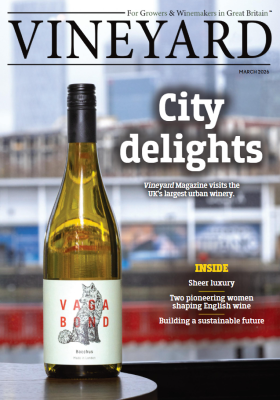
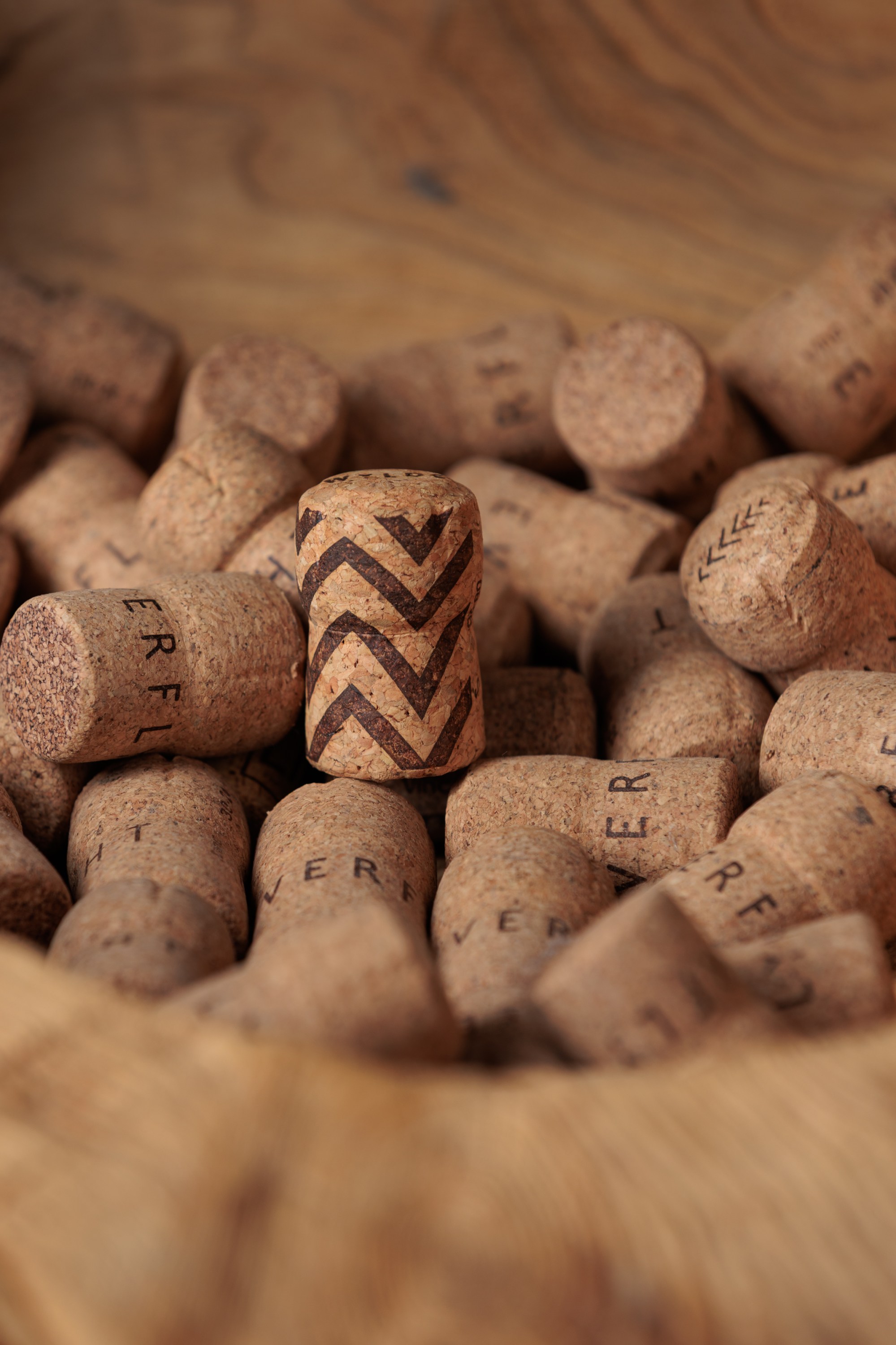
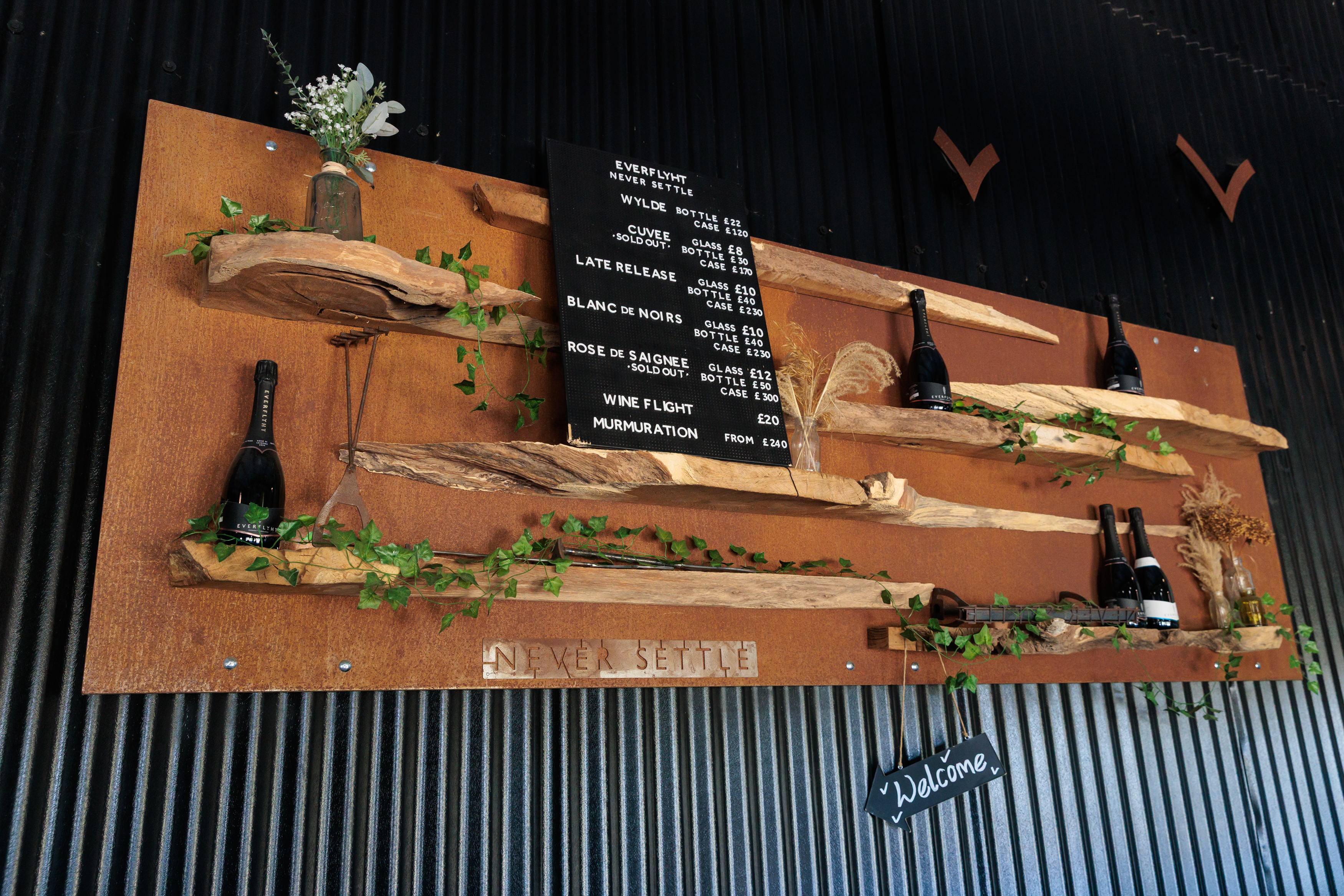
Wylde, launched this spring as part of the Everflyht ten-year milestone, is central to that shift. Made using the Charmat method, where the secondary fermentation happens in tank rather than in bottle allows the wine to be brought to market quickly and at a more accessible price point, retailing at around £22-£25 per bottle.
For growers and producers, it highlights the role alternative production methods can play in improving return on investment (ROI) and widening market access.
By contrast, Everflyht’s single-estate traditional method wines typically start from around £30, positioning them at the premium end of the English wine market.
Unlike the estate wines, it is not single vineyard, with some fruit sourced from a nearby site in Shoreham called Harmony, and built out with a proportion of Everflyht’s reserve wines to give the blend more depth and consistency.
“It’s about broadening the appeal,” Luke said. “People’s disposable incomes are tighter. Hospitality is tough. We want more people to try English wine.”
Sam Ellis sees it in similar terms. “You don’t want sparkling wine to feel like it only belongs to special occasions,” she said. “It can just be something to enjoy.”
English wine still accounts for only around 2% of the domestic market, leaving significant room for growth.
Selling wine and building connections
At the premium end, the traditional-method wines remain central. Quality is protected carefully. Nothing is rushed to market simply to generate income. Early on, they chose not to release wine before it was ready, instead holding stock back and building reserves. “We’ve never wanted to release a wine we wouldn’t want to drink ourselves,” Sam said.
Hospitality is now an important part of the model. Tours and tastings are building steadily, the cellar door is open at weekends, and a wine club offers members a closer connection to the vineyard.
Direct sales are becoming increasingly important. The ambition is to reach around 20% of sales through the cellar door, where margins are stronger than through trade. Around 12% of sales are now made through the wine club, with a further 9% through the online shop. Alongside this, around 30% of sales currently go through Berkmann Wine Cellars. The remainder is sold through a mix of direct trade relationships and hospitality accounts, giving a balanced spread across channels.
“You can’t expect someone to pay that kind of money for a bottle without understanding the story behind it,” Sam said.
The Ellis family have three daughters, aged between 18 and 23. The eldest now runs the business’s social media, and all three have spent time helping out on the vineyard. Time spent working through Covid-19 may have put them off for now, but it is not something Ben and Sam have given up on.
Risk, resilience and what comes next
Frost remains one of the biggest threats. On cold spring nights, candles are laid out across the vineyard and lit through the early hours.
“On a bad frost night, you can be close to £10,000,” Luke said. “But if you don’t do it, you can lose half the crop.” That happened in 2022, when a single frost event halved yields in one block. And yet there is still a sense of momentum.
The vines are maturing. The team is established. The hospitality side is gaining traction. The brand feels clearer in what it is trying to do. Walking back through the rows, that felt like the real story. Everflyht is not just a vineyard in a good location. It is a working attempt to build a wine business rooted in the realities of land, labour, weather and market, while still creating something people want to be part of.
Ten years in, it still feels like work in progress. For others establishing vineyards in similarly challenging conditions, that process, rather than any single solution, may be the most relevant takeaway. But perhaps that is the point.
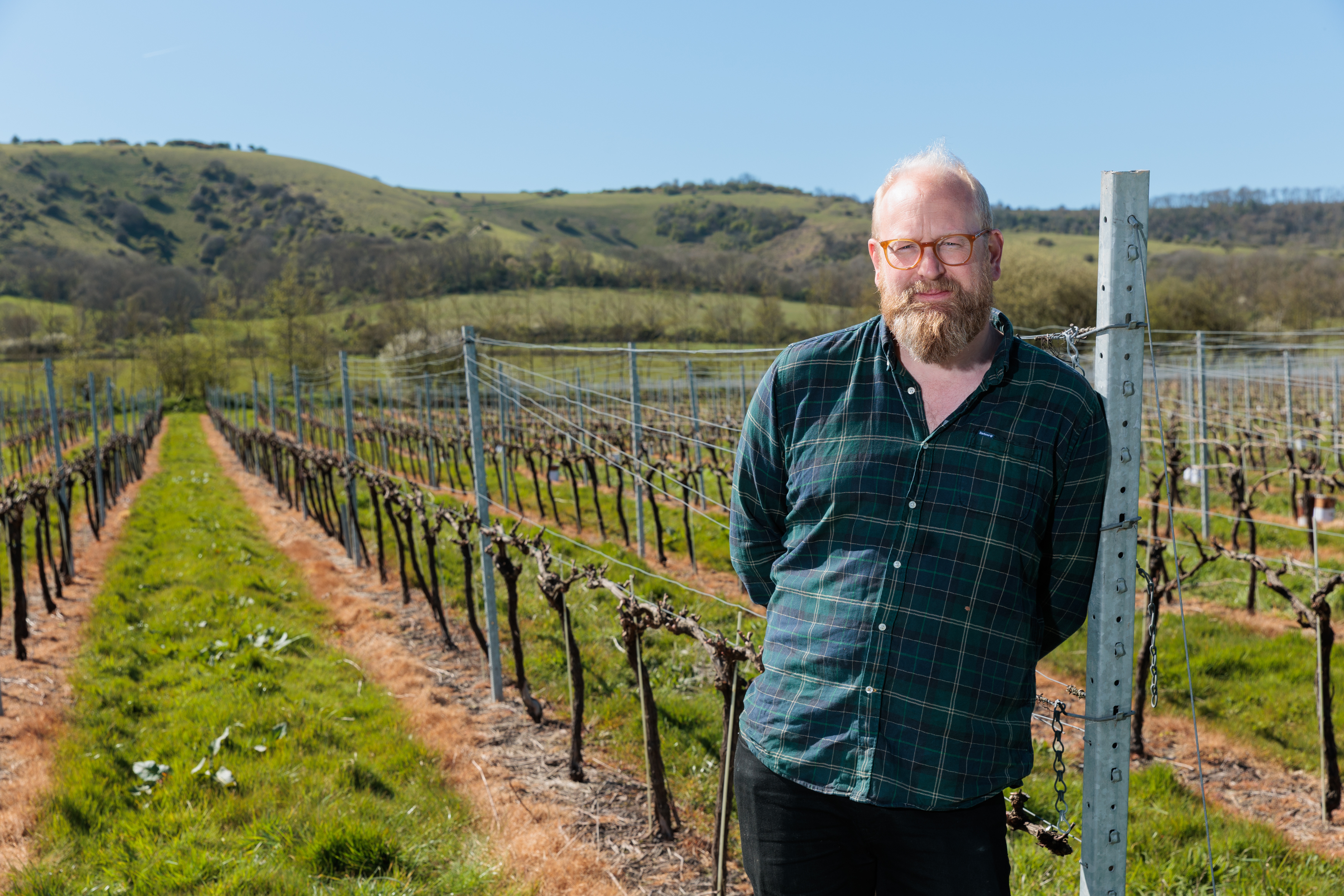
Luke Spalding
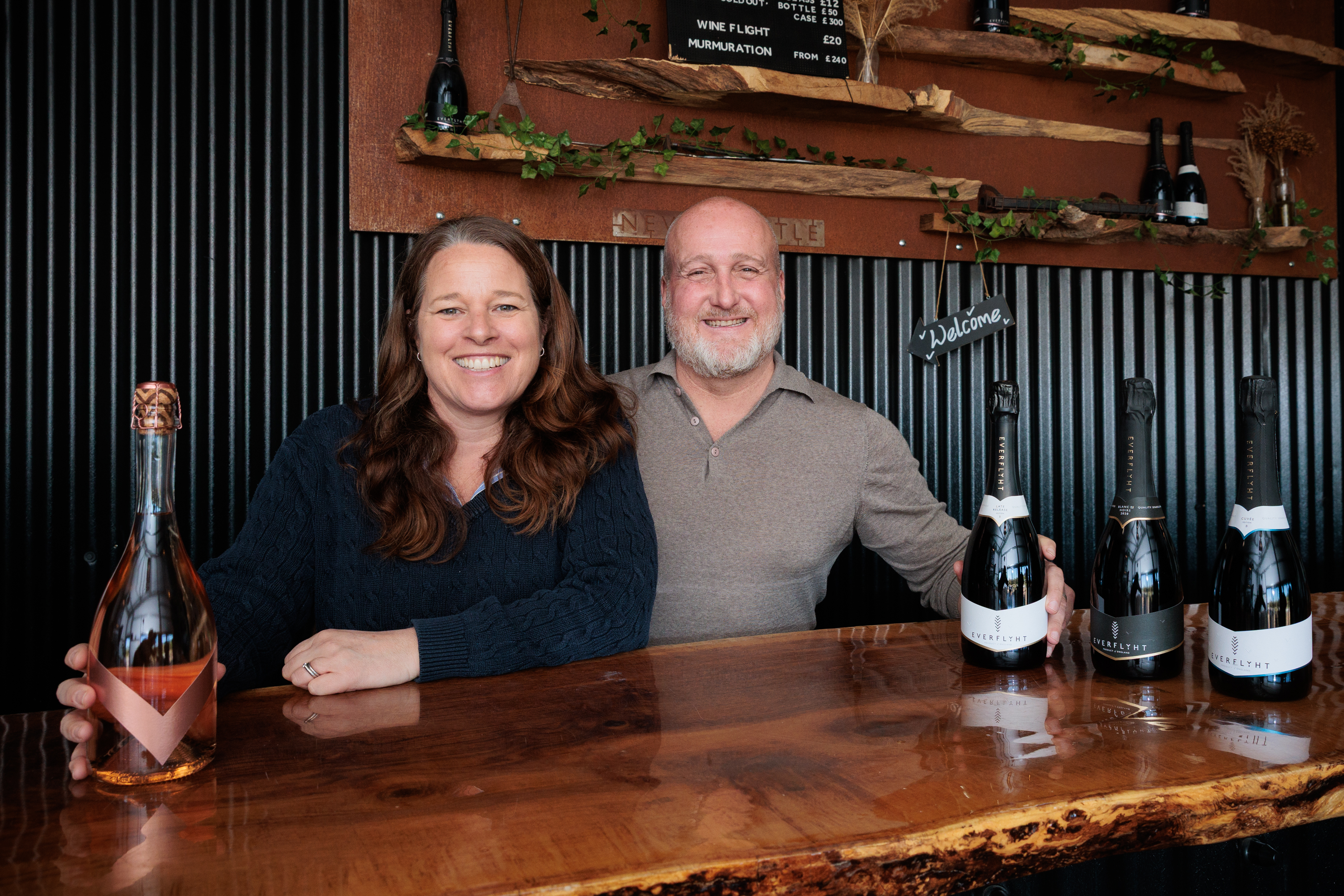
Sam and Ben Ellis
Photos: © Martin Apps, Countrywide Photographic