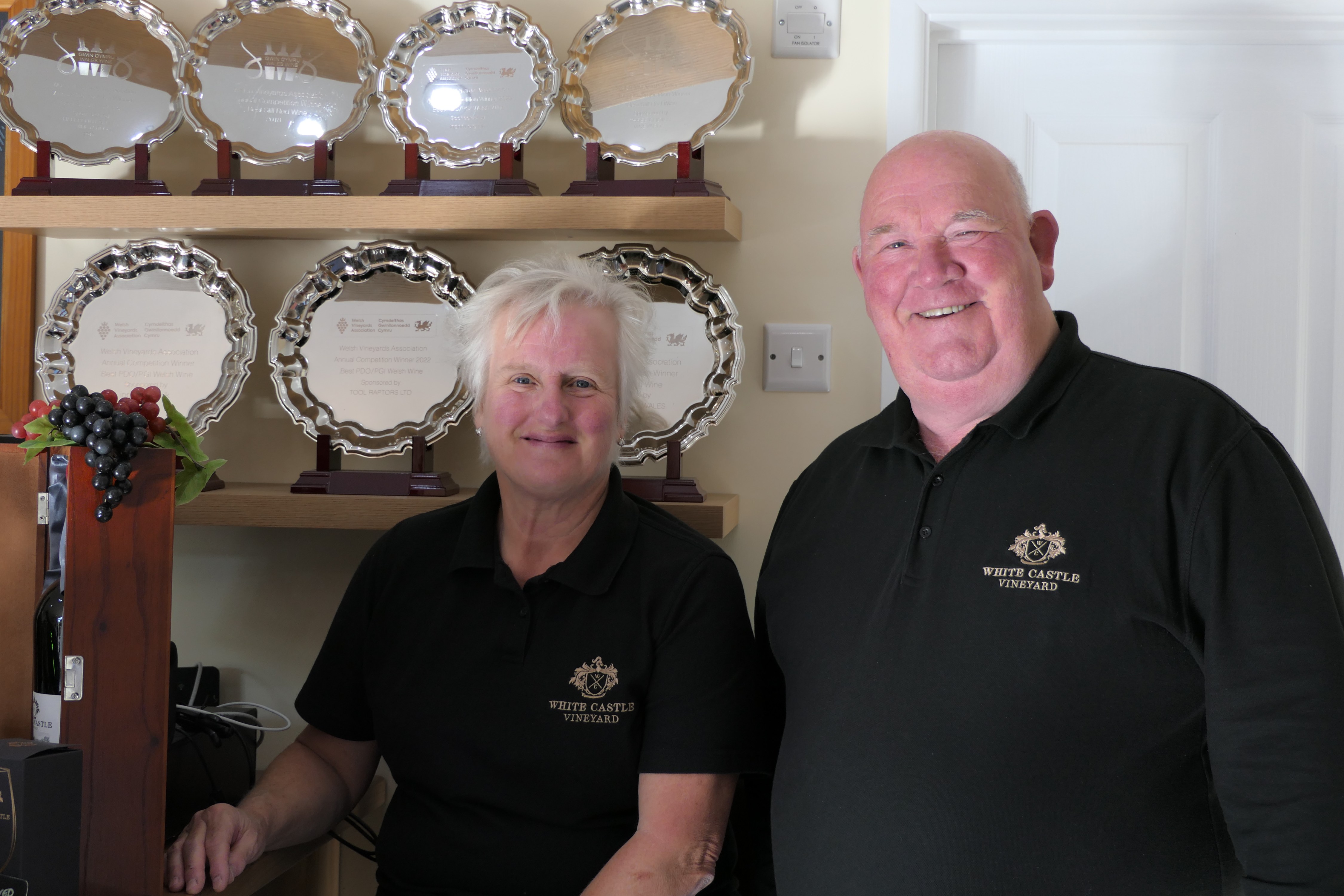

Arriving at White Castle Vineyard in the beautiful county of Monmouthshire on a perfect autumn day created a sensation of joy. When I spoke to Robb Merchant who with his wife Nicola purchased the farm in 1993 he explained that the beautiful weather was a regular occurrence at this Welsh Vineyard.
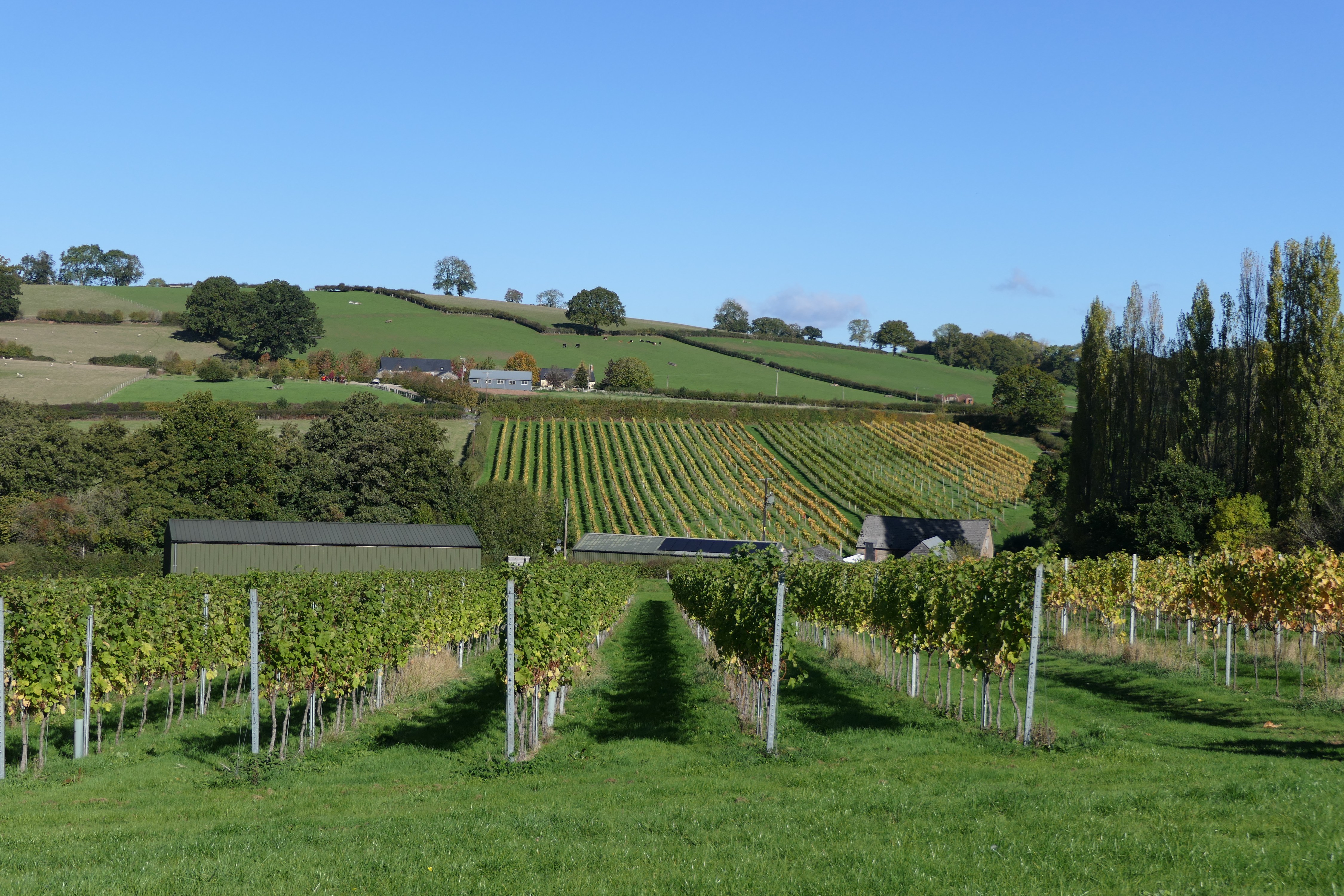
White Castle Vineyard, near the historic town of Abergavenny, sits on the edge of Bannau Brycheiniog national park. More specifically from the centre of the vines the black mountain range (with a clear view of The Skirrid known for the historical ruins at the top of the 454 metre peak) is an awe inspiring sight. The Geography of the area means that the vineyard sits in a rain shadow, “on some days it is possible to see the clouds split as they approach the vineyard,” explained Robb.
This rain shadow has meant that 2026 has been a very dry year in the vineyard. White Castle has benefitted from its own borehole which was installed with the help of a grant several years ago. “The Welsh Government is the UK leader for supporting food and drink,” said Robb with gratitude in his voice. Robb explained that this support for Welsh vineyards dated back to 2016 when he invited member of the Seyndd Cymru, Leslie Griffiths to attend the Welsh Wine Awards. “She sent her deputy and within three weeks we were talking with the head of horticulture for Welsh Agriculture to develop a plan to help support the category of Welsh Wine,” said Robb. It is clear that Robb and Nicola are proud of producing wines that are authentic Welsh products it is our “unique selling point,” said Nicola with pride.
Vineyard magazine last visited White Castle in 2018 and since that time Robb and Nicola have consistently worked to expand and develop the vineyard. With customary honesty Robb explained that the original planting had been planted on a south facing slope with 2.4m rows but that the vines were planted 1.6m apart in the row and “this wasted a lot of wire and didn’t allow for the vines to benefit from natural competition stress. So subsequent plantings are only 1m apart in the rows.
To maintain the soil structure in the vineyard the alleyways will be planted with cover crops such as radish and a wildflower mix has also been very beneficial to the vineyard soil. The prunings are also mulched back into the soil to add structure. The soil here is very fertile but free draining so maintaining the structure is important to the health of the vines and the resulting wine. Robb and Nicola are both firm believers that good wine starts in the vineyard.
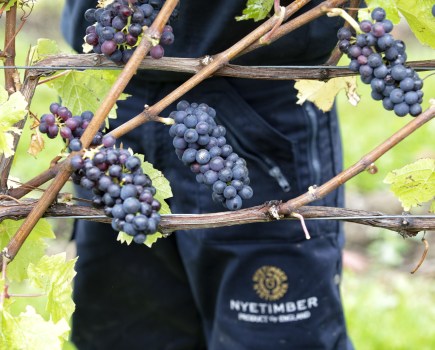
In 2019 Robb and Nicola made the bold move to plant Cabernet Franc. Robb was inspired to plant Cabernet Franc because he had developed a love of the wines of the Loire Valley when he had travelled there in his younger years as part of a rugby team. The fantastic growing season of 2022 allowed the couple to release the first wine made from this variety. The vines look extremely happy in this unlikely setting of the Usk Valley. “My favourite wine is the sparkling Rosé we produce from the Cabernet Franc vines,” said Nicola smiling as she continued “Robb likes to make red wines from the same vines.” This friendly banter between Robb and Nicola creates a wonderful atmosphere and is as natural as the surroundings of the Welsh Countryside.
When discussing why the couple decided to plant vines Nicola explained that she had been a district nurse but had a dream of the couple developing a business that would allow them to work together and Robb had developed a love of the countryside from a young age. As a young man Robb worked on a farm for £45 a week which was less than he earned playing soccer for Ebbw Vale a team in the Welsh league for £50 a week but it was farming that he loved. Robb explains with an emotional note in his voice how both him and Nicola grew up nearby and his attachment to the farm is clear in everything that is done at White Castle.
Utilising the geography of the area, the vines are planted in a semi-bowl design, which maximises the sunlight exposure for the grapes, on the fertile red soils of the Usk Valley. Adding to the original planting Robb and Nicola added 2,000 Chardonnay vines and 1,000 vines of the early ripening variety Siegrebbe in 2022. There were also 1,000 Phoenix vines planted. Robb explained that the Phoenix vines are a hybrid variety that develop consistent notes of elderflower and green apple. “Although the hybrid varieties are designed for the cooler climates they do still need care to get the best from them,” explained Robb.
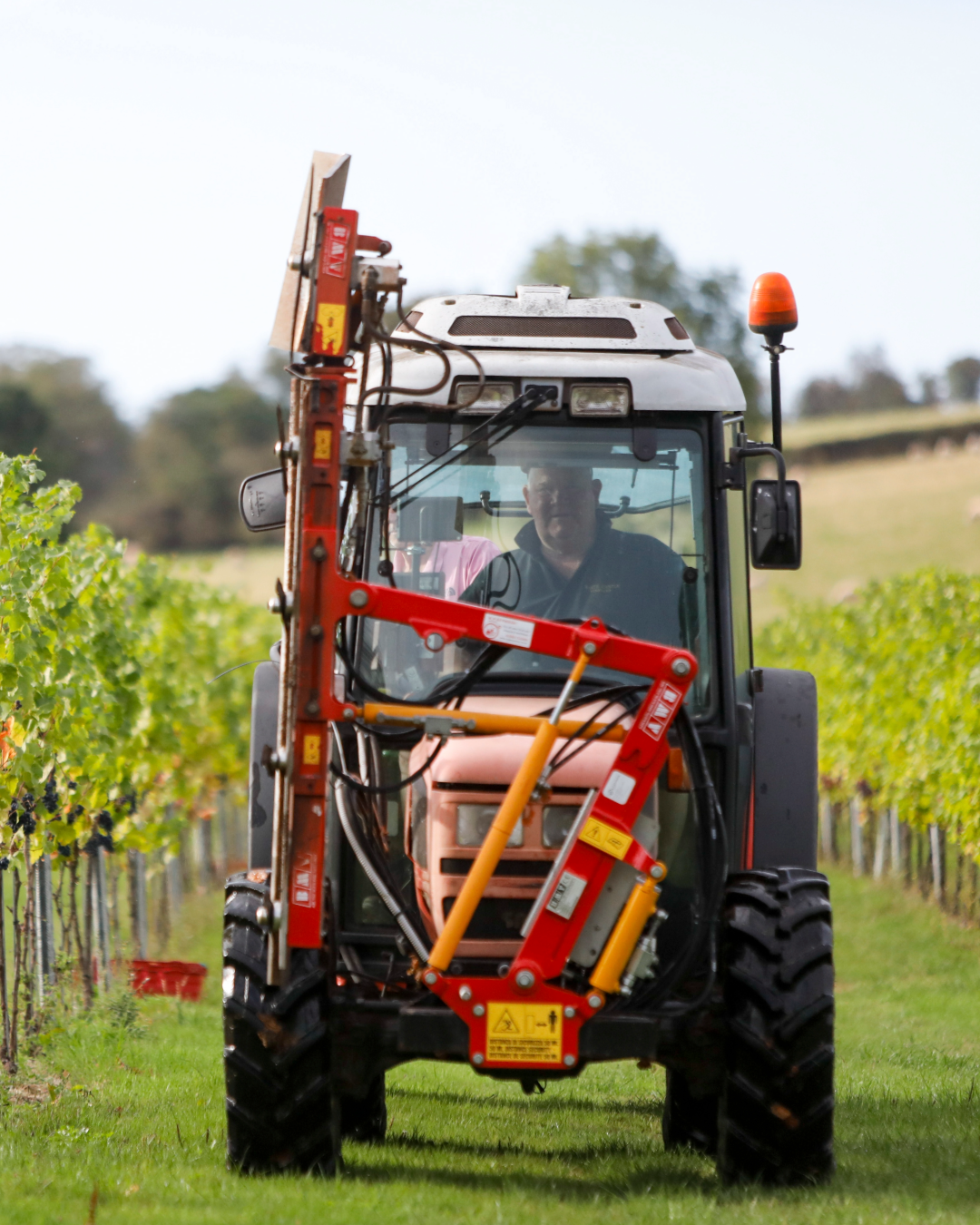
Nicola and Robb manage the vineyard tasks between them. From pruning and tying down to leaf stripping and harvesting the couple work together seamlessly. “If we have a disagreement we start at either end of the vineyard and by the time we meet in the middle it has been forgotten,” said Robb with a chuckle.
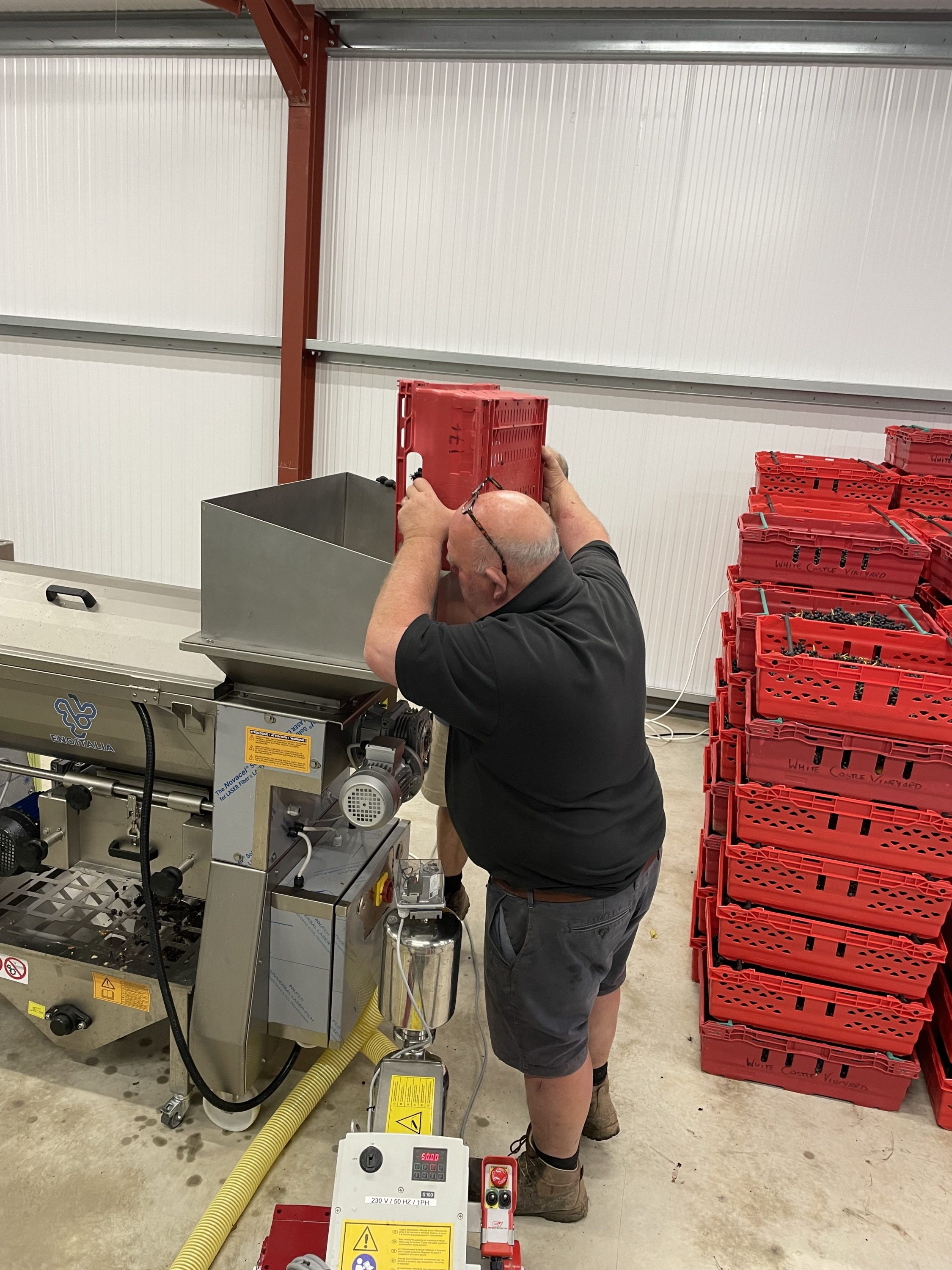
It is clear that Robb and Nicola have a working relationship that allows them to manage the vineyard sympathetically. They never prune on wet days and harvest is undertaken in very small parcels. The 10 rows of Cabernet Franc are harvested with the help of some trusted friends who then stay for a well earned lunch. The 2026 harvest was started on 6 September which is at least two weeks earlier than Robb and Nicola would have predicted so working in this way allows the couple to adapt to the life of the vines rather than forcing the vines into their schedule.
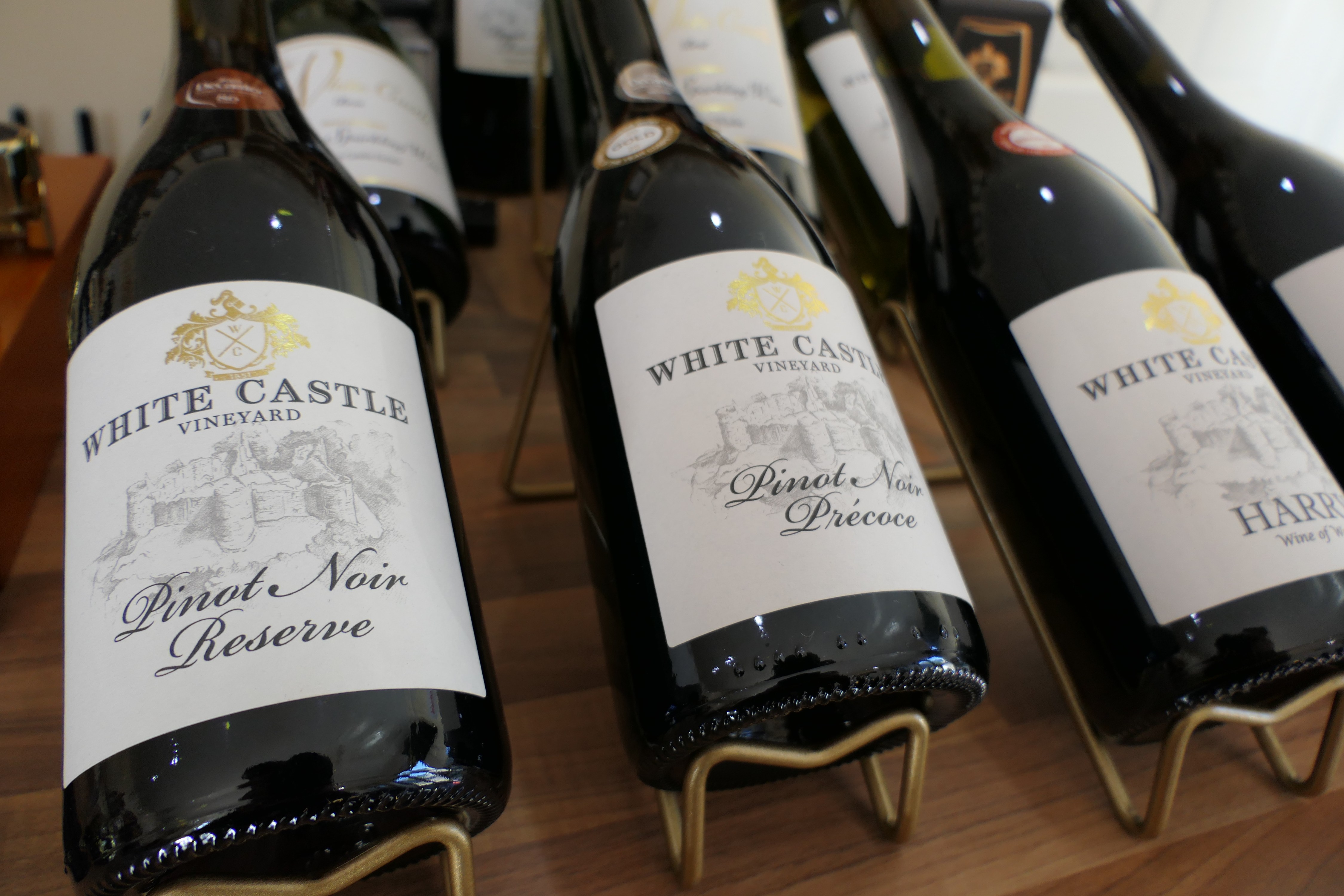
“We give the Pinot Noir Précoce longer hangtime to ensure the flavours of blackberries and the underlying notes of blueberries develop in the fruit,” said Robb.
“We want to stay in love with what we do,” said Robb. He has a distinct emotional tone when he describes how supportive Nicola has been “she told me ‘just don’t lose the house,’” he said, laughter filling the vineyard. The house with 12 acres of land was purchased in 1993 and was previously an old dairy unit that had been established in World War I as part of a governmental attempt to raise domestic production. “We don’t have the safety net of a large capital sum so it makes you value everything you do,” said Robb.
The talk about the geography of the vineyard naturally leads to the topic of frost. The vineyard has in the past been severely affected by frost “2020 was an absolute frost disaster,” said Robb but the data shows that in the past 17 years this has been the only severe frost event. The 2026 season has seen frost damage of about 10% “the frost really ended up controlling the yield and meant that this year we didn’t green harvest but finished the season with top quality clean fruit,” said Robb.
Robb pointed out that another tough year for the vineyard was 2024 which was widely recognised as having extremely difficult growing conditions not just in Wales but in England as well. “We could only produce 4,000 bottles for 2024,” said Robb. This means that the business reduced the total production for that year by roughly 7,000 bottles. “That is a massive hit for our small business and we were worried,” said Robb. There were options open to the business that would have allowed them to increase the number of bottles produced but Robb and Nicola were so determined to remain true to the authenticity of the business model that they stood firm in their decision to reduce production. This was a particularly impressive decision since White Castle had built a new winery in time for the 2024 harvest. “When we say it was finished for harvest 2024 we mean it literally. The feet were going on the vats as we were pressing the white grapes,” said Robb with a laugh.
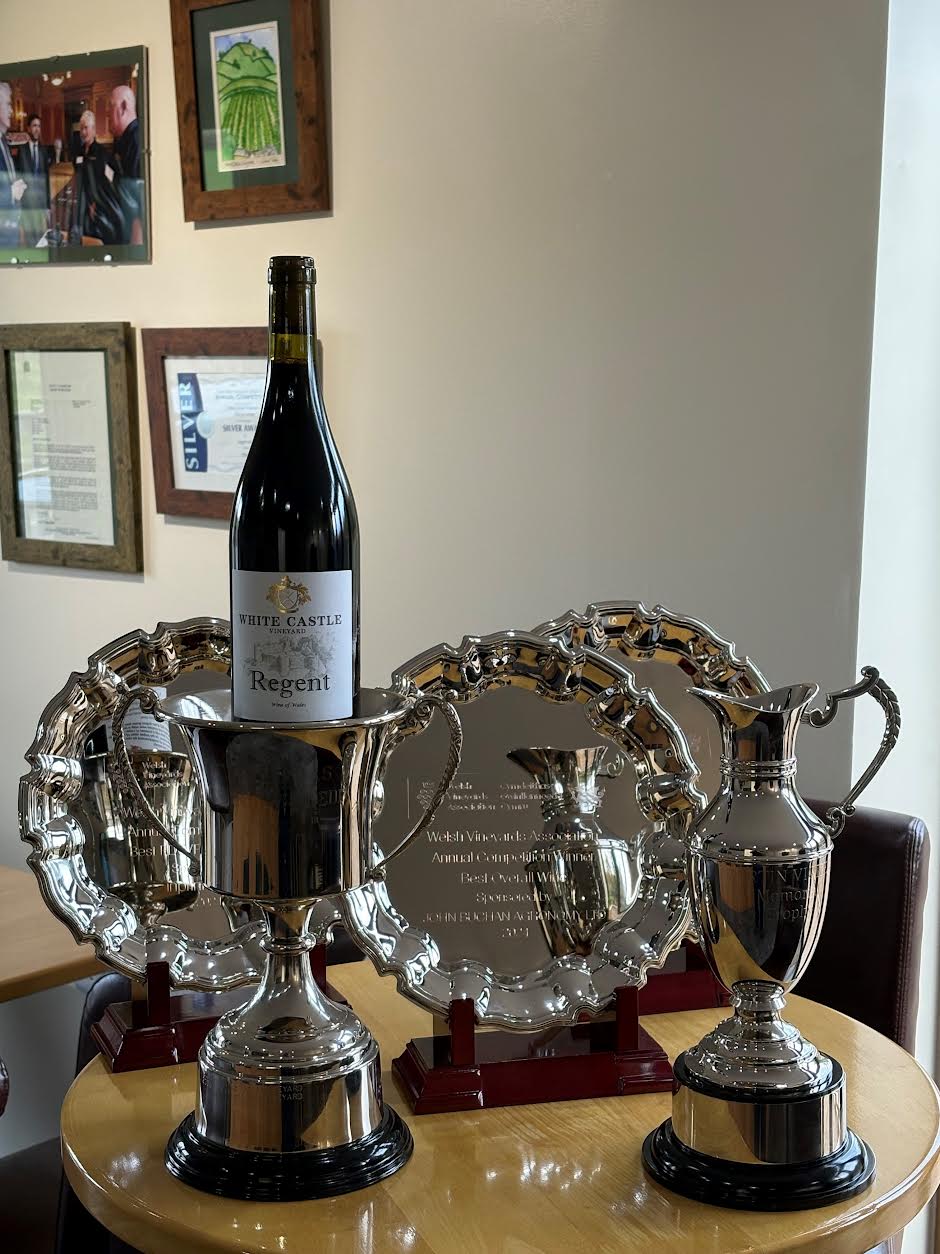
The desire to build and run their own onsite winery was an extension of the ethos of authenticity that is a central theme of the White Castle experience. “We really enjoyed being involved in the winemaking process at Three Choirs,” said Robb. A milestone year in the history of the vineyard was 2021 when White Castle Vineyard were awarded a Gold Decanter Medal for their 2018 Pinot Noir Reserve wine. This was not only the first Gold Decanter Medal for White Castle Vineyard, it was also the first Decanter Gold Medal awarded to a wine from Wales. “The award changed our wine life,” said Robb. “I really put value on international wine competitions because it is a way to benchmark our wines and see them in a wider context,” explained Robb.
Robb went on to explain that when he raised the idea with Nicola of establishing their own winery Nicola suggested that he should do the winemaking course at Plumpton College to see if he really enjoyed the winemaking process as much as he enjoyed the vineyard work.
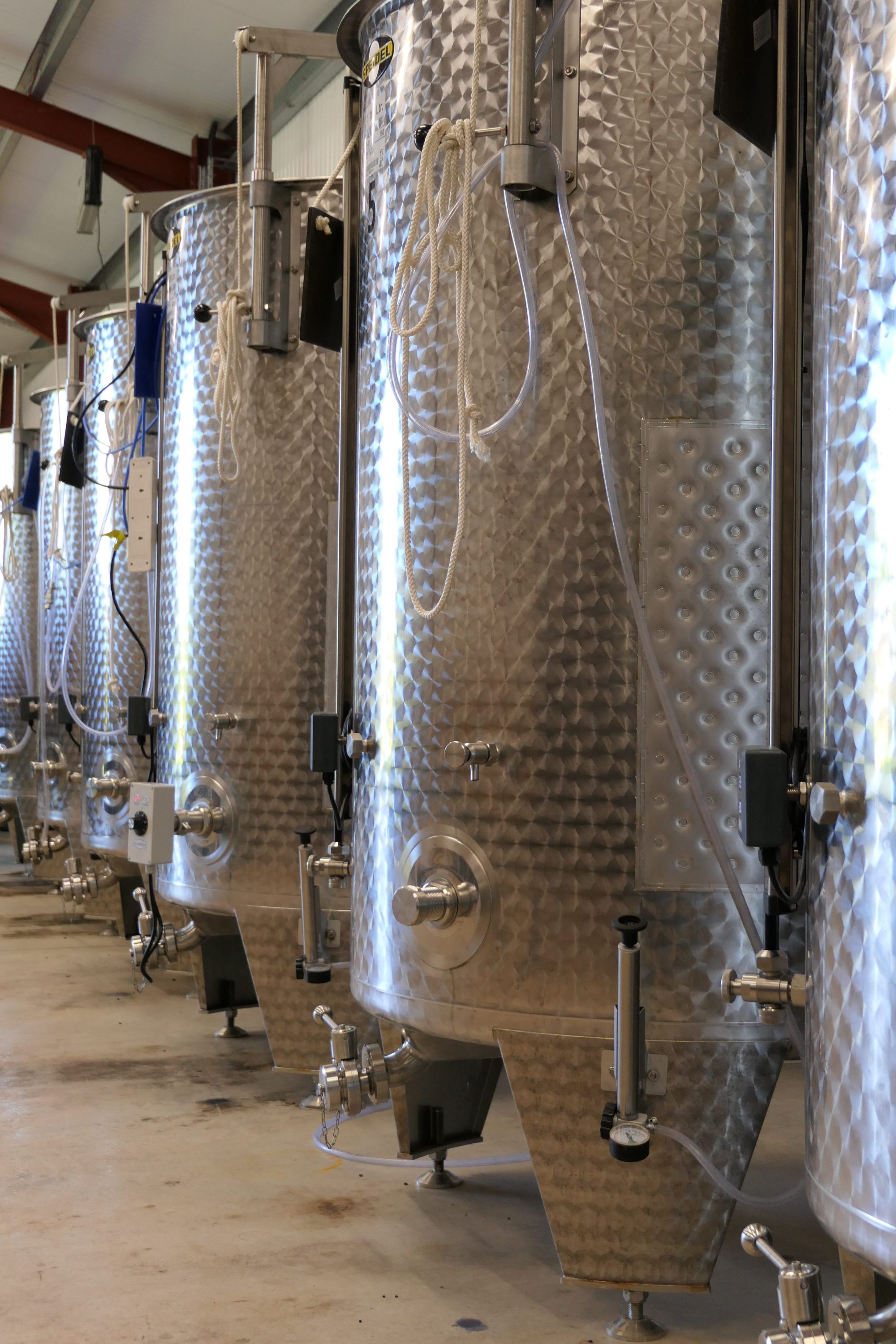
The onsite winery means that the wines can be fermented in small batches which allows freedom to experiment in the winery without risking a large part of the crop. Currently there is work being done with different yeasts and small parcels of Pinot Noir Précoce being picked separately for still rosé and sparkling rosé. The Pinot Noir Précoce from the 2026 vintage has natural alcohol levels that will mean the wines sit at nearly 13% and with the largest crop produced the wines will be broad in their appeal.
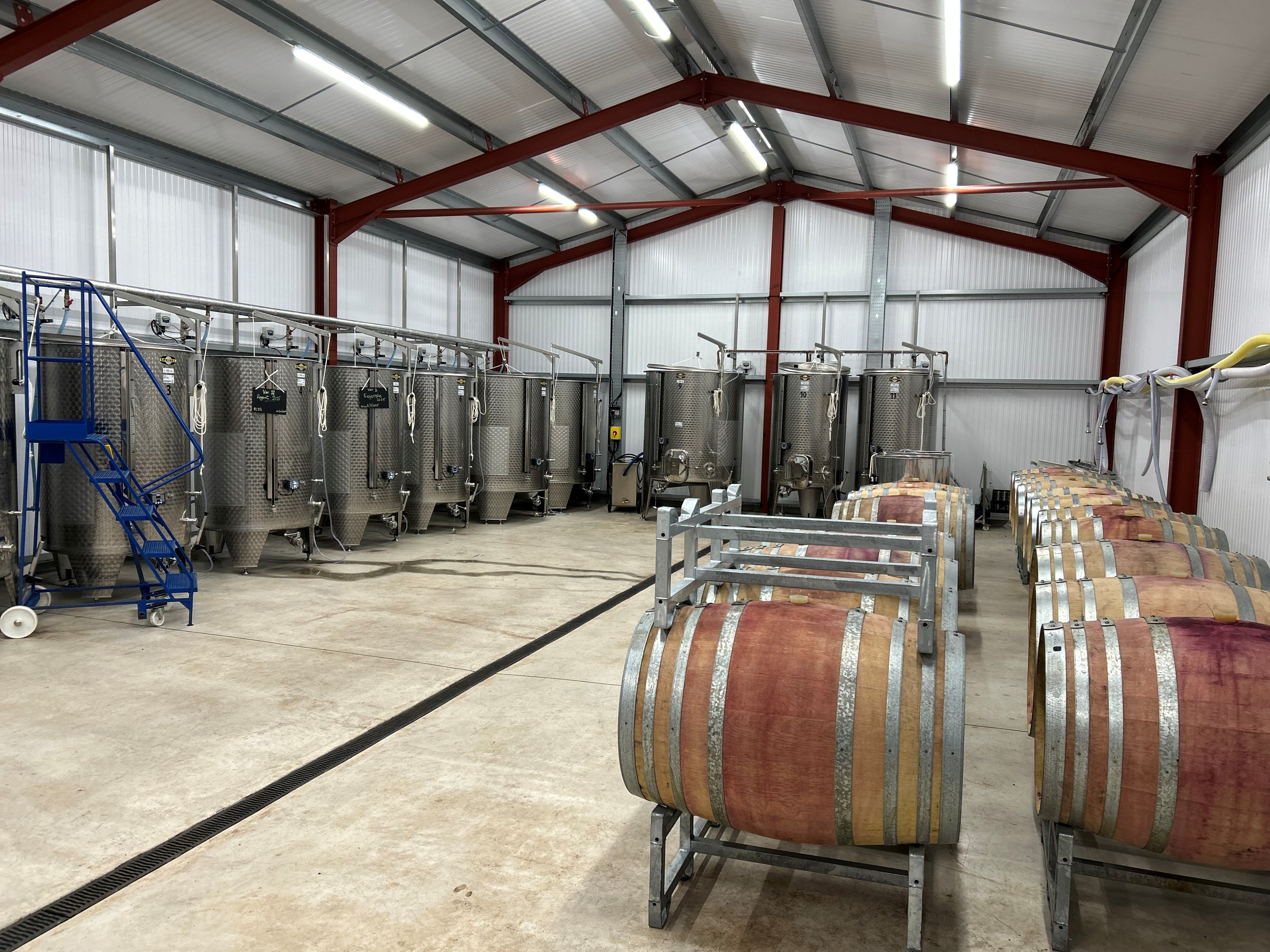
In the winery Robb and Nicola generously discuss the current wines that are in tank. The tank holding the free run juice from the Rondo picked on the 20 September this year is already exhibiting a soft fruit finesse that is exciting. Robb estimates that the wine will be released in 2028 but it all depends on how the wine progresses. The Pinot Noir from the 2024 harvest has been sitting on oak for 12 months but Robb feels that it requires longer. He is very definite about releasing a wine only when it is ready. “Plant the vines you are proud to grow and produce the wines that you can do best,” he said with conviction.
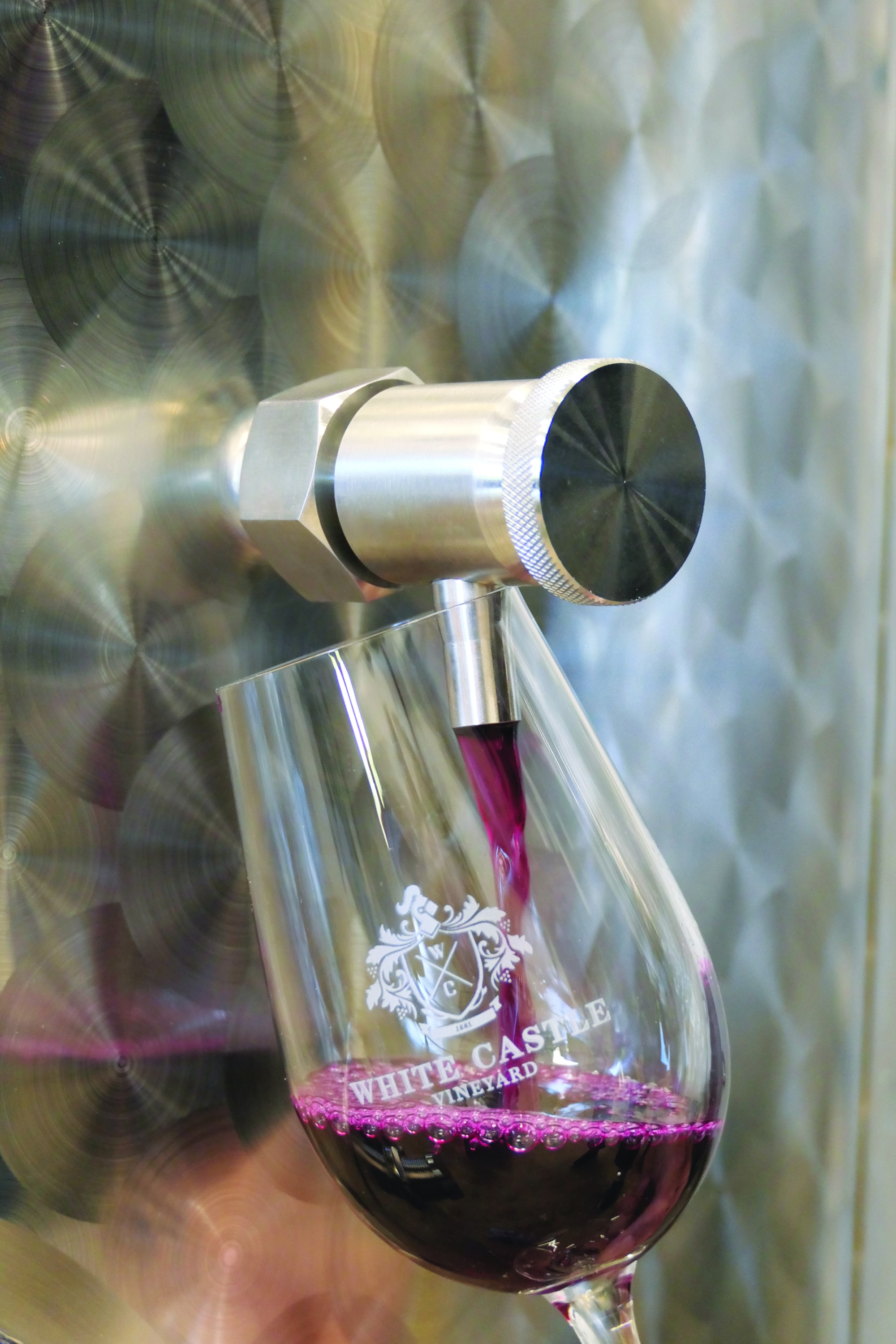
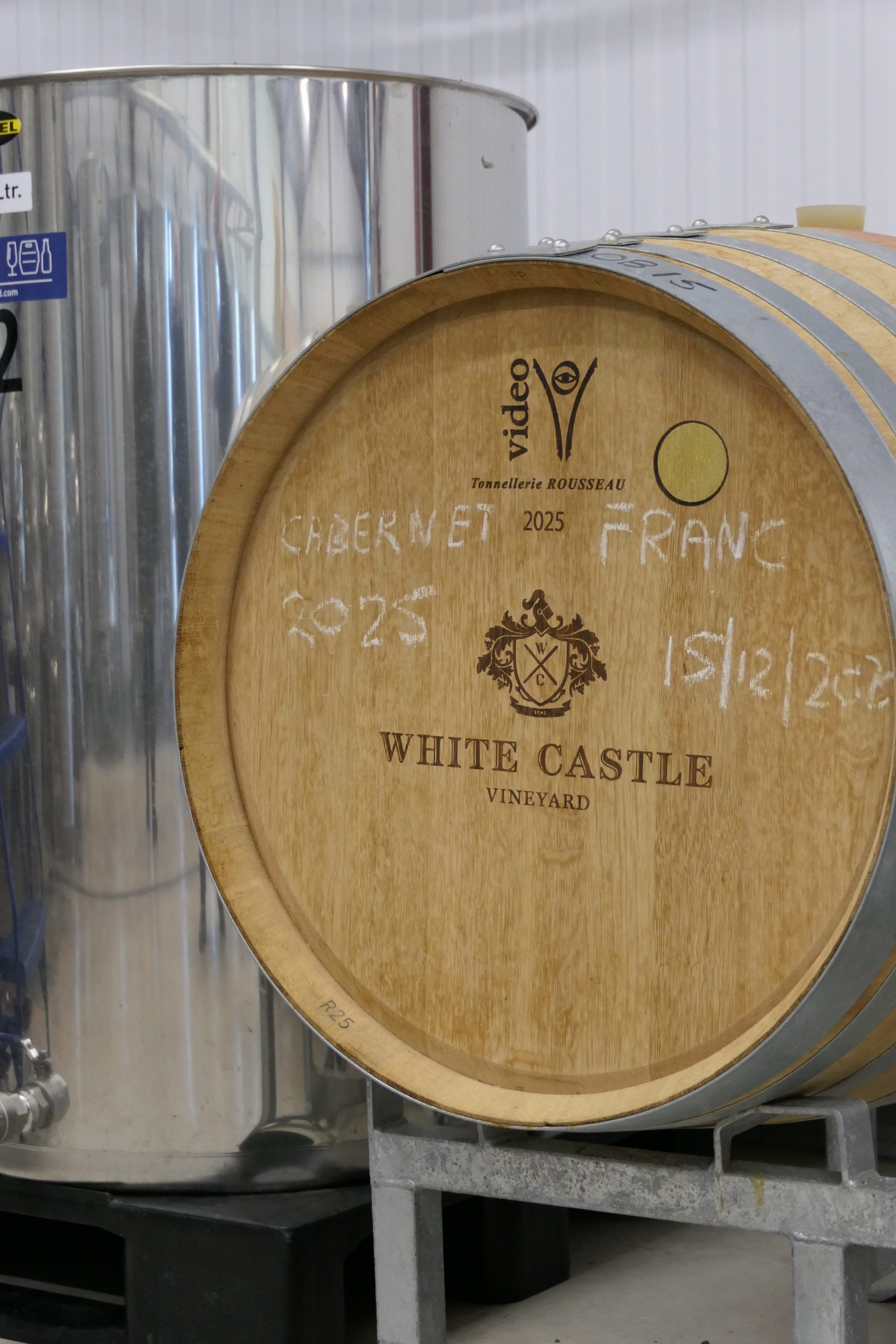
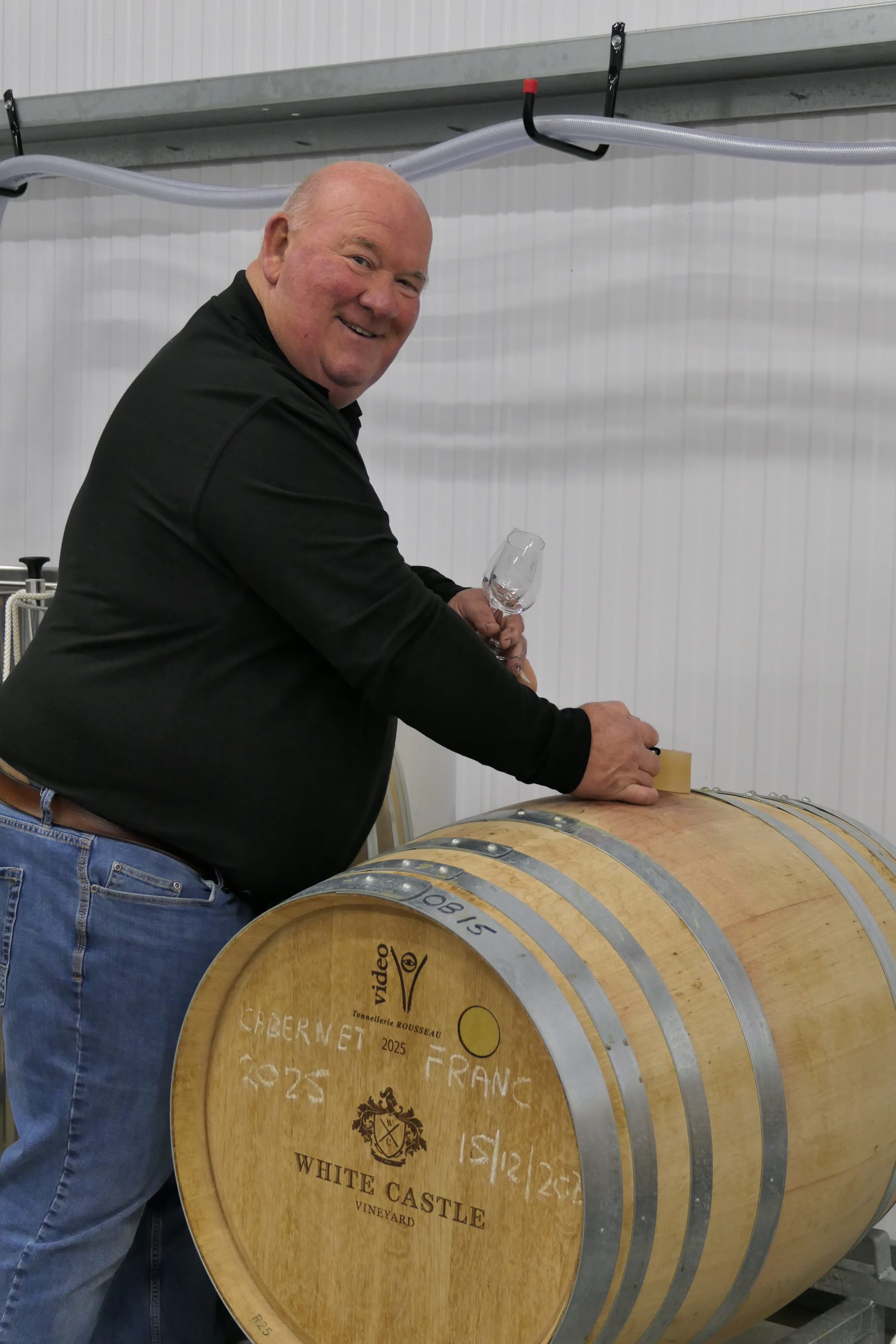
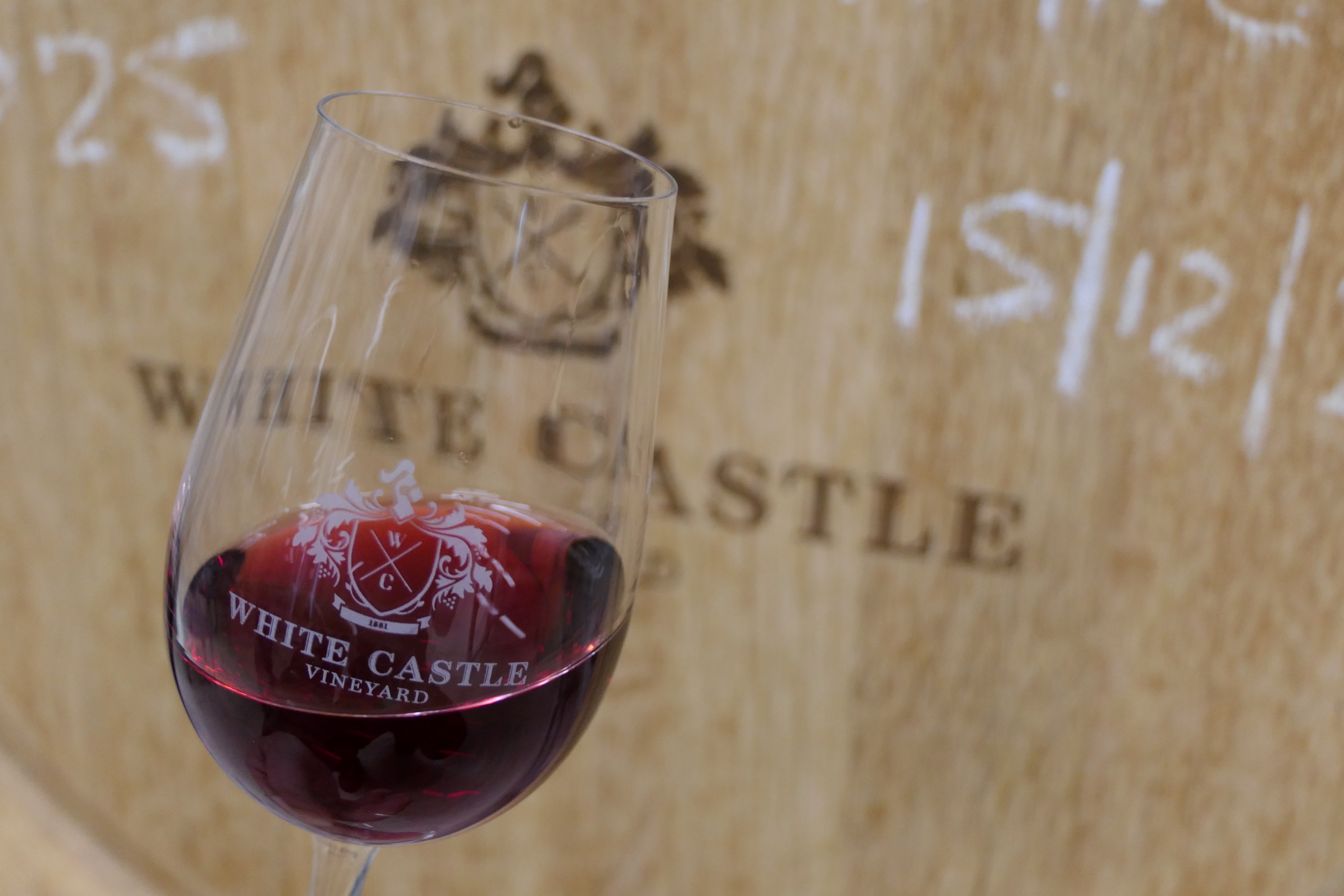
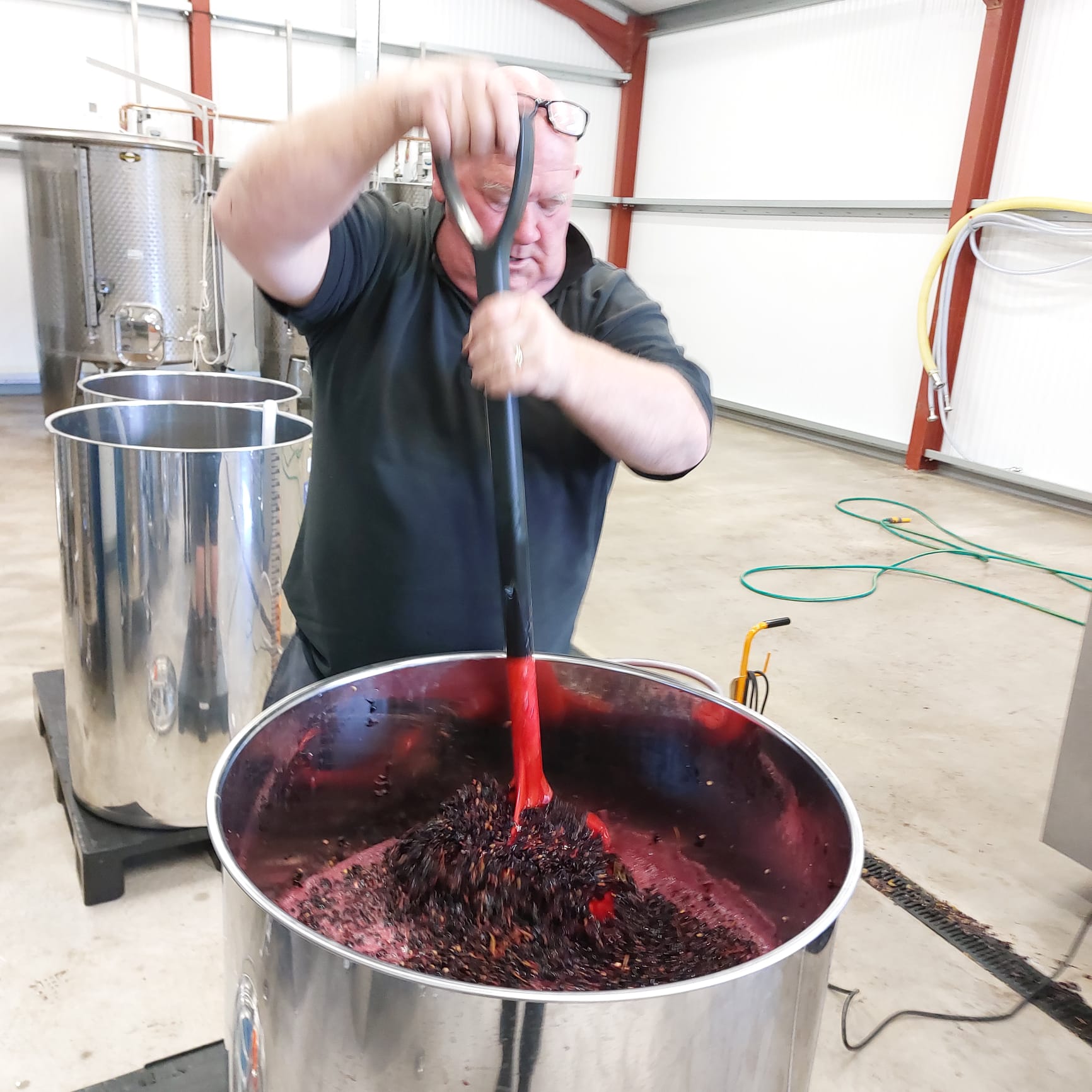
The Cabernet Franc is fermented on skins for about eight days before being transferred to stainless steel vats and then aging for several months in Oak. On the day Vineyard magazine visited the Cabernet Franc had only been in tank for two days and Robb explained this is his favourite time as he watches the colour develop and experiences the anticipation of all the promise of what the wine can become.
The length of oak aging the wines receive can vary from less than 12 months to more than 24 months depending on when Robb and Nicola decide together that the wines are ready.
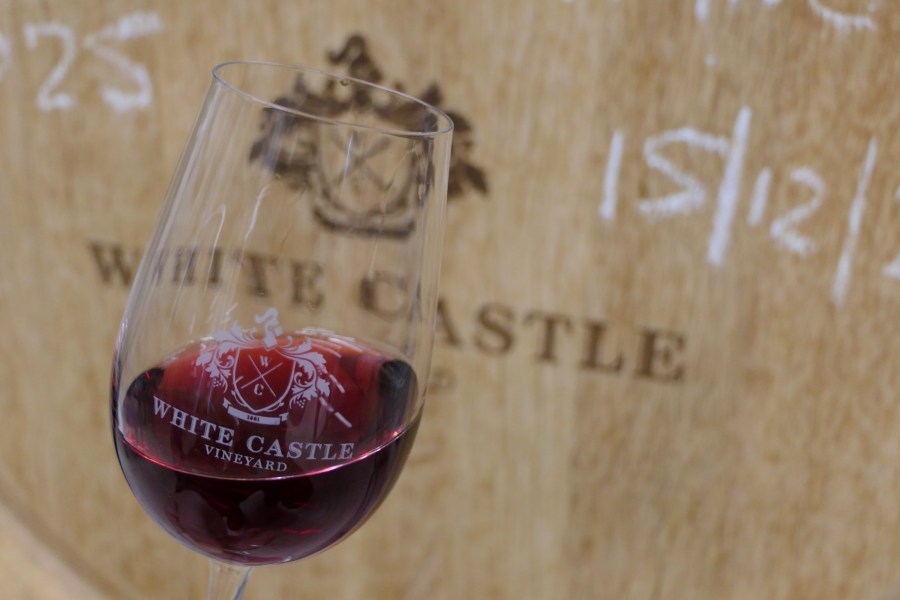
Showing their attention to detail and love of wine-making, Robb and Nicola have recently visited Burgundy looking for oak barrels that will add something extra special to their wines. Tonnellerie Remond has supplied new oak barrels of medium toast which proudly sport the White Castle logo. Robb is convinced that the new barrels will add structure and texture to the vintage led wines.
Having purchased oak Barrels for the 2026 vintage the next addition to the winery is likely to be an automated bottling Line. Currently 4 people fill 2,000 bottles a day with a Vigo filling machine. As the vineyard comes on line and scales up with larger harvests “an automated bottling line is definitely on the shopping list,” Robb said with a laugh. Vigo have been instrumental with supplying equipment for the winery, with Robb in particular praising Andy Pegman for his support as well as his no hassle sales approach.
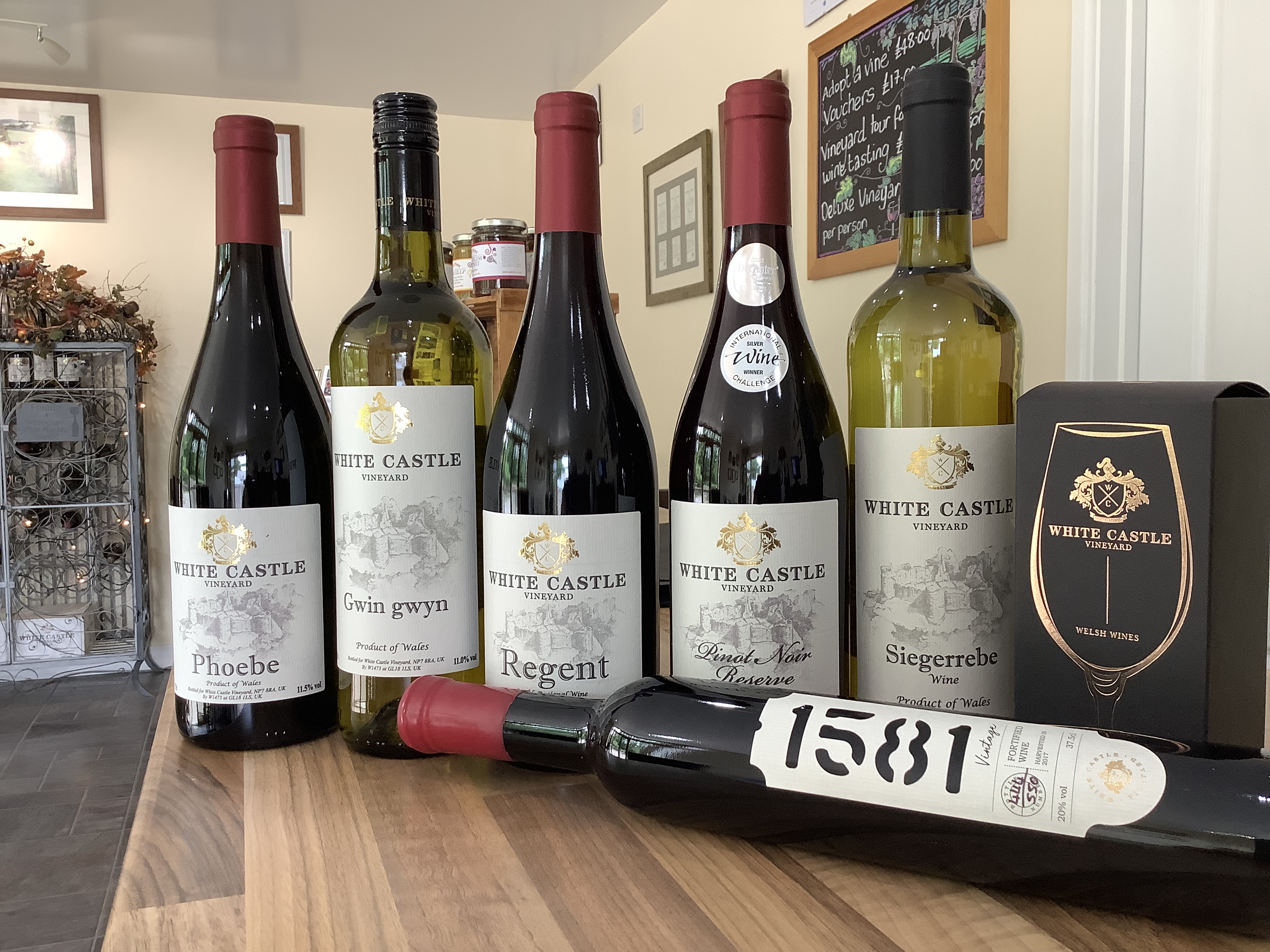
All the wines currently produced at White Castle are single varietal vintage wines but Robb and Nicola were recently inspired by a trip to Saint Émilion where they were impressed by the character displayed in the blended wines. So perhaps this visit may one day be reflected in a blended red wine produced under the White Castle brand.
The wines of the White Castle brand are not just consistently of high quality but they have a variation that is quite astonishing. “Regent has such a lot of versatility, it makes a great base for sparkling rosé and we also use it for the fortified wine 1581,” said Robb. The name 1581 is to reflect and honour the history of the site and is made in small limited releases. The current wine is from the 2021 harvest and will be released shortly. With a 19% abv and a rich velvet mouthfeel, the wine offers flavours that take the mind to a fireside cheese board accompanied with a fantastic piece of Bara Brith. Despite the popularity of this unique wine and that it sells out as quickly as it is produced, the price is under £30. This reflects the couples desire to maintain loyalty to their regular customers. With high demand and short supply, often come higher prices and yet Robb and Nicola are determined that their pricing structure should remain fair to their loyal customer base.
Each year White Castle hold an event to which distributors, stockists and regulars to the cellar door are invited. “The event is designed to show our appreciation for those who are continuously supporting us,” said Nicola with warmth in her voice.
The reputation of the White Castle Wines has led to their listing in more than 14 Michelin starred Restaurants. These restaurants are located in both England and Wales and it is hard to imagine a better food pairing than having Welsh lamb accompanied by an excellent Welsh Red wine. Modern innovations such as Coravin, which preserve the quality of opened wine have allowed a greater selection of wines to be served by the glass in high end restaurants and “it has been a real game changer for us,” said Robb.
When talking about the Red wines Nicola explained: “We have people who come to the vineyard tasting room searching specifically for the still red wines.” The restaurant listings have also come via reputational value – a term that encompasses the trust, consistency and transparency that are at the heart of the White Castle name.
White Castle Vineyard is a place of celebration and joy. The history and unique cultural heritage of wine production in Wales is celebrated and promoted in everything produced. Robb and Nicola do not pretend that it is easy but the trials of viticulture in a marginal climate have not dampened the joy they both display when they are in the vineyard, the winery or even the tasting room discussing their wines. A visit to White castle provides what can only be defined as a cwtch and then you realise that you can extend that feeling by purchasing a bottle or two from the cellar door, taking the cosy warm embrace home in a bottle to be enjoyed once more…lechyd da!