
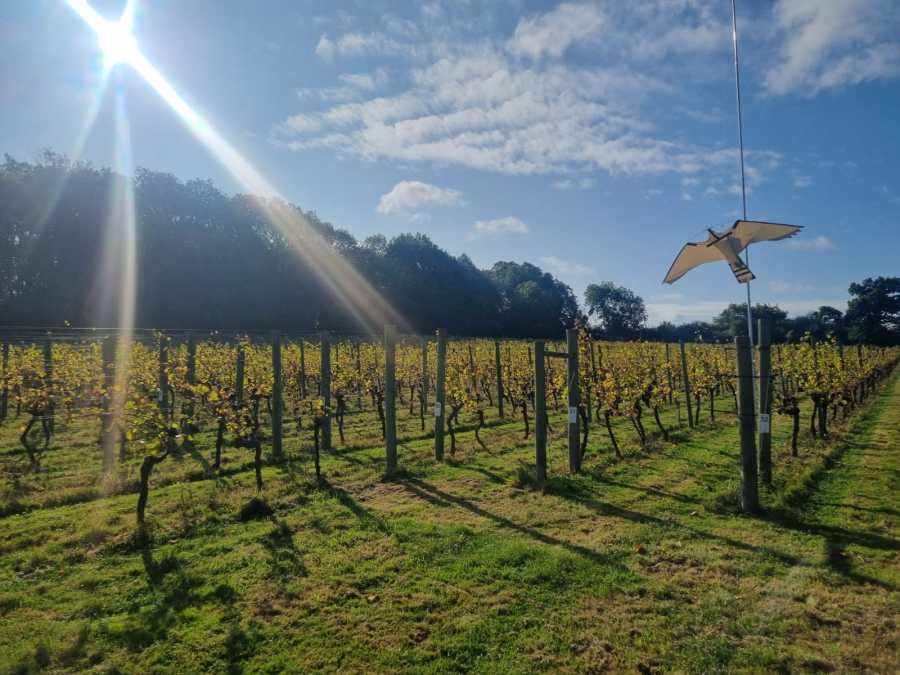
As the UK wine industry continues to grow, vineyard managers are facing increasing pressure from pests and wildlife. From deer damaging young shoots to birds stripping ripening fruit, protecting vines has become a fundamental part of successful vineyard management.
Understanding the risks
Every vineyard site presents different challenges. Vineyards located close to woodland, hedgerows, or unmanaged land are often exposed to higher levels of wildlife activity. Topography, nearby habitats, and ease of access for animals all influence the level of risk and the type of protection required.
Rabbits and deer
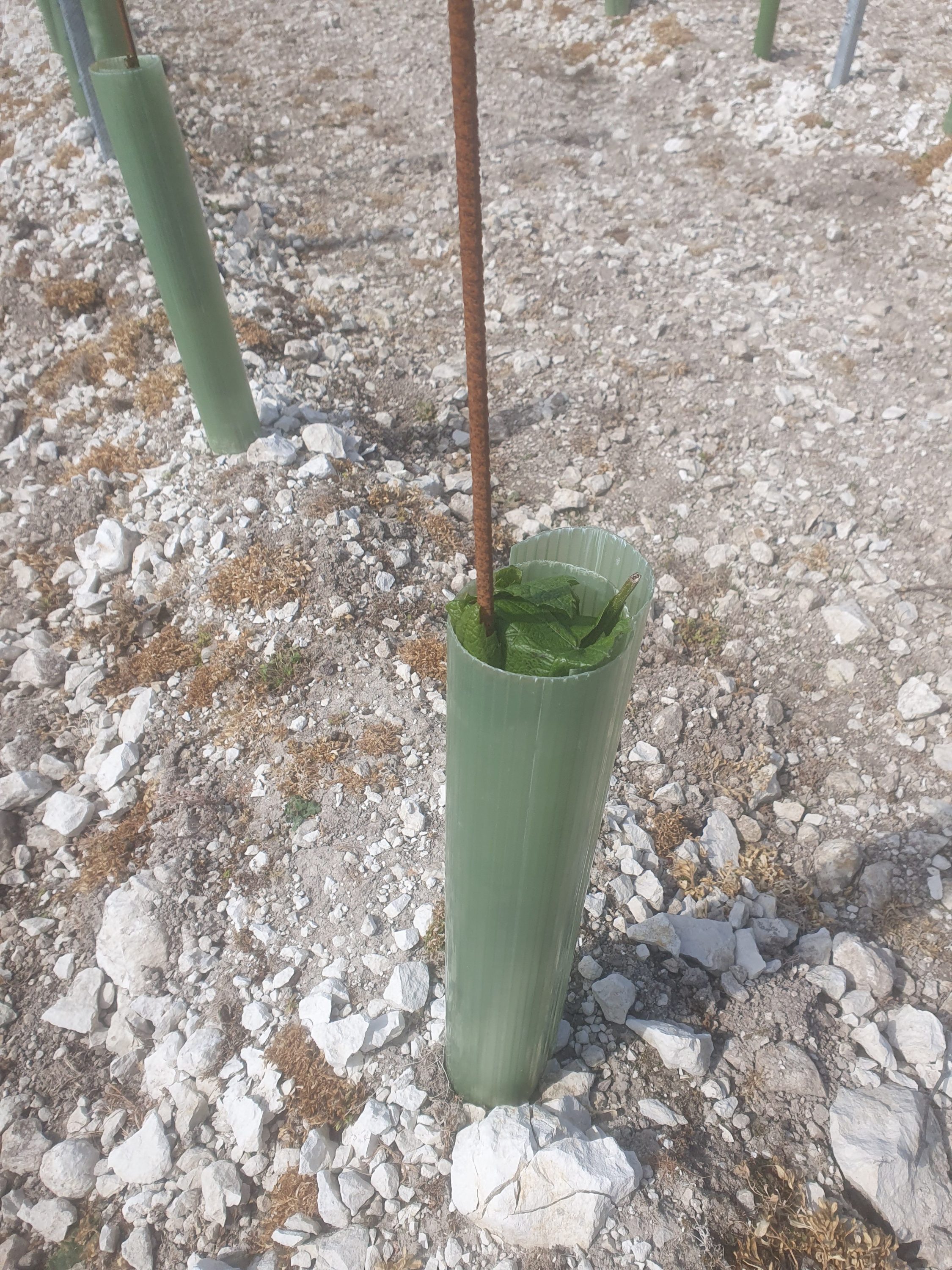
Rabbits remain one of the most common vineyard pests in the UK. Young vines are especially vulnerable, with rabbits often chewing bark around the base of the stem. This damage can weaken or kill newly established plants. Grow tubes and vine guards provide valuable protection during establishment.
Deer present a different challenge. Roe, fallow, and muntjac deer are now regularly encountered in vineyards across both rural and semi-urban areas. In spring, fresh vine growth becomes highly attractive to browsing deer, leading to stripped leaves, missing buds, and damaged shoots.
For long-term protection, fencing remains the most reliable solution. Deer fencing should generally stand at least 1.8 metres high and follow ground contours closely to prevent access beneath the fence line.
Bird damage
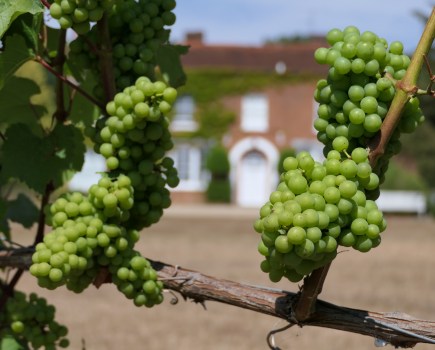
Bird pressure becomes particularly severe as grapes change colour and begin to ripen. Species including pigeons, starlings, and magpies can cause extensive crop losses within days.
Smaller birds often peck berries without fully eating them, piercing grape skins and creating entry points for fungal infections such as Botrytis cinerea, along with moulds and bacteria that reduce fruit quality and yield.
Large flocks can quickly strip exposed vineyard blocks, particularly those near woodland or roosting areas. Bird activity can also create hygiene concerns through droppings around fruiting zones and vineyard equipment.
Netting remains one of the most effective methods for protecting fruit during ripening. Side netting physically prevents birds from accessing the fruiting zone and is widely used across UK vineyards.
Additional deterrent methods are often used alongside netting. Falconry programmes introduce a visible predator presence, while gas guns and electronic distress-call systems may provide short-term relief.
Some vineyards are also trialing laser deterrent systems within vineyard rows during vulnerable periods. However, birds can become accustomed to repetitive deterrents over time, making a combined strategy more effective.
Integrated pest management
Modern vineyard protection increasingly relies on Integrated Pest Management (IPM), a sustainable approach that combines prevention, monitoring, cultural practices, and environmentally responsible control measures.
Healthy vines are naturally more resilient to pest and disease pressure, making good vineyard management the foundation of effective protection.
Canopy management improves airflow and sunlight penetration throughout the vine canopy, creating less favourable conditions for fungal diseases and reducing sheltered environments where pests thrive.
Weed control is equally important. Managing under-vine vegetation reduces cover for rodents and prevents unnecessary competition for water and nutrients.
Natural biodiversity
Encouraging biodiversity within and around the vineyard helps create a balanced ecosystem. Barn owl boxes can assist with rodent control, while swallows and bats help reduce populations of flying insects.
Native planting schemes, flowering headlands, and cover crops attract beneficial insects such as ladybirds and parasitic wasps, which naturally prey on common vineyard pests.
These measures not only support pest control but also contribute to the overall sustainability and resilience of the vineyard environment.
Long-term protection
Protecting vines from pests and wildlife is ultimately about proactive management rather than reactive solutions. Early investment in infrastructure, monitoring, and preventative measures can significantly reduce vine losses and protect future yields.
By understanding site-specific risks and implementing practical, sustainable protection strategies, growers can safeguard vine health, fruit quality, and long-term profitability – one vine at a time.