
Lucy Thomas is an independent wine tourism specialist who has visited nearly 100 English and Welsh vineyards. Here are six key take outs from her 2026 travels.
Since last year’s ‘What the wine tourist saw’ article I have another 25 British vineyard and winery visits under my belt, along with eight return visits across 18 counties.
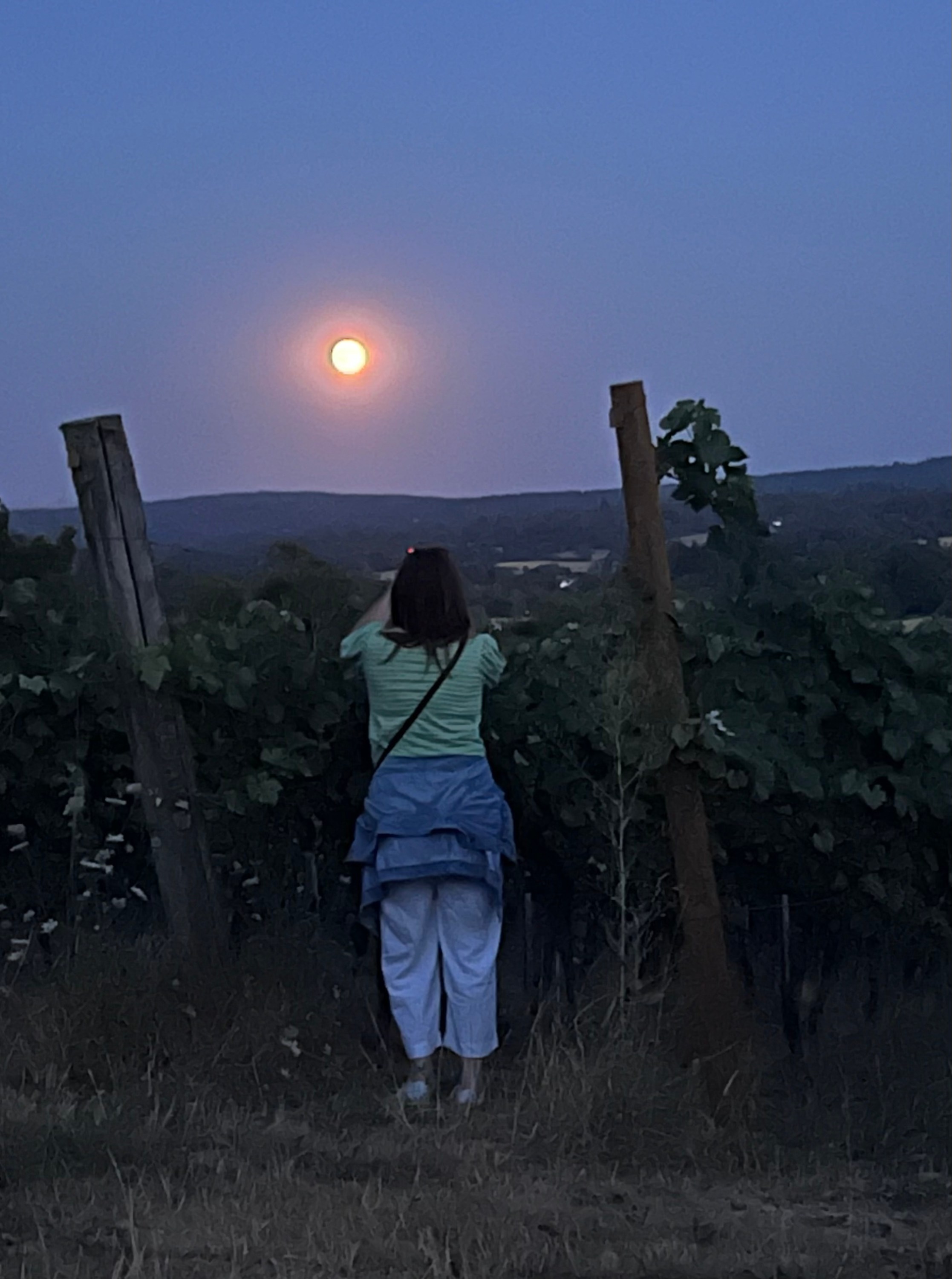
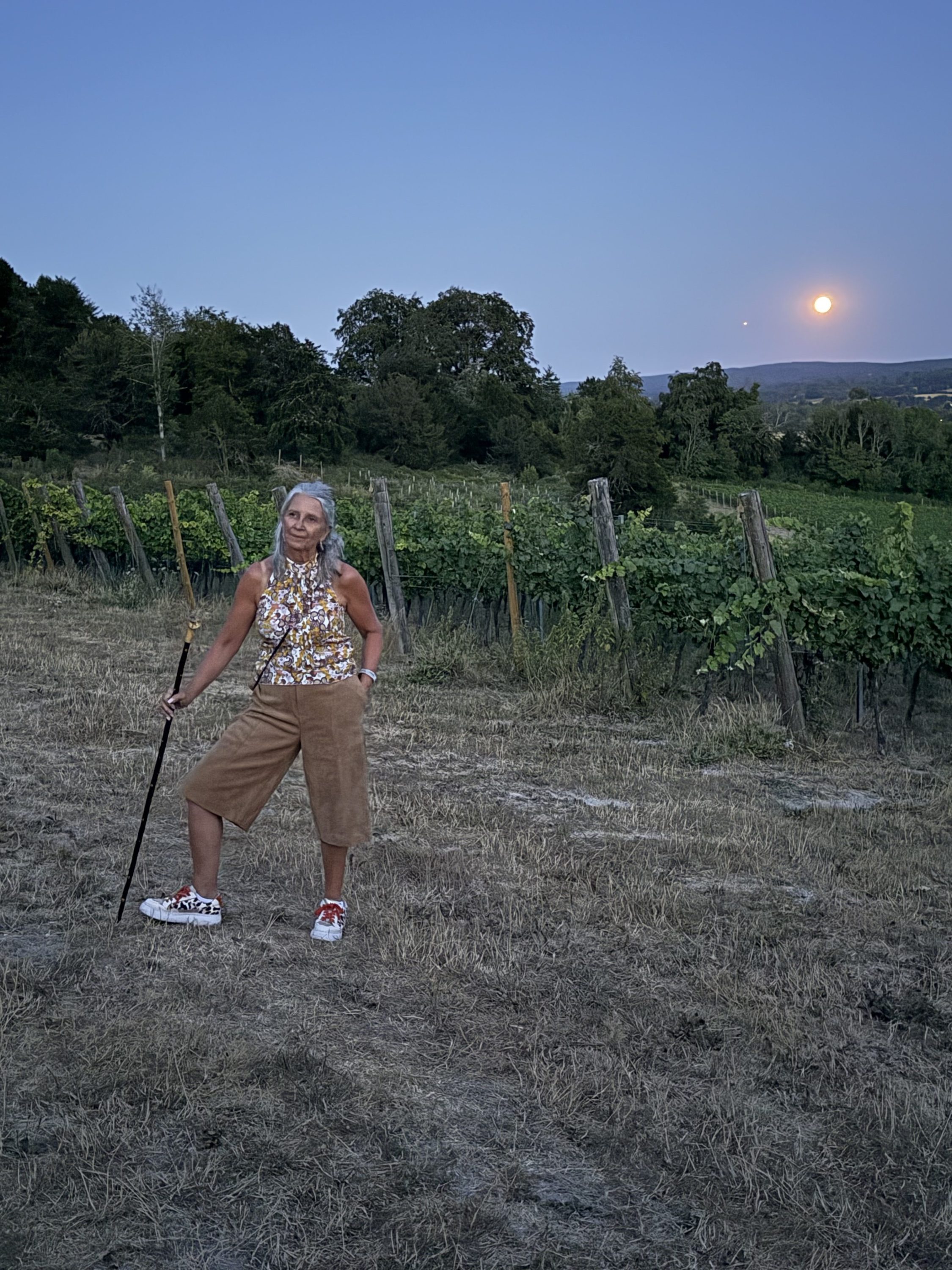
I have visited in every season, experienced early morning harvests, a summer moonlit walk and been to some of the oldest and some of the newest vineyards. I have met hundreds of wine tourists on my travels, many of whom were discovering vineyards in this country for the first time. This is what I’ve seen.
1. Greater regional support from Councils, LVEPs and local tourism platforms
Vineyards are gaining greater recognition as a valuable tourist attraction within the local visitor economy, and I have seen more organisations promoting these assets. I am sure many readers have noticed the impressive ‘The Kentish Wine Way’ campaign that is being amplified by vineyards across the county giving a powerful collaborative message about the number and breadth of vineyards open to visitors. But there are areas with far fewer hectares under vine that are also shining a spotlight on grape growing and wine making.
Visit Suffolk has brought their vineyards together into a Suffolk Wine Trail with examples of how to plan your vineyard adventures – there are suggestions of where to stay and eat to maximise the area’s food and drink scene. Visit Herefordshire has also put together information to inspire vineyard sleepovers, experiences and even local walks for wine lovers. If your local tourism platforms are not engaging perhaps these examples will help push the agenda.
2. Wine trails no longer defined by counties
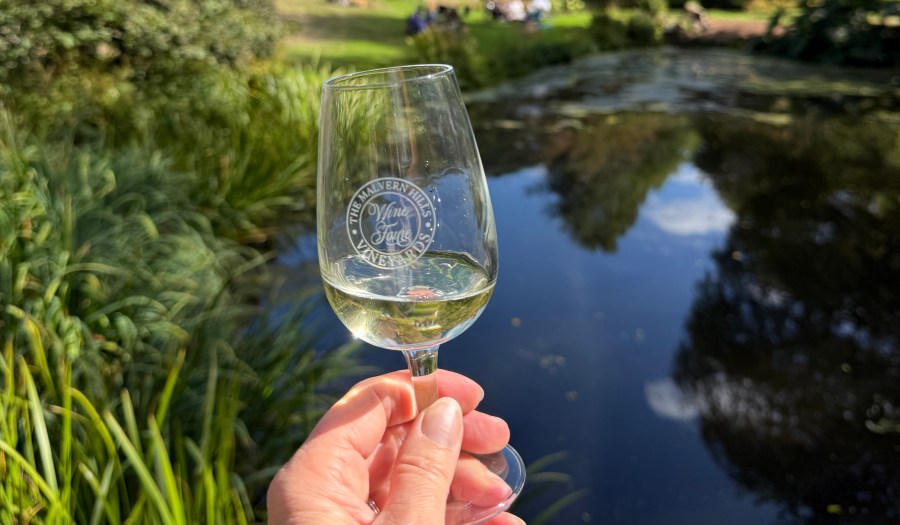
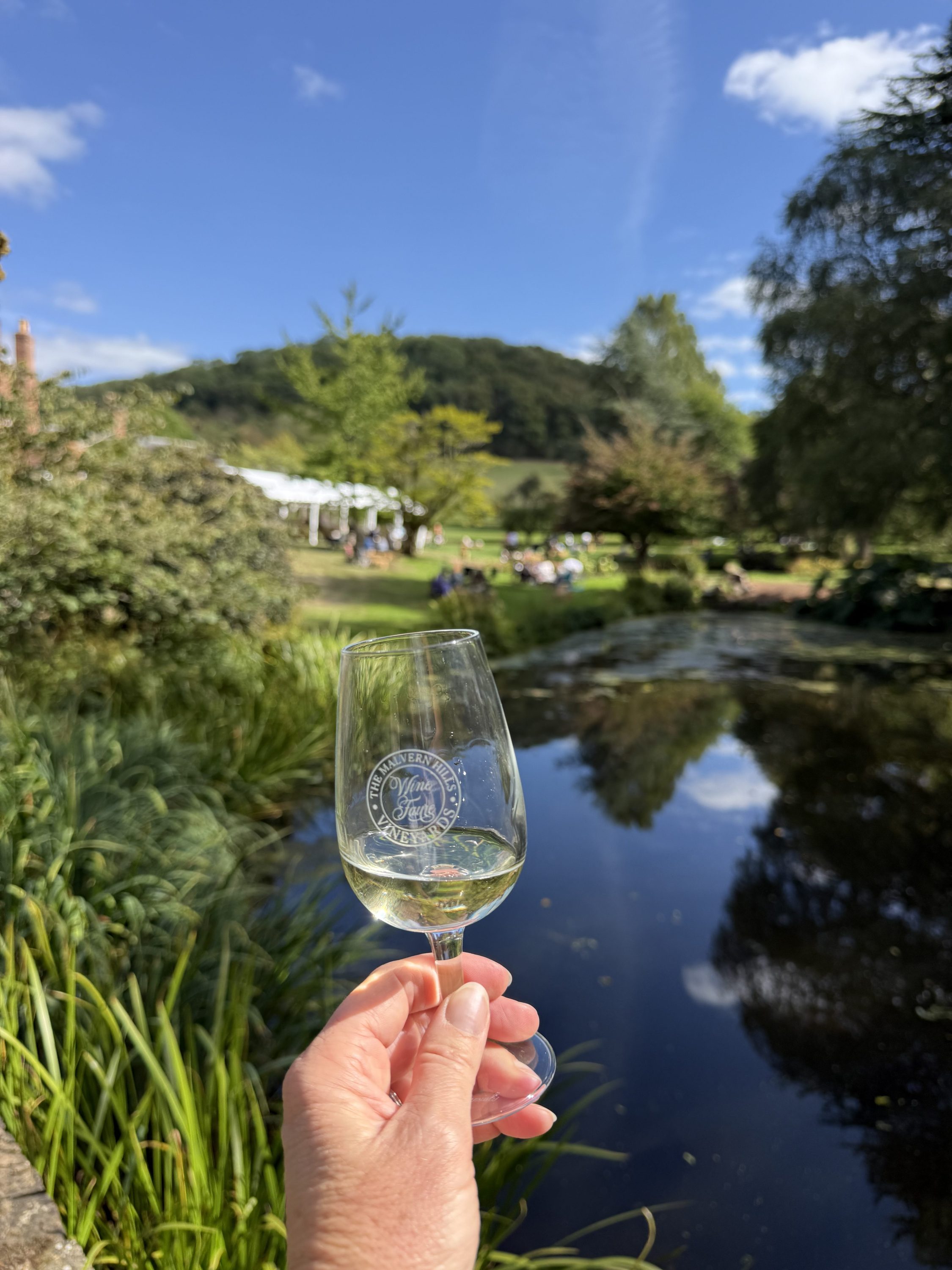
Not all wine regions sit neatly within county boundaries and there are now areas big and small grouping together to demonstrate a shared identity or terroir. The Severn Valley Wine Trail, Rother River Wine, Malvern Hills Vineyards are all examples of collaborations that focus more on common characteristics than the lines drawn on a map. They collectively project a strong affinity that locals and wider visitors to the area can relate to.
3. Benefits of buddying up
I have always been an advocate of ‘the more the merrier’. Why visit or taste from just one vineyard if you can do two (or even three)? There are plenty of vineyards that don’t sit within a wine trail but can benefit from collaborating with their neighbours to maximise visitors across multiple sites or at a collaborative event.
There were some great examples during English Wine Week this year. Woodchurch and Wayfarer Wines in Kent teamed up encouraging visitors to swap corks and bottle tops between venues to unlock special offers. Simple and fun. Four of London’s urban wineries got together to host an Ultimate English Wine Week Party. Wraxall Vineyard in Somerset hosted ‘Best of the Southwest’ with guest wines from across the region. I really believe that this type of collaborative working increases opportunities for all.
4. Wine tours to facilitate multiple vineyard visits
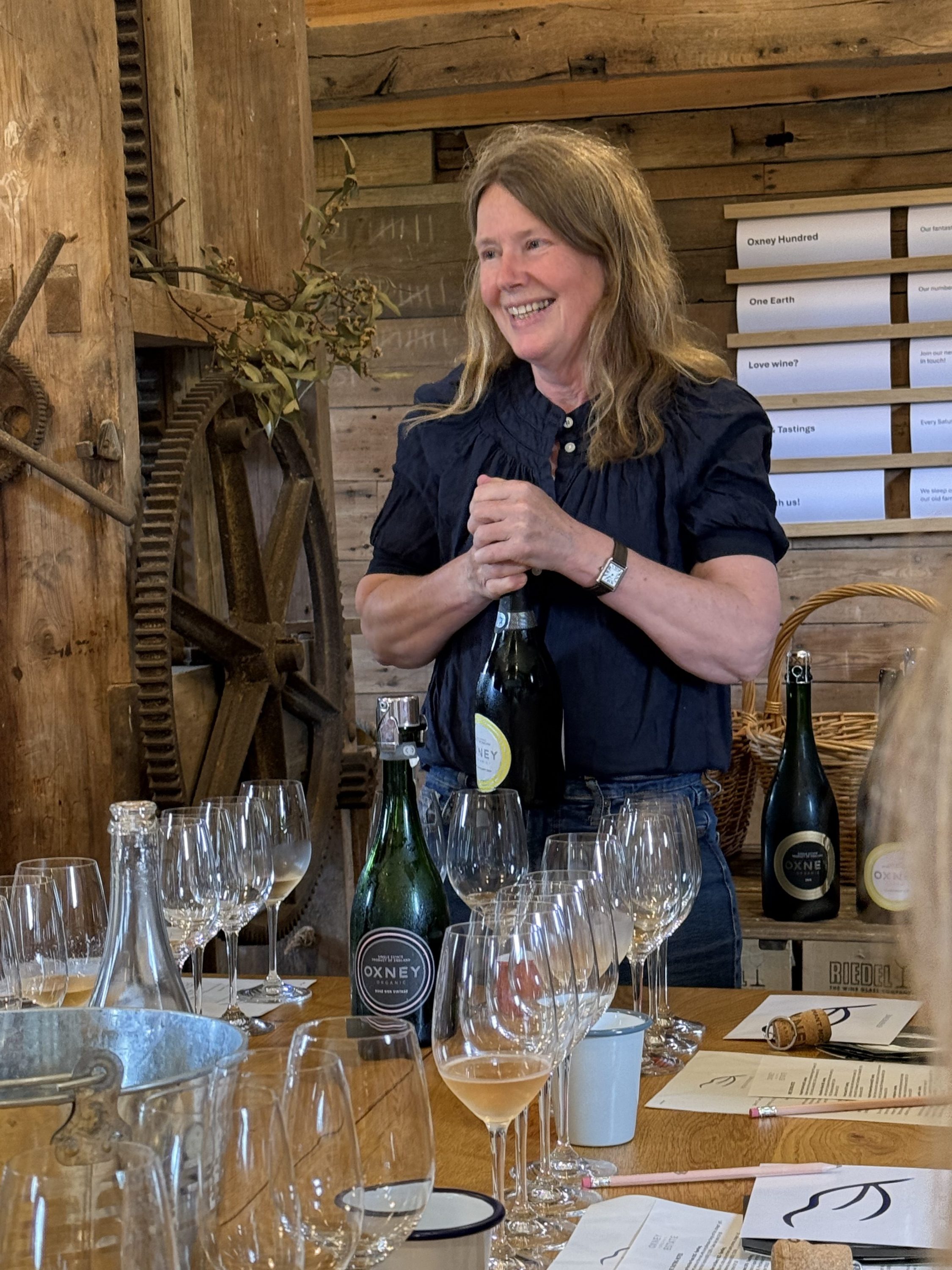
One of the big challenges still facing wine tourism in England and Wales is that you often need a designated driver. Whilst there are some vineyards walkable or a short taxi ride from stations there are an awful lot that are not, and getting between vineyards can be particularly problematic even though they are close by. Wine tours are a great solution to this, and I am delighted to see them growing. There are now multiple locations where you can be picked up at a convenient meeting point and transported between vineyards with a tailored experience at each stop. I joined the first Rother River Wine Tour visiting Oastbrook, Oxney Organic and Charles Palmer and it was such a pleasure to be met at the station and let someone else take care of all the logistics. This tour, with its rolling programme of vineyards, is supported by the local Council who recognise the value of wine tourism and the challenges that might prevent people from exploring this beautiful wine country. I hope we see more of this alongside the excellent private companies that are putting together fabulous packages to make multi vineyard visits easier and more accessible.
5. Increase in wine fairs and festivals
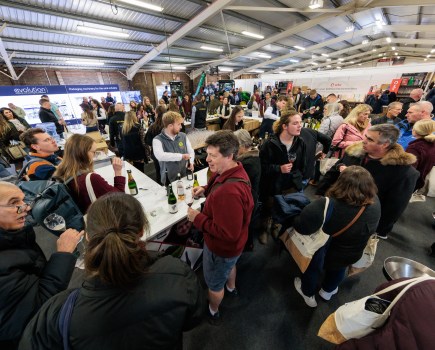
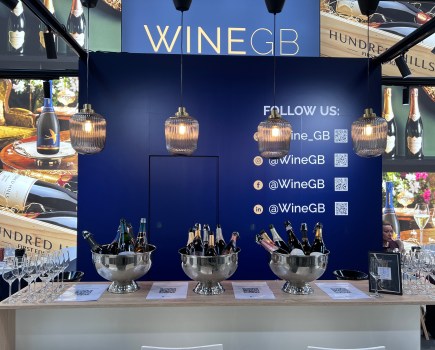
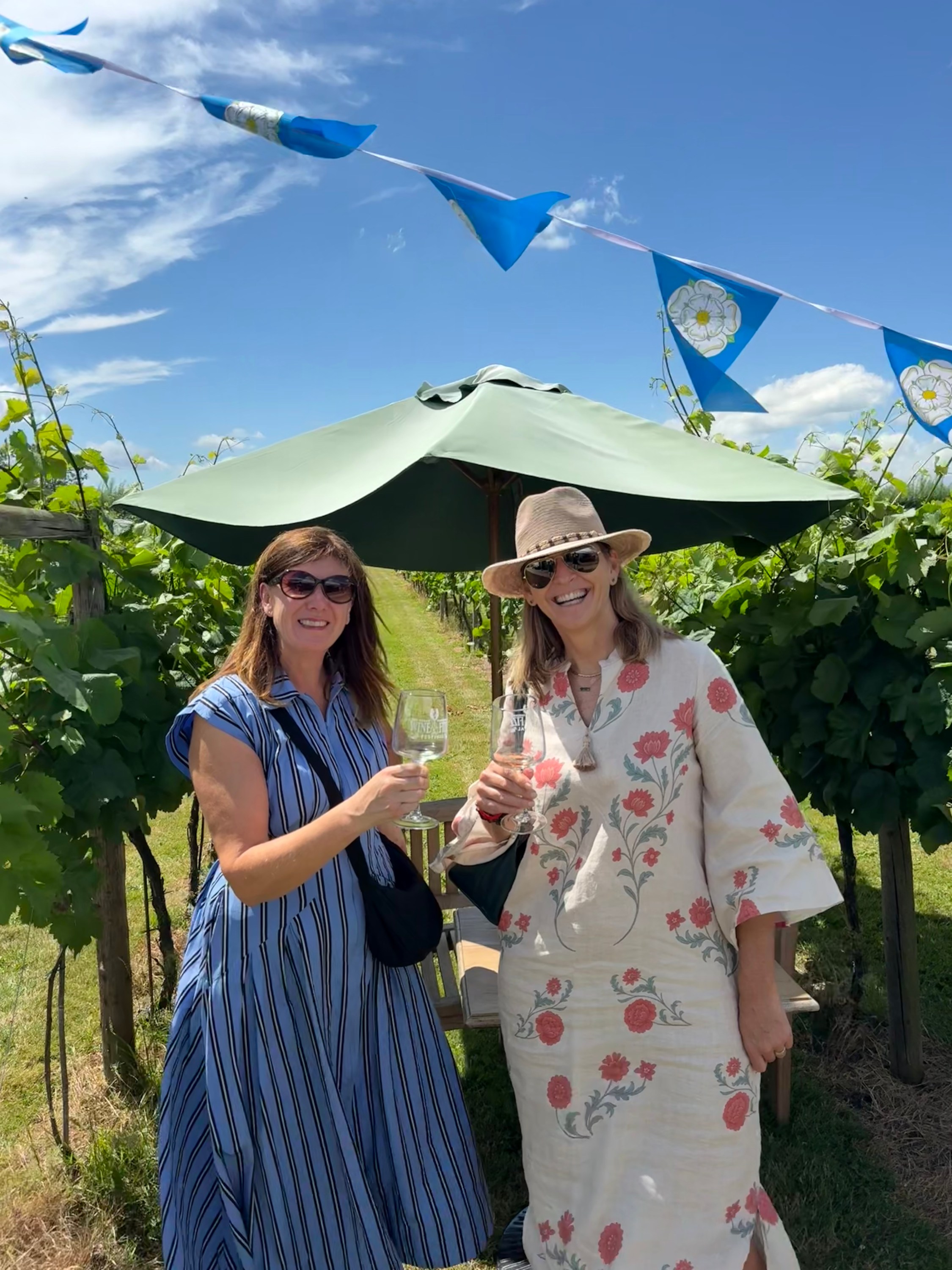
Making it easy for people to taste a broad range of English and Welsh wines builds interest and confidence that can be converted into wine tourism. I have noticed more English wines taking stands at larger wine events but even more exciting for me is the number of events dedicated to local wines or styles of wine making. I have enjoyed visiting new and established events this year across the country – some at vineyards and others at central venues. Many have included informative talks that have engaged and educated audiences. It has been fantastic to see the buzz they create and a whole new army of advocates being recruited. If I am judging the success of my year by the number of souvenir tasting glasses, it’s going very well.
6. Growth in experience-led tourism
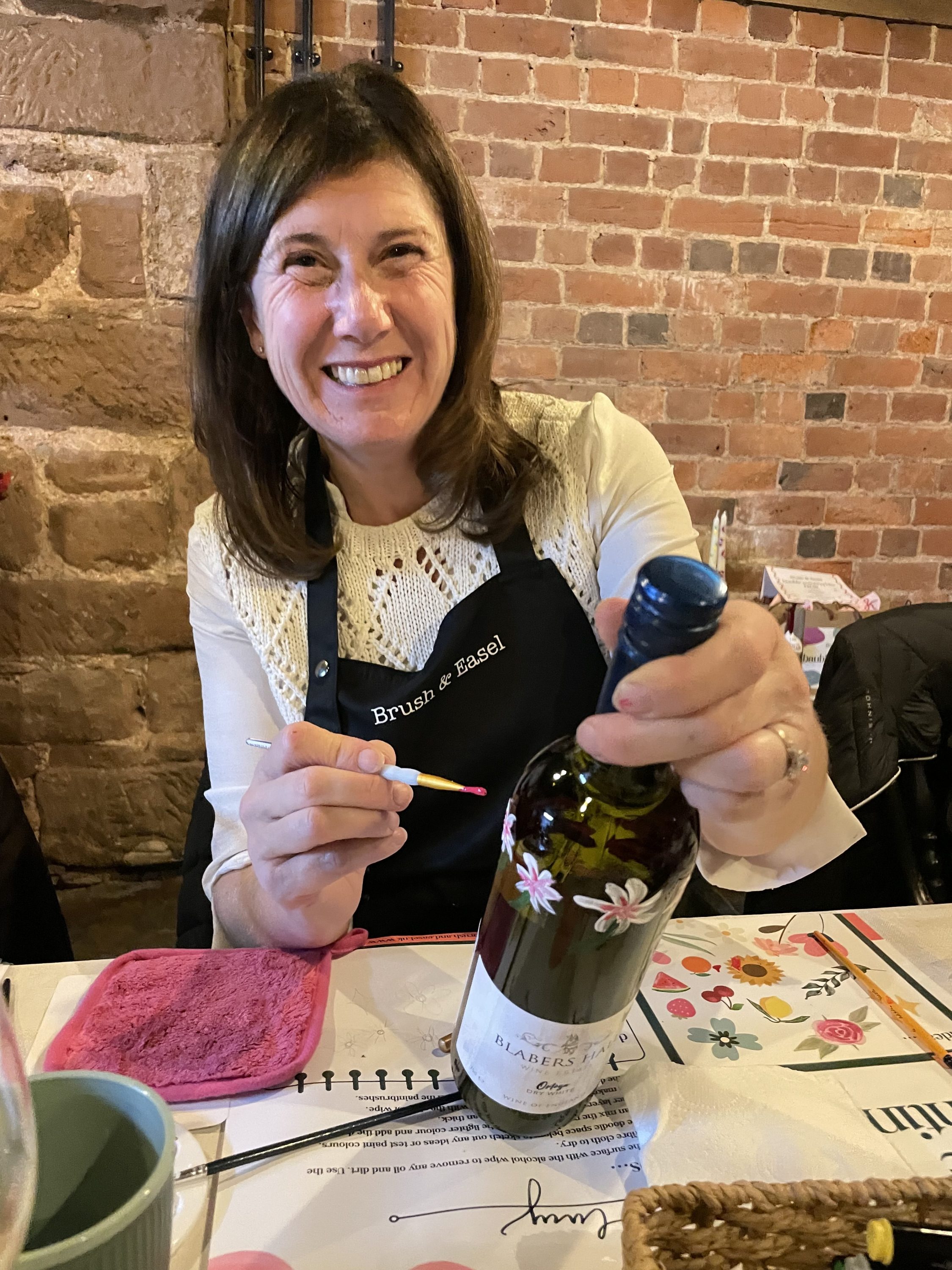
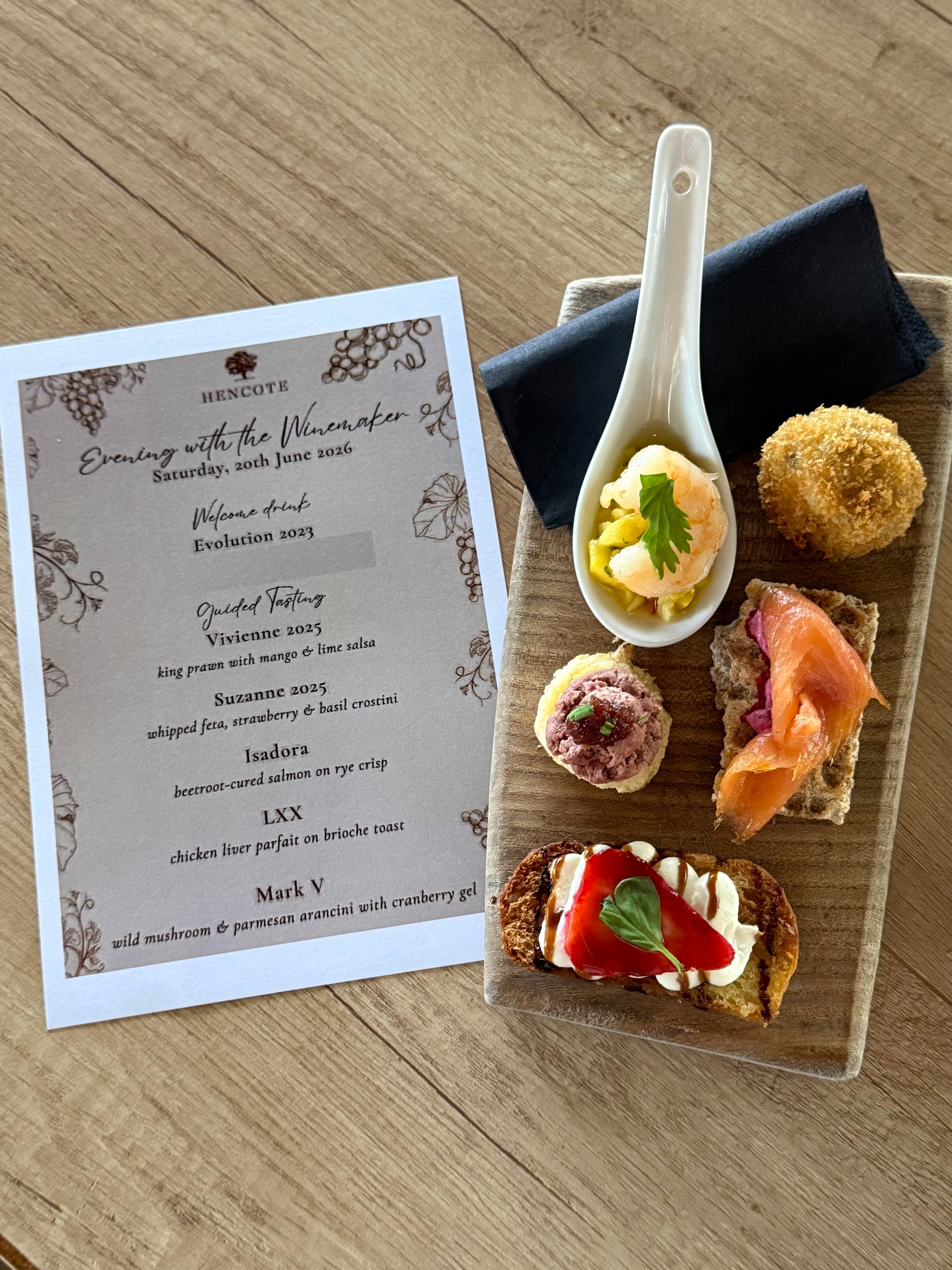
When it comes to immersive, hands-on, participative events, vineyards are a perfect location. Arts & crafts, wellness activities, culinary adventures all pair well with wine. I have seen an increase in bottle and glass painting events – and can say from experience that they are the perfect mindful activity. I definitely saw a correlation between the number of sips and the fabulousness of my artwork! This summer has been perfect for yoga in the vines and organised walks that end with a tasting. I have seen several vineyards collaborating with Jo Malone for scent and wine discovery experiences and for something fun and light-hearted Two Beacons were offering Putt & Pour – wine tasting and minigolf amongst the vines. Food and wine collaborations have reached new gastronomic heights. From paired canapes to Supper Clubs and partnerships with top local restaurants there has been plenty to keep the gourmets happy along with sensational street food.
This constant innovation is exciting and by partnering with local creatives, artisans and event organisers you draw in a wider audience who are not necessarily familiar with the vineyard but are attracted by the setting and will want to return.
With two beautiful summers behind us we go into 2027 with heightened consumer awareness of wine tourism and the magic of being in the vines. There is so much potential so be bold, inventive and continue to delight visitors.
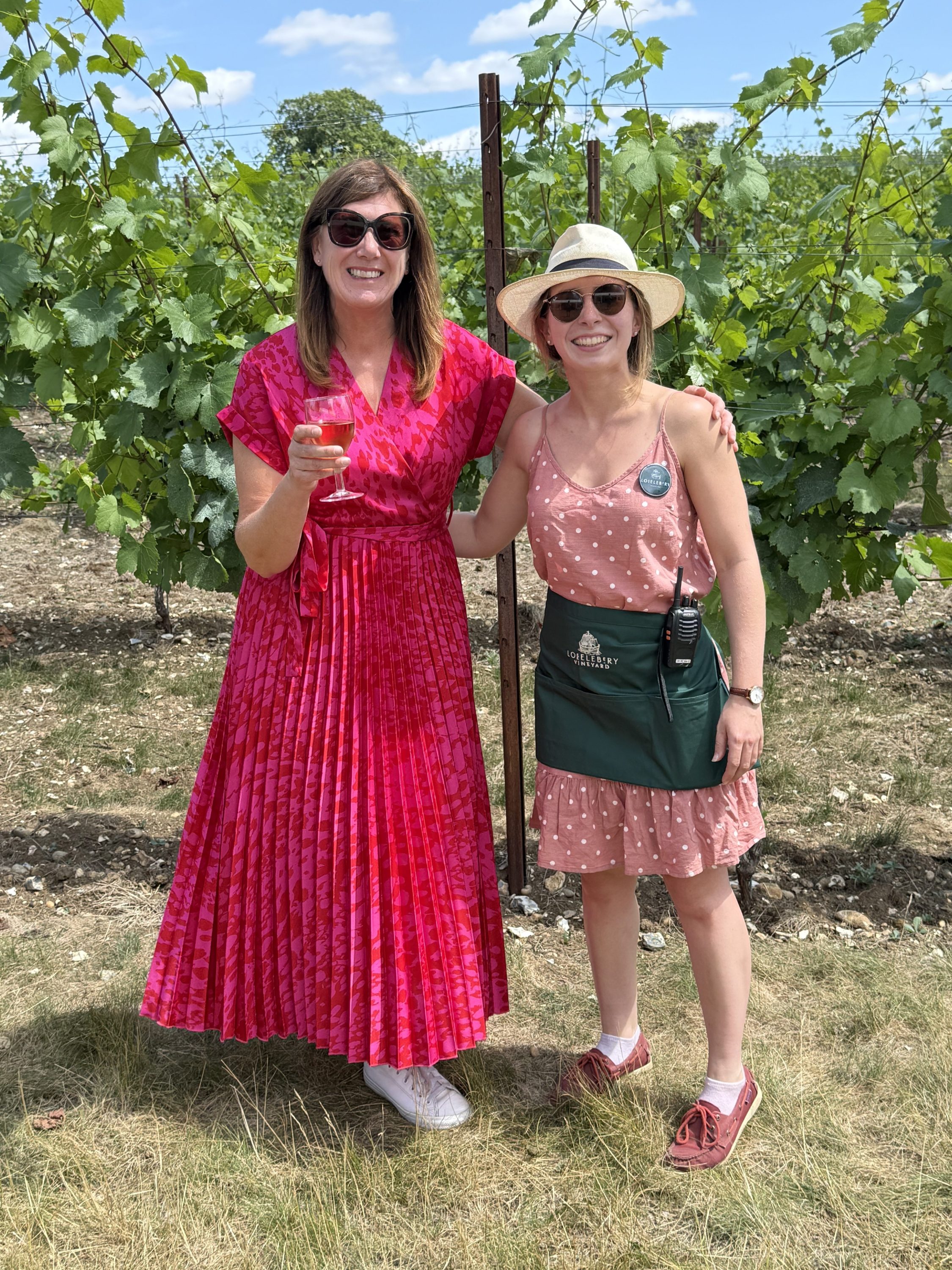
Lucy inspires people to visit vineyards at www.bestbritishbubbly.com and on Instagram @bestbritishbubbly She also provides tourism advice and support to help vineyards maximise their offering and visitor experience.