
Andrea Ontiveros Flores, a sommelier and marketing & communications specialist from Alicante, Spain discovers how international tourists are rediscovering Alicante through local wine.
For the past couple of years, I have spent time between London, UK, and Alicante, Spain – two very different wine worlds that have given me a front-row view of the contrast between long-established producers and emerging regions.
Moving back and forth between these markets has revealed not just differences in production styles, but also in how wines are perceived, chosen, and enjoyed towards both regions, even as many consumers remain unaware that England and Wales are becoming serious wine-producing countries. With this context in mind, my recent articles have explored consumer perceptions of established producers such as Spain and Italy in comparison with English and Welsh wines, where scepticism about the islands’ potential continues to surface. This time, however, I flip the script, following international tourists, mostly from England, as they travel Spain’s Wine Routes (Rutas del Vino) and experience the country as a wine destination. Along the way, I explore who these wine travellers are, the consumer attitudes and market behaviour, and how their preferences influence the way they discover and consume local wines.
When you think of Alicante, one of the first things that comes to mind is the classic sun-and-beach image of the Costa Blanca, yet the region’s connection to wine runs far deeper than tourism, with a history that stretches back even further than celebrated regions such as Rioja and Ribera del Duero. Alicante is home to one of the oldest Denominación de Origen (DO) not only in Spain, but in Europe with evidence of viticulture that dates to the 7th century BC, considered one of the oldest wineries on the Iberian Peninsula. Today, the region is best known for Monastrell, a powerful local red, and Moscatel de Alejandría, used for aromatic whites and sweet wines. The legendary Fondillón – a unique, long-aged red matured for over a decade, remains a source of local pride and cultural identity. Bringing this heritage together, the Ruta del Vino de Alicante links more than a dozen municipalities across the Vinalopó and Marina wine areas, offering tastings, food pairings, and cultural visits, and providing an ideal introduction to Alicante’s terroir and signature grape varieties.
So why, with such a rich wine history, is Alicante still less recognised than headline regions like Rioja or Ribera del Duero, especially among international visitors? The answer lies not in a lack of quality or relevance, but in limited promotion and awareness. Fortunately, this has begun to change over the past decade, thanks to a growing number of local and international campaigns aimed at positioning Alicante alongside Spain’s more famous wine regions. As a result, perceptions are slowly shifting, particularly among overseas tourists. To understand this evolution, it’s worth taking a closer look at who today’s visitors to Alicante are, and how open they are to trying local wines.
International visitors to Alicante range from casual holidaymakers to dedicated food and wine travellers. As a Ruta del Vino brand however, Alicante tends to attract visitors who are more open to engaging with local wine culture. Wine routes and wine-focused events encourage tourists to go beyond simply tasting wine, offering context around grape varieties, food pairings, and local viticulture. Informative tastings and storytelling are central to the experience, turning a glass of wine into a deeper connection with the region rather than just a casual sip. According to the Spanish Association of Wine Cities (ACEVIN), advanced wine knowledge is not a requirement for visiting Spain’s Wine Routes, but its latest report shows that most wine tourists are enthusiasts (36.8%), followed closely by passionate or highly engaged visitors (32.2%), a segment that has grown significantly in recent years. Beginners account for 15.8%, while professionals represent 12.9% – the fastest-growing group. Visitors with no connection to wine remain marginal at just 2.39%, a figure that continues to decline.
Across these segments, less experienced wine drinkers and casual travellers often rely on guides, sommeliers, or organised tours to introduce them to Alicante’s wine styles – learning about varieties such as Monastrell and Moscatel, and discovering Fondillón as a local speciality rather than defaulting to better-known Spanish regions, where perceived quality, familiarity and international brand recognition tend to be stronger. By contrast, wine enthusiasts and returning visitors are more inclined towards deeper, educational experiences, such as winery visits, barrel tastings, and time spent with winemakers. These travellers are typically curious about local terroir and winemaking techniques and are willing to look beyond Spain’s most famous labels, even if their prior exposure to the Alicante DO has been limited. In terms of international visitor groups, profiles vary, but most show a strong openness to discovering local wines. UK and Irish visitors form the largest group, with moderate wine knowledge but a high willingness to engage when guided.
Nordic travellers stand out for their interest in sustainability, adventurous palates, and local identity, while visitors from Germany and the Benelux tend to approach wine more analytically, valuing terroir explanations and a strong quality–price balance. Meanwhile, tourists from the USA and Canada are highly experience-driven and particularly receptive to premium local wines, making them one of the most responsive groups overall.
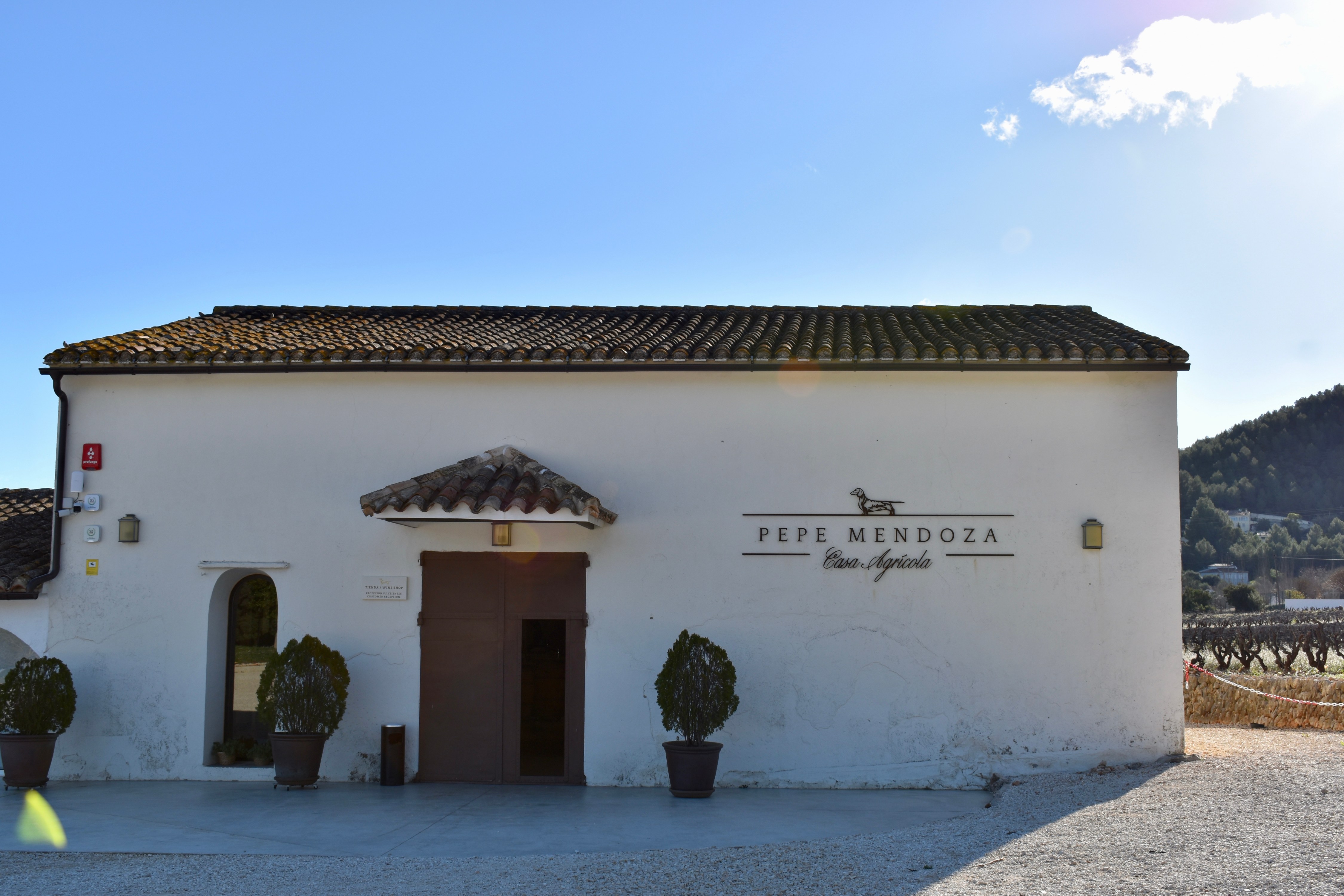
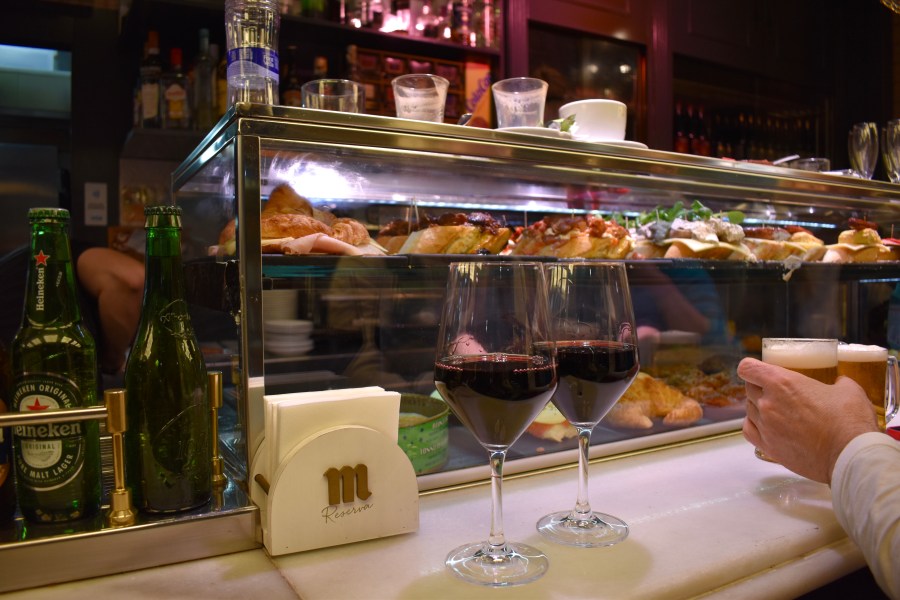
To see this through the eyes of the visitor, I visited two of Alicante’s most popular wine experiences for international tourists: Alicante Tasting Club, one of the city’s leading wine and food experiences for global visitors, offering visits to local wine bars and wine pairings with Mediterranean dishes, ideal for beginners and casual travellers; and Pepe Mendoza Vineyard – Wine Tasting Experience, led by one of the most respected winemakers in south-east Spain.
This boutique, family-owned winery is renowned for its organic, artisanal Mediterranean wines made from indigenous grape varieties such as Monastrell, and offers guided tastings and vineyard tours that are particularly well suited to wine enthusiasts and highly engaged visitors interested in local terroir and traditional techniques.
During my visit to the Alicante Tasting Club, I met Carlos, a local Alicantino and tour guide with long experience of working with international visitors. He explained that until about a decade ago, wine culture played only a minor role in Alicante’s tourism scene, with most visitors opting for beer or the ever-popular sangria. At the time, Rioja dominated wine lists across bars and restaurants. Today, the picture looks different: local wines now lead the offering, while Rioja and Ribera del Duero have taken on an increasingly secondary role. Carlos attributes this shift to the sustained efforts of the Ruta del Vino initiative and its young leadership, which has introduced fresh ideas aimed at positioning Alicante wines alongside Spain’s more established regions. While progress is clear, he acknowledges that there is still work ahead.
Most participants in Alicante wine tastings, he notes, are beginners, yet they arrive curious and eager to learn. International visitors, particularly from England, Germany, the Nordic countries and the Netherlands, show the greatest interest, and he was even surprised to encounter Australian visitors already familiar with Monastrell. Fondillón remains less familiar to global audiences, but it often leaves a lasting impression. Visitors frequently compare it to sherry or vino de Jerez, usually with pleasant surprise at its depth and historical character. It is among the wines most commonly taken home as a souvenir, alongside other local products from the Central Market (Mercado Central). Carlos estimates that at least a quarter of tour participants choose to purchase or consume something local during their visit.
It came as little surprise that, on my second visit – this time to the Pepe Mendoza vineyard, both international and local visitors explored local wine styles with increasing confidence, often setting aside familiar names in favour of regional expressions. During a tasting, one of the guides observed that many visitors arrive already engaged with the winery’s production methods, indigenous grape varieties, and terroir. This interest aligns closely with the philosophy of Casa Agrícola, Pepe Mendoza’s winery, which is grounded in respect for tradition, environmental care, and the Mediterranean character of Alicante wines. The vineyards are dry-farmed, organically managed, and frequently planted on ancient terraced plots with dry-stone walls, reflecting long-established agricultural practices. The focus remains on local grape varieties, particularly Monastrell, alongside Moscatel de Alexandria and Giró, with Syrah and Alicante Bouschet used selectively.
The estate is located in the Marina Alta zone of DO Alicante, with additional vineyards in the Alto Vinalopó comarca, this is not an especially easy location to access, requiring roughly an hour’s journey from Alicante city, which partly explains why the winery tends to attract a wine-focused audience, sometimes including sommeliers from around the world. However, this does not exclude less experienced visitors: both local and international tourists with limited prior wine knowledge still make the journey, drawn by curiosity and a willingness to learn and engage with local wine culture. Such adventurous attitudes are expected when visiting long-established wine-producing regions.
This contrast becomes evident when compared with emerging wine countries such as England and Wales, where choosing local wine often requires a more open-minded drinking behaviour, as the country itself plays a stronger role in shaping perceptions of quality, risk and value. Spain, by contrast, is one of the world’s oldest wine-producing nations, where origin alone carries deep cultural credibility. In Alicante and its surrounding towns, wine shelves are dominated by Spanish labels, and both locals and visitors tend to choose domestic wines by default. In England and Wales, however, wine lists are largely composed of international bottles from a wide range of producing countries.
Overall, international tourists in Alicante do not limit themselves to well-known Spanish names such as Rioja, particularly when engaging in wine tourism experiences. Many arrive curious and open to learning, guided by tastings and storytelling that bring Alicante’s distinctive wine heritage into focus. While some visitors initially gravitate towards familiar labels, a significant number prove more adventurous, leaving with a deeper appreciation for local grape varieties and the region’s winemaking identity. As a result, although Rioja, Ribera del Duero and other major Spanish appellations remain reassuring reference points for some tourists, Alicante wines receive considerable attention, especially through structured tastings and guided wine tours.

Central Market Alicante – wine tasting tour
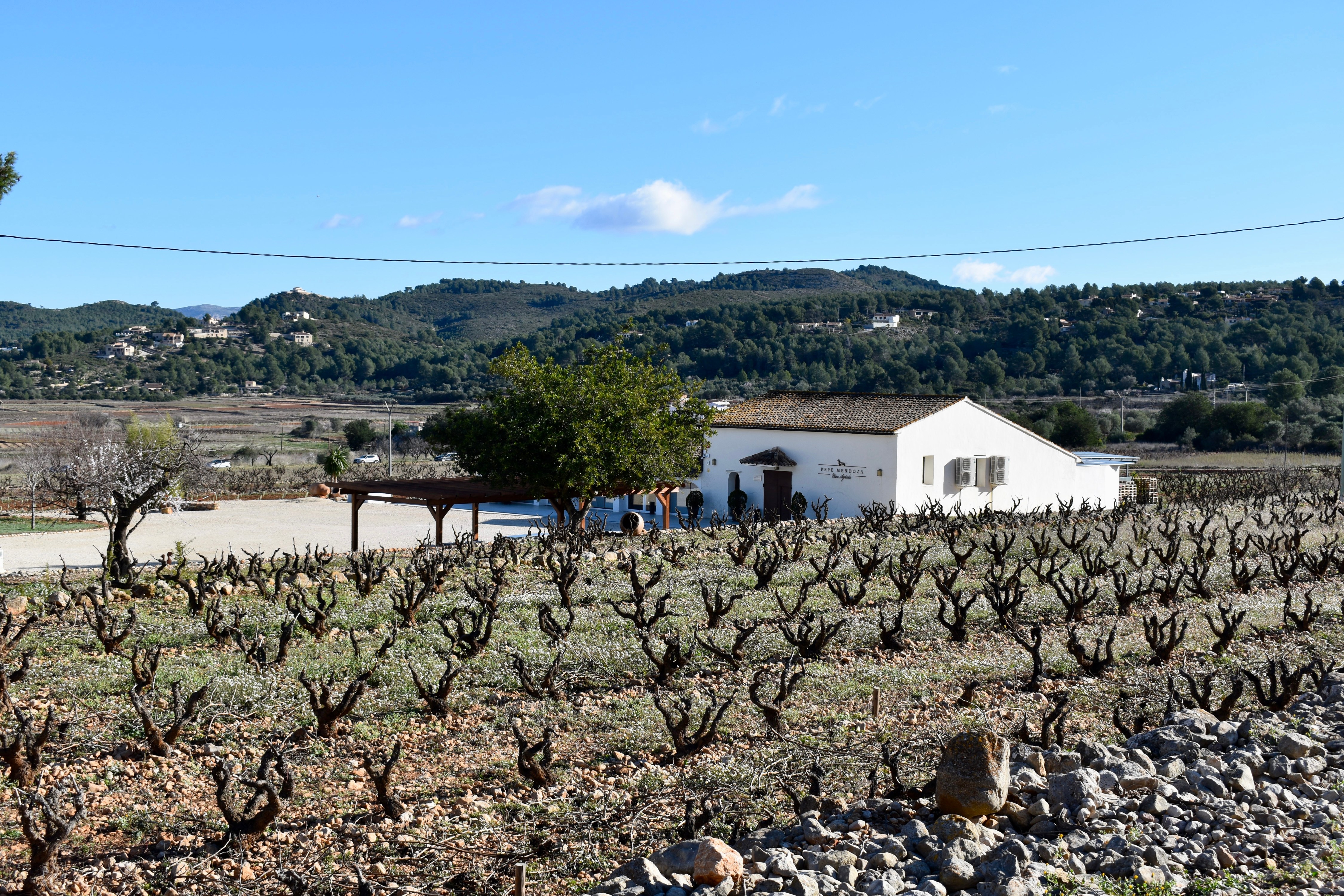
Pepe Mendoza Vineyard

Central Market Alicante – wine tasting tour
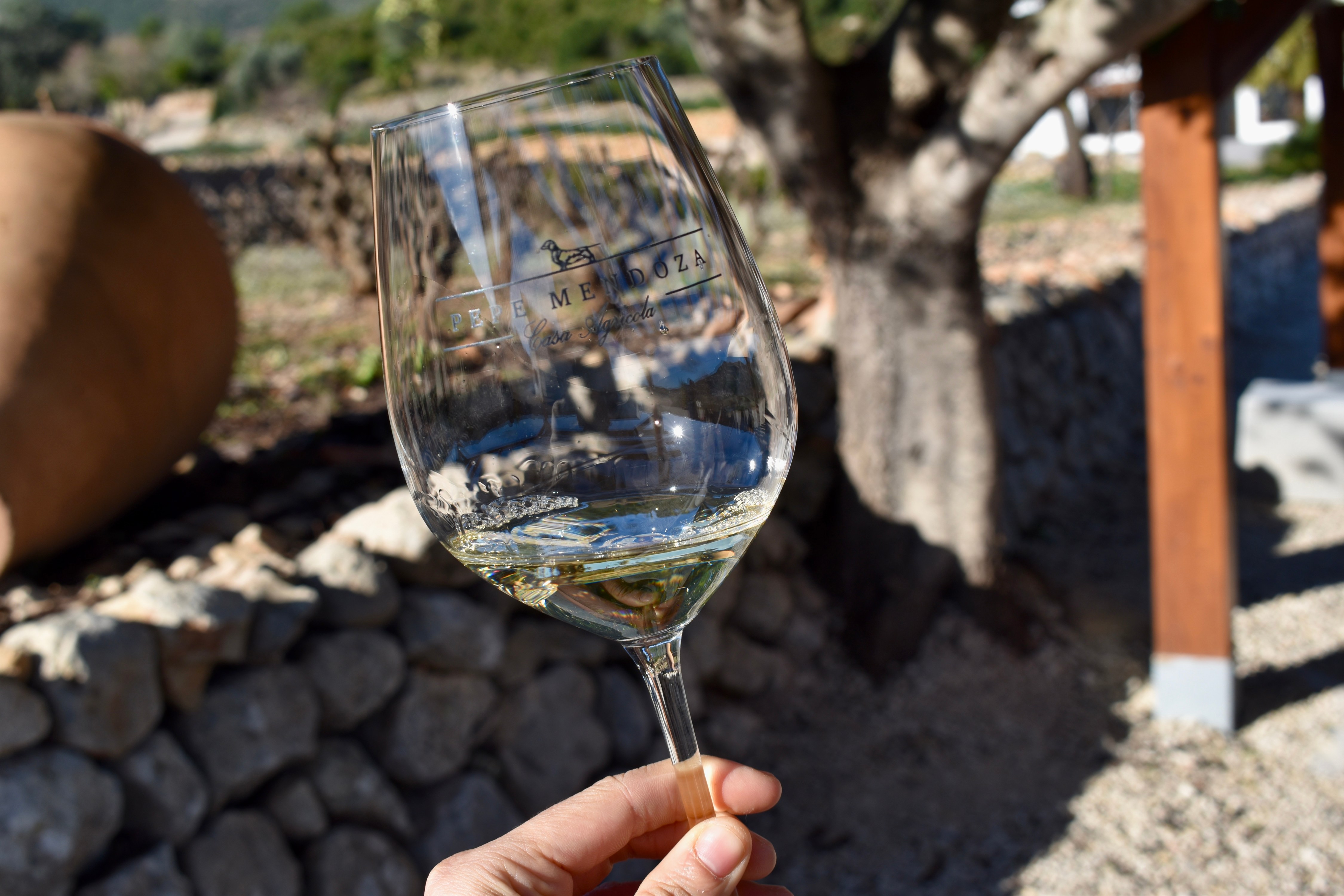
Pepe Mendoza Vineyard
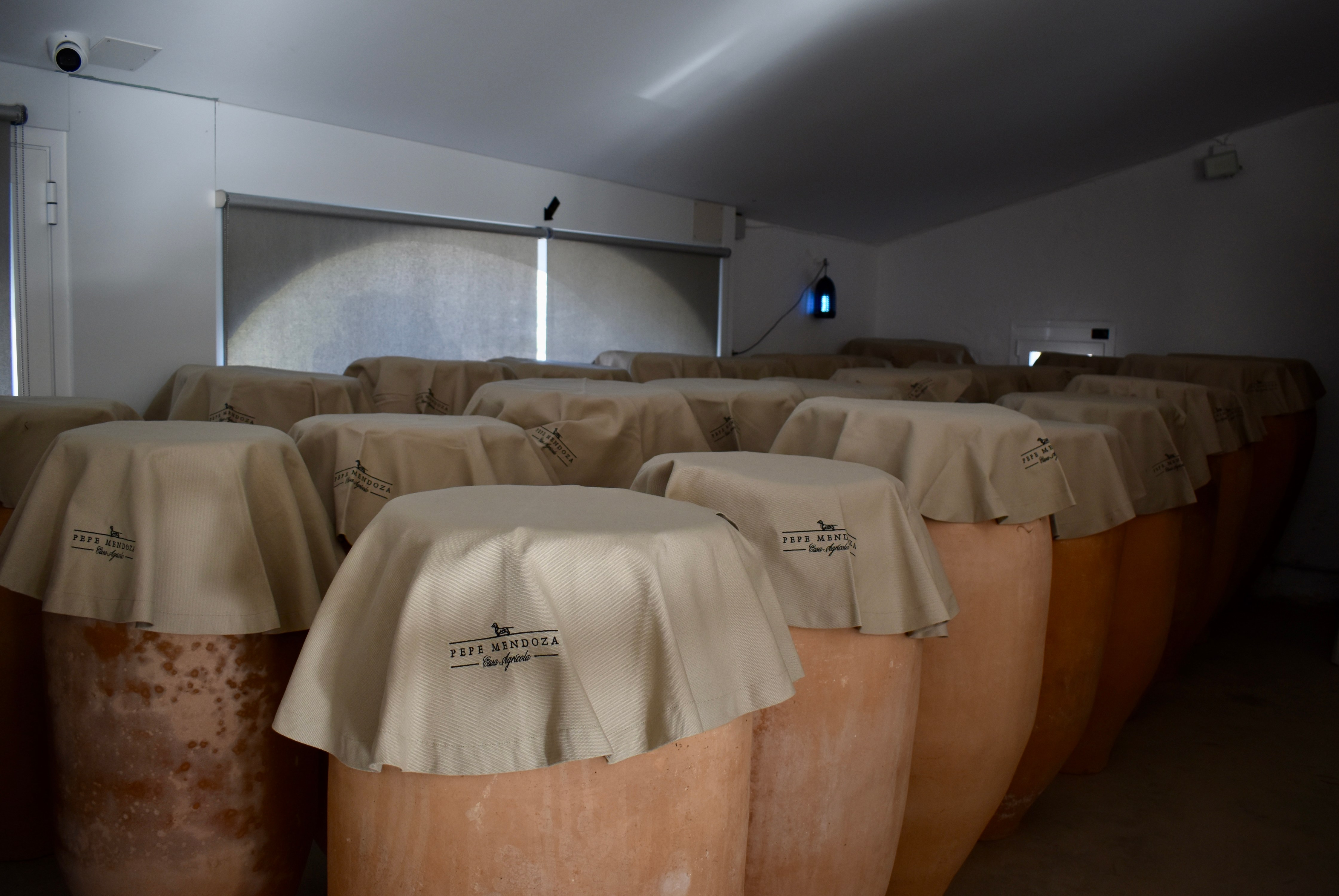
Pepe Mendoza Vineyard
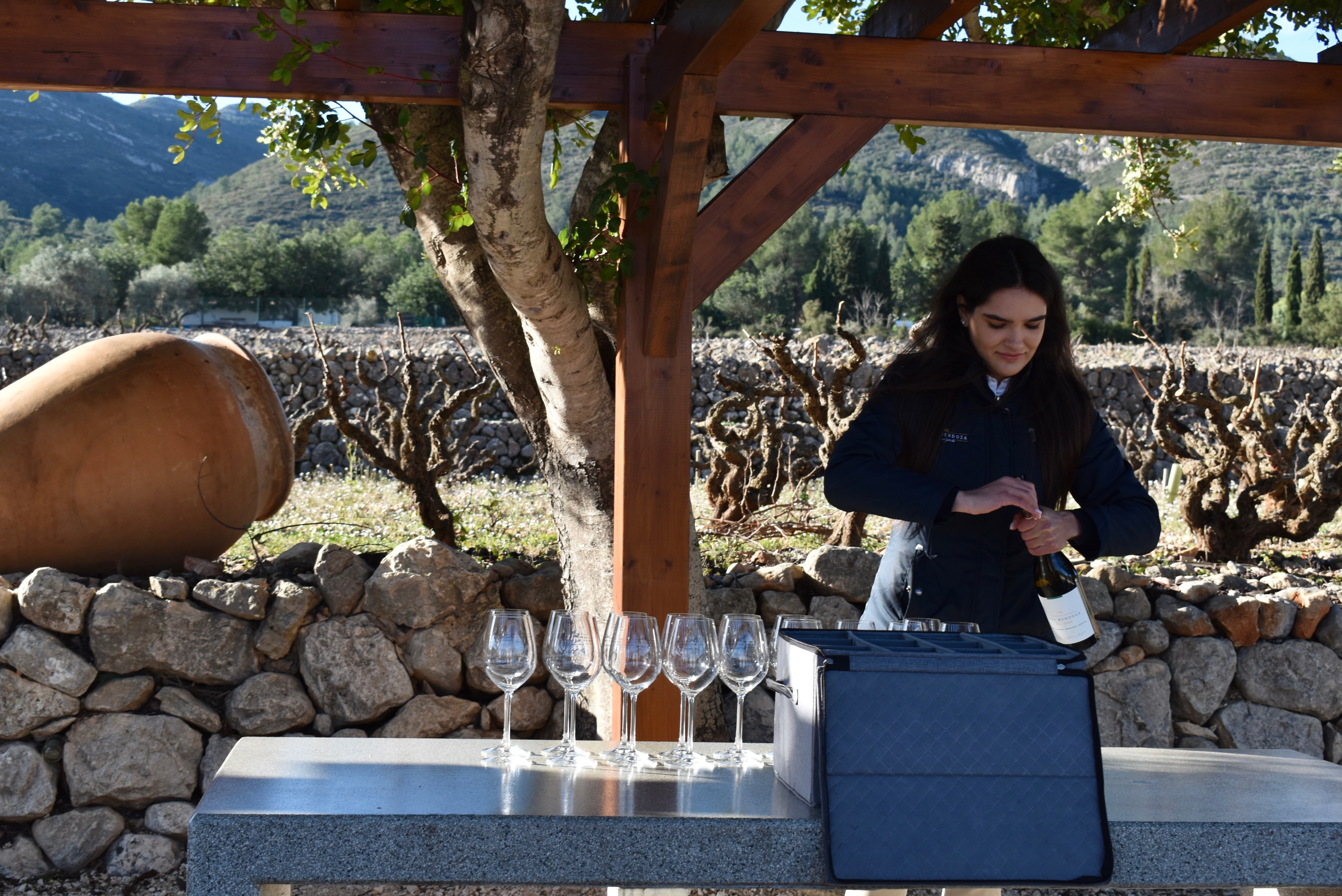
Pepe Mendoza Vineyard