
It was officially the first day of winter when Vineyard Magazine visited Oast Wood Vineyard in the Weald of Kent.
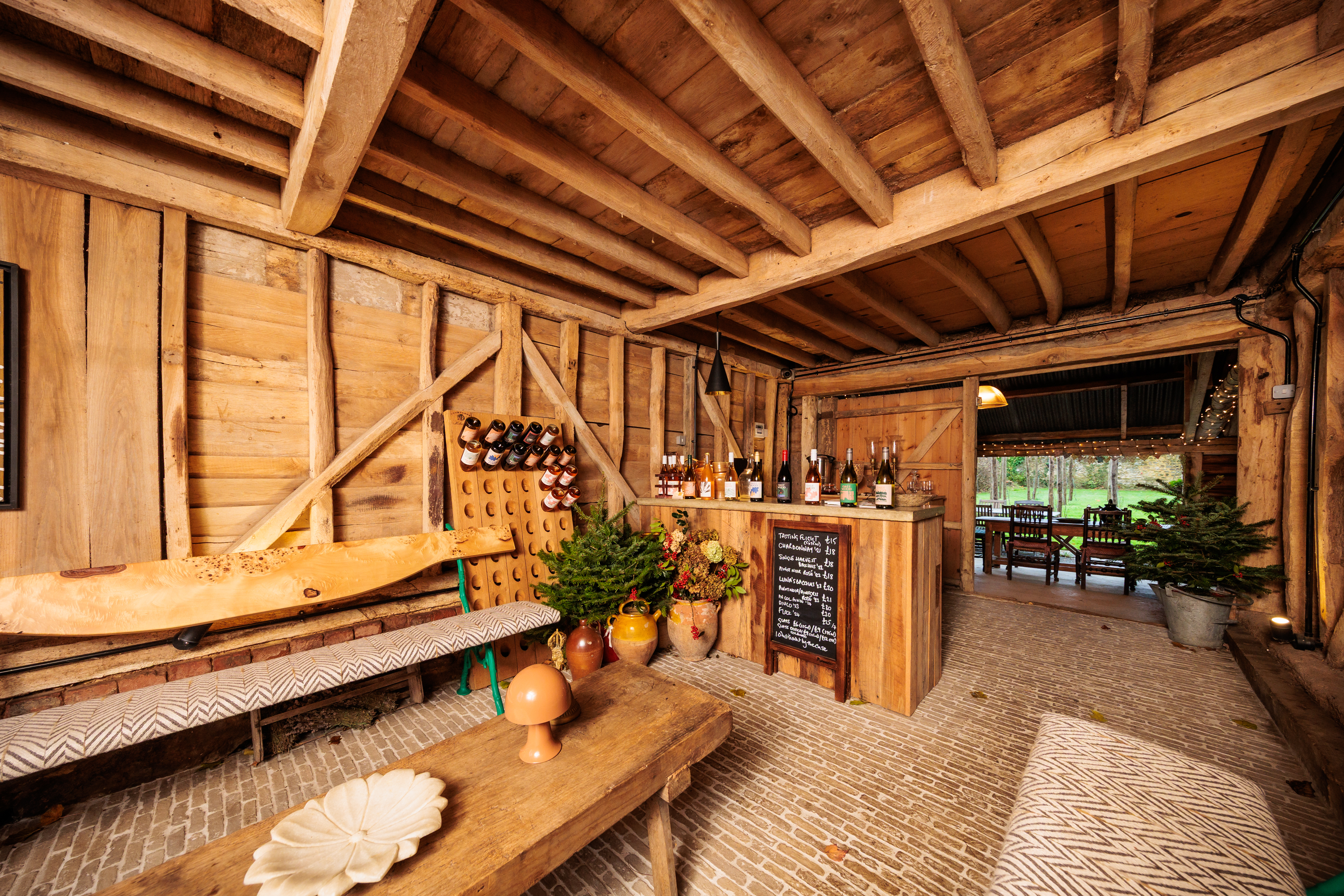
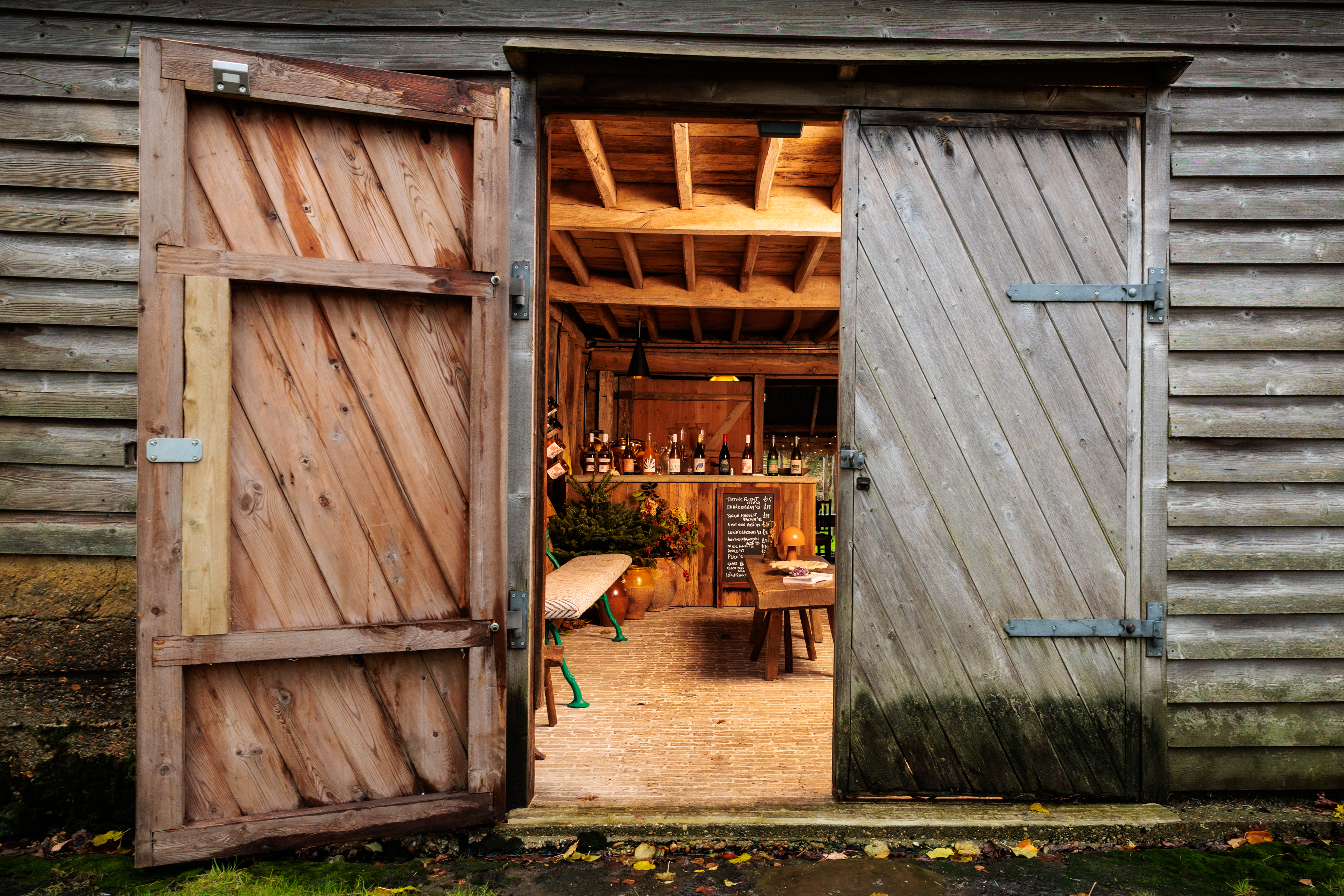
The agricultural calendar and the corresponding weather were however at odds with the warm atmosphere that instantly meets visitors to the tasting room at Oast Wood. There is a grace and elegance combined with a relaxed and friendly mood that gives visitors a feeling that this is the perfect place to be yourself.
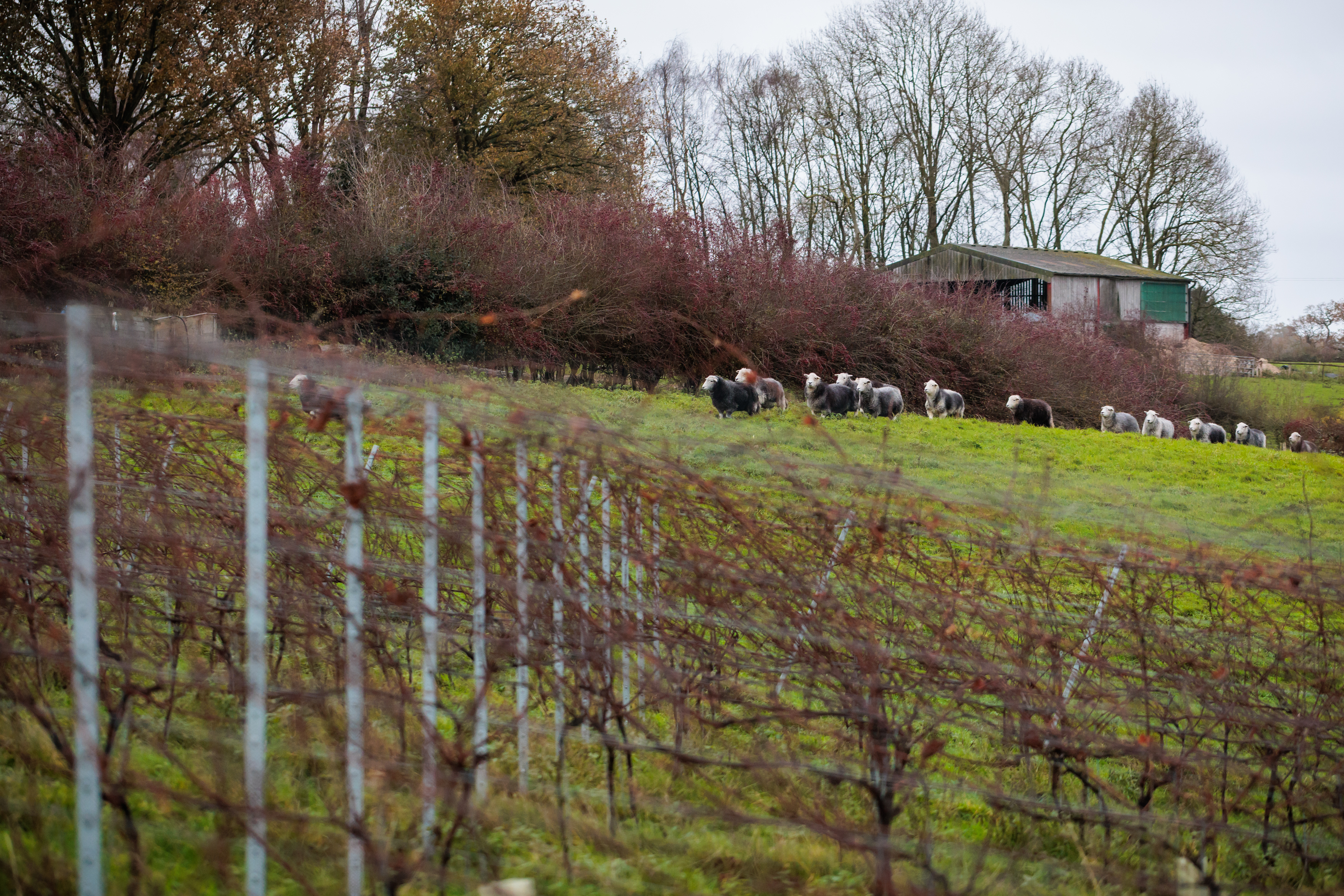
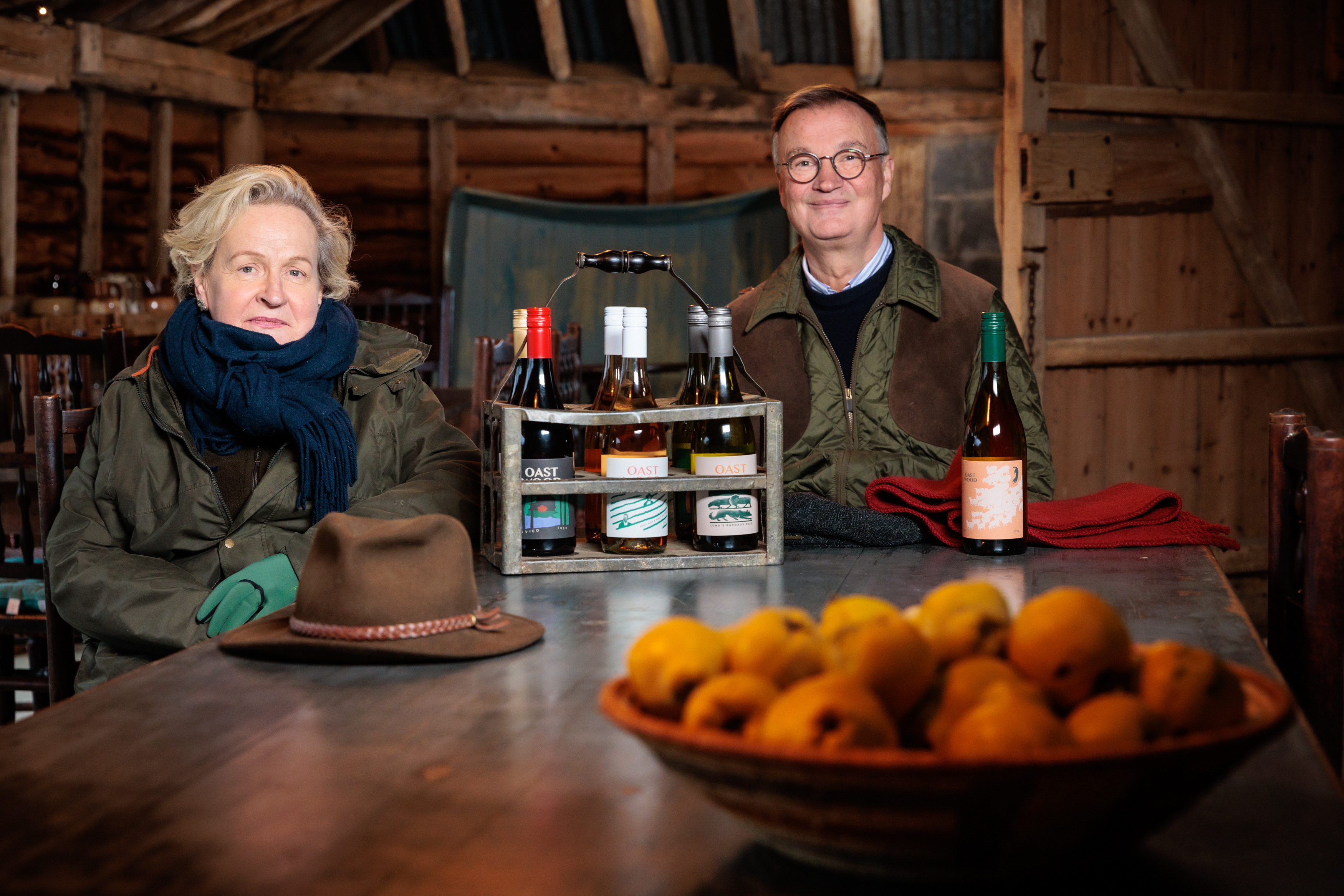
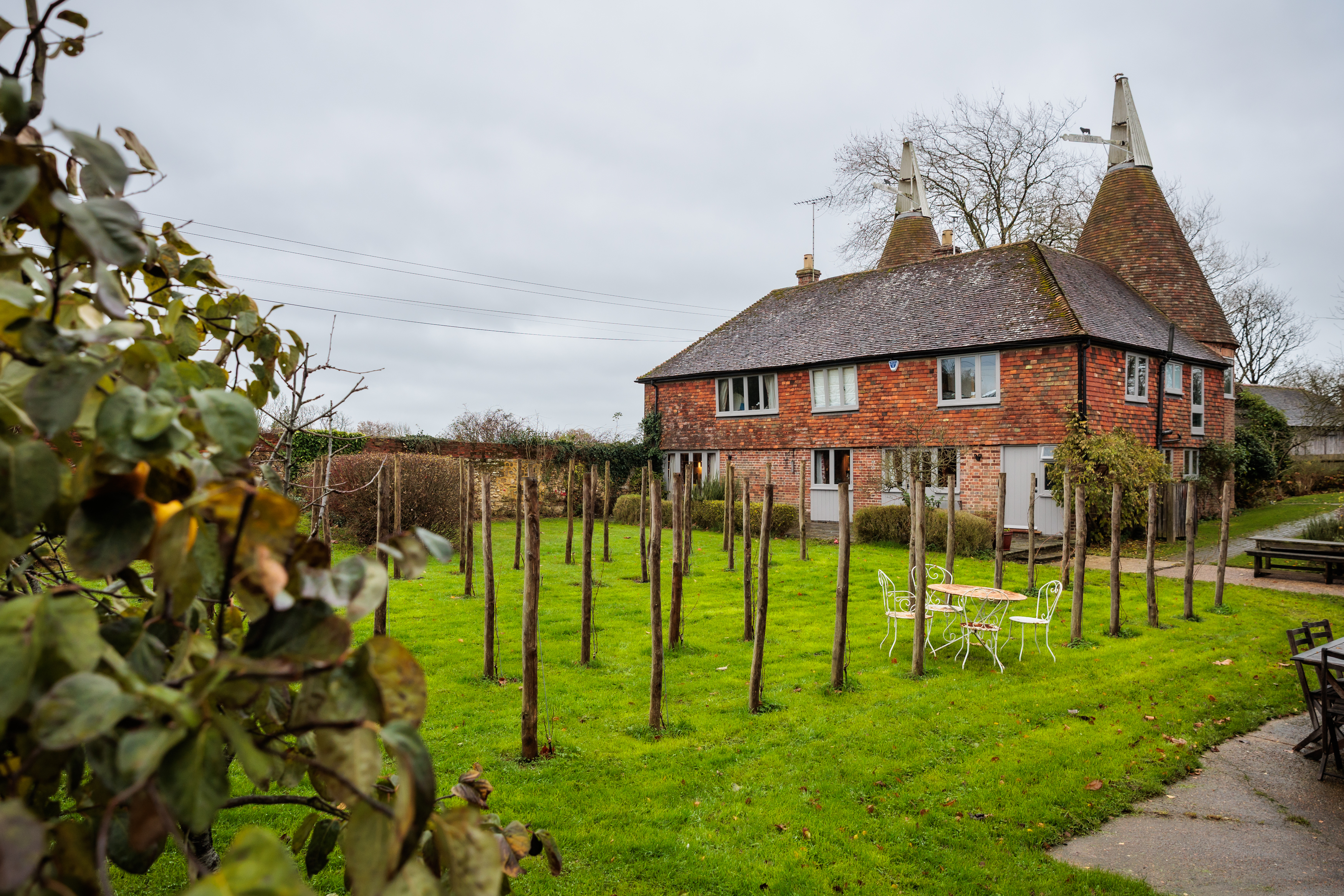
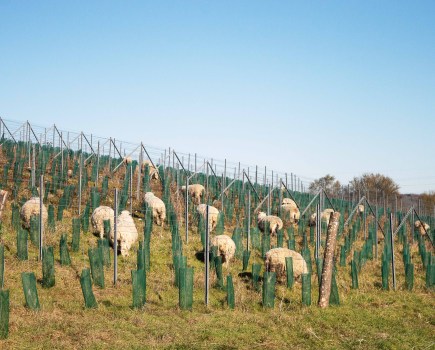
Stephen and Kate Sidebottom moved to the picturesque Potts Farm in Tenterden nearly 30 years ago and have farmed sheep on this land for decades. At the height of production the flock numbers were as high as 300 but production is now limited to Texels and Herdwick breeds. The Herdwick sheep are both independent and very unique and these characteristics seem fitting for this six acre vineyard planted at the northern end of the Rother Valley.
Kate originally studied and practiced law but it is clear that farming and the farming community are where her real heart lies. Kate has embraced her role as a farmer and has also been welcomed into the local farming community. “One local farmer told me ‘they won’t make any more land so make the most of it, but be careful not to over extend yourself’ and I have taken that advice on board. Everything we have done has been a slow process here and we have thought about every project very carefully,” said Kate with real affection in her voice. Lookering the sheep that run through the vineyard at this time of year and walking the vines with her beloved dog Luna faithfully at her side Kate joked that at least the vines don’t run away and then added with a wistful smile: “I feel really privileged to work the land and enjoy this view every day.”
The farm has been run from the start with the intention of constantly improving the landscape. “Observing turtle doves or dormice is the best reassurance we can have that we are improving the landscape,” said Stephen. “Family farms need to adapt. There is no luxury of time to make nature gains, we have to act now,” said Kate.
Stephen explained that Potts Farm was part of an agricultural landscape that dated back to the 14th century. “There are ancient hedgerows, ancient woodlands and rights of way, along with hammer ponds across the farm. The farms in this area are all designed with a double or single open courtyard so that the pigs could be driven to Tenterden high street for the market,” he said. The landscape has continued to adapt and organically expand its reach with both hops and cattle added in the 18th century and now at Potts Farm vines are a new part of that old tradition.
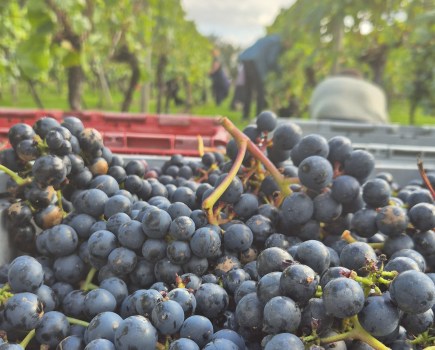
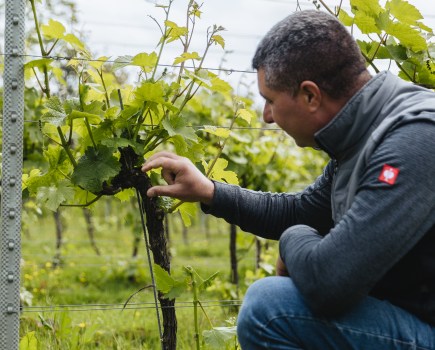
Planted in 2021 the 12,000 vines are reflective of a living landscape. The vines are planted next to an area of ancient woodland that is breathtakingly beautiful “preservation does not mean standing still,” said Stephen and the choice of varieties reflects this ethos. Alongside Pinot Noir, Pinot Gris and Bacchus is planted the PIWI variety Divico.
This being one of the earliest plantings of Divico in England and Wales, the choice reflects the same measured bravery that led Stephen and Kate to purchase this farm three decades ago. “We wanted to embrace new varieties that offer the chance to develop new and innovative wine styles but we also wanted to have very recognisable grape varieties planted here,” said Stephen.
The Pinot Noir may be a traditional choice but it is a versatile grape and Stephen and Kate alongside the team at VineWorks worked hard at the planning stage to maximise the wine styles that can be produced.
On a mixture of rootstocks selected to deal with the fertile soil that is a mix of sandstone, clay, loam and Ironstone, and there are five clones of Pinot Noir. “We have Pinot Noir 777 which was planted with the idea of still red plus we also have 386 and 521 which in 2025 have produced grapes that were selected to make a wild ferment still Rosé,” said Stephen who clearly has a passion for wine as an expression of the environment.
“We want to have fun, enjoy the grapes and be creative,” said Stephen. “We lean into what the harvest delivers which means the wines will be different year on year but what we always want is every wine to be good wine. The lamb and wool that we produce has always been of the finest quality and so our wine should be the same,” said Kate.
Tours of the vineyard are available for groups of varying sizes up to a maximum of 20 people. Stephen who conducts the tours said: “The tours are about a personal connection to the farm, the terroir and the wines.” Stephen and Kate both have been heavily influenced by their experiences of wine tourism in Georgia. They felt a connection with the vineyards and winemakers who had welcomed them into their personal space to experience the real feeling of the wine and that is what they want to offer their guests. Offering tours and tastings is another example of the organic development of the farm.
“Ten years ago our workshop fell down and we replaced it with a guest annex for friends and family,” said Stephen. That space was then also made available as holiday accommodation and is now a sought after holiday location, being fully booked through the summer months. “Having the holiday cottage meant we had already got over the fundamental beginning of welcoming people onto a working farm, which can initially be quite daunting,” said Kate. Stephen and Kate also plan to hold events at the vineyard but “events are a discipline that you can easily get wrong, so we want to wait until we are ready,” said Kate.
There are some vines planted in a small parcel right outside the tasting room to bring the vineyard right up to the cellar door and these are of varieties native to Georgia as testament to the inspiration and experiences that Kate and Stephen enjoyed when touring that wine region. This highlights another theme of the wine experience at Oast Wood.
Stephen and Kate both enjoy sharing their vines, wines and knowledge with those that visit the tasting room. “Vineyards are so different to other parts of agriculture, you don’t often find that people want to visit the arable farmer that grows the grain for their bread but they do want to come and develop a connection with the wines they drink and that is something to be celebrated,” said Kate.
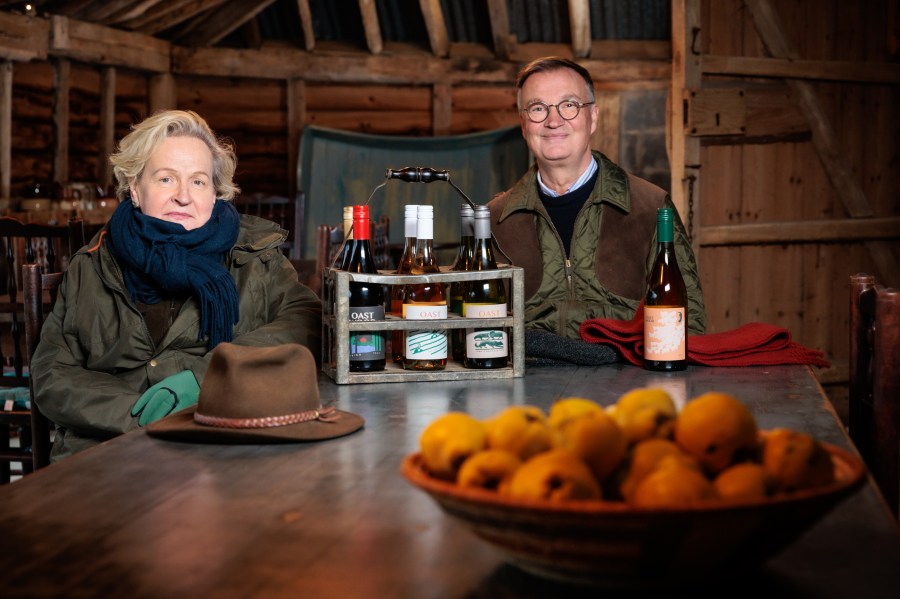
With quinces and medlars in large baskets, waiting to be processed into jams and jellies some of which will accompany the local cheese platters for the five wine tasting, the tasting room is full of examples of the traditional produce that the land supplies.
The idea of sharing is not limited to the human visitors at Oast Wood. Kate also takes in horses that need rehabilitation. Sharing extends even further “the badgers are extremely partial to grapes especially the Bacchus,” said Stephen with a laugh. When I ask about pest control both Kate and Stephen are quick to point out that the badgers and the birds were here before they owned the farm and that they are welcome to their share of the produce. “By keeping all the hedgerows and the other native trees the badgers and the birds have plenty of food to choose from so their predation of the grapes is not problematic,” explained Kate.
“We are happy to share with nature and it feels like everything is in balance, it does not feel like a war,” Stephen added with a gentle note in his voice.
The vineyard is planted on a windy site reducing the risk of disease which allows Oast Wood to have a minimal spray regime and Luke Wolfe at AgroPro works with Stephen and Kate providing assistance with some of the ongoing vineyard management tasks. “The wind is SW in summer and NE in winter and the ancient woodland and hedgerows provide natural windbreaks and the old hammer ponds at the bottom of the slope provide an effective frost drain on the site,” said Stephen. “I have even heard from people during a tour that they learnt to swim in the pond when they were young,” he added.
Throughout the visit it is clear that Stephen and Kate have what can only be described as a proper working partnership. Their skill sets are very different but they seamlessly create this fabric of real life and they are willing to discuss ideas and take suggestions from each other and those around them. They talk freely about the advice they have received from the local farming community and from VineWorks and AgroPro, alongside the input of their winemaker Janneke Van der Merwe at Defined Wines Ltd.
Reality is something that keeps this couple moving forward and Kate speaks about some of the challenges for rural communities in general. “Agricultural salaries have not kept pace with house prices and this has left farming communities with a serious problem. The vineyard has encouraged younger people to work on our farm. Since we planted the vines the average age of those of us that work here has come down significantly,” said Kate.
The benefits of the younger influences are highlighted by both Kate and Stephen. Both their daughters are actively interested in the vineyard and have contributed ideas to the business that would only have come through a multigenerational point of view.
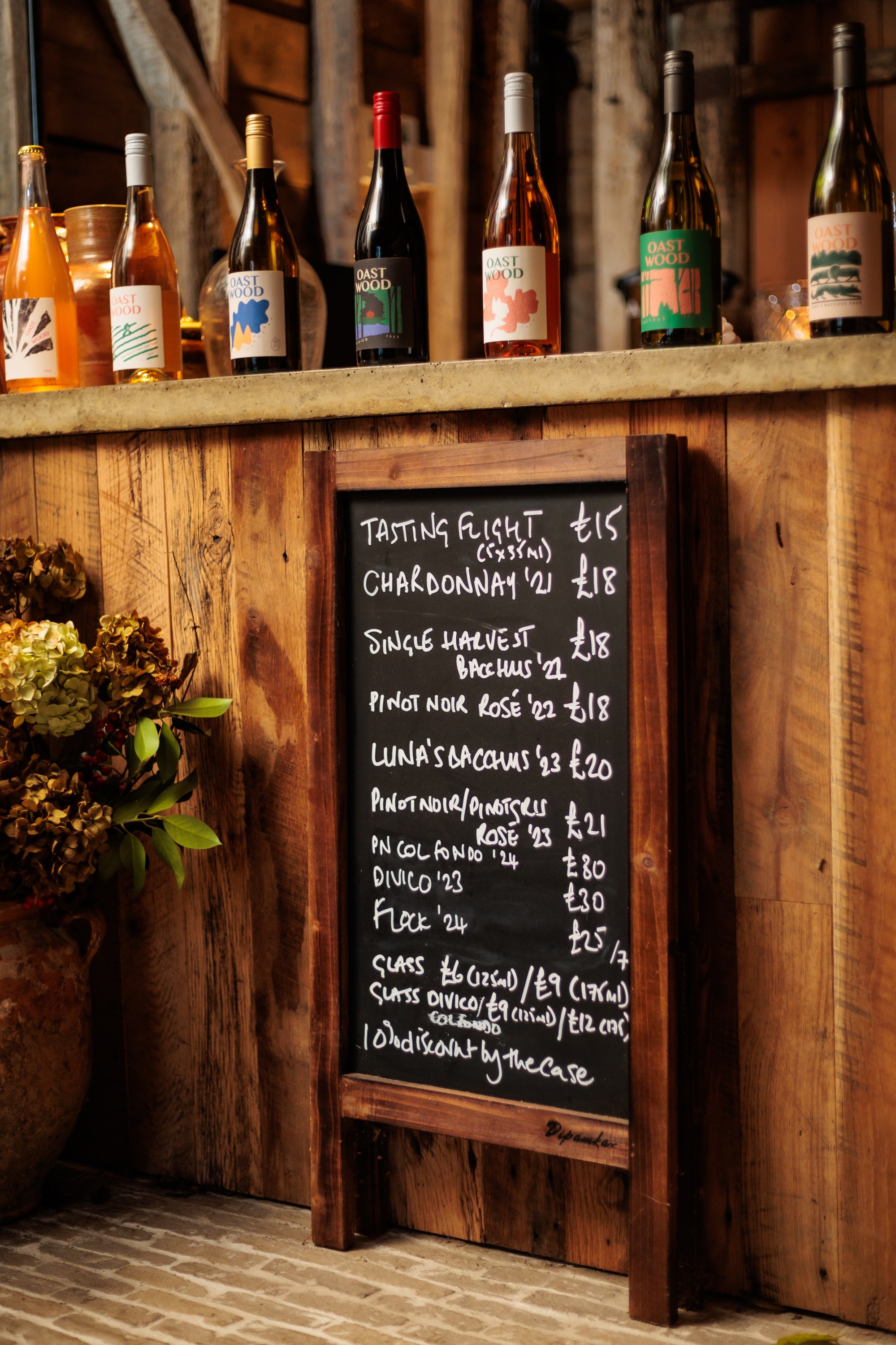
“We want to make the vineyard as inclusive as possible which is one of the reasons we planted vines outside the tasting room, those that can’t or don’t want to walk through the vineyard are still able to experience the vines,” said Stephen. The wines on offer are inclusive as well with a vast range of styles providing something for everyone.
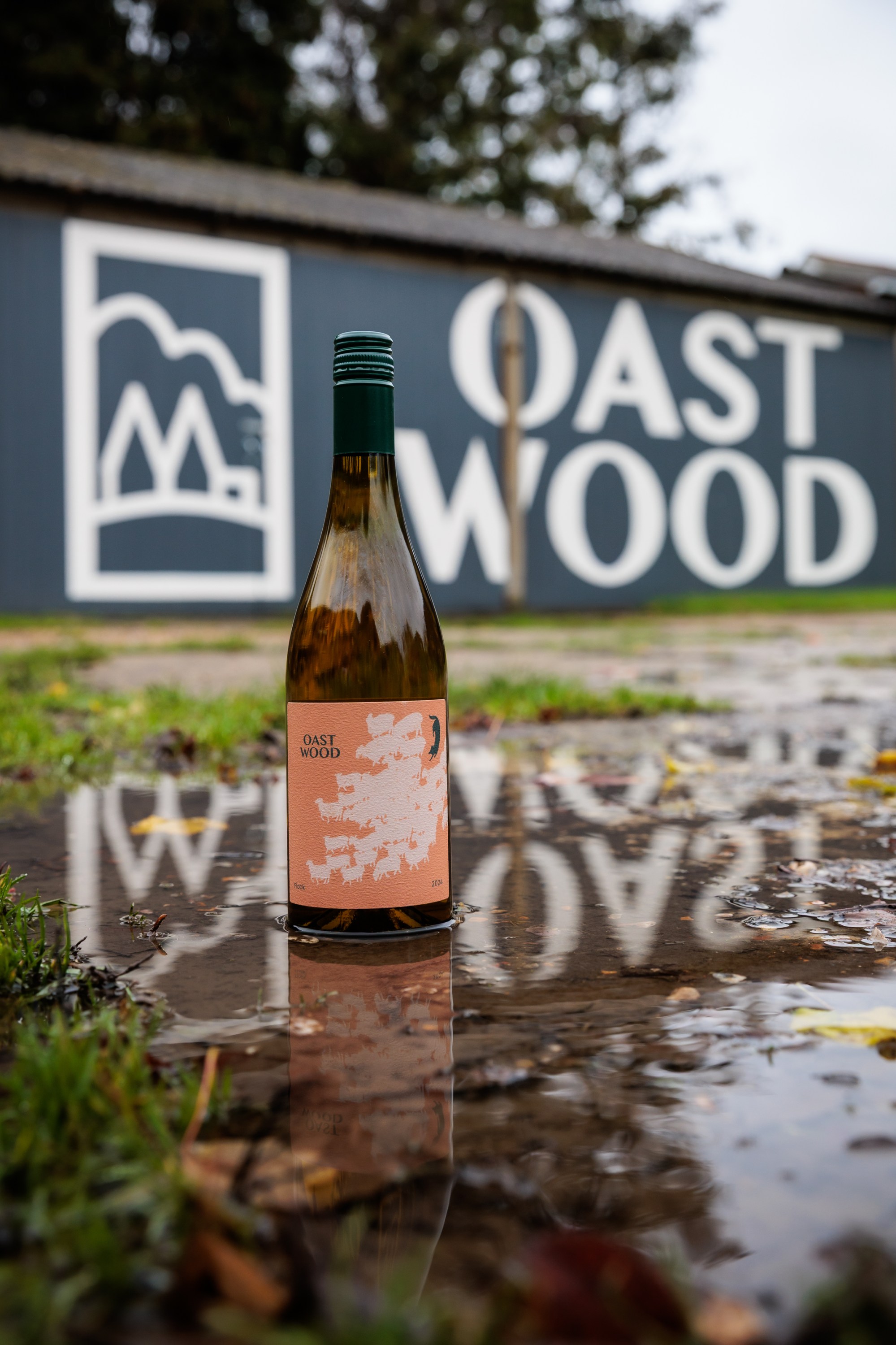
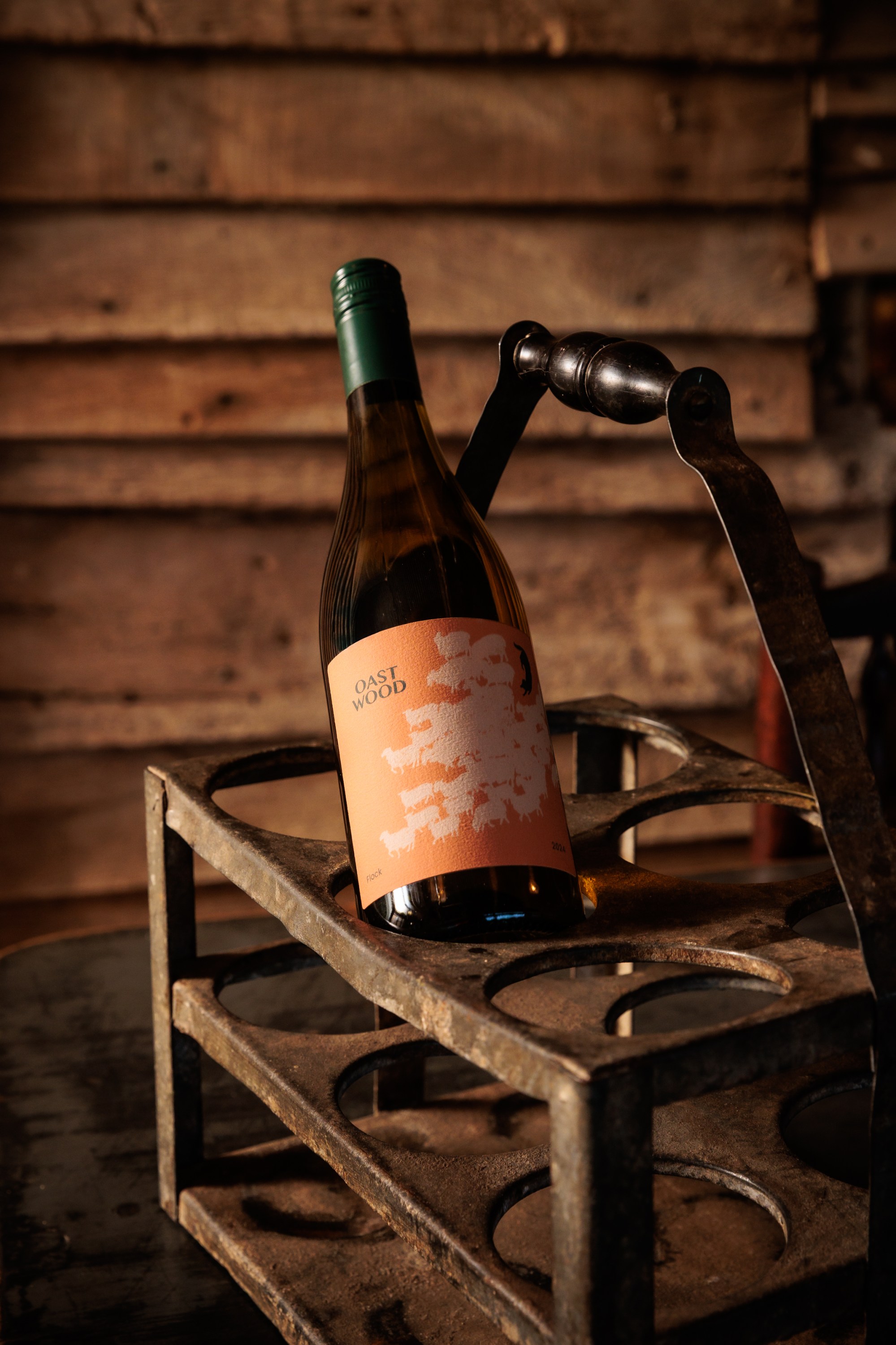
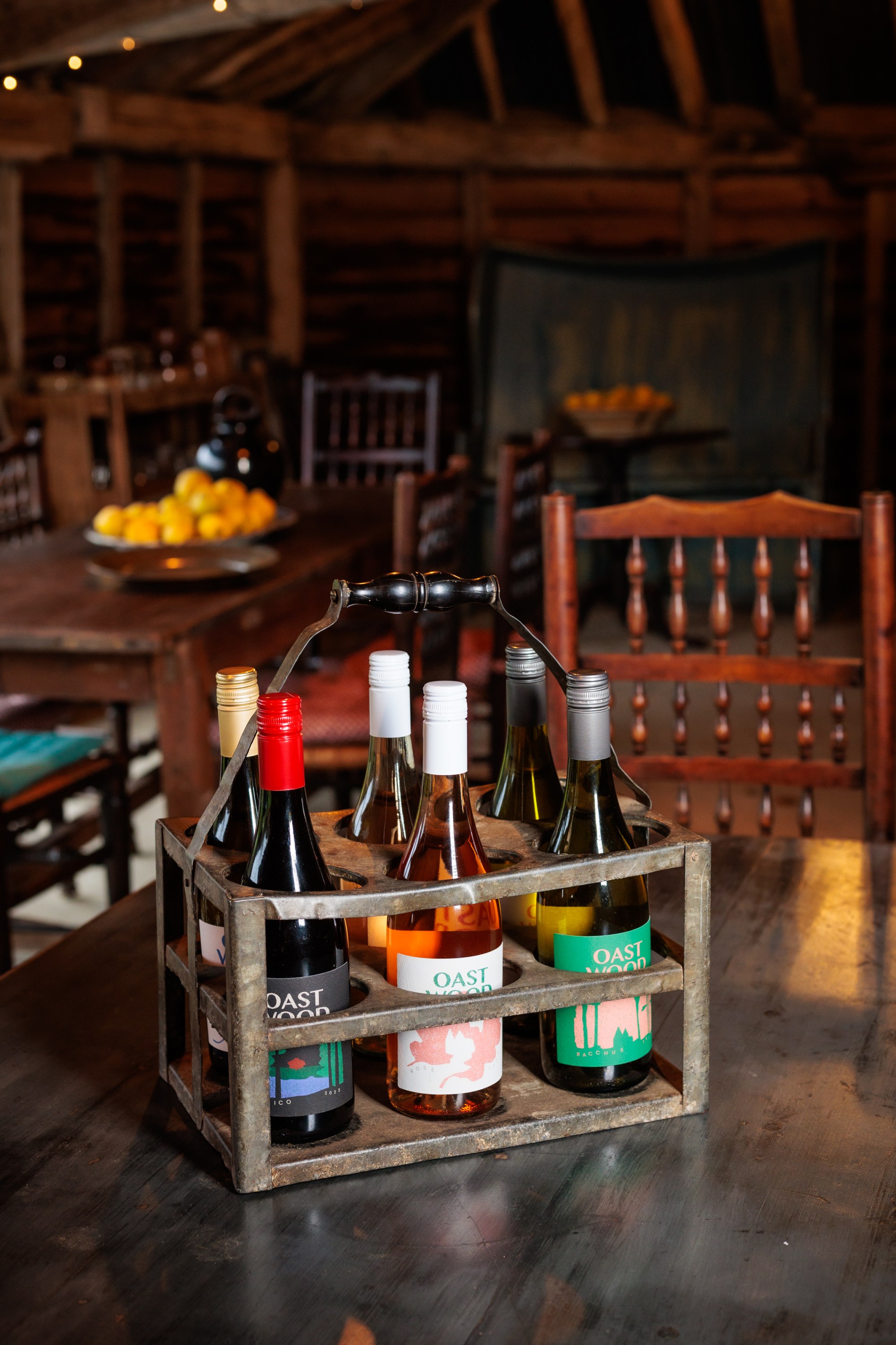
Luna’s Bacchus (with Luna featuring prominently on the label) will appeal to the wine connoisseur with a winemaking style that has a nod to aged reisling. Whilst the skin contact style of Flock (named to highlight the connection to the sheep that roam the vineyard in winter) which is 50% Pinot Gris and 50% Bacchus with notes of fennel seed and a beautiful colour will appeal to those who like to try the unexpected.
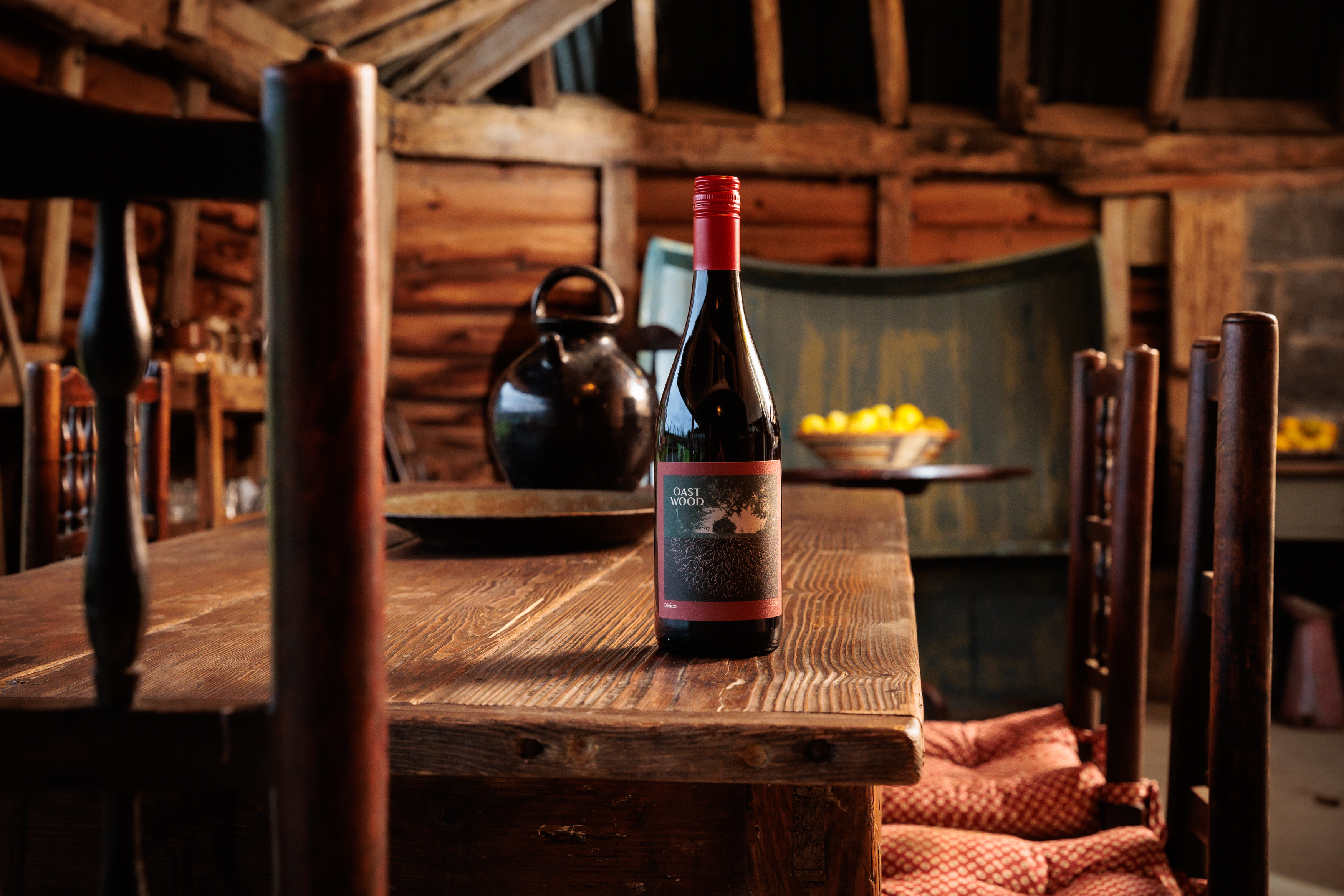
Aged in new Burgundian oak barrels the 100% Divico red wine has a fantastic purple colour with notes of cherry and vanilla and Oast Wood currently recommend pairing it with Cumberland sausage or roast lamb or stilton with spiced pear to accompany late nights and mellow play lists. The label has a wonderful depiction of an oak tree that sits in the middle of the vineyard. Planted 20 years ago to celebrate the wedding of Kate’s brother the vineyard has been sympathetically planted around this tree and now the label on this fantastic wine connects those that drink it to this story.
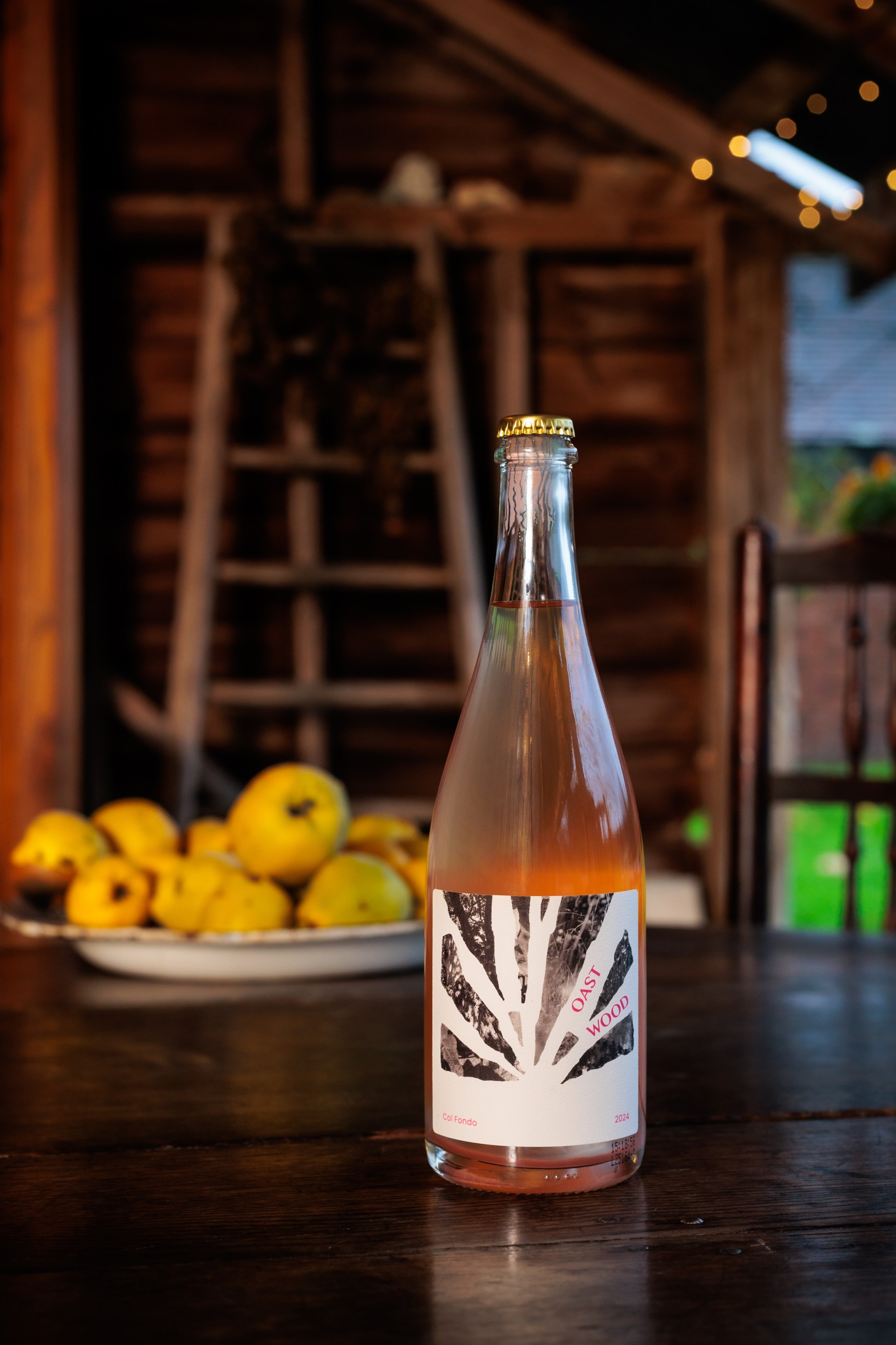
With their customary nod to reality that deepens their connection with their consumers the Col Fondo pairing notes mention fish finger sandwiches, a criminal pile of kettle chips and a crisp winter walk. Those tasting notes make anyone and everyone feel that they too can enjoy the experience of a good food and wine pairing without any feeling of intimidation or judgement.
The wines are all labelled uniquely with each label telling a story of the vineyard. The Rosé 2023 is a wine that is fruit forward, balanced enough to journey from a starter to the main course and beyond but a wine you would be happy to open at anytime. The label is a depiction of Stephen and Kate in the vineyard rows and has a distinctive feel that is entirely appropriate for this most unique of vineyards. The intention is that every year for every wine there will be a new label to celebrate the individuality of each vintage, style and grape variety. The labels are all the work of local artist Tom Boucher who is also from a farming family which again reflects the connection of Oast Wood to the past and the future of agriculture in the Weald of Kent.
Kate and Stephen have an amazing desire to share with nature and embrace seasonal variety which produces an atmosphere of relaxed elegance and by recognising that real life is not flawless achieves that rare feeling of perfection without pretention. There is a unique sense that in every single bottle of wine that is produced at Oast Wood Kate and Stephen are sharing their joy of living and working in the Wealden countryside and it makes you want to have just one more glass…