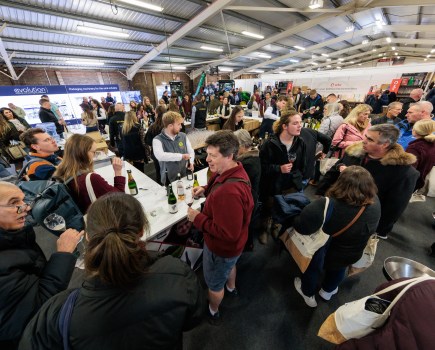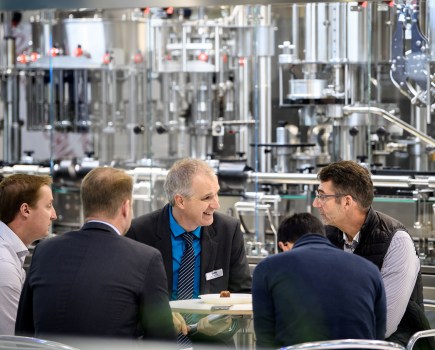

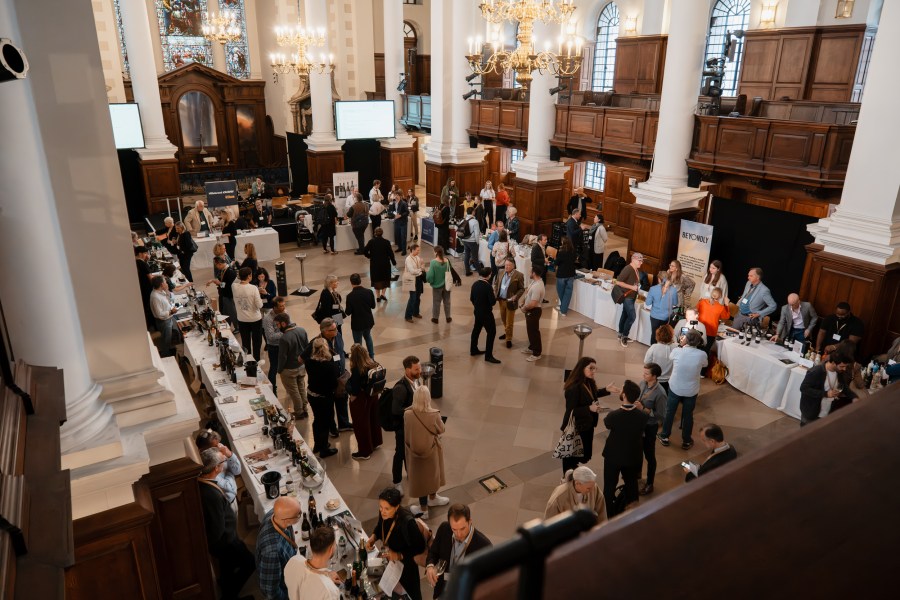
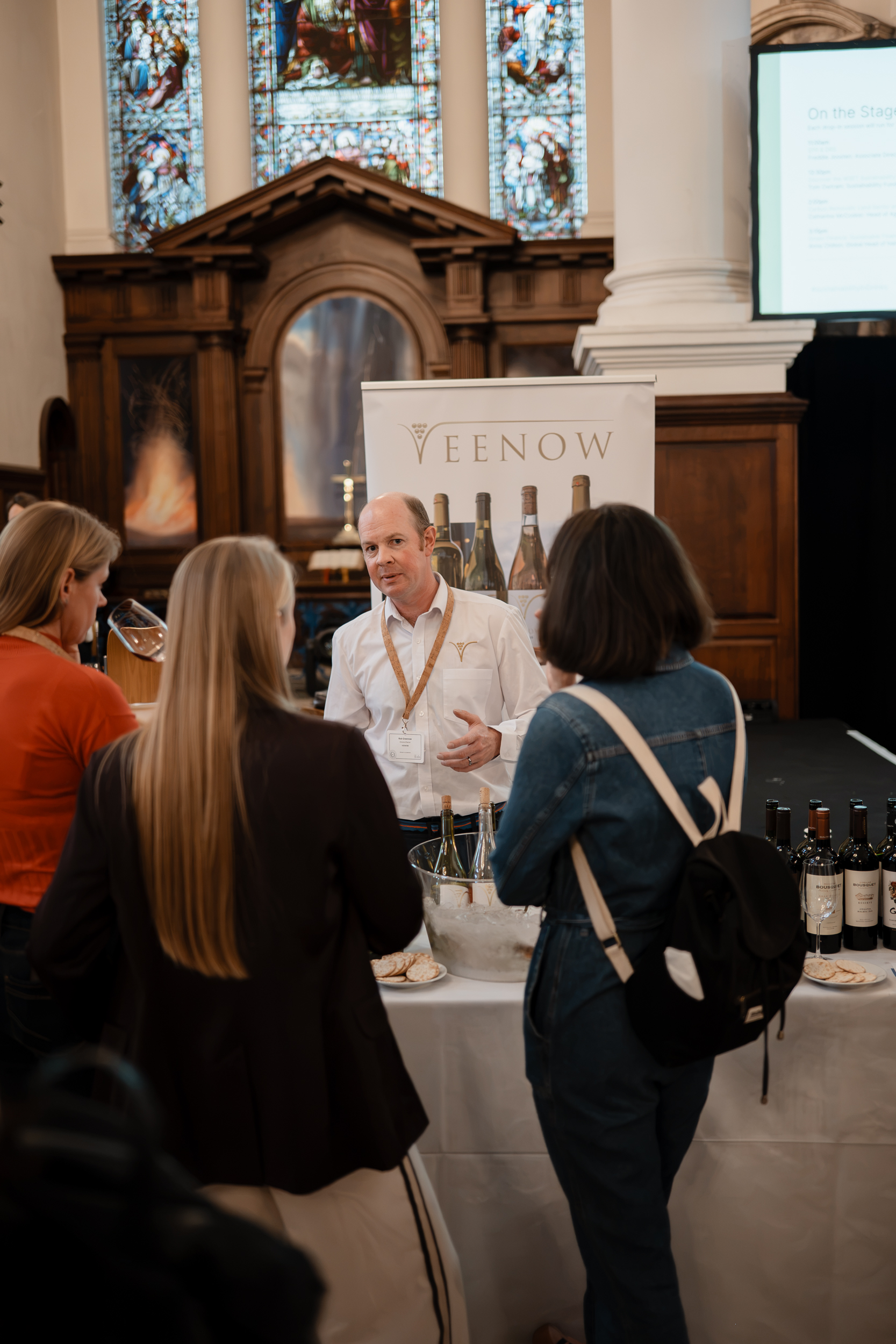
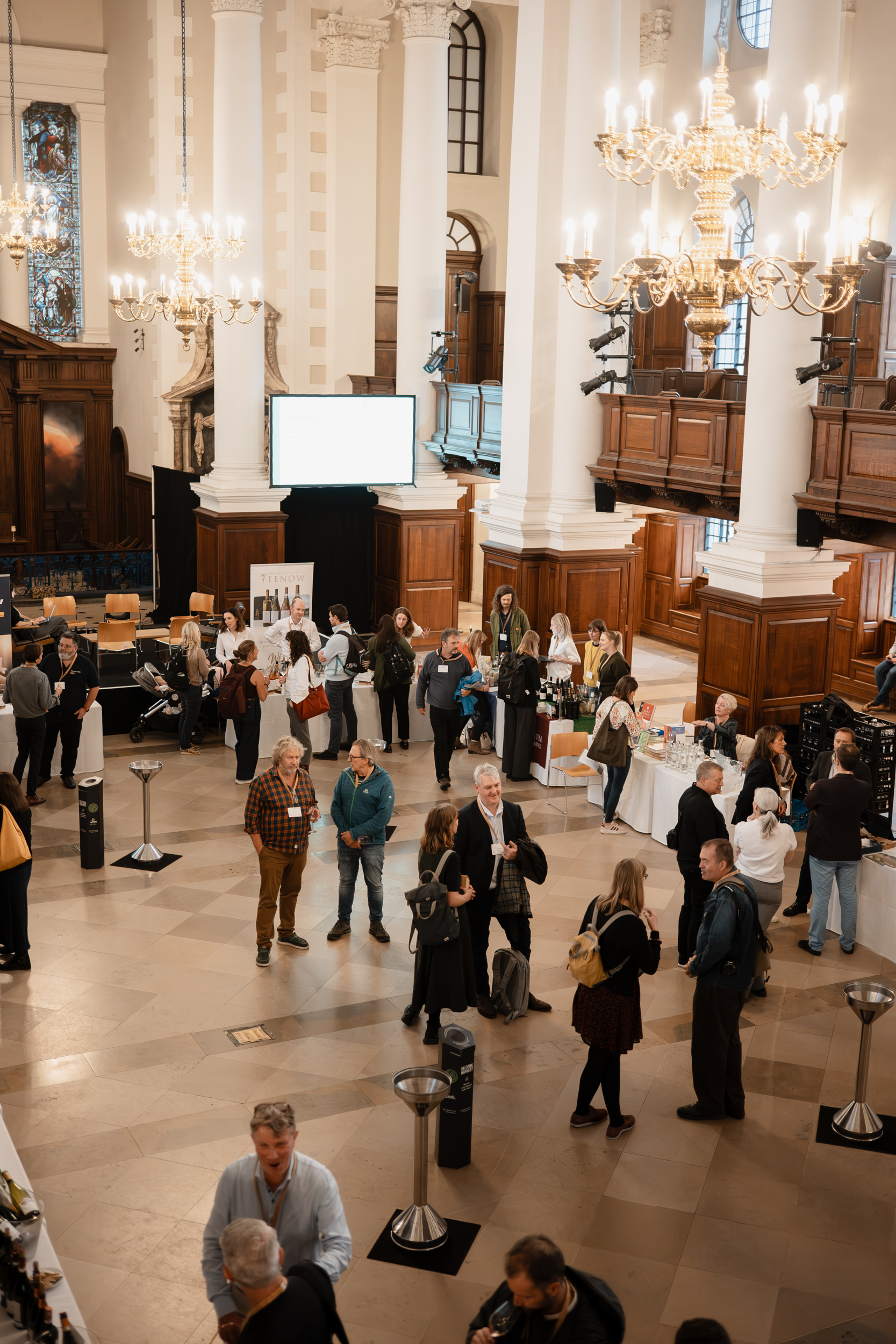
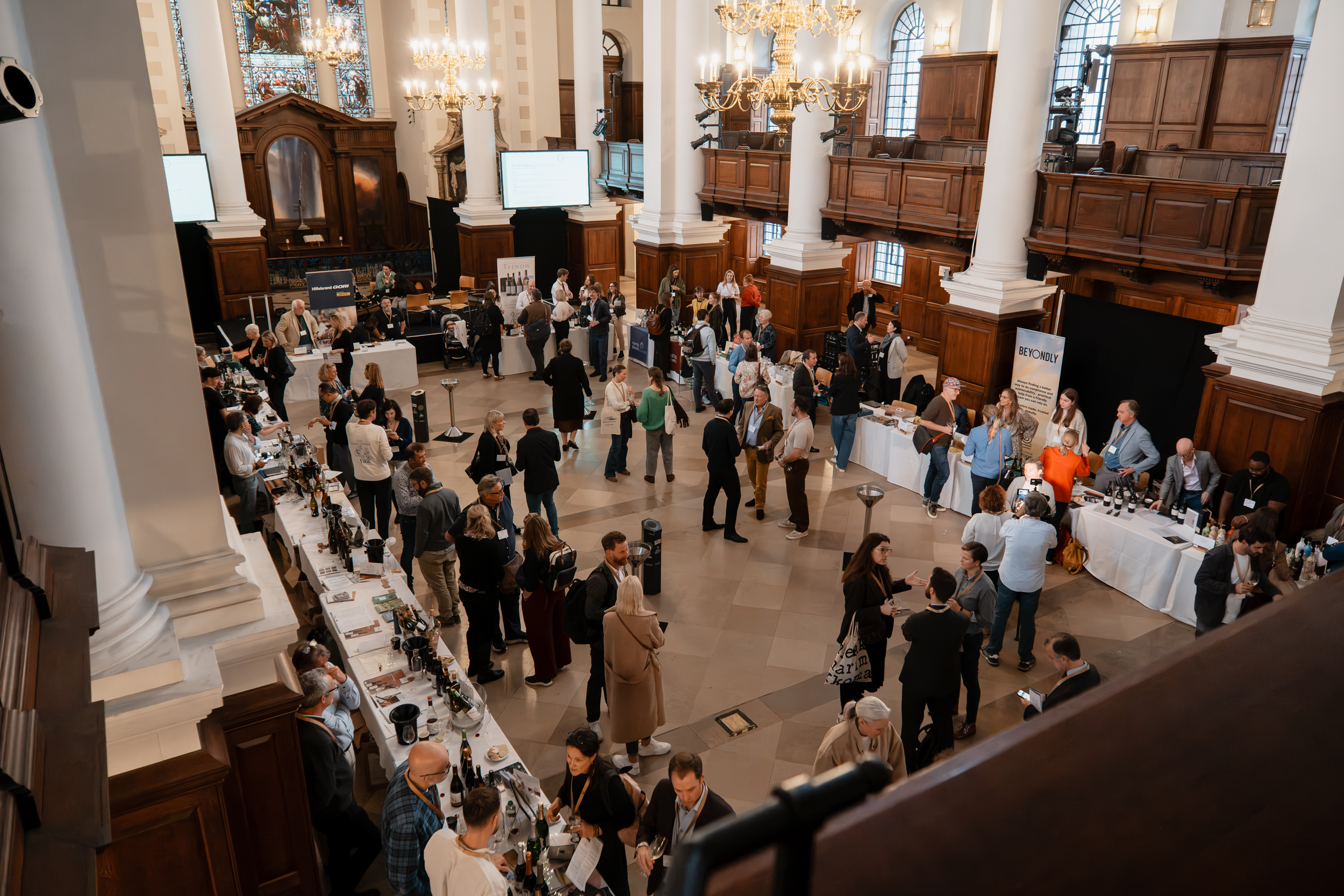
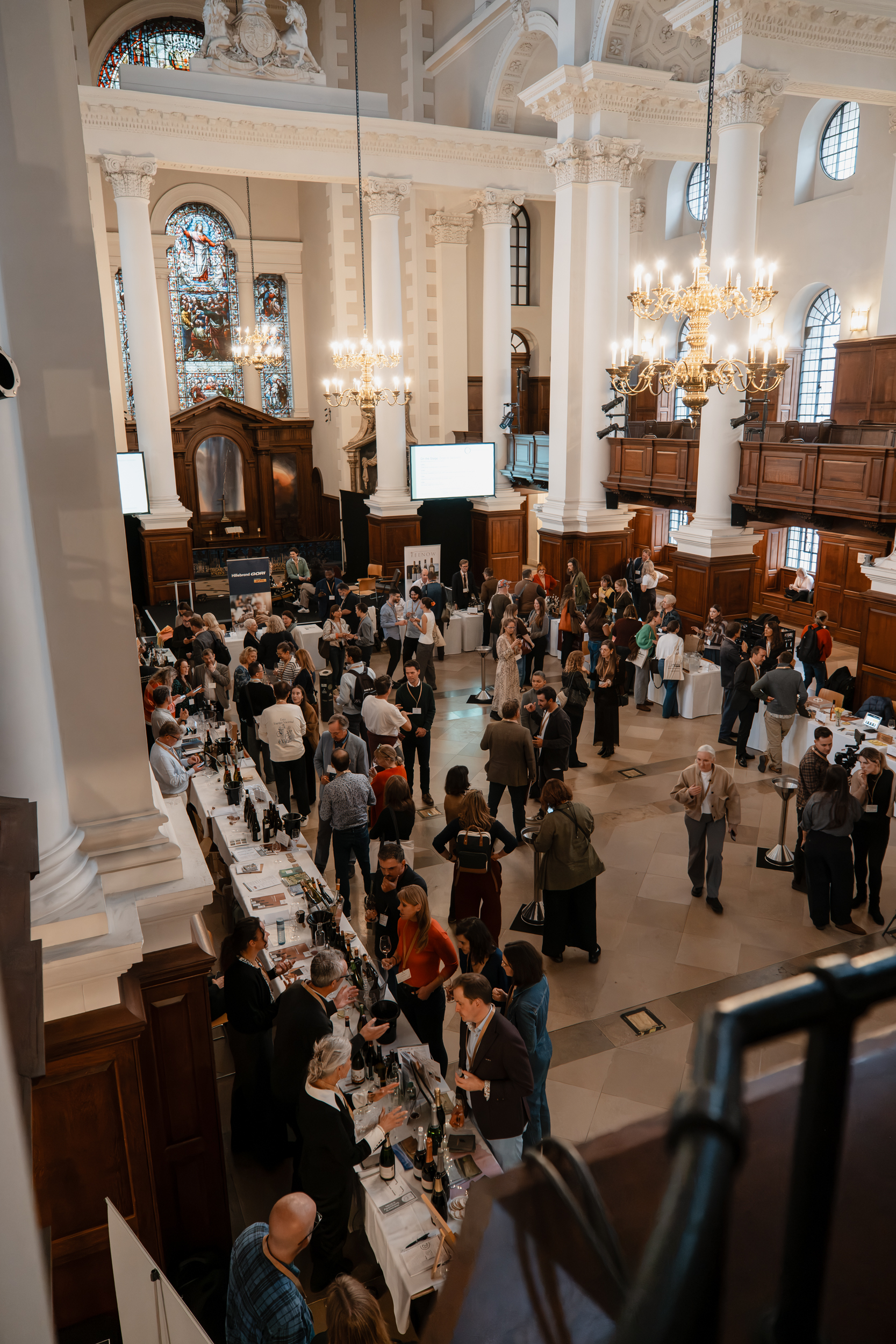
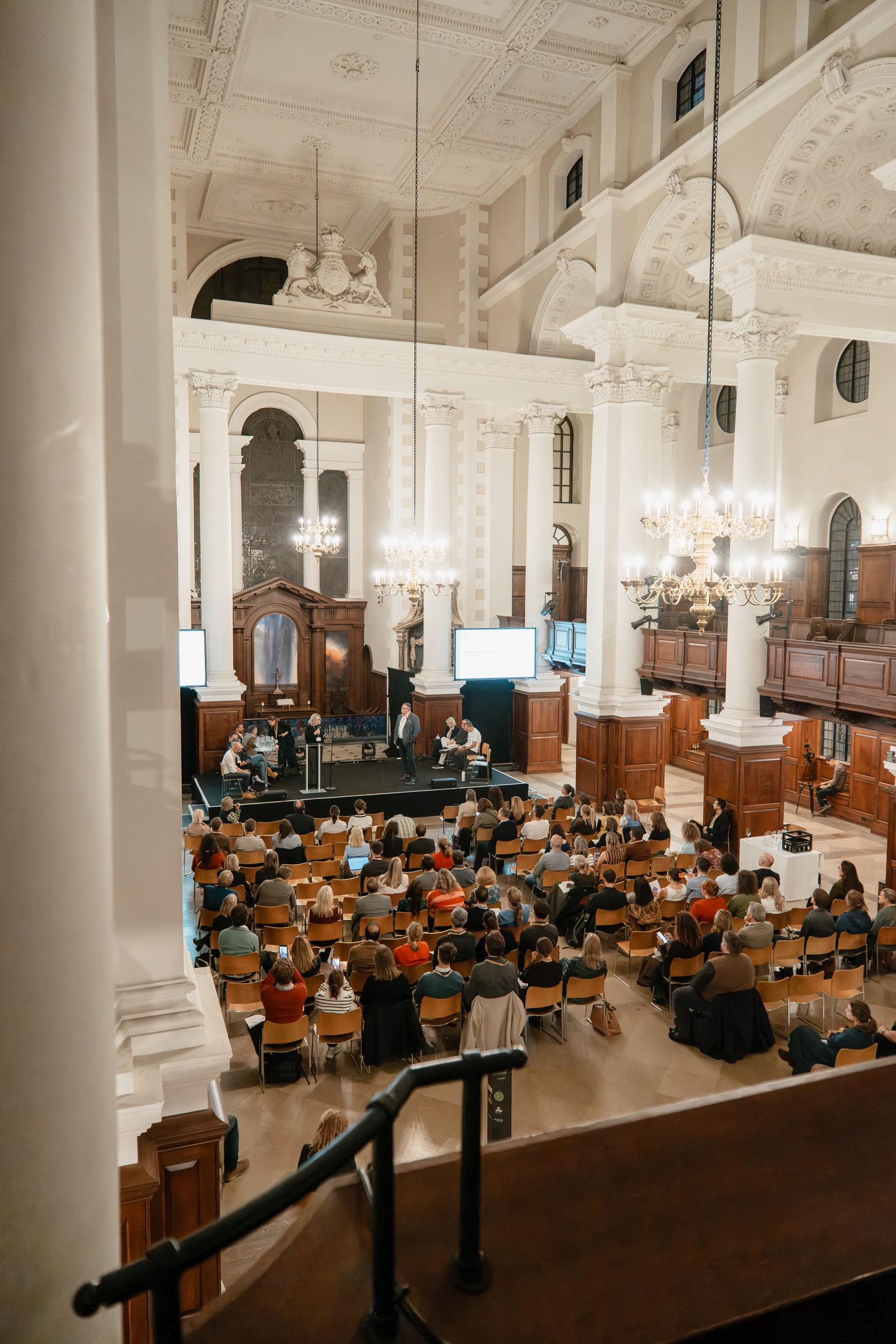
The Sustainability in Drinks Forum brought an international gathering of growers, researchers, viticulturists, and buyers to Spitalfields London. Alongside the opportunity to speak with members of the trade who are supporting the move towards sustainability in the drinks sector through various measures, the day was packed with debates, seminars, forums and a comparative wine tasting.
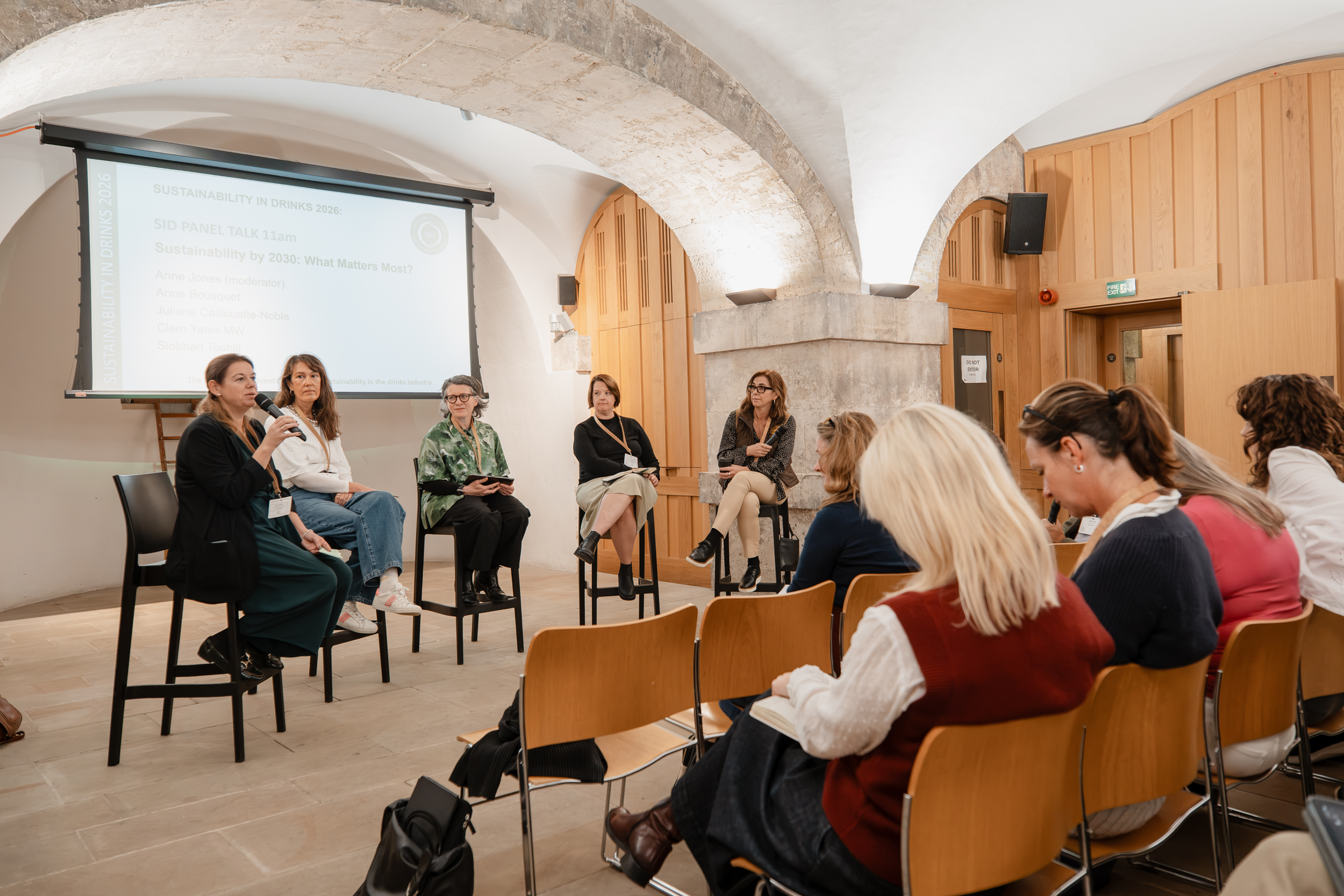
The opening session was led by the extremely knowledgeable Anne Jones, founder of Limestone and Jones a sustainability consultancy. The panel discussion was titled ‘Sustainability by 2030, What Matters Most’ and Anne bought her customary sharp wit and sense of humour to proceedings.
The session was standing room only as the all female panel introduced themselves. The panel covered a far reaching section of the drinks world with Anne Bousquet, President and Co-CEO of Domaine Bousquet Argentina, Siobhan Toohill, Chair of Sustainable winegrowing Australia Juliane Caillouette-Noble, CEO Sustainable Restaurant Association and Clem Yates MW all willing to share their thoughts.
Juliane pointed out that most hospitality businesses think in the short term and for the longer term survival of the supply chain it is important for the procurement teams to have the right goals built into their processes. “At the moment procurement teams are given the metric of costs despite the goals that might be in other parts of the business,” she said.
The world is learning very quickly that the word cost has far more resonance than profit and loss margins and Siobhan pointed out that sustainability should be considered vital to survival especially in a year that has seen such dramatic global weather shifts alongside the many other strains on global production.
To underscore this point Anne Bousquet highlighted that through the integration of regenerative practices the vineyard at Domaine Bousquet were able to make a strong recovery after the largest storm that had ever hit the region and returned to productivity quickly, which highlights the circle of sustainability nicely.
Clem Yates pointed businesses and consumers alike to the self-reflective question “What prevents the sustainable choice?” Clem went on to explain that the drive to change can start at anytime – For example, The Recycle Cork initiative has seen 50 restaurants sign up and Majestic have had one million corks recycled through their stores.
A comment by Juliane made a tremendous impact on everyone in the room “improving sustainability in a restaurant is about 20 people making 100 decisions every day,” she said. The power of the small decision in the collective whole was a theme that continued throughout the entire day.
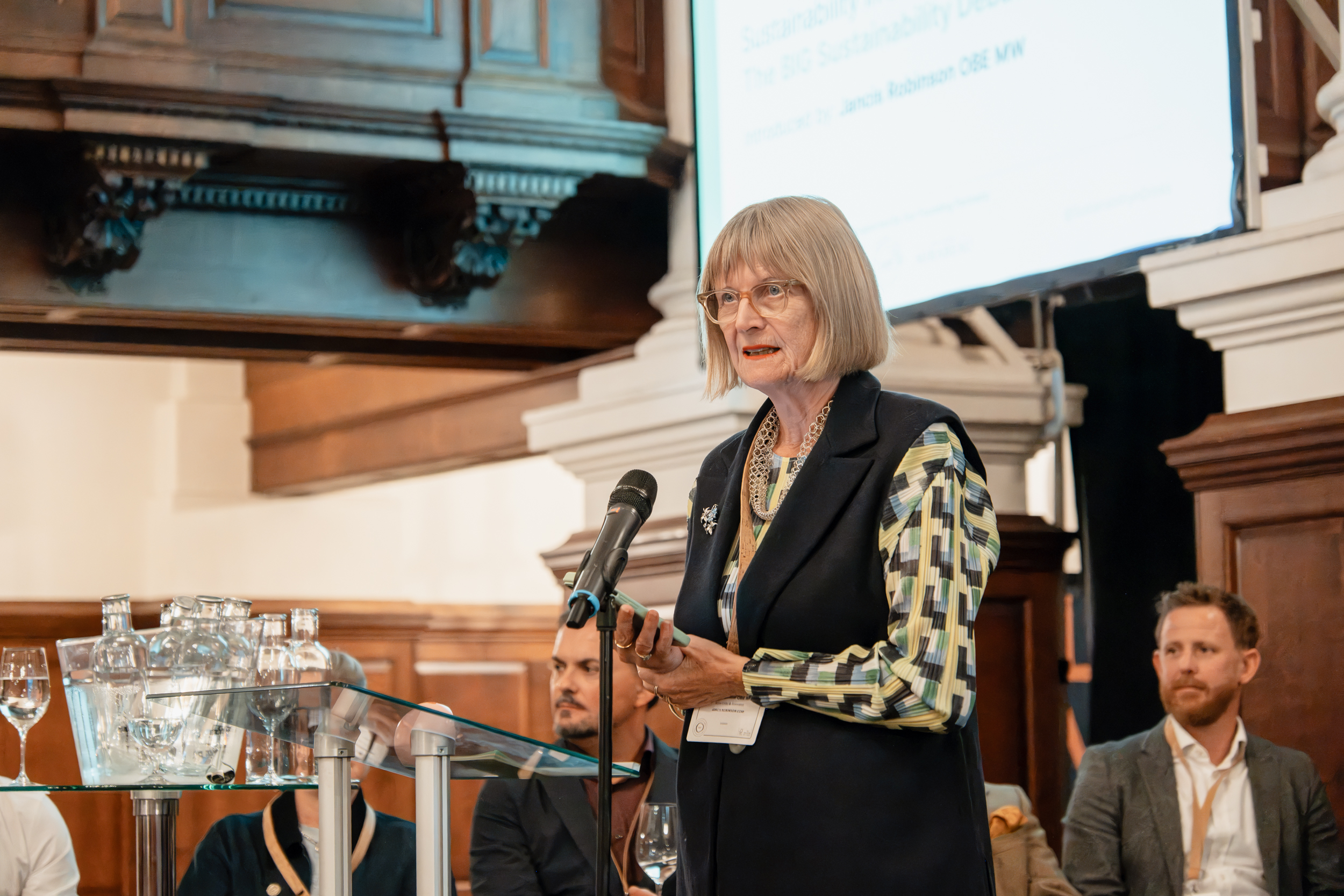
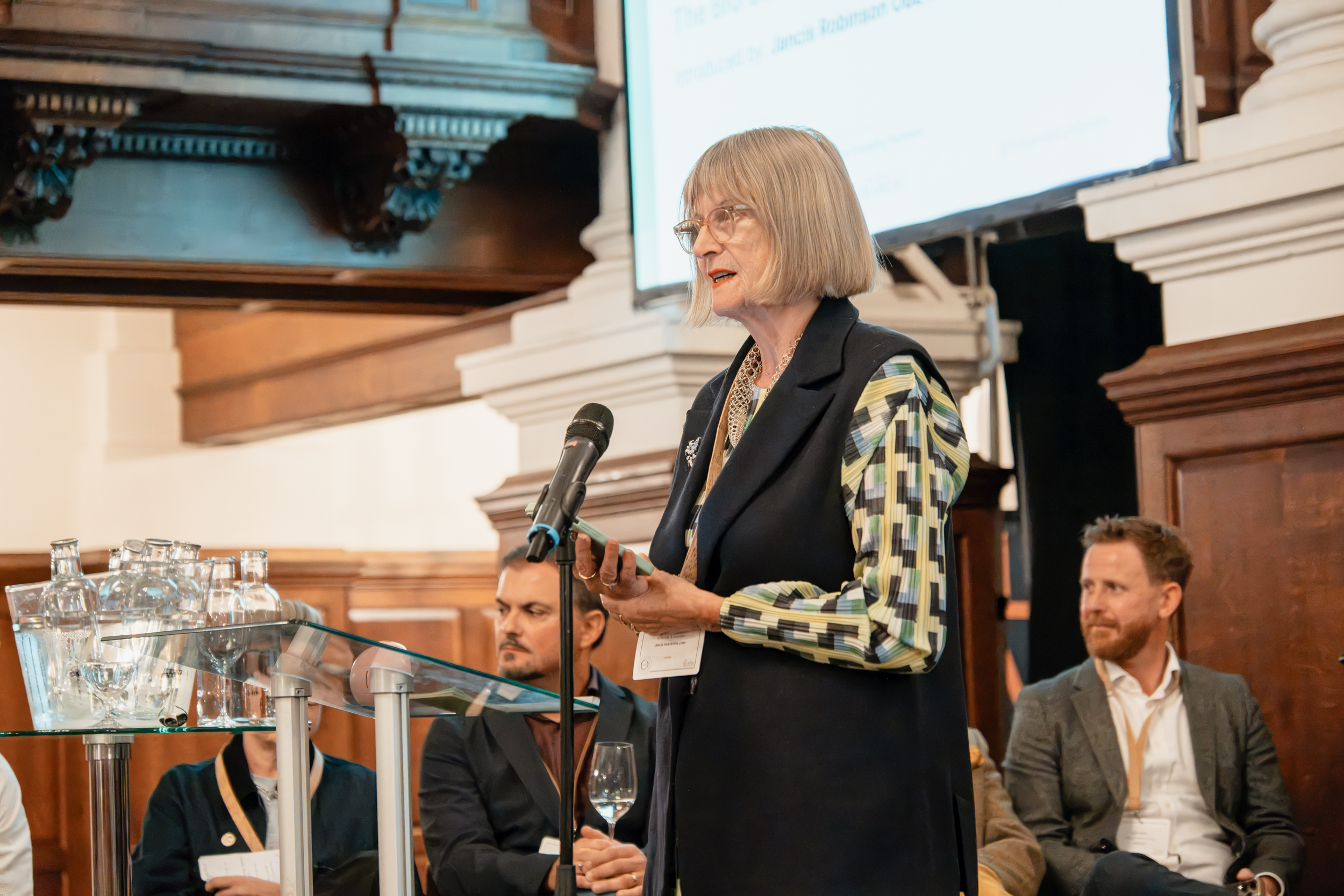
Sustainability in Drinks was an event that required the delegates to be at full mental strength as around every corner was a thought-provoking challenge, conversation or absorbing exercise in logical thinking. This was summed up very well by the final part of the day which was introduced by Jancis Robinson OBE MW.
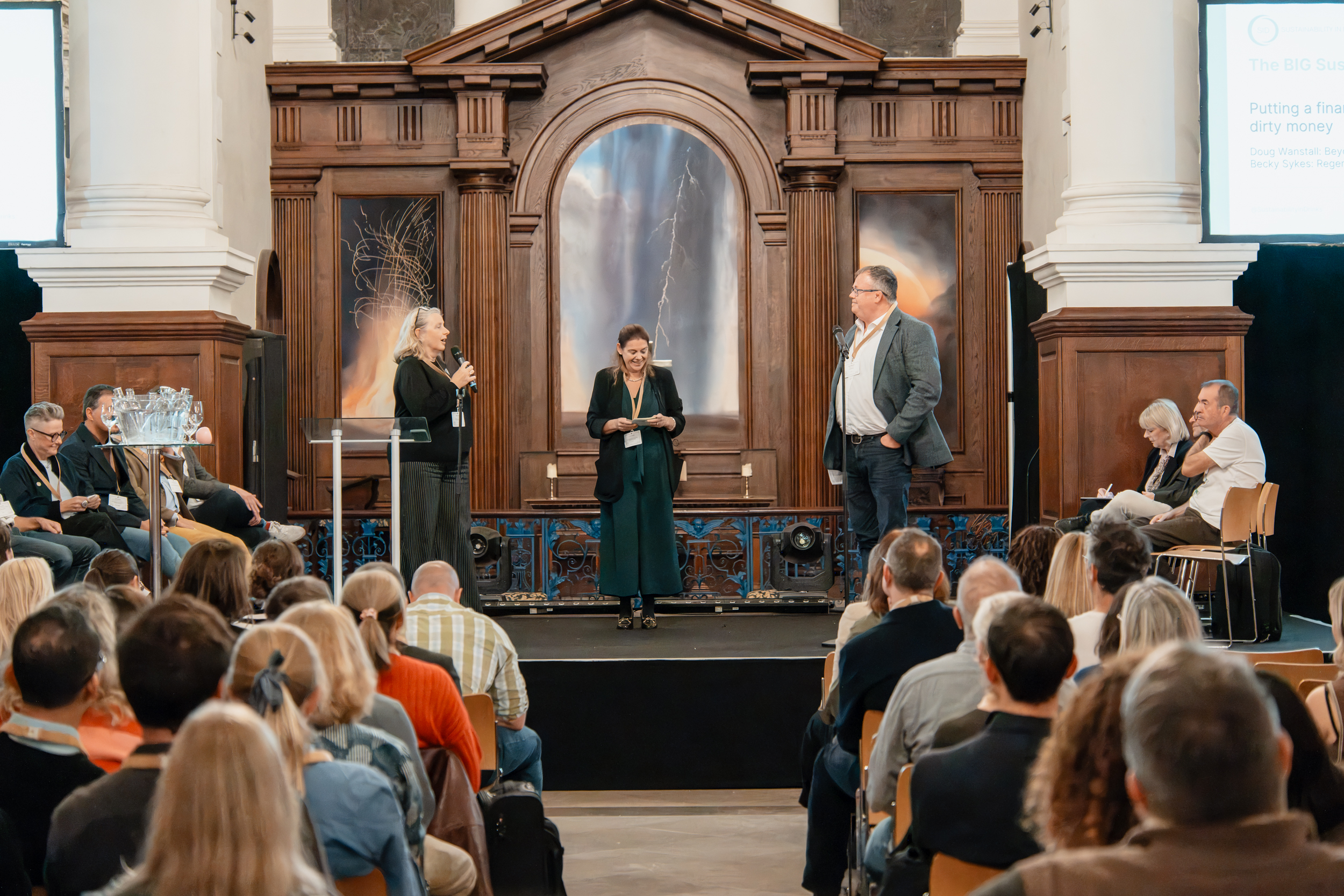
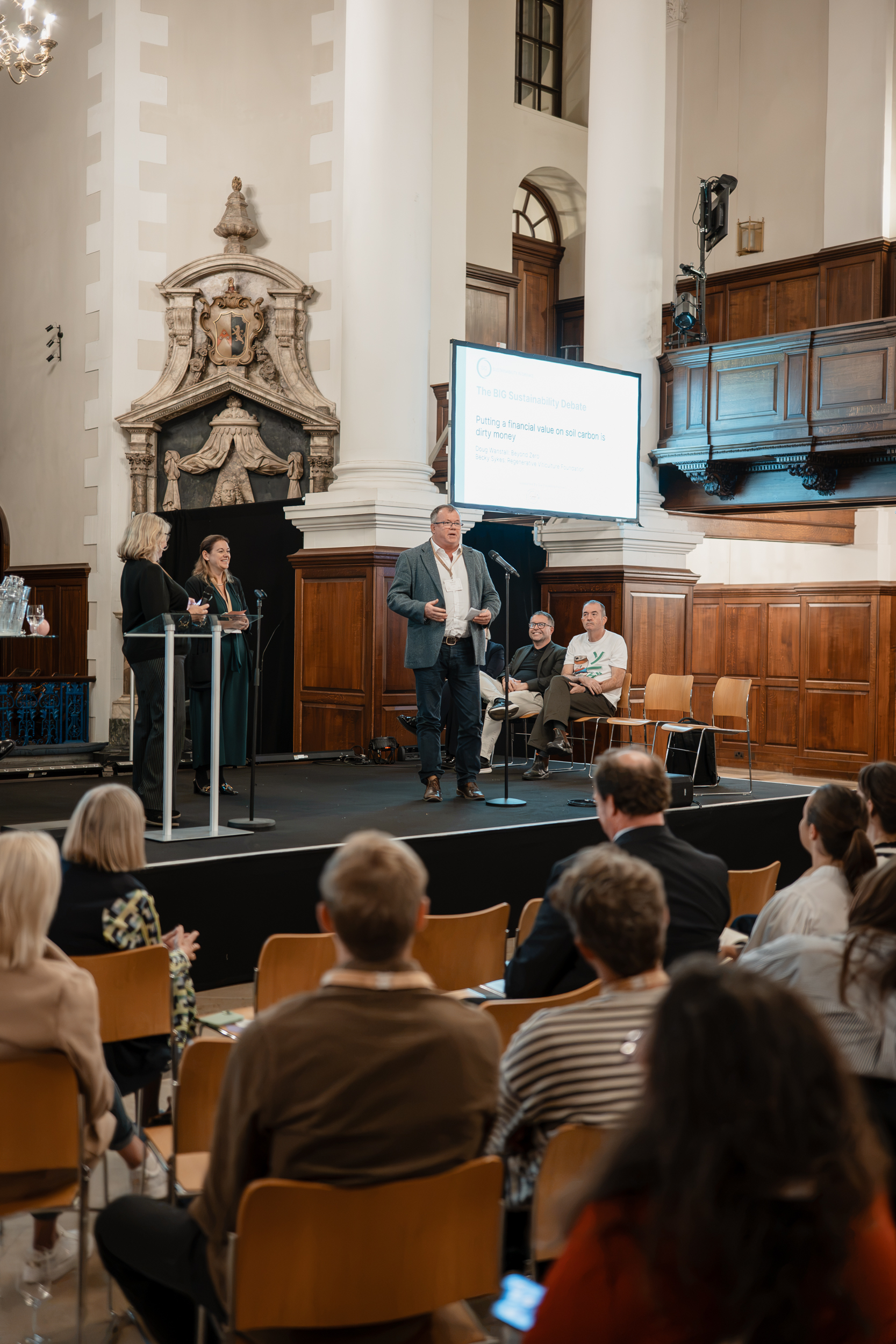
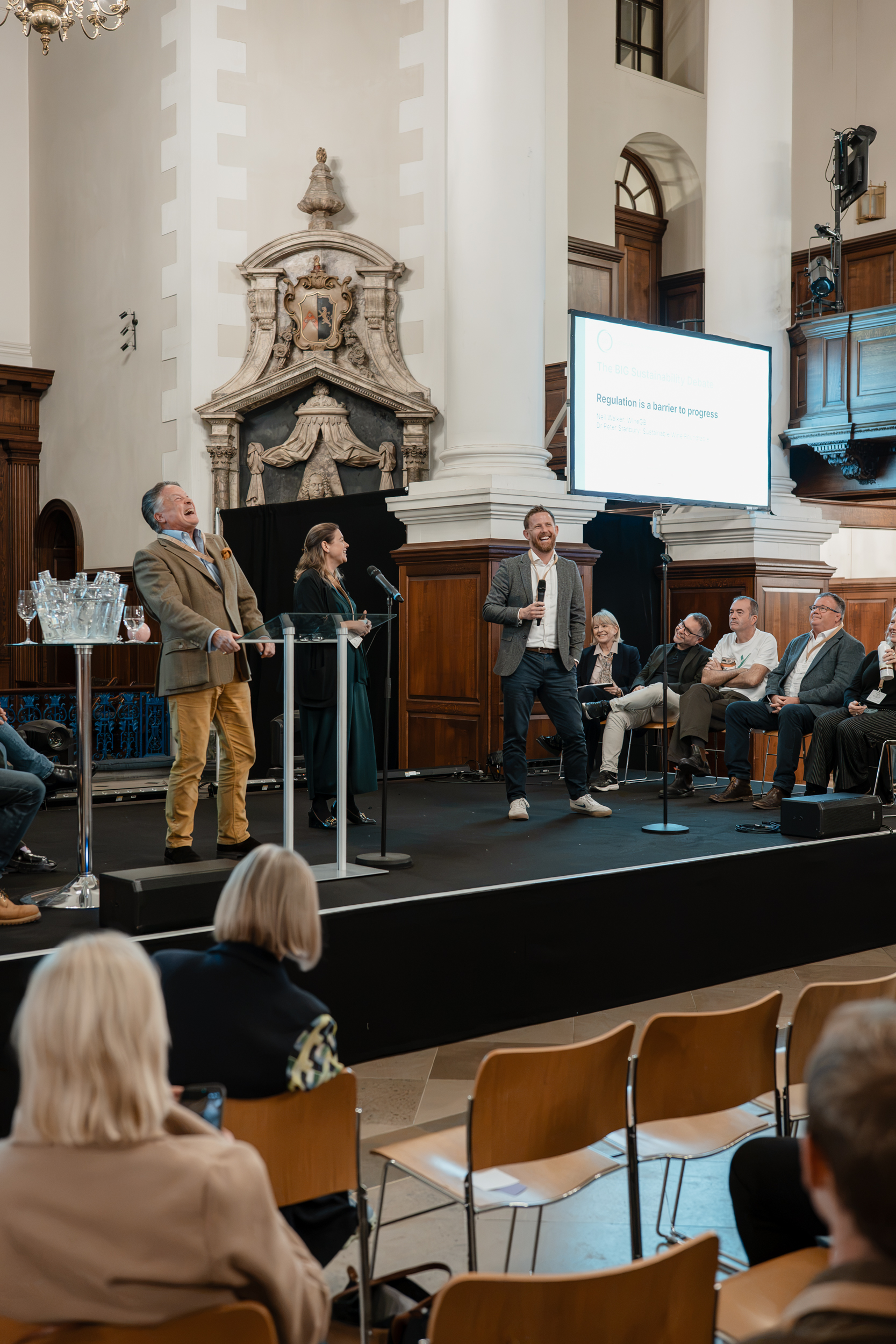
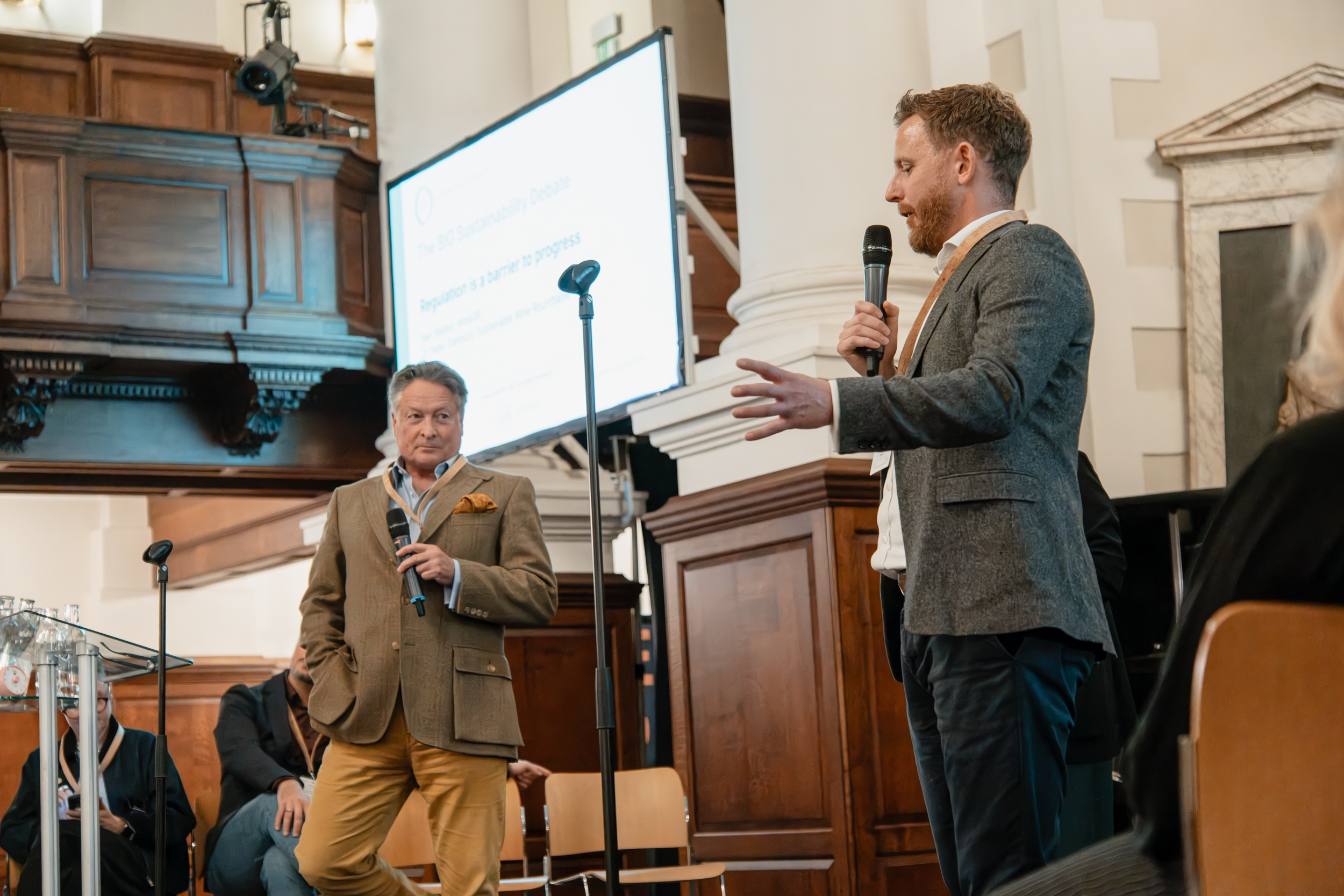
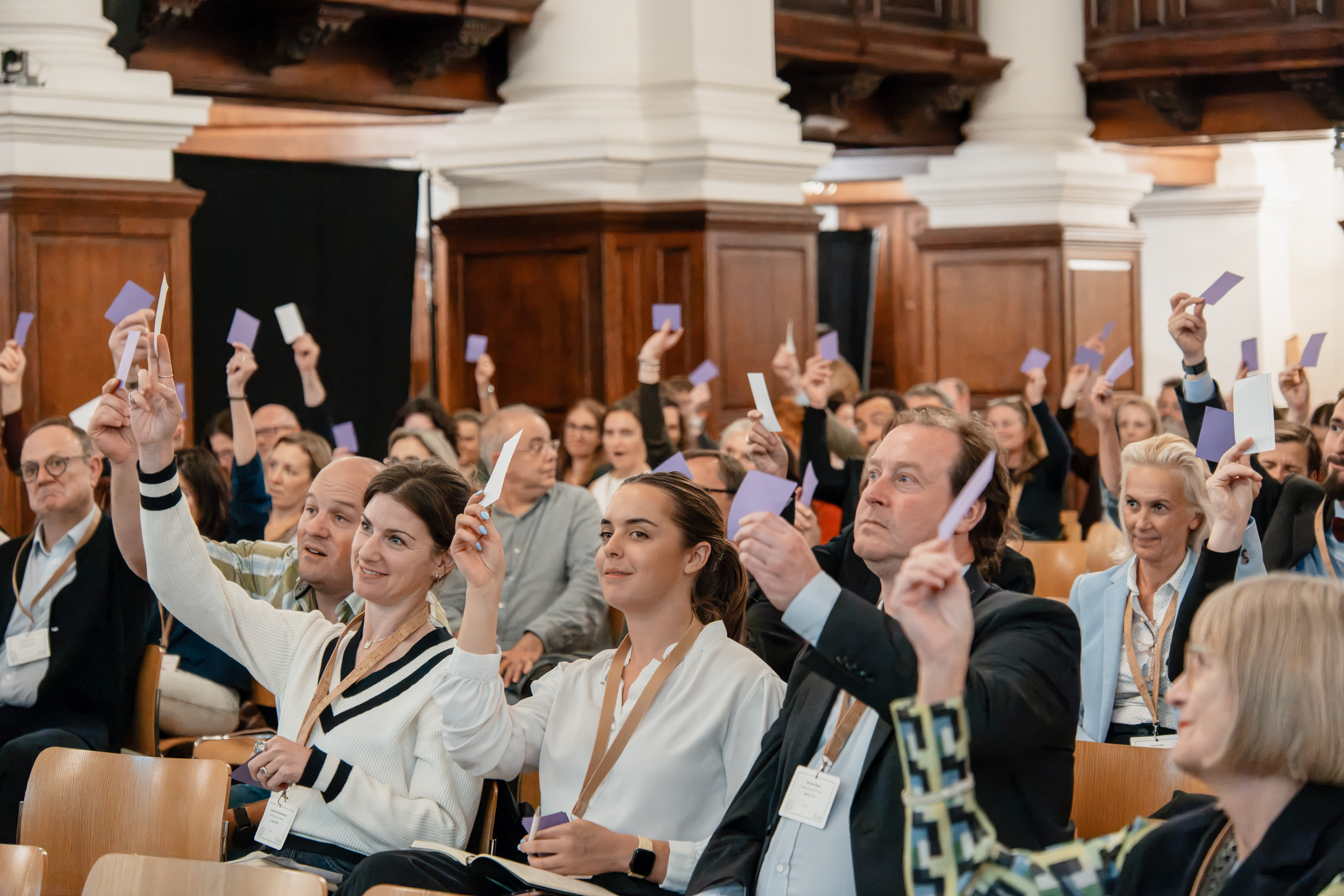
The hectic and at times deeply funny segment saw panellists go head to head, debate style (sometimes defending positions that were not quite their own) on the subjects: Sustainability loses integrity when it scales; Consumers won’t pay for sustainability; Putting a financial value on soil carbon is dirty money; Regulation is a barrier to progress; Certification is a luxury that creates opportunities only for the wealthy. After each segment the audience were called on to make their judgement whether each statement was a myth or an uncomfortable truth. “This big debate came about because often people sit here and agree with each other so we wanted our brave and well informed speakers to test the arguments and tackle the difficult conversations,” said Anne Jones with a note of relief in her voice as she declared her role was as host and time keeper. The enthusiastic audience participation indicated that the team at Sustainability in Drinks had achieved their aim of providing plenty of food for thought.
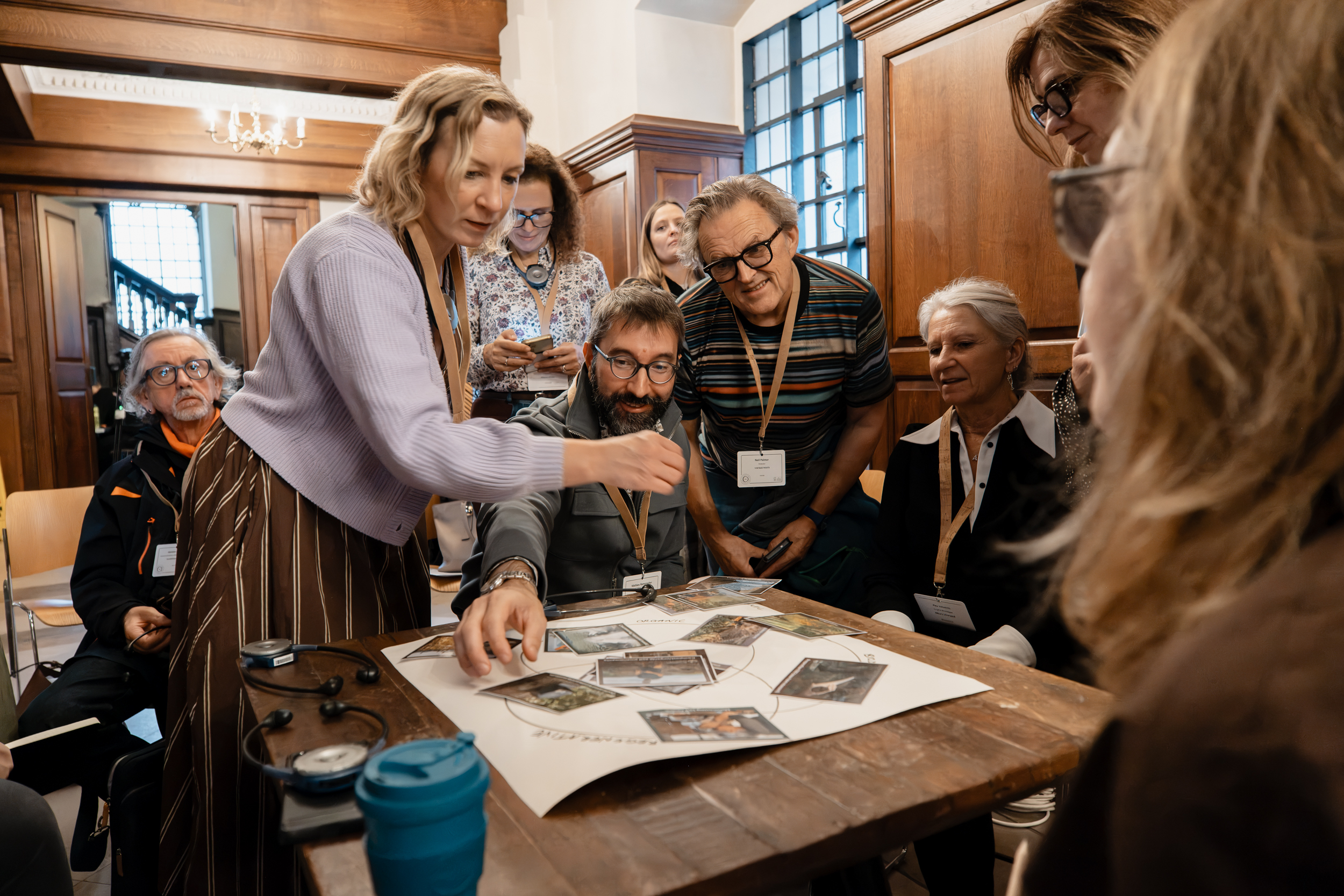
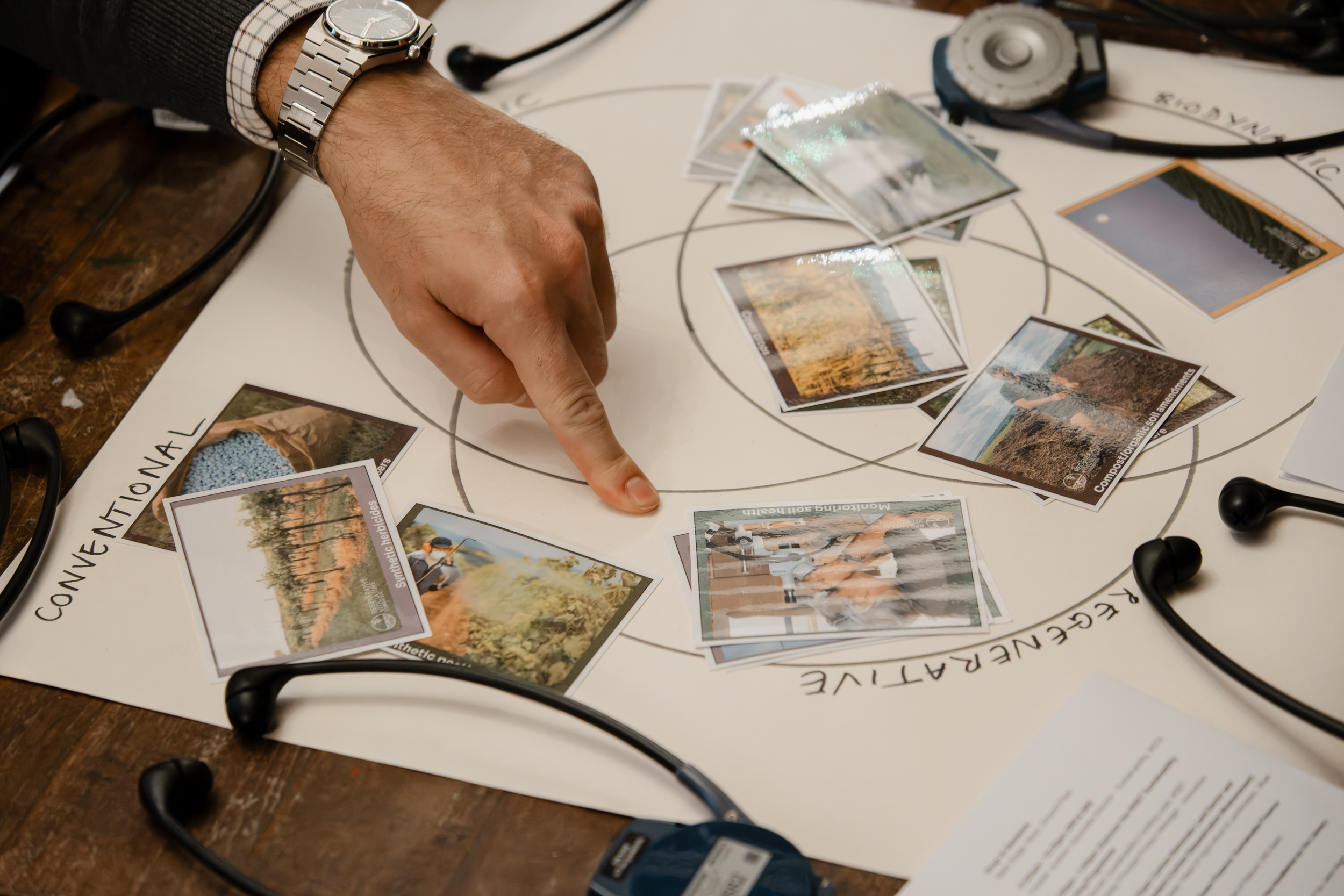
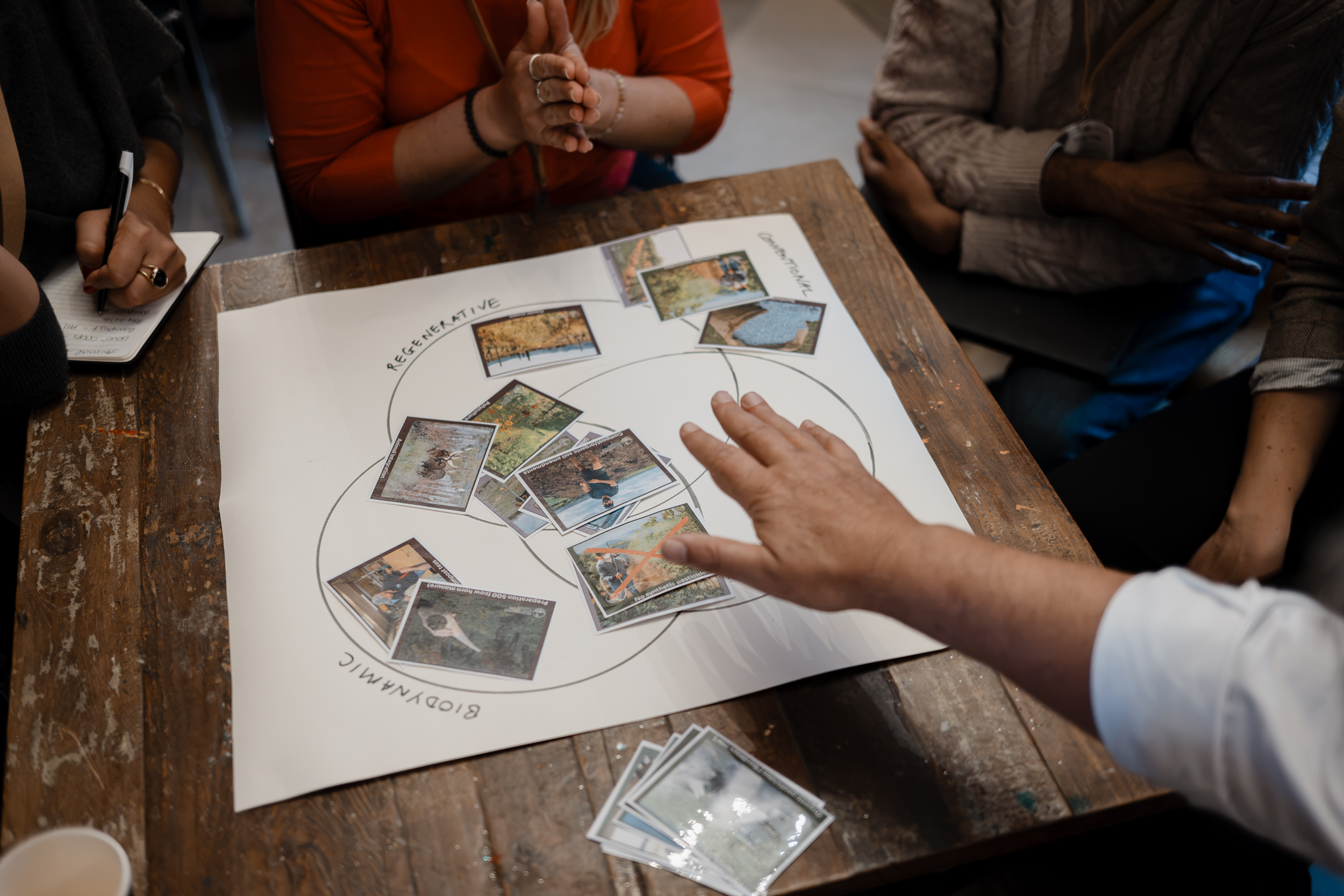
A workshop that brought together international growers, agronomists, drinks retailers and journalists led to lively discussions regarding what practices should be undertaken in a regenerative farming system in comparison to farming systems such as biodynamics and organics. The exercise was a hands on experience that led to the sharing of ideas with much good humour amongst the participants.
One thought provoking moment during the workshop entitled Regenerative, Organic, Biodynamic, Making Sense of the Landscape raised the idea that most land owners love the soil and the land and therefore they do want to sustain their soils for future generations but that they also want to sustain their businesses. Losing an entire crop due to factors such as disease is simply not an option for most of those in the agricultural sector across the globe. After all if an agricultural business is not financially sustainable all regenerative benefits that may have been gained could be lost as the land is developed.
This linked well with launch of the RVF Regenerative Accelerator Group which was announced to a packed audience in the afternoon. The aim of the initiative is to increase demand for wines from regeneratively farmed vineyards and to support more growers to transition to regenerative farming so that 10% of vineyards worldwide will be regeneratively managed by 2035. (For more details see page 12)
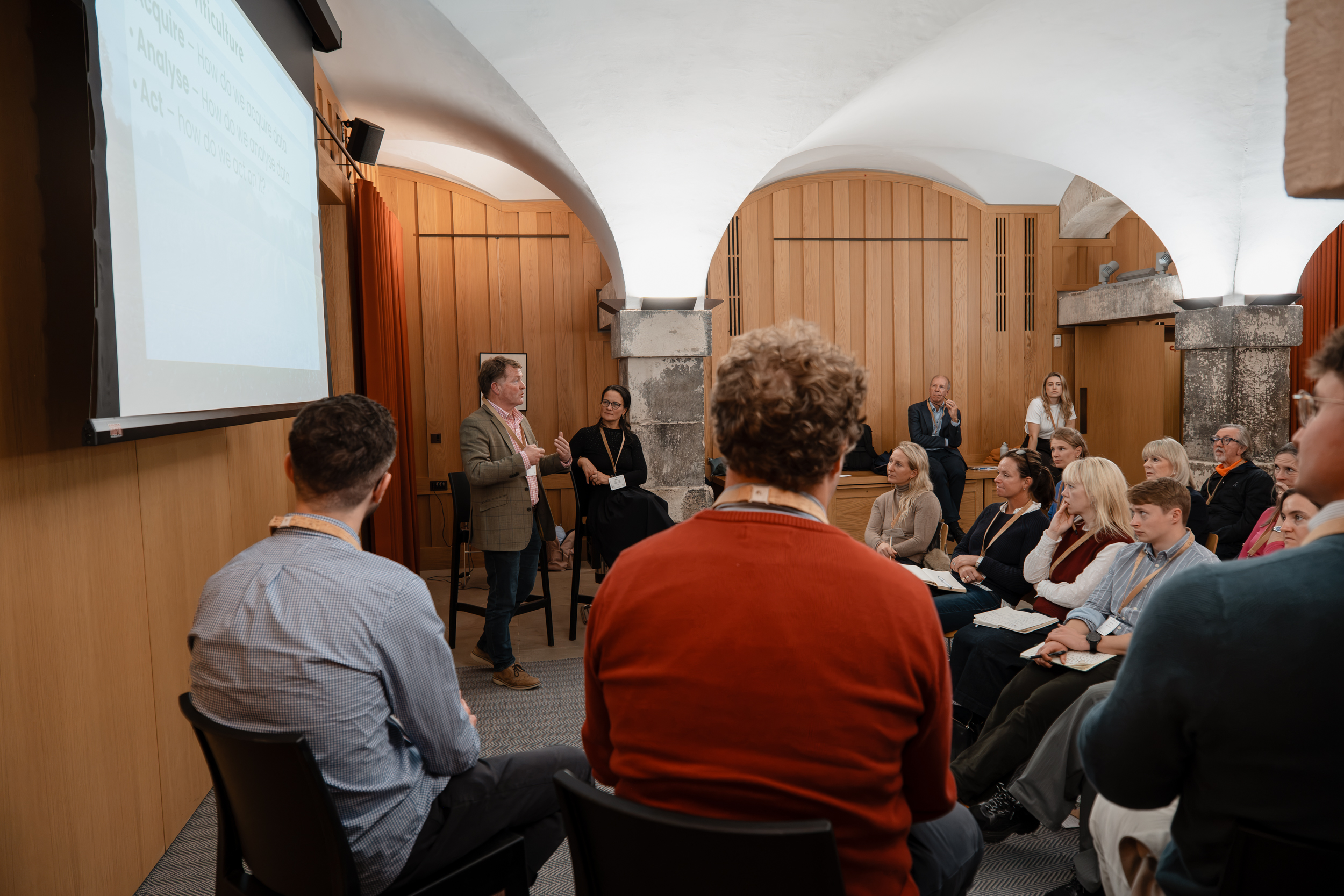
Helping those who want to either transition to regenerative agriculture or who want to take the next steps in the regenerative journey was a panel talk that directly addressed the practical applications of science and data.
Dr Florian Payen and Tom Griffin from the University of Oxford showed figures that related to 50 vineyards across the globe which highlighted how alternative vineyard practices such as returning prunings to the soil and cover cropping can measurably and meaningfully influence soil organic carbon.
The researchers acknowledged that grape production is on average 30% of the carbon footprint of wine, bringing the delegates back to the thought that small adjustments are part of the bigger picture.
One point of interest raised by the research is that there is a much greater benefit of planting vineyards on cropland sites that have been exhaustively farmed previously as regenerative vineyard practices can have a greater impact on the health of these soils allowing far greater carbon sequestration than sites that have been traditionally used as pasture.
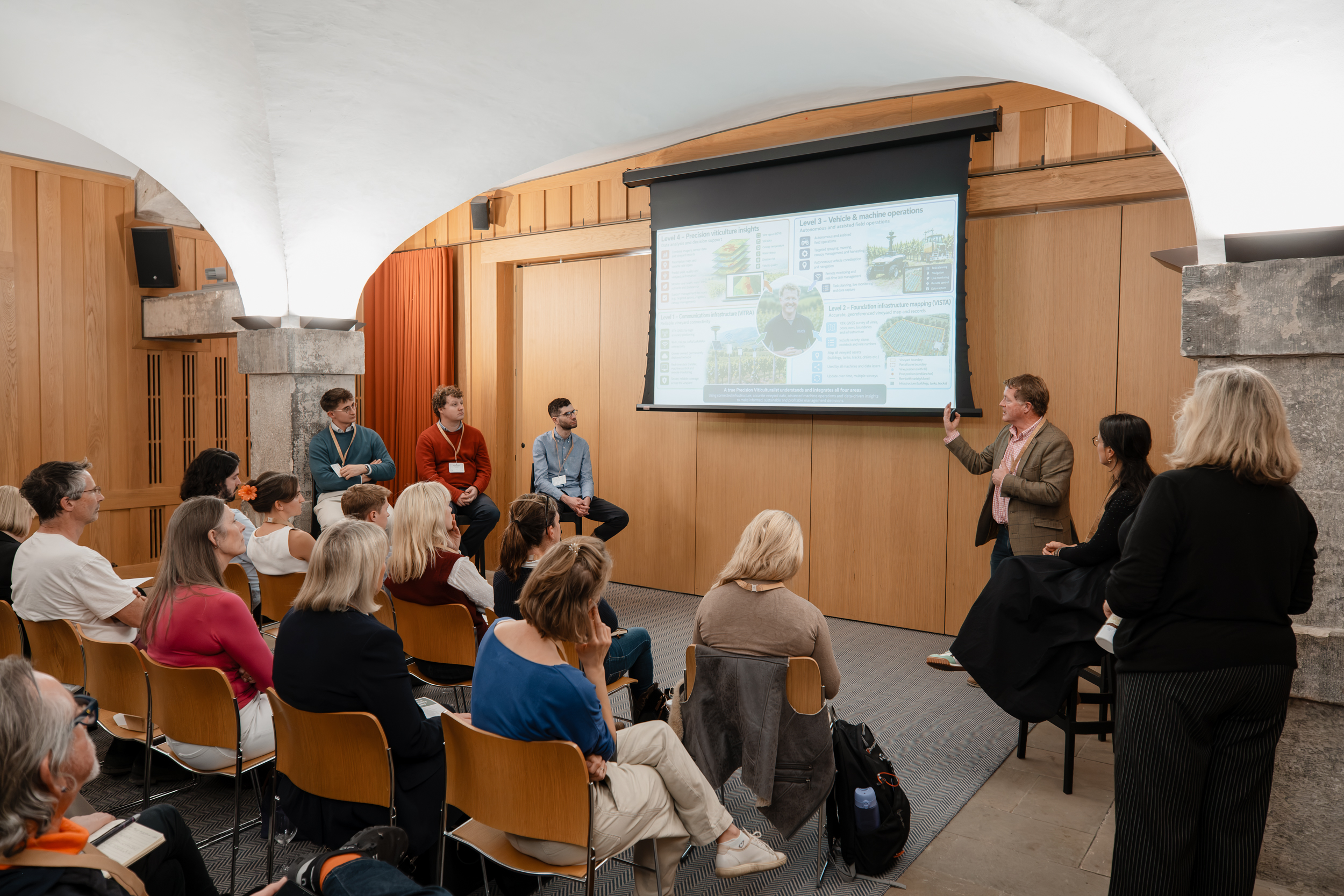
Ian Beecher Jones explained that the vineyard industry is often hampered by using technology that has been morphed from other agricultural sectors. When agronomy apps are applied to a vineyard there are many aspects that are unsuitable. One basic example he outlined was the term vineyard boundary. Is that a parcel, a variety, a clone or a field boundary. “Vineyards are not a mono crop like wheat or barley. Precision viticulture is vital for decision support,” said Ian.
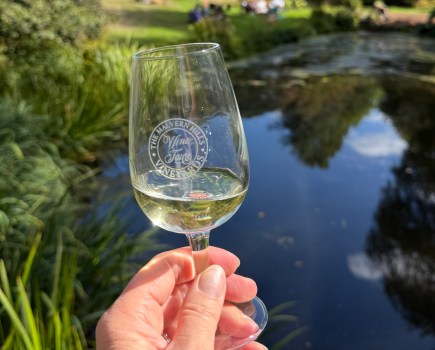
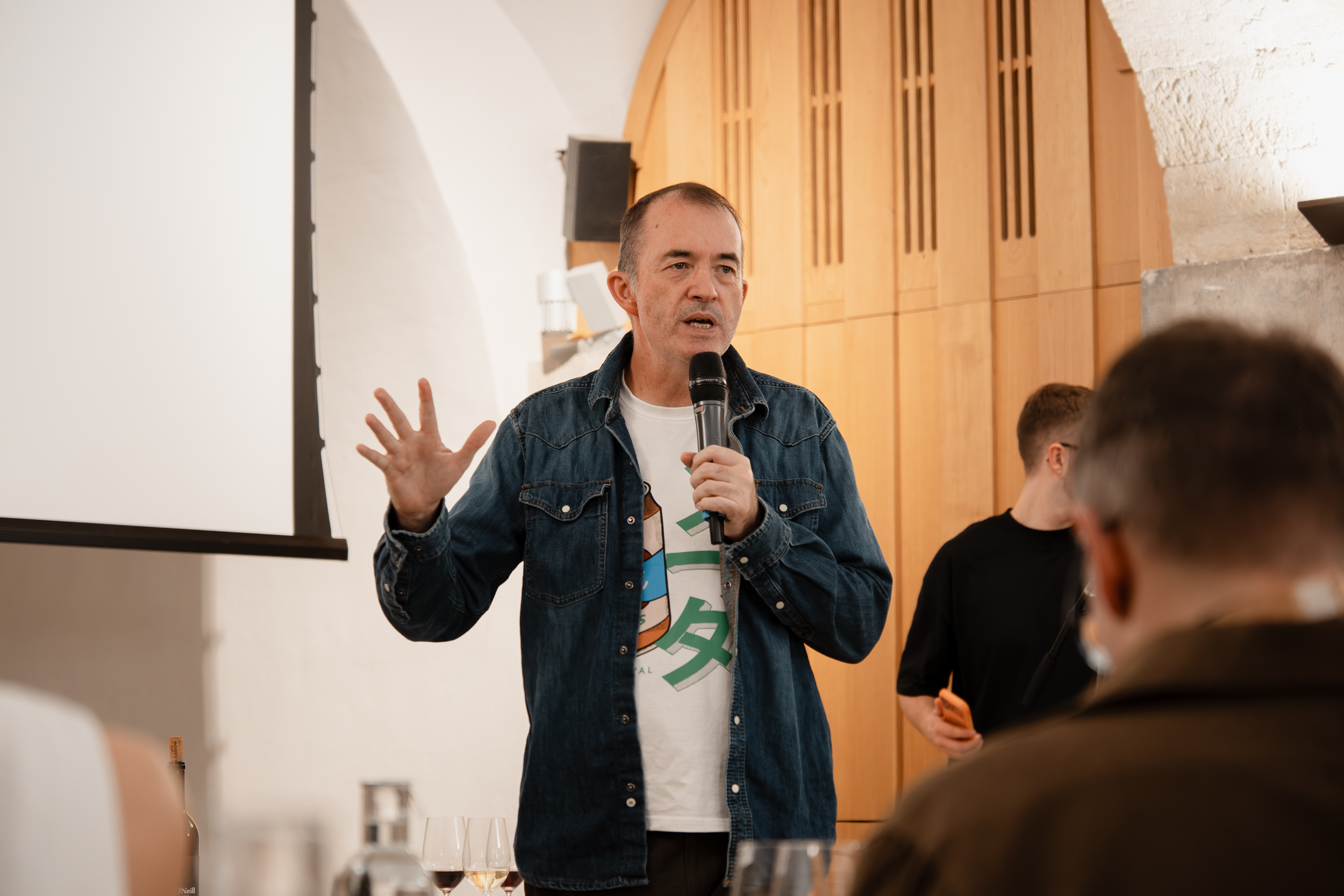
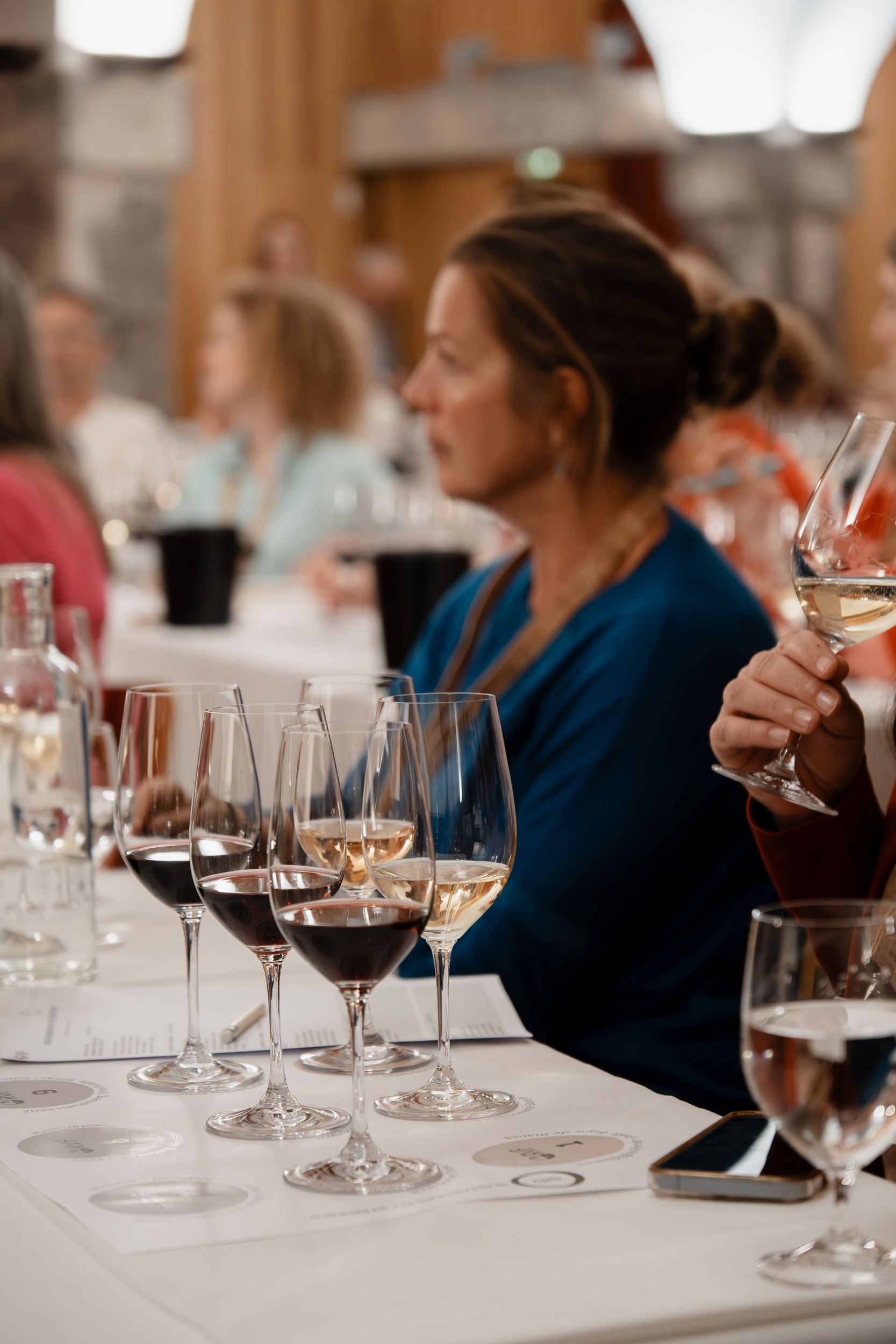
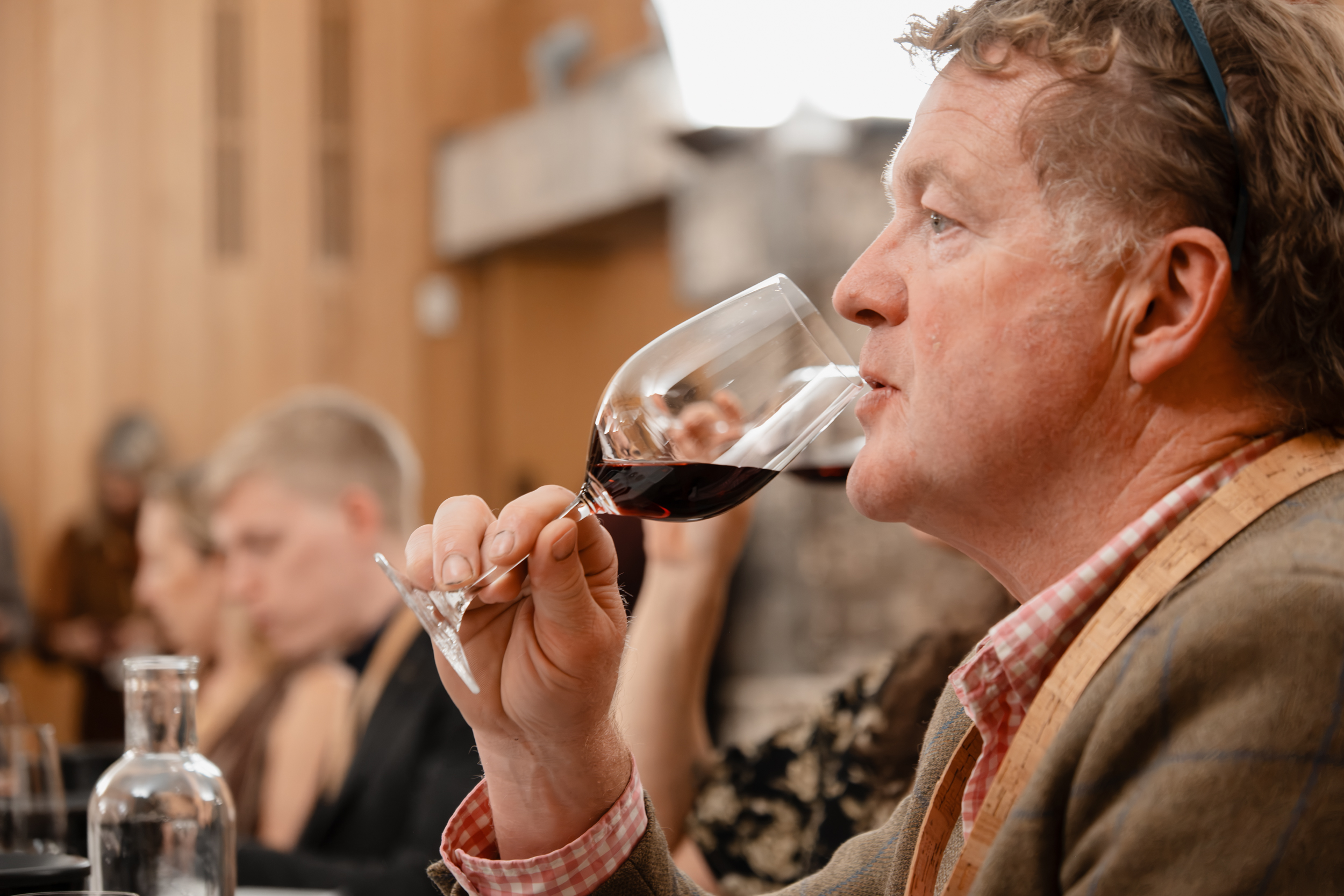
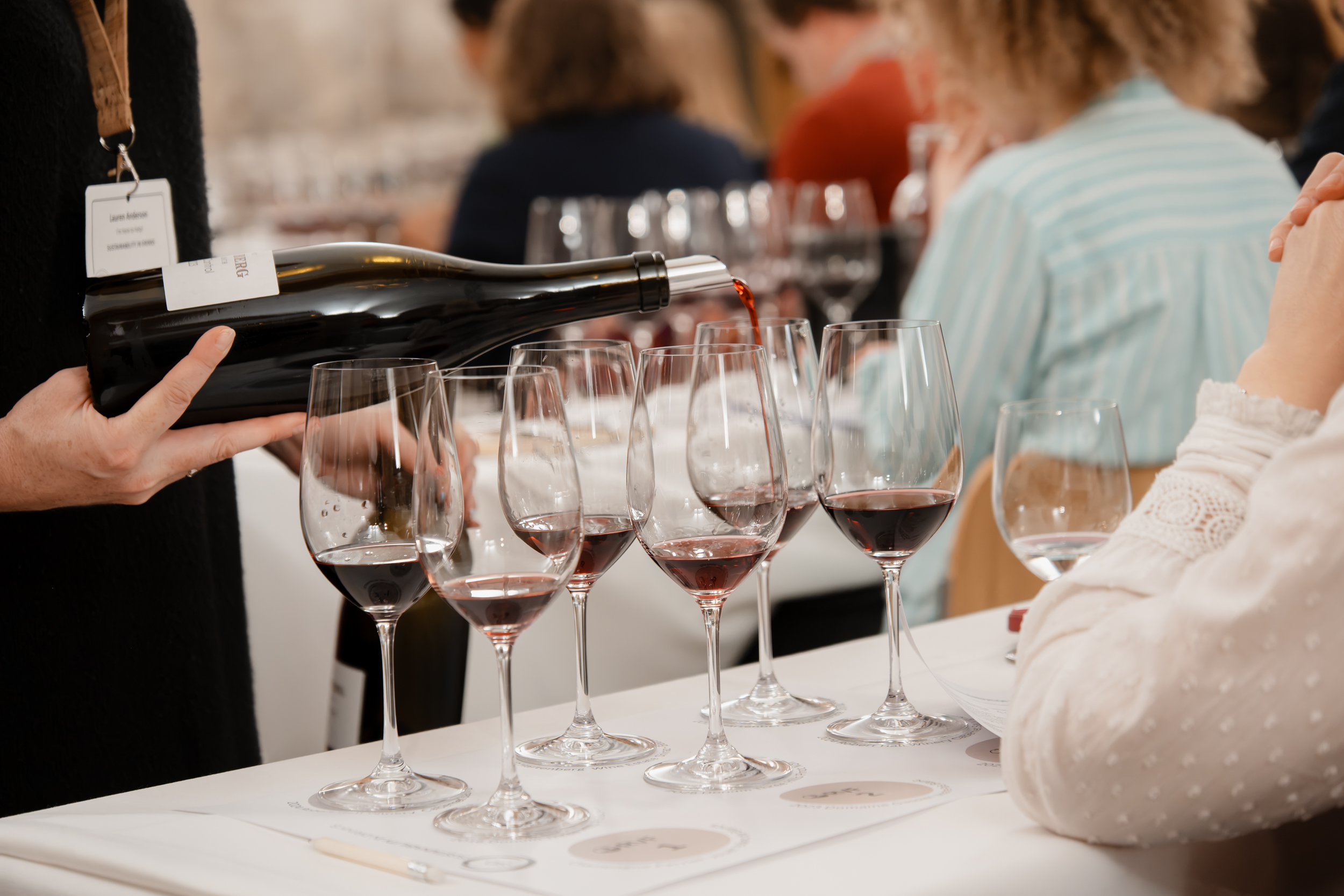
A fascinating wine tasting had been arranged to answer the question ‘Does Regenerative Taste Better?’ Hosted by Jamie Goode, he enthusiastically explained some of the regenerative practices and the influences these practices have had in the resulting wines. Several of the wines were side by side comparisons where vineyards had experimented with regenerative practices and continued to make the traditional style wines as well. There was universal agreement that the wines produced from the same variety, processed in the same winery on the same day showed very significant differences.
Wines of note were from Hartenberg Wine Estate, Stellenbosch. The Regenerative wine had been made in a way that included planned cattle grazing amongst the vines, applications of compost and biochar alongside multispecies cover cropping. The resulting wine had a slightly lower abv and a wider more complex flavour profile than the control wine. The team from Hartenberg worked with the University of Stellenbosch to make sure that the results were recorded and measurable and were so impressed with the results such as a healthier soil pH that they plan to adopt cattle grazing across a much wider area in the vineyard.
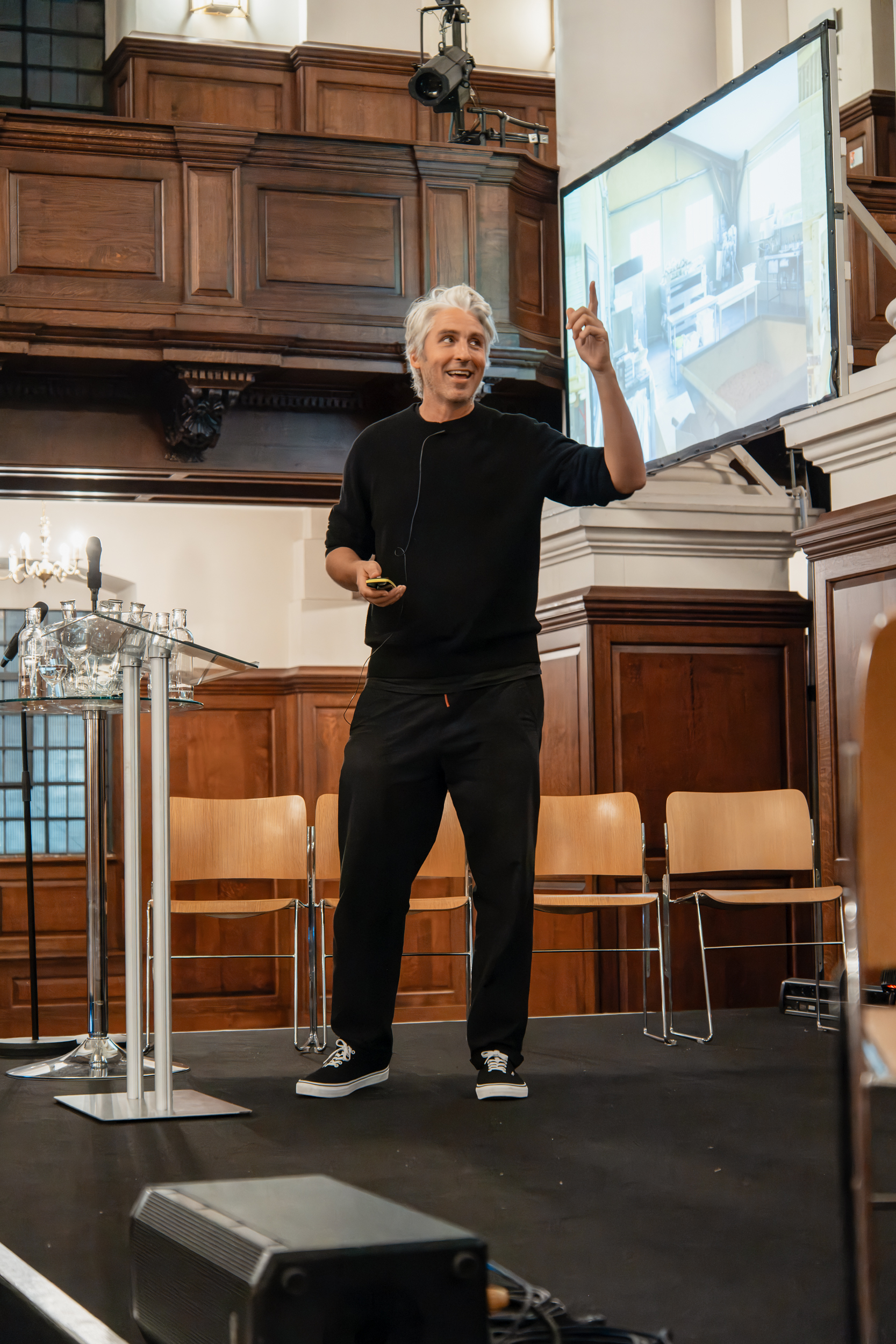
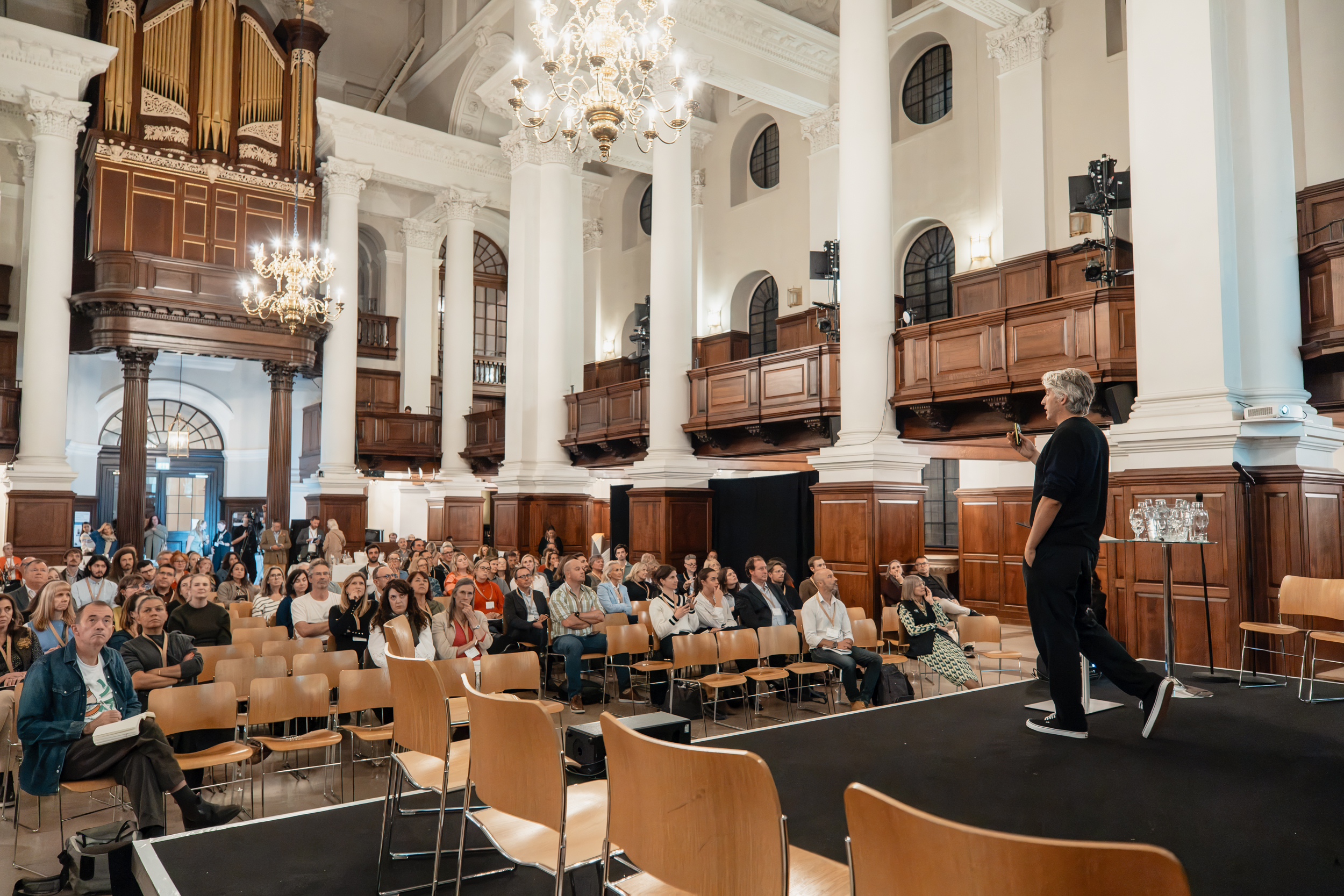
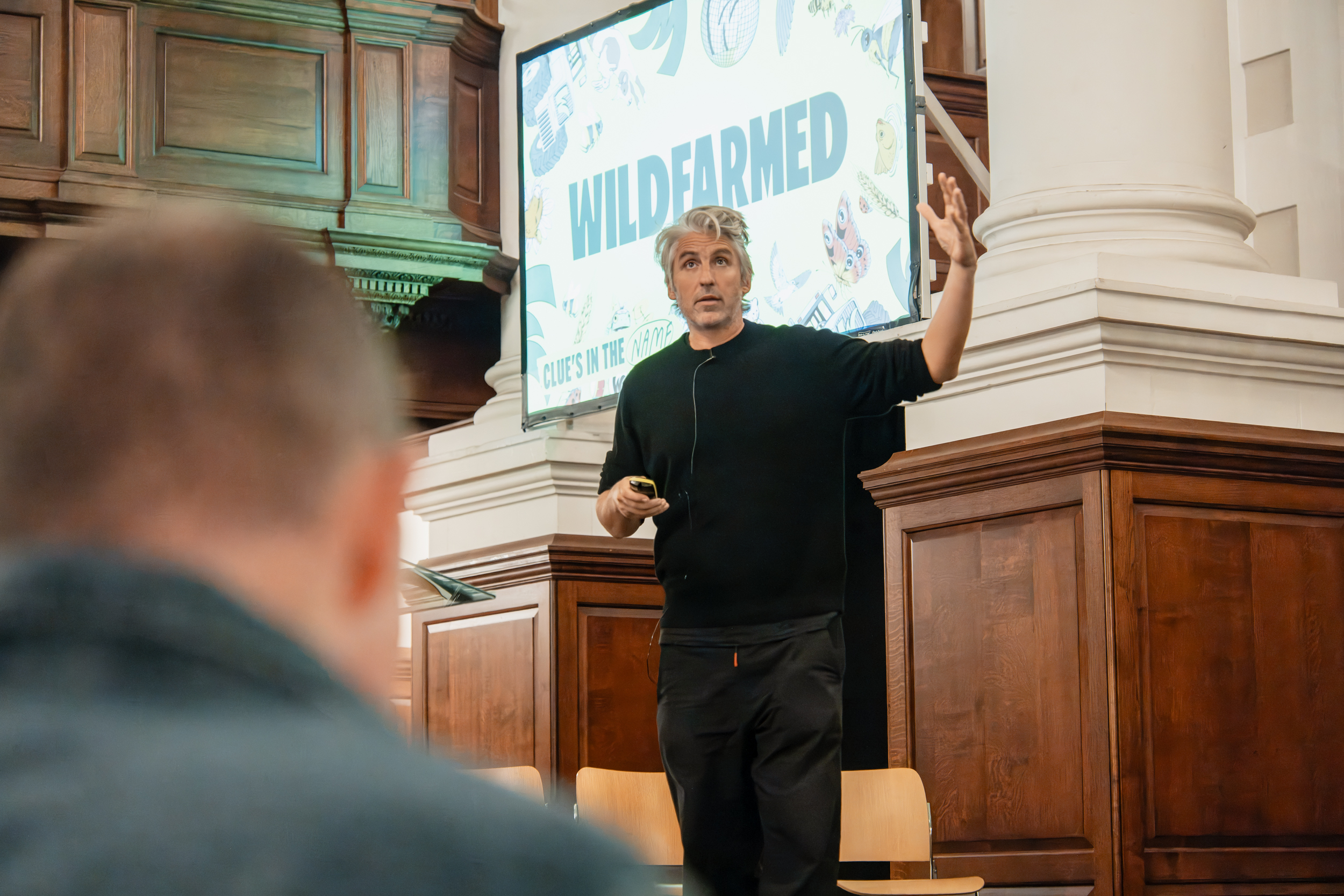
The keynote speaker for the day was George Lamb of Wildfarmed who shocked the audience with many facts and stories regarding the way soil has been over worked. “98% of food is grown in a way that is bad for biodiversity and the soil… but one teaspoon of healthy soil can contain more living things than ever walked planet earth,” he said.
One of the key points from his experiences was that regeneration is about looking at your own vineyard, farm or orchard and asking the question: How can I make this better? The answer will not be universally the same and practices that work in one vineyard, orchard or farm may not be quite right at the vineyard, orchard or farm down the road. The story of Wildfarmed reinforced the message that the real benefit of regenerative practices is that they can be tailor made with an exact sense of place. The key for all of us is to continually work to improve after all as George pointed out “overnight success stories are a long time in the making.”

Photos: ©Thomas Skovsende