
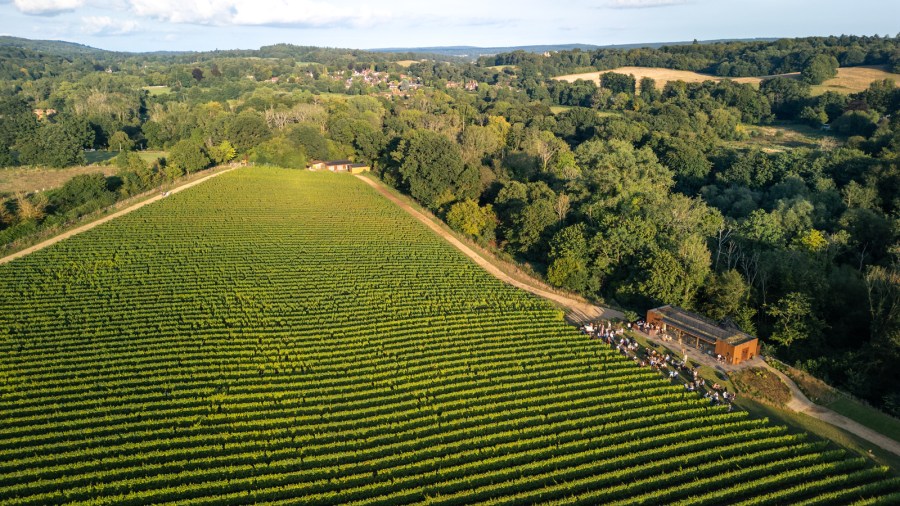
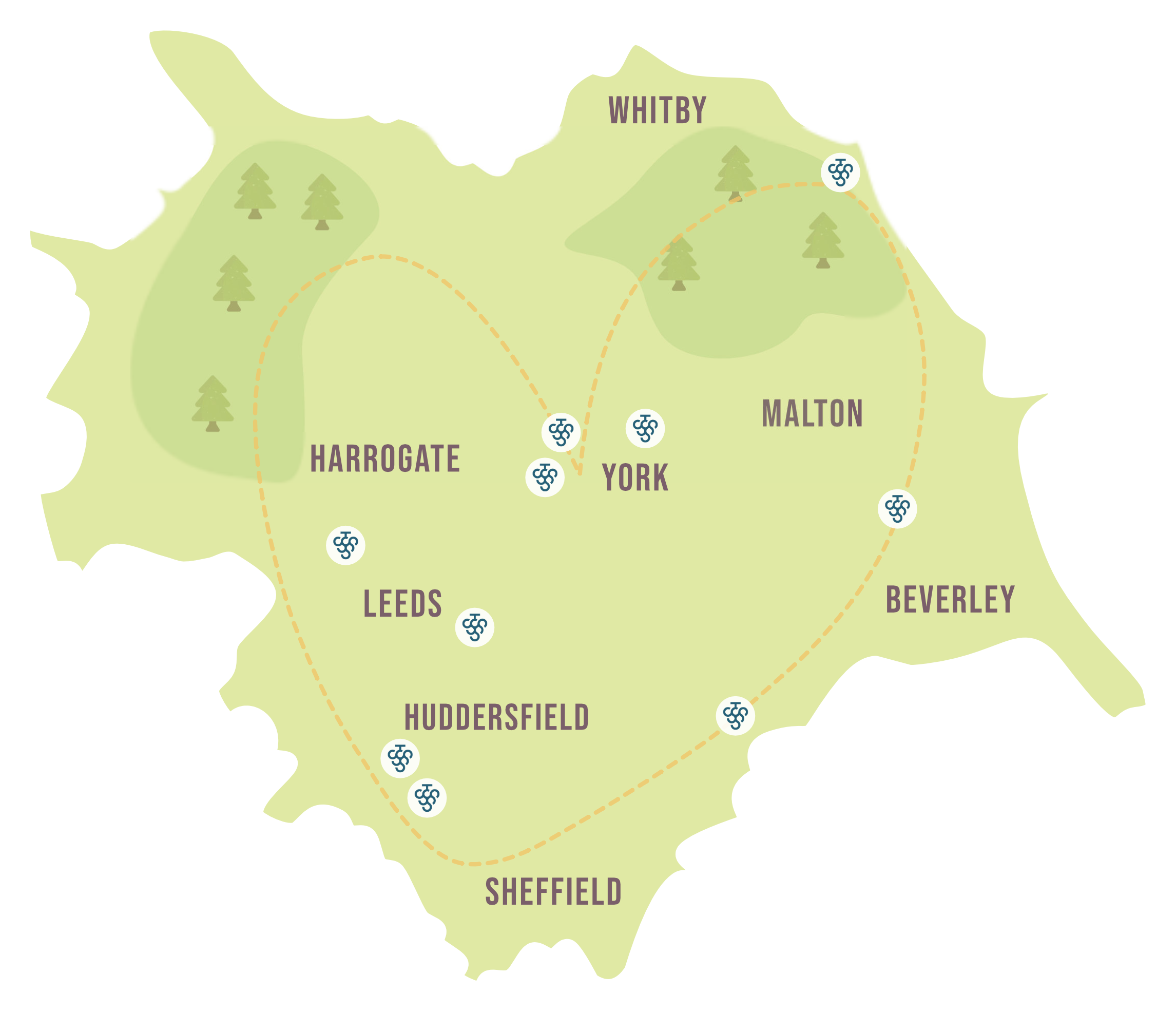
Lucy Thomas is an independent wine tourism enthusiast who has visited over 80 English and Welsh vineyards here she visits Yorkshire which is proudly claiming its place on England’s wine tourism map with the launch of a new trail encompassing ten of the region’s premier vineyards.
At the end of March, the stylish 22 Yards Wine Bar in York hosted a gathering of wine educators, sommeliers, media and tourism professionals to celebrate the trail and get a taste of what visitors can expect from Yorkshire’s extensive wine list.
Commercial grape growing was reintroduced in Yorkshire by Leventhorpe in 1985. Whilst the region is still small compared to its southern counterparts, it now has 125 acres under vine with production sitting around 100,000 bottles. This is growing every year as existing vineyards expand and new ones are planted.
Underground influences
Beneath those sweeping moorlands, dales and pastures sit a range of soil types which are great for growing grapes. In the Wolds, they have the same underlying limestone and chalky soil types of southern England, and they boast the most northerly chalk hills in the UK which provides the ability to create fresh and minerally wines. The Vale of York has underlying sandstone and mudstones, covered by the gravels and tills formed by the last ice age, and is rich in clays and sand left by glacial lakes. The river Aire starts in the limestone region of Malham in the Yorkshire Dales, before flowing across the county through Leeds. The Holme Valley is in the foothills of the Pennines, an area dominated by millstone grit which is coarse sandstone.
Grape varieties galore
Such diverse terroir lends itself to a wide range of grape varieties with many of the trail members planting more than ten varieties – there is one with over 20 varieties. This gives maximum flexibility for blends depending on the growing season. As you would expect from vineyards at 54⁰N with less hours of sunlight, risk of late frosts and misty Septembers, hybrids and piwis are popular choices. That said, Yorkshire growers are benefiting from sunnier and hotter weather. Growing degree days in York last season were 984 which is comparable to the Loire Valley.
The number one planting in Yorkshire is the resilient and versatile Solaris. This hybrid grape, which includes Riesling and Pinot Gris in its heritage, makes a wonderfully diverse range of wines from sparkling, still white, orange wine to dessert wine.
Pinot Noir and Seyval Blanc are second and third by volume, but you’ll also find Rondo, Divico, Dornfelder, Regent, Gamay, Cabernet Franc, Merlot, Cabernet Cortis, Phoenix, Ortega, Bacchus, Albarino and many more.
Harvests tend to be later ‘up north’ – some trail members have been known to hold off until the beginning of November depending upon what the weather throws at them.
Collectively driving tourism growth
The variety of tourism experiences across the region are as rich and diverse as anywhere in the country. Whilst some Yorkshire Wine Trail members are only just opening their doors to the public, others are long-established with onsite accommodation and eateries. Whether visitors are looking for breakfast, lunch, dinner or afternoon tea all are available options on the trail.
In common with the growing number of regional collaborations across the country, the Yorkshire Wine Trail aims to increase awareness and visitor numbers by making it easy to explore the area. A passport has been introduced to encourage people to discover multiple vineyards. Stamps are collected at each destination which leads to a reward once all ten have been visited.
These family-run businesses, some extending to three generations, all have a passion for hospitality and storytelling. Between them they have an enviable list of unique qualities and experiences.
Vineyards great and small
Bay Vineyard sits at the end of the coast-to-coast national trail and comes (as the name suggests) with a sea view. In contrast, Leventhorpe, on the outskirts of Leeds, is one of a handful of vineyards in the world to sit within a large City boundary. There’s country splendour in abundance at Carlton Towers, a stately home with a walled-garden vineyard. For animal lovers, Laurel Vines offers ‘Herd it on the grapevine’ – a collaboration with the neighbouring farm which combines a vineyard picnic with a highland cow safari.
Holmfirth has self-catering apartments and a restaurant making it an ideal choice for an extended stay in the region. There are also boutique hidden gems open by appointment only including Towthorpe, Knotfield, Helme Edge and Goose Beck (which also offers holiday cottages).
The region is hosting its third Great Yorkshire Wine & Fizz Festival on 27 June as part of English Wine Week. The venue is Yorkshire Heart – a vineyard, winery and brewery that is no stranger to running successful events. From acoustic nights to the hugely popular Hearty Fest there is always something interesting going on. They have elevated their winter offering with a traditional Scandinavian Arctic Cabin for cosy wine tastings accompanied by nibbles cooked on the central BBQ.
Making its mark on Yorkshire’s tourist map
The vineyards have worked with regional tourism teams to ensure the trail becomes part of the wider fabric of must-see destinations across the area. Their website offers information on local attractions, restaurants, and accommodation that would appeal to vineyard visitors.
Whether anyone completes the trail passport to claim their reward remains to be seen, but what is certain is that a warm Yorkshire welcome awaits visitors who want to take a gander around this champion wine region.
www.yorkshirewinetrail.co.uk
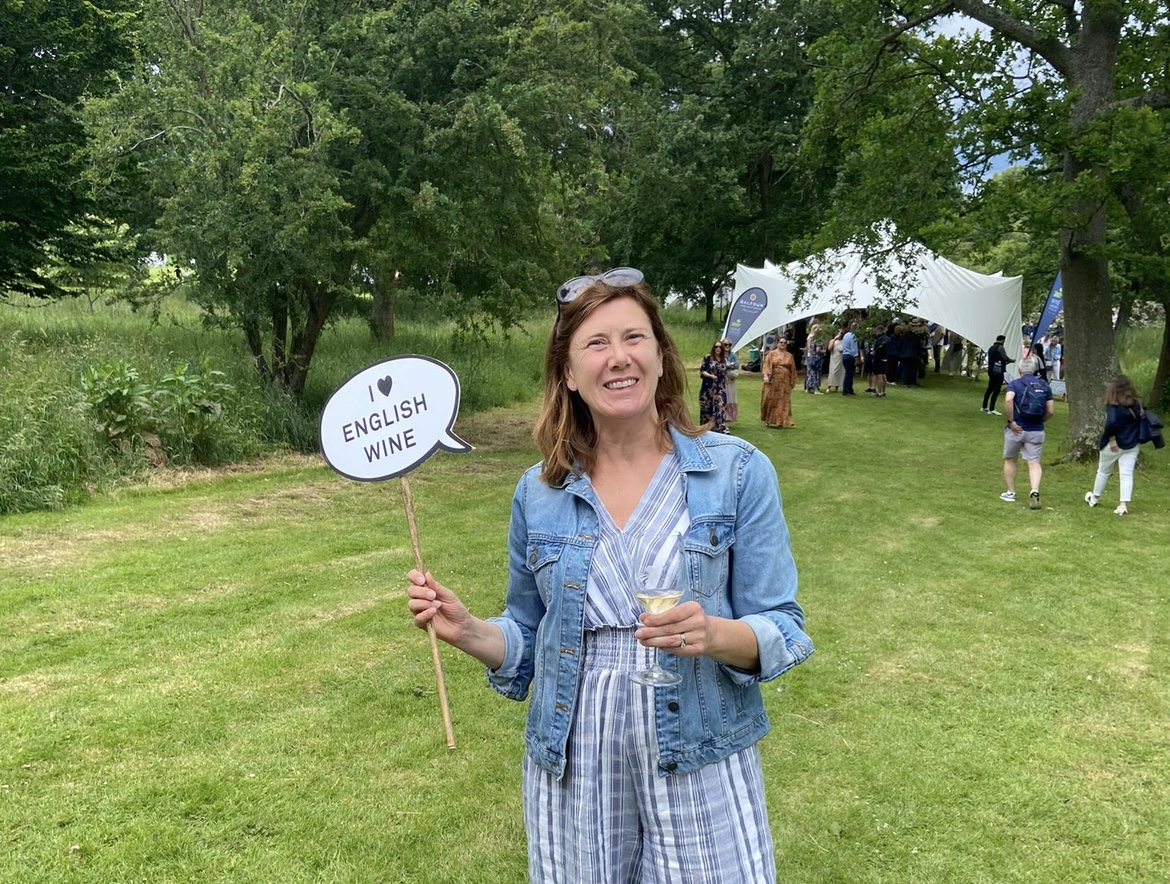
Lucy Thomas
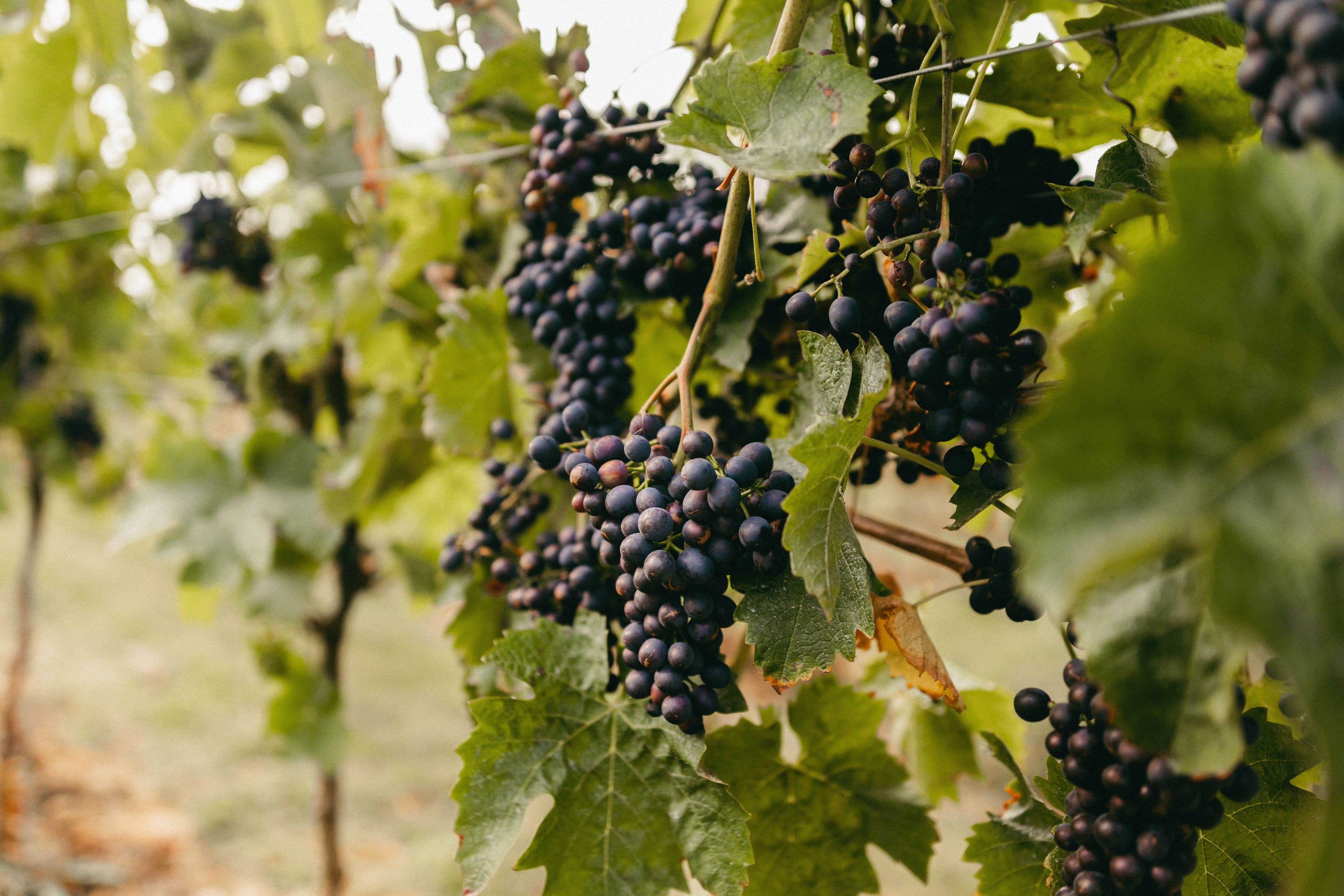
Goose Beck
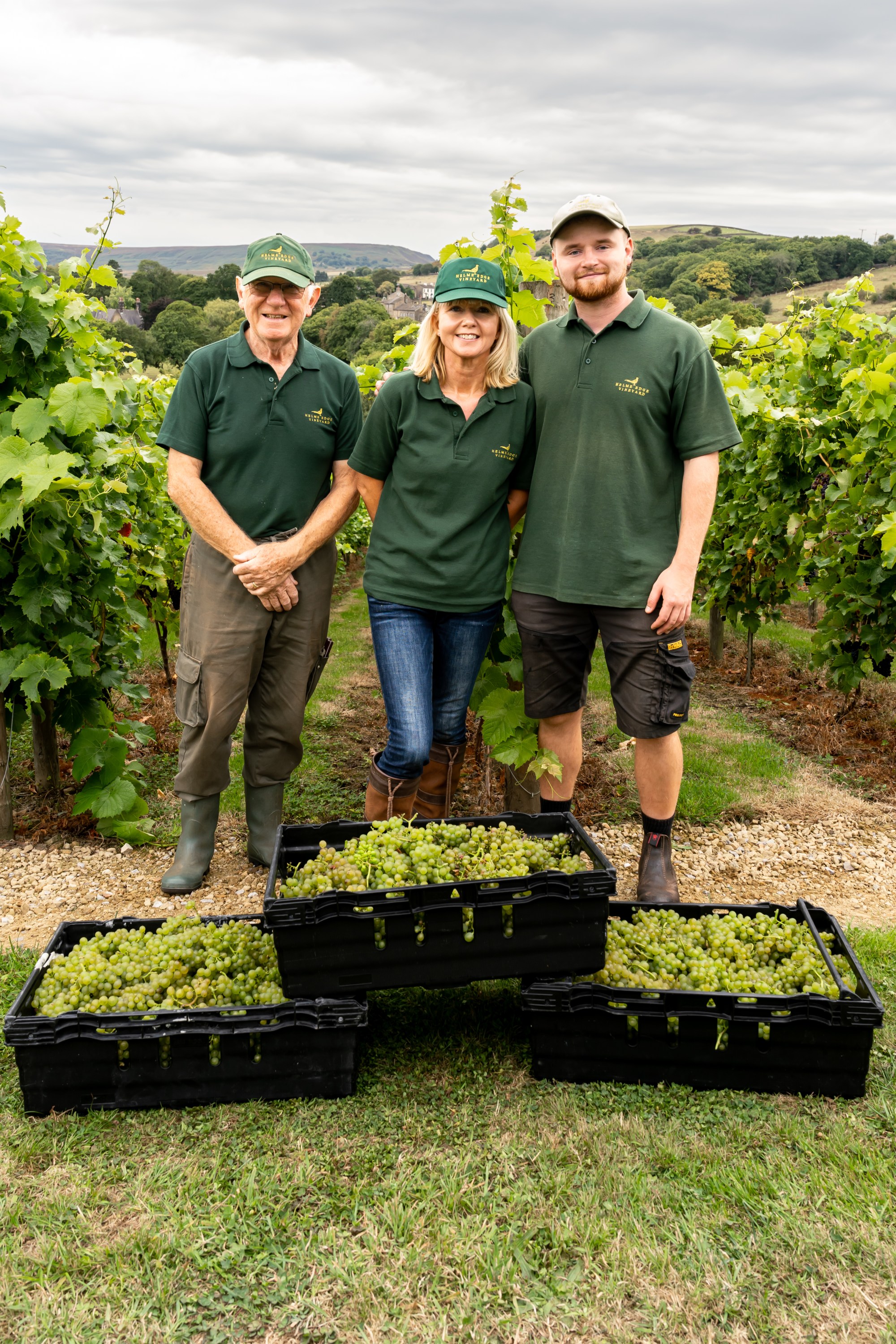
Helme Edge
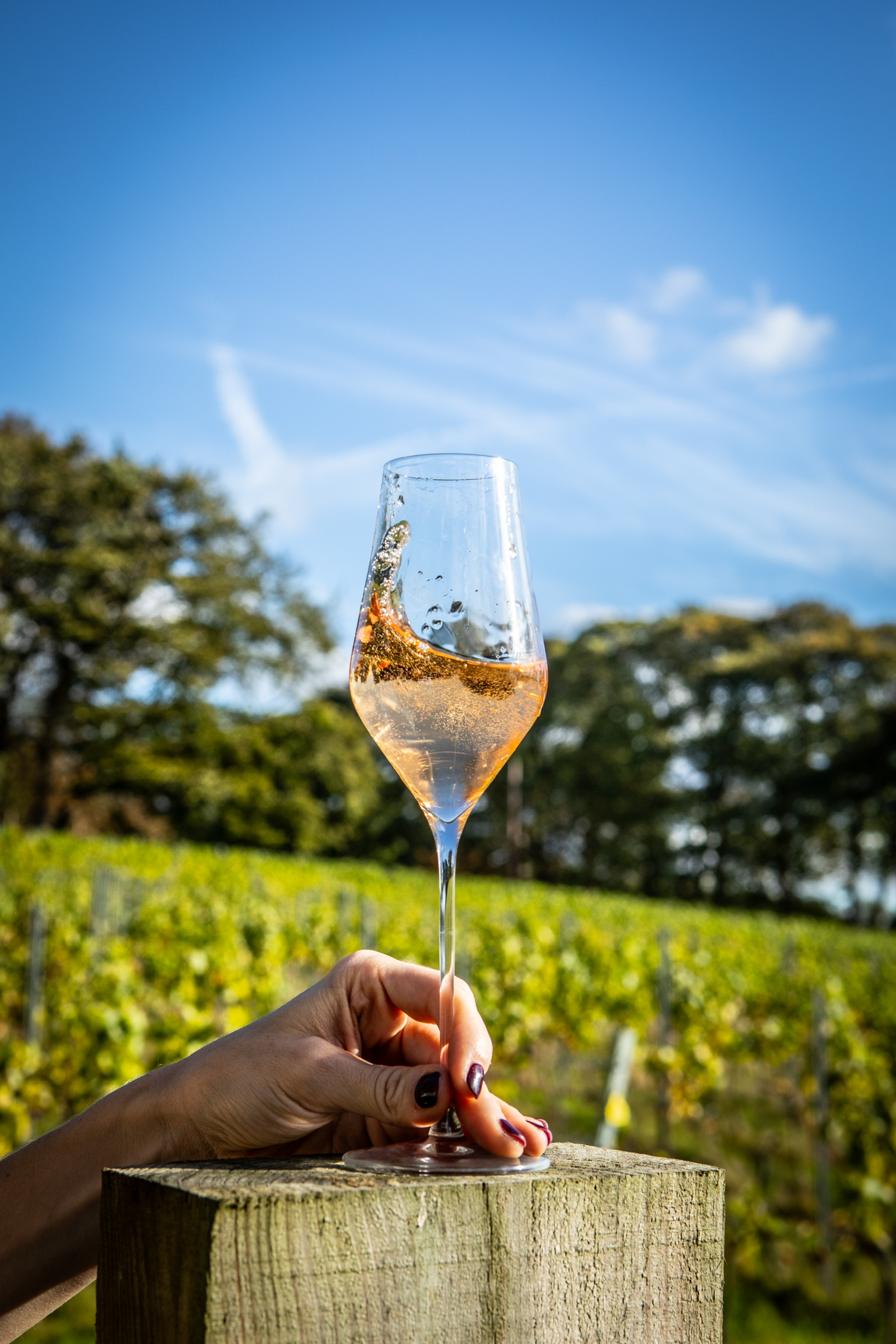
Knotfield
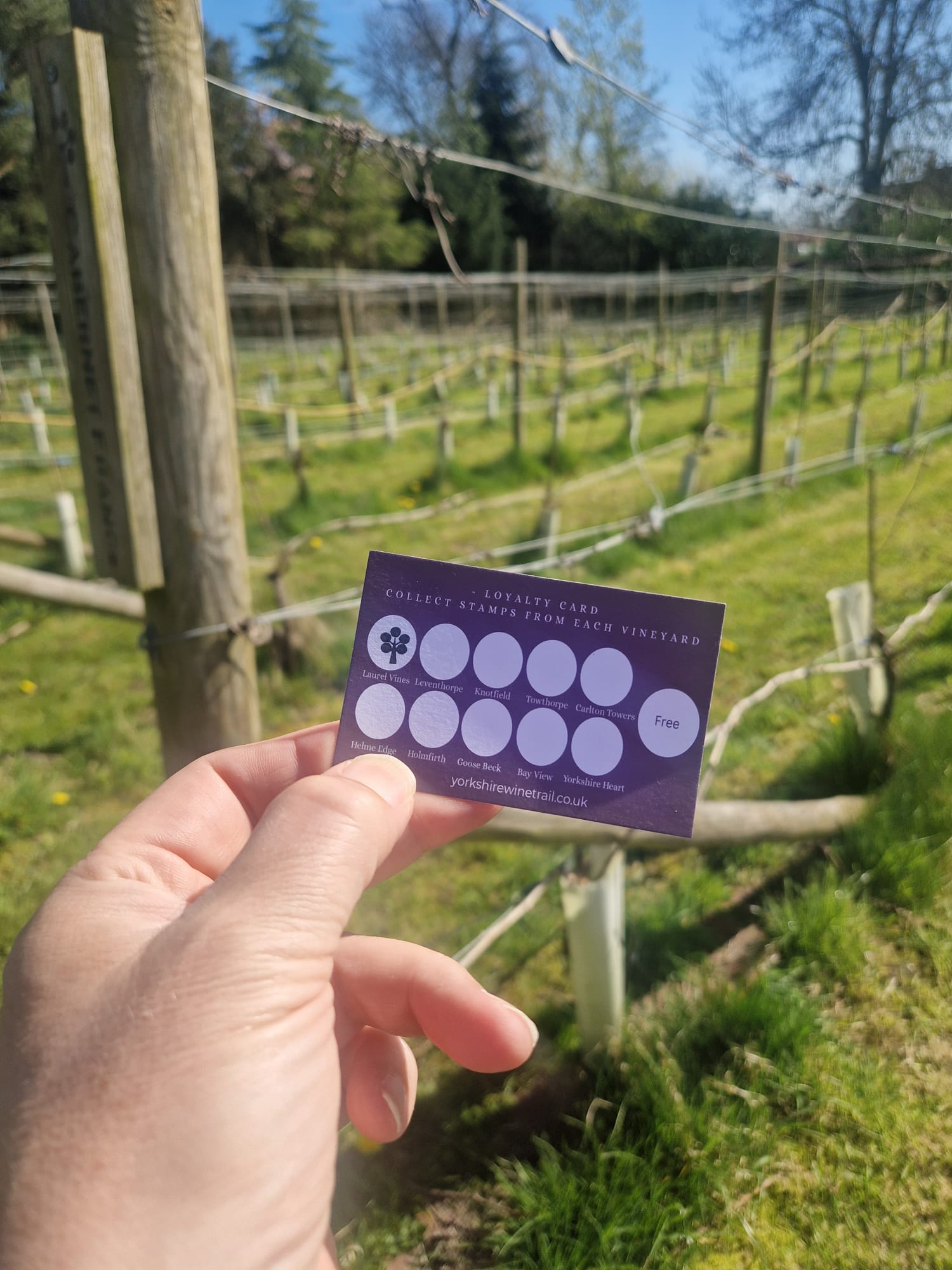
Loyalty card
Lucy Thomas has visited 80 vineyards in England & Wales and shares her knowledge of wine tourism at www.bestbritishbubbly.com and on Instagram @bestbritishbubbly