
Soil is one of the most important aspects of a vineyard. What happens below ground matters as much as what happens on the vine.
Vineyard managers face increasing pressures in the UK’s wet, cool climate – from soil degradation and nutrient imbalances to copper accumulation and climate-related stress. Early season soil additions offer a practical way to restore soil vitality before budburst. By using organic matter, biochar, and vermiculture products, growers can rebuild soil structure, strengthen microbial life, and improve water retention and infiltration, setting the stage for healthier, more resilient vines.
Why soil additions matter
Soil is more than dirt. It’s a living ecosystem that supports root growth, stores water, retains nutrients, and hosts diverse microbial communities. Poor soil management can damage this ecosystem’s foundation through compaction, loss of organic matter, reduced biodiversity, nutrient leaching or erosion. Repeated use of synthetic fertilisers and fungicides can also lead to heavy-metal buildup over time, turning productive land into a biologically poor substrate.
As soils begin warming in early spring, vine roots start their first significant growth. This makes the period before budburst an ideal window to improve soil biology and nutrient buffering.
Soil amendments
Soil pH
Soil pH directly affects nutrient availability and vine performance. The optimal range for vines is 6.0–7.5.
- High pH (above 7.0) can restrict uptake of iron, zinc, boron, and manganese.
- Low pH (below 6.0) reduces availability of calcium, potassium, and nitrogen.
To adjust pH, apply limestone to increase it or elemental sulphur to lower it. Application rates depend on starting soil pH.
Compost and manures
Mature compost and well-rotted farmyard manure are cornerstones of vineyard soil improvement. They increase organic matter, improve aggregation, and fuel microbial activity.
- Compost adds stable humus, improves infiltration, and enhances nutrient retention, whether from green waste, winery by-products, or pruning residues.
- Well-rotted manure contributes organic nitrogen and phosphorus and introduces a diverse microbial load.
Only apply fully decomposed manure to avoid scorch, reduce weed-seed viability, and limit nutrient loss. Blending compost and manure creates a balanced amendment with both immediate and long-term effects. Typical application rates range from 25–50 t/ha, depending on soil condition and organic-matter targets.
Vermicompost
Vermicompost (worm-processed organic material) is a more microbially active form of compost. Its humified carbon and natural growth compounds support root development and nutrient uptake. Applied early in the season, it helps stimulate biological activity, especially in compacted or microbially depleted soils. Many growers blend vermicompost into compost or manure to boost biology without increasing overall application volume.
Worm Juice
Worm Juice is a liquid extract from worm castings rich in beneficial bacteria and fungi. Applied as a soil drench, via fertigation, or during weed spraying, it supports key nutrient-cycling processes such as mineralisation, nitrogen fixation, and phosphorus solubilisation.
While it does not replace solid organic matter inputs, Worm Juice complements compost and manure by activating microbial processes and improving nutrient availability. Its impact is gradual and depends on starting soil health. Vineyards shifting away from high synthetic inputs may need more than one season to see measurable change.
Biochar and Zeolite
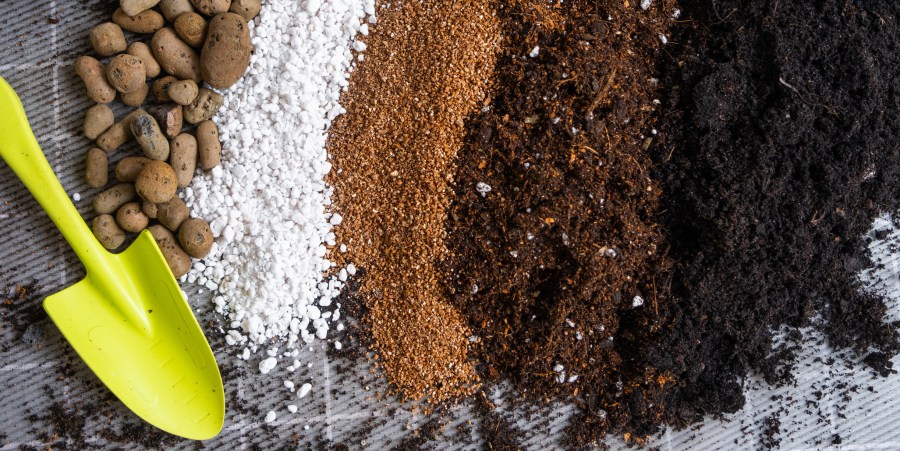
Biochar and Zeolite improve water retention, microbial health, and nutrient stability. Biochar enhances sandy soils by improving aeration and providing microbial habitat. Zeolite, with high cation-exchange capacity, acts as a reservoir for water and nutrients, slowly releasing them back to the soil. Both are often blended with compost or manure to reduce leaching and support long-term nutrient availability.
Building resilience from the soil up
Early soil additions are about long-term resilience rather than immediate results. These amendments work cumulatively – strengthening soil structure, building microbial networks, and improving moisture buffering. Applied early, when soils are moist, they incorporate more easily and stimulate microbial activity ahead of the spring root-growth flush.
The best time for UK vineyards to invest in soil is before budburst, which is why the viticulturists at VineWorks work closely with growers to ensure every addition supports the season ahead – one vine at a time.
For more like this, sign up for the FREE Vineyard newsletter here and receive all the latest viticulture news, reviews and insight