
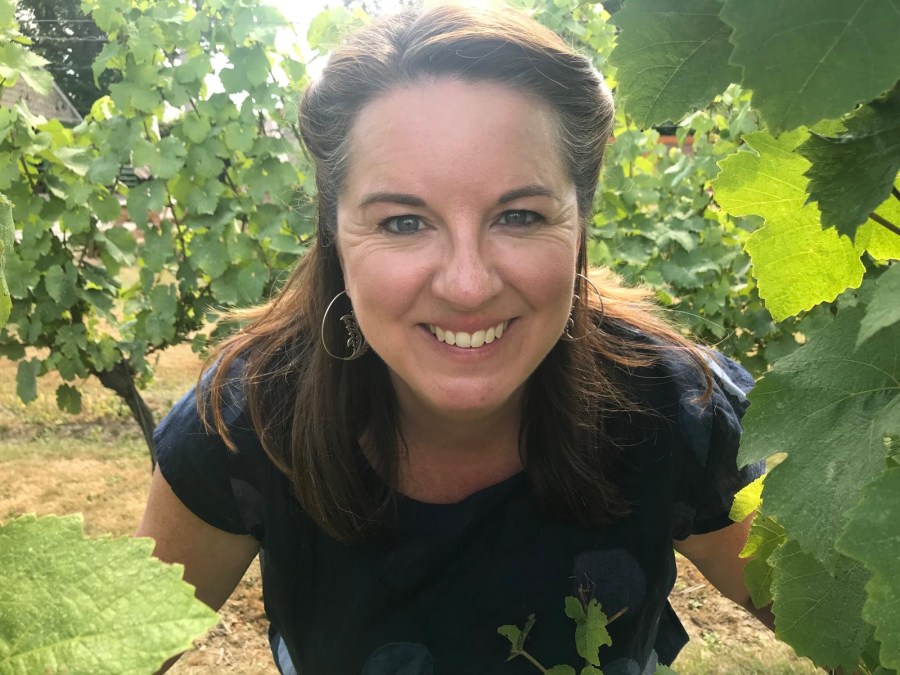
This month, to celebrate International Women’s Day on 8 March, we raise a glass to the incredible women working in English wine. I chat to Wendy Outhwaite and Collette O’Leary, two winemakers redefining excellence in English sparkling wine.
COLLETTE O’LEARY – Henners
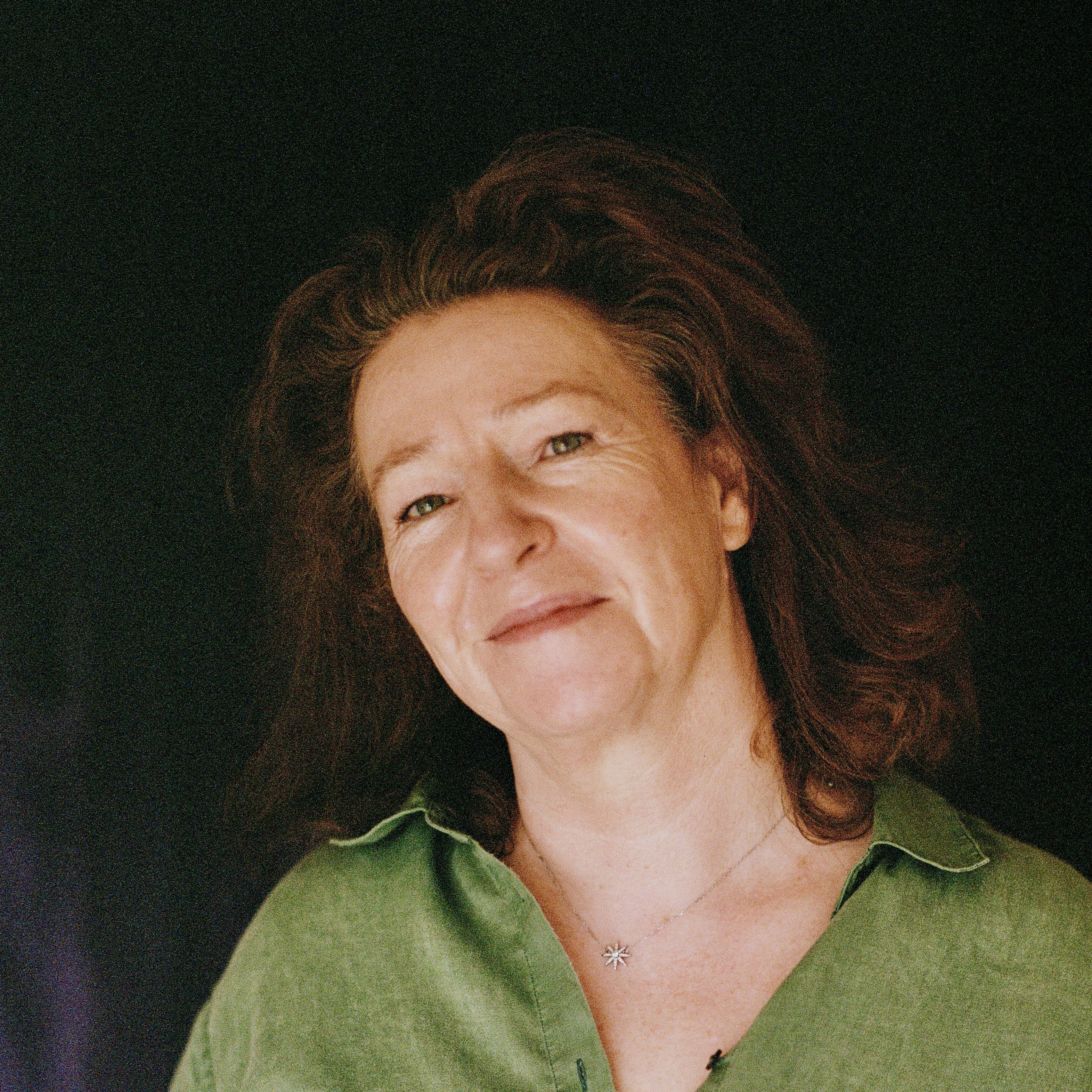
Collette O’Leary began her career in PR and marketing. But after travelling the world visiting vineyards and tasting wine, she took the plunge and retrained as a winemaker at Plumpton College, joining the UK wine industry in 2011.
She travelled overseas to work with renowned sparkling wine producers, including J Vineyards in California and Graham Beck in South Africa, where the magic of the bubble truly captured her. In early 2019, she joined Henners as Head Winemaker and has since helped guide the estate from a small boutique producer to one of the top ten wineries in England.
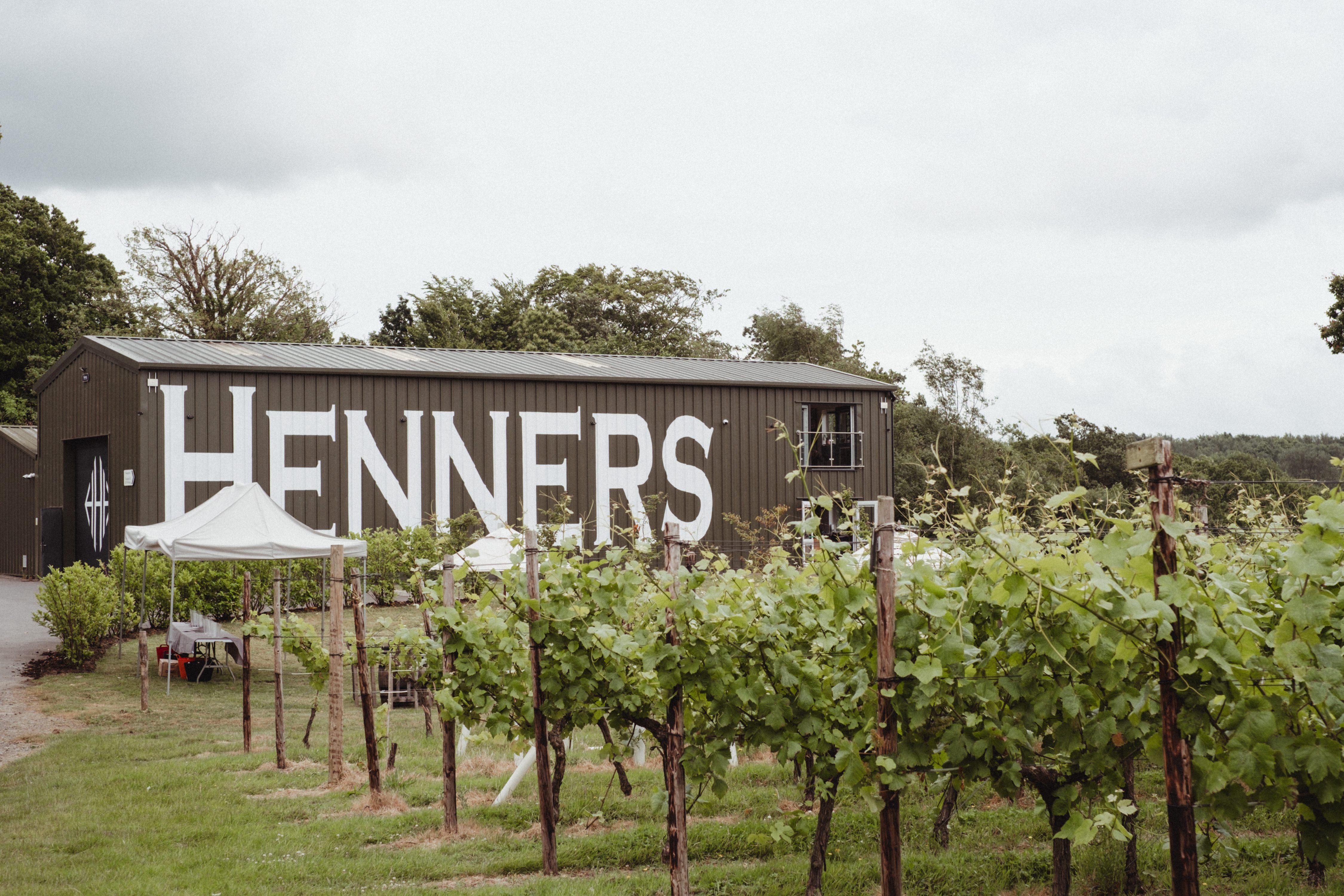
Established in the early 2000s in the picturesque village of Herstmonceux, East Sussex, Henners sits just five miles from the English Channel. This coastal influence is key to their success, with sea breezes minimizing frost risk, reducing disease pressure and bringing a crisp salinity to their wines. The vineyard benefits from low elevation and rich, free-draining clay soils, making the site ideally suited for quality sparkling and still wine production.
Under Collette’s stewardship, Henners has evolved from its origins into a more sophisticated operation. The winery has expanded significantly in recent years, introducing new wines and grape varieties to the lineup. But perhaps most importantly, Collette has championed a network approach to grape sourcing that sets Henners apart in the single-estate dominated English wine landscape.
Working with growers across the South East of England, Henners sources fruit from a mix of terroirs and climates, allowing them to produce excellent wines year after year regardless of vintage variation. As Collette explains, referencing advice from a French winemaker: “If you are playing the piano and only have three keys, you limit the tune you can play. By adding more keys, the greater the options and the more beautiful the tune you have available.” Their partner growers and vineyards are those extra keys, vital to the tune Henners plays.
This approach allows Collette to work with multiple vine clones and varieties, giving her a broad palette for final blending. She uses reserve wines and oak barrels to contribute character, depth, richness and layers to their wines. All wines are fermented and bottled on-site, with a small dedicated team responsible for every aspect of production.
Collette’s role draws on many different sides of her personality, from the physicality of working in the vineyard and winery to the creativity involved in crafting a blend and watching it develop in bottle. The travel that brought her to winemaking continues, taking her to bucket-list destinations around the world. “My job is essentially adult potion-making, and I feel incredibly fortunate to call it my career,” she says.
Since 2017, Henners has been part of Boutinot Wines, an international producer and distributor with a family of wineries spanning France, Italy, South Africa and New Zealand. This connection allows Collette to share ideas, experience and inspiration with sister vineyards around the world while celebrating the “Englishness” that makes Henners wines special. The result is wine shaped by both local character and a wider world of winemaking knowledge.
Sustainability sits at the heart of Collette’s production philosophy. Henners is a founder member of Sustainable Wines of Great Britain, established in 2020, and both their vineyard and winery are certified sustainable under the WineGB scheme. The commitment extends to reducing carbon footprint, improving soil health and conserving the vineyard environment.
Collette has always found the wine industry incredibly welcoming, with endless opportunities. Her journey from PR to winemaking, from California to South Africa to Sussex, proves that there are multiple paths into this industry, and that diverse experience can be an asset rather than a hindrance. At Henners, that global perspective combined with local passion is producing some of England’s most compelling wines.
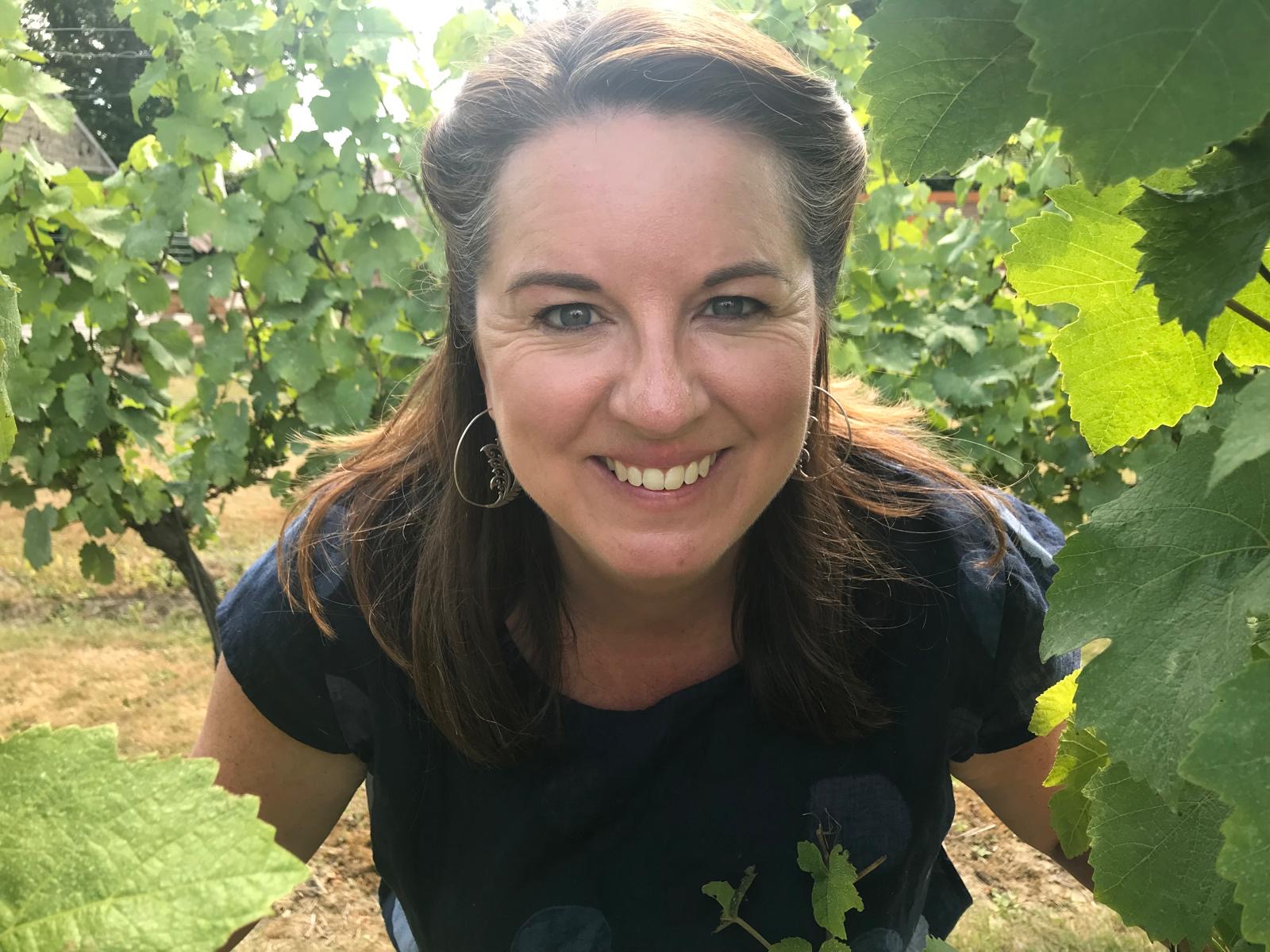
WENDY OUTHWAITE – Ambriel
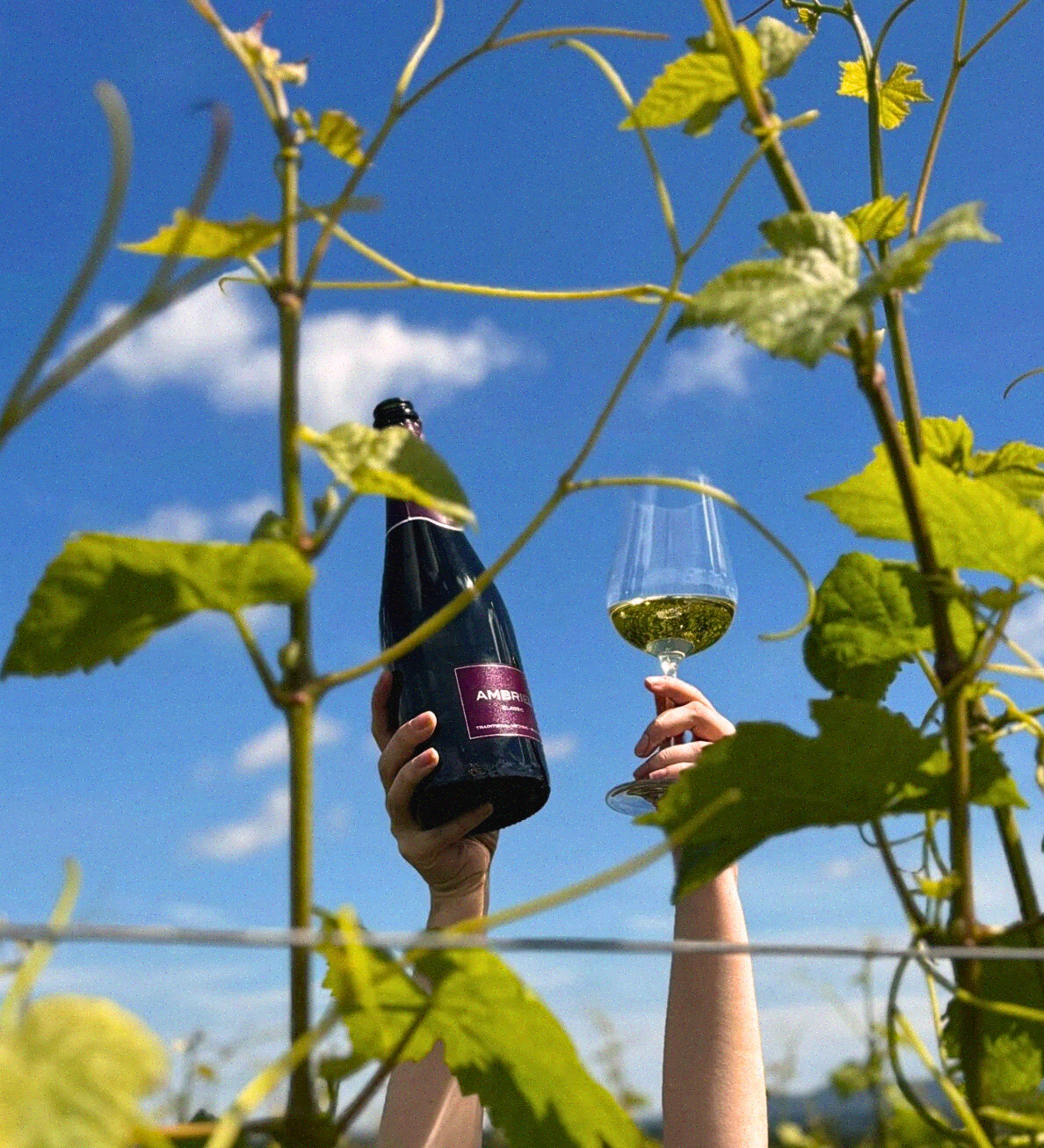
Twenty-five years as a human rights barrister might seem an unusual apprenticeship for winemaking, but for Wendy Outhwaite of Ambriel Vineyard, it proved the perfect foundation. The same exacting standards and unwavering conviction that defined her legal career now drive one of England’s most distinctive single-estate producers.
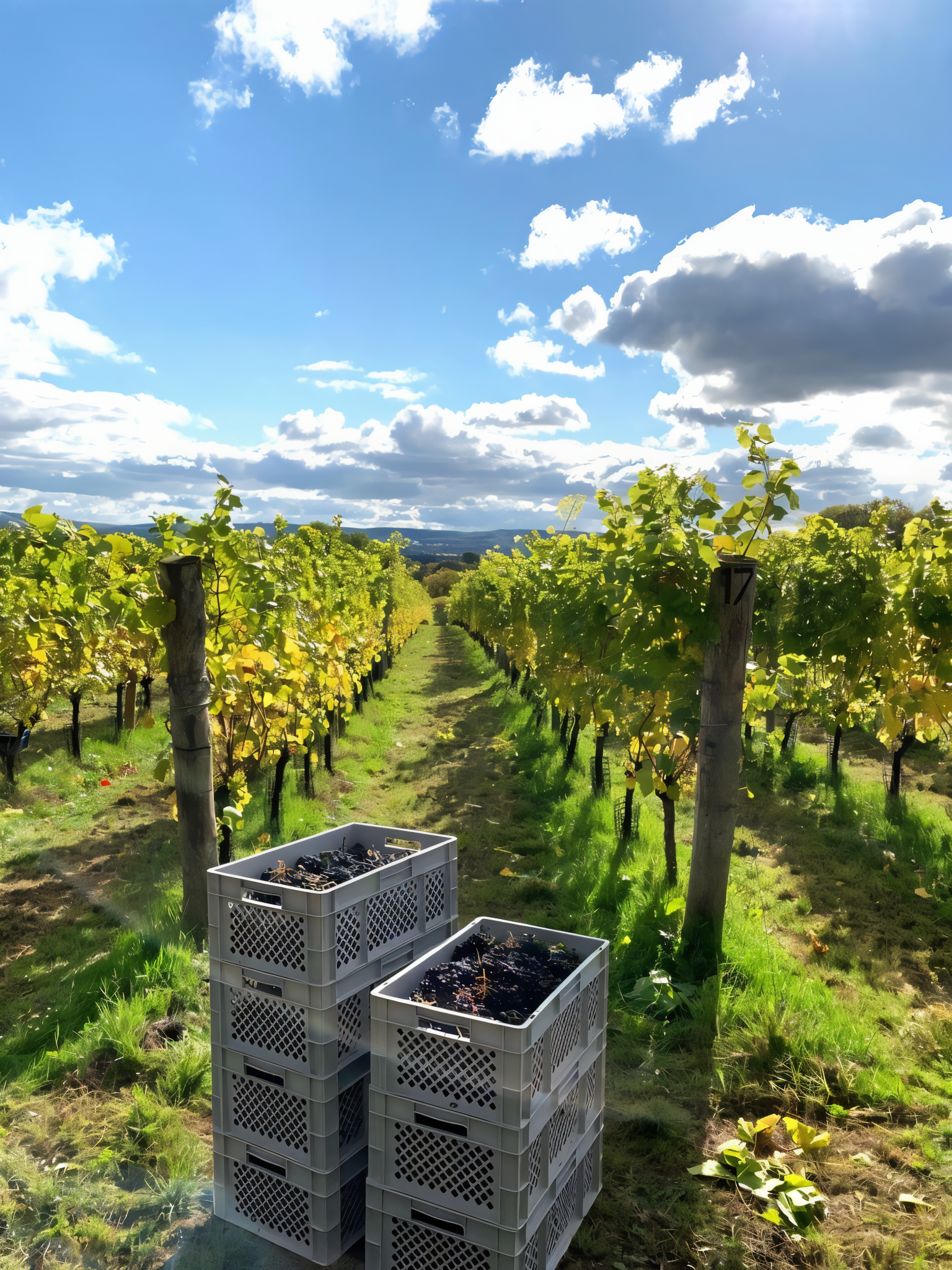
When Wendy and husband Charles planted their first vines on West Sussex greensand in 2008, they made strategic decisions that set them apart from the outset. Planting 9.5 hectares with Burgundian clones of Chardonnay and Pinot Noir alongside Pinot Meunier, they prioritized fruit flavour and complete quality control. The decision to remain exclusively a single-estate producer, overseeing everything from grape to glass, gives Ambriel absolute control over quality.
Their mantra is simple but uncompromising: “palate not wallet.” The blind blending process is theatrical, with wines spread across a long table, tasted and paired down until the perfect combination emerges, often to the dismay of distributors watching potential volume disappear in favour of excellence. Even their entry-level sparkling wine spends seven years on lees, while prestige cuvées like the English Reserve and limited releases such as Cuvée 10 showcase the potential of extended ageing on England’s unique terroir.
That greensand rock beneath their vines is Ambriel’s secret weapon, retaining heat overnight and eliminating frost risk. This geological advantage allows Wendy to focus on regenerative viticulture. Solar panels power the operation, while green roofs and wildflower margins promote biodiversity.
Ambriel’s winemaking philosophy centres on meticulous attention at every stage. Each clone and plot is vinified separately in temperature-controlled stainless steel tanks or aged oak barrels. Tank size deliberately limits production, ensuring quality over quantity remains paramount across their range of six sparkling wines, from the Classic multi-vintage to specialist releases like the 2018 Rosé.
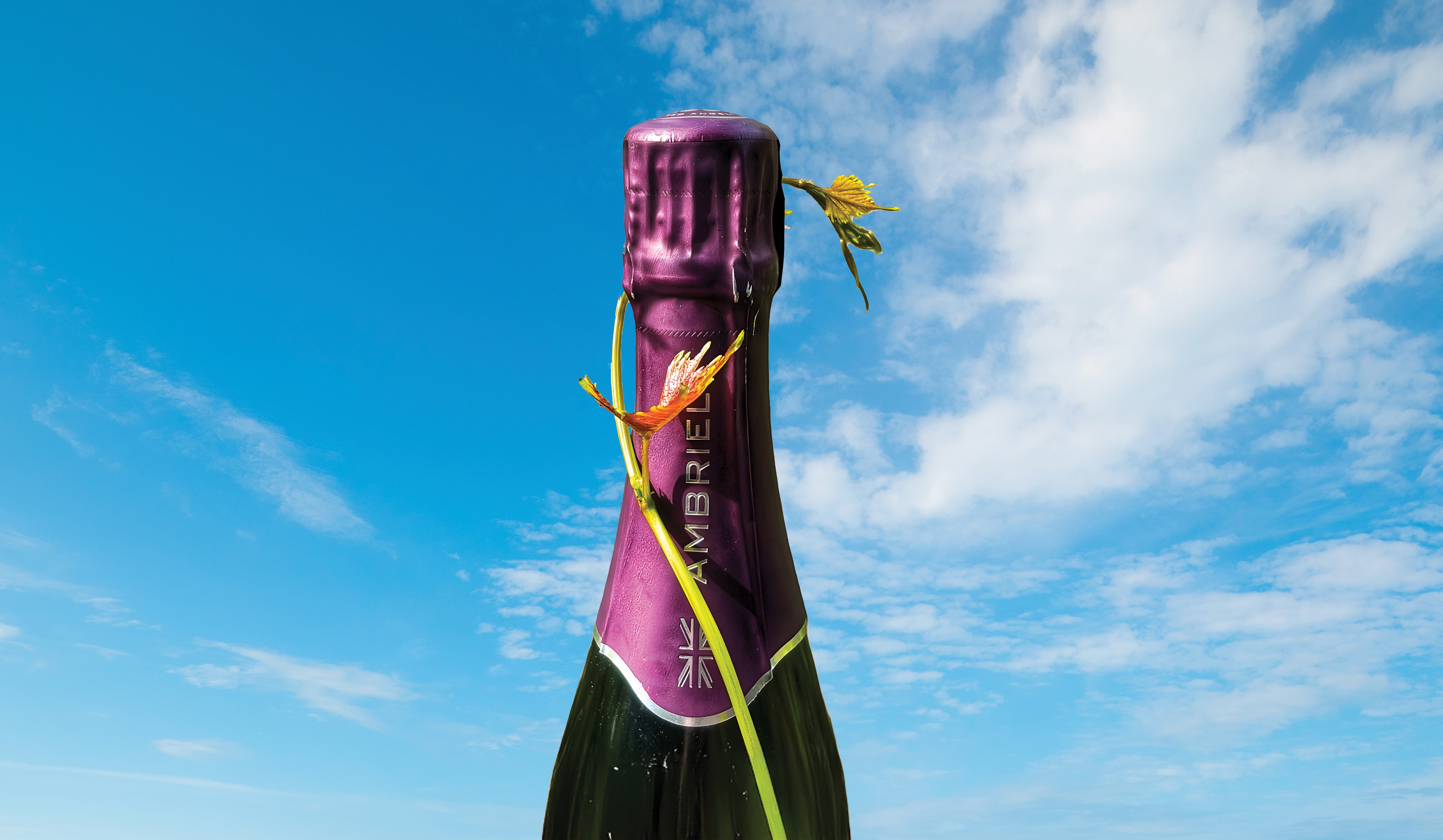
Her brand identity makes her values visible. Ambriel’s signature purple, silver and green deliberately echo suffragette colours, honouring her human rights background. It’s serious winemaking with a sense of humour, demonstrated by wine names like “The Wendling Blanc de Blancs,” referencing both the gentle wend of a bubble and Wendy’s own nickname.
Distribution reflects careful balance: roughly one-third export, one-third on and off-trade, and one-third direct to consumer. The estate’s tasting room and gardens, planted with flavours found in the wines from rhubarb to strawberries, welcome visitors for tours and tastings. Recent ventures into winter dinners and events expand their hospitality offering, alongside the vineyard’s successful wine clubs, Sipsters and Fizzicists.
Yet Wendy’s influence extends far beyond Ambriel’s 9.5 hectares. A past board member of WineGB and a familiar face across the English wine scene, she brings the same conviction to championing the industry that she does to her own wines. From human rights law to pioneering winemaker to industry advocate, Wendy proves that English wine’s success is built on passion, conviction and the courage to forge your own path.