

Andrea Ontiveros Flores, a sommelier and marketing & communications specialist from Alicante, Spain discovers what consumer behaviour and festive buying habits reveal about positioning English wine for the holiday season.
Whether it’s Christmas lunch, Boxing Day, an office party, a festive hamper or any other seasonal occasion,
Christmas shopping is one of the most habitual purchasing moments of the year. Many of us don’t build our festive shopping list from scratch; instead, we rely on familiar products, traditions and mental shortcuts.
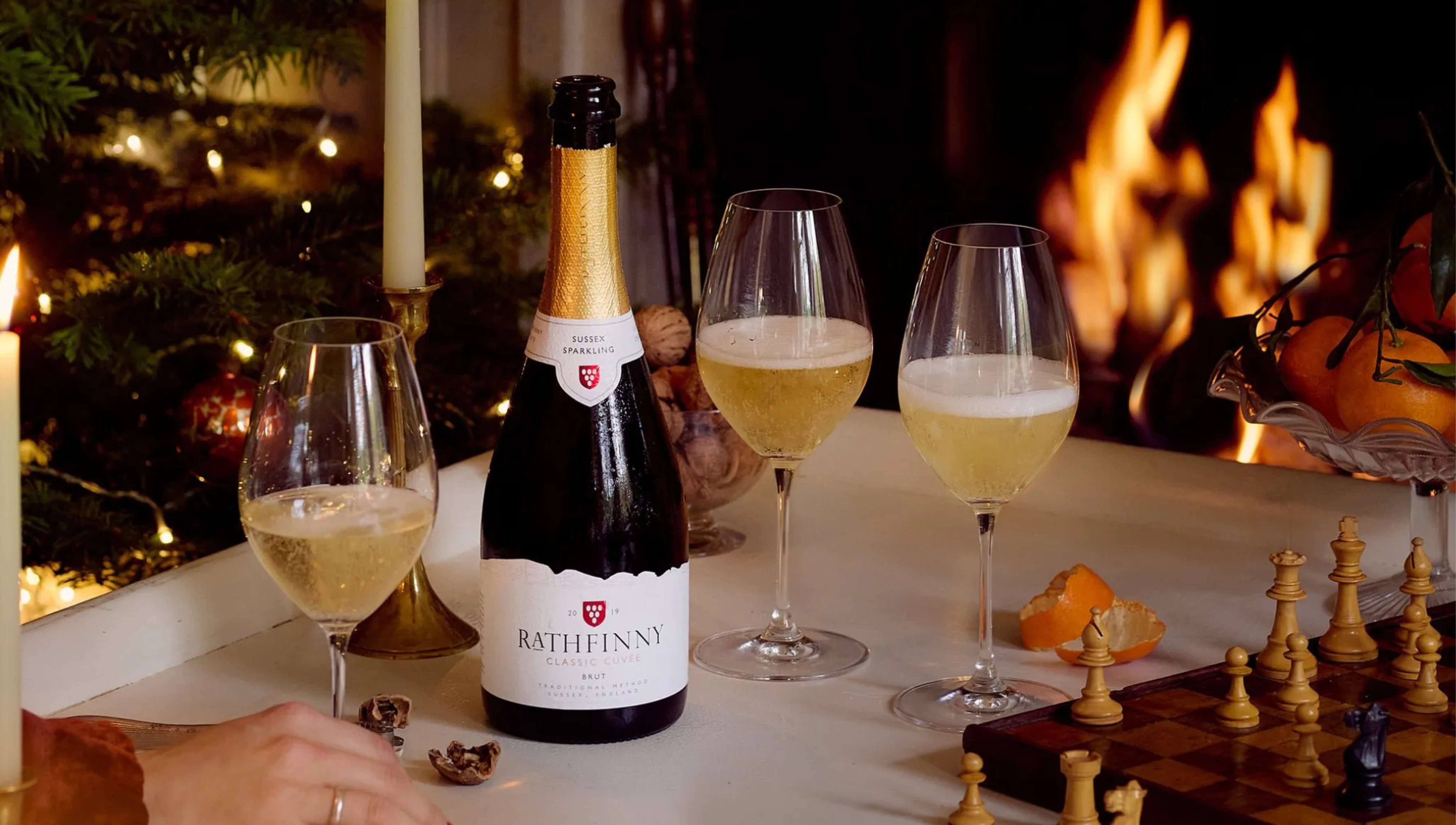
Champagne for celebrations, Port with the cheeseboard and Prosecco for parties have become almost automatic purchases across British households. The real question is not whether English wine belongs at Christmas, because for plenty of us it already does, but whether it occupies the same instinctive place on Britain’s shopping list and why consumers make the drinking decisions they do.
According to Byron Sharp, Director of the Ehrenberg-Bass Institute, the world’s largest centre for marketing research, brands don’t grow simply because consumers prefer them; they grow because they are easy to think of and remember in buying situations. Christmas is one of the strongest purchasing occasions of the year, and for many households the festive shopping list is built around familiar categories such as Champagne, Prosecco and Port. The opportunity for English wine is not simply to compete on quality or shelf presence, but to become one of the first choices buyers instinctively consider when planning their festive celebrations.
If Christmas shopping is driven more by habit than rational choice, some items appear almost automatically on our Christmas lists. Mulled wine, Baileys, Champagne, mince pies and turkey are simply expected. The battle then is not on the shelf but in the mind. Many purchasing decisions are made before shoppers even enter a store.
If English sparkling isn’t already on that mental shopping list, it is competing from behind. To understand how English wine can move higher up those lists, it is worth exploring the consumer psychology that shapes festive purchasing decisions before considering sales strategies or marketing campaigns.
As described by Byron Sharp, mental availability is the probability that a consumer will notice, recognise or think of a brand in a buying situation. It is more than simple awareness, it is whether a brand comes to mind at the right moment. People rarely write “sparkling wine” on their shopping list. Instead, they instinctively think of Champagne or Prosecco. These names have become powerful mental shortcuts, making them some of the first choices that come to mind when planning festive celebrations. The challenge for English wine is to create similar mental associations: how can it become one of the first wines buyers think of at Christmas and compete with long-established purchasing habits? Mental availability is a powerful concept that helps marketers build stronger brand associations and identify the most effective positioning opportunities.
A key way to achieve this is through Category Entry Points, a concept introduced in research by Byron Sharp. These are buying occasions or cues that trigger a purchase and form the building blocks of mental availability. So instead of thinking of Christmas as a broad sales moment, we need to break it down to uniquely British festive moments:
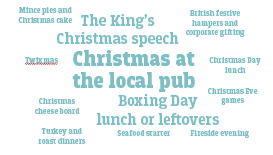

Even more specific buying situations can help build powerful mental associations. Festive cocktails unique to British culture, such as the Christmas Royale or Bubbles & Banana Bread, have the potential to become lasting traditions across UK households, office parties and seasonal celebrations. Rather than competing directly with more established seasonal drinks, the challenge is to identify the key Christmas moments that English wine can become closely associated with and ultimately aim to own. This is particularly important because, as Byron Sharp argues, brands grow by being easy to recall and recognise. He summarises this with a simple principle: Easy to think of. Easy to buy. Christmas shopping is a perfect example where consumers often choose what is easiest to remember.
Understanding how these links and associations are formed is essential, as mental availability is built through memory structures. Every time consumers experience one of the previously mentioned Category Entry Points, those associations become stronger, creating distinctive memory structures for English wine. This highlights the importance of creating multiple buying moments, because brands grow by building more associations, not just stronger ones. His research shows that brands don’t grow because people love them more; they grow because they are associated with more buying situations. Christmas is made up of multiple purchase occasions, so rather than treating it as a single event, producers should think of it as a series of moments. Each represents a separate opportunity to build a lasting association with English wine.
Creating more buying moments is only part of the opportunity. Another key Ehrenberg-Bass principle is reaching light buyers. Brands grow by attracting more buyers, particularly occasional or light buyers, rather than relying solely on loyal customers. Christmas provides the ideal environment for this, as many occasional wine drinkers are willing to purchase premium bottles during the festive season.
Distinctive brand assets and physical availability also play a key role. Brands need recognisable visual assets and a consistent identity to strengthen the mental shortcuts consumers rely on when making purchasing decisions. A strong brand image, closely linked to its English provenance, combined with widespread physical availability, can make the buying process much easier. As Sharp explains, mental availability only works if consumers can easily find and buy the product. A clear example is Black Friday, where high visibility across retail channels and online platforms make products both easy to think of and easy to buy.
This is particularly relevant to wine, where consumers often make decisions based on what they see before they ever taste the product. Brand reputation, label design, packaging, price and positioning can have a greater influence than the wine itself, especially for first-time buyers. These cues help simplify decisions, build familiarity and reinforce the mental associations that influence future purchasing decisions.
The challenge is not simply advertising more during the festive season. It is about positioning rather than promotion, creating consistent associations over many years. For example: English sparkling = Christmas morning. English Pinot Noir = roast turkey. Over time, these associations become traditions. People buy certain products because, as they often say, “that’s what we always have.” English wine does not necessarily need to replace Champagne. It simply needs to earn its place as part of Britain’s festive traditions. The brands that become part of those traditions aren’t necessarily the ones with the biggest advertising budgets. They are the ones buyers instinctively think of year after year.