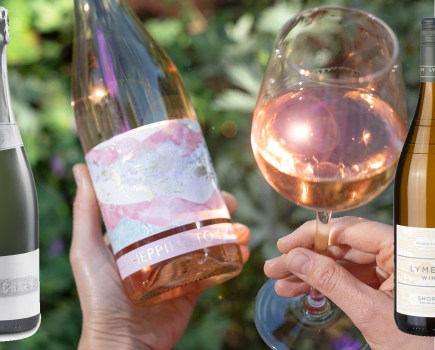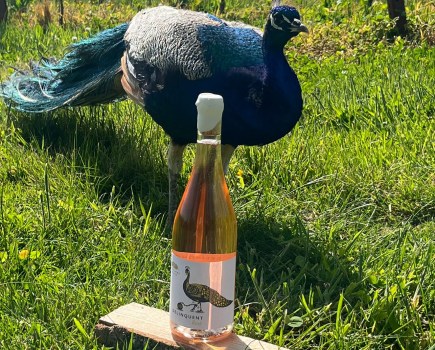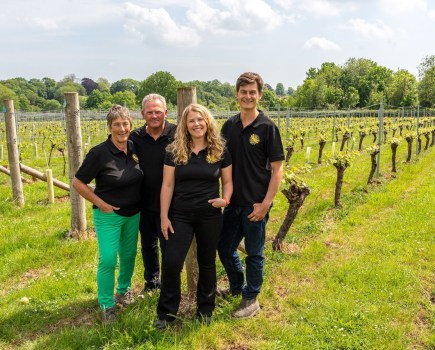


Although consumers may give it little thought, the packaging that their wine arrives in needs almost as much careful consideration as the liquid itself. New legislation, environmental concerns and the continual development of relevant technologies means that the world of bottling and labelling never ceases to be on the move. This month, Vineyard Magazine offers a round up of the latest news, case studies and environmental issues that are currently at play in the wine packaging sphere.
In years gone by, choosing a wine bottle was predominantly dictated by shape, colour and what was readily available at the right price. Now, the ever-increasing diversity of glass types, weights and silhouettes has made the decision more complex. Alongside that, the conspicuous use of sustainable packaging has attained a new level of importance that has not previously been seen.
Consumers are proactively requesting the option of buying a more environmentally responsible product. Legislation is also pushing business to act in a more sustainable way, and of course there is always a financial incentive to reduce waste and energy use that makes good commercial sense beyond the ethical imperative.
Extended Producer Responsibility
Extended Producer Responsibility is an environmental policy that seeks to move the financial and operational burden of waste management away from local councils (and the taxpayer) – shifting it instead to the producers who put a product on the market in the first place. This policy is guided by the principle that the polluter should pay, and be responsible for the packaging they produce at every point in its lifecycle, instead of effectively being able to wash their hands of that responsibility from the point of sale.
By incentivising companies to reduce the amount of packaging they generate and increase the use of refillable or easily recycled materials, the Government is looking at reducing both litter and the burden on local waste collection and processing services.
The organisations that need to take action are those with an annual turnover of one million pounds or more – which includes a small but significant number of wineries and importers. The other threshold set out for the scheme is supplying more than 25 tonnes of packaging to the UK market per calendar year.
The Government’s guidance gives the following handy definition, in case you are not entirely sure what ‘packaging’ means:
“Packaging is any material that is used to cover or protect goods that are supplied. It makes handling and delivering goods easier and safer.”
Depending on the size of the organisation and the amount and type of packaging produced, a business will find it has a number of actions to address, thanks to its responsibilities arising from the EPR. For example, a business may have to:
- collect and report data on the packaging it supplies or imports
- pay a waste disposal fee (around 4,400 UK businesses in total are obliged to pay the levy at the moment)
- pay scheme administrator costs
- pay a charge to the environmental regulator
- get packaging waste recycling notes (PRNs) or packaging waste export recycling notes (PERNs) to meet recycling obligations
- report information about which nation in the UK packaging is supplied in and which nation in the UK packaging is discarded in – this is called ‘nation data’.
In December 2025, the first payments under the system caused anger in the sector. Many wine importers had their first quarterly Direct Debit payments taken multiple times in error by the scheme administrator, PackUK’s, financial provider. In April, the UK branch of wine company Vinarchy claimed that it would have turned a profit last year, had it not been for the EPR levy. It was obligated to pay at least £8m under the scheme in 2025, likely to move higher still since its financial year ran until the end of June 2026.
EPT base fees of £192 per tonne for glass were set in June 2025, giving producers a strong incentive to find ways of reducing their use of the material. Sam Graves, the Marketing Manager at Pattesons glass said that they have already been helping to provide businesses with alternative solutions.
“The introduction of EPR has accelerated the need for smarter packaging choices. Lightweighting is no longer simply an environmental initiative; it’s becoming a commercial advantage. At Pattesons Glass, we have invested in innovative packaging solutions such as our 370g Burgundy wine bottle, one of our lightest premium wine bottles, which helps producers reduce packaging weight and associated EPR costs without compromising on quality, presentation or performance.”
The adoption of lighter weight glass bottles is not just something that is happening in the UK either. Some of the biggest players on the global market are also making headway into adopting new bottle types. Australia’s McGuigan, for example, recently announced that they have partnered with the UK-based Greencroft Bottling to introduce a Burgundy bottle that gives a 25% reduction on the existing weight. That bottle is manufactured by the European firm Verallia, who use around 30% recycled glass in the production process to help further cut back on wastage and environmental impact.
Read the Government guidance on EPR in full on gov.uk:
www.gov.uk/guidance/extended-producer-responsibility-for-packaging-who-is-affected-and-what-to-do
Lanchester Wines harness previously untapped sustainable power
The North-East based wine merchant and importer, Lanchester Wine Cellars Ltd, sister business to one of Europe’s biggest wine bottling facilities, Greencroft Bottling, has signed a pioneering new agreement with the Mining Remediation Authority which could help accelerate commercial uptake of mine water geothermal energy. For the wine trade, the announcement highlights how one of the UK’s largest wine businesses has moved beyond traditional sustainability initiatives to become a test case for industrial-scale renewable heating.
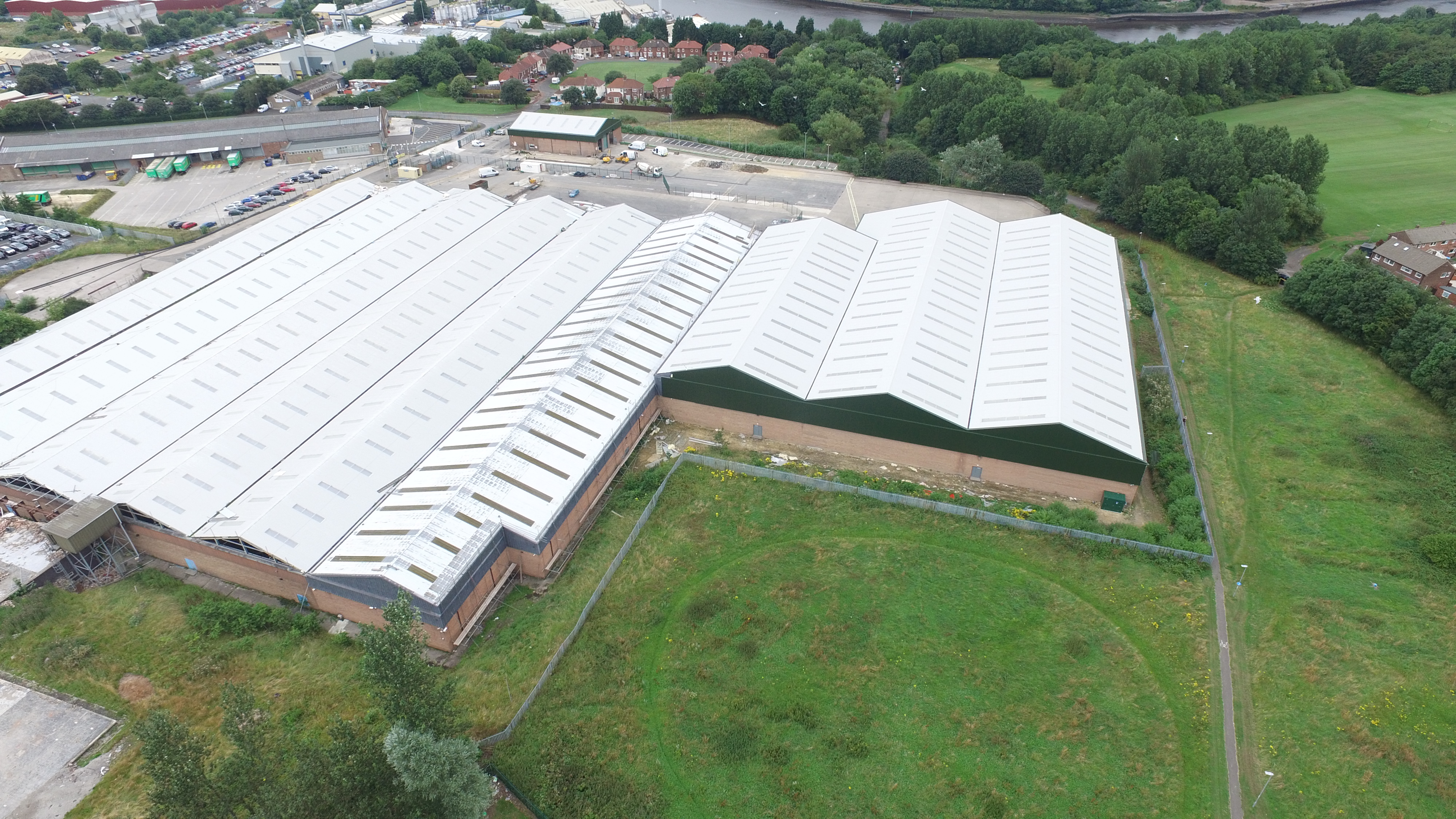
In 2016, the wine merchant became the first private business in Great Britain to successfully heat its operations using energy from disused coal mines. Lanchester Wines uses an open-loop water source heat pump to maintain ambient temperatures for more than 33,000 square metres of warehouse space in Gateshead, by extracting the heat from water sitting in the disused mineworkings below, which were naturally flooded by the water table.
As the first commercial enterprise to access this sustainable source of energy, Lanchester has used its experiences to support the Mining Remediation Authority (MRA) in developing a regulatory framework for the future use of mine water heat. The resulting Heat Access Agreements regulate access, control and future transfer of licence so that more businesses can consider utilising this latent energy supply.
Lanchester Wines’ own Heat Access Agreement in Gateshead has now been announced by the MRA. It extends their pioneering renewable energy partnership through to 2044.
Read more in the Mining Remediation Authority’s press release on mine water heat:
gov.uk/government/news/wine-giant-uncorks-clean-energy-future-with-mine-water-heat-deal
Recycled glass
As touched upon earlier in this article, it is not just the weight of wine bottles that businesses are re-evaluating, but also their composition. Vetreria Etrusca is an Italian glass producer that continually looks to find new technical solutions to meet the needs of the market. It produces ‘Eco’ versions of its familiar bottle outlines – the same shape, but with lighter weights. Now Vetreria Etrusca are able to produce some of their signature lines with a significant recycled glass content.
Its VerdEtrusco glass, for example, is a very dark green colour. It is used to make a wide variety of different shaped wine bottles – almost 150 different variants, in fact. VerdEtrusco now comes in with an average recycled glass content of over 85%. This is about as high as it is possible to go in terms of recycled material, without compromising structural integrity and the flawlessness of the overall appearance.
For those looking for the maximum use of recycled material, there are some manufacturers who do use 100% post-consumer recycled glass to manufacture their premium eco ranges. Spain’s Estal, for example, has created Wild Glass®. Since it is 100% recycled glass some flaws in the glass are inevitable. Their attitude is to “embrace the imperfections that make every bottle unique and authentic.” This marketing approach has allowed Estal to adapt to market trends that look for both sustainability as well as distinctive and original bottle design.
Wild Glass® certainly appears to be finding its audience and is showing gains in popularity. Estal’s figures demonstrate a 54% growth in its production in the three years to 2025.
Some of Estal’s wine bottles, those in the Prima Collection, for example, also feature Asymmetry® technology. By making the design of the bottle slightly asymmetrical, the bottles weigh in as 20% lighter than their perfectly symmetrical counterparts.

The psychology of labels
Sourcing the right materials for wine packaging is not the end of the story. The art of designing a great wine label is a complex one that takes great expertise and skill to get right.
“For premium wine brands, details are critical,” said Julian Wall Site Director of the Hertfordshire-based firm, Autajon Labels Royston. “Every material choice, print process and finishing technique contributes to creating a label that enhances both shelf appeal and the overall consumer experience.”
Autajon works closely in collaboration with their customers. Client needs are combined with Autajon’s long experience of specialist manufacture to create bespoke labels that fit the brief. Using the latest print technology, Autajon are able to craft labels that communicate quality, craftsmanship, and character long before the bottle is opened.
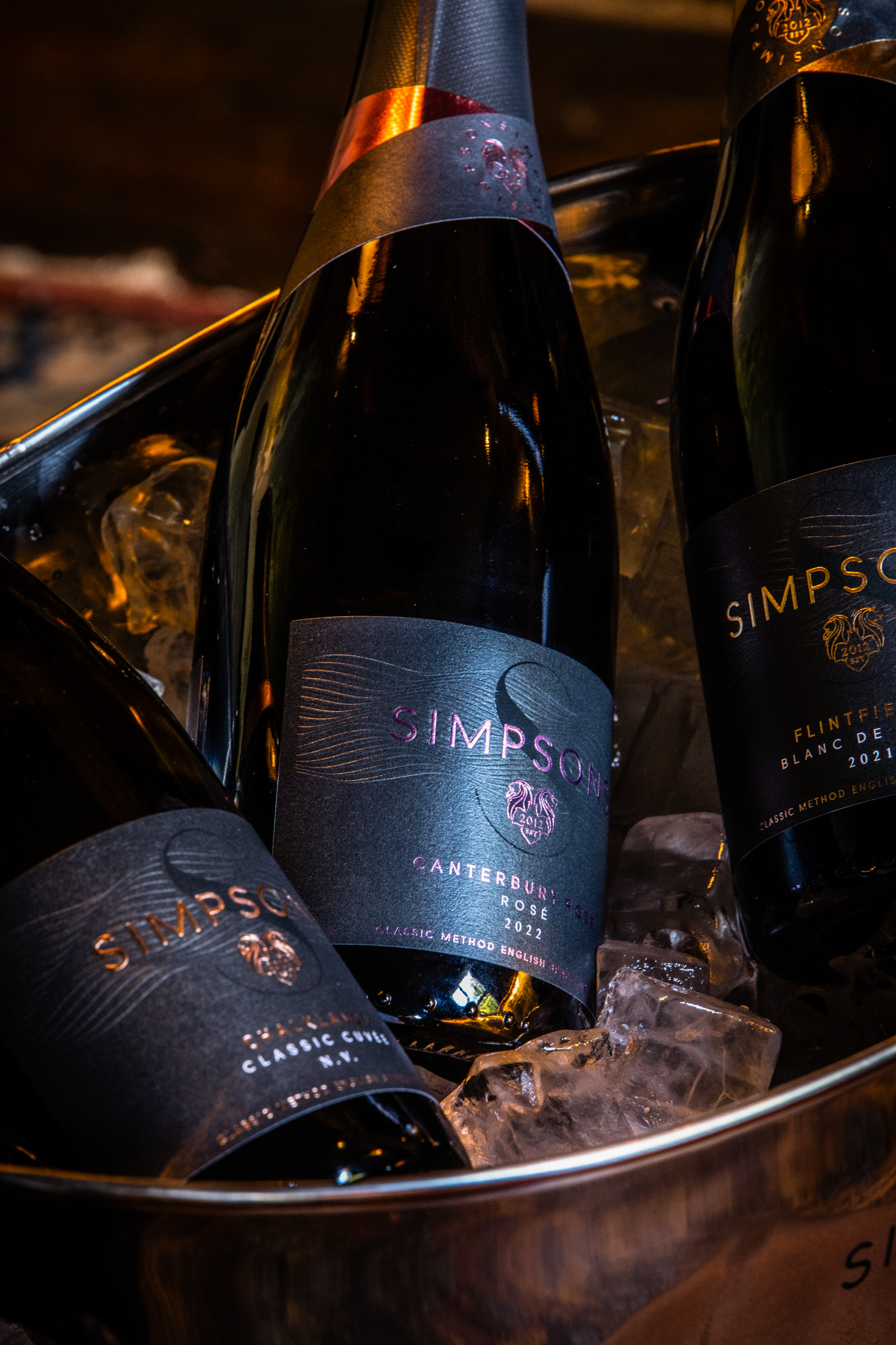
One of their clients is Simpsons Wine Estate of Kent.
“We value Autajon’s consultative approach, attention to detail, and excellent customer service,” said Tom Perks, Simpsons’ Production Executive. “Both lead times and response times are fantastic. We regularly recommend them to our peers and very much consider them an extension of our business.”
In their work with Simpsons Wine Estate, Autajon make use of specialist embellishments like hot foil, tactile screen varnish and embossing to create labels that deliver real shelf presence, through a sophisticated aesthetic as well as a tactile finish.
Having a label producer who works in tandem with the winery’s own team means that the end result will reflect the brand’s story and the target audience as closely as possible. More often than not, consumers are not able to taste a wine before making a purchase, so their decision has to be based on external factors – most notably the label.
Now research is honing in more precisely on the details of how labels might impact the choices a consumer makes, from a psychological point of view. A 2024 study published in the International Journal of Hospitality Management examined whether gender cues on wine labels affected what American women chose to buy based on their expectations of the wine – expectations that they drew from the way the label was presented.
There is of course an assumption inherent in this study that certain design elements are “feminine” – in this case soft colour palettes and “elegant fonts” while “masculine” designs contain stronger lines, darker hues and bolder typography. Gender marketing has led to some notable public controversy in the recent past, given the assumptions that underlie it, in terms of social norms and gender stereotypes. It is an area where businesses are wisely advised to tread with extreme caution.
That said, the study did find that women would tend to favour the “feminine” styled wines and that they felt that those design elements suggested a wine was more likely to be fruity, sweet and approachable. Those “masculine” styled wines gave participants the sense that they would taste drier, more bold or perhaps more austere.
Interestingly, even women who considered themselves to be relatively knowledgeable about wine still displayed a subtle level of psychological influence because of the way the wines were labelled. Those participants had constructed meaning from the visual stylings even before they had taken a sip of the liquid.
Labels for new businesses
For new vineyard owners, the wine making process is just one small part of the challenge they face in bringing a complete product to market. Creating a premium brand that can stand alongside established producers without stretching an already limited budget can be just as difficult.
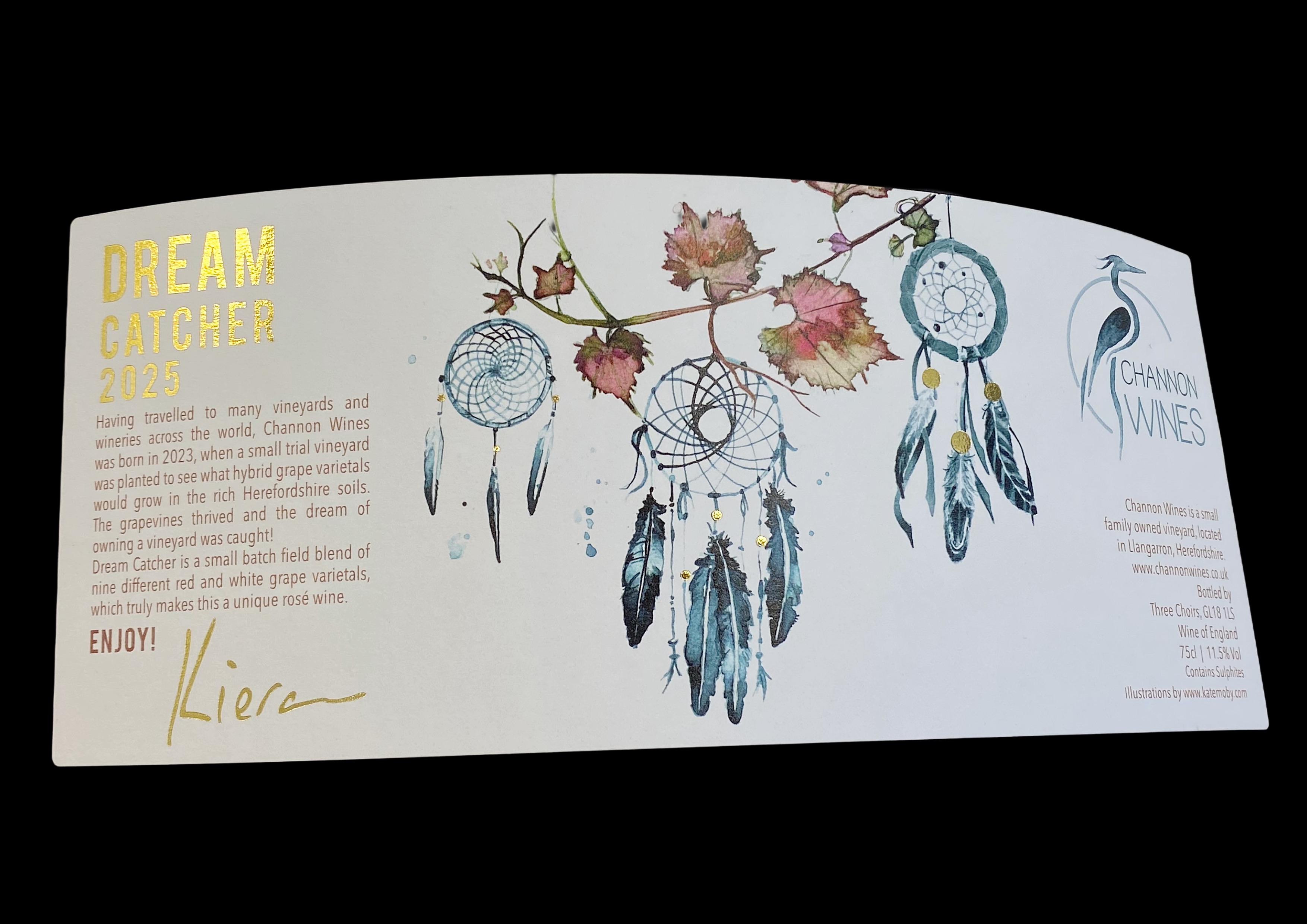
That was the challenge facing Kieran Channon, of Channon Wines in South Herefordshire, when he attended The Vineyard & Winery Show in Kent last November. Less than two years after planting his first vines, Kieran was looking for a labelling solution that would reflect the quality and ambition of his growing venture while remaining flexible enough to support future growth.
At the show he met Lotus Labels of Sussex – Printweeks’ 2025 Label Printer of the Year. Lotus have worked with some of the region’s most recognisable vineyards for several years. However, not every success story involves large-scale producers. Some of the most rewarding projects come from helping emerging vineyards to establish a professional identity from the outset and this is what they were able to offer to Kieran and his new enterprise.
Located on the fringes of the Wye Valley, the first vines were planted at Channon Wines in 2023 before another 1.4 acres were added in 2025. As a young vineyard with ambitious plans, Kieran wanted a label that would sit comfortably alongside those of more established producers without the costs often associated with bespoke packaging solutions.
Working closely with the Lotus Labels team, Kieran was guided towards a wine-grade FSC-certified paper that delivered both the premium appearance and environmental credentials increasingly valued by today’s consumers. By adapting his self-sourced design to an existing cutting template, the need for costly bespoke tooling was removed, helping to keep the project within budget while maintaining a high-end finish.
It just goes to show that with some expert guidance, a quality finish can still be achieved at a more modest price. The labels on Kieran’s first wine, Dream Catcher, certainly speak for themselves.
Read the study for yourself, The eyes have it: How do gender cues in wine labels influence U.S. women wine consumers? on Science Direct:
www.sciencedirect.com/science/article/abs/pii/S0278431924002421