
As British drinkers rediscover the complexity of oxidative wines, Alicante’s historic Fondillón is finding renewed relevance today as Andrea Ontiveros Flores, a sommelier and marketing & communications specialist from Alicante, Spain finds out.
Even though British consumption of Sherry has declined significantly over the past few decades, largely due to changing consumer preferences and increases in UK alcohol duty, the country continues to be one of its most important export markets. The UK consistently ranks among the top three destinations for this category, alongside the Netherlands and Germany, reflecting Northern Europe’s affinity for oxidative and fortified wine styles. According to the Consejo Regulador de Jerez, around 20 to 30 million bottles of Sherry are exported globally each year, with the UK alone accounting for roughly a quarter of that volume.
More recently, the category has shown signs of premiumisation, with renewed interest in aged sherries and niche fortified styles. Younger consumers, particularly aged 25 to 40, are increasingly interested in oxidative, heritage-driven, and low-intervention production, contributing to a clear revival in the mid-2020s. Yet, despite this renewed curiosity, very few consumers or even enthusiasts are familiar with Fondillón. At a time when British drinkers are rediscovering the complexity of aged oxidative wines, one of Europe’s oldest and once most prestigious wine styles is still not widely recognised.
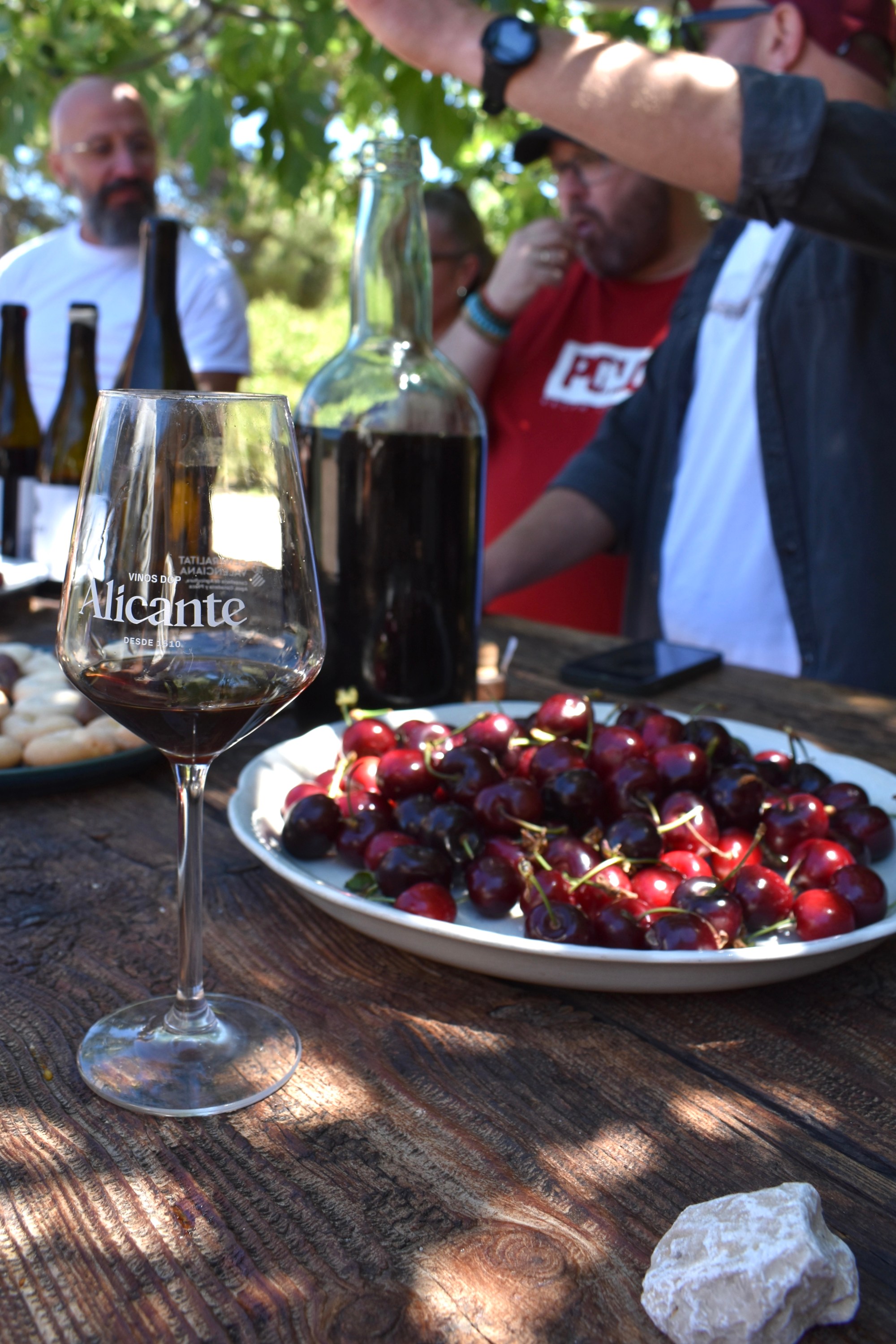
Imagine a red wine with naturally high alcohol, sweet or semi-sweet with no added sugars, unfortified and aged for decades in ancient barrels, with the oxidative complexity of an Oloroso, but shaped by the Mediterranean rather than the cellar traditions of Andalusia. Fondillón, produced exclusively in the Alicante region of Spain, is a historic, noble wine once enjoyed by the world’s leading royal houses and known as the favourite of Queen Elizabeth I. Its defining characteristics under the Alicante DO are that it is made from 100% Monastrell, often left to overripen or partially raisin on the vine to concentrate their natural sugars, aged for a minimum of 10 years in old barrels, and reaching at least 16% alcohol naturally. Unlike Sherry styles, it is never fortified and achieves its high alcohol content entirely through natural fermentation of concentrated grapes.
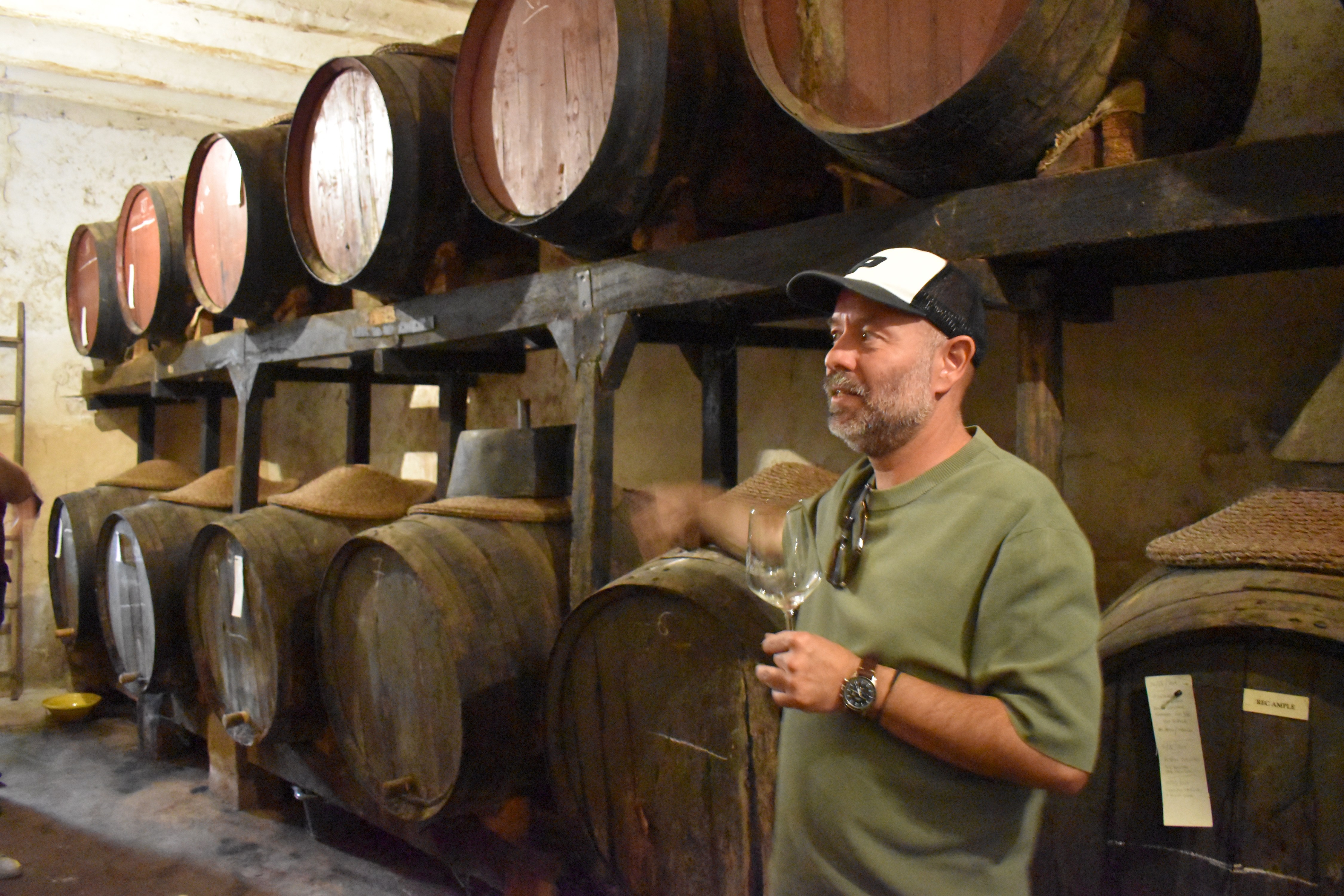
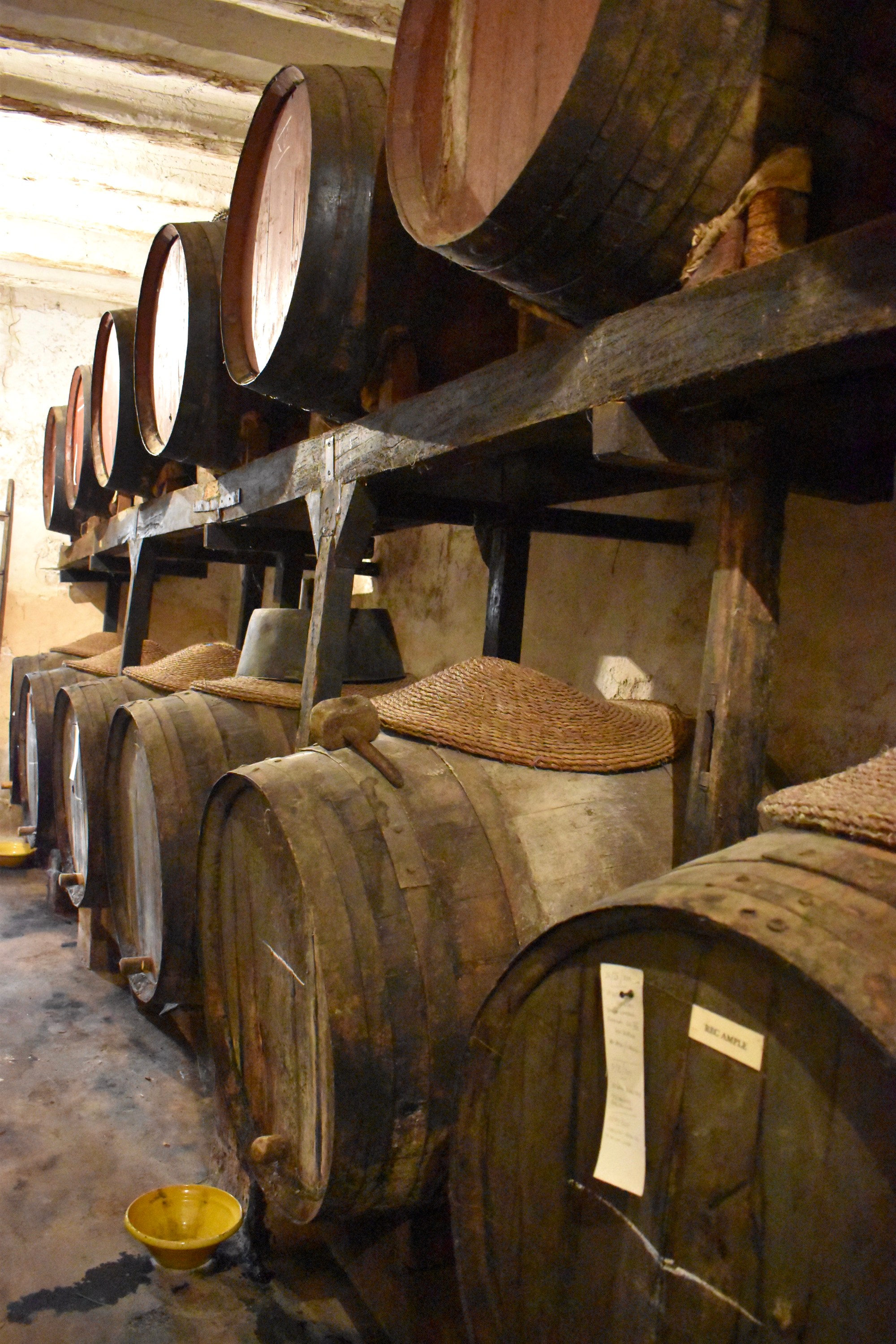
Owing to its prolonged ageing, it undergoes an oxidative process, gradually transitioning from deep red to amber or mahogany in colour, while developing complex notes of figs, dates, old leather and roasted nuts. It is aged for long periods in large, old oak barrels, typically following a vintage system or a simplified version of a traditional solera method used in Jerez de la Frontera, where younger wines are blended into much older “mother” barrels. Fondillón is considered rare due to its limited production compared to global Sherry volumes, but it is equally prestigious historically. If Sherry reflects a mastery of system, Fondillón is a mastery of time.
Alicante’s hidden gem belongs to an older tradition of naturally concentrated Mediterranean wines, rooted in 15th-century “Greek-style” production, while Sherry represents a later, more systematised evolution that achieved global commercial success. Often sweet and highly concentrated, these luxury wines could endure long sea voyages without losing quality, and were widely consumed in Northern Europe, becoming favourites among European monarchies of the 16th and 17th centuries.
Sherry shares a centuries-old trade history with Britain. The wine from the Jerez region became a staple of British culture in the 16th century and has remained a cornerstone of global trade, sustained by export systems and long-standing British commercial networks. Today, bodegas are successfully promoting premium, bone-dry styles such as Fino and Manzanilla for contemporary consumption alongside tapas. In contrast, Fondillón followed a very different path, declining due to phylloxera, shifting consumer tastes, and, above all, a loss of production continuity. While Sherry became Britain’s fortified wine, Fondillón gradually disappeared from the conversation, despite once being served in Europe’s royal courts.
Fortunately, a new generation of producers is reviving one of Spain’s oldest wines. Through an enormous effort to rescue time by working with untouched barrels more than 60 years old, they are recovering these forgotten casks as living history. They create a sense of generational continuity while remaining faithful to traditional Alicante winemaking. This is more about preservation than reinvention, creating a kind of wine archaeology. One renowned producer helping to lead this revival is Colección de Toneles Centenarios, which I visited in Villena, Alicante, and had the opportunity to taste its famous Fondillón “Luis XIV,” named in honour of King Louis XIV of France, who was particularly fond of this style.
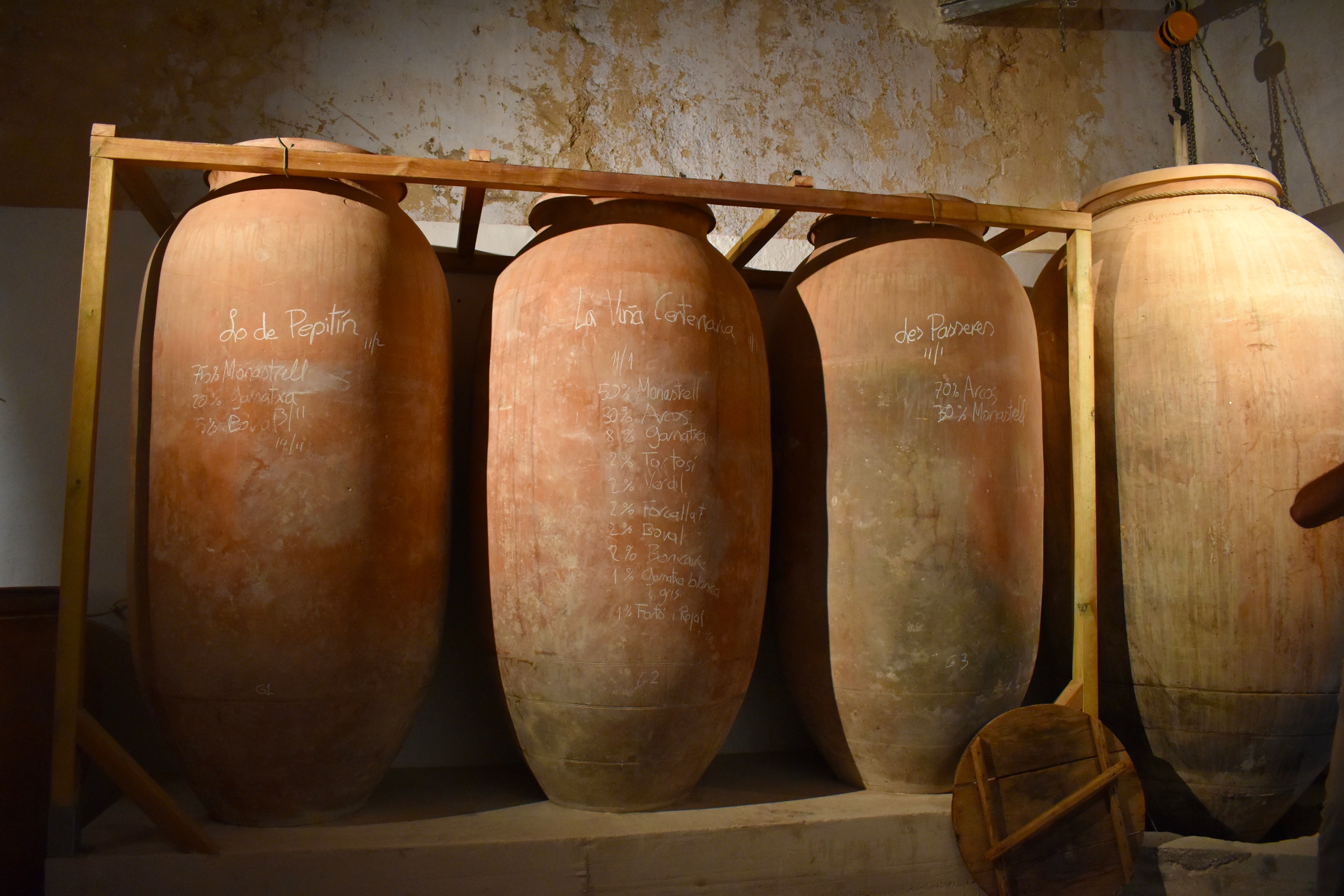
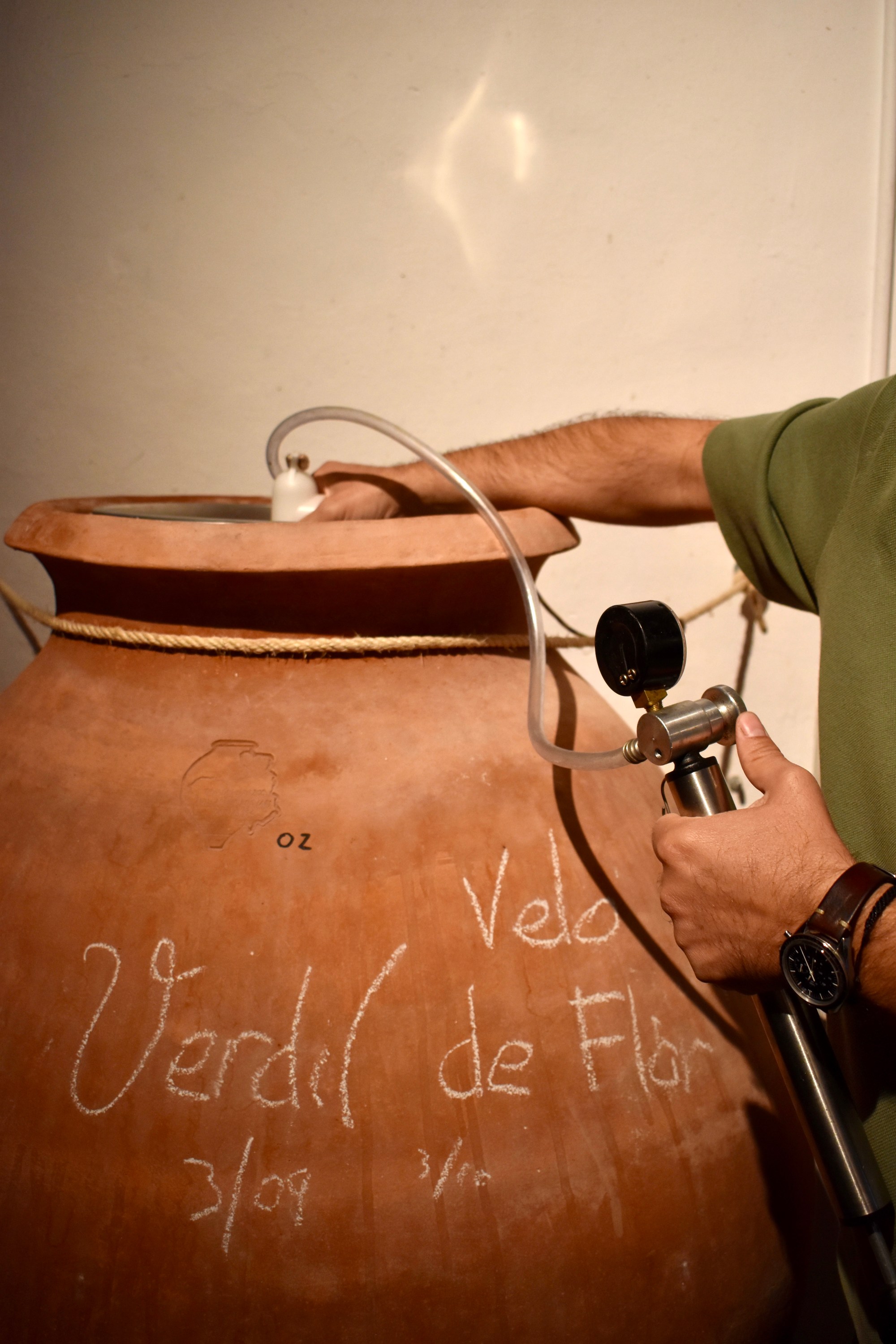
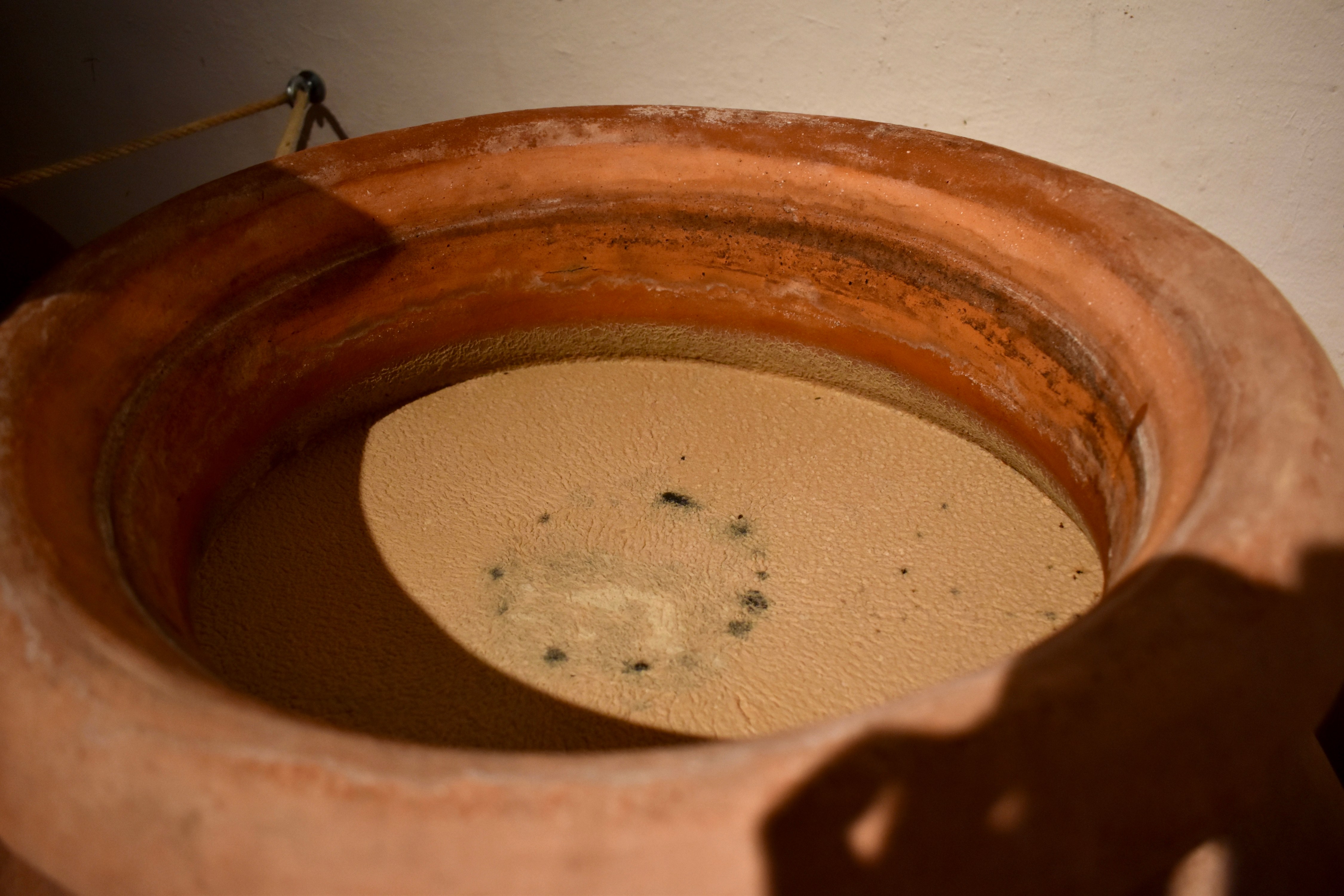
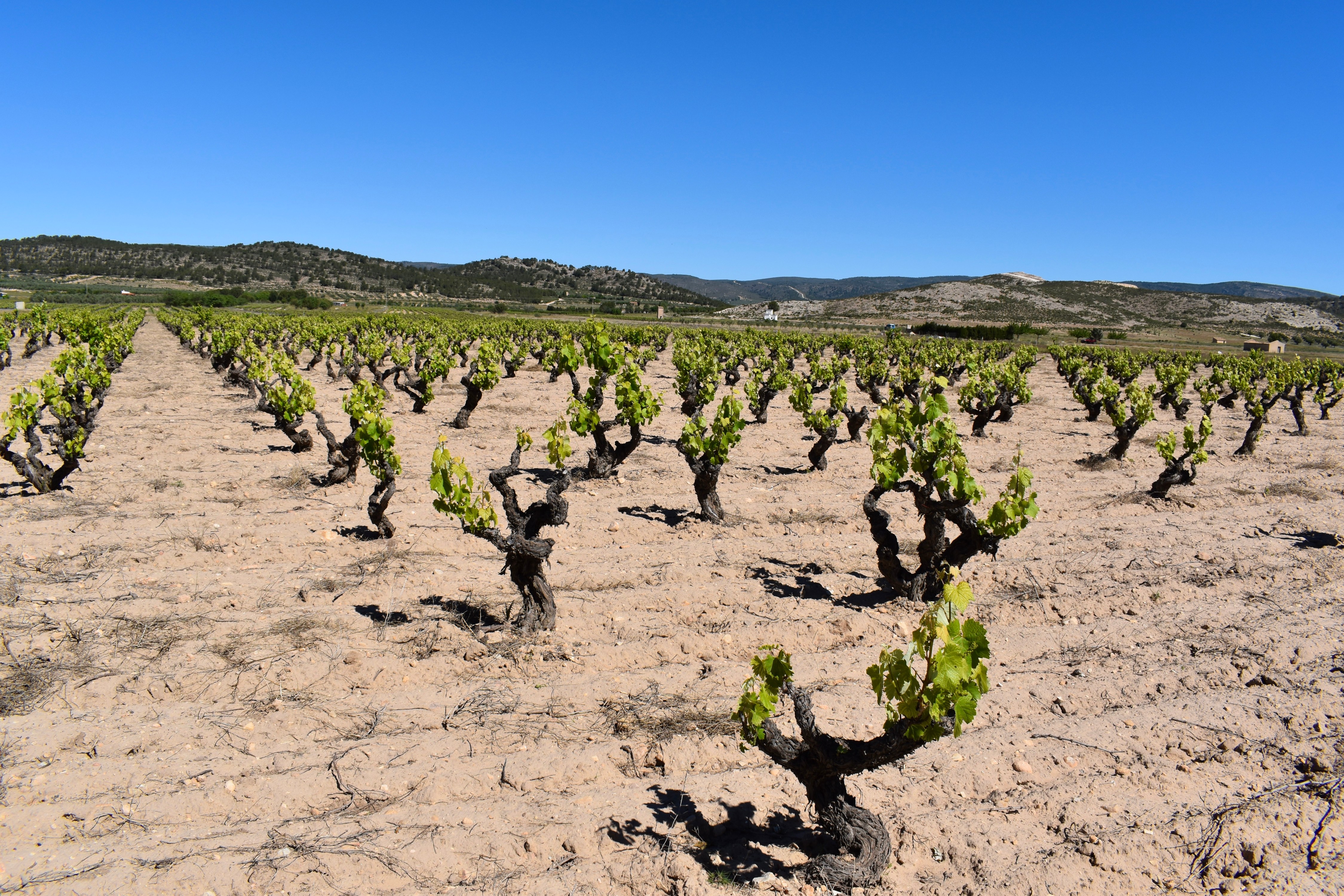
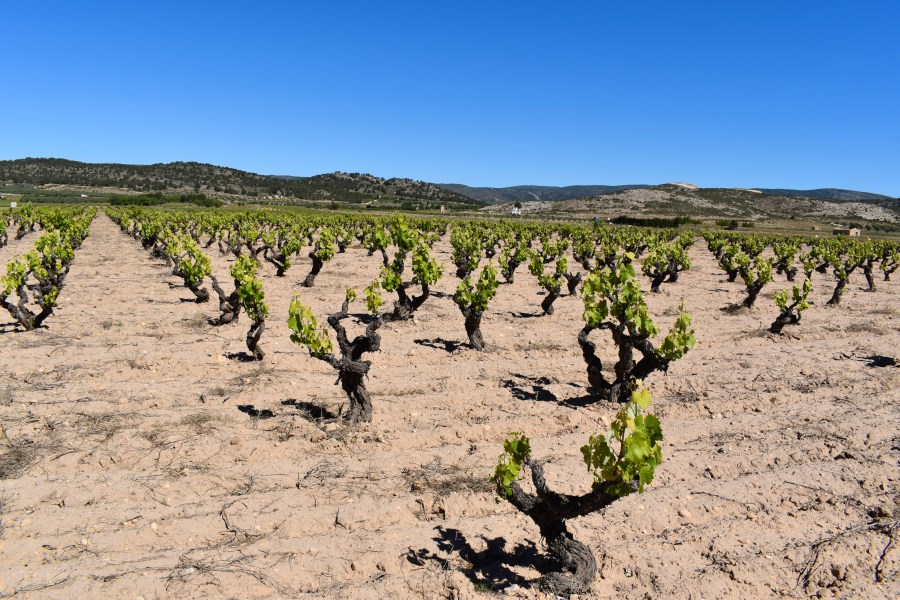
Located in Alto Vinalopó, their ethos is based on deep respect for historic Alicante wines. Their production is low-intervention and sustainable, with a biodynamic focus. They achieve naturally high alcohol thanks to the region’s dry summers and high grape concentration from their old vineyards in the village of Cañada. They produce a wide range of styles, including still reds, orange wines, and a unique white expression aged under velo de flor in clay vessels. However, their most prestigious label is Fondillón Luis XIV, aged for over 50 years and awarded 96 Parker points. It is a single-barrel Monastrell wine sourced from centuries-old casks, praised for its extreme complexity, concentration, and deep notes of dried figs and dates. They also produce Luis XIV 25-year-old, which holds 93 Parker points. It shows a dense body, vibrant acidity, and well-balanced sweetness.
The Colección de Toneles Centenarios was created through a unique partnership with the barrel room of the Ferrero family, an Alicante wine producer with 25 ageing barrels that ceased activity in the 1960s and were carefully recovered in 2015 by David Carbonell, the head winemaker. The exceptional preservation conditions in the barrel room has allowed a collection of very old soleras – unchanged since the late 19th and early 20th centuries – to survive to this day. Fondillón is also produced by other specialised wineries in the region, such as Bodegas Monóvar, with vintages from 1996; Primitivo Quiles, a historic estate celebrated for its traditional aging methods; and Bodegas Francisco Gómez, which produces highly acclaimed Fondillón using organic and biodynamic Monastrell.
This renewed interest in unfamiliar oxidative wines is gradually gaining attention in the UK, as British consumers increasingly value provenance, authenticity, and story-driven wines, with particular interest in naturally sweet and unfortified oxidative styles. After several marketing, branding, and trade efforts, Fondillón producers such as “Luis XIV” have begun to gain traction, achieving sold-out pre-shipments to the UK, generating strong interest in volume orders and establishing their position in the market. This release from Colección de Toneles Centenarios has also been featured in the British press, including Dreyfus Ashby, importers of fine wine, and by Sarah Jane Evans MW, who included it in her top 10 Spanish fine wines of 2021.
But for such a fascinating and distinctive fine wine, the question remains: why hasn’t Fondillón become globally recognised yet? Why does it still feel relatively unknown in the UK, despite strong interest in this style today? Perhaps one of the most important reasons was the lack of continuity and fragmented production during the 20th century, when this tradition came close to extinction. At a time when markets such as Britain helped define which wines became global, Fondillón missed that defining moment. Another key factor was the historical lack of export infrastructure, limiting its distribution and global positioning. In the UK specifically, there was no integration with the British wine trade, unlike Sherry, and regulatory complexity has ultimately impacted smaller producers.
The bright side – and, I’d say, a unique opportunity – is the renewed momentum for heritage varieties and oxidative styles, alongside an increasing trend in the UK for rare wines and natural, low-intervention offerings. Today, the market is clearly in a moment of rediscovery for British drinkers, within a category waiting to be further explored. Consumers in the UK can now find Fondillón through several distributors, such as The Wine Society, which imports highly rated, limited-production examples like the famous “Luis XIV.” Other specialist merchants, such as WoodWinters, stock rare vintage bottles, including expressions aged over 25 years, as well as via direct shipping from European retailers like Decántalo.
The future is certainly exciting for Fondillón, especially in markets such as the UK. In a country that has rediscovered the depth of Sherry, Fondillón may be the next chapter, not as a competitor, but as a forgotten counterpart, finally returning to the table.