
A German machinery tour with UK growers.
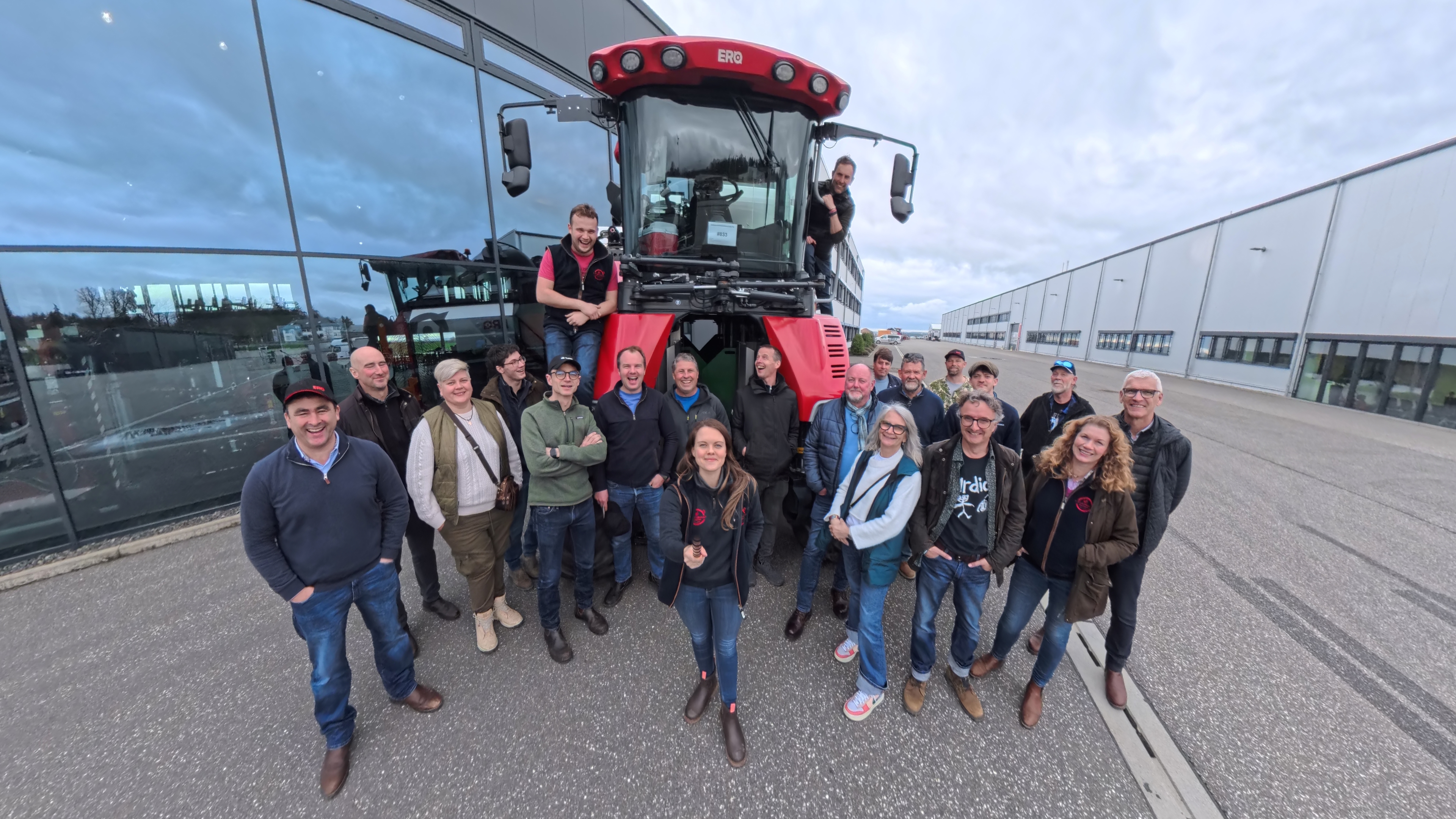
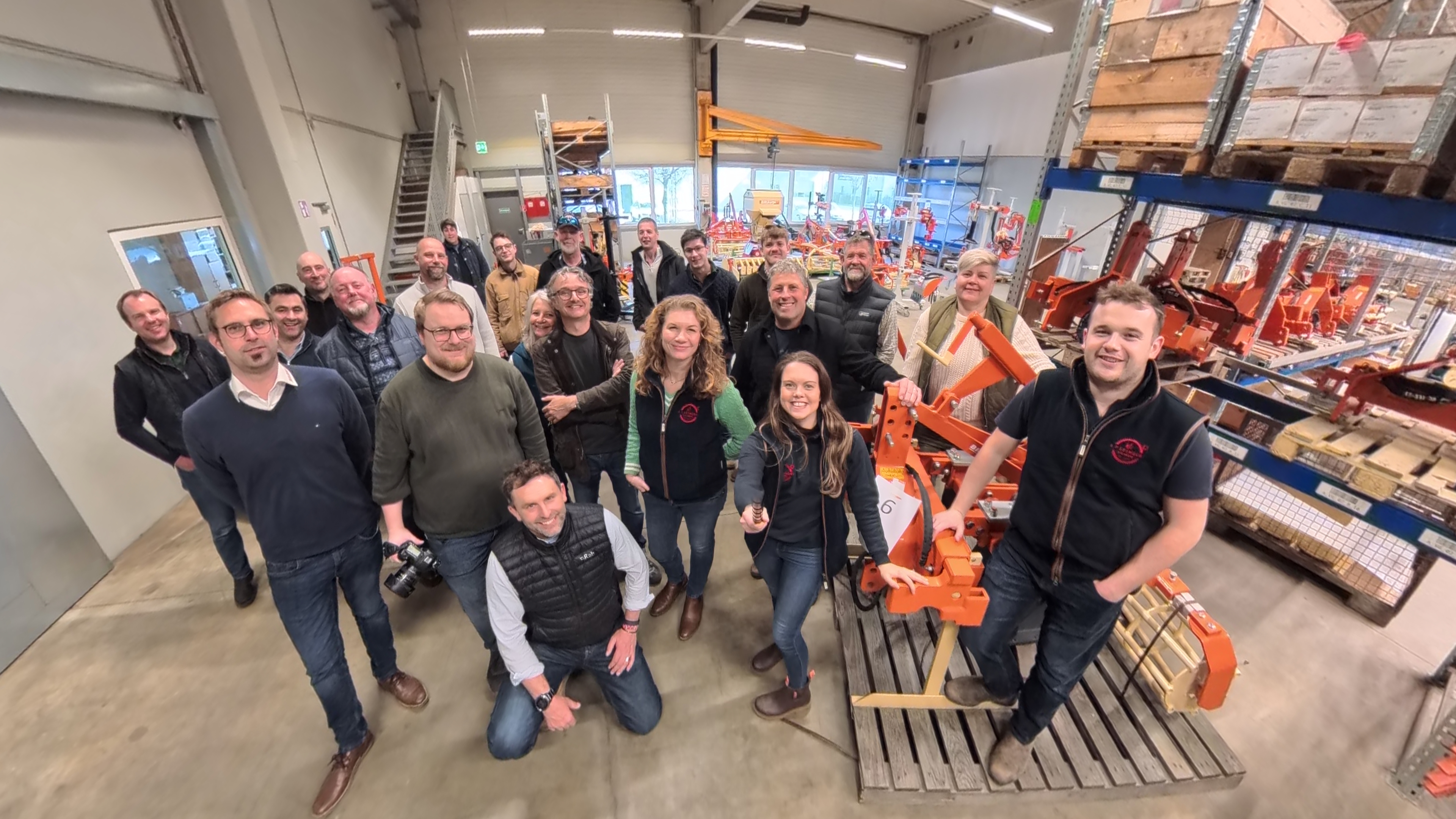
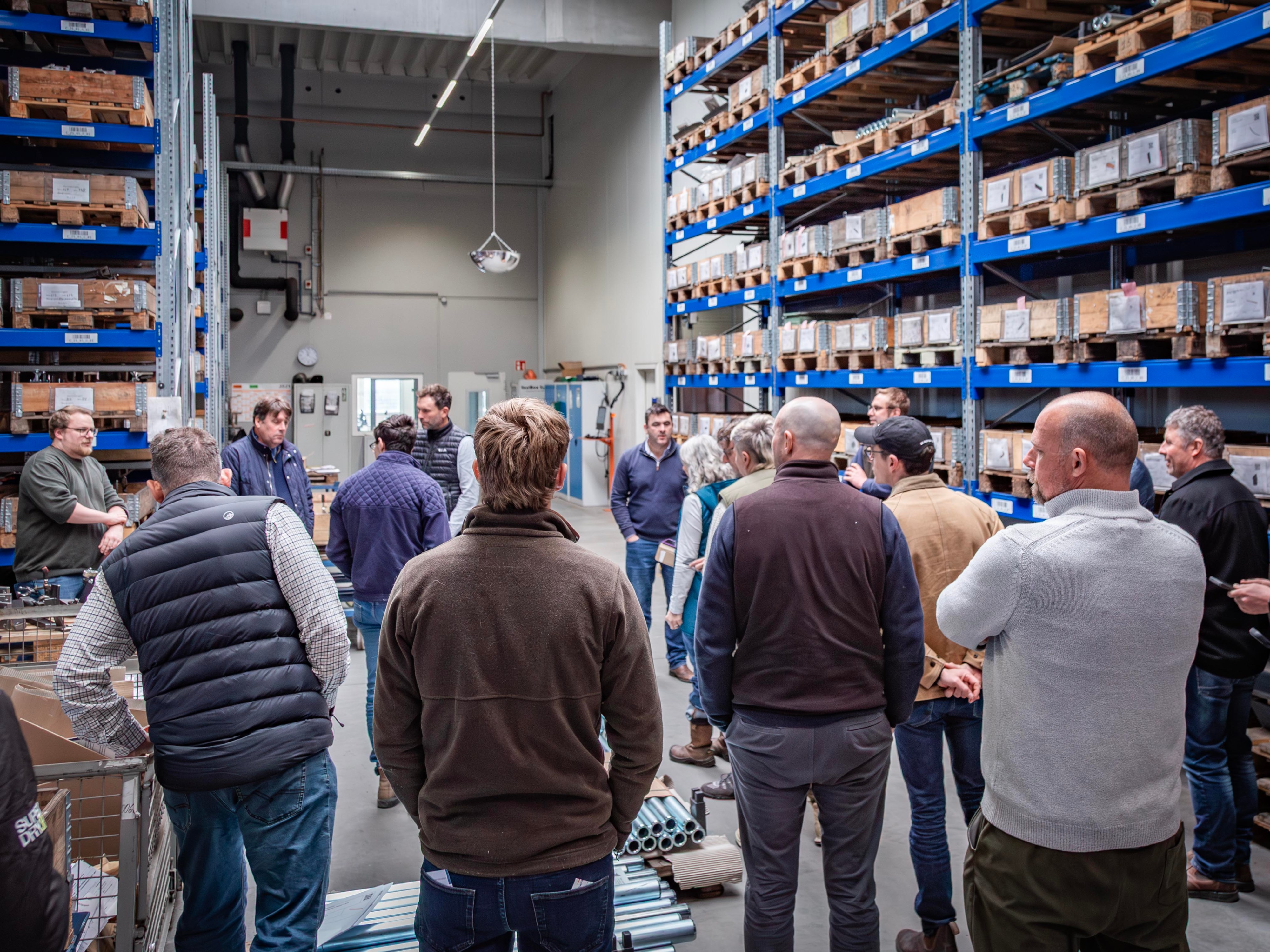
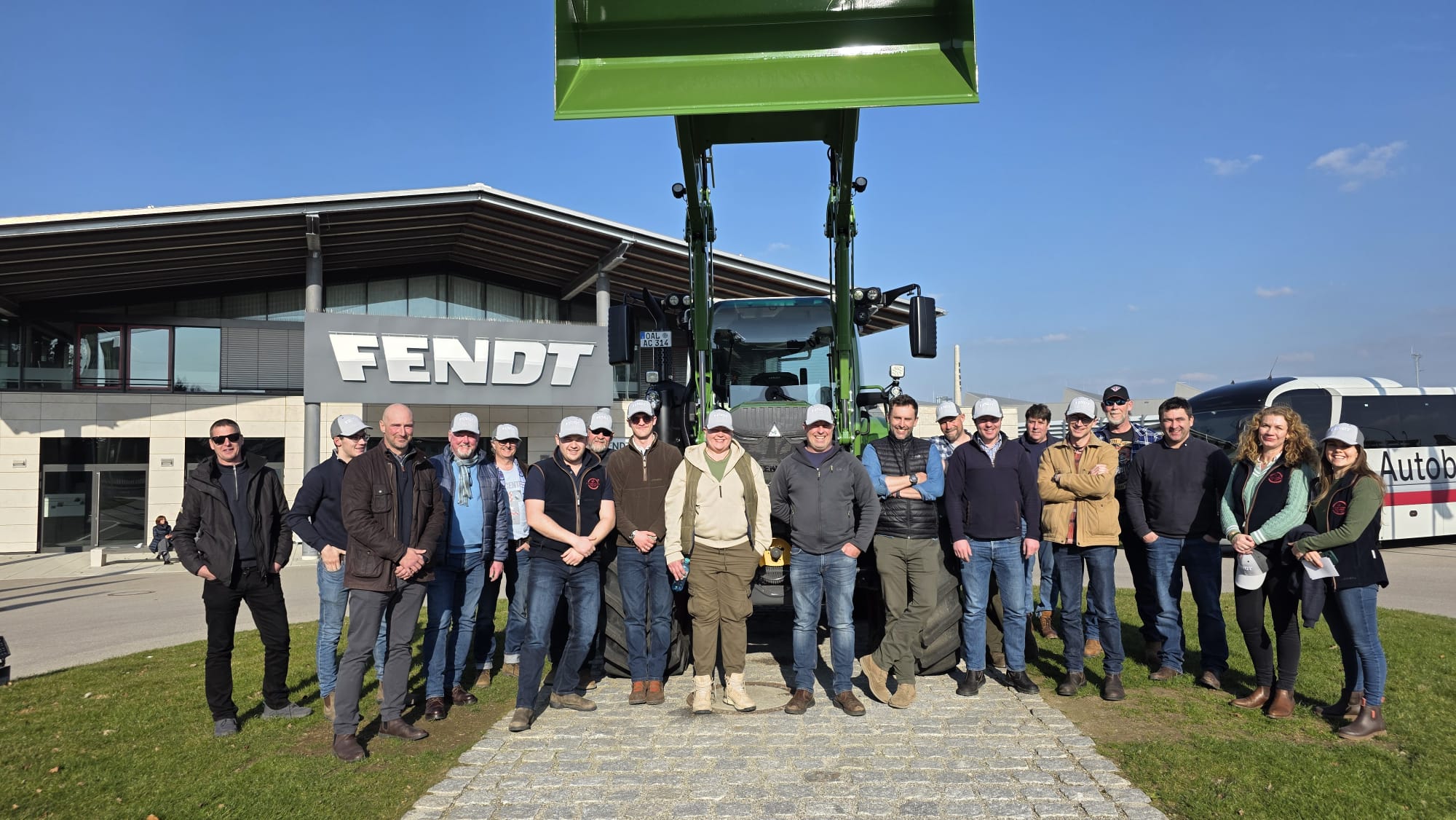
A group of British fruit and vine growers recently joined specialist machinery dealership, NP Seymour, on a three-day tour of Germany to get a closer look at how the Fendt tractors and viticultural machinery they use are manufactured.
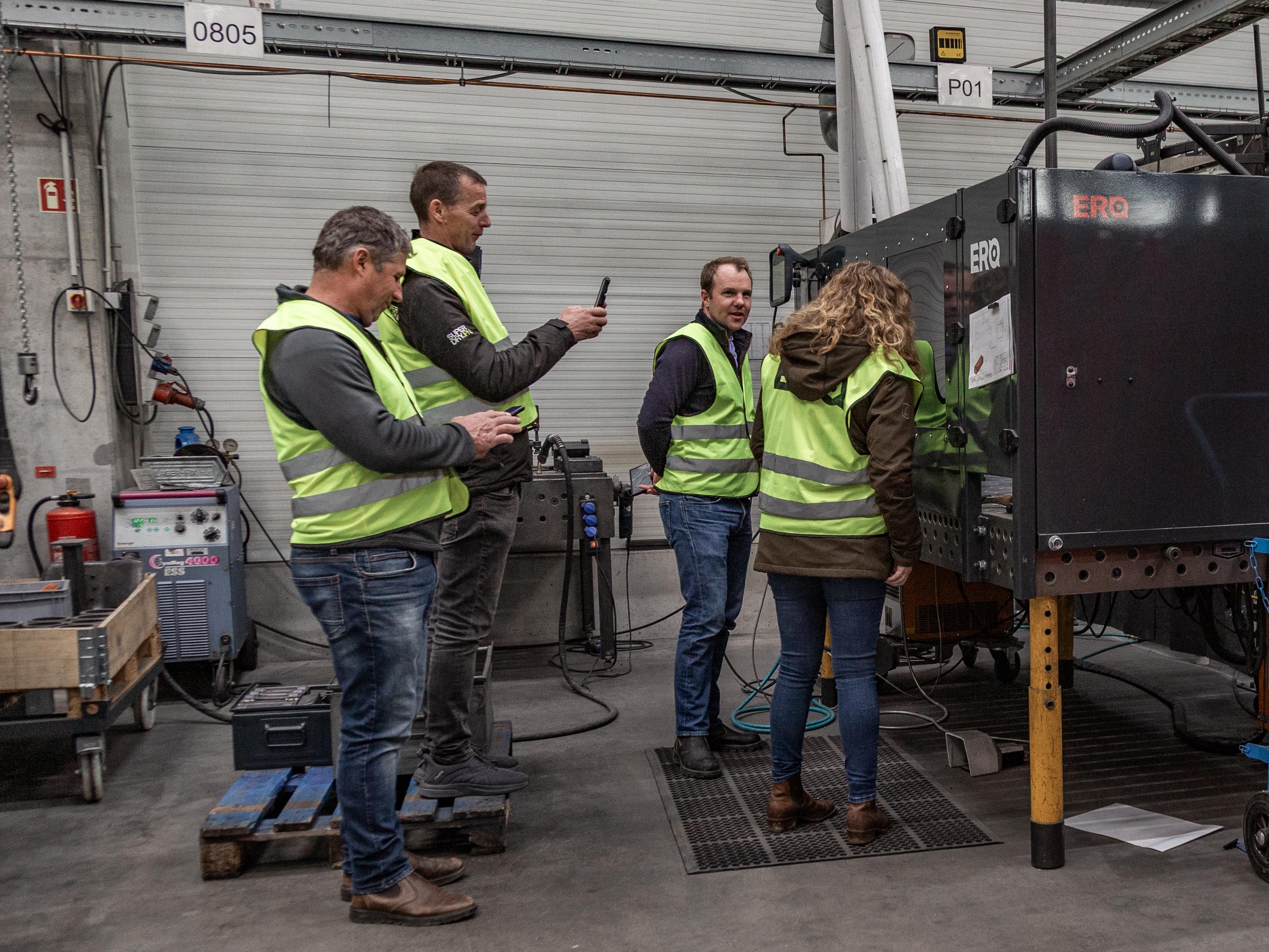
With 20 people in total, including the NP Seymour team, the group brought together vineyard and orchard managers, consultants, and soft fruit growers from East Anglia, Kent, Surrey and Sussex.
“Trips like this are about more than just seeing machinery,” said Claire Seymour, Director at NP Seymour. “We were not only able to see behind the scenes in the factories, but also able to meet the people who design and build the equipment. It was a fantastic opportunity to give back to our clients and a great way to bring growers together, share ideas and build relationships across the British fruit industry.”
Day one – ERO Gmbh, Simmern
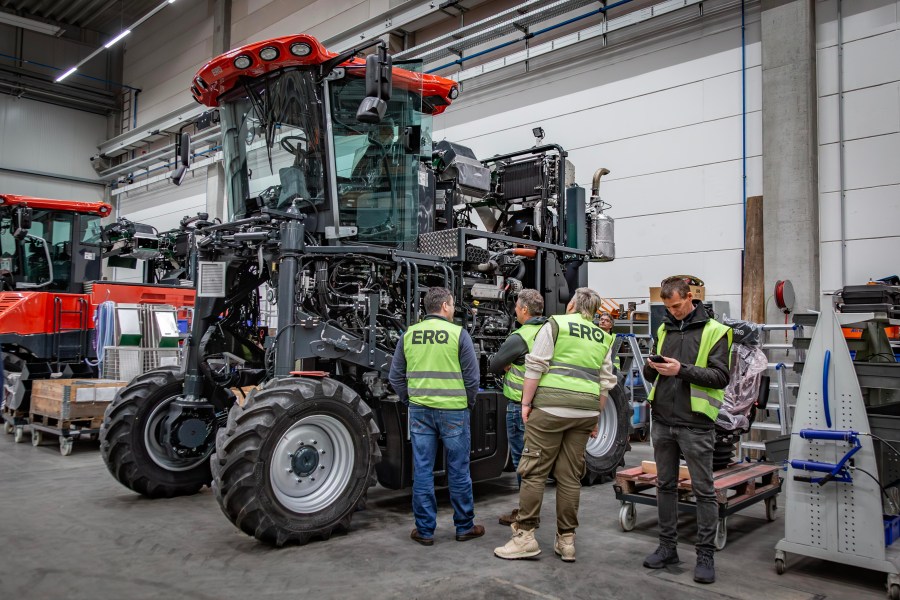
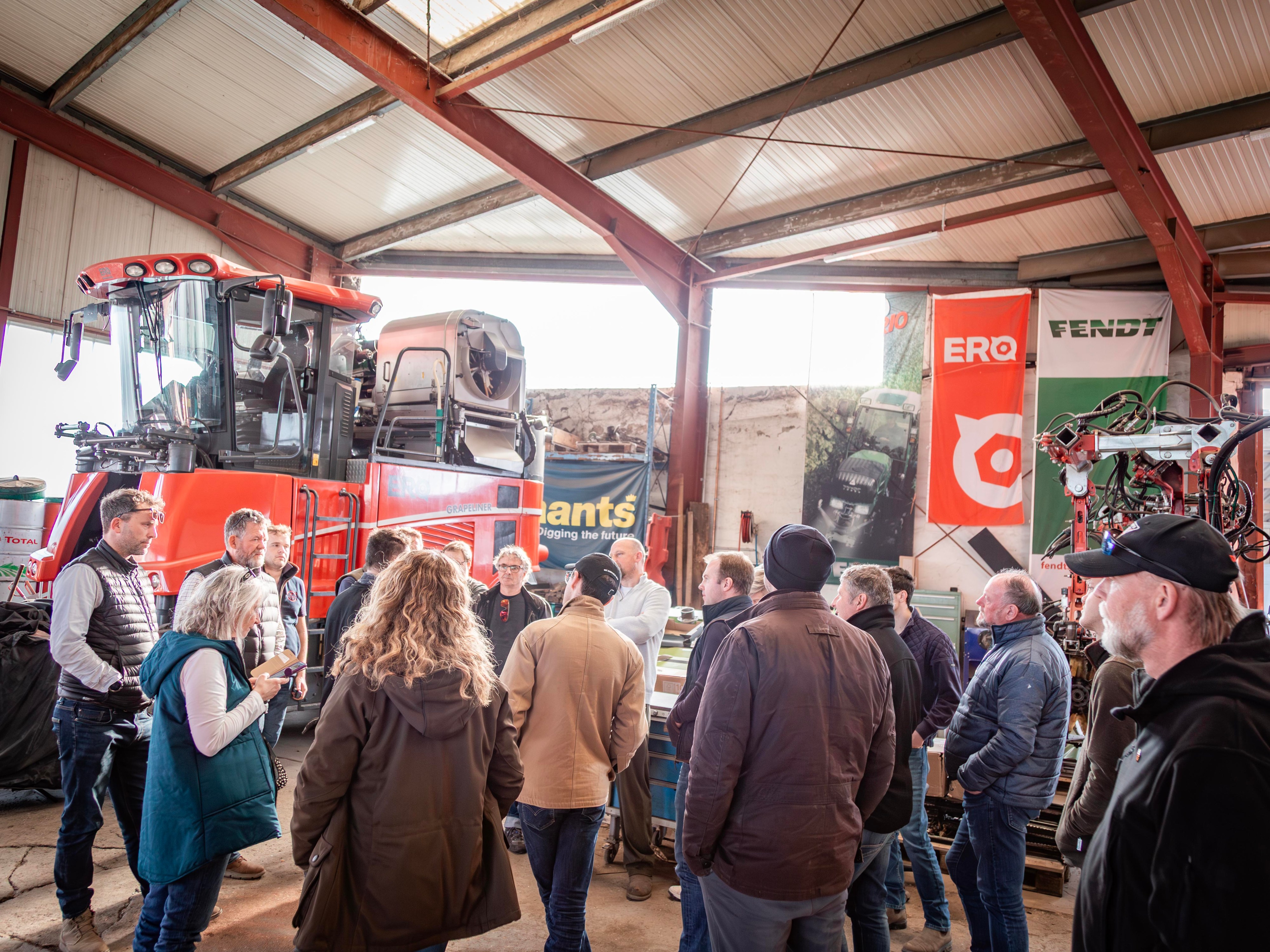
After landing in Frankfurt, the group travelled to ERO in Simmern, where the visit began with lunch and a presentation from Area Sales Manager Ralf Licht introducing the company, its history and product range.
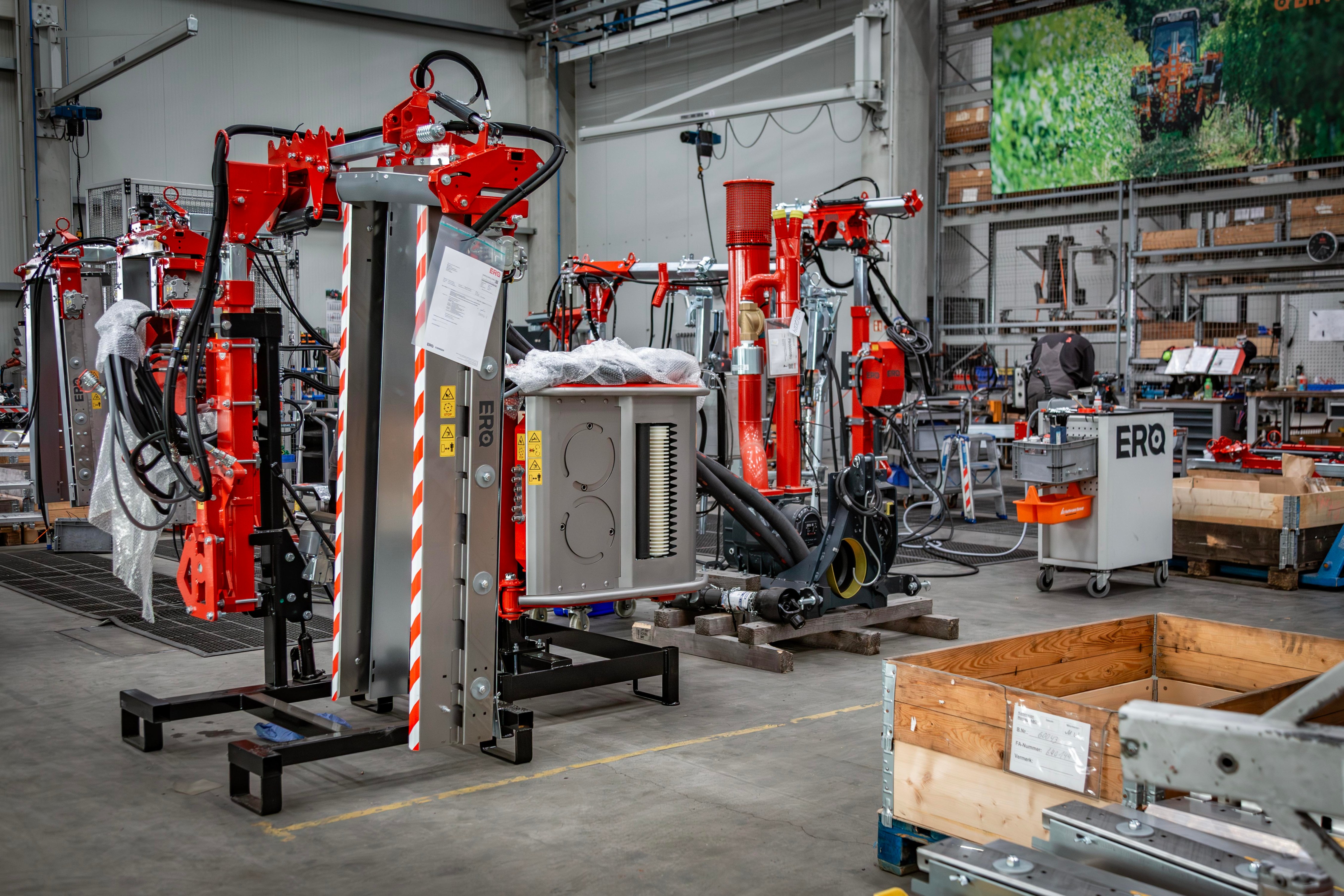
The firm, founded in 1969 by Herbery Roth and Heinz Erbach, now employs over 240 people and produces machinery for the full growing season, including mechanical pruners, canopy equipment and grape harvesters.
Globally, ERO holds around 15% of the grape harvester market, rising to about 80% in Germany for both viticultural equipment and harvesters.
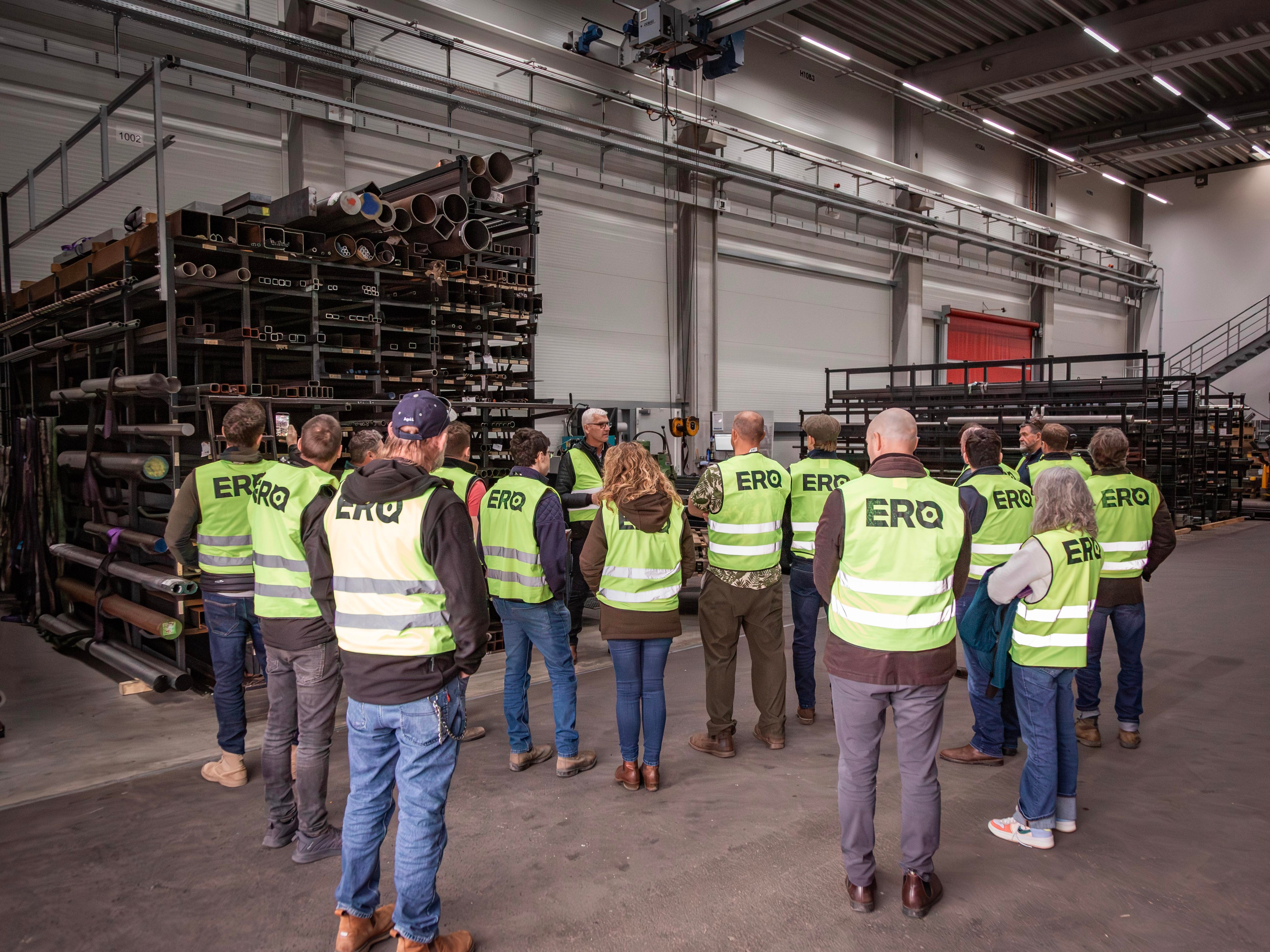
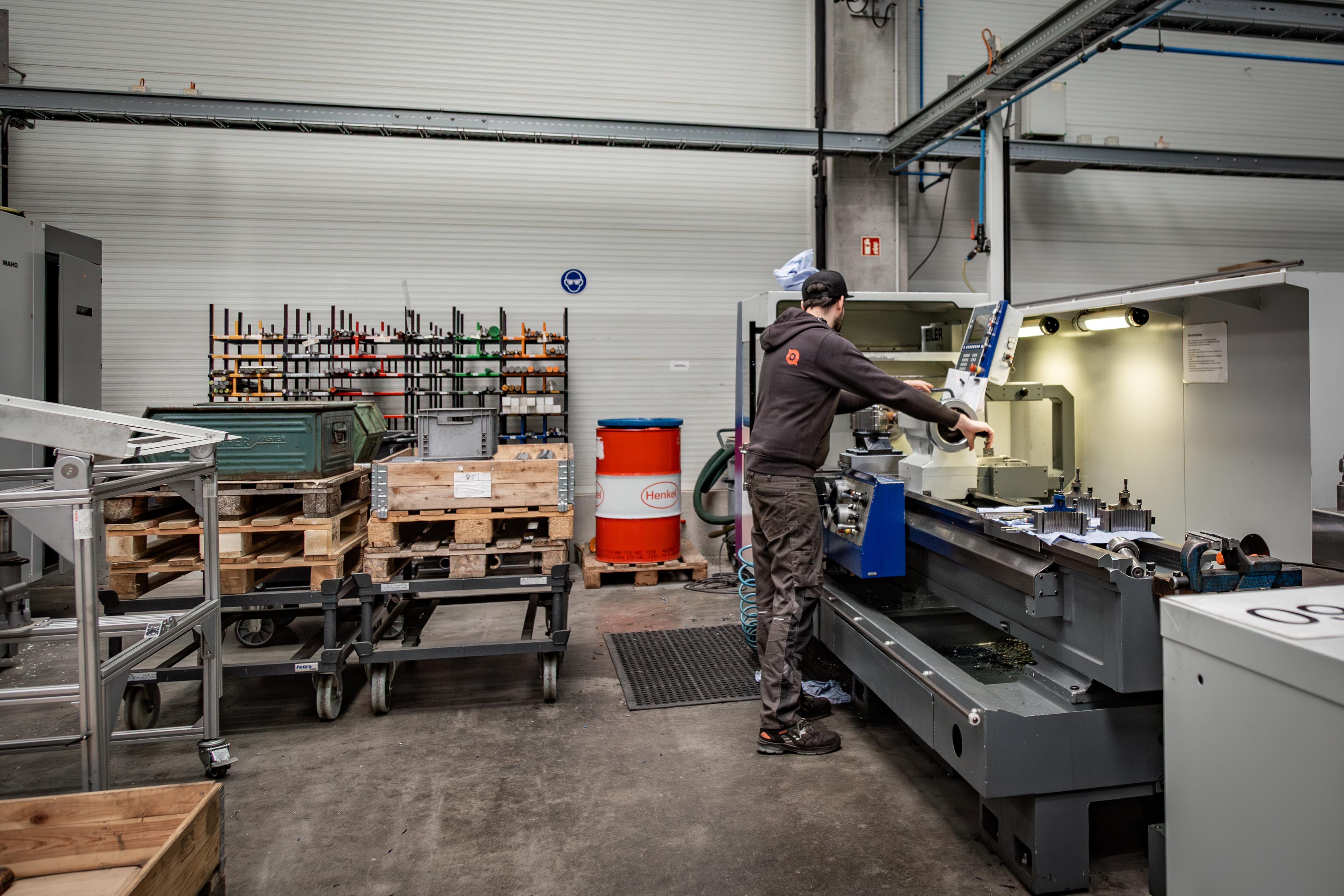
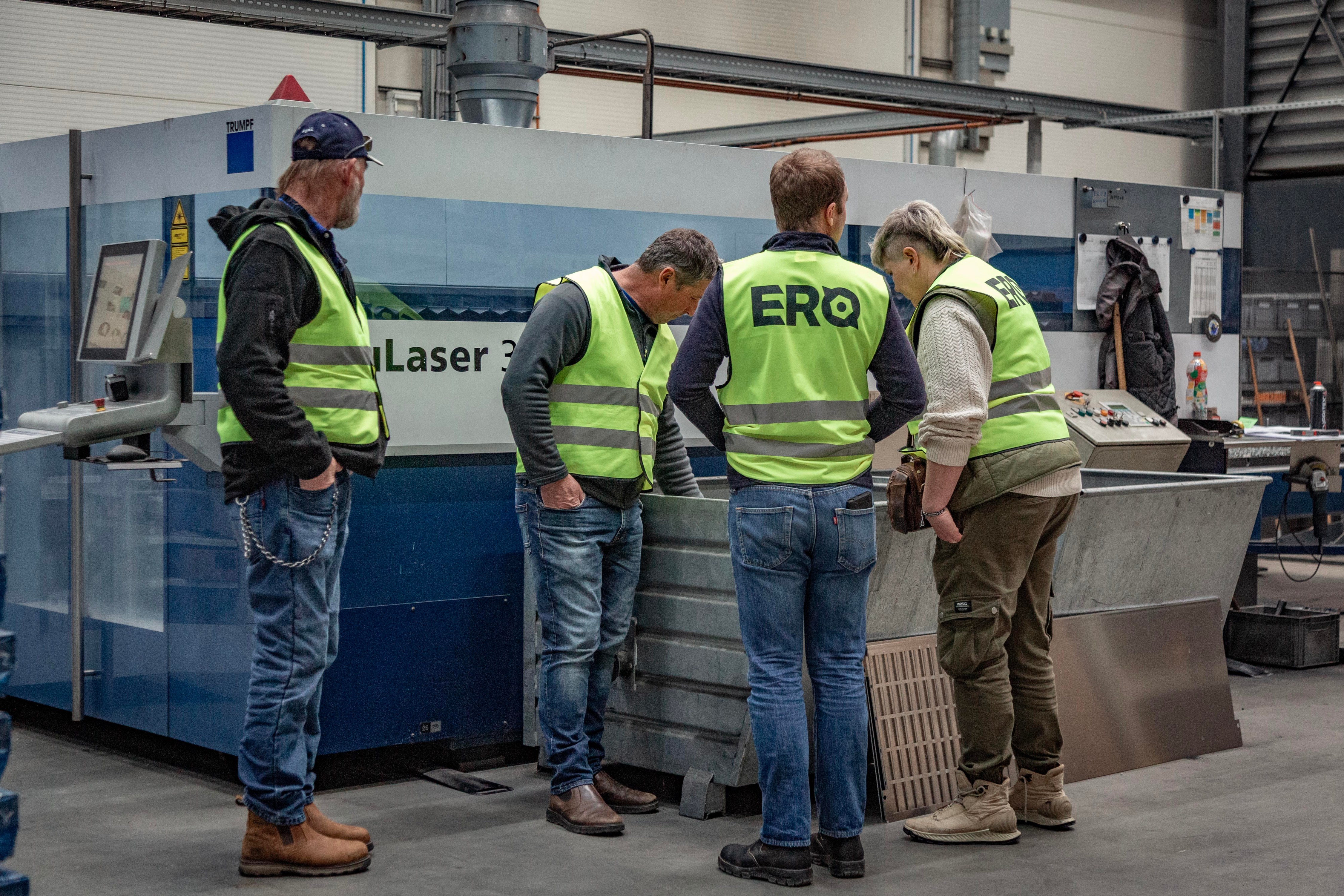
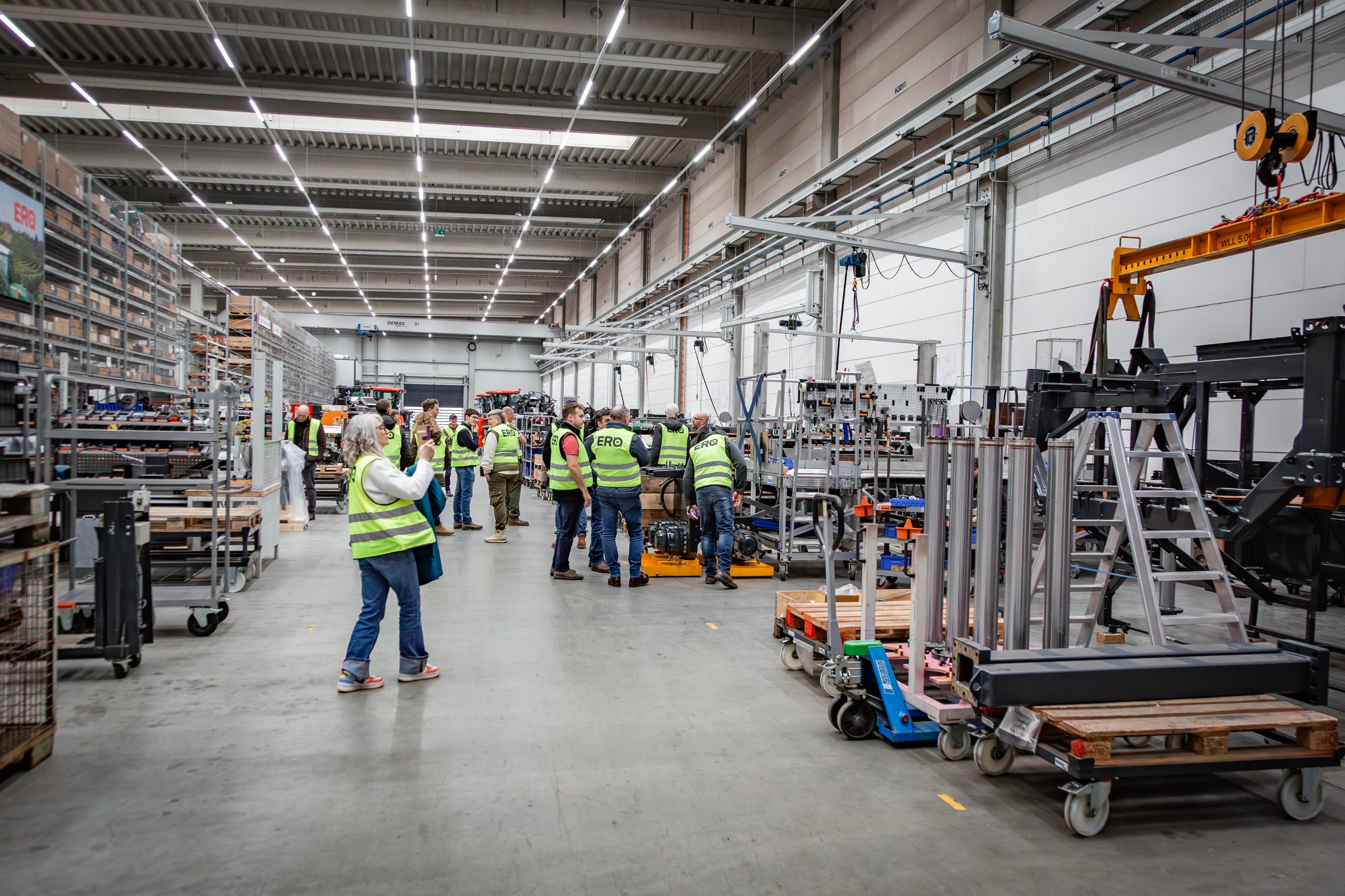
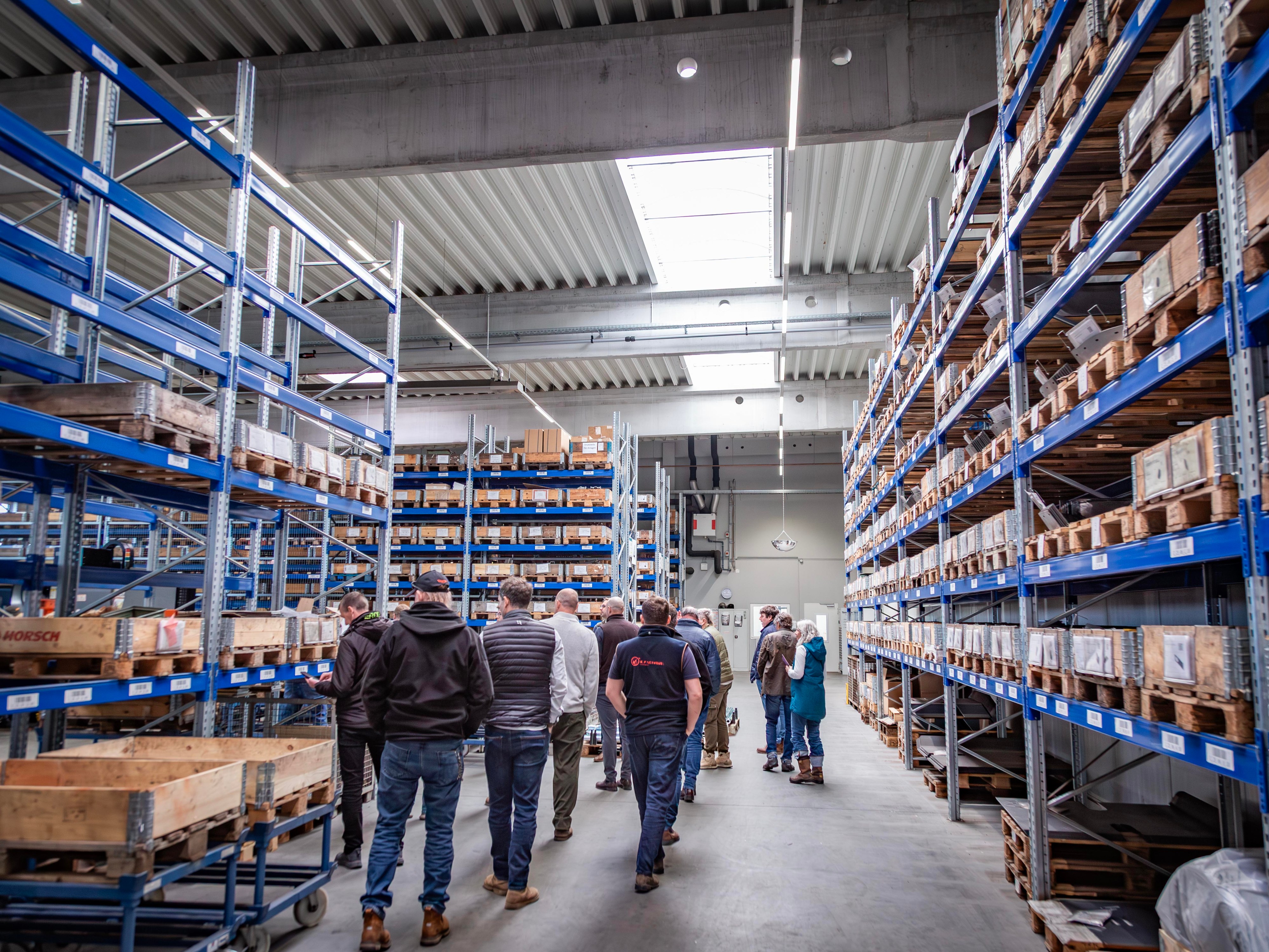
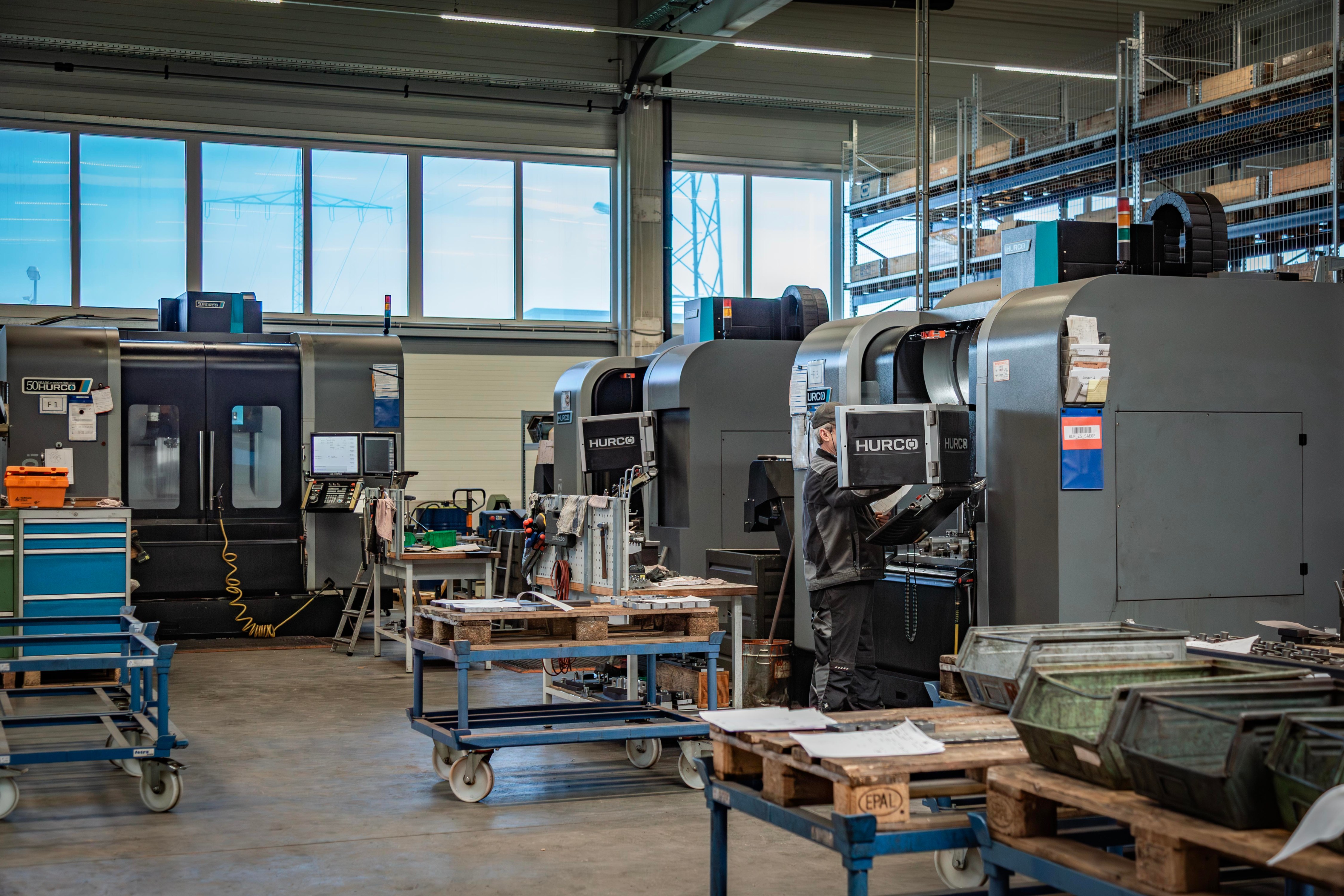
A full factory tour showed the scale straight away. The purpose built site, completed in 2018, includes 15,500 square metres of production space and 3,000 square metres of office and exhibition space. Investment in robotics, moveable racking, and shot blasting and powder coating has improved working conditions and product quality, while expanded assembly and storage support global demand.
Alongside the investment in technology, there remains a strong focus on people, with a dedicated apprenticeship area covering training across ten trades.
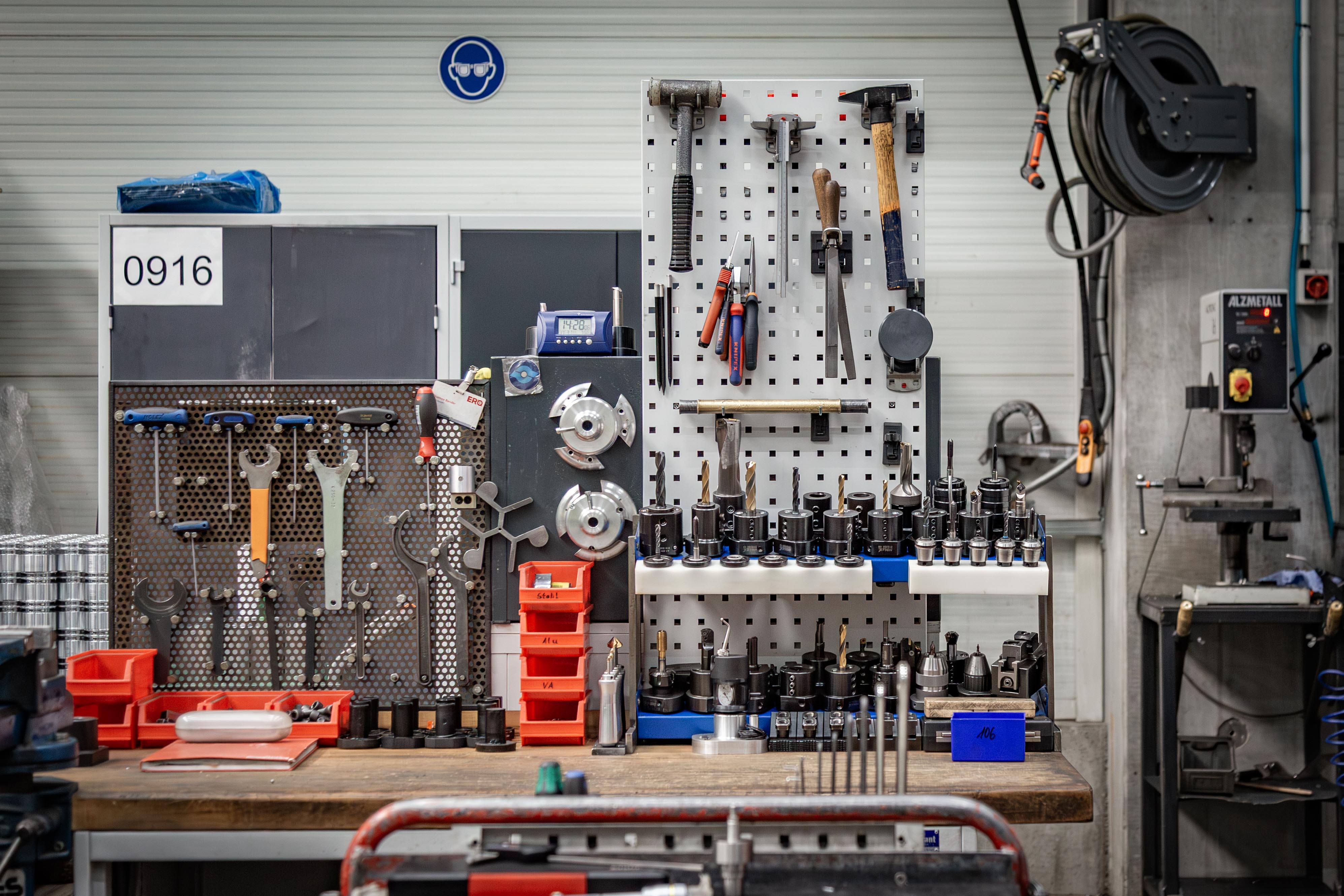
Around 80% of parts are made in house, with ERO also developing its own software for its self-propelled grape harvesters.
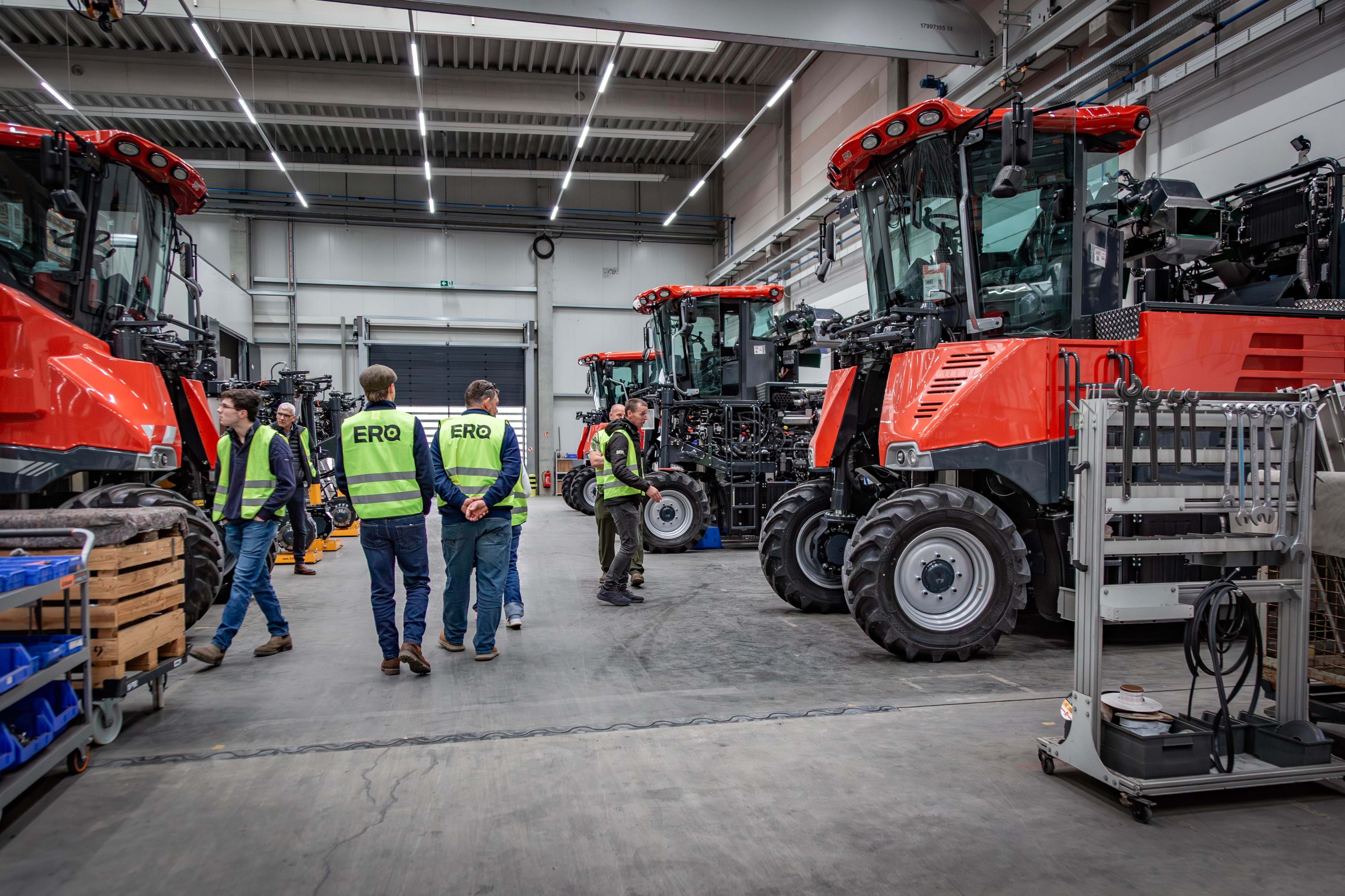
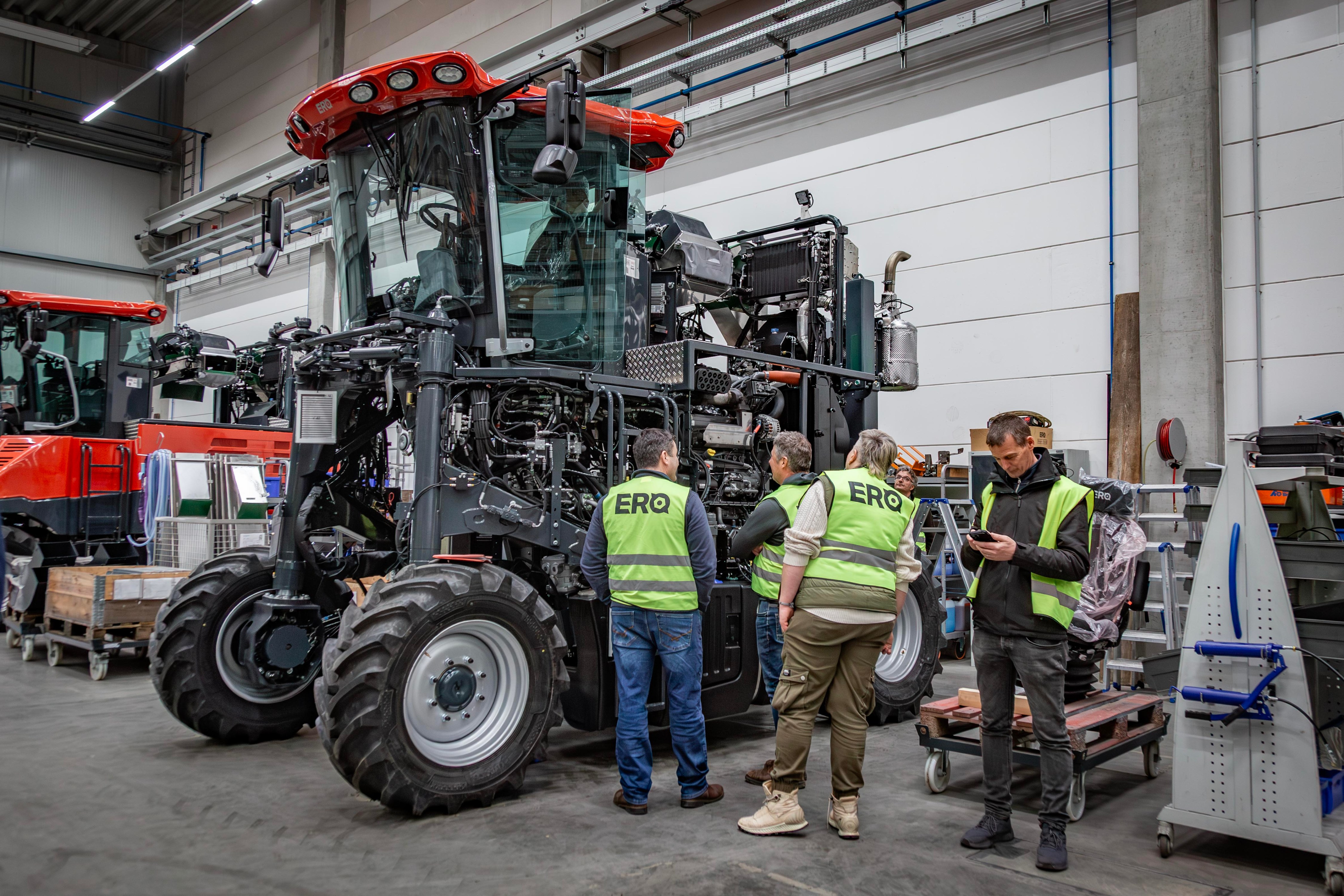
Those on the trip were particularly interested to see the new Grapeliner 8000 series being assembled, featuring the new AGCO Power engine. These machines represent a significant investment, however seeing the level of engineering and attention to detail that goes into their production made it clear why this is the case.
After ERO, the group travelled on to a vineyard and winery where the owner was running Fendt and ERO equipment. The visit offered insight into German wine production, alongside open discussions about the differences between German and UK growing conditions and winemaking preferences. One of the key talking points was the difference in cost per bottle, driven by Germany’s higher yields and lower alcohol duty. A look around the machinery shed also led to conversations about Fendt specifications and what growers prioritise in their own operations.
Day two – Braun Maschinenbau Gmbh, Landau in der Pfalz
From Simmern, the group travelled to Landau in der Pfalz to visit Braun Maschinenbau, where the group were greeted with traditional soft Brezels and local sparkling wine.
After a warm welcome from owner Stefan Braun, the visit began with a presentation where Tobias Spieß introduced the company and discussed new products.
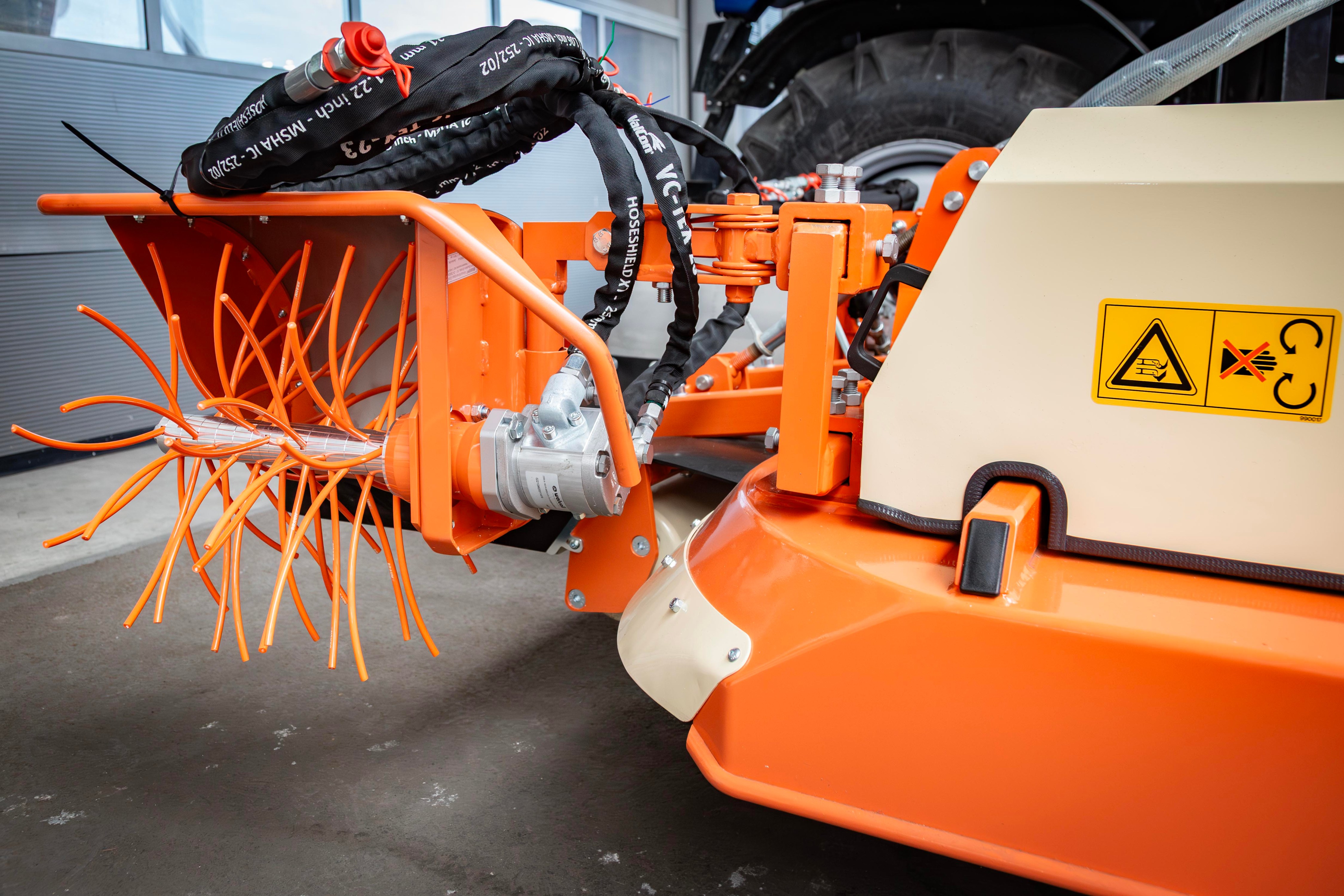
Not yet introduced to the UK market, Braun has further improved its vine stem cleaner with the new Modul Clean head now featuring a small engine to increase revolution speed and robust strimmer cord in place of the black paddles to improve the removal of grass and weeds. In addition to this, there is also a new under vine mower head which fits onto the existing Braun modular frames and systems. Both new products led to a valuable discussion around weed management.
The Braun Rollhacke, first developed in 1991, has often been the tool of choice, with around 150,000 units produced and sold, thanks to its tool free adjustment, low maintenance requirements, and the ability to work both in and out of the soil, with flexible mounting options.
Yet, with concerns about soil erosion and sustainability, more growers are today looking towards methods that avoid disturbing the soil. Braun’s development of the Modul Clean and under vine mower provides a solution and underlines the clear link that exists between manufacturer and user.
Braun’s history and close relationship with growers came through clearly throughout the visit. Founded in 1958 by Stefan’s father, the company still reflects its roots, with some of the original machinery on display in an on site museum.
Braun has been producing under vine cultivation equipment since 1967, and while many of the tools have evolved, the core principles behind systems remain unchanged.
During the full factory tour, the level of detail and craftsmanship that goes into the equipment was to clear to see, giving growers a deeper appreciation of the work behind the machines.
Braun’s purpose built factory, completed in 2016 and covering 18,000 square metres, features well designed layouts, modern robotics and highly specialist equipment.
There was again a strong focus on maintaining control over the production process, with most parts manufactured on site. In many cases, components already have a customer assigned by the time they leave the welding stage, reflecting the level of demand and customisation.
Afterwards, additional visits, organised by Braun, to another winery and a large vineyard contracting business using Fendt, ERO and Braun equipment helped bring everything into context. The contracting operation in particular stood out, with a fleet of seven Fendt tractors and 14 ERO Grapeliner harvesters.
Day three – Fendt Forum, Marktoberdorf
The final visit of the trip was to the Fendt Forum, home to Fendt’s main manufacturing facility in Germany, where over 100 tractors are produced each day.
While the Fendt Forum and Dieselross restaurant are both open to the public, factory tours are exclusively reserved for customers and sales partners only.
Fendt does not permit tour groups to take photographs or notes, but the scale and level of organisation left a memorable impression and it was a real highlight and a fitting way to end the trip.
By seeing both how machinery is made and the attention to detail that goes into every part of every product, the group returned with a better understanding of the equipment they rely on, and the thinking behind it.
For more like this, sign up for the FREE Vineyard newsletter here and receive all the latest viticulture news, reviews and insight