
The latest update to the Sustainable Farming Incentive (SFI) scheme has prompted a mixture of reactions across the farming sector, from uncertainty to renewed opportunity. Although 31 actions have been removed from the scheme, the remaining options still provide a valuable opportunity for vineyards to integrate biodiversity and sustainable land management while accessing funding.
Understanding SFI 2026
To apply, businesses must own or manage at least three hectares of land in agricultural production. Applications are submitted through the Rural Payments Agency (RPA), with all land parcels required to be mapped and registered in the RPA system.
The 2026 application process will open in two stages:
- June 2026: Application window opens for holdings up to 50 hectares and those not currently in an Environmental Land Management agreement (such as Countryside Stewardship or an existing SFI agreement).
- September 2026: Application window opens for holdings over 50 hectares and existing agreement holders.
Importantly, the government has stated that the June window will remain open for around two months or until the allocated budget has been fully committed. This means growers should aim to have their applications prepared well in advance rather than waiting for the window to open. For vineyard businesses interested in the scheme, early planning will be key.
Opportunities for vineyards within SFI
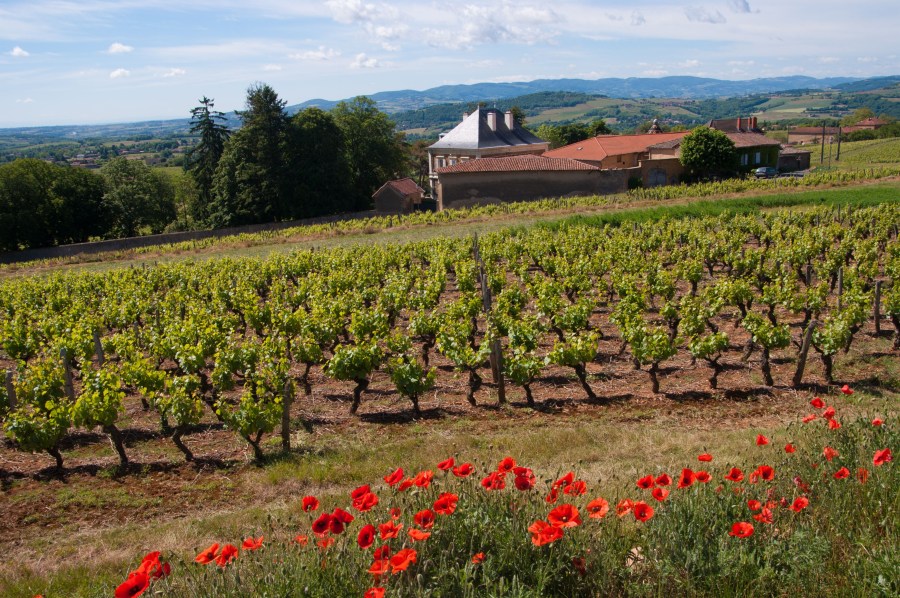
Many of the biodiversity and habitat options within SFI fit naturally into vineyard landscapes. Vineyards often include margins, headlands and less productive areas that can be managed to support biodiversity while complementing vineyard operations.
Some of the options particularly suited to vineyards include:
- CHRW2 Managing hedgerows (£13 per 100m, one side)
Available for hedgerows over 20m long and less than 10m wide. The hedgerow may be newly planted or established and managed through incremental cutting. - CAHL1 Pollen and nectar flower mix (£739/ha)
Established in blocks or strips, these mixes flower from late spring through summer, providing a rich food source for pollinators such as bees and hoverflies. - CIPM2 Flower-rich grass margins, blocks or in-field strips (£798/ha)
A longer term habitat option combining grasses and wildflowers. - CAHL3 Grassy field corners or blocks (£590/ha)
Ideal for awkward or unproductive areas. Allowing a tussocky grass sward to develop provides year-round habitat for insects, birds and small mammals while improving soil structure, reducing erosion and helping store carbon. - WBD1 Managing ponds (£257 per pond, up to three ponds per hectare)
Ponds must be more than 25m2 and up to two hectares with a range of semi-aquatic vegetation around the pond edge and submerged or floating aquatic plants.
Soil management still matters
One notable change to SFI is the removal of the CSAM1 soil management plan. The government stated the action “does not deliver direct environmental benefits and therefore delivers poor value for money.”
At first glance this may appear a step backwards for soil health. However, it should not be dismissed by growers, particularly in vineyards where soil structure, biology and chemistry underpin long term productivity. The previous requirement to assess only phosphorus, potassium, magnesium and organic matter provided a limited snapshot of soil health. A meaningful soil analysis should go much further by monitoring both macro and micronutrients, soil biology and deeper soil structure.
For vineyards preparing for SFI in 2026, the message is clear: plan early, choose actions that complement your system and never overlook the foundation beneath your vines – the soil. If you need support, an adviser can help plan suitable options and prepare your application.