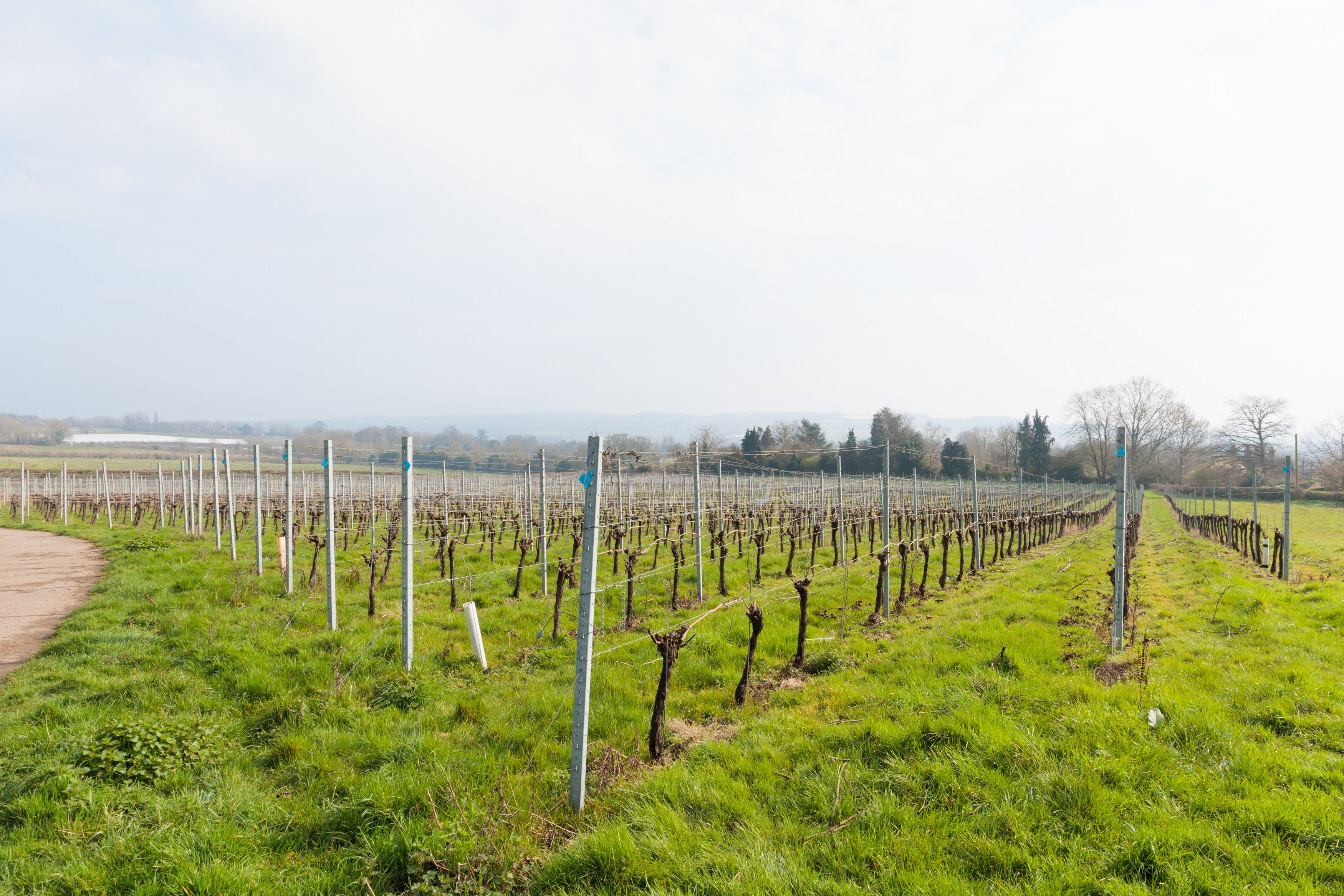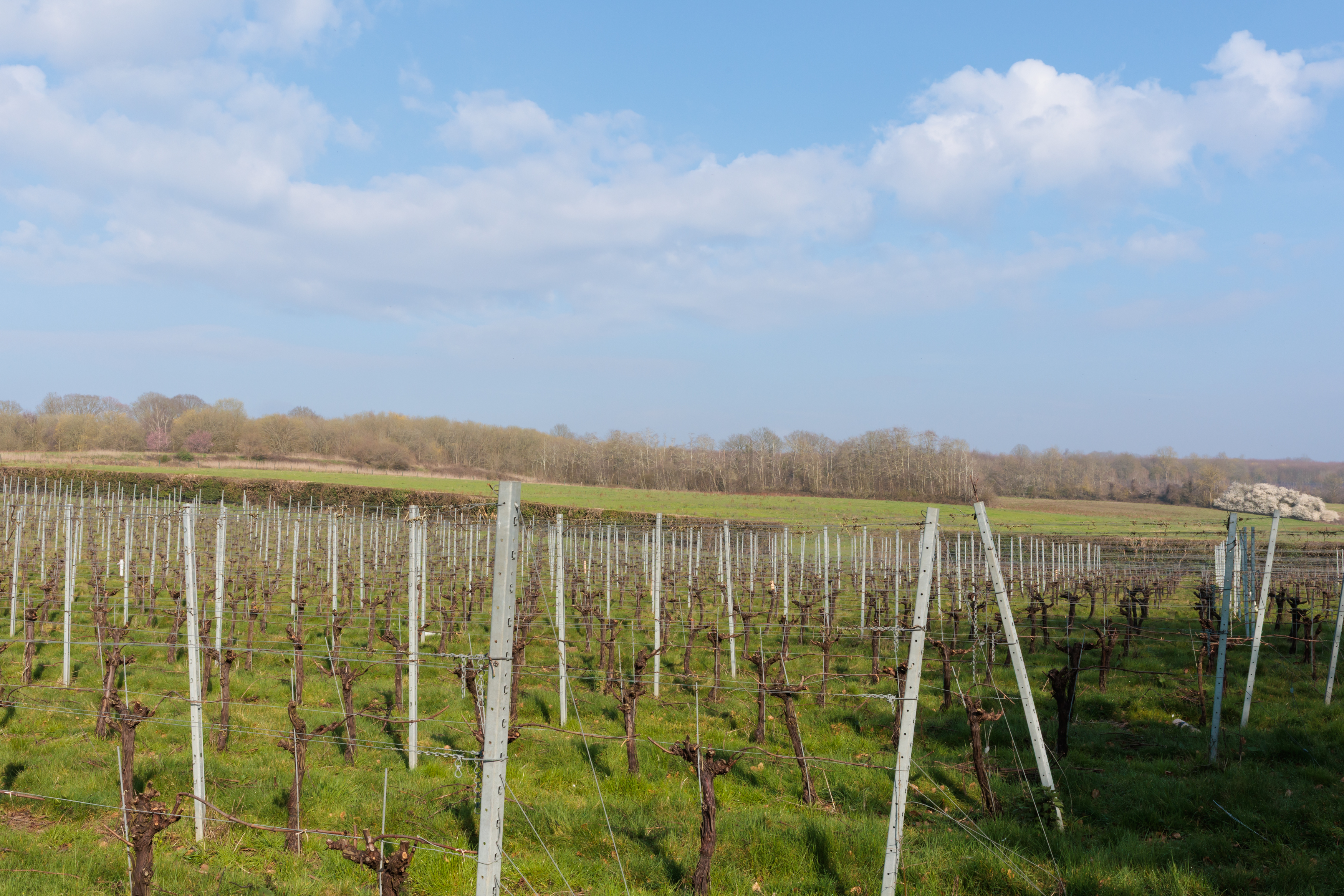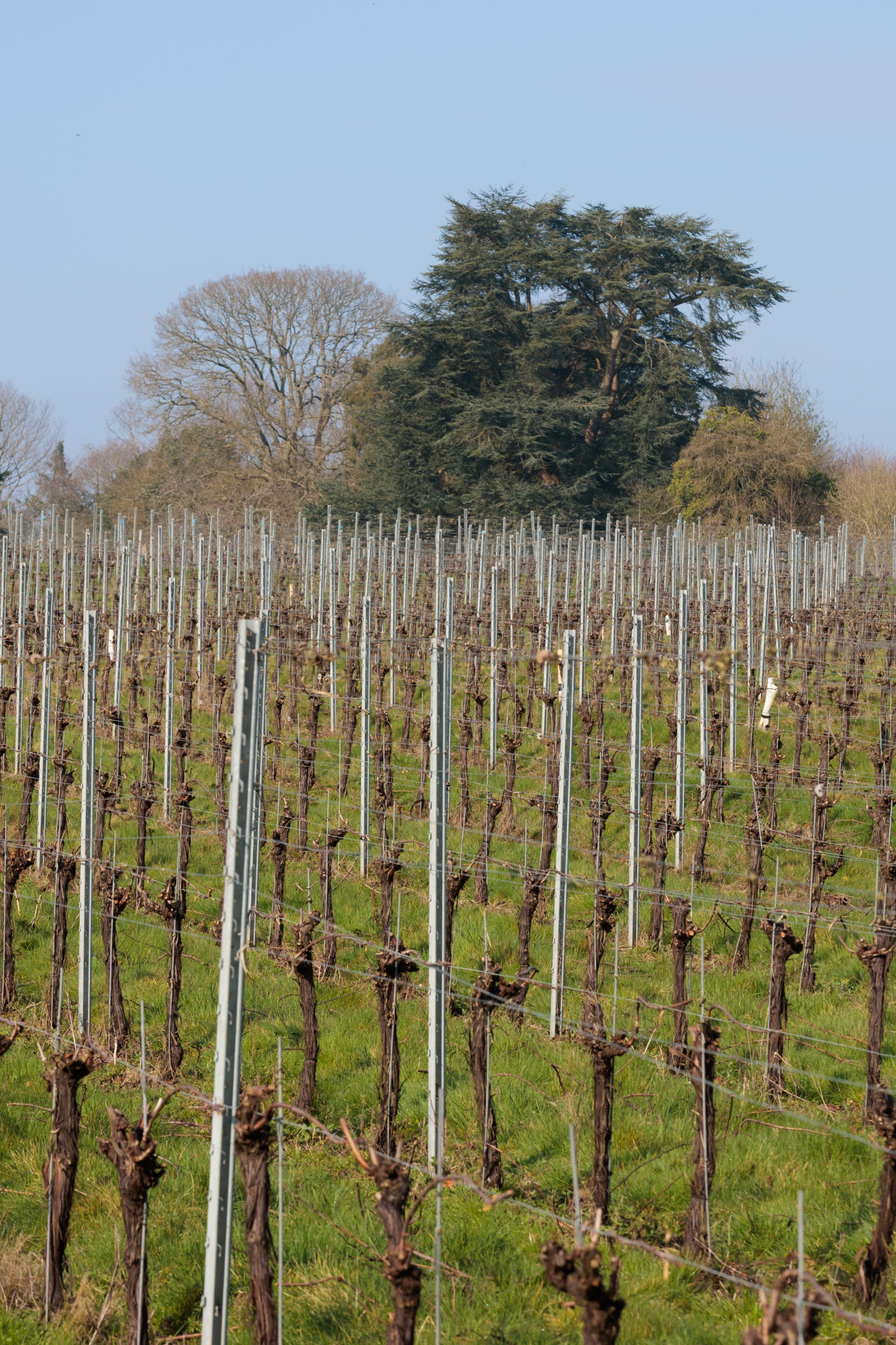

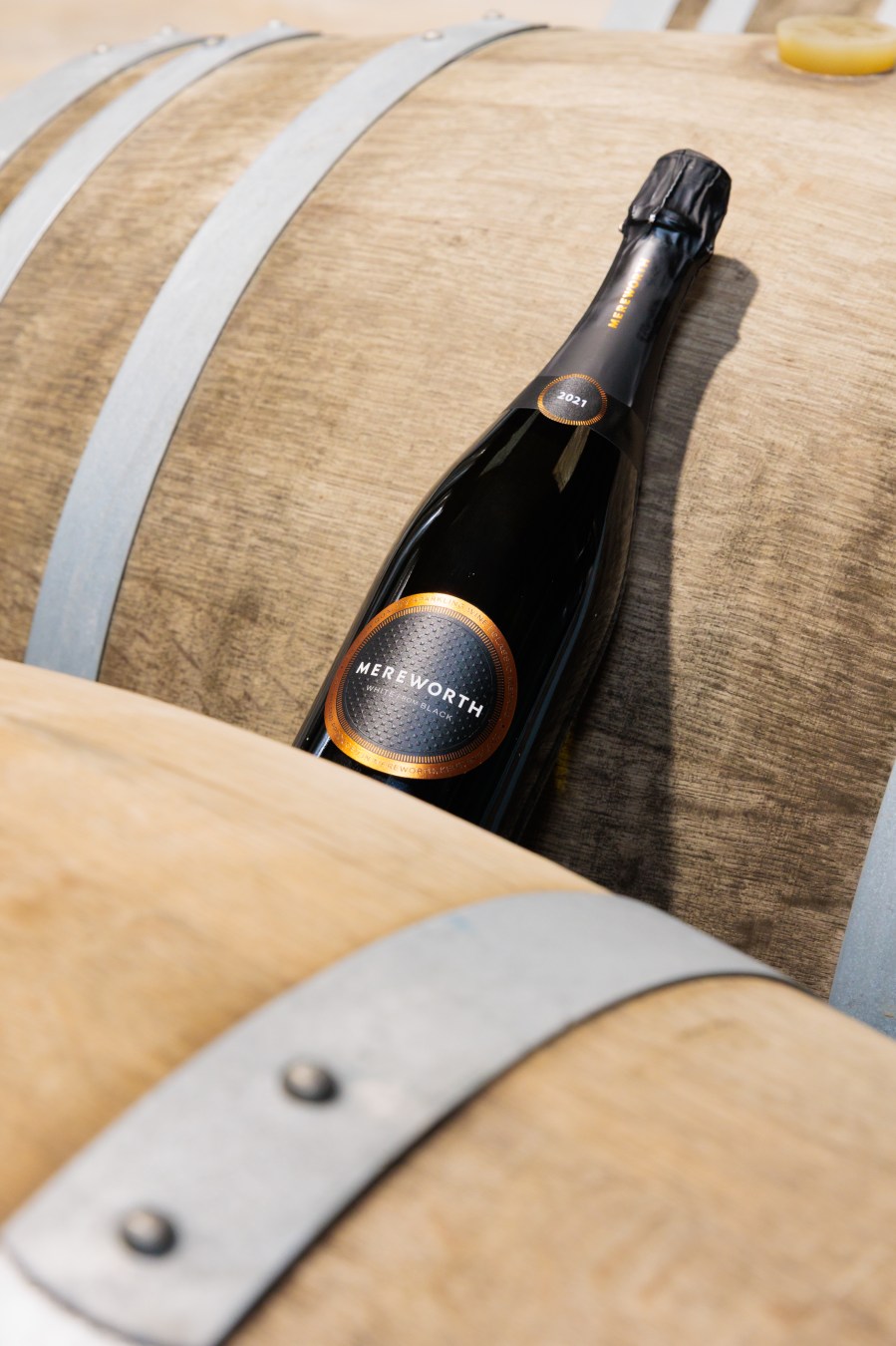
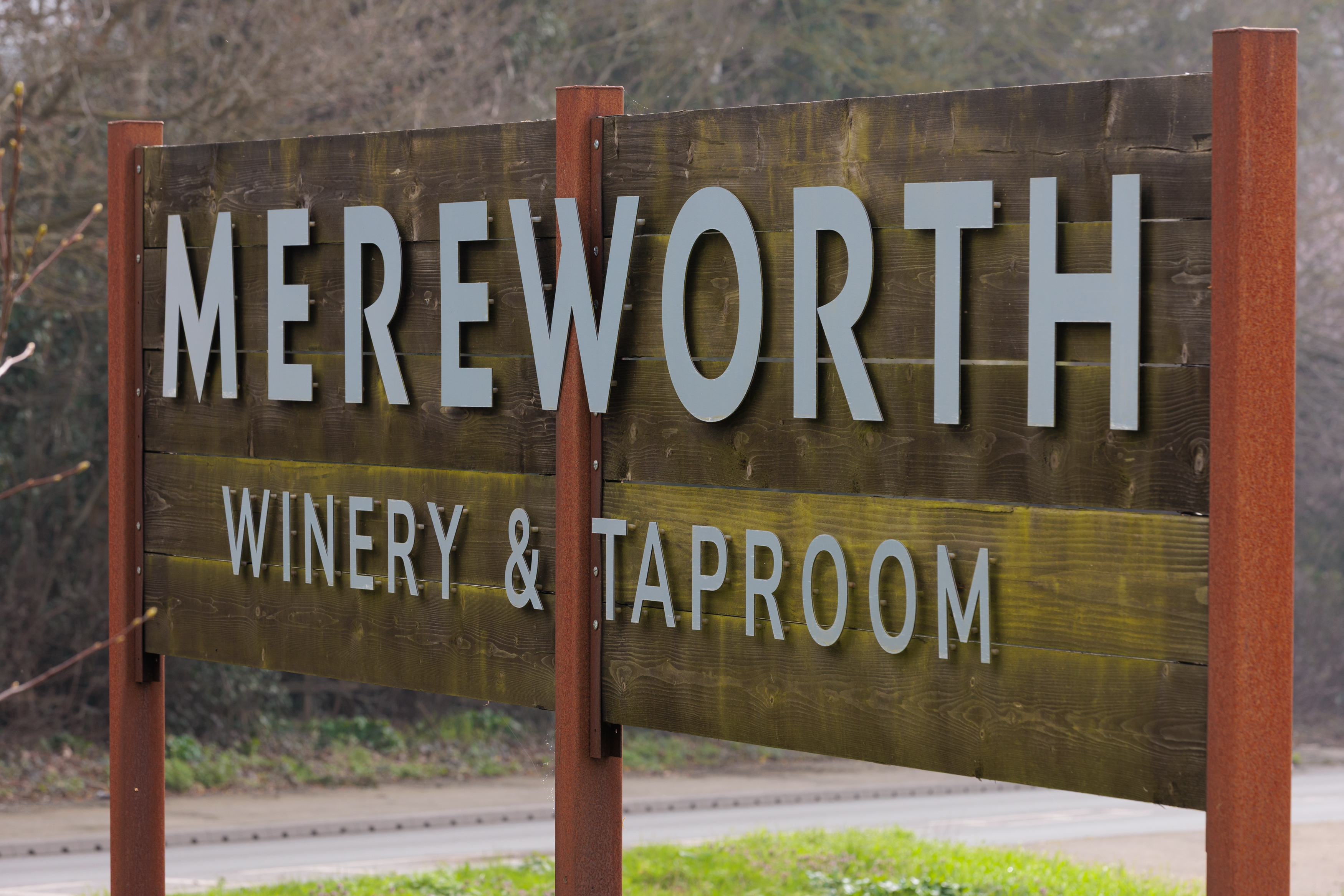
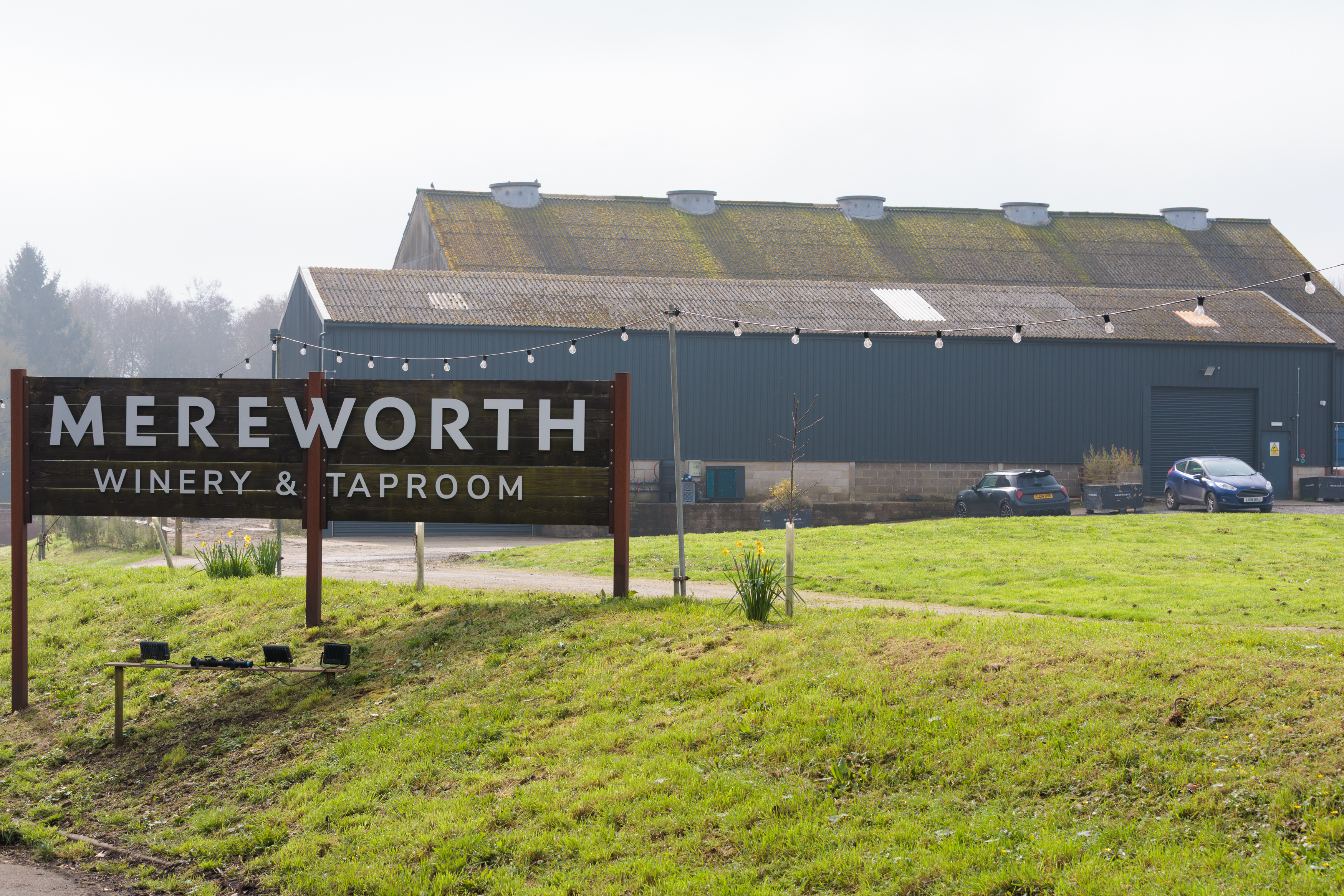
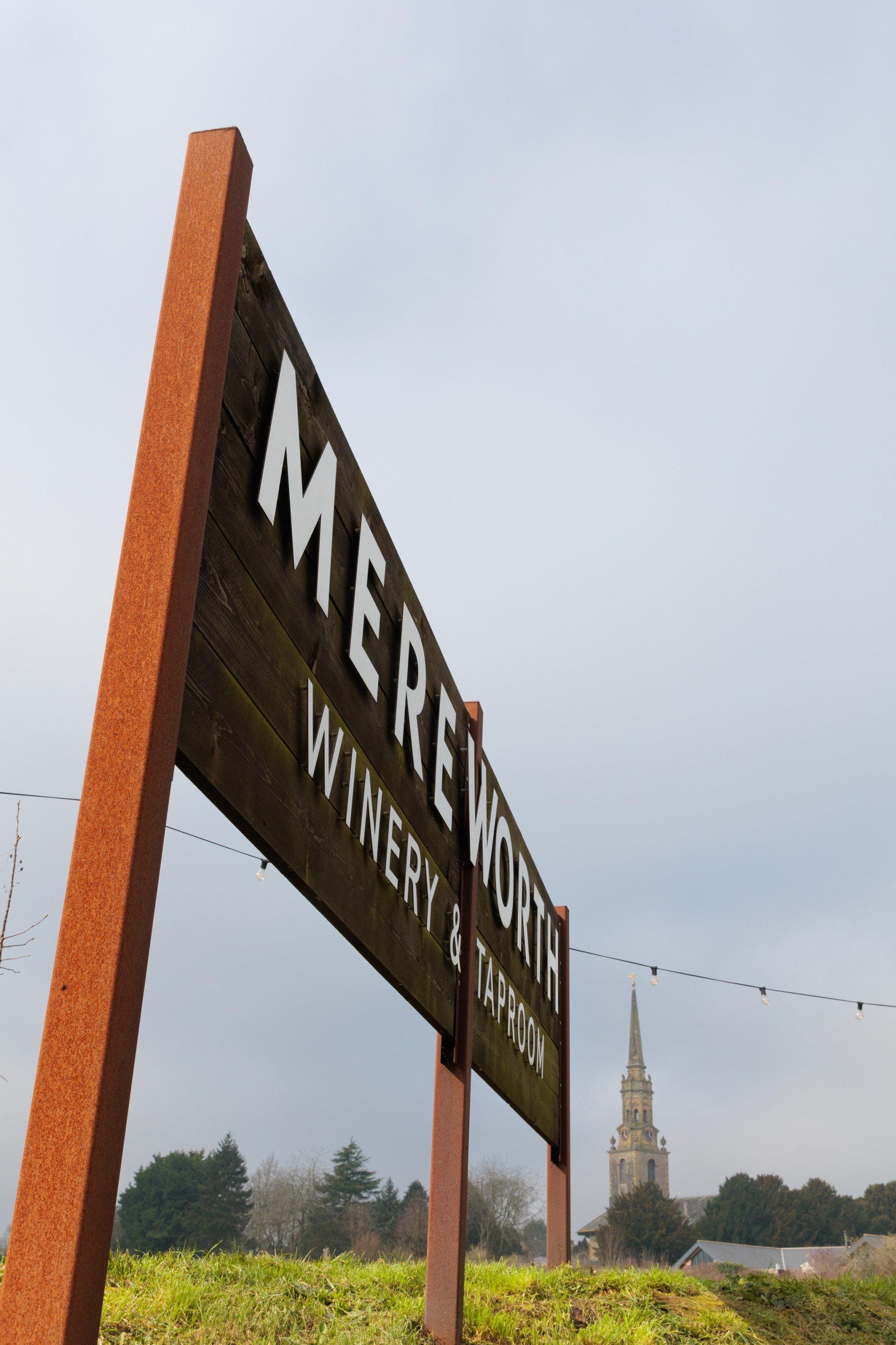
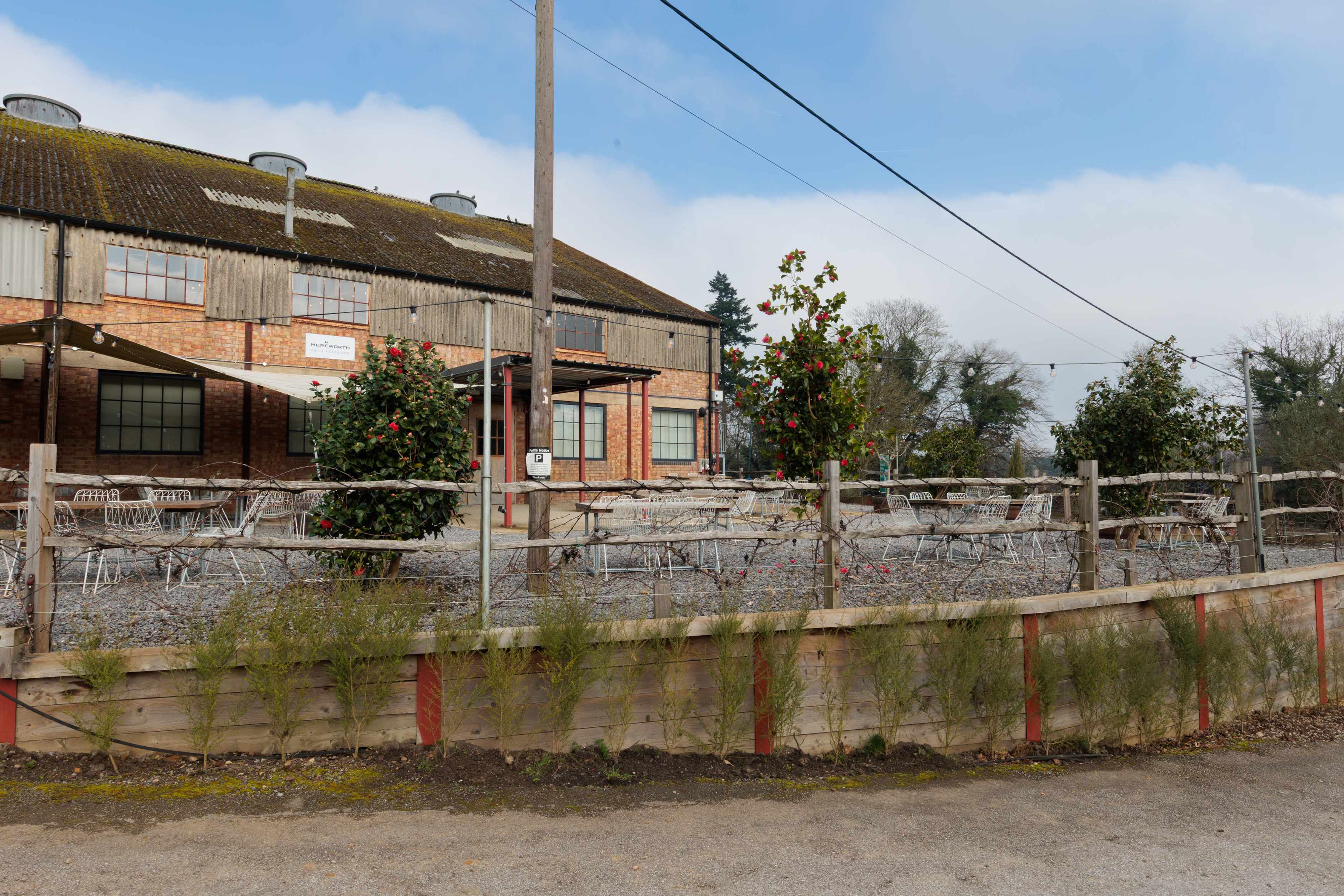
Mereworth Wines is situated on the A26 Tonbridge Road in Kent. The location on this busy section of road allows Mereworth to present English wine to the tens of thousands of motorists and passengers that pass daily.
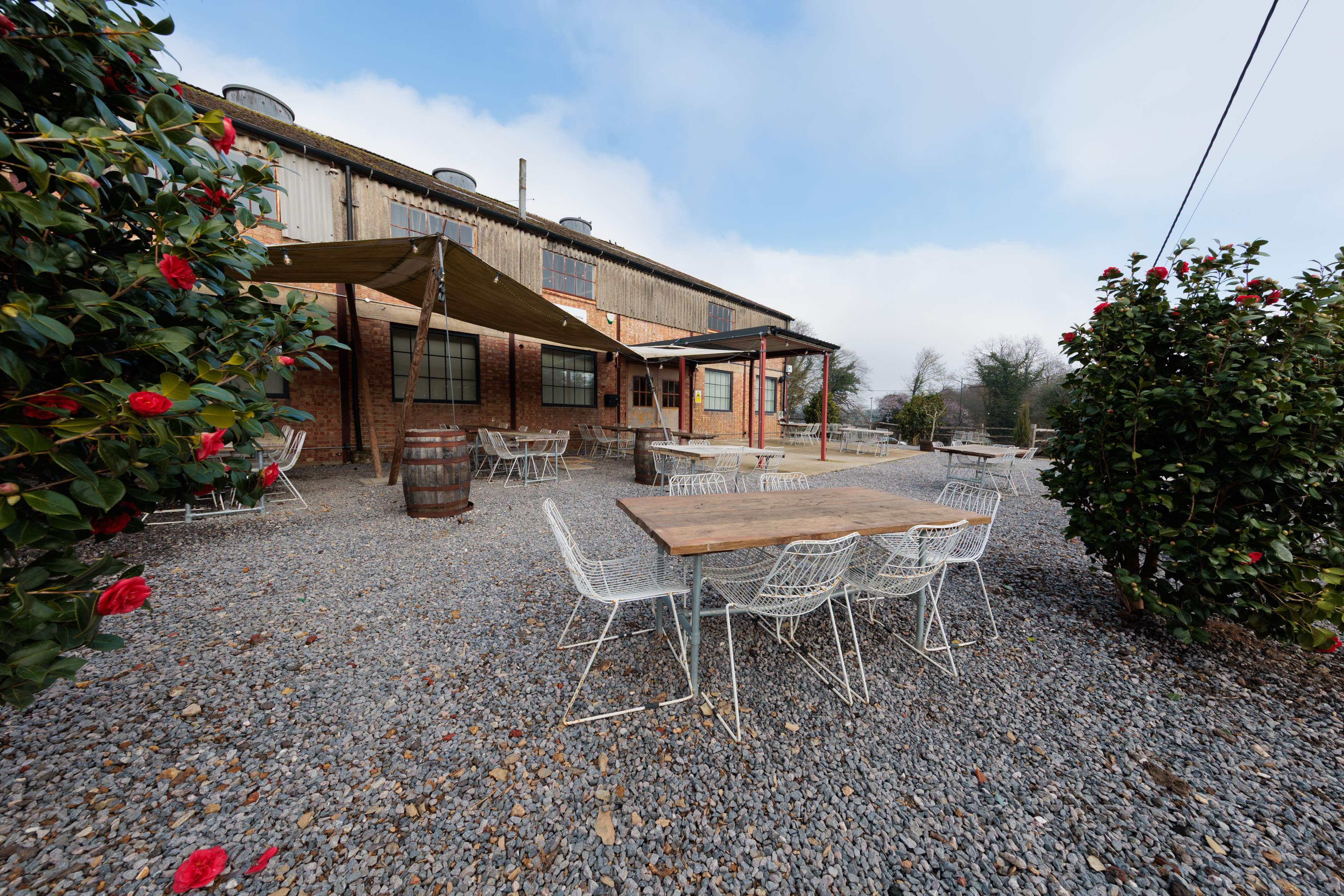
Visitors to Mereworth are greeted by the sight of magnificent Camellia trees. In early March these were already in bloom. These attractive shrubs serve more than just to provide beauty, they also allude to the fact that plant based businesses are part of the very fabric of the Boscawen family land. In Cornwall, the Camellia Sinensis plantation provides the foundation for the first ever English homegrown range of teas under the brand name Tregothnan. Inspired by his family history of agricultural stewardship, William Boscawen looked at the possibilities for the family land in Kent.
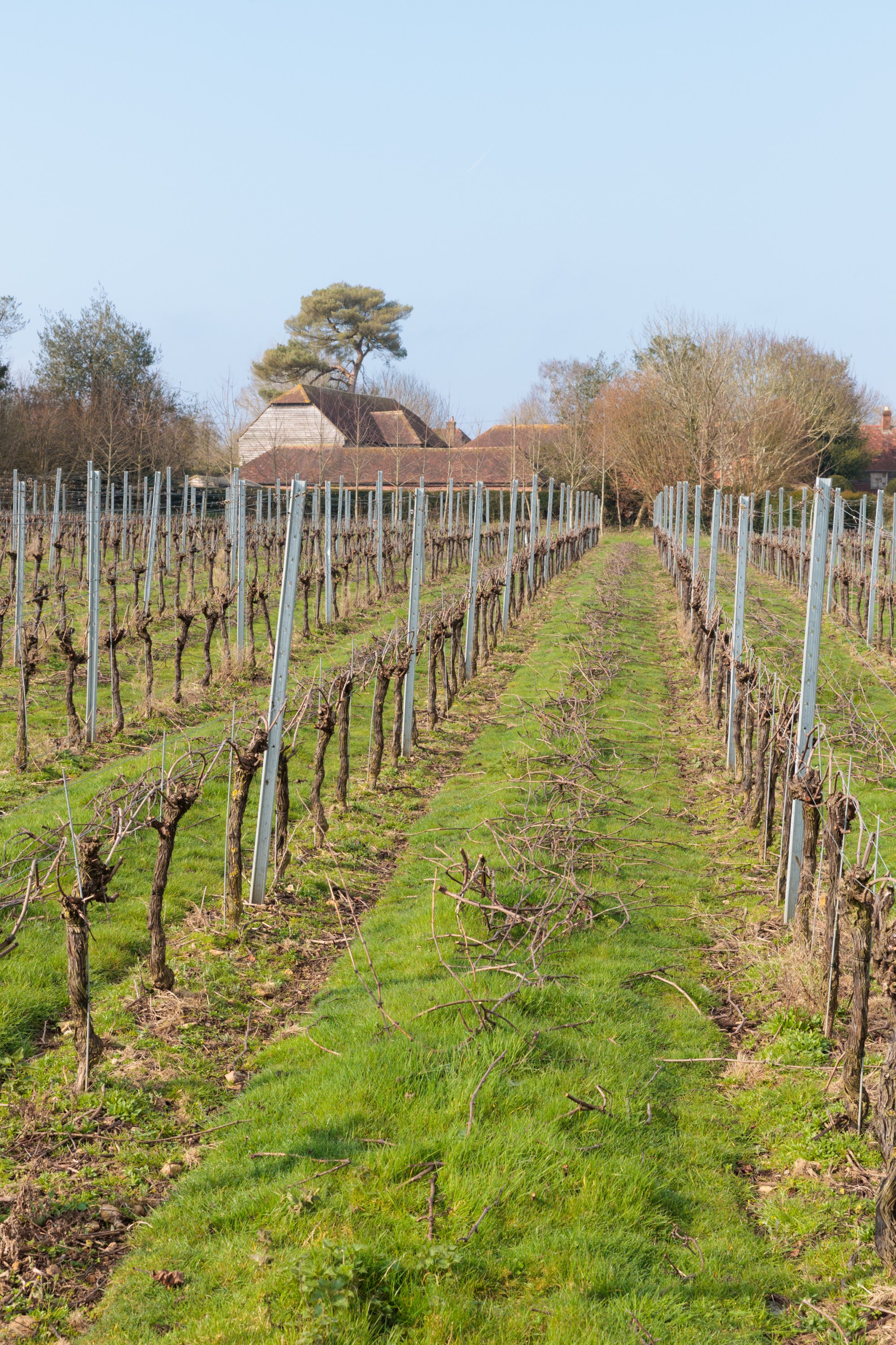
Farmed by the ancestors of William Boscawen for over 200 years, the rich soil of the Greensand Ridge in this part of Kent supports many agricultural enterprises. Alongside traditional arable land, there are also orchards and soft fruit plantings and historic woodlands – “Everything flowers early on this site,” explained William Boscawen who decided to plant vines on the estate at Mereworth in 2015.
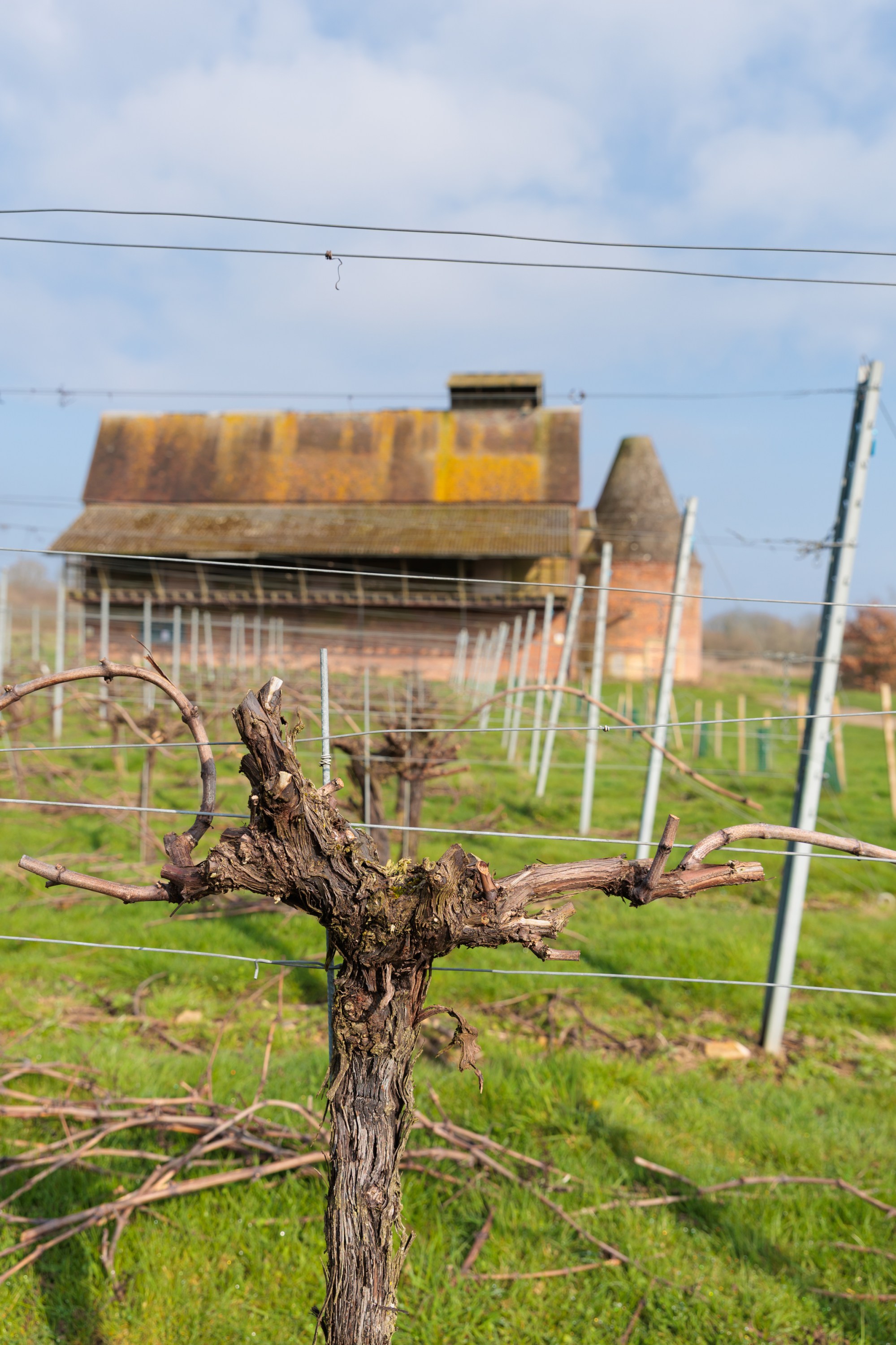
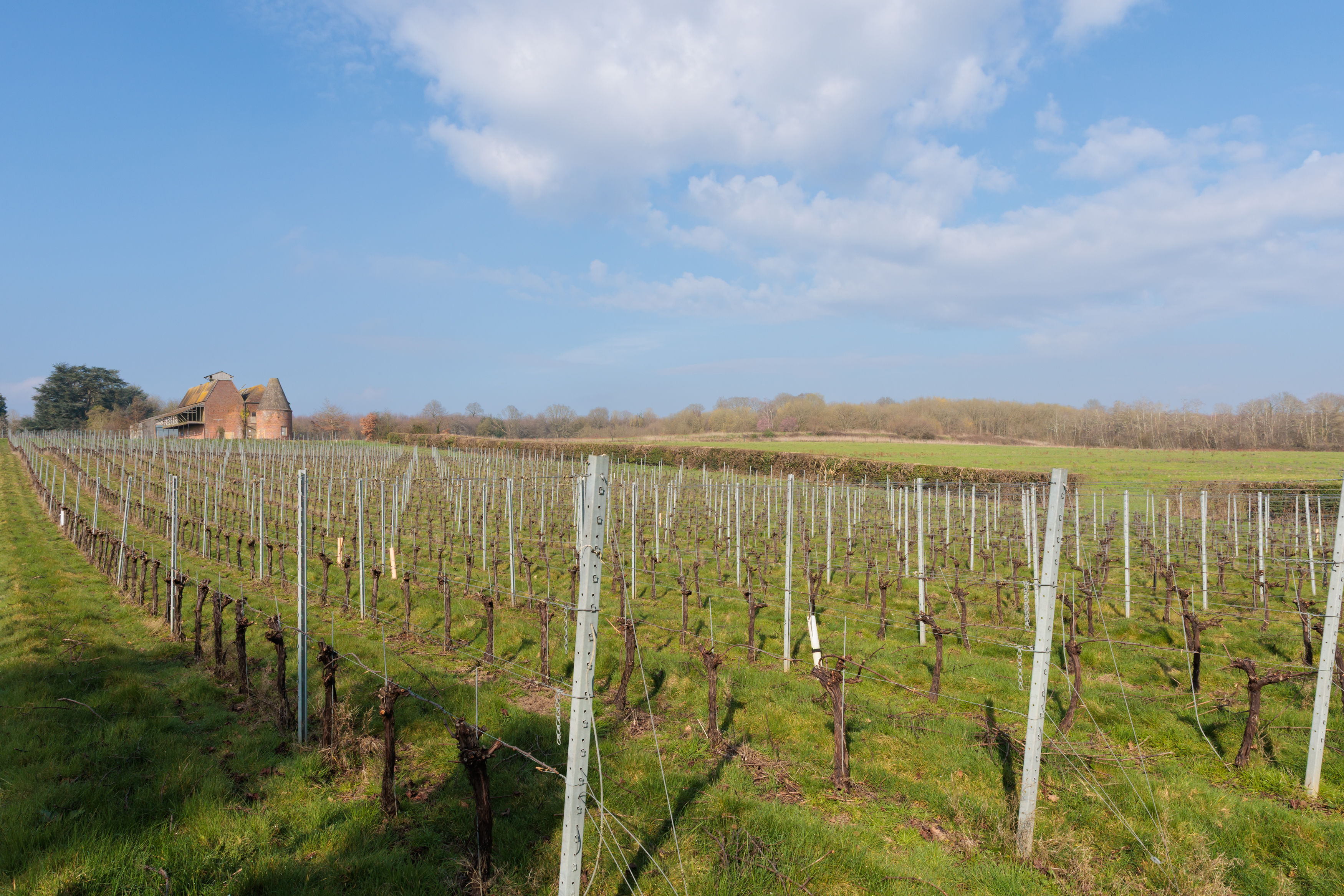
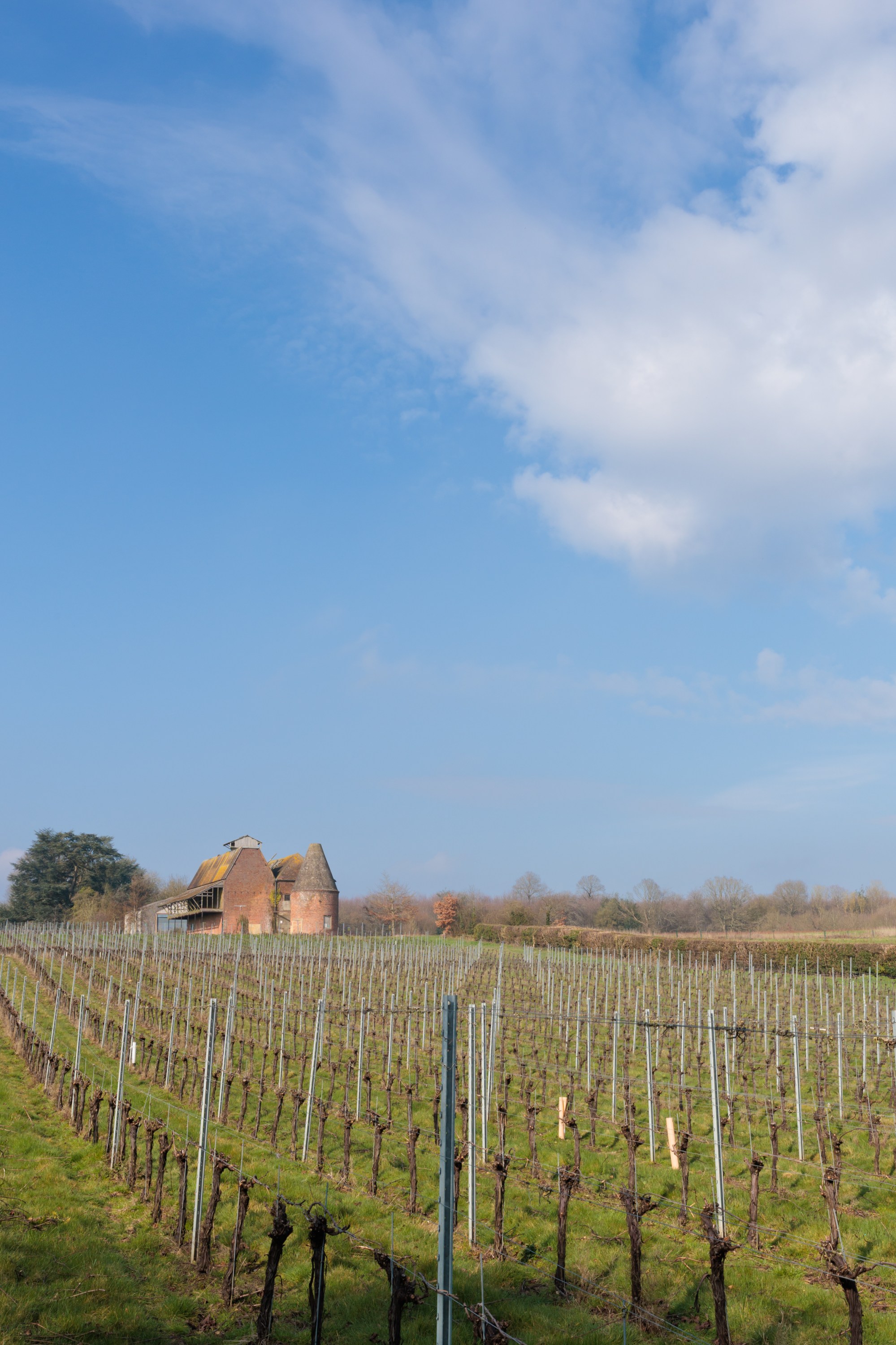
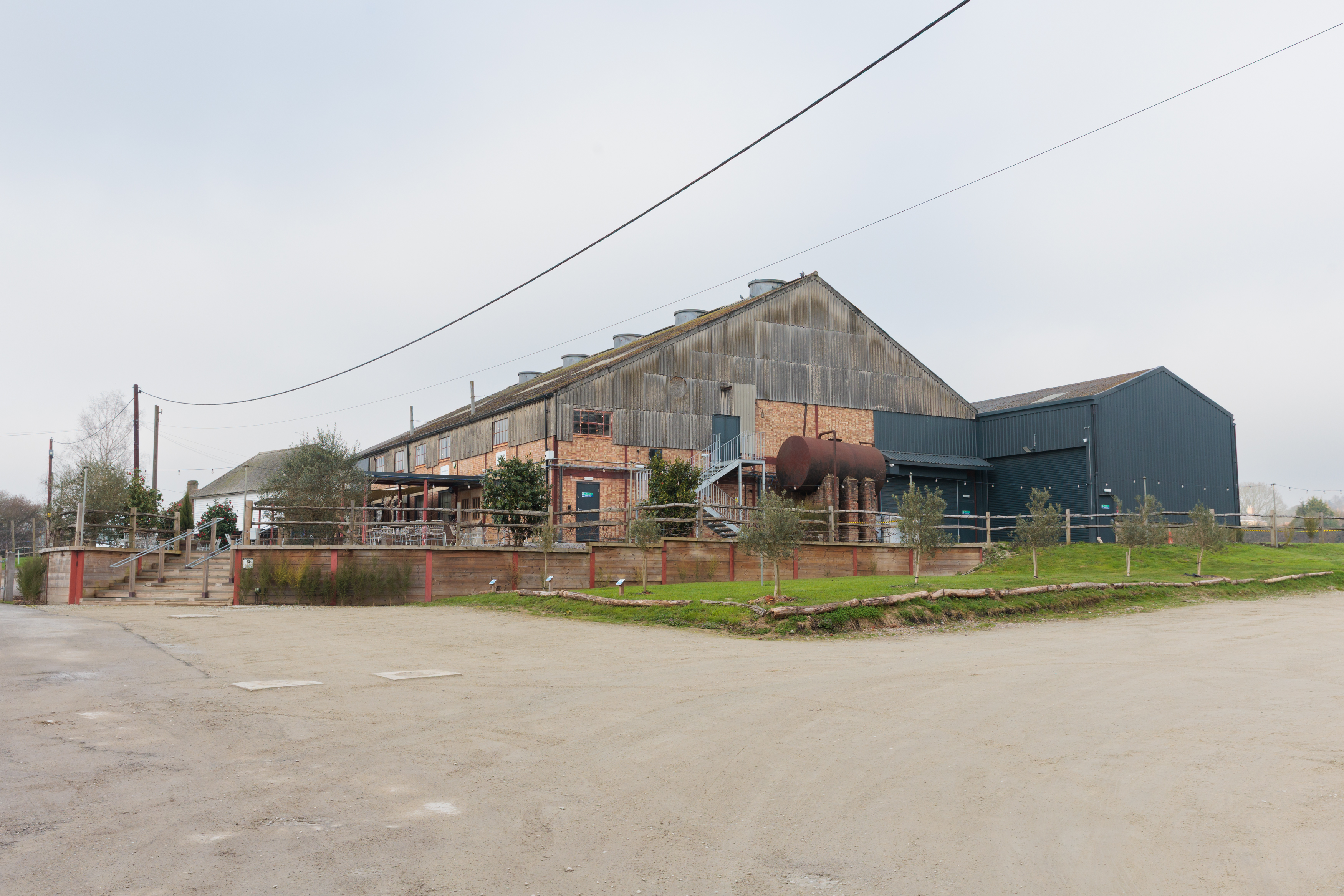
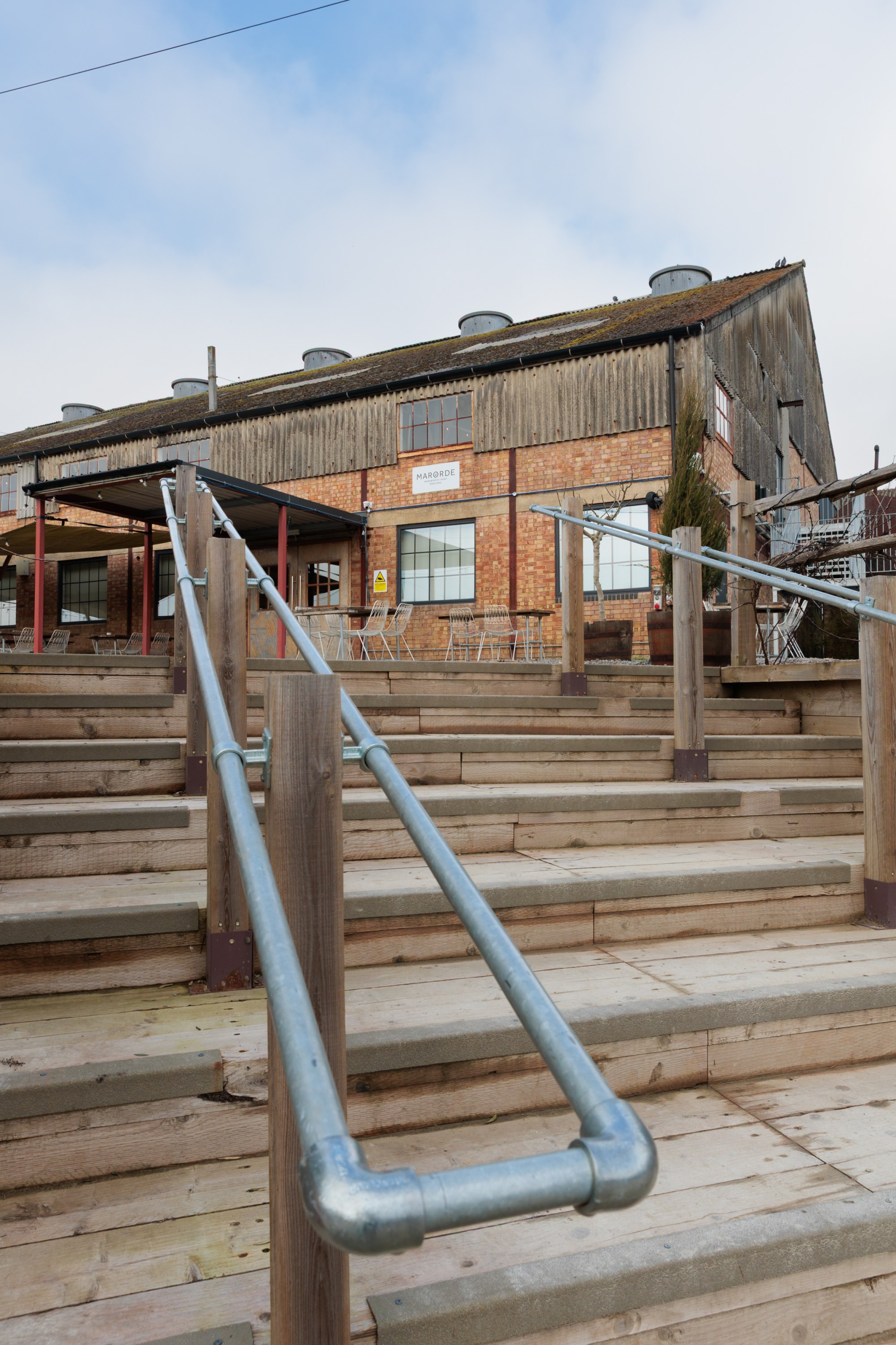
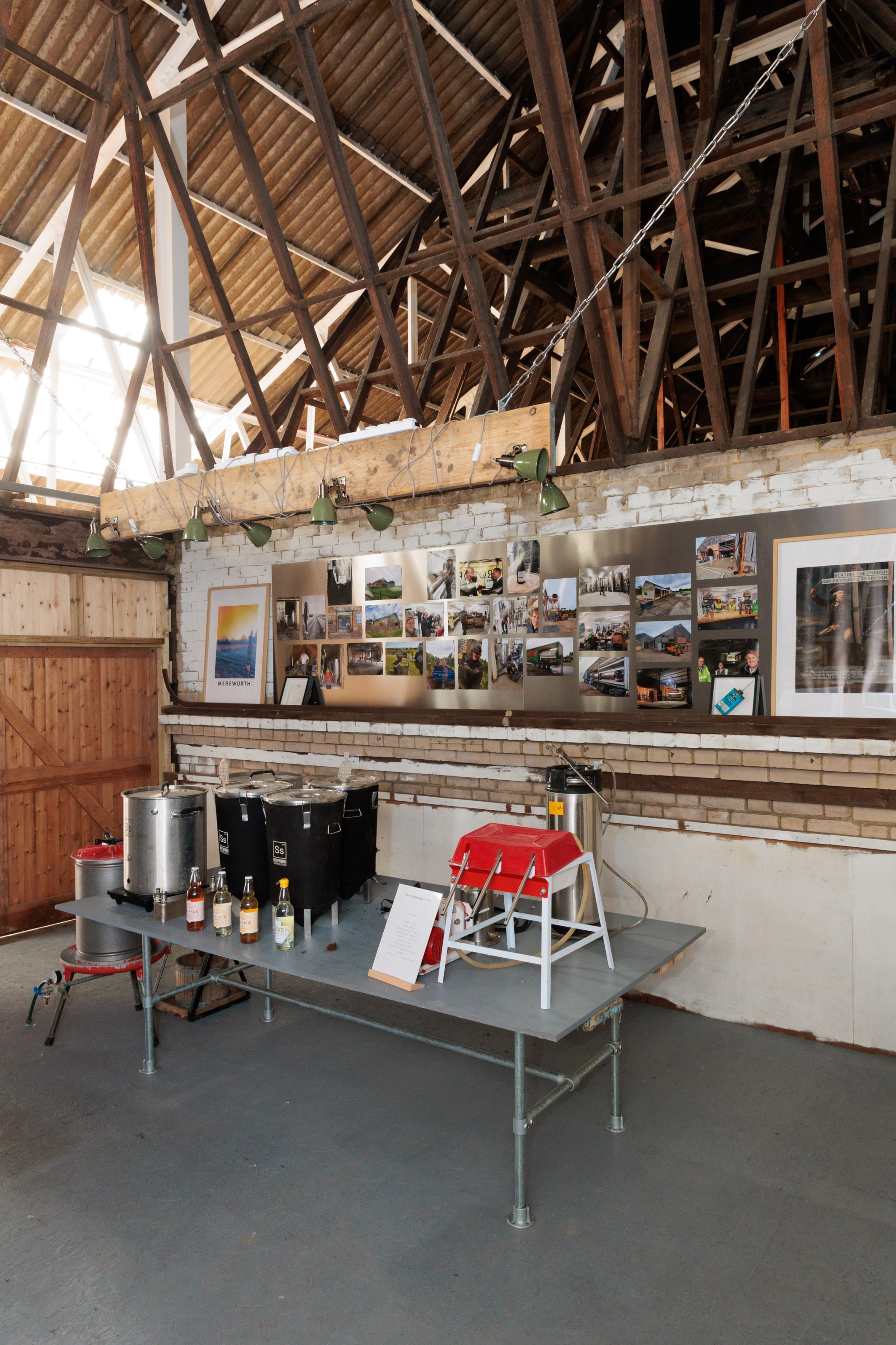
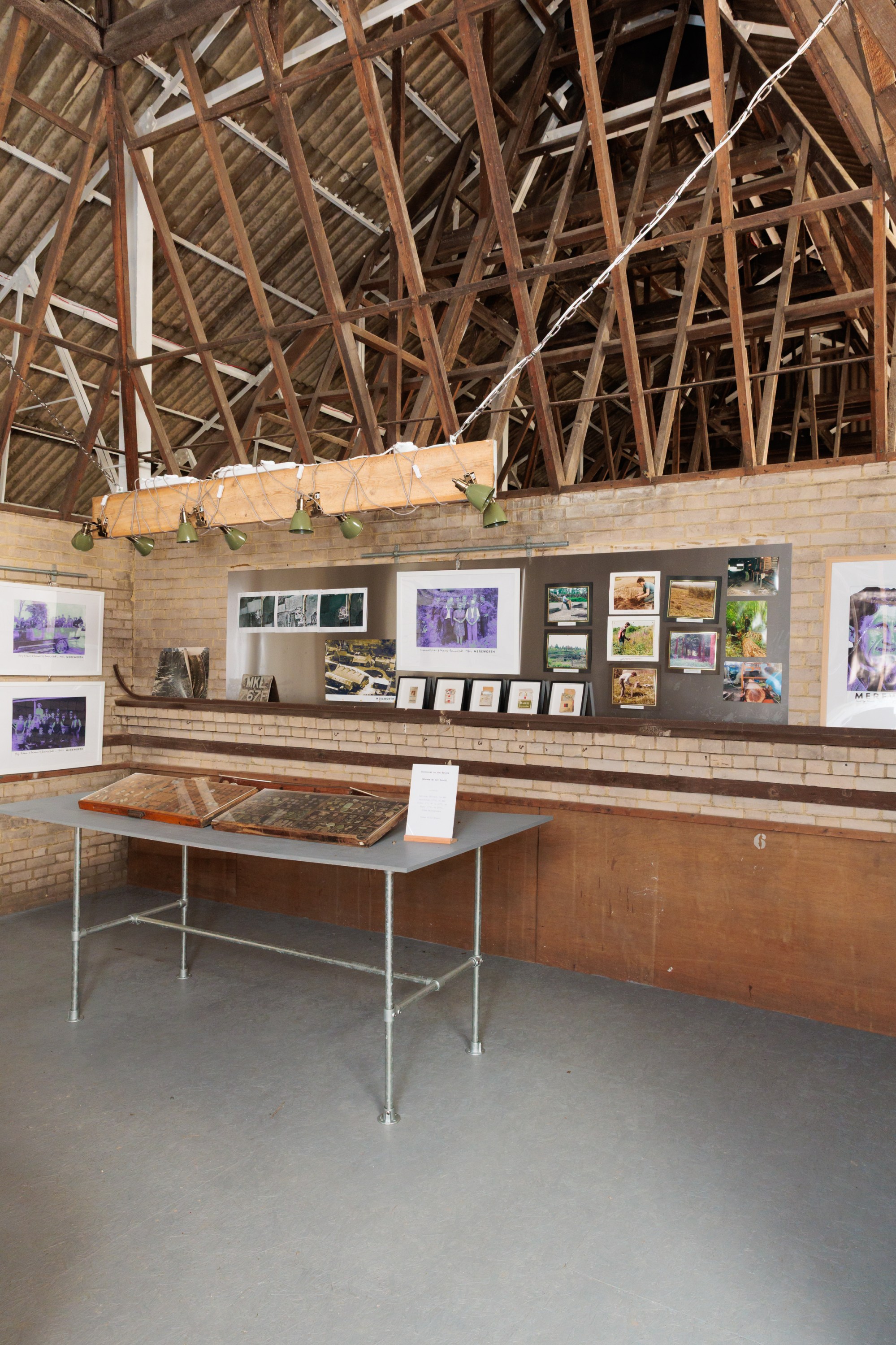
Traditionally Kent has been associated with hop growing and this estate is no different. Mereworth have embraced this history and the former Brewers Oast has become the central part of the site, housing the winery and the hospitality venue.
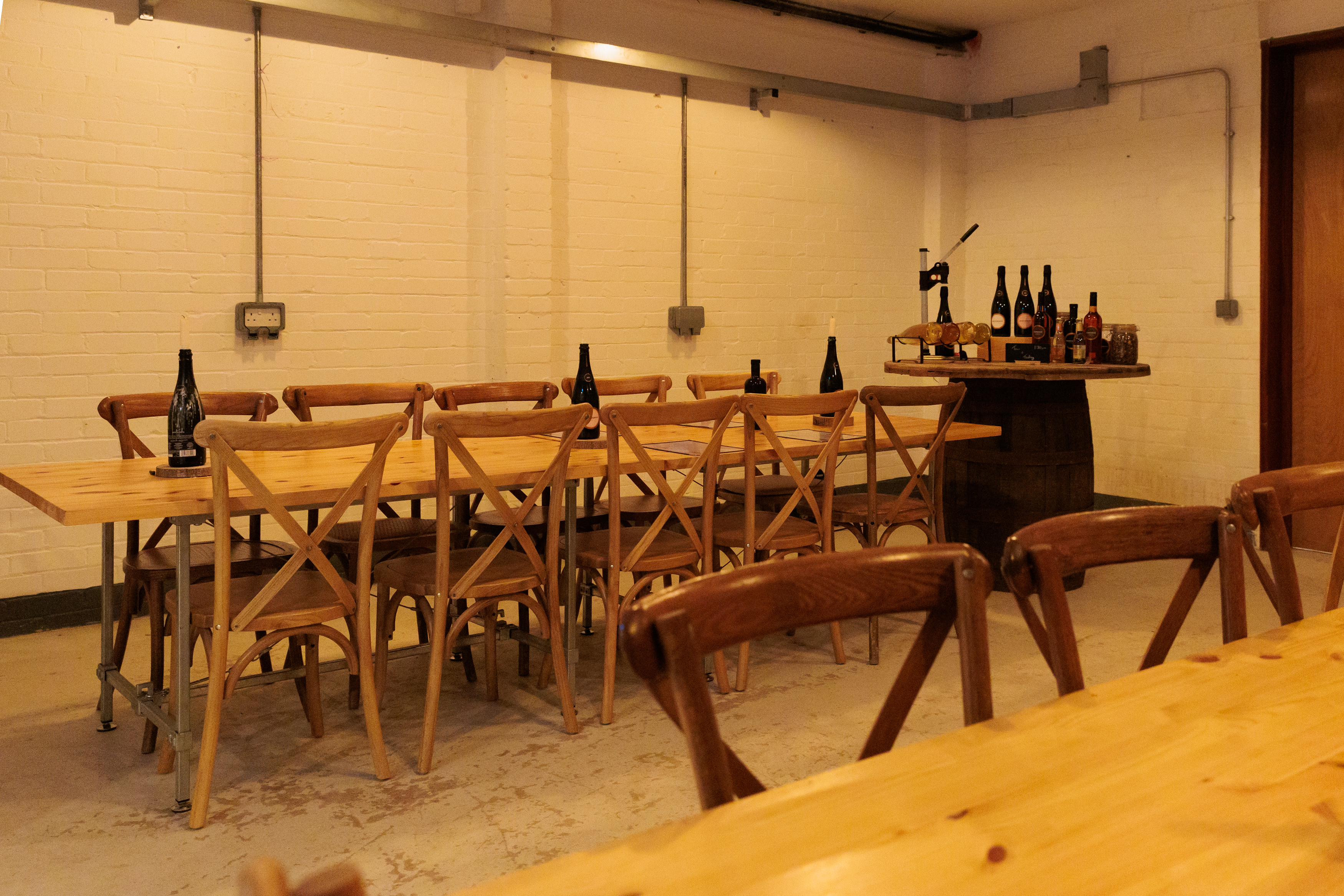
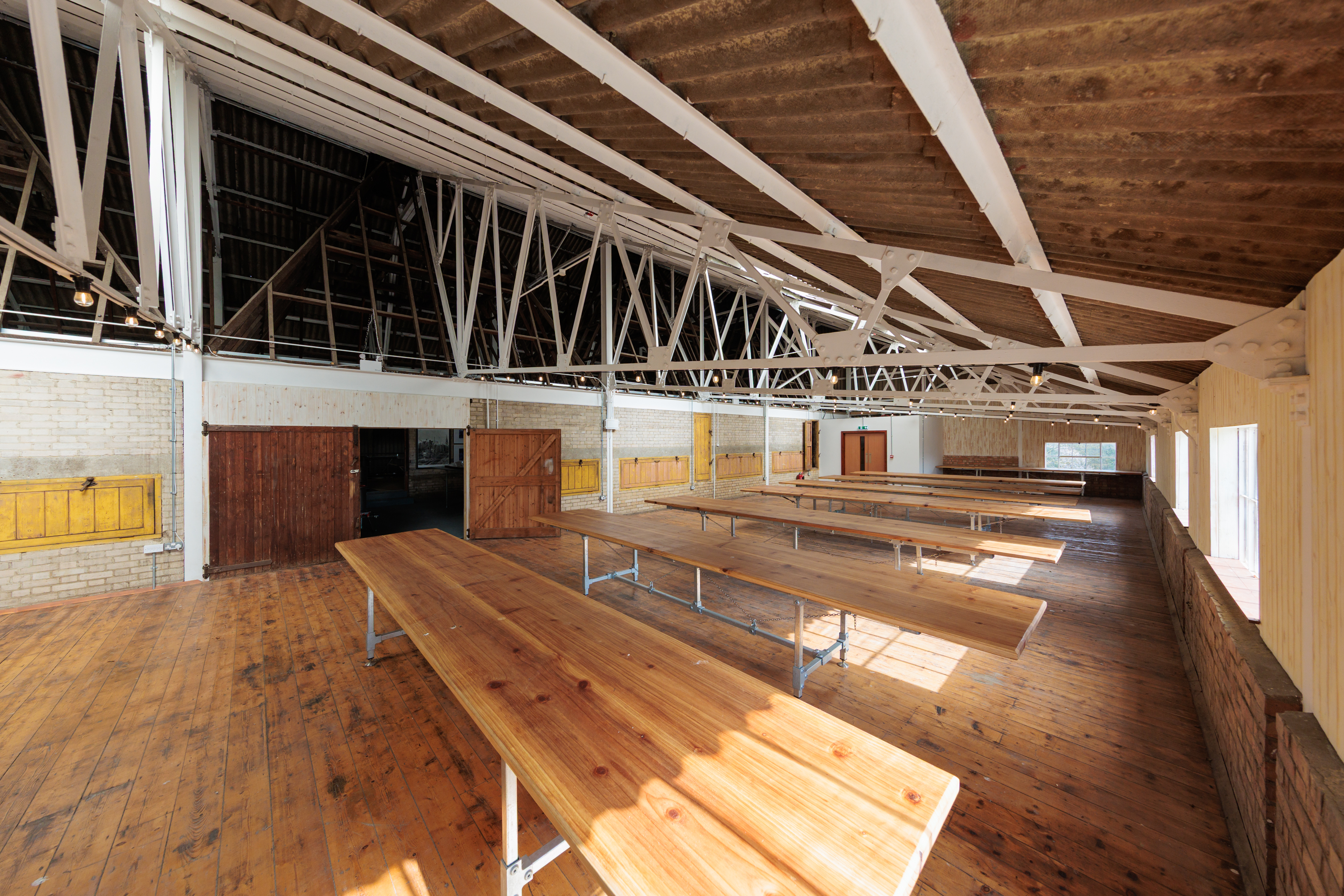
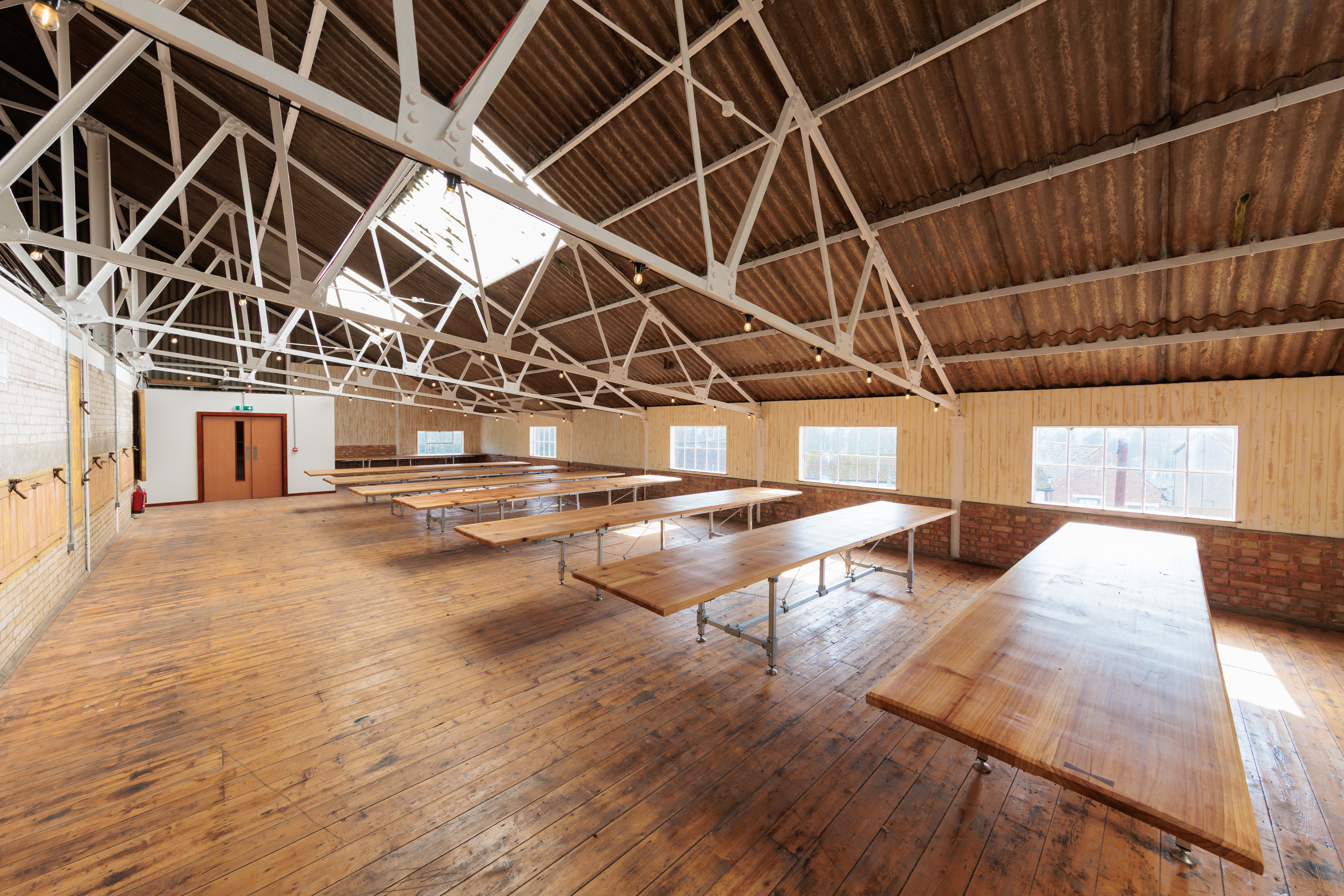
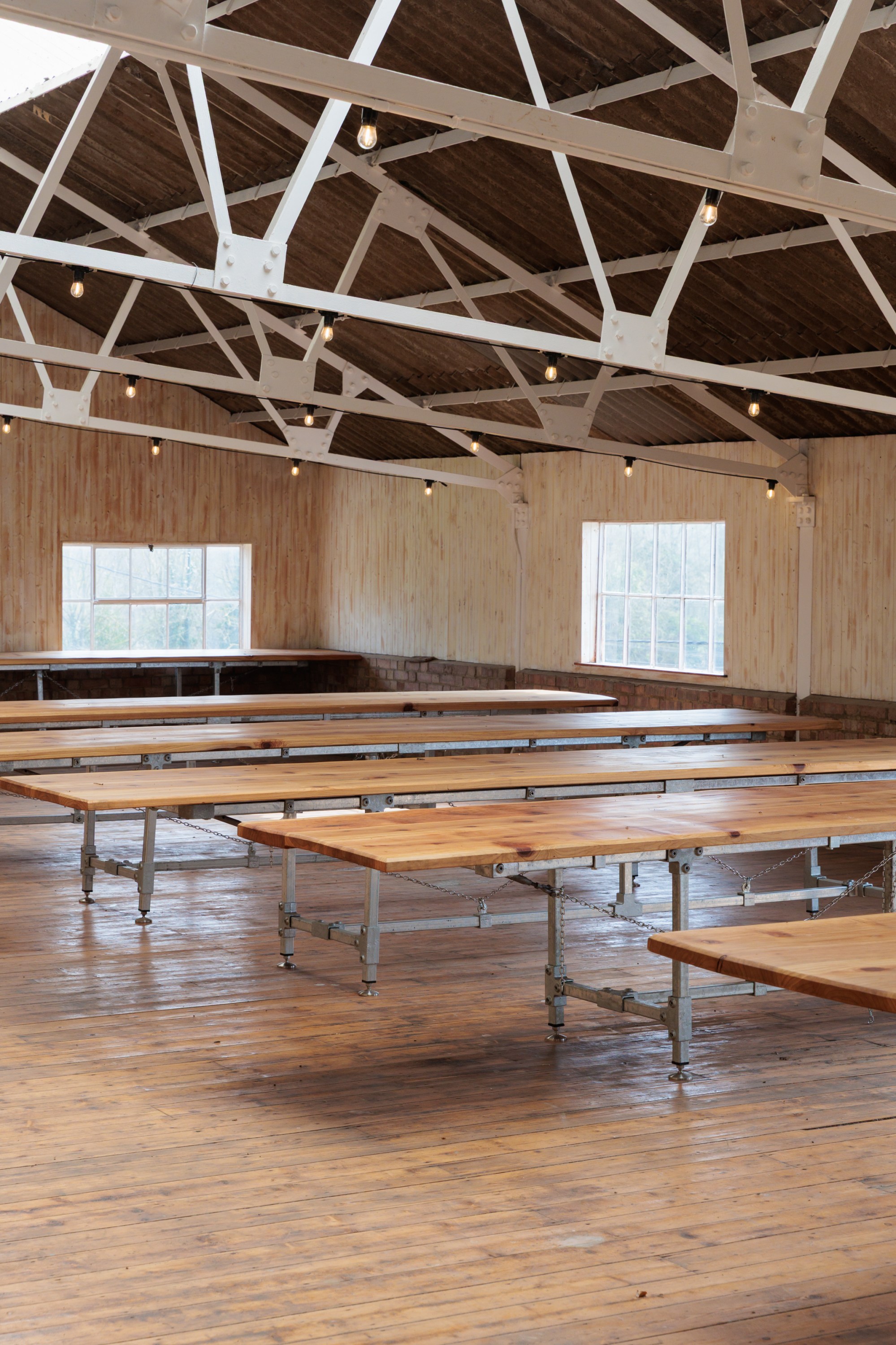
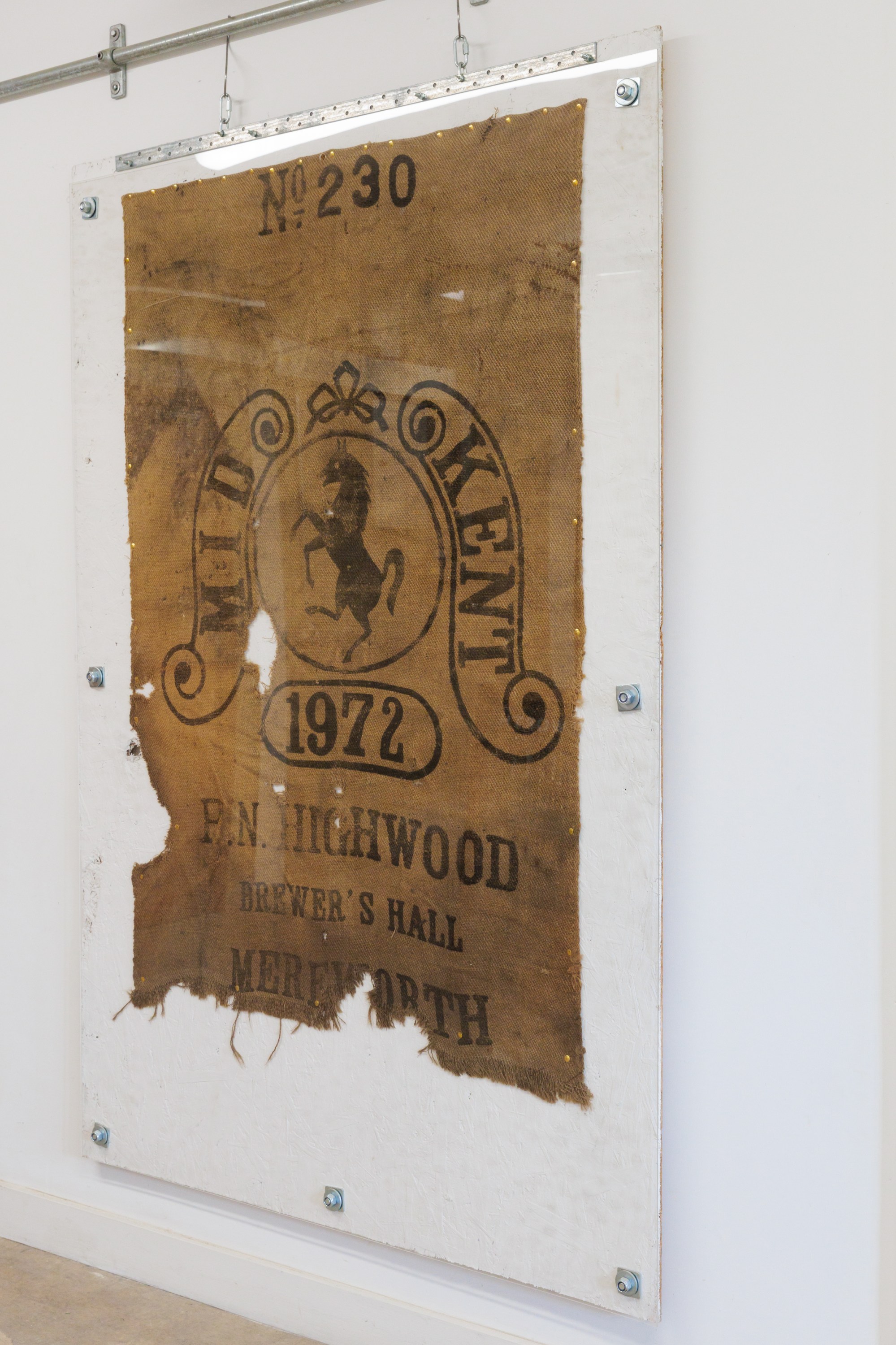
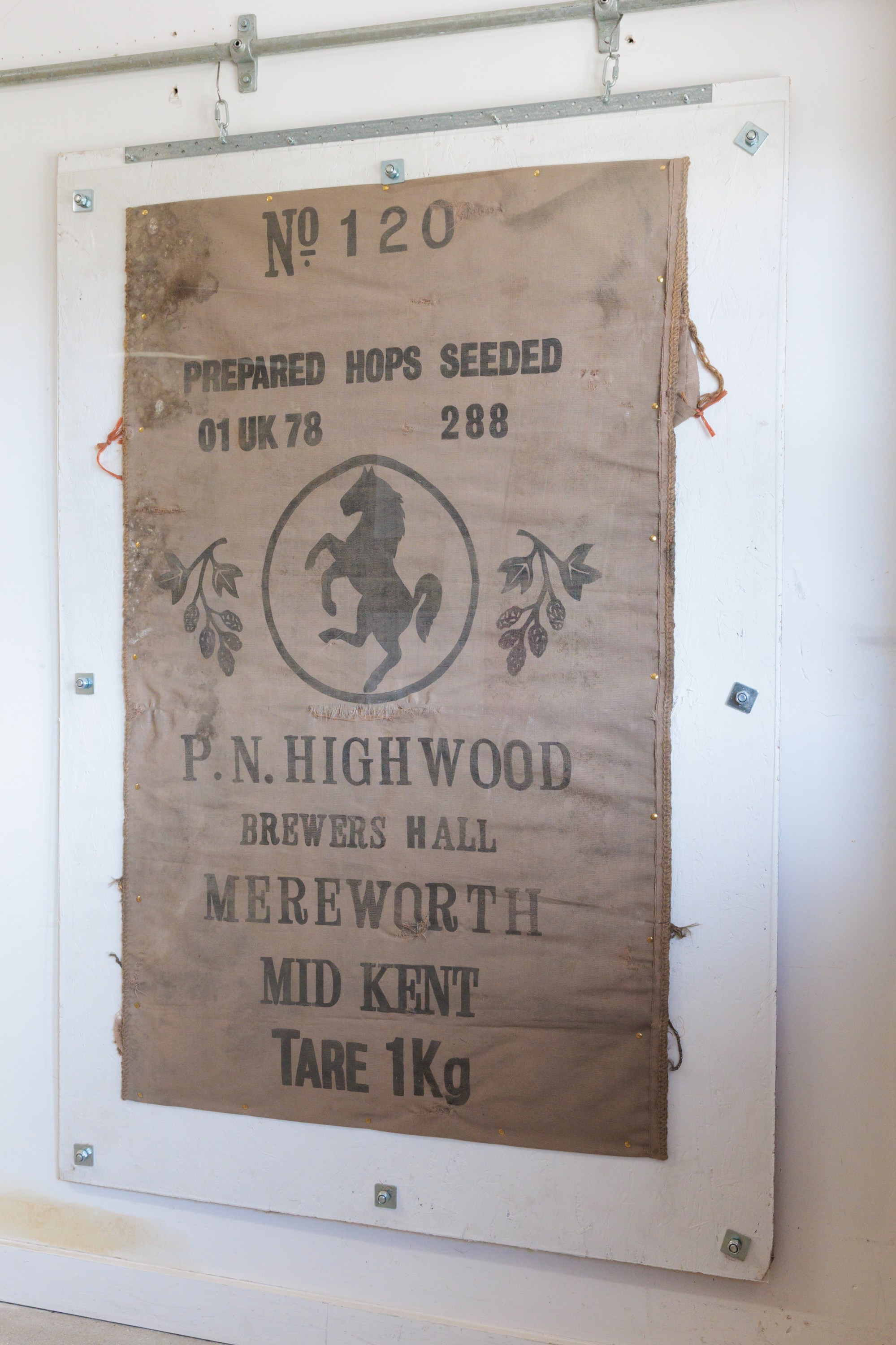
Walking through the building which first opened in 2020, it is clear that Mereworth Wines are continuing to develop the business. Like the vines they grow and the wines they make, the business is maturing and growing – moving forward with plans to open a wedding venue incorporating parts of the old hop kilns into this wonderful event space. The venue is also utilising wood from the estate with Giant Redwoods that required felling being given a new lease of life as beautiful tables. The history of the Brewers Oast has also been sympathetically incorporated into the growing business, there are hop sacks and yield numbers scrawled on the walls along with black and white photographs from the world wars of land army girls and prisoners of war hop picking.
“Historically there is evidence that Buston Manor (which has a history dating back to Oliver Cromwell) had vines centuries ago,” said William. His knowledge and connection to this land is obvious from the very start “we are stewards of the land and we have a responsibility to continue building the estate around a working agricultural community for the coming centuries,” he said.
“Wine has a really special place in the agricultural sector because it allows an engagement with the consumer on a varietal level that is rarely found, it allows us to show in a wider context that there are really great things taken off the land here,” explained William.
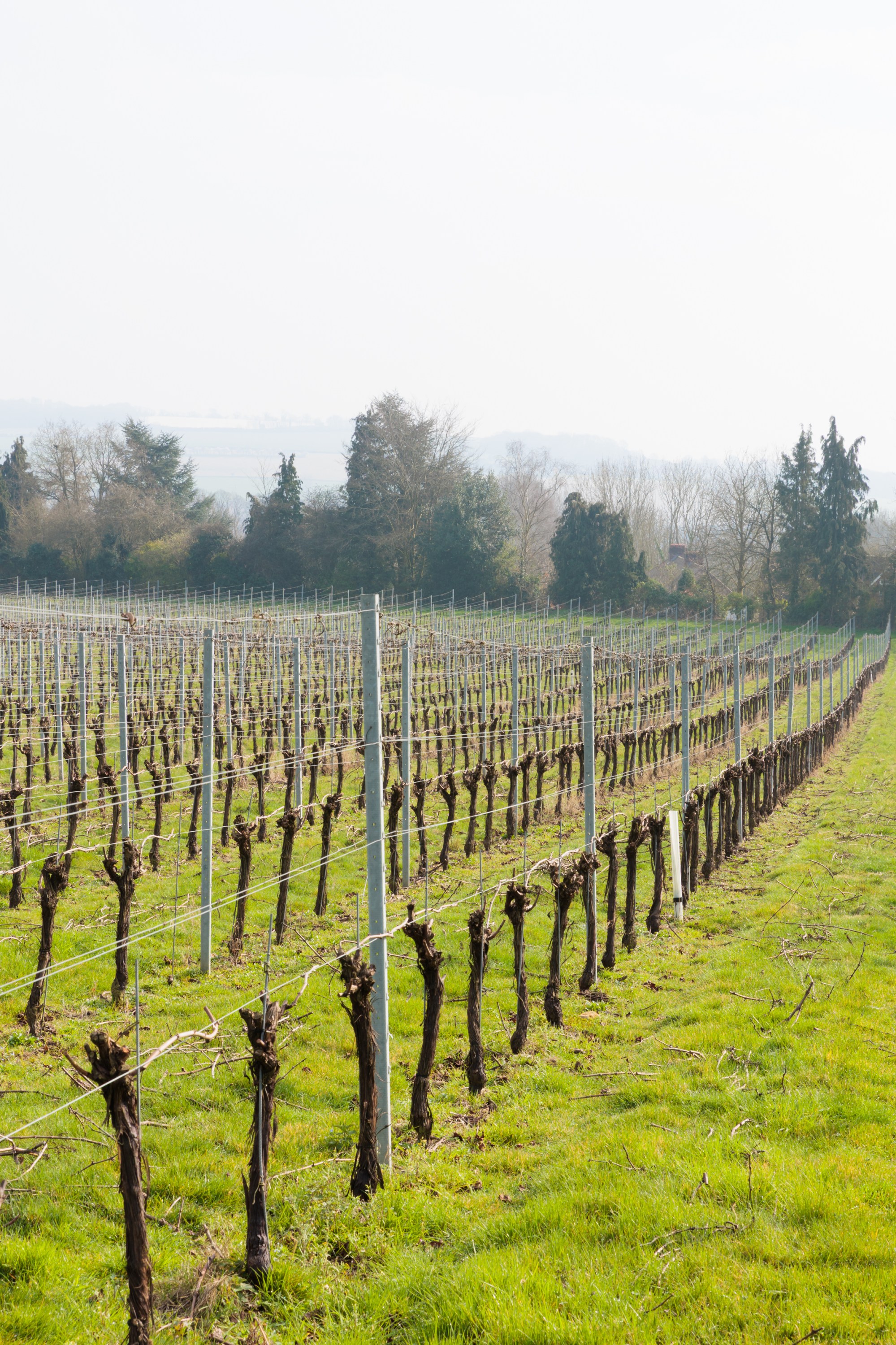
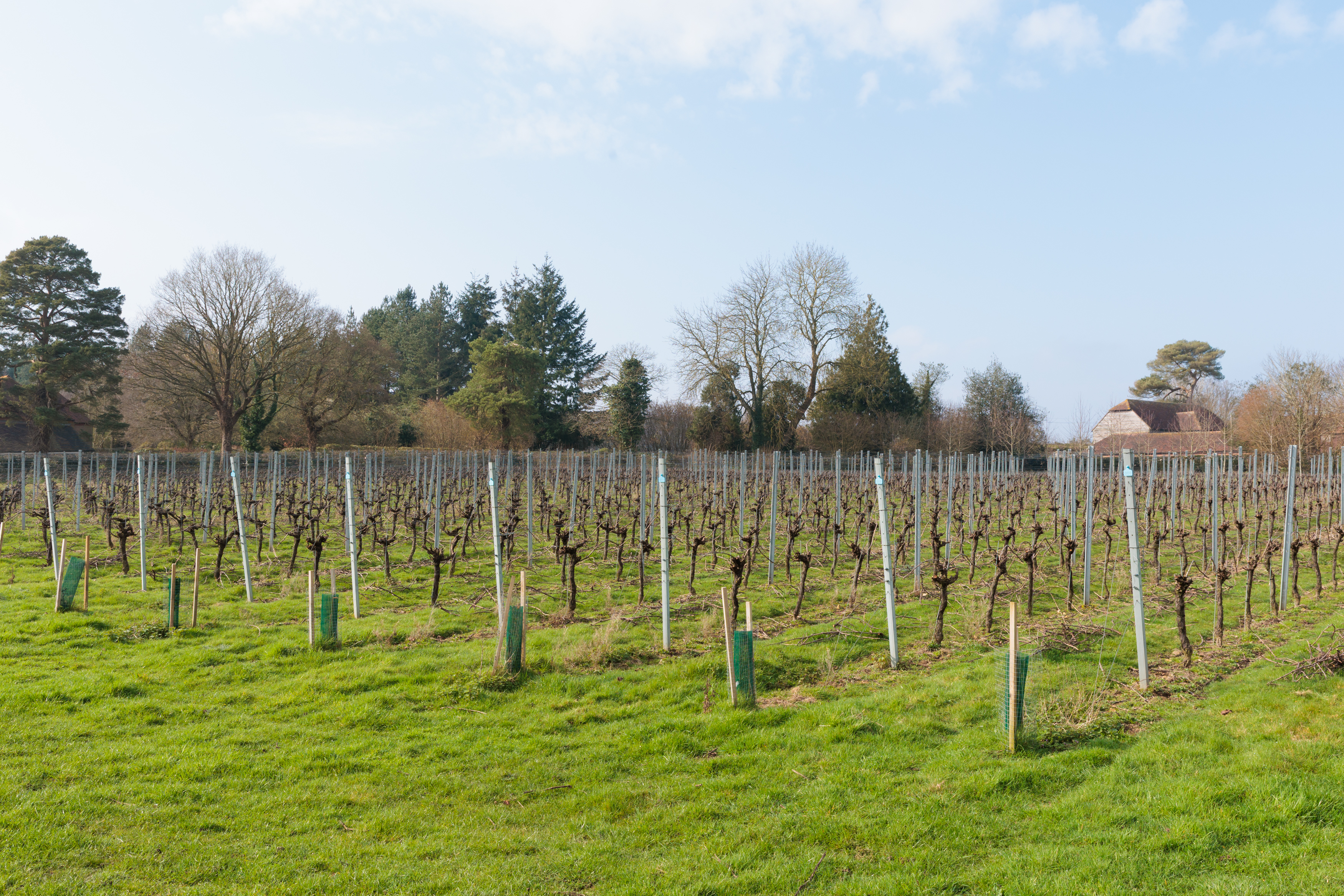
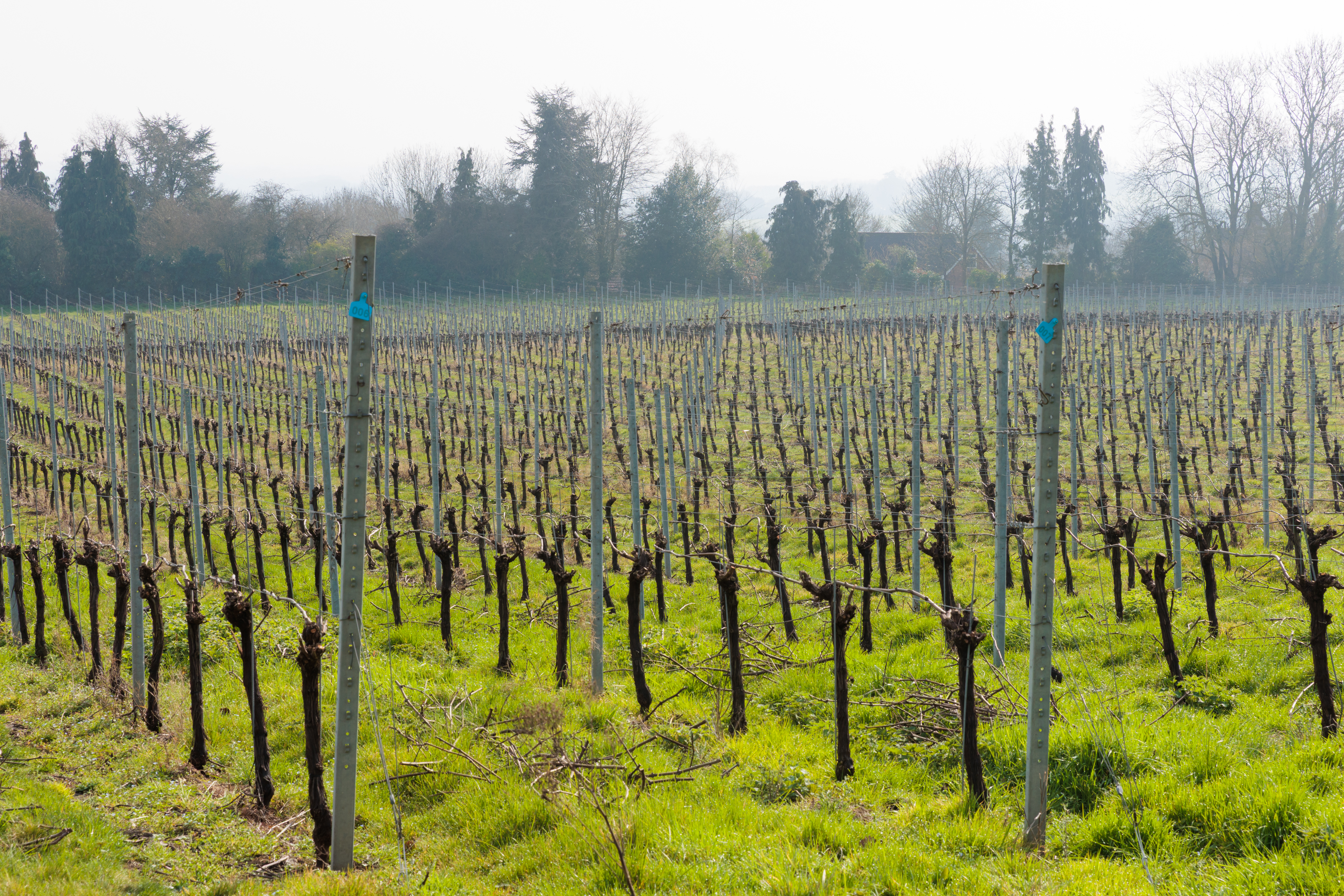
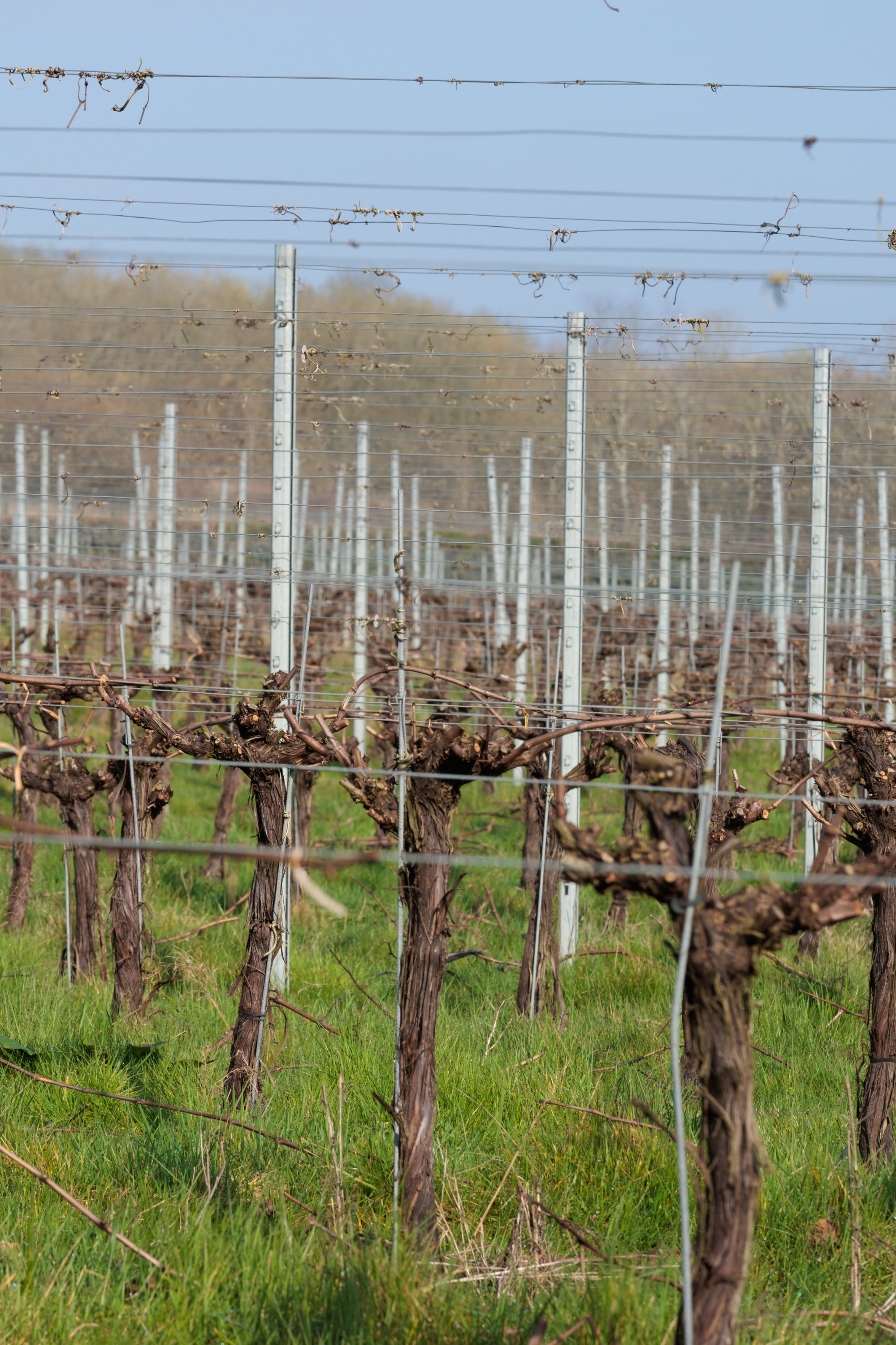
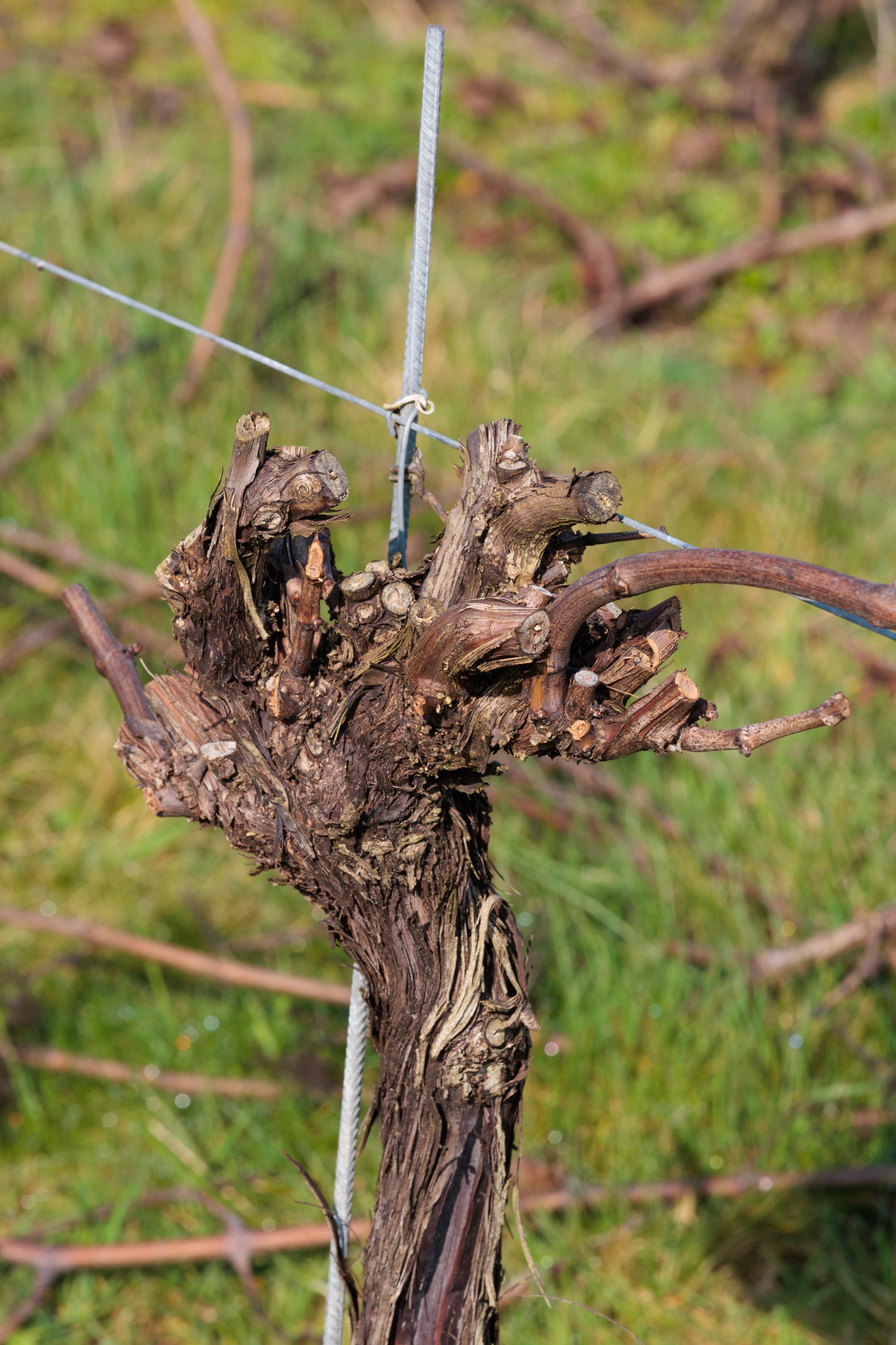
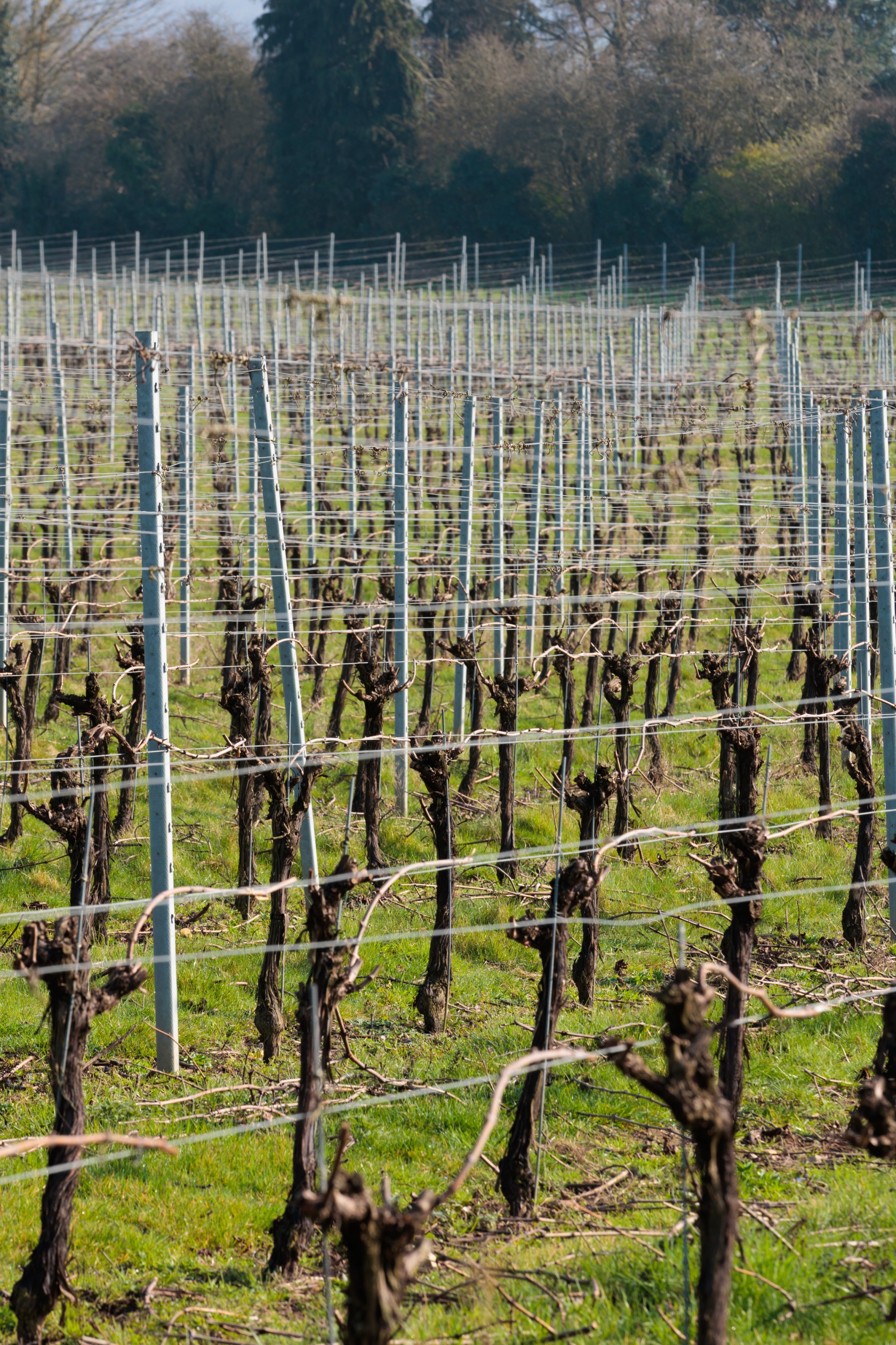
There are 2.5 hectares of vines planted with Chardonnay vines covering almost 60% of the vineyard and Pinot Noir almost 40%, there is also a smaller amount of Pinot Meunier planted on the remainder of the site. The rootstocks are a mix of SO4 and 3309 and were originally planted on a single Guyot system but have been transitioned to the Double Pendelbogen system. “The SO4 rootstocks show a tendency of over vigour so we changed the system and the vines showed the best balance they have ever had during the 2025 season,” explained Vineyard Manager and Winemaker Scott Gebbie.
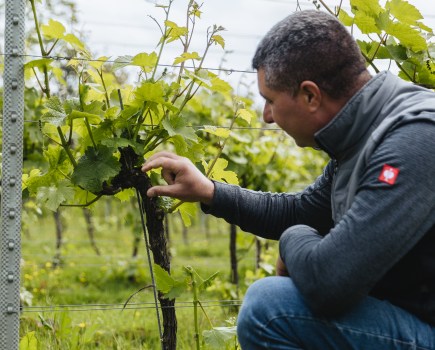
Scott explained that before arriving at Mereworth in 2018 he had spent time “vintage hopping” across both Northern and Southern hemisphere wine operations. Scott’s experience ranges from working with Domain Chandon as a harvest coordinator in the Napa Valley to vineyards of Oregon and Canada where he worked with varieties including Reisling and Chardonnay. “Through all those experiences my favourite time of year is the ripening of the Chardonnay, I just love to see the beautiful transformation,” he said. Scott was studying in Montpellier when he saw an advert for the vineyard at Mereworth and having completed research with the CIVC relating to vineyard planting structure and its effects on winemaking in Champagne, he brought his knowledge and skills to Kent. “The Chardonnay and Pinot Noir ripen early on the Greensand Ridge with ragstone and a sandy loam topsoil it really is a very good site and I feel lucky to be working with the vines here,” said Scott with a contented smile.
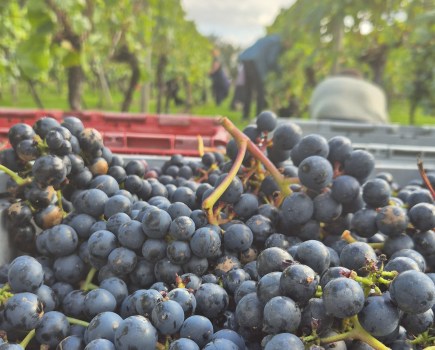
There are still difficulties to be overcome and the vineyard team net the Pinot Noir vines every year. This labour-intensive task is necessary to protect the red grapes from the Starlings that appear just as the grapes ripen each year. It is interesting to note that the red varieties are far more vulnerable to bird predation than white varieties on many sites not just at Mereworth. “I have seen an entire deer herd wandering through the vineyard but they don’t seem to have bothered the vines,” said William with a sigh of relief.
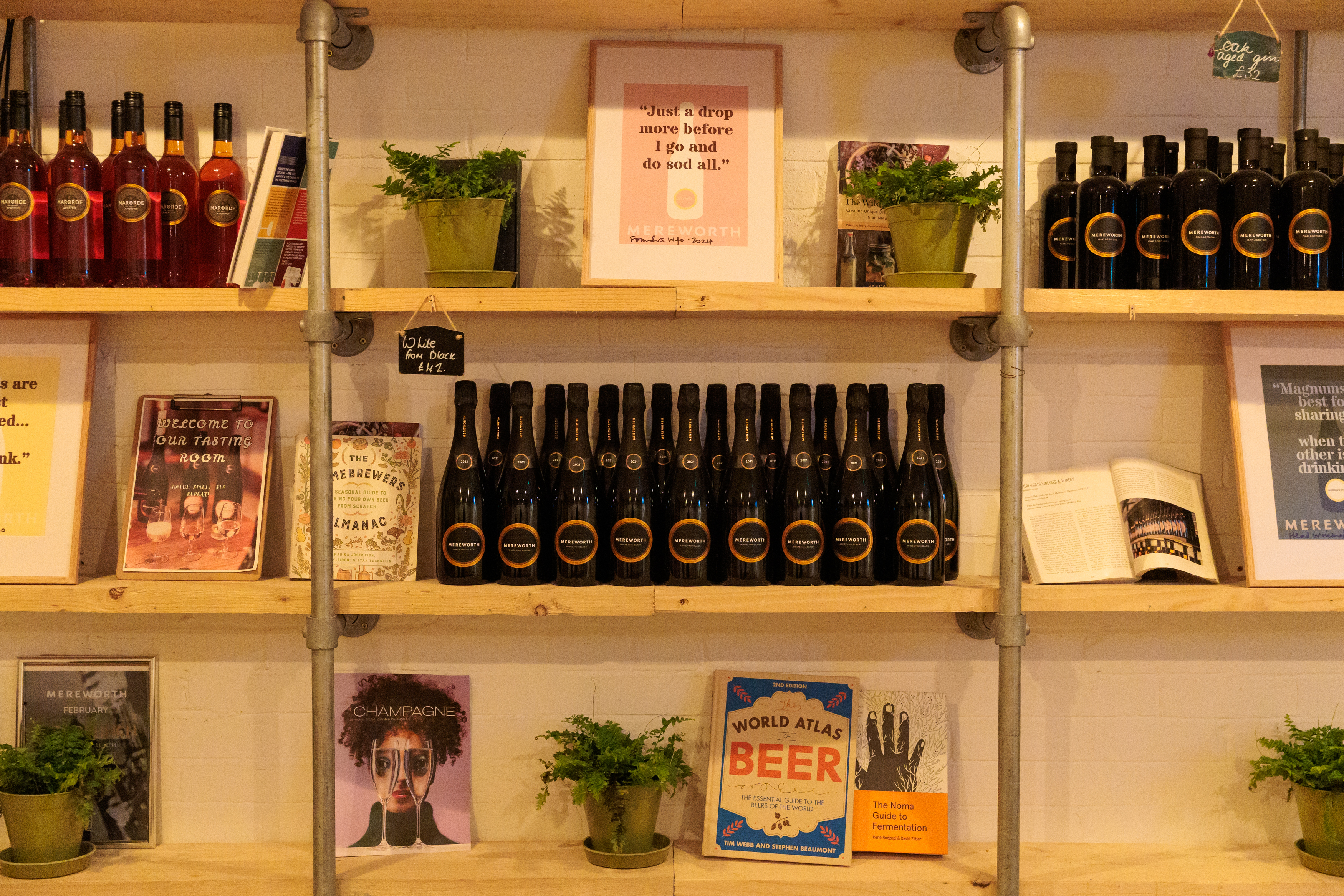
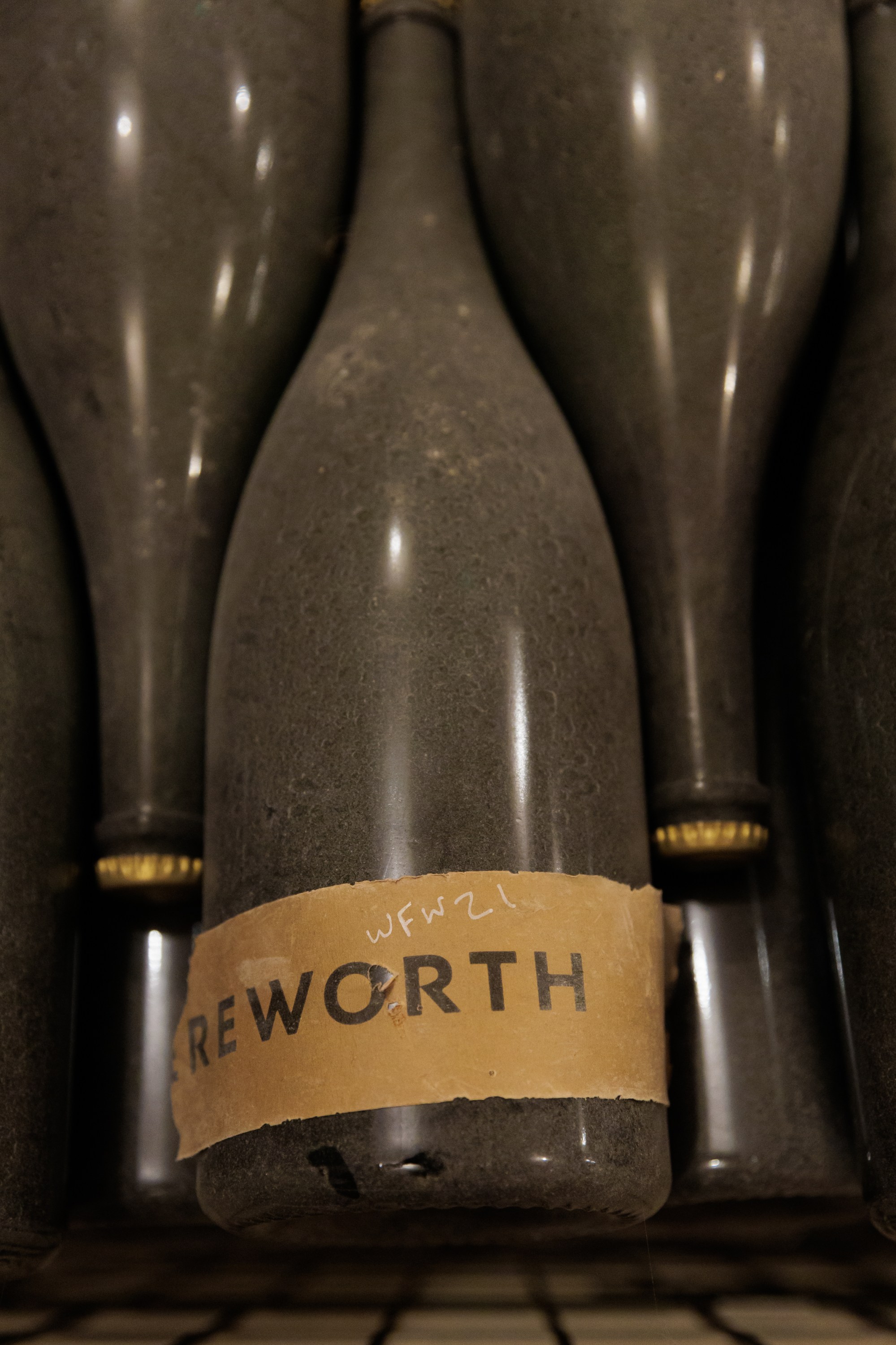
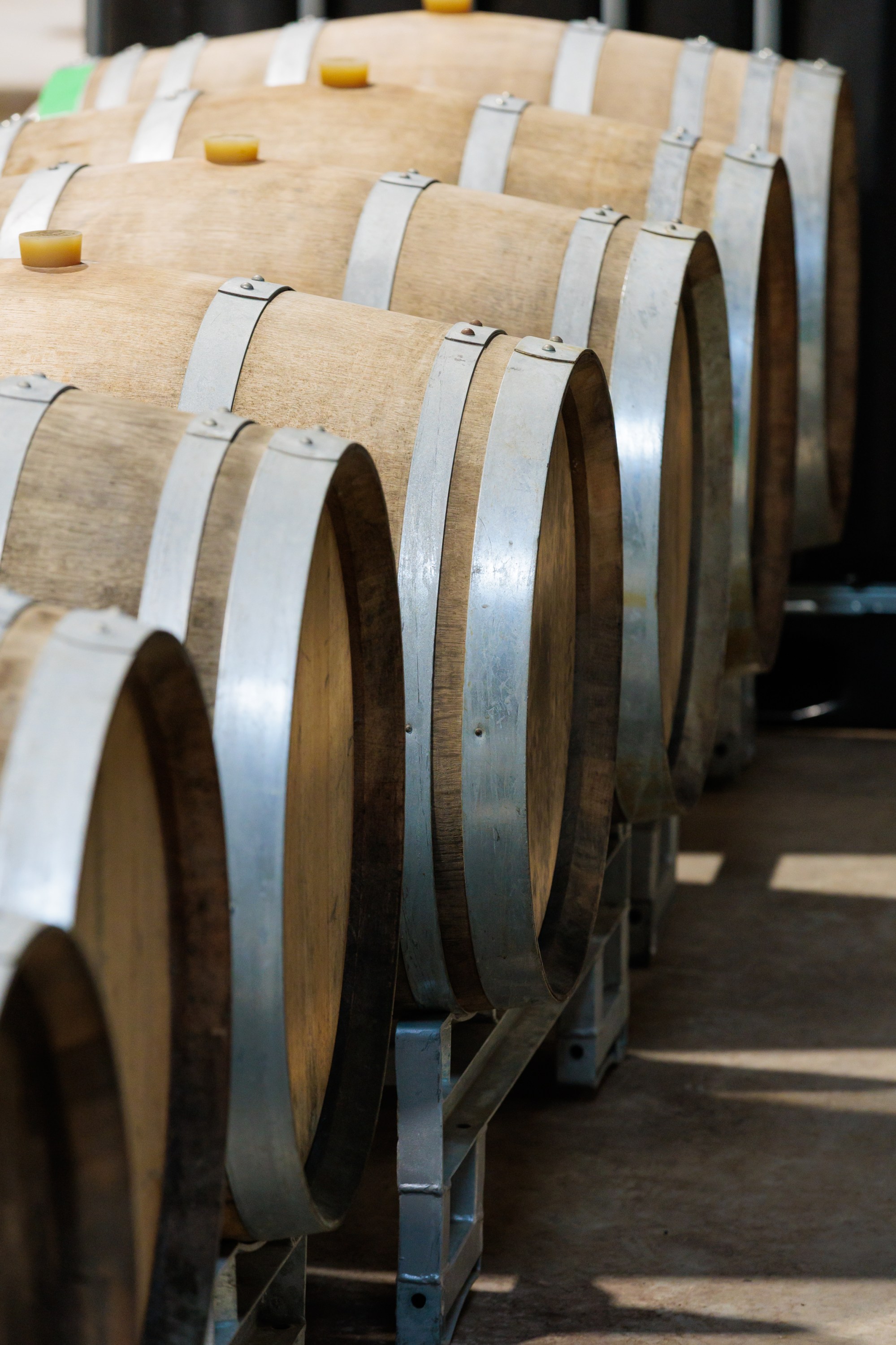
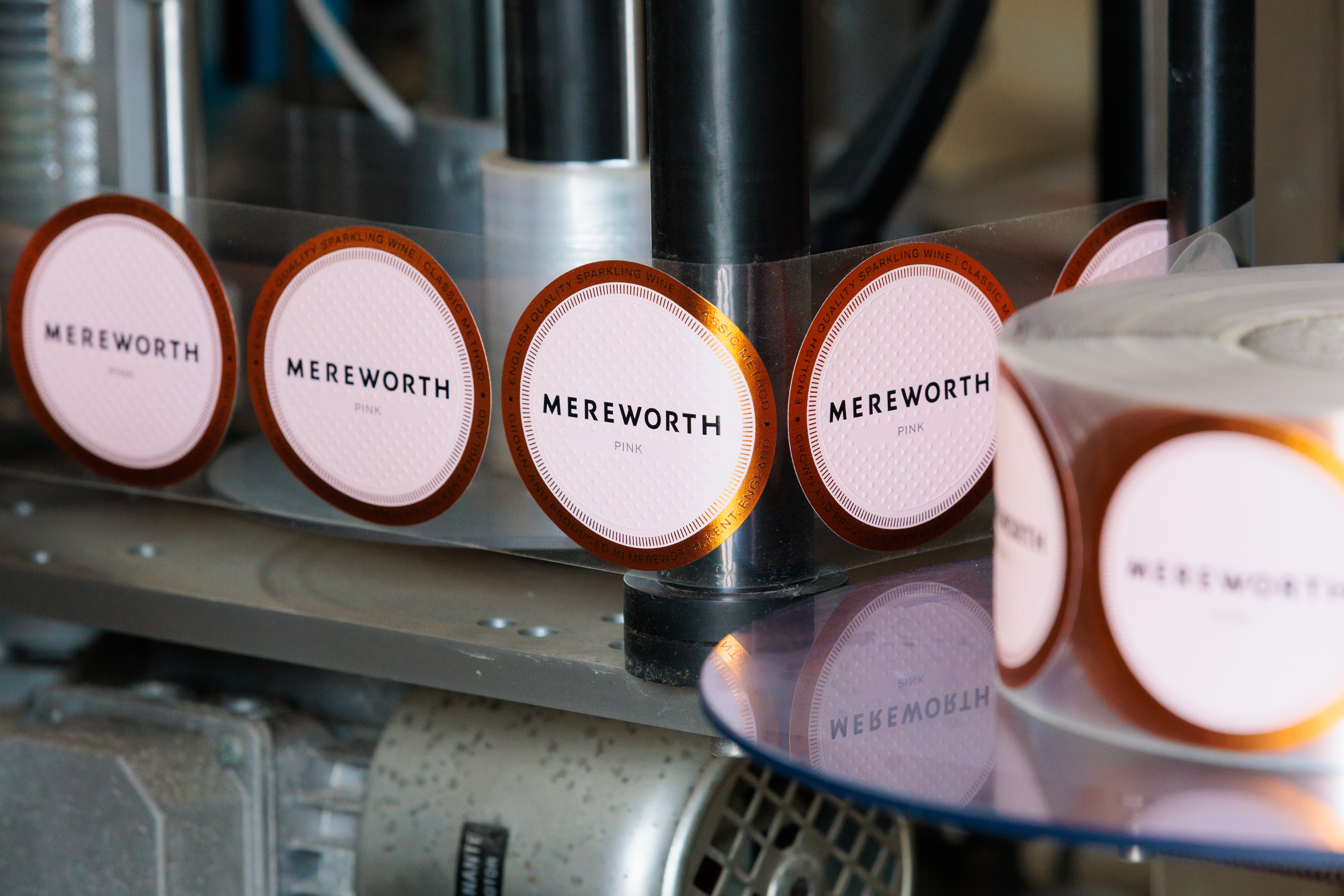
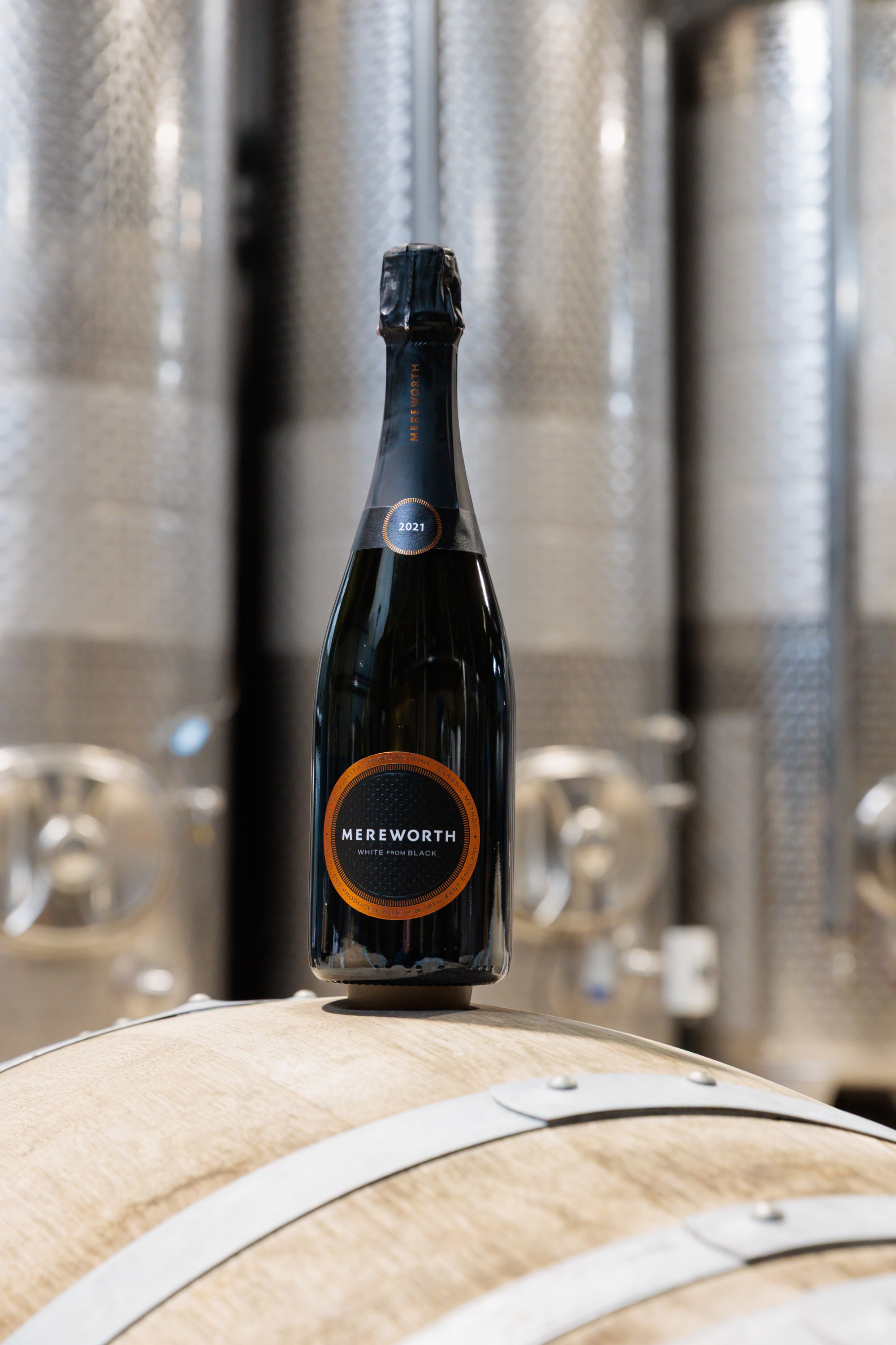
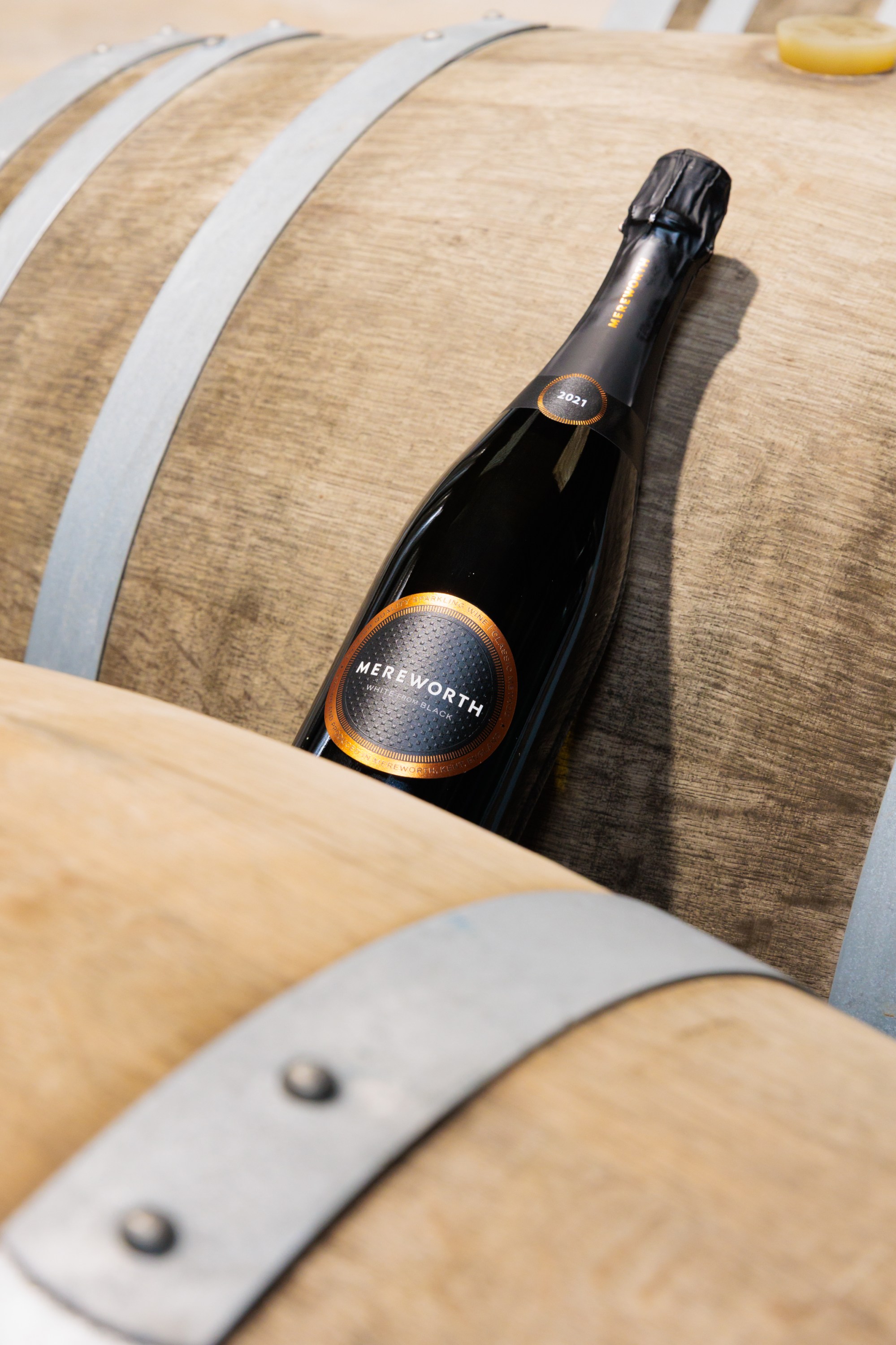
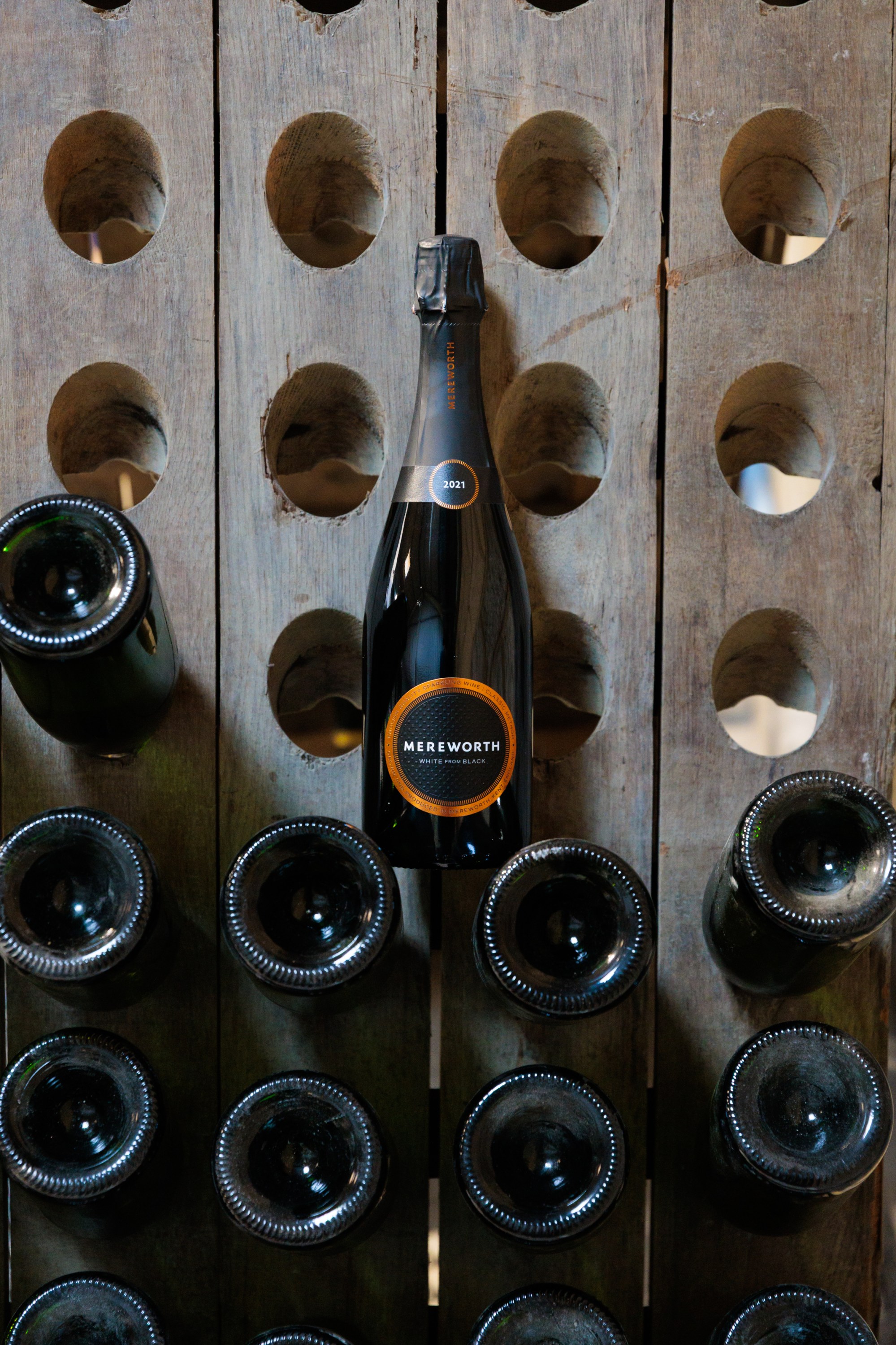
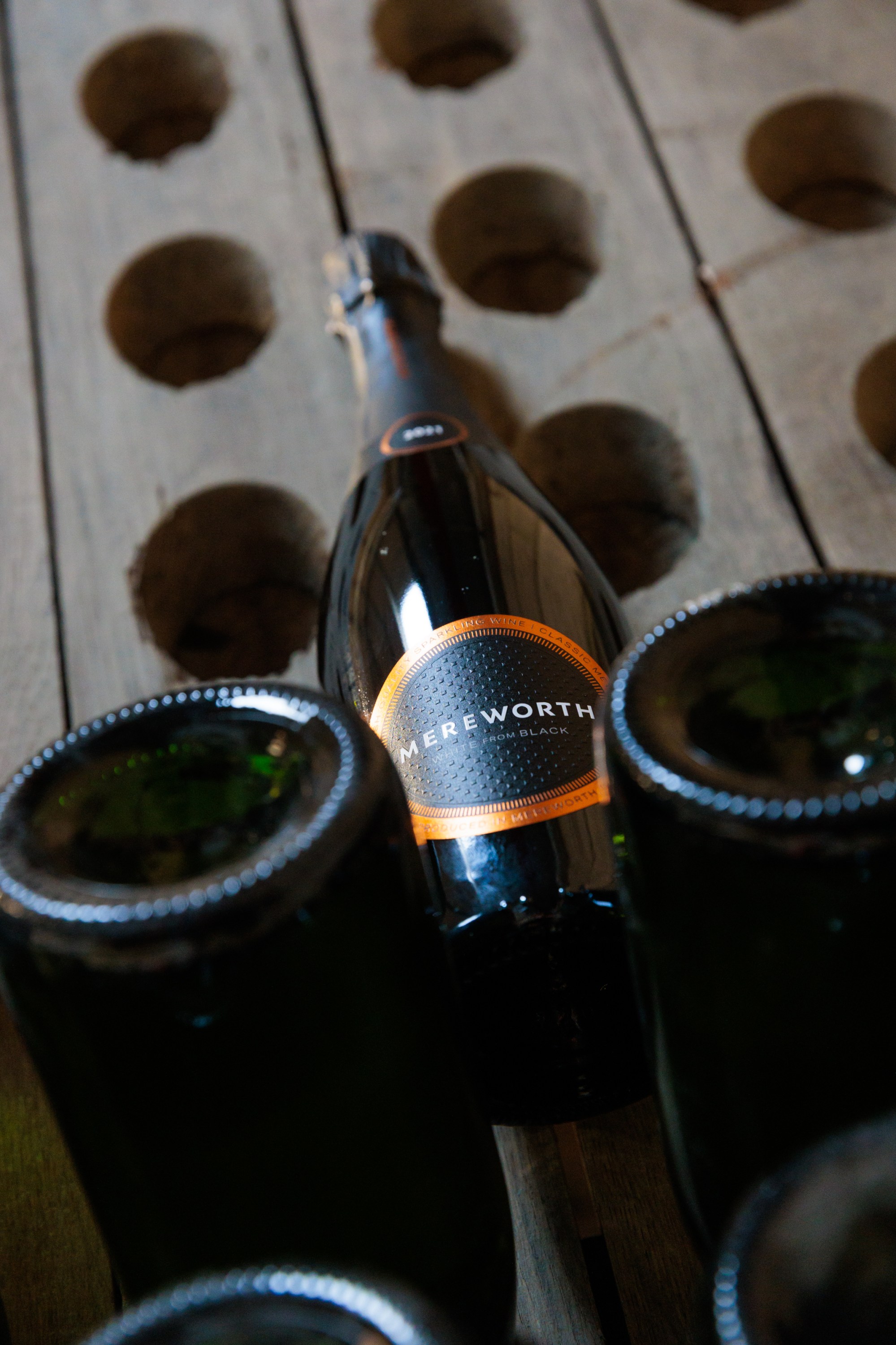
There are three sparkling wines that are produced by Scott at the on-site winery: White from Black, White from White and Pink. The wines are vintage driven but there is a small percentage of between 5%-10% reserve wines that are added to the blend. Malolactic conversion is also used as a blending tool “we are aiming for deep textured wines that will pair with food at our on-site café/bar, so we target lower acidity levels of around 7-8g/L,” explained Scott. “We also cool ferment and age the wines for three years on lees to provide the optimum drinking experience,” he added. The grapes are machine harvested and this means that Scott has a flexible harvest window allowing him to aim for a 10.5% abv in the base wine with a resulting 12% abv post-secondary fermentation.
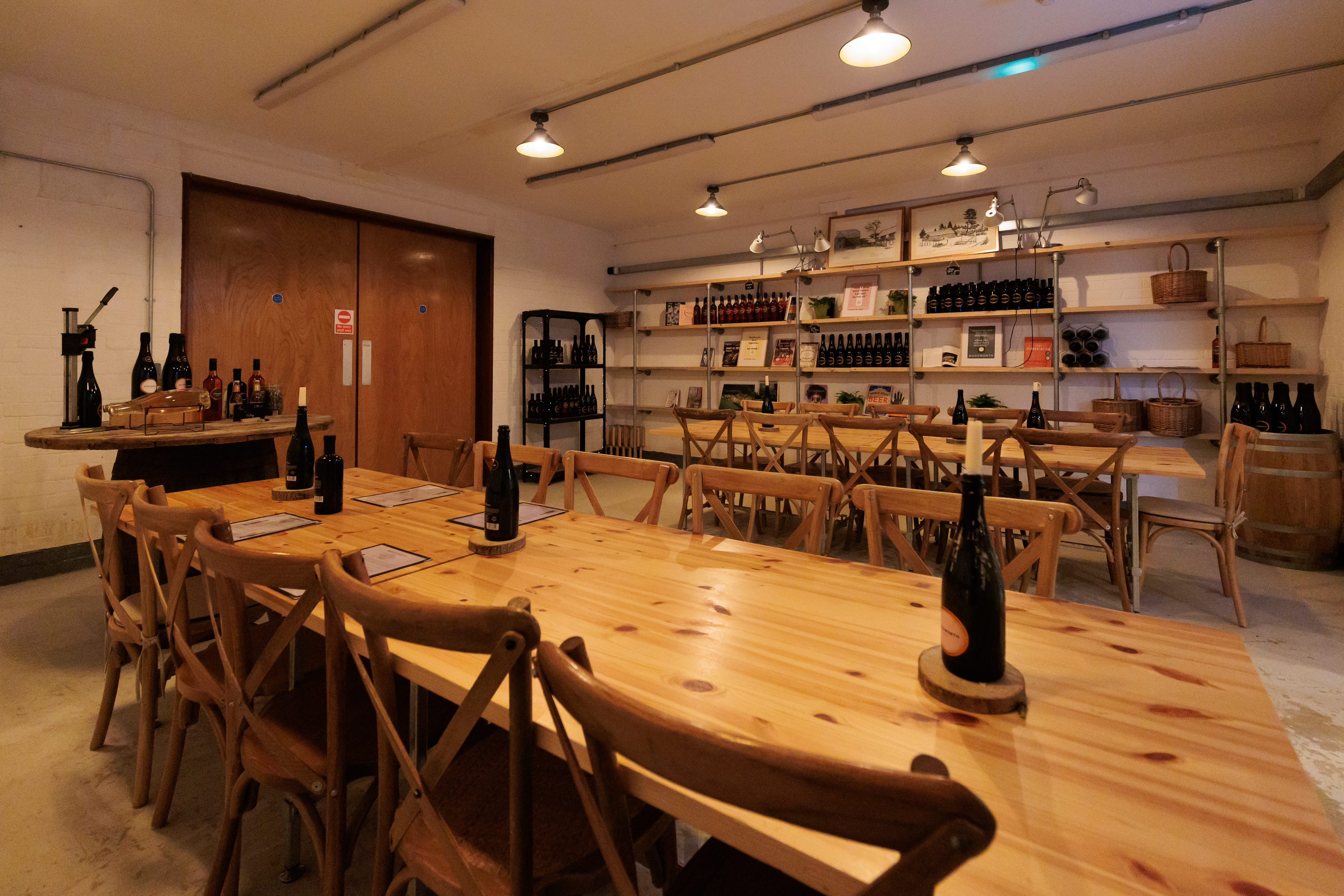
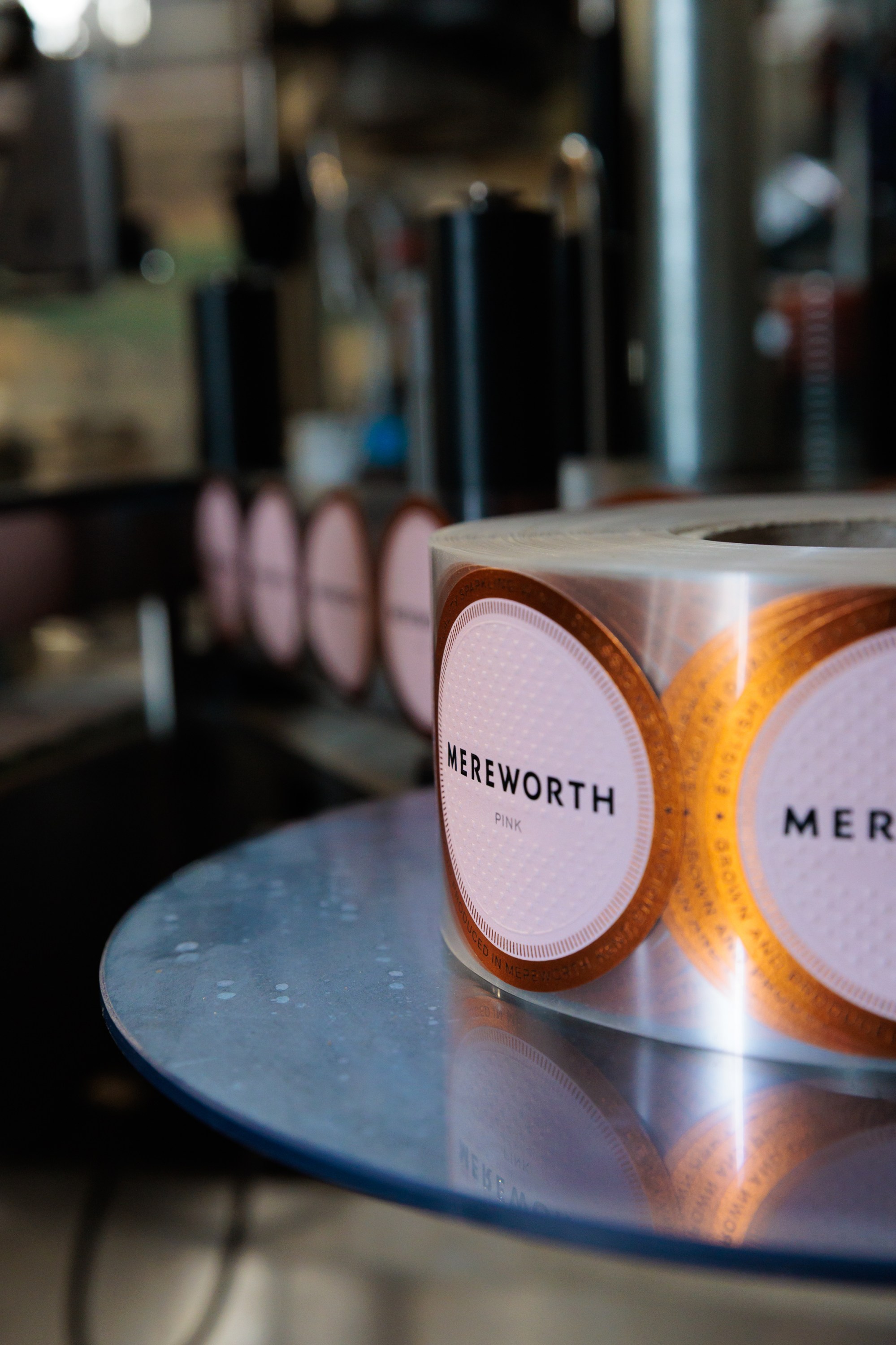
The wine labels have a classic, clean and timeless look which perfectly reflects the ethos of the business and the wines are also sold through the hospitality business which offers a variety of events including a Friday Evening Tour, Tasting and Pizza, Sparkling Afternoon Tea and Sunday Jazz alongside tastings and tours that guide visitors through the complete winemaking process from the moment the grapes arrive in the winery to the award winning wines they find in their glass. “It was during Covid that we realised how important a hospitality offering was for this area,” said Scott and with a loyal customer base the business is continuing to grow. “It was important that Mereworth provided a tourism experience that compliments wine production in the North Downs, showcasing the beauty of this spot and protecting its future,” added William.
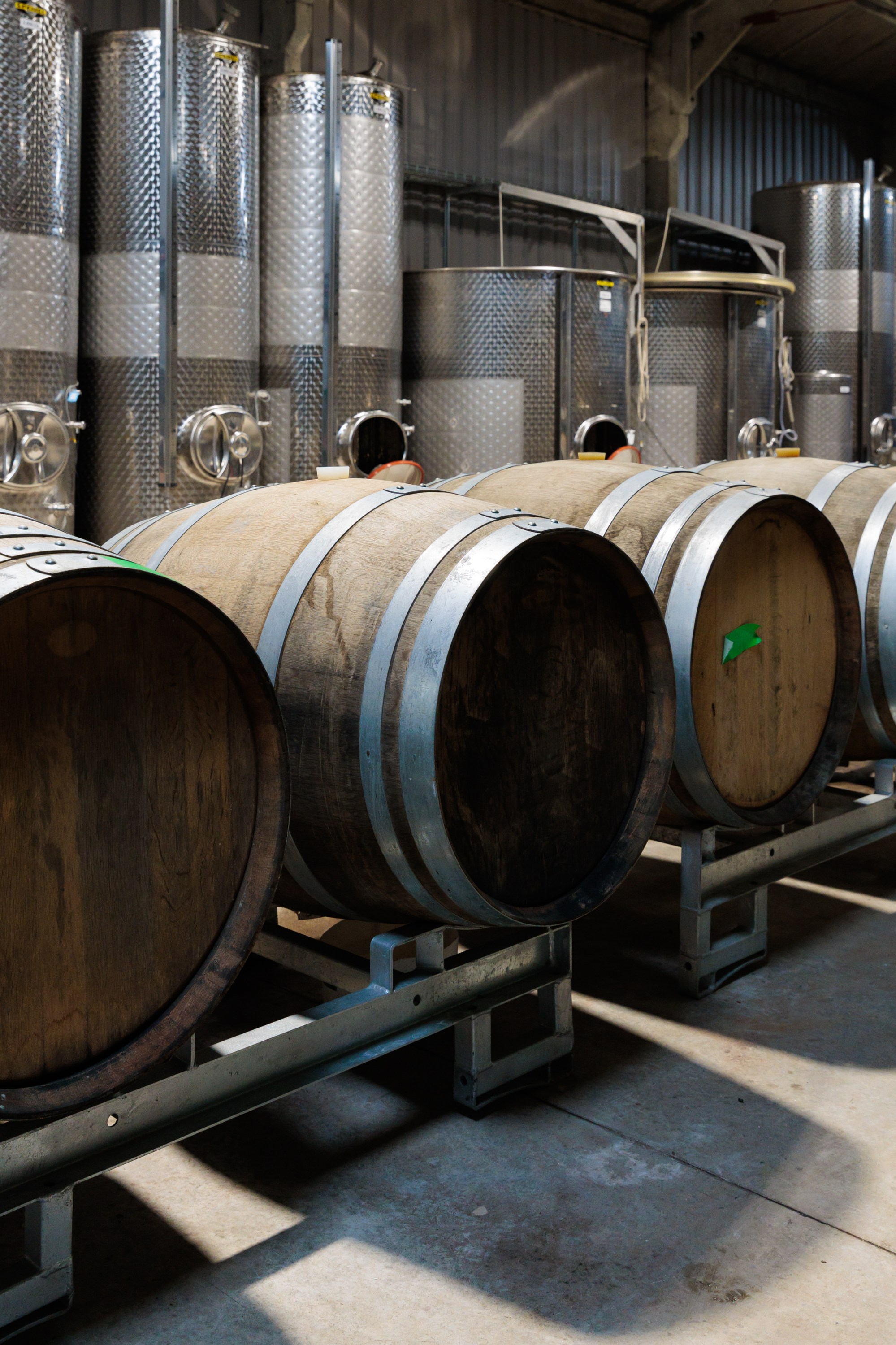
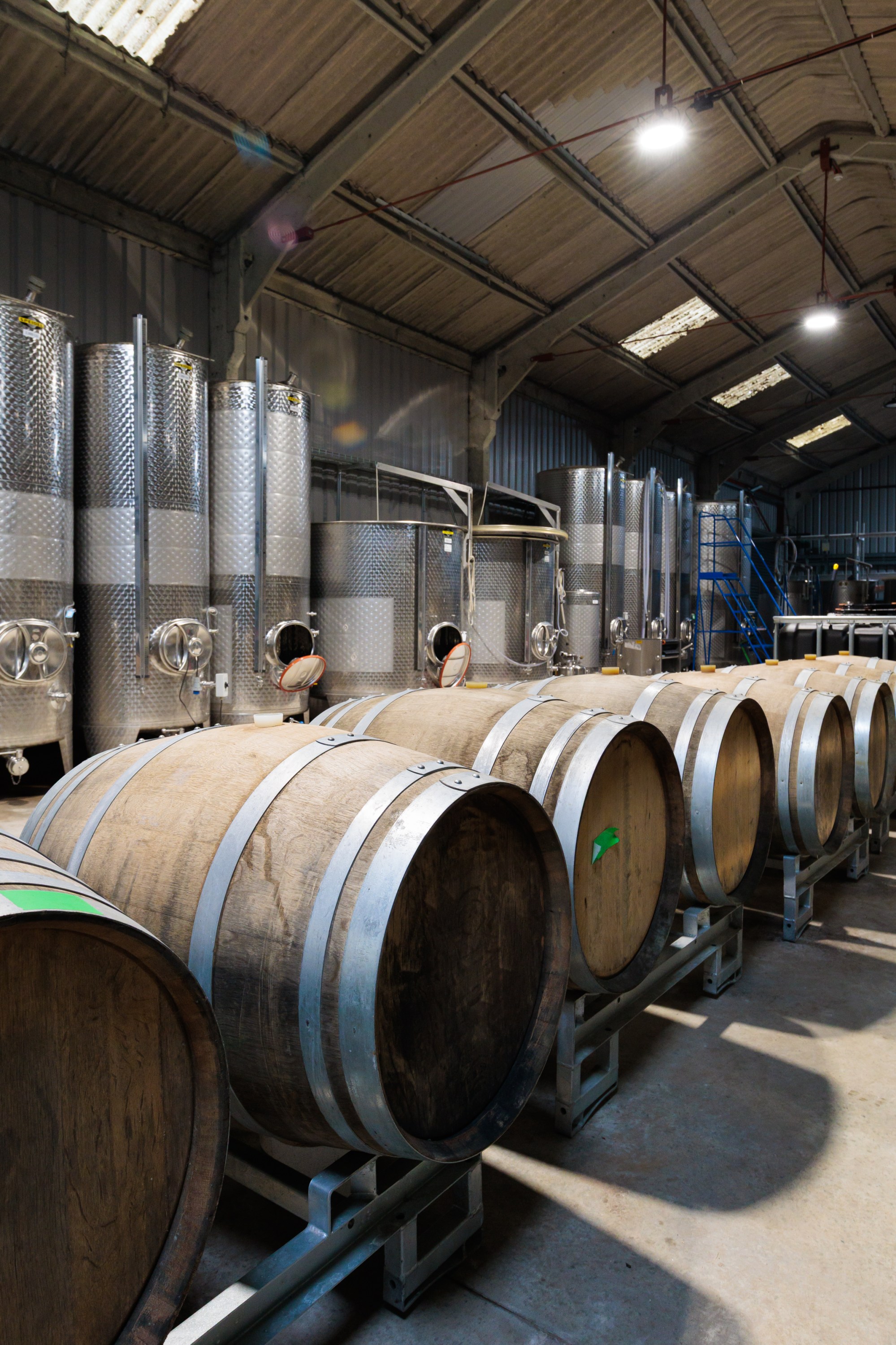
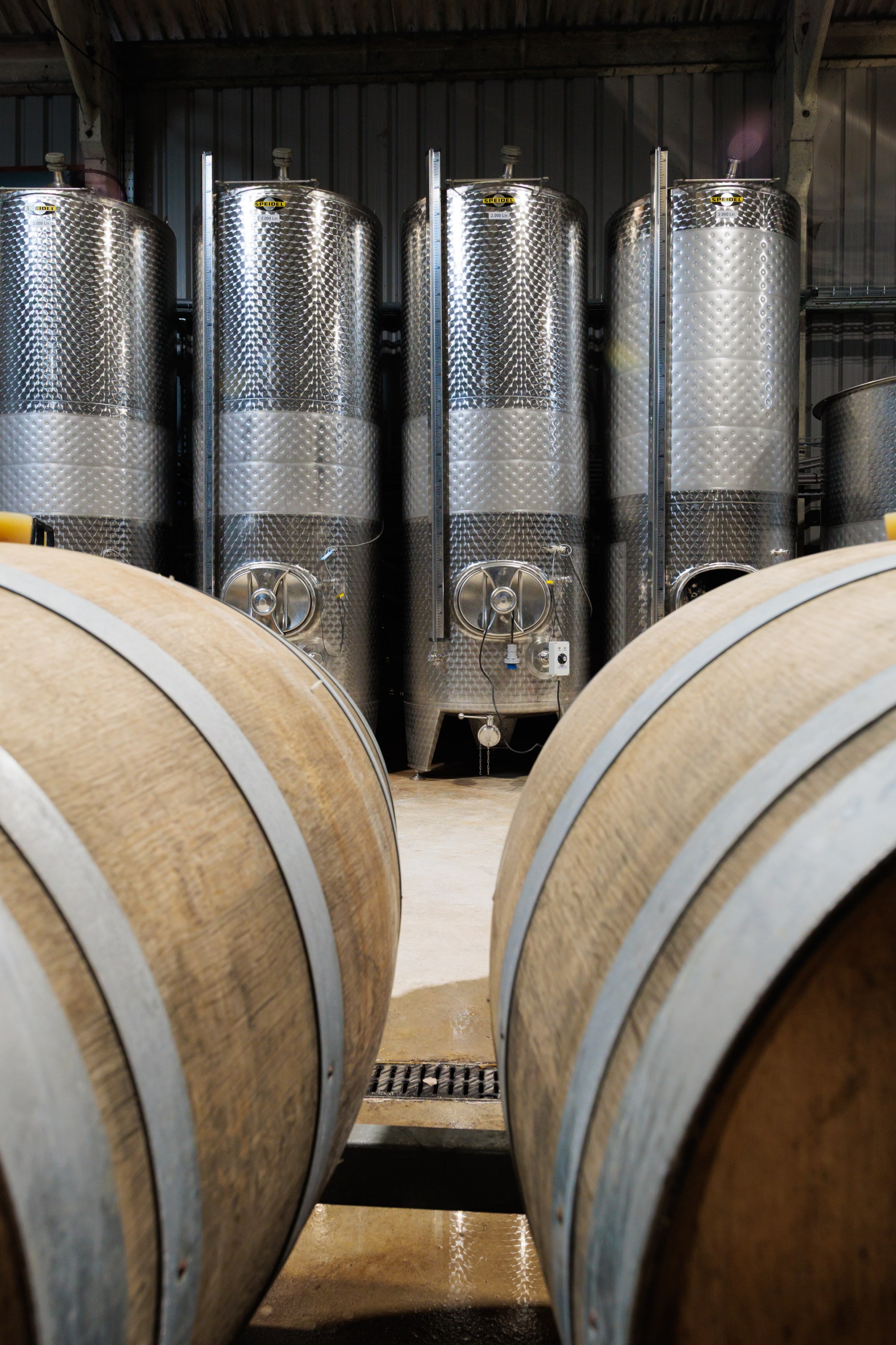
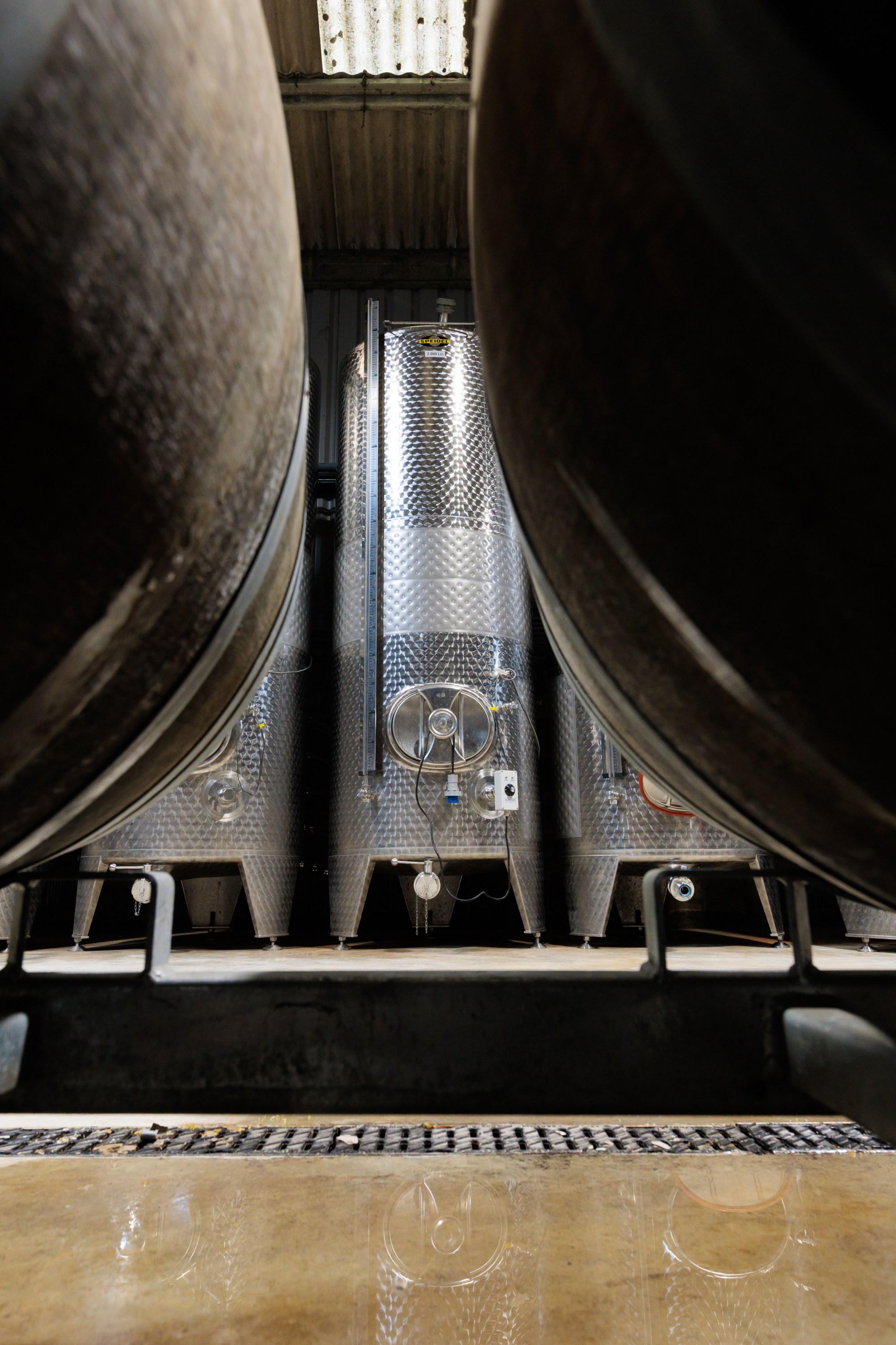
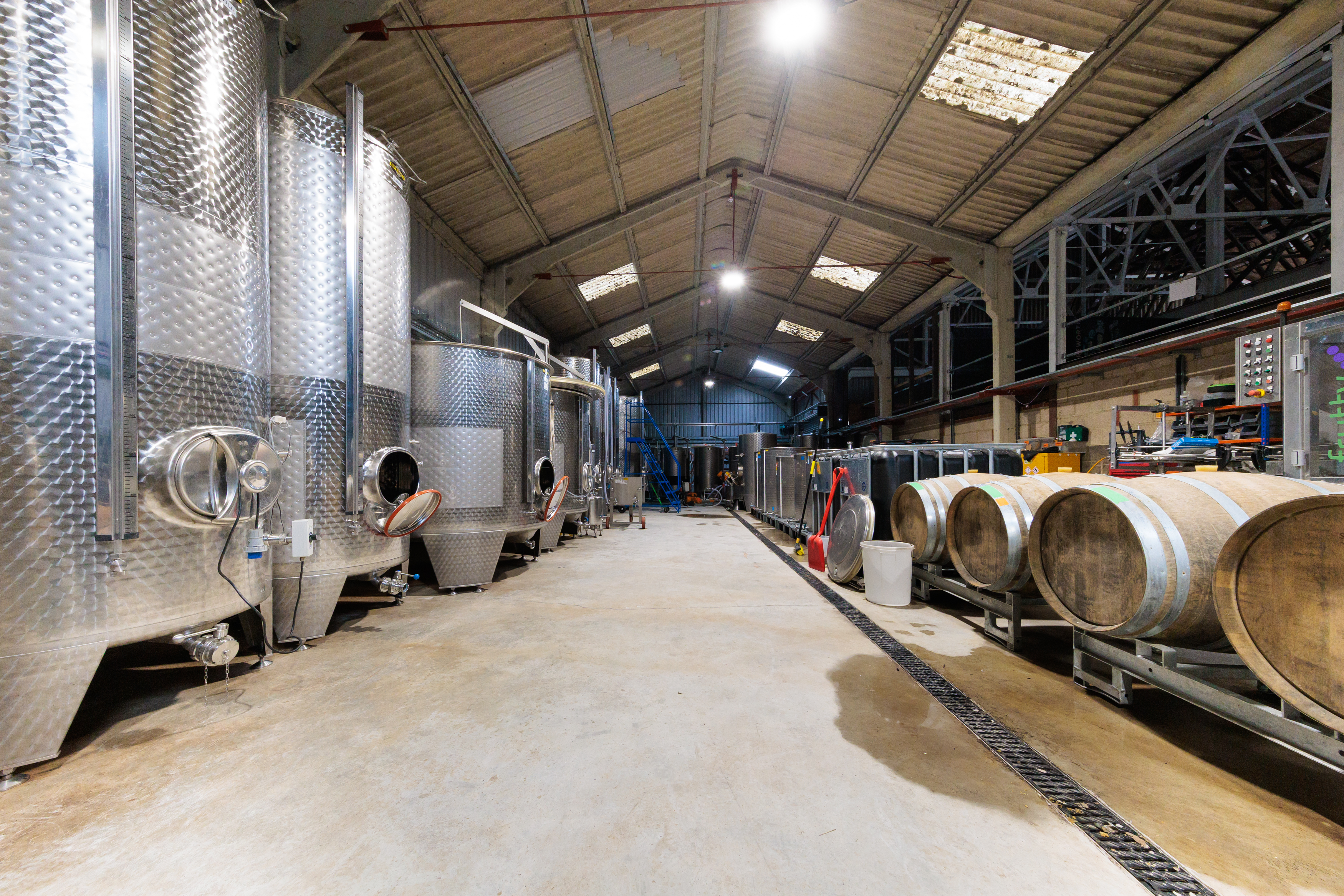
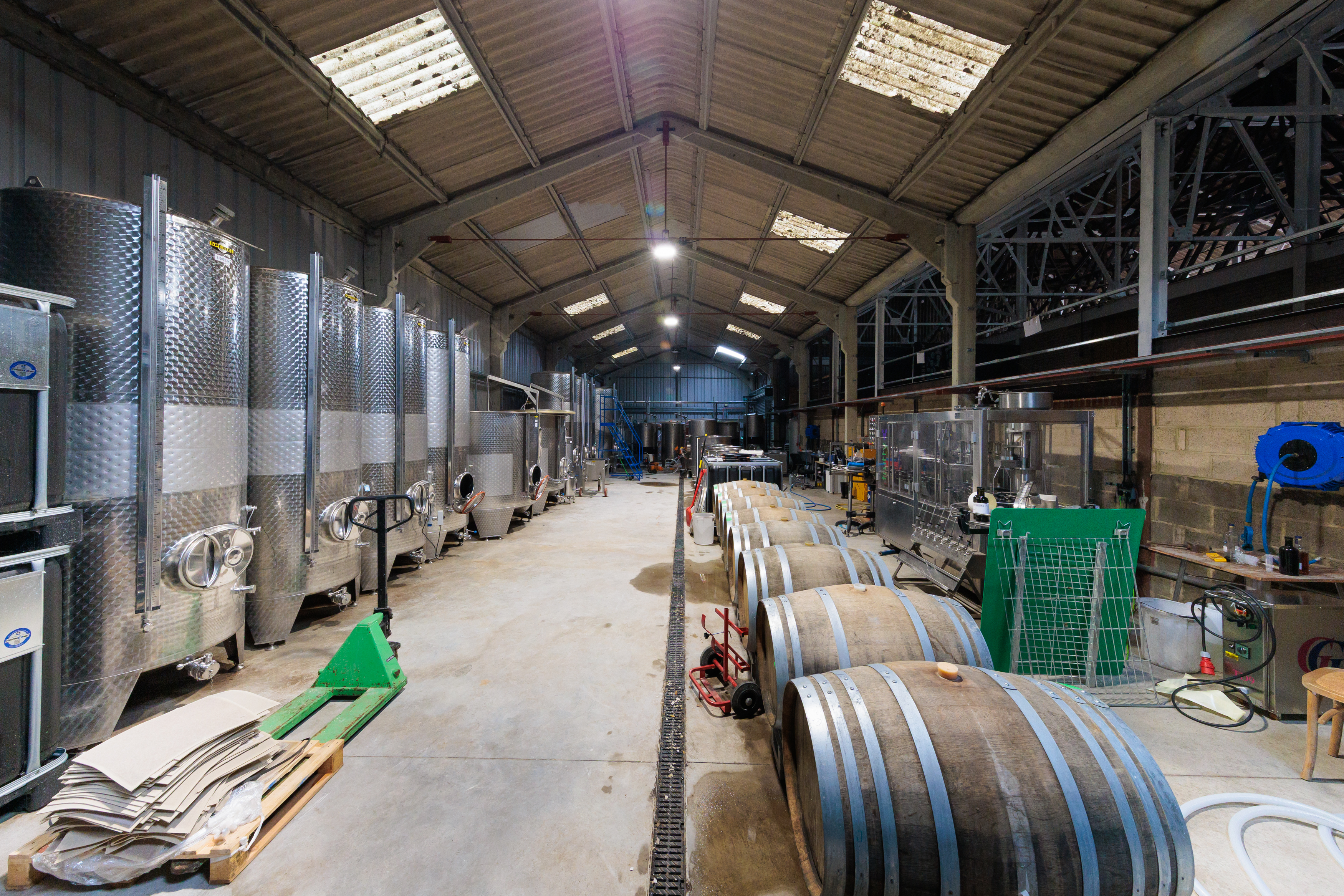
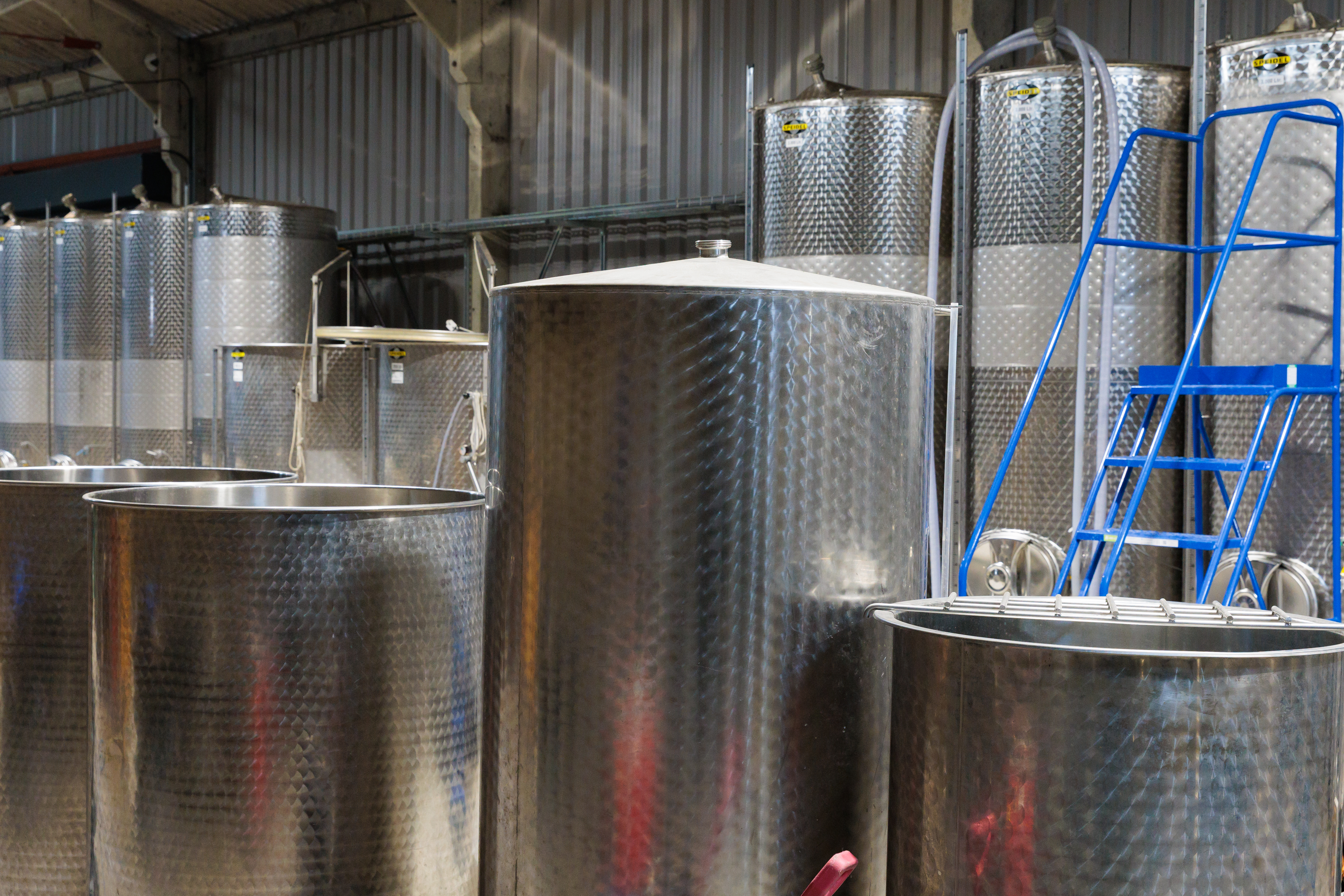
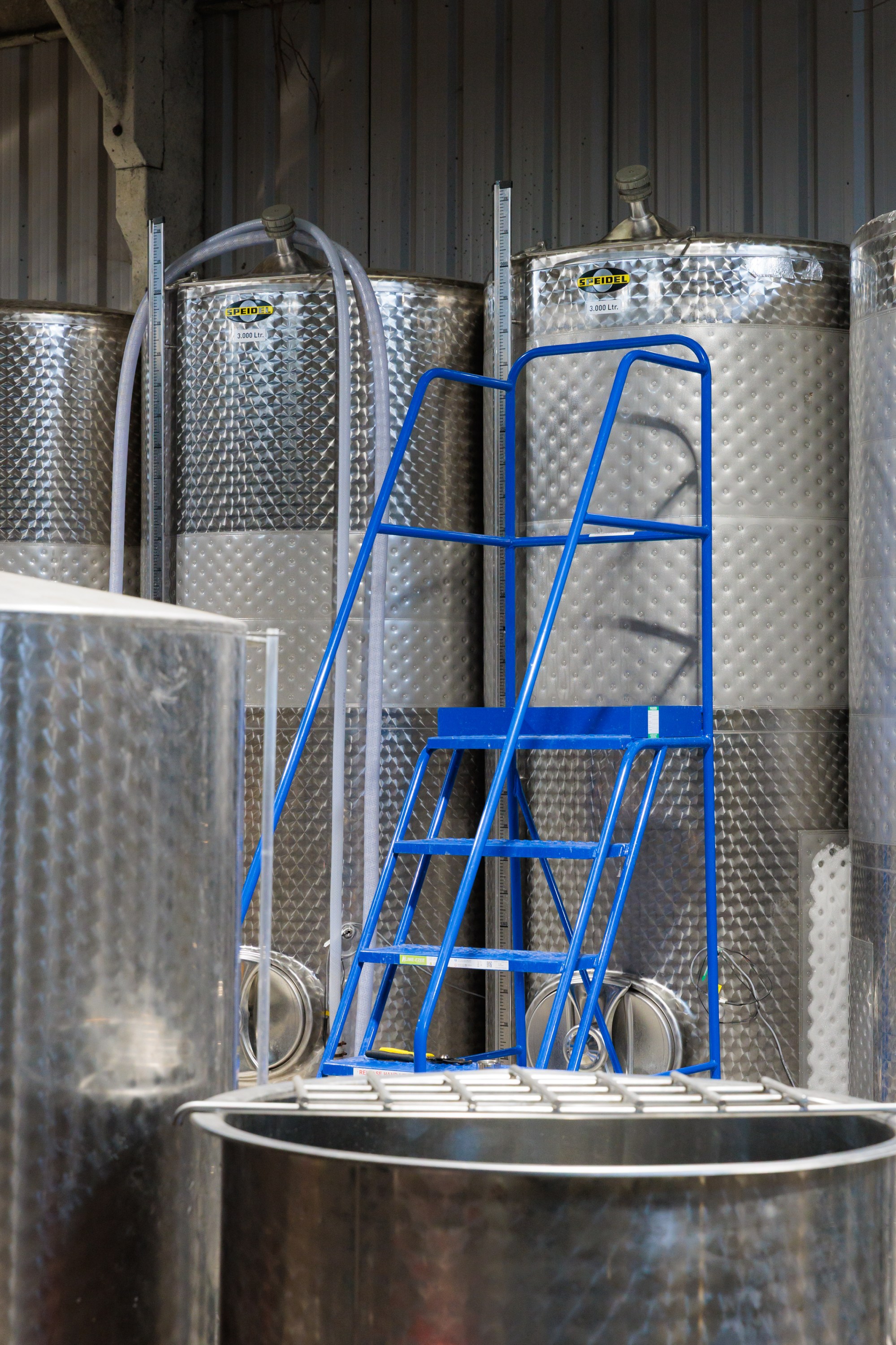
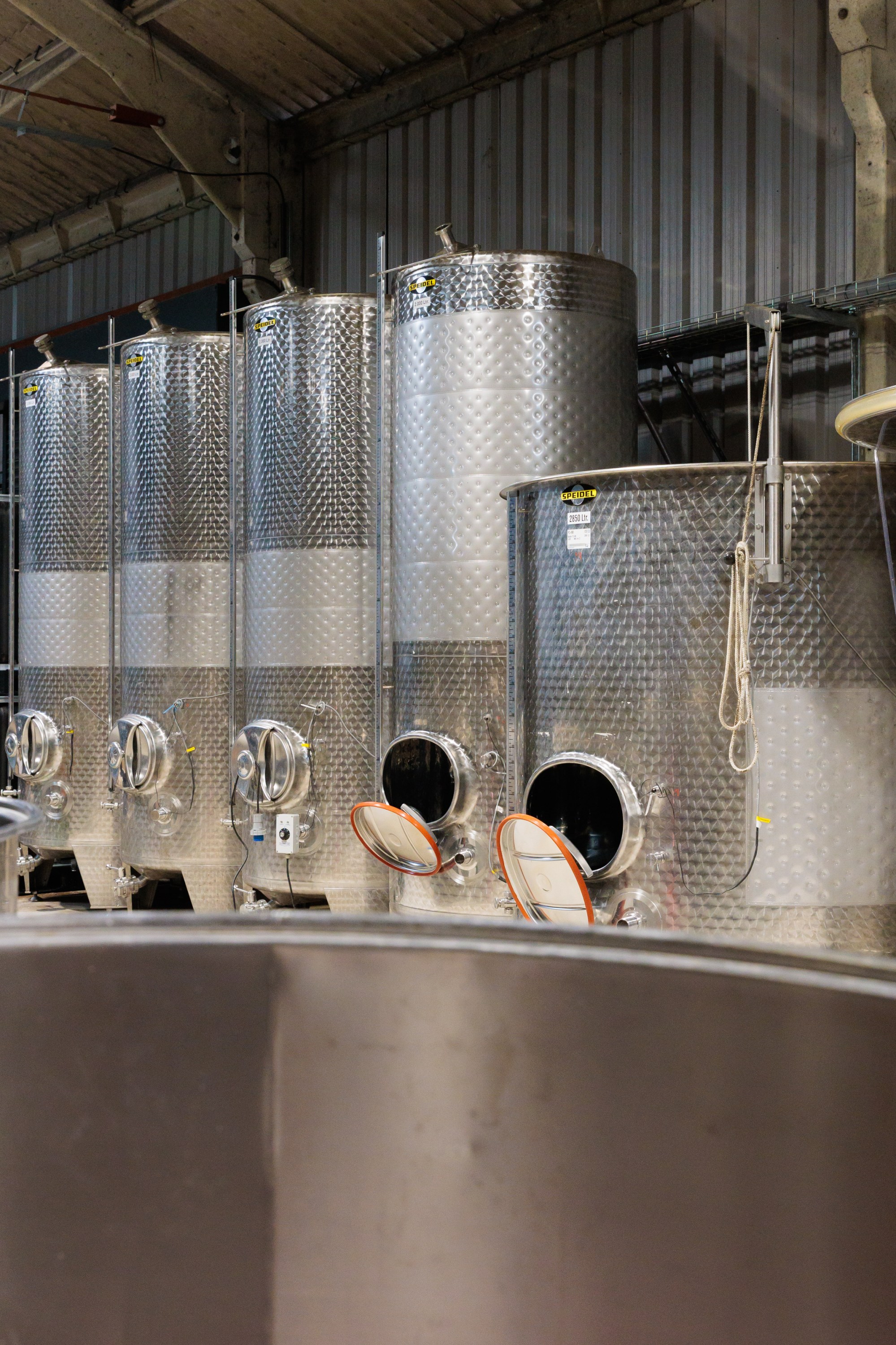
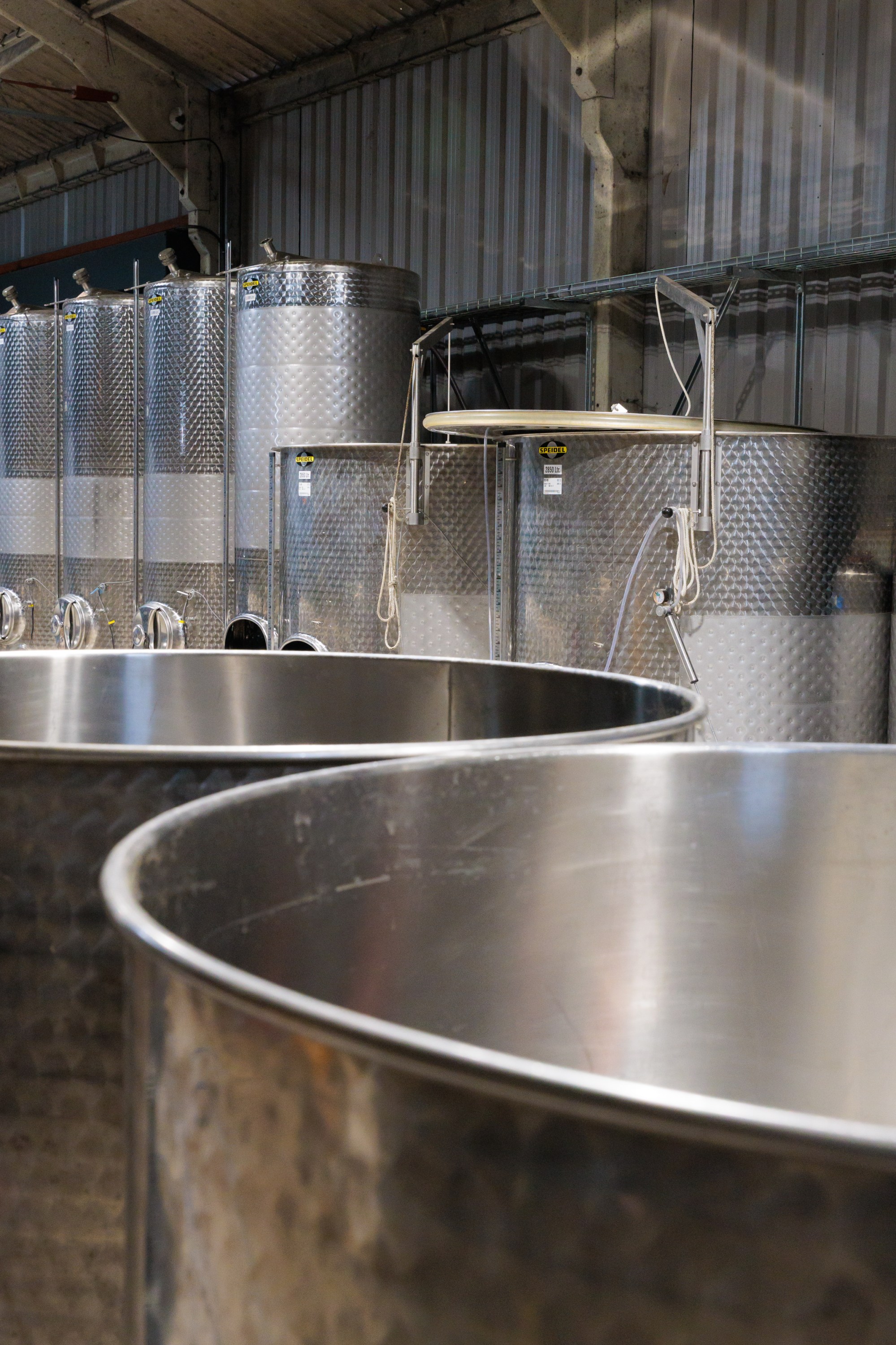
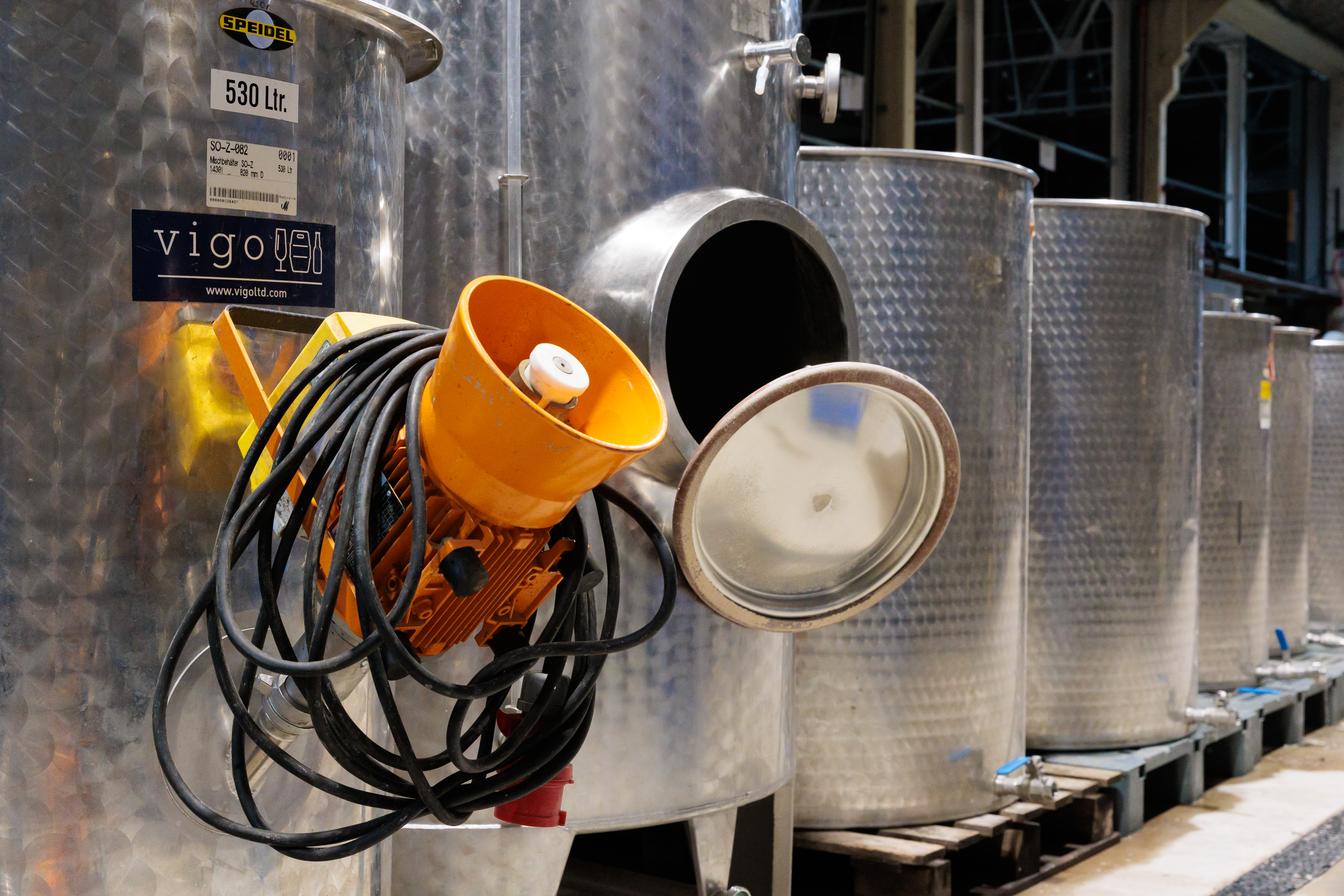
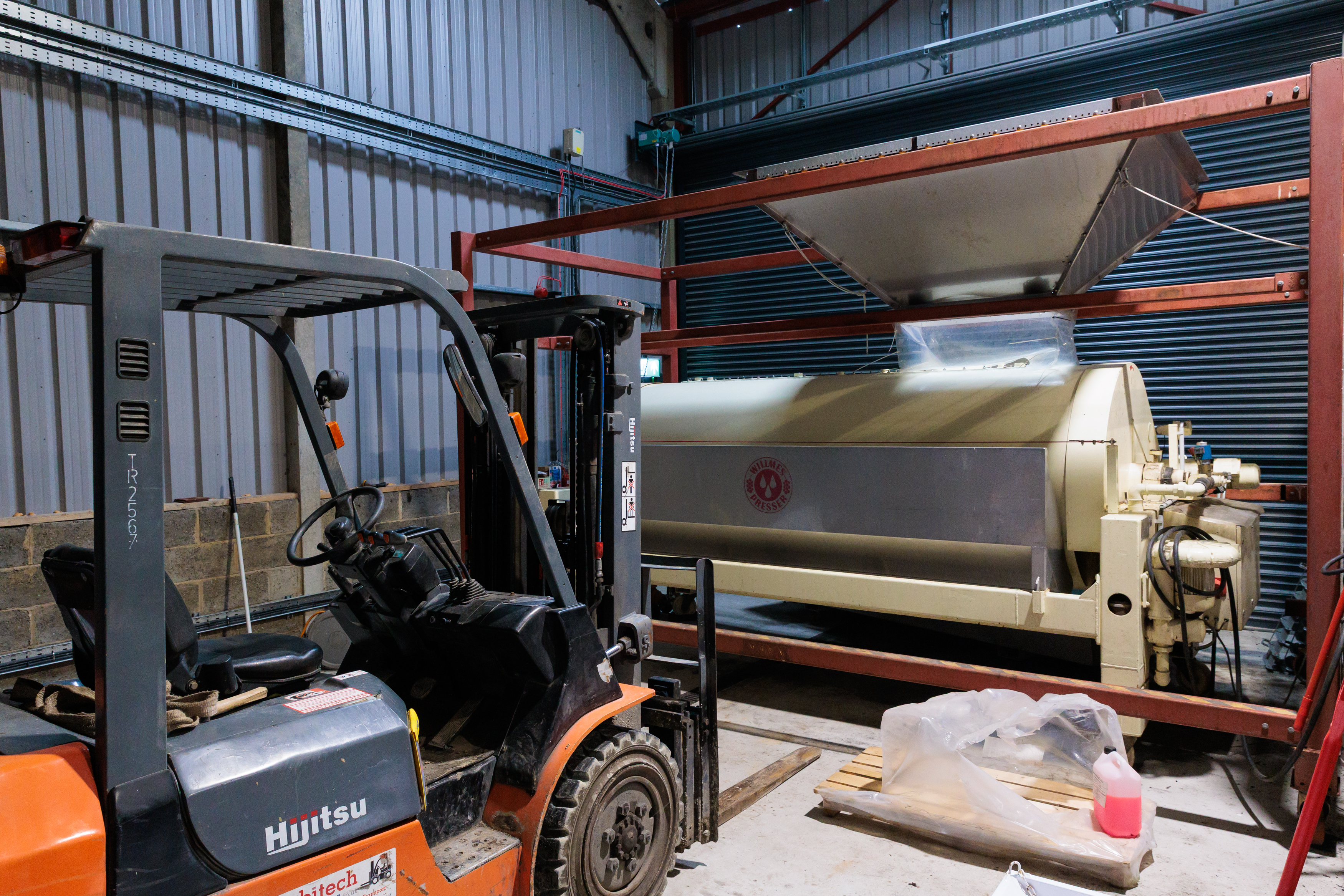
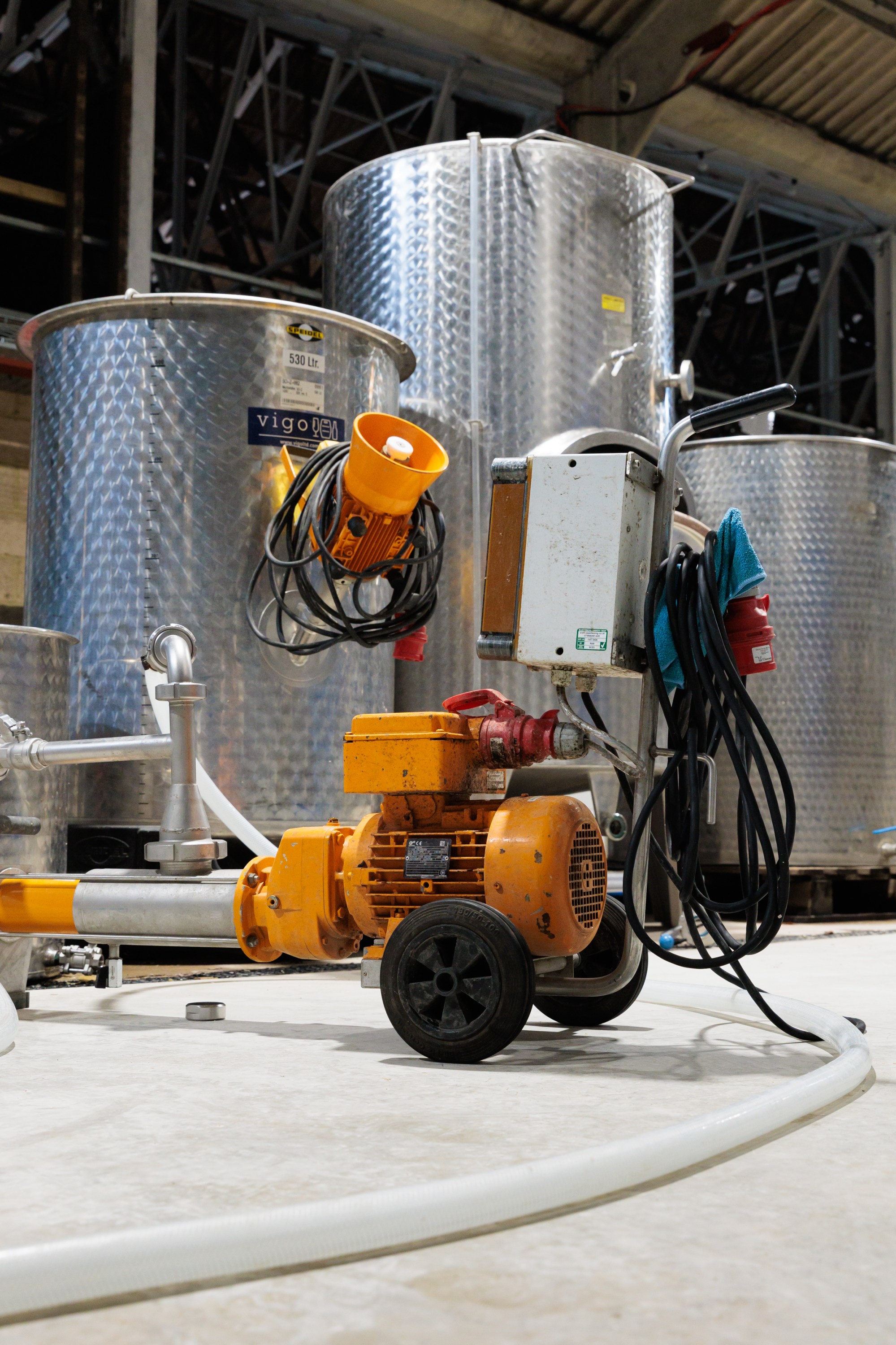
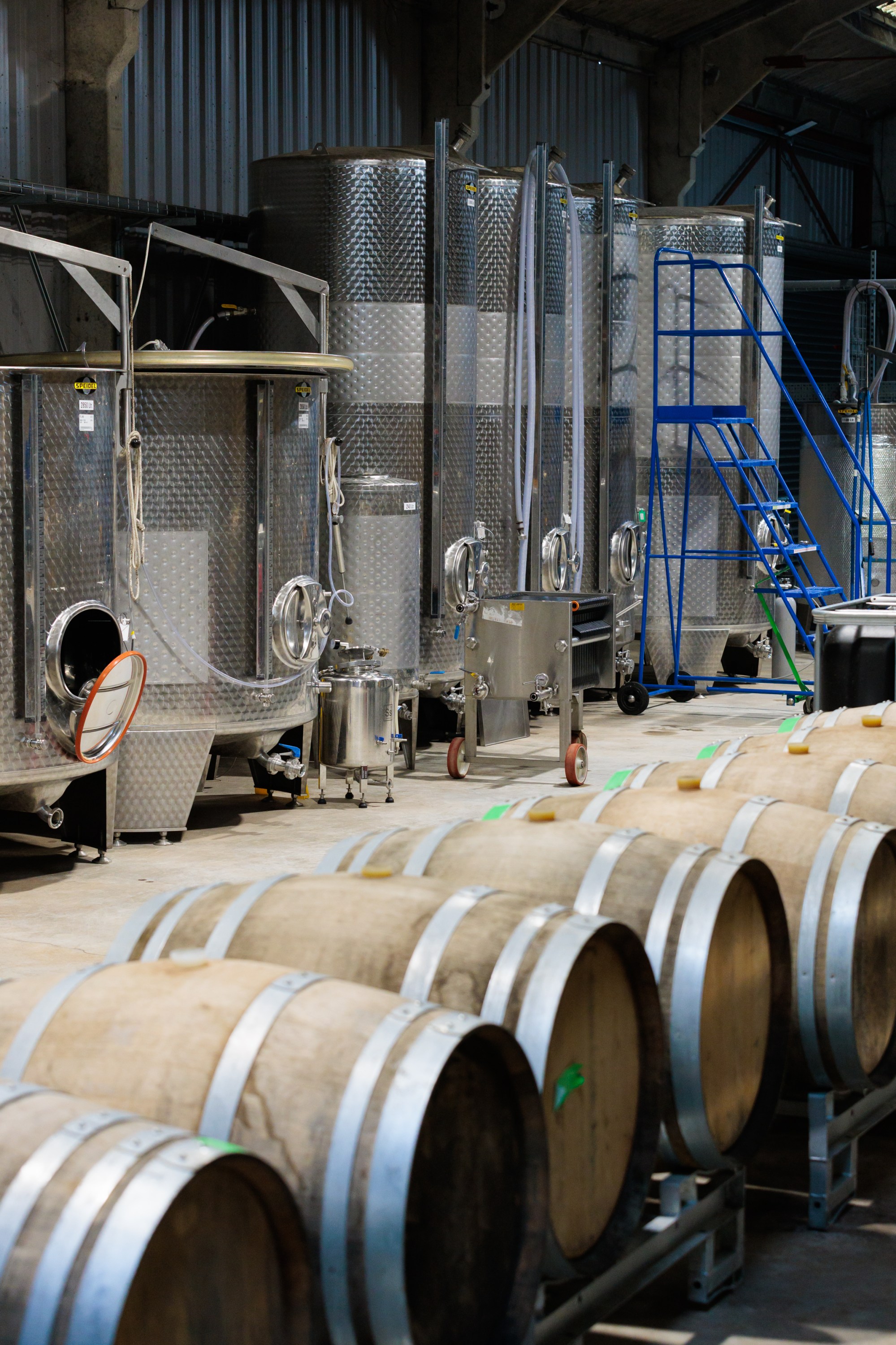
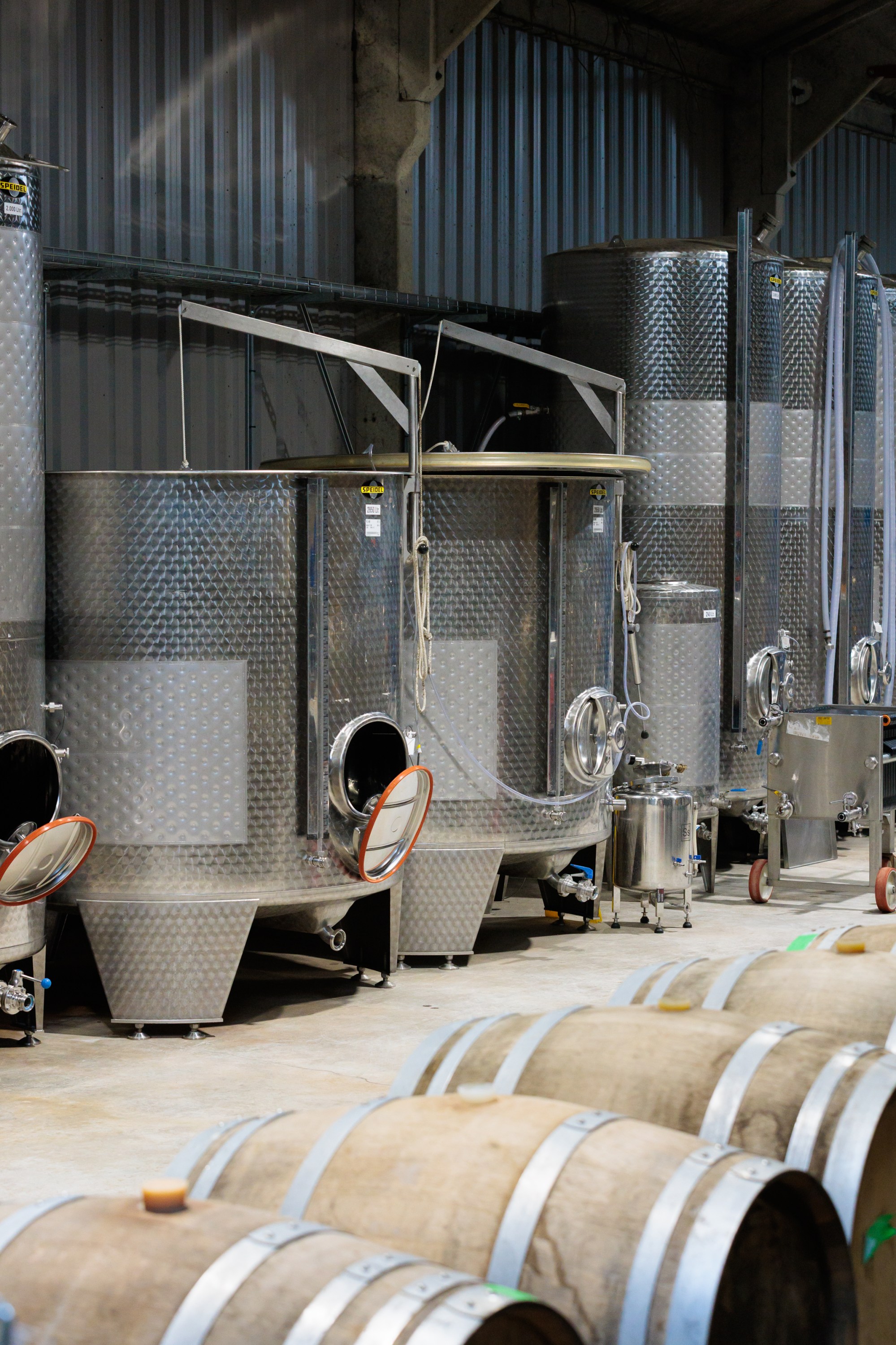
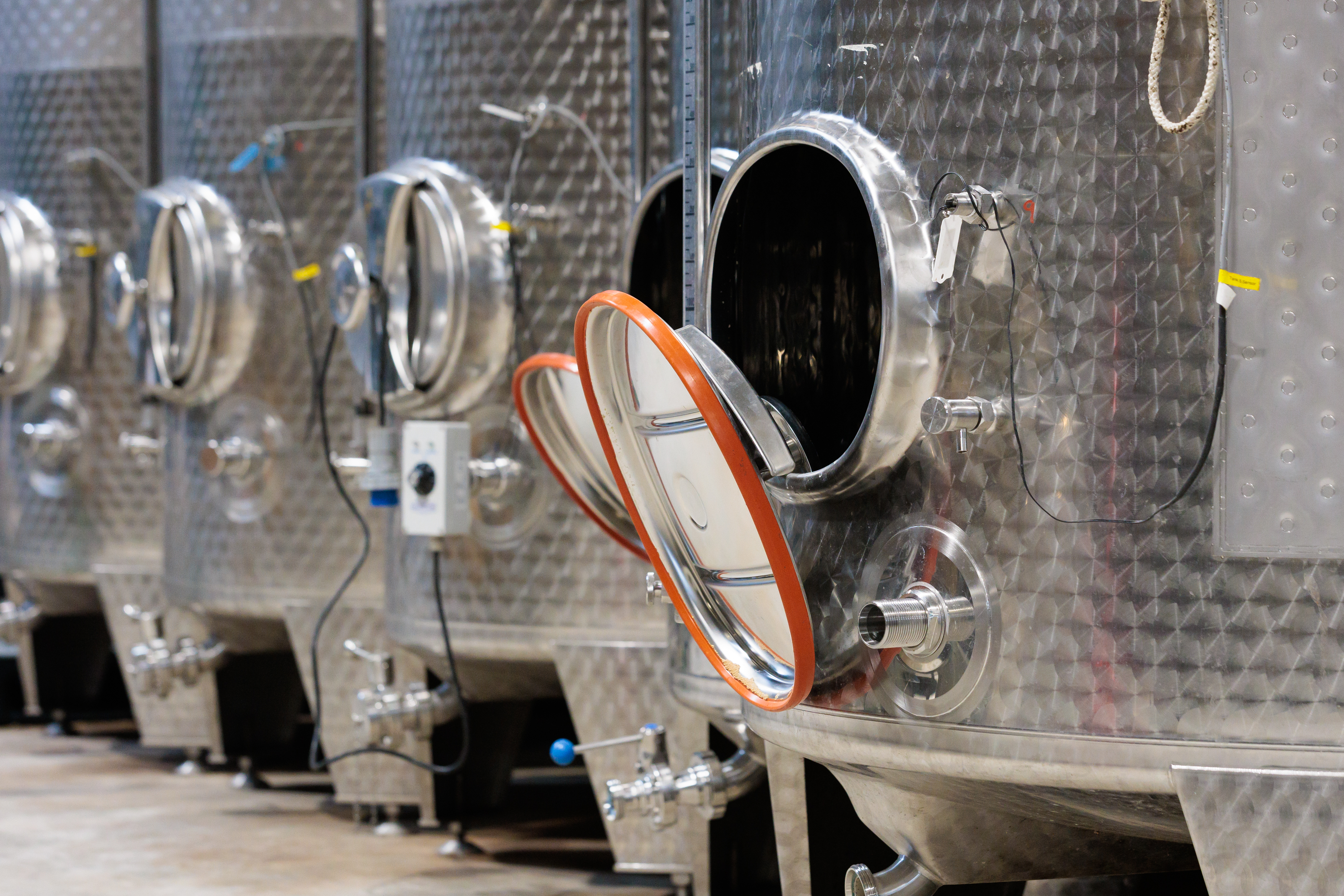
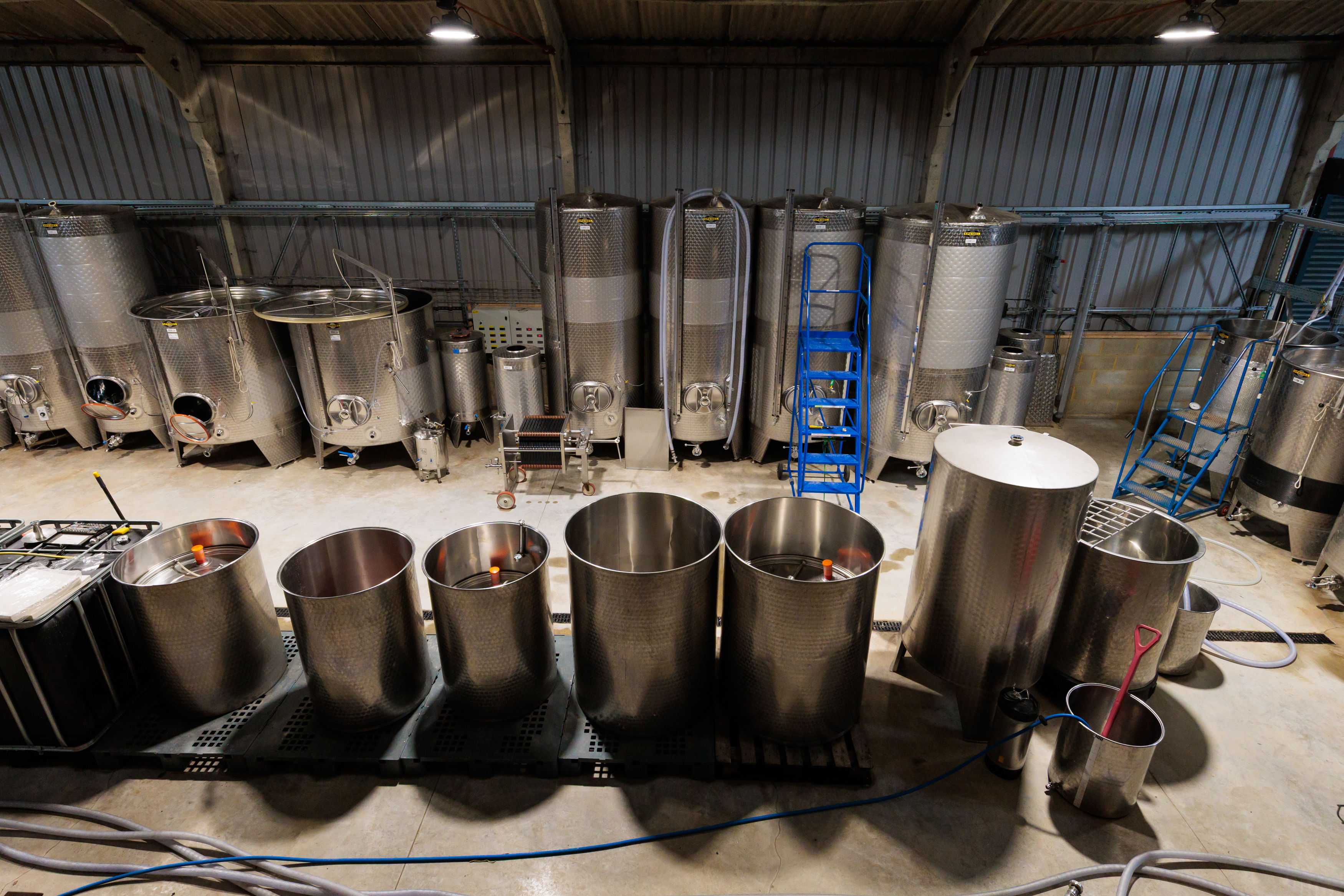
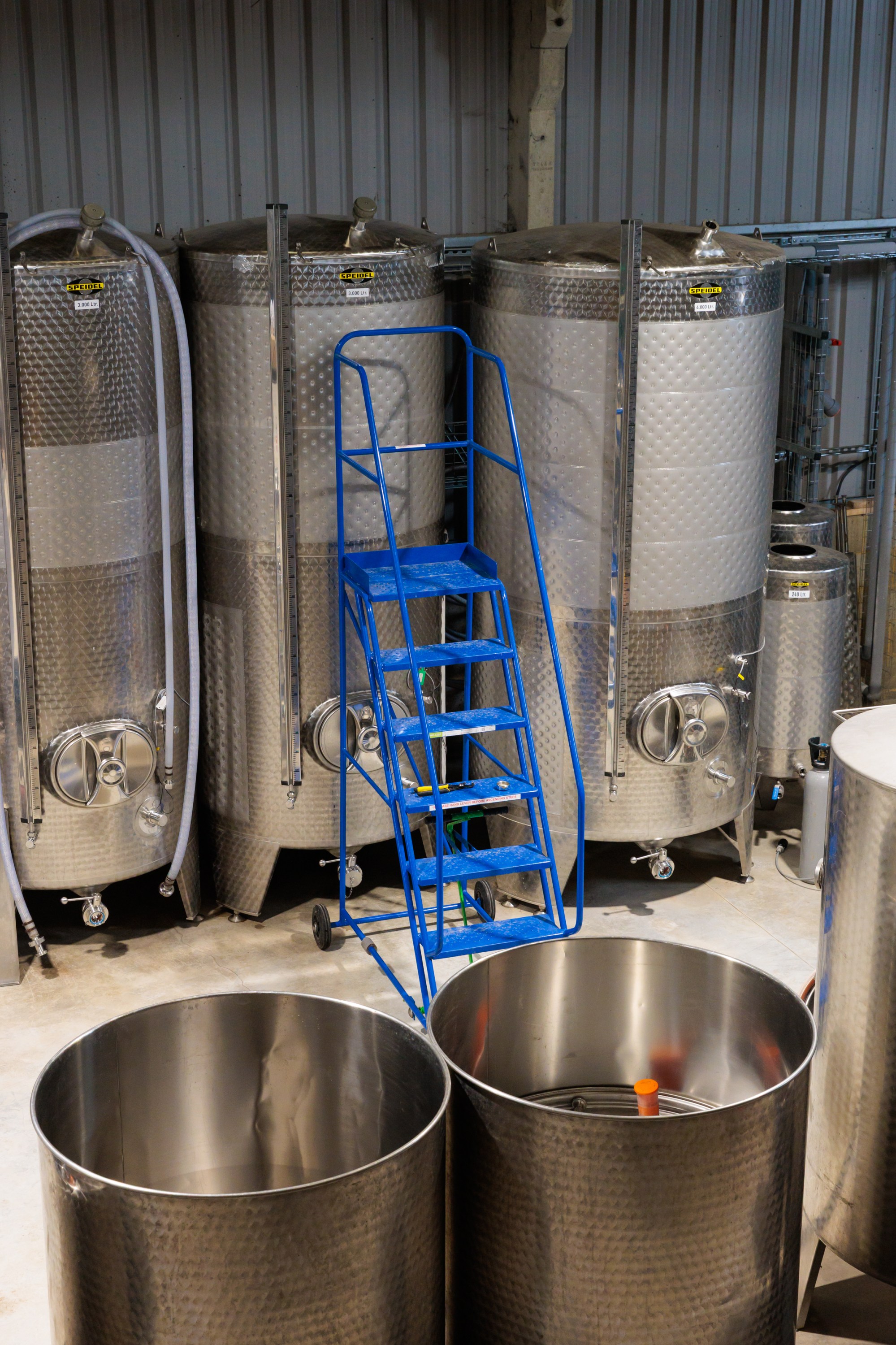
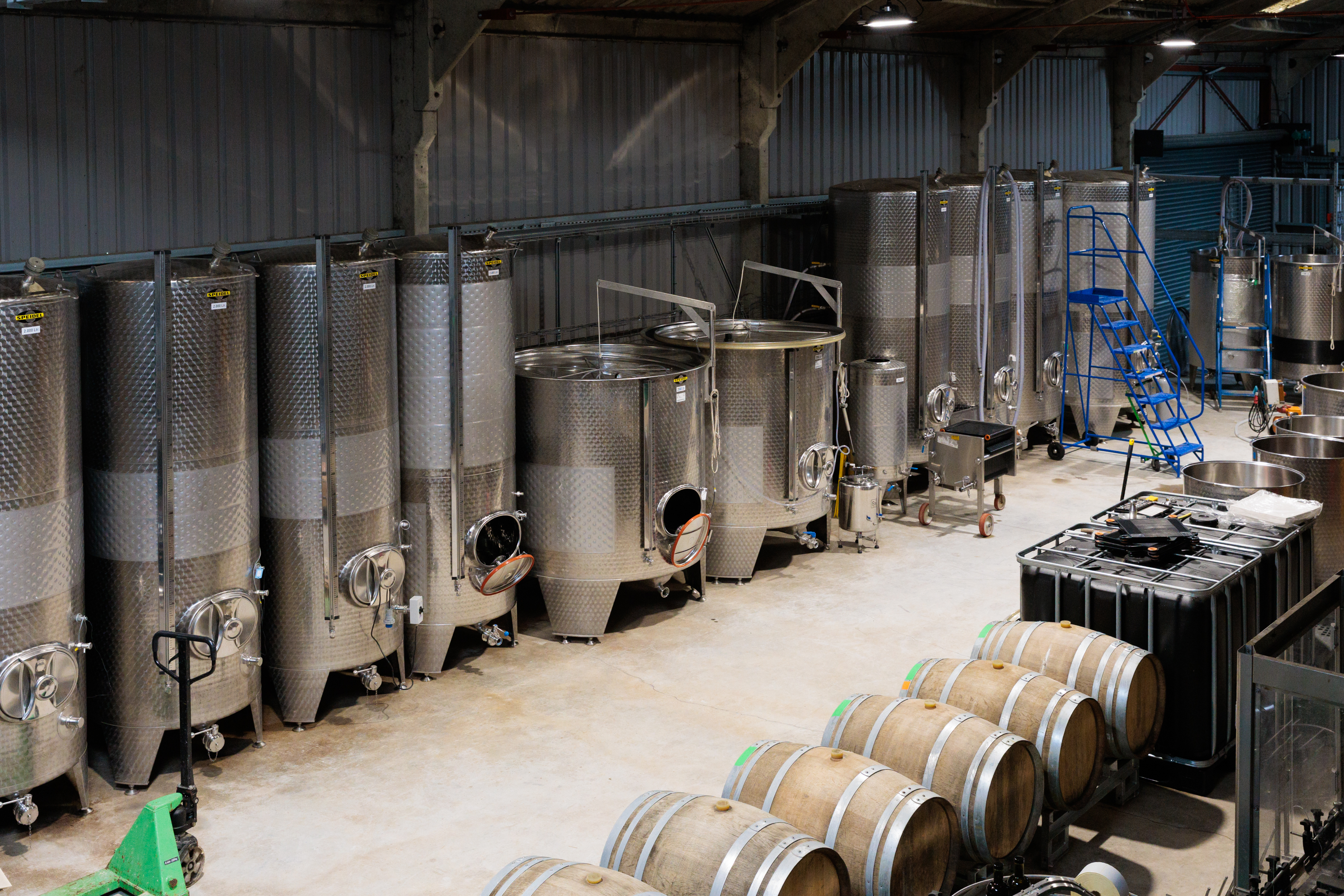
“Agriculture is about longevity,” William said with passion in his voice. For agricultural businesses to be able to achieve this longevity continued development is vital. As part of the organic growth of Mereworth Wines, after a two year preparation period the contract winery opened in time for the 2025 harvest. “One of the greatest improvements to the winery has been the flooring and the drainage,” said Scott which shows just how much thought has gone into this winery space.
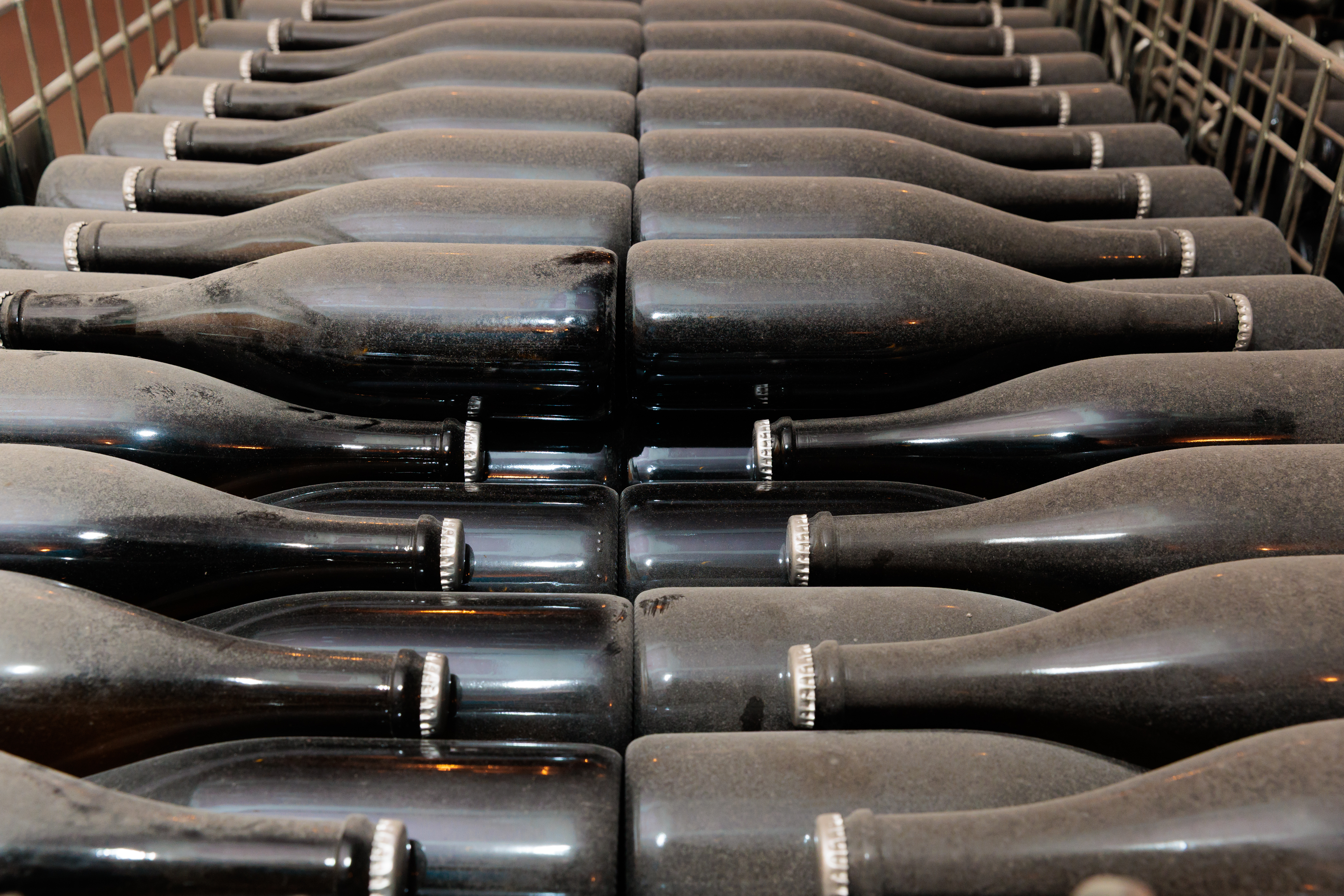
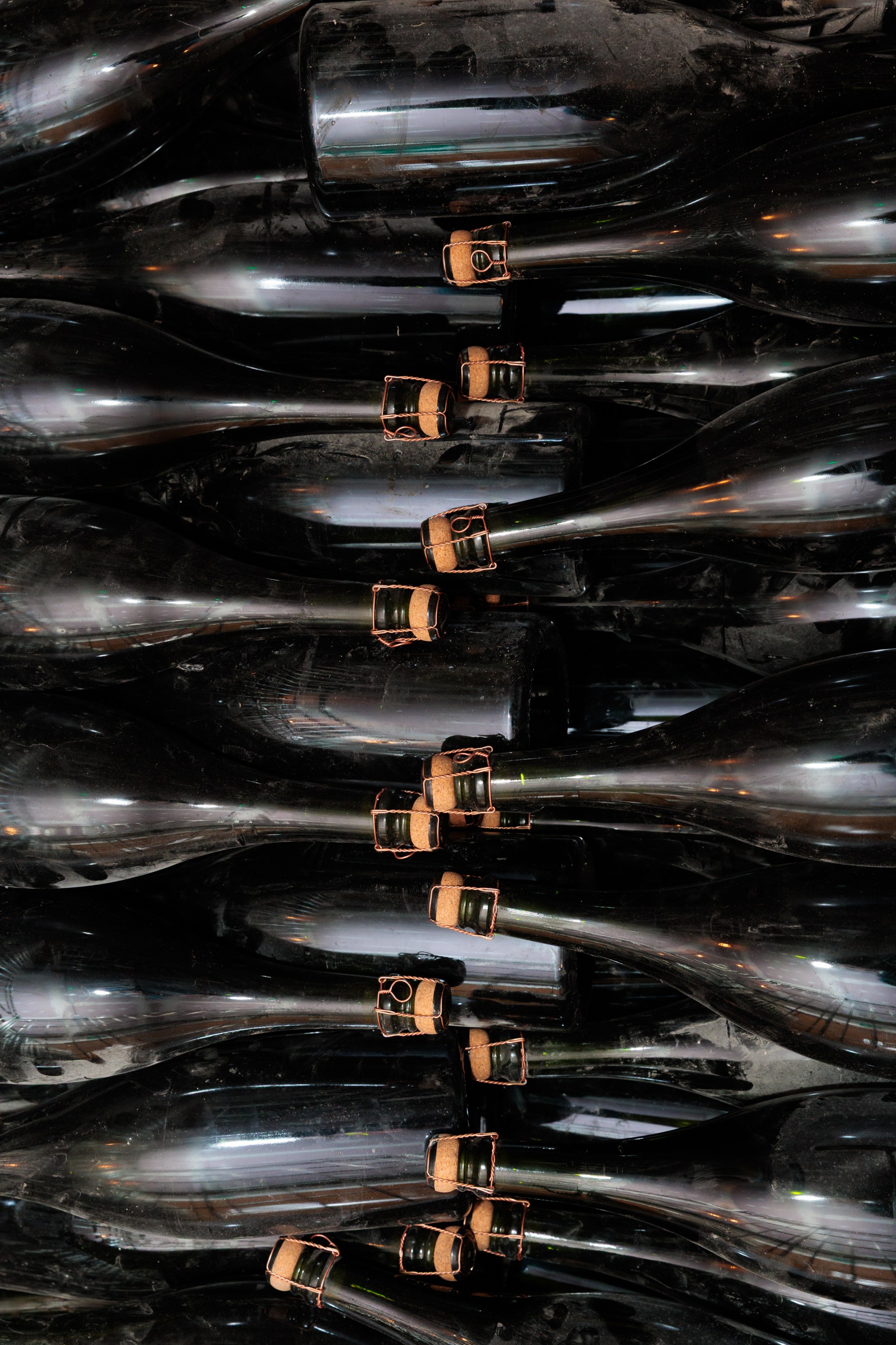
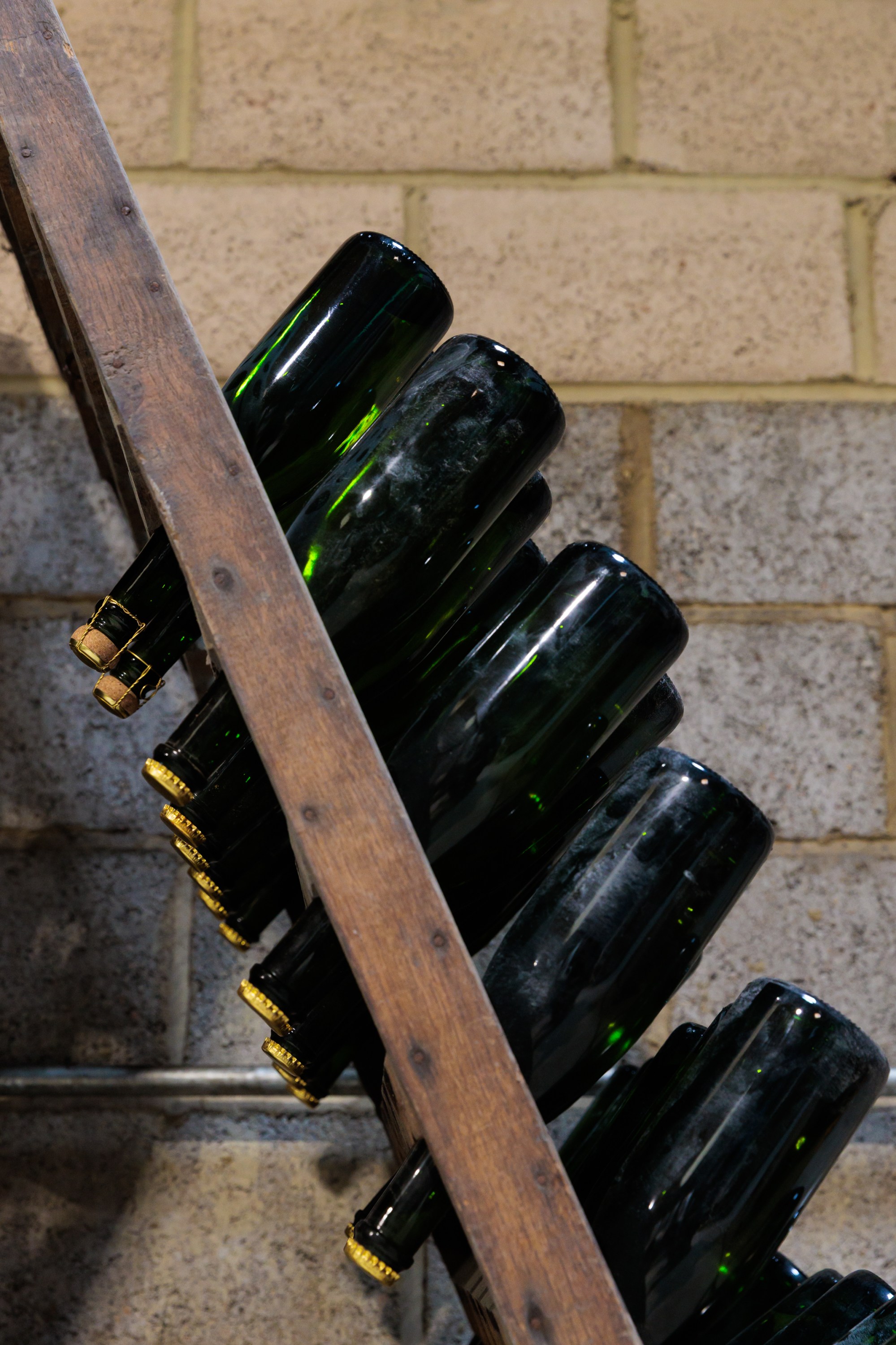
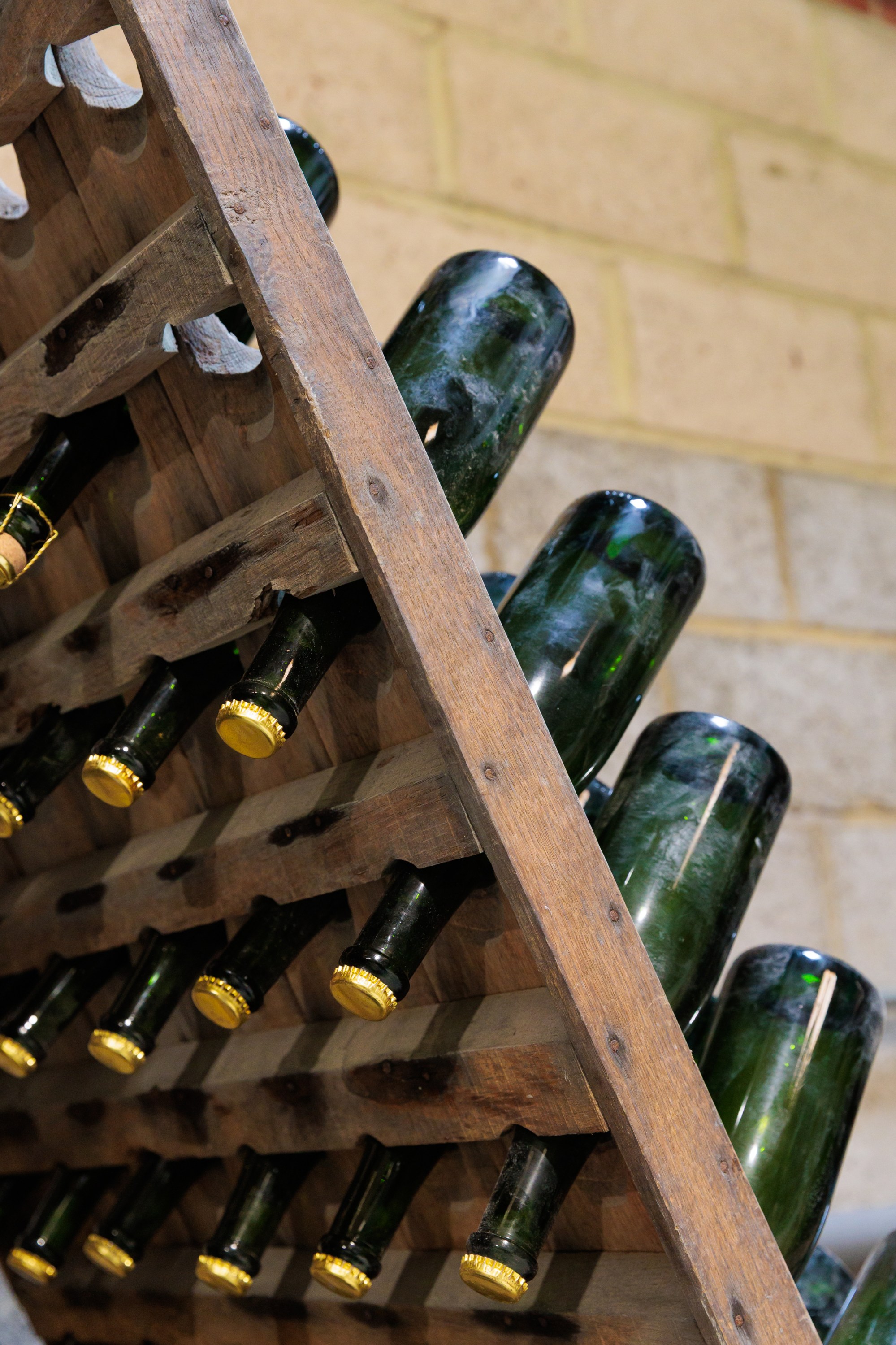
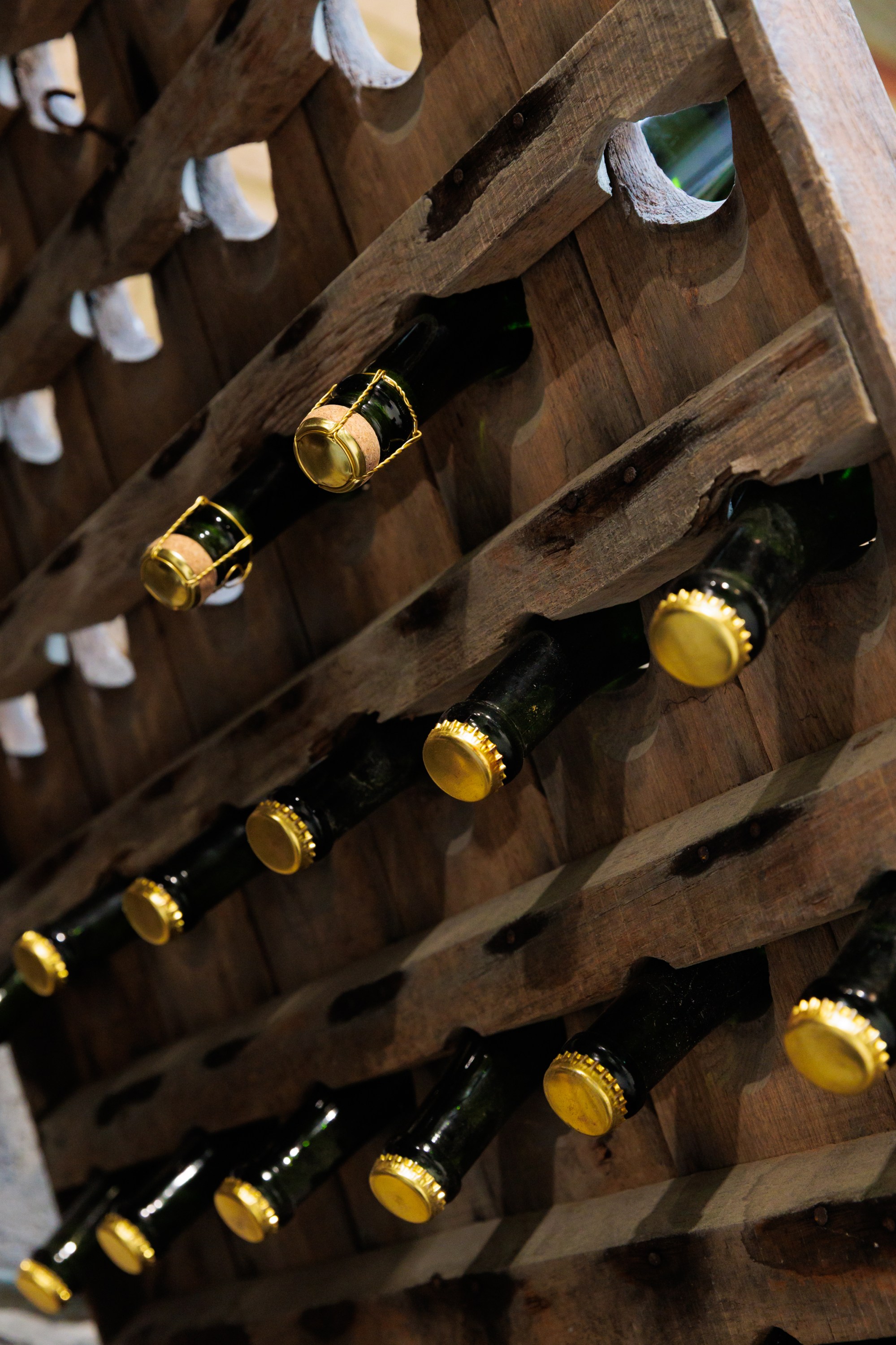
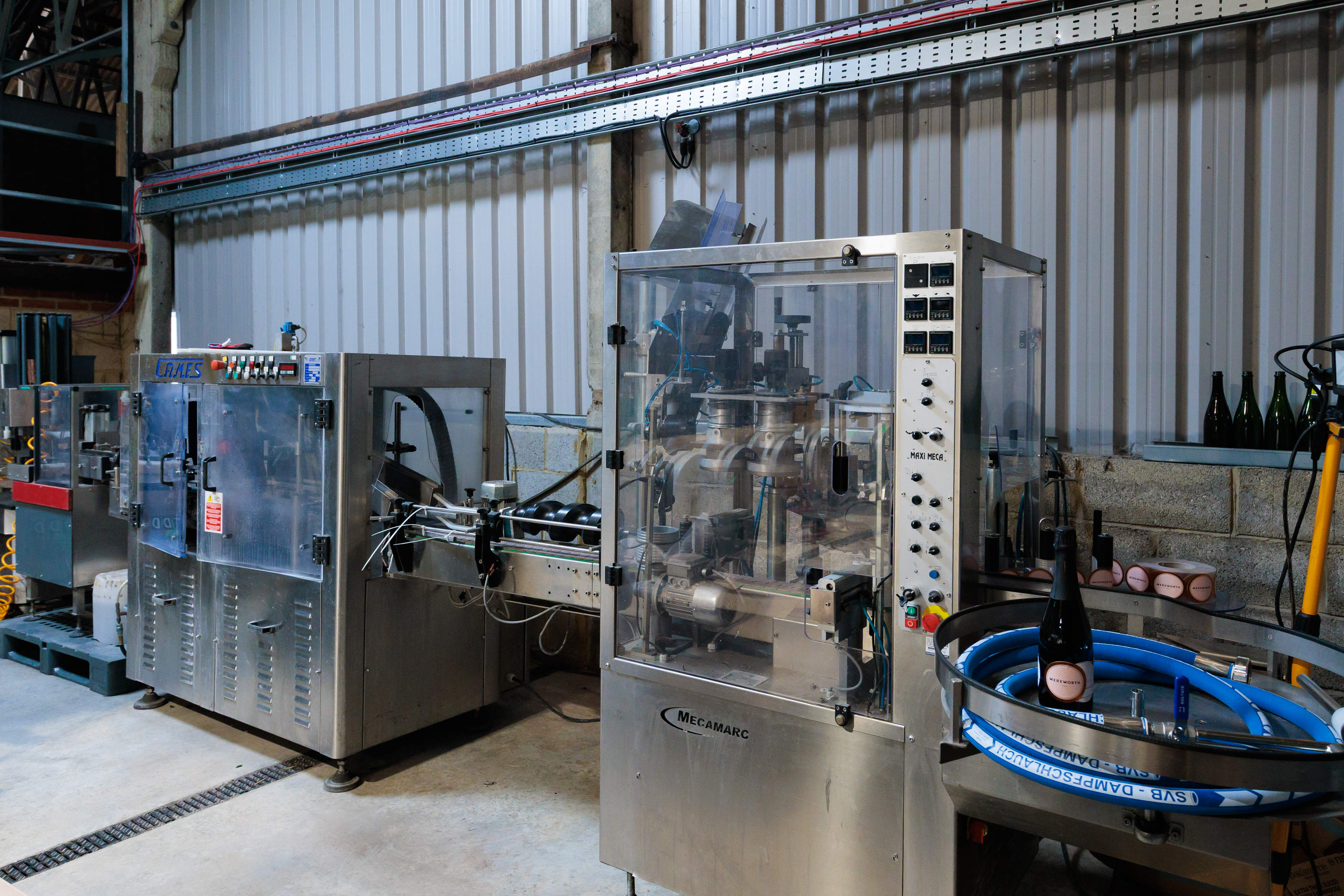
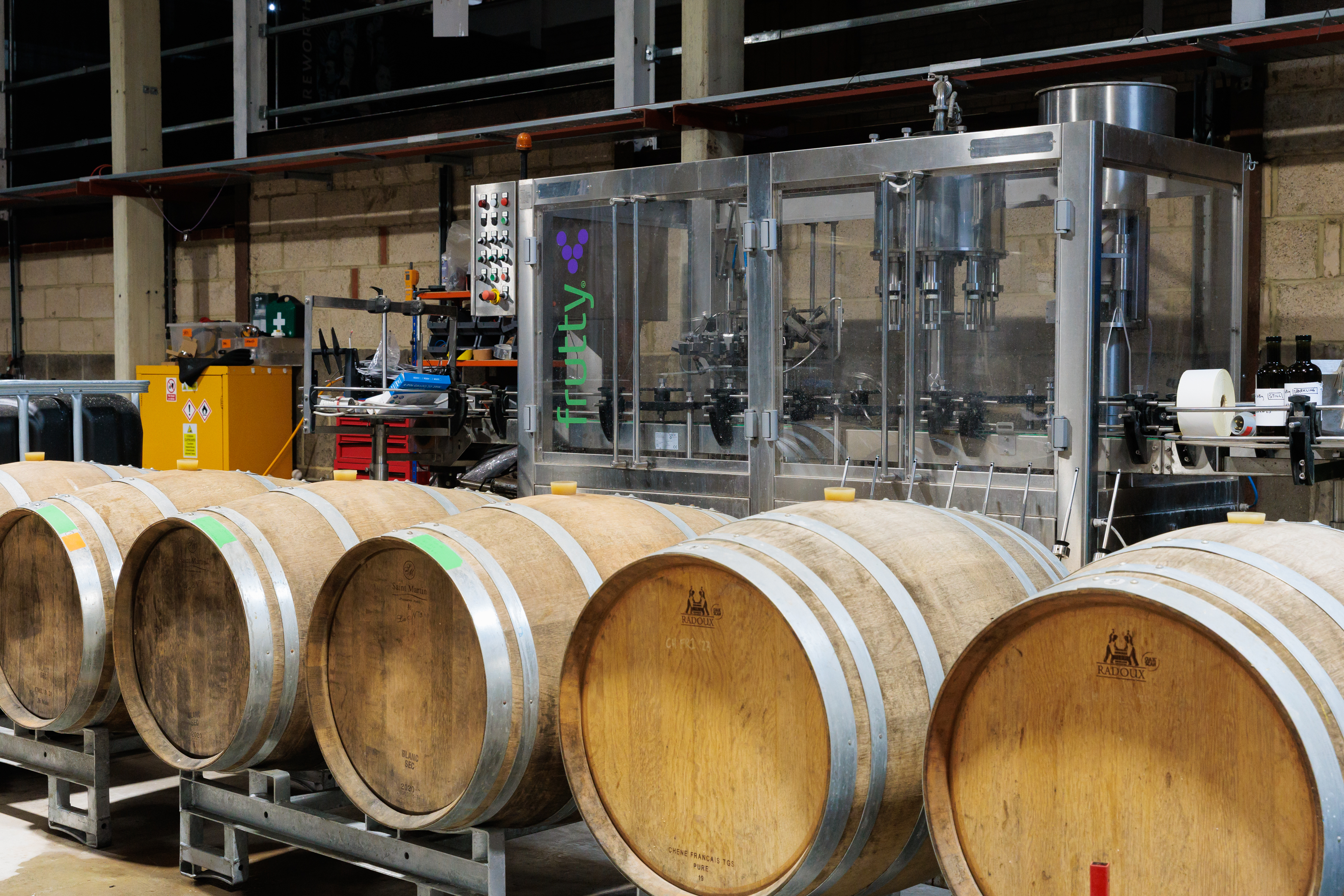
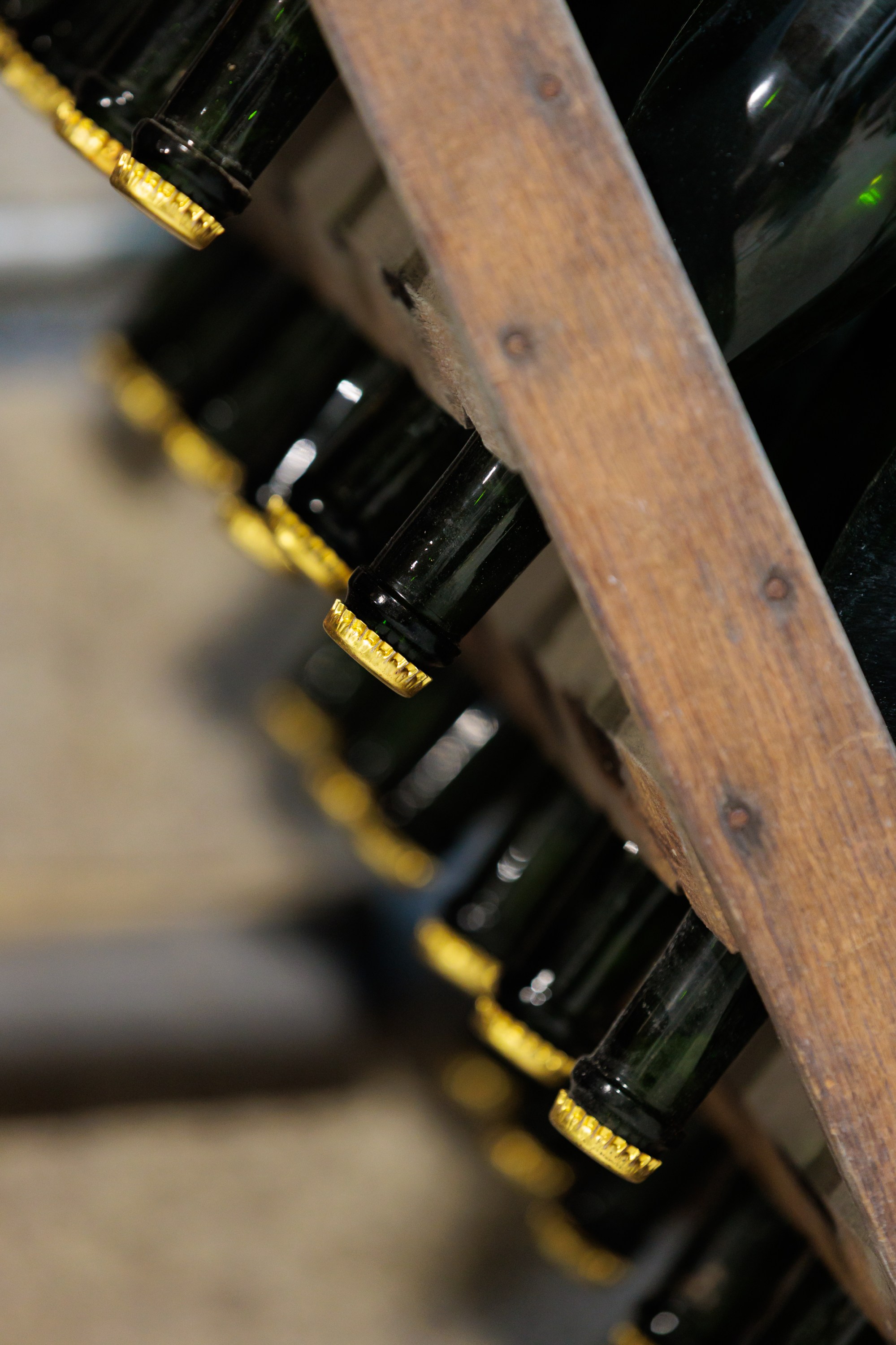
In the first year the winery has worked with varieties including Solaris, Madeline Angevine and Bacchus. Clients are being offered the opportunity to produce still and sparkling wines. The contract winery helps clients by providing services for Traditional Method sparkling wines throughout the entire process including riddling, disgorging and bottling. “We are also able to offer our contract winemaking services to clients with smaller parcels of grapes. The starting production charge is based on one tonne although it is possible for us to process volumes smaller than this but it takes the same amount of work and time to process one tonne or three quarters of a tonne so the basic charge remains the same,” explained Scott.
“We are small enough and private enough to offer our expertise to smaller businesses,” said William. “When we started we had to grow, make and sell the wine and it is important to me that we can encourage people to enter viticulture and help them enjoy the whole process,” he added with warmth in his voice.
The winery has achieved Sustainable Wines Great Britain Gold standard and all the grapes that travel through the winery are treated with this ethos with water and energy conservation at the core of the process.
“I am excited to be working with others within the industry. One of the first things we do with new clients is start at the end asking them what they want to achieve in terms of wine style, brand and client appeal. Some clients we have worked with want to produce something entirely different and others want to produce something fruit driven and reflective of their own site, it is our job to present our clients with the options and then work with each client individually to ensure that we can help them achieve their goals,” Scott explained.
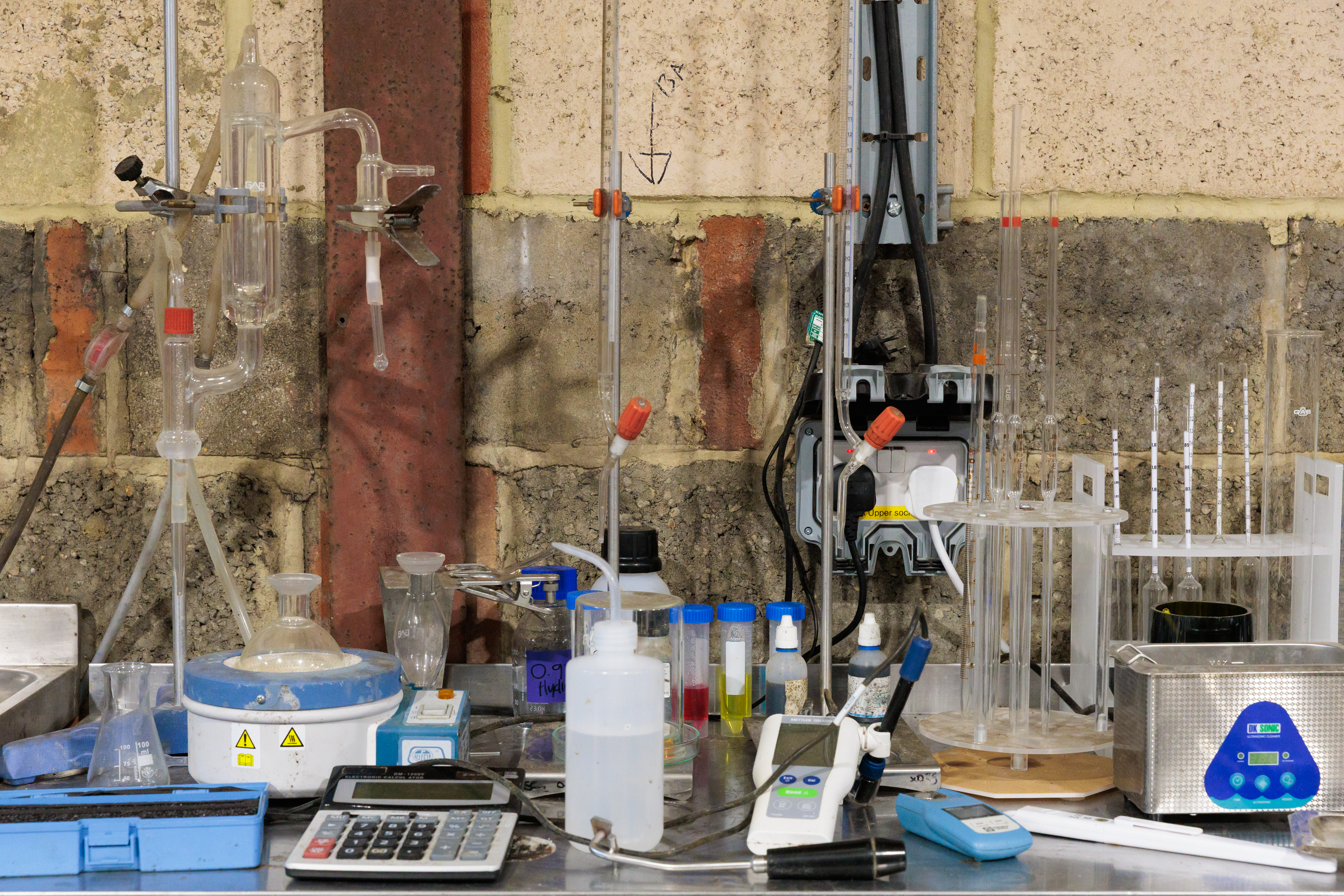
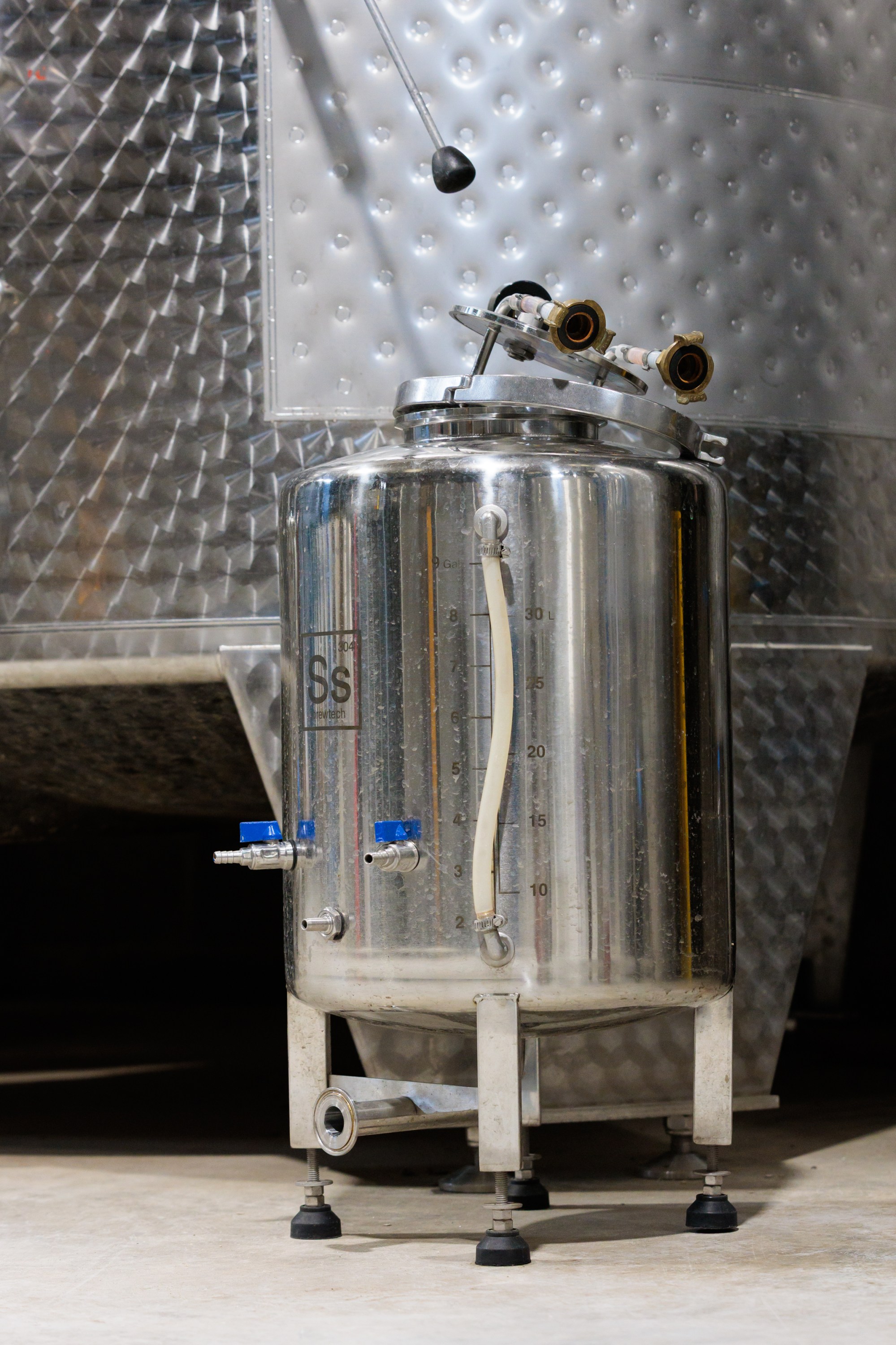
Scott helps contract winemaking clients with on-site visits designed to help them gain confidence in taking yield estimates and the process of taking samples for analysis helping clients to produce grapes that will make great wine well into the future. Within the winery there is a laboratory facility and Scott said: “Interpreting the numbers is a key part of decision making when combined with real life observations about a vineyard site, weather conditions and taste profiles of juices and wines.”
As a vineyard manager and a winemaker Scott believes that wine is made in the vineyard and good fruit makes the winemaking process a pleasure. Whilst clients are able to choose their level of engagement in the winemaking process, Scott recommends clients visit at least twice during fermentation and aging and again in the run up to bottling but because he clearly cares deeply about the wines entrusted to his care, he ensures that all clients are sent details of their wine at every significant stage of the process. “I really enjoy taking people through the journey of their wine,” he said with emotion in his voice.
“We are more than a contract winemaker, with our hospitality venue we are offering clients a showcase for English wine, a place where English wine can be celebrated and enjoyed within a community,” explained Scott.
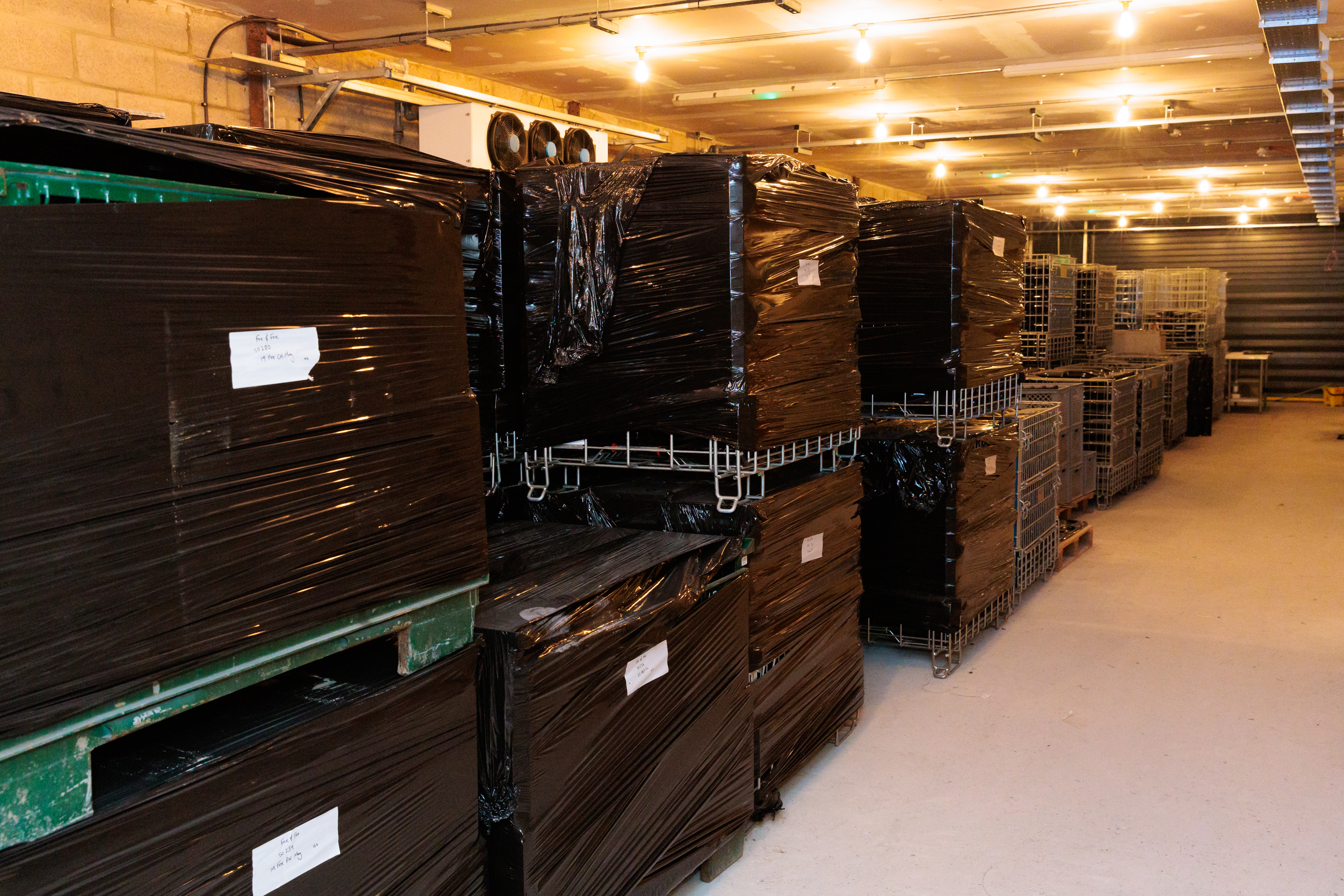
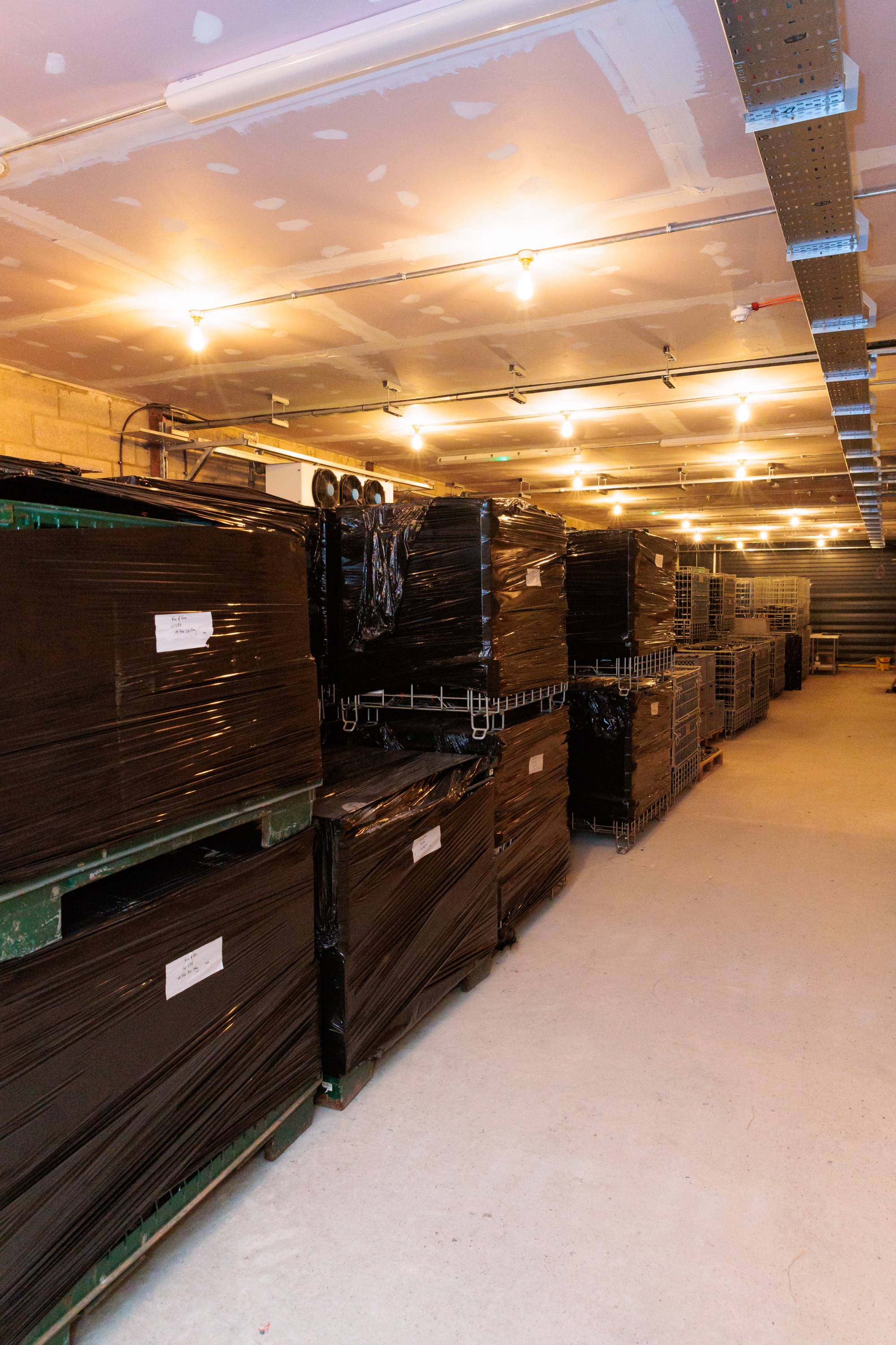
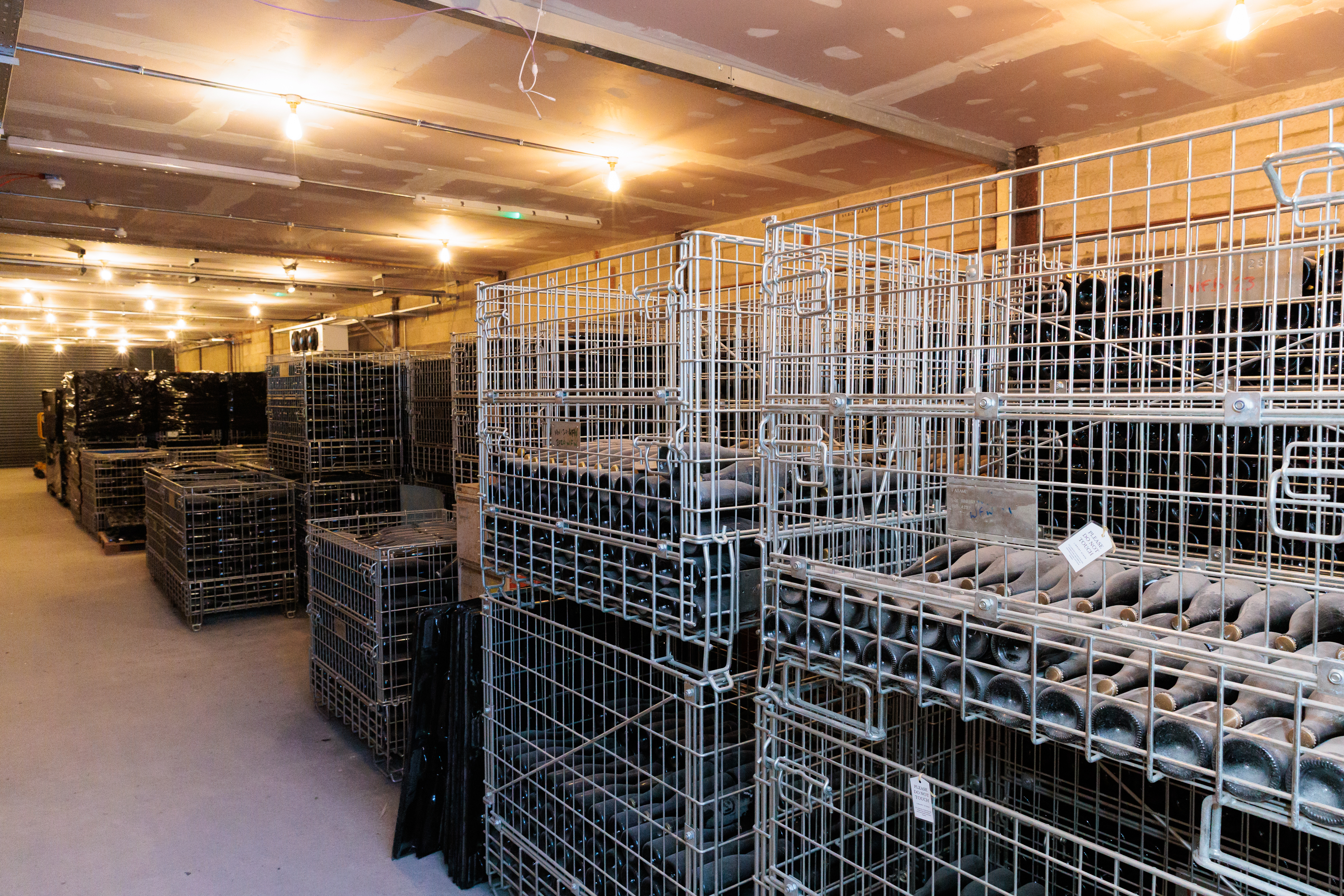
In line with other aspects of the business the winery has plans that will see the offer of storage facilities for clients and other local vineyards. “This is a vital service that many vineyards within the growing industry require,” concluded Scott.
It is part of the fabric at Mereworth that providing support for all aspects of the wine community and the wider agricultural sector is a responsibility. “The rising tide raises all boats,” was the sentiment from William Boscawen. With its prominent location raising the profile of English wine not just as a novelty but as the heart of a community and its ability to offer a wealth of winemaking to support others within the sector, the growing possibilities at Mereworth are really exciting.
Photos: © Martin Apps, Countrywide Photographic







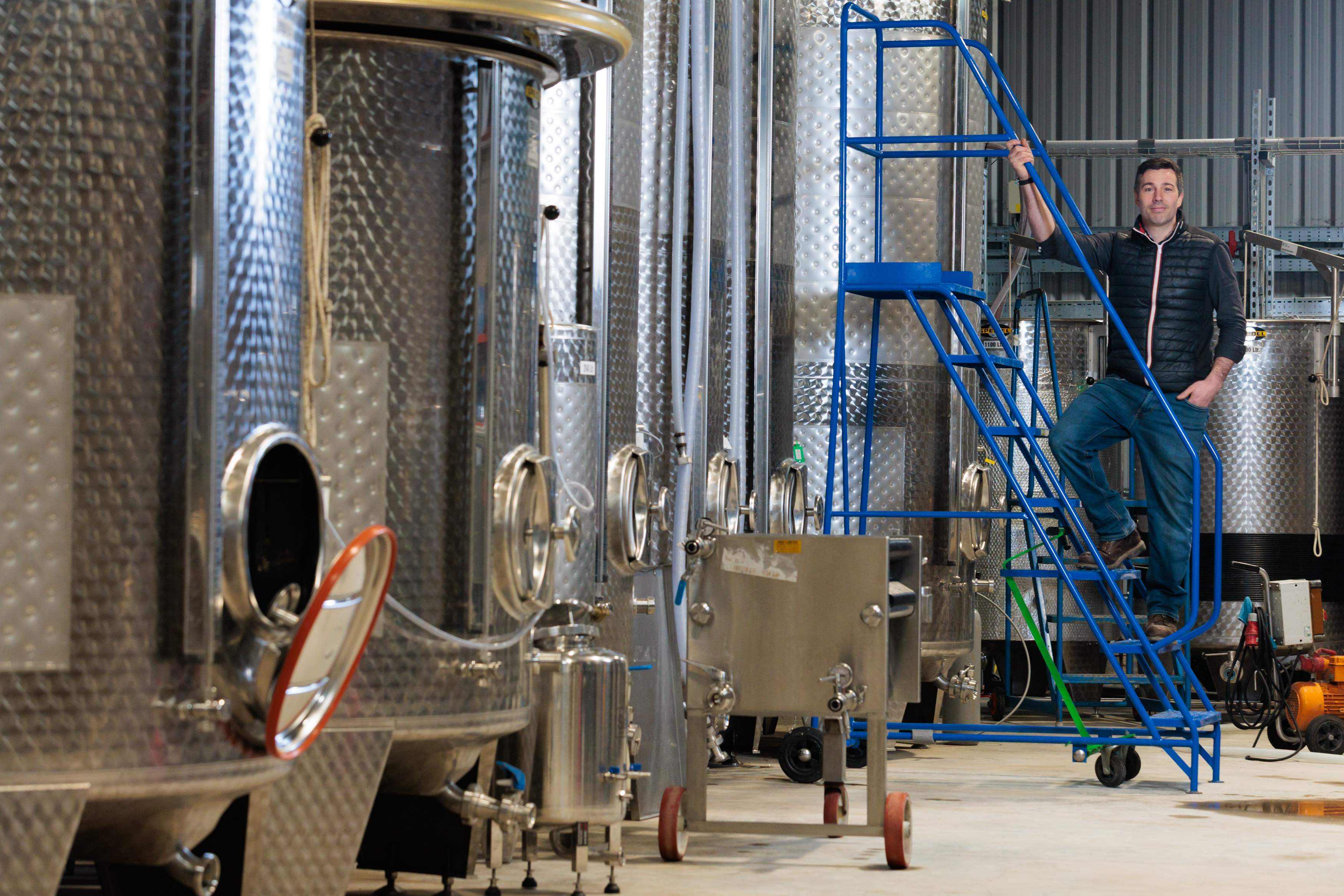
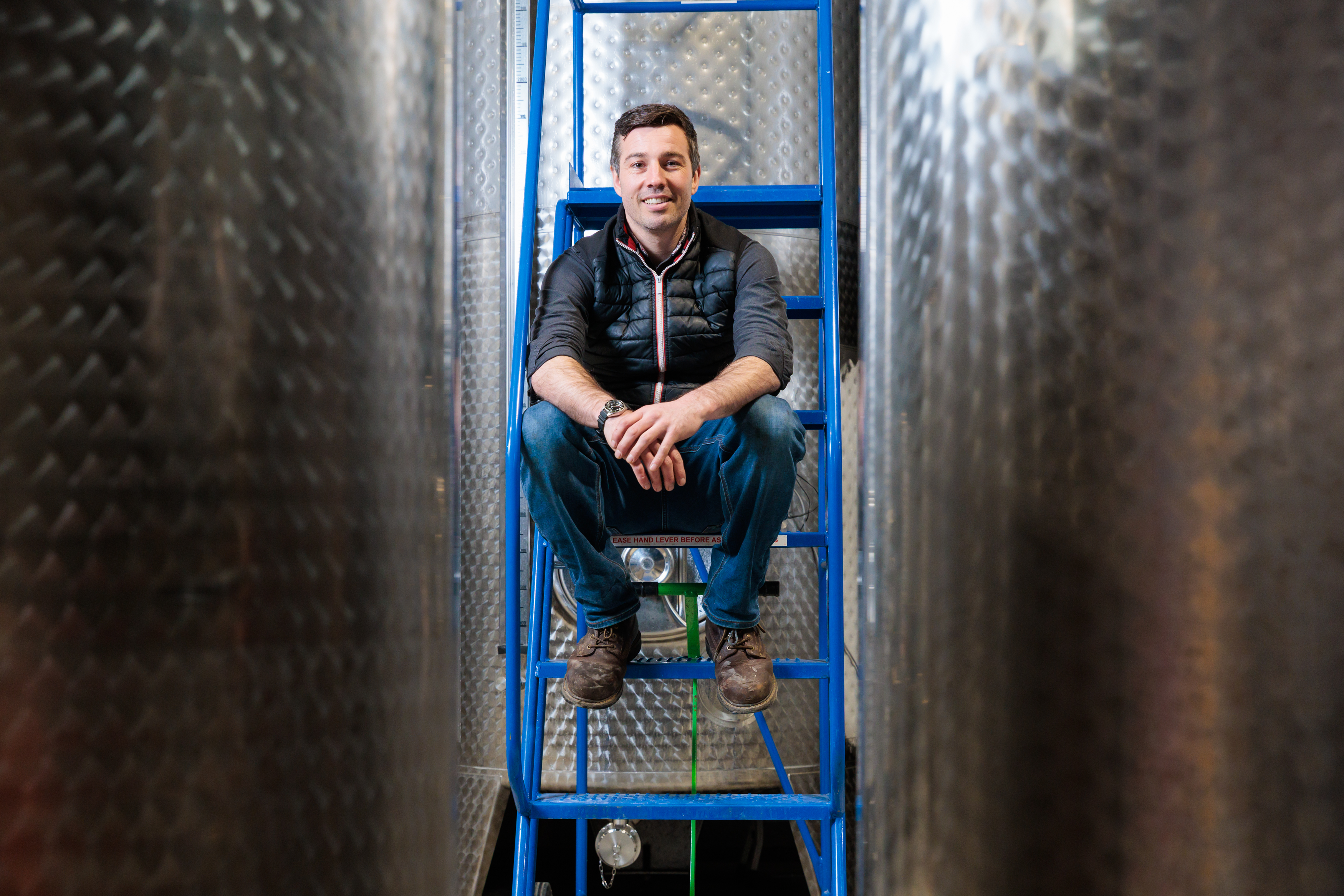
Scott Gebbie
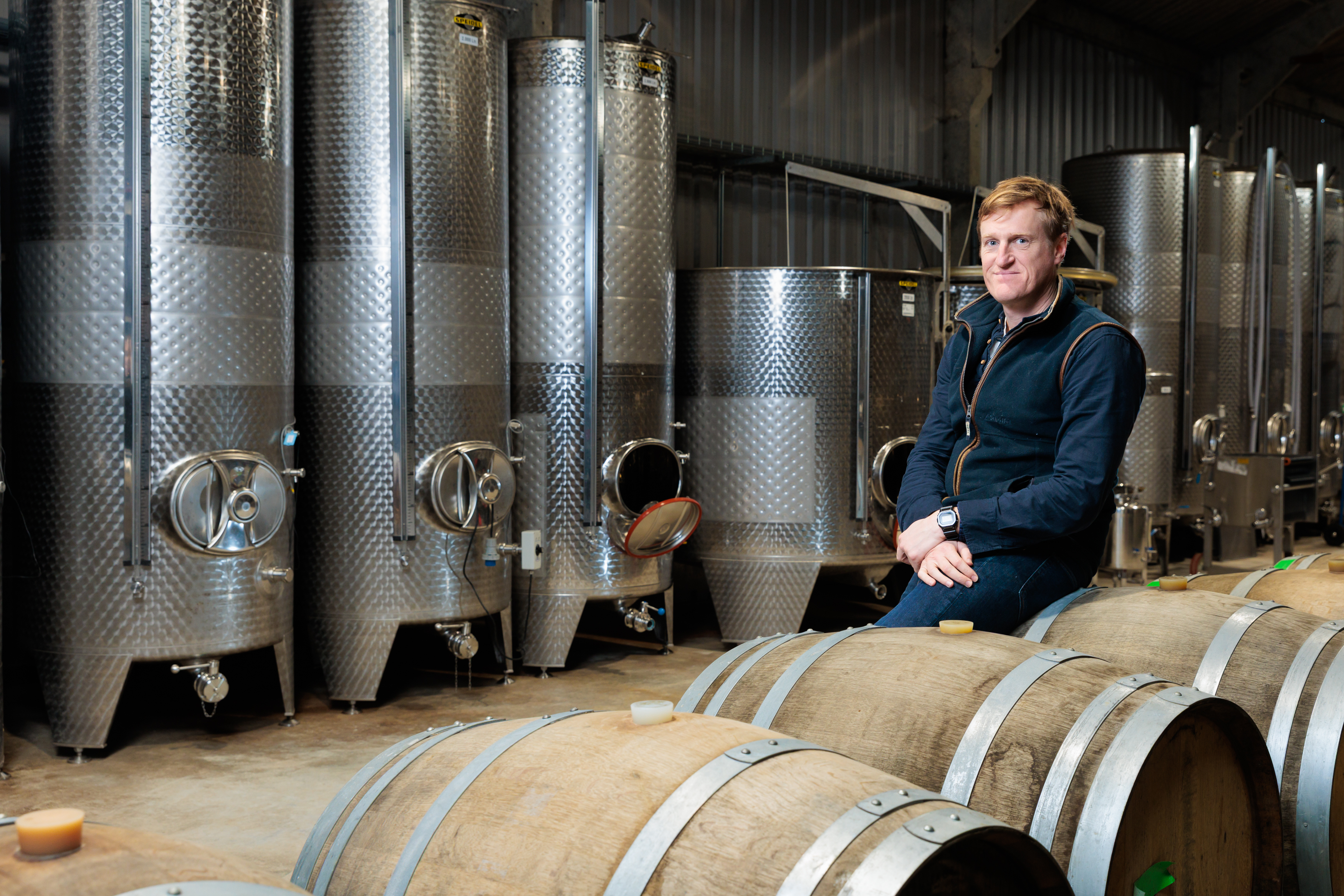
William Boscawen