

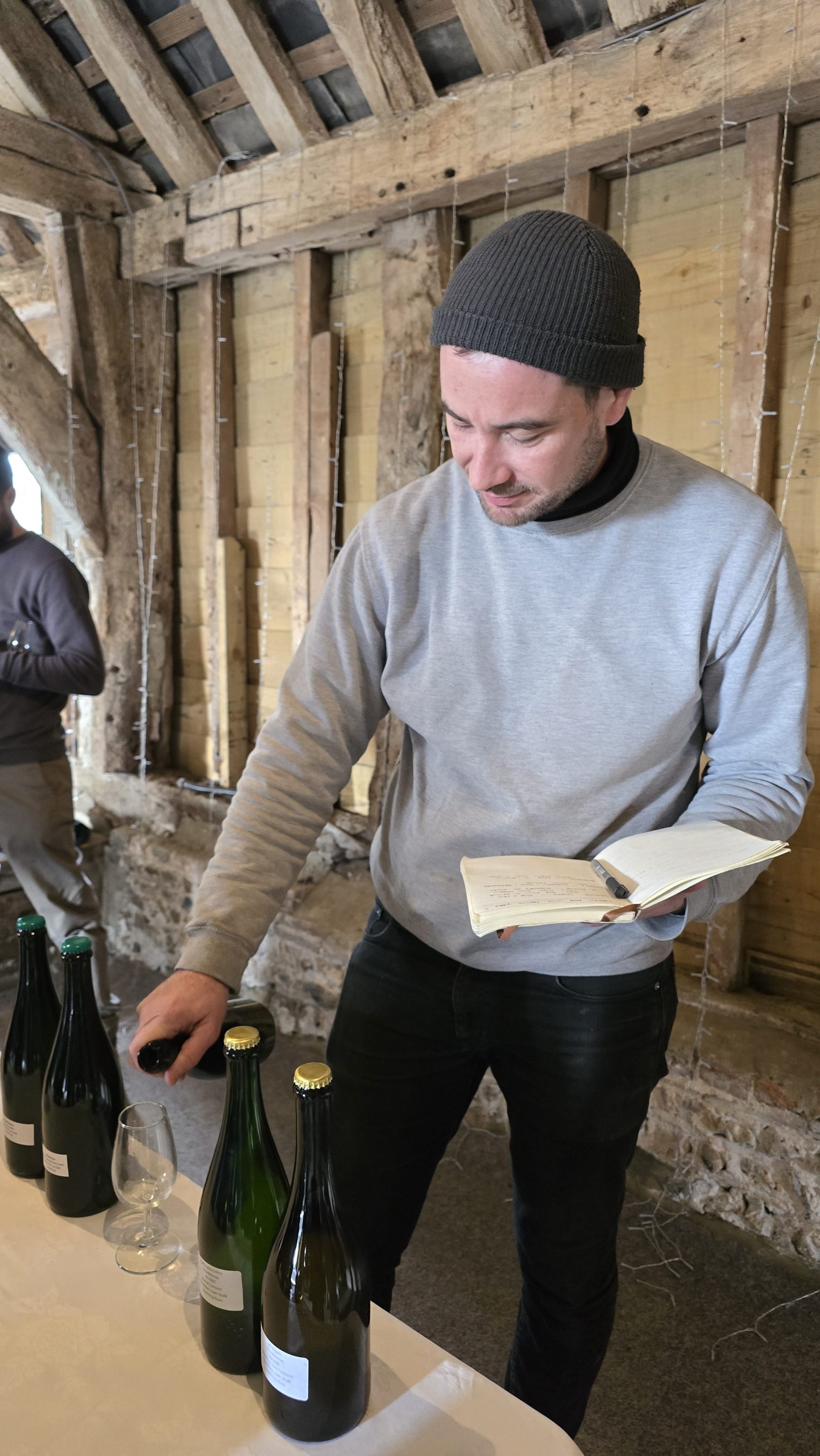
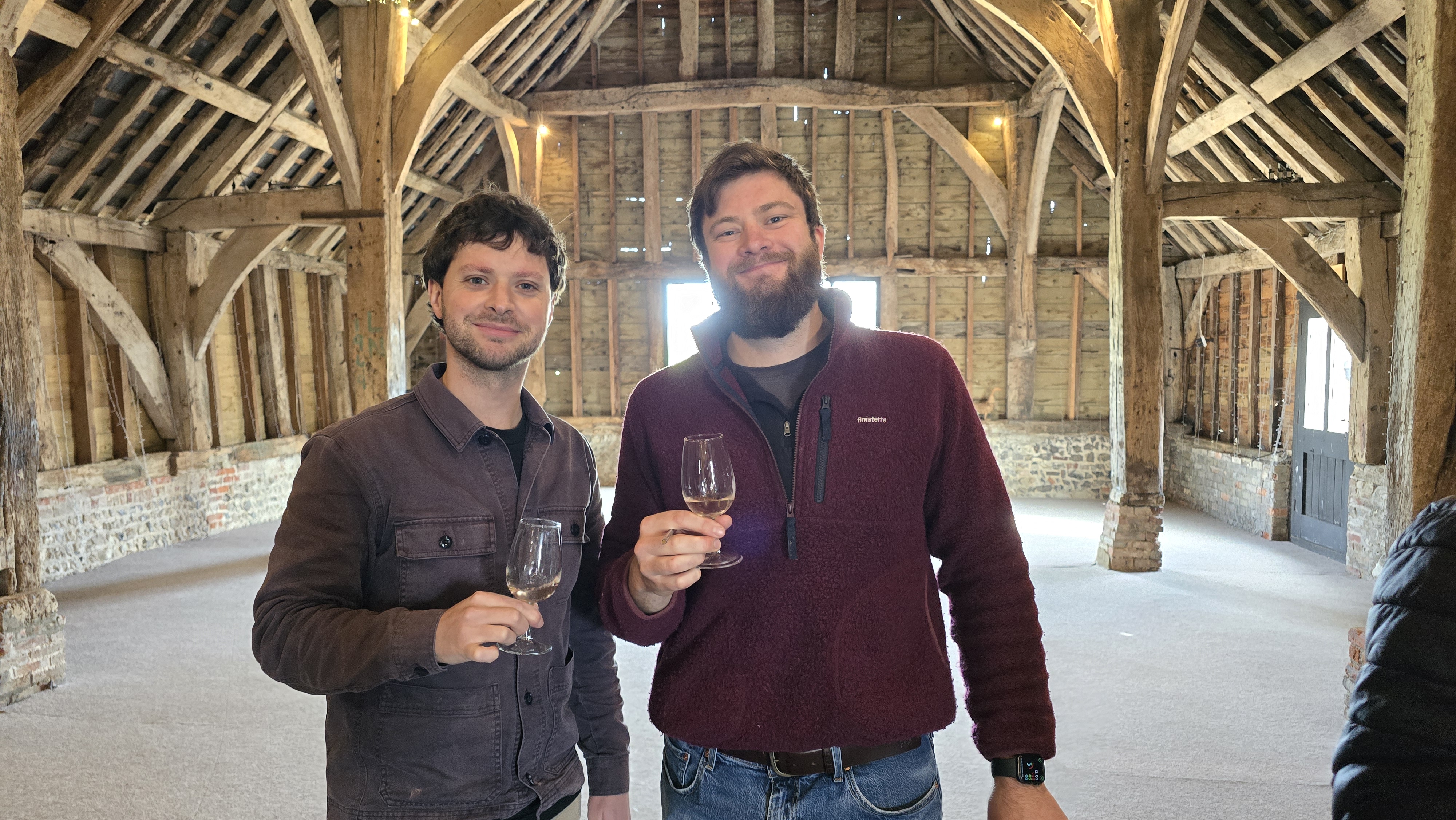
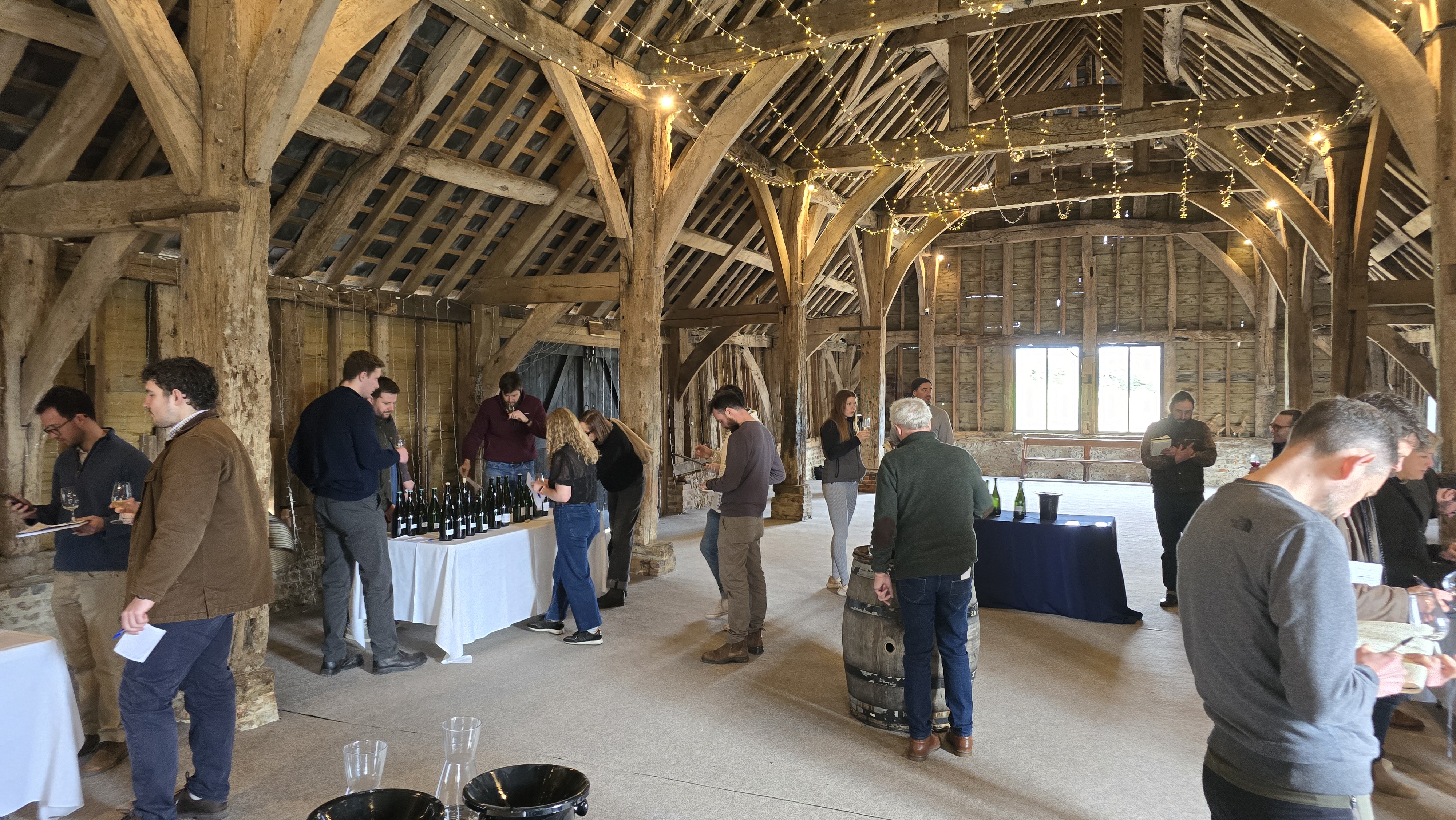
The second edition of the WineGB Wessex Base Wine Tasting took place at Pinglestone Farm in Alresford, Hampshire, home of Louis Pommery England, offering a rare opportunity to examine the building blocks of English sparkling wine before secondary fermentation begins. For those of us invited to attend, it was a chance to taste potential rather than polish.
WineGB Wessex represents a regional collective of over 70 artisan producers spanning Dorset, Hampshire, the Isle of Wight and Wiltshire. This corner of England carries a rich history of viticulture and some genuinely compelling geology. Large straits of chalk, stoney flint, clay caps and other diverse soils all come into conversation here. Tasting across these geological differences in one room is exactly the kind of exercise that starts to reveal what this region is truly capable of.
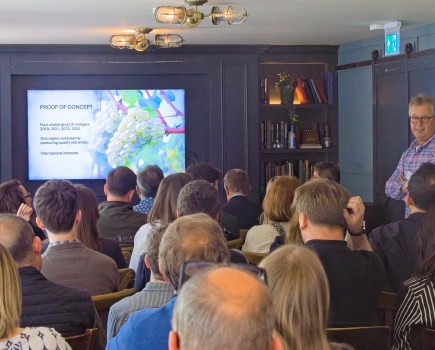
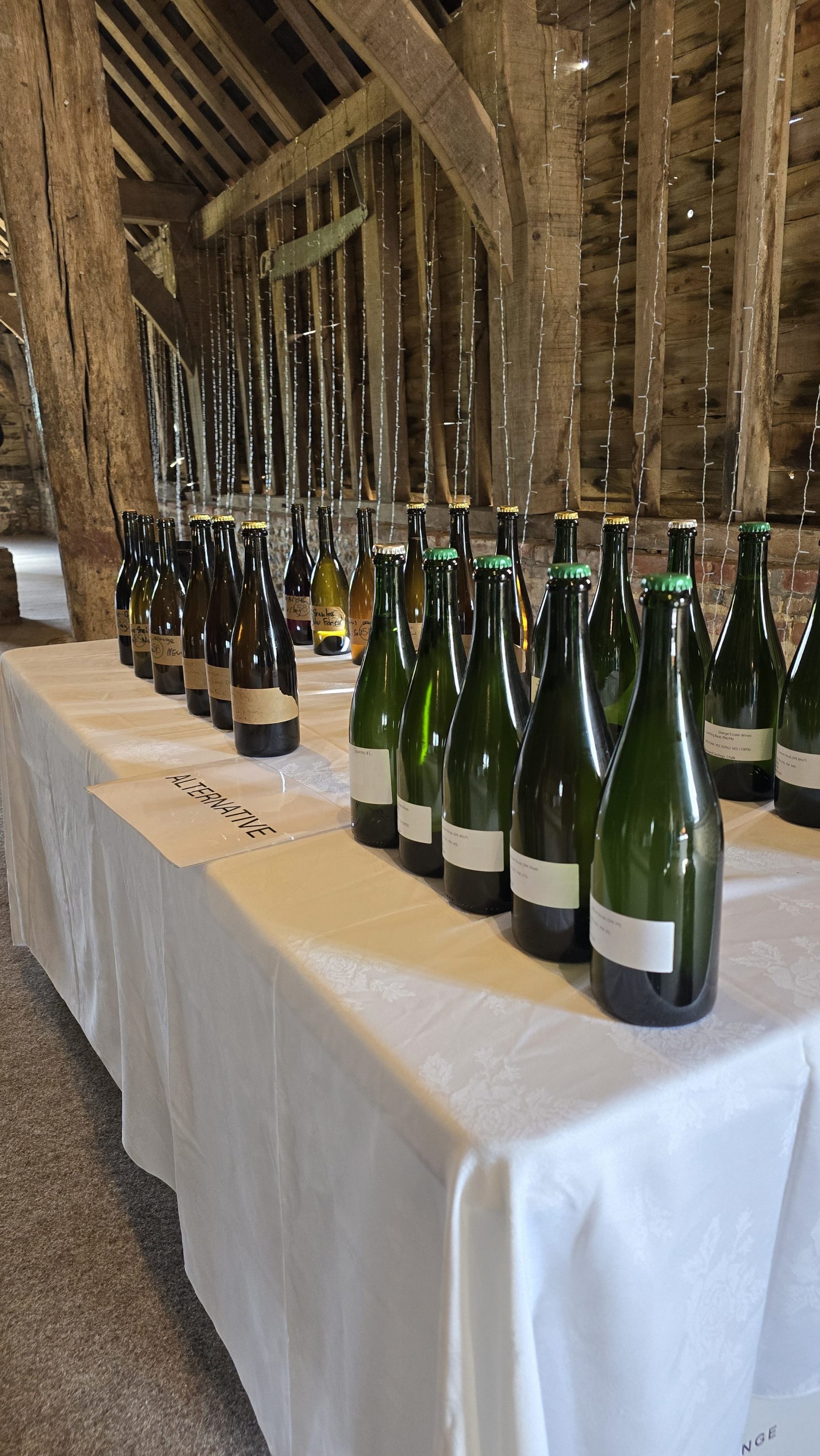
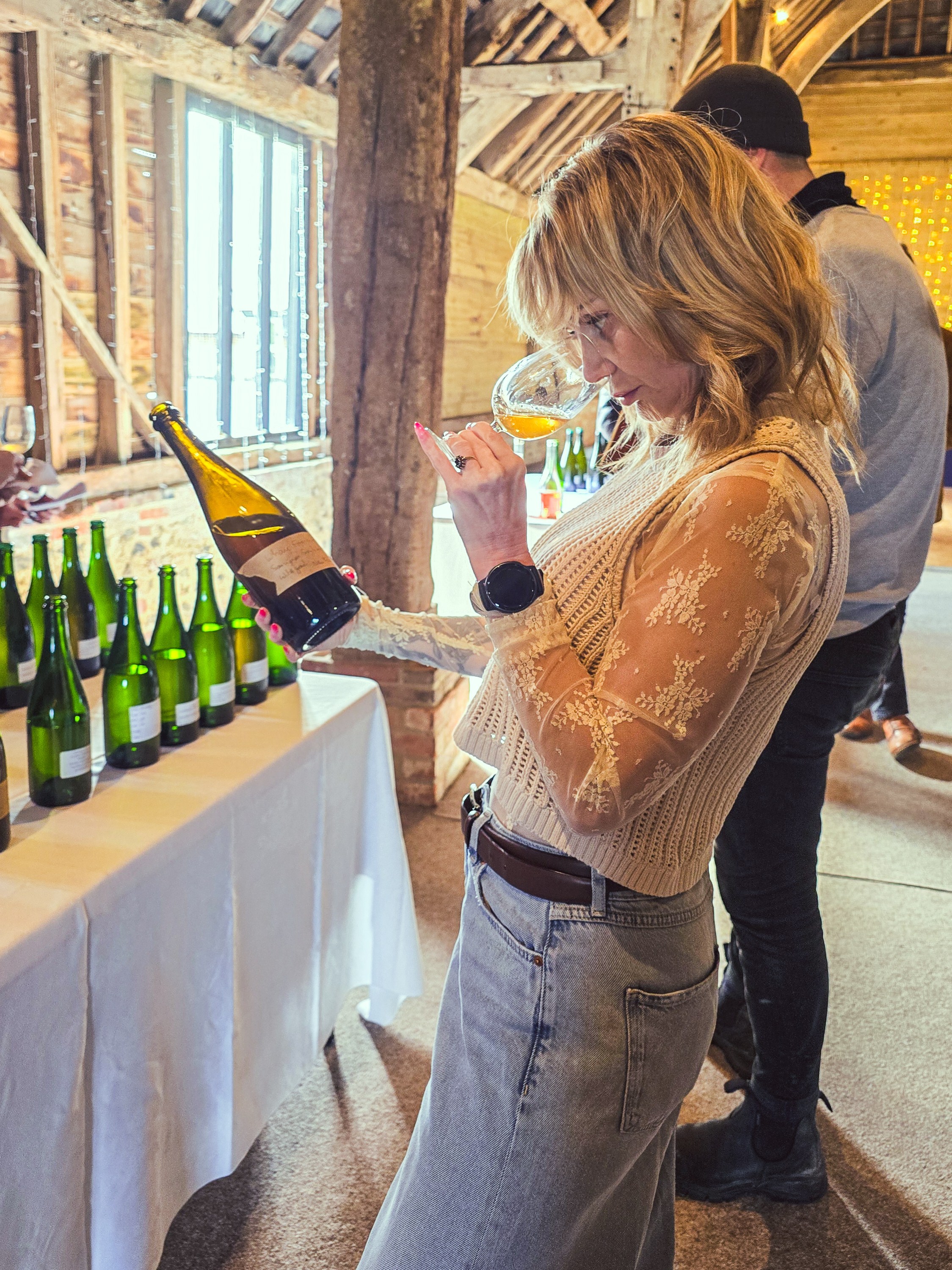
Will Perkins, head winemaker for Louis Pommery England, delivered an introduction that set the scene before we moved into the wines themselves. These were base wines in their rawest form: unfiltered, unfined, straight from tank or barrel before lees ageing, before oak ageing, before any of the finishing work that shapes a final style. High acidity, tight structure, rough edges. But that’s the point. You’re tasting potential.
The format allowed producers to showcase either single varietal expressions or final base wine blends from the remarkable 2025 growing season. This flexibility acknowledged the reality of production timelines while maintaining the educational intent of the tasting.
What makes this event valuable is the “Troubleshoot” table. This is where the real educational and exploratory aspect lies, and it has the potential to raise qualitative levels across the board. The organisers have worked to create an environment where producers feel willing and vulnerable enough to share their trials and tribulations, celebrating experimentation and pushing boundaries to glean feedback and learn alongside one another.
Oak barrel fermentation, regional vintage comparison, grape variety selection across different soil types: these are the threads that, over time, build a thumbprint for a region. An open platform to ask the big winemaking questions and start piecing together the blueprint.
English wine is still defining itself, still working out what its regions mean and how terroir expresses itself across different geological pockets. Events like this, where producers come together to taste, question and troubleshoot, are how that understanding deepens. It’s not about marketing or finished product. It’s about the foundational work that will shape the quality and character of English wine for years to come.
The Wessex region deserves attention. The geology is there, the producers are committed, and the willingness to share knowledge openly suggests a maturity that will serve the collective well. Tasting these base wines offered genuine insight into where English sparkling wine is heading, one raw, unfinished sample at a time.

For more like this, sign up for the FREE Vineyard newsletter here and receive all the latest viticulture news, reviews and insight