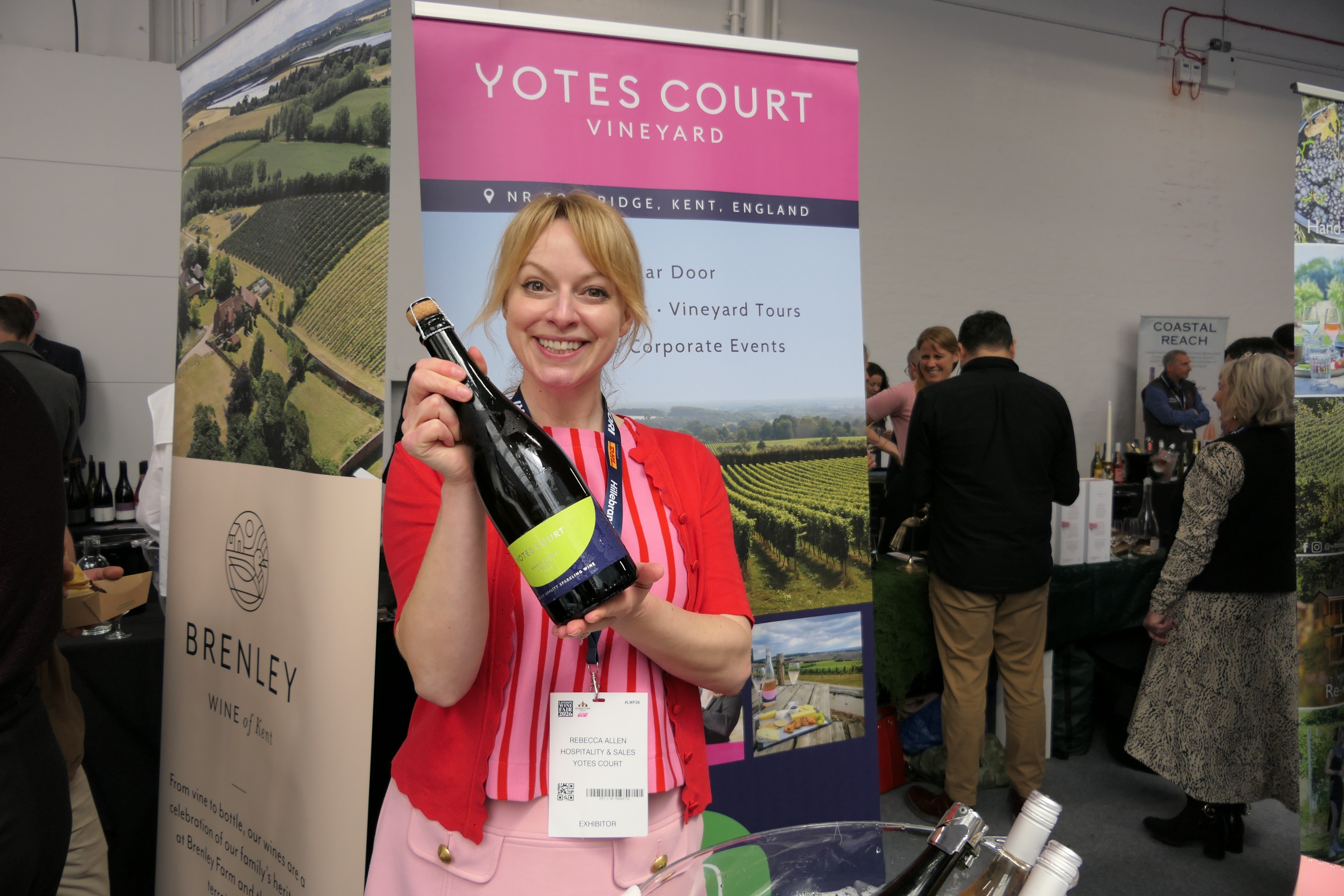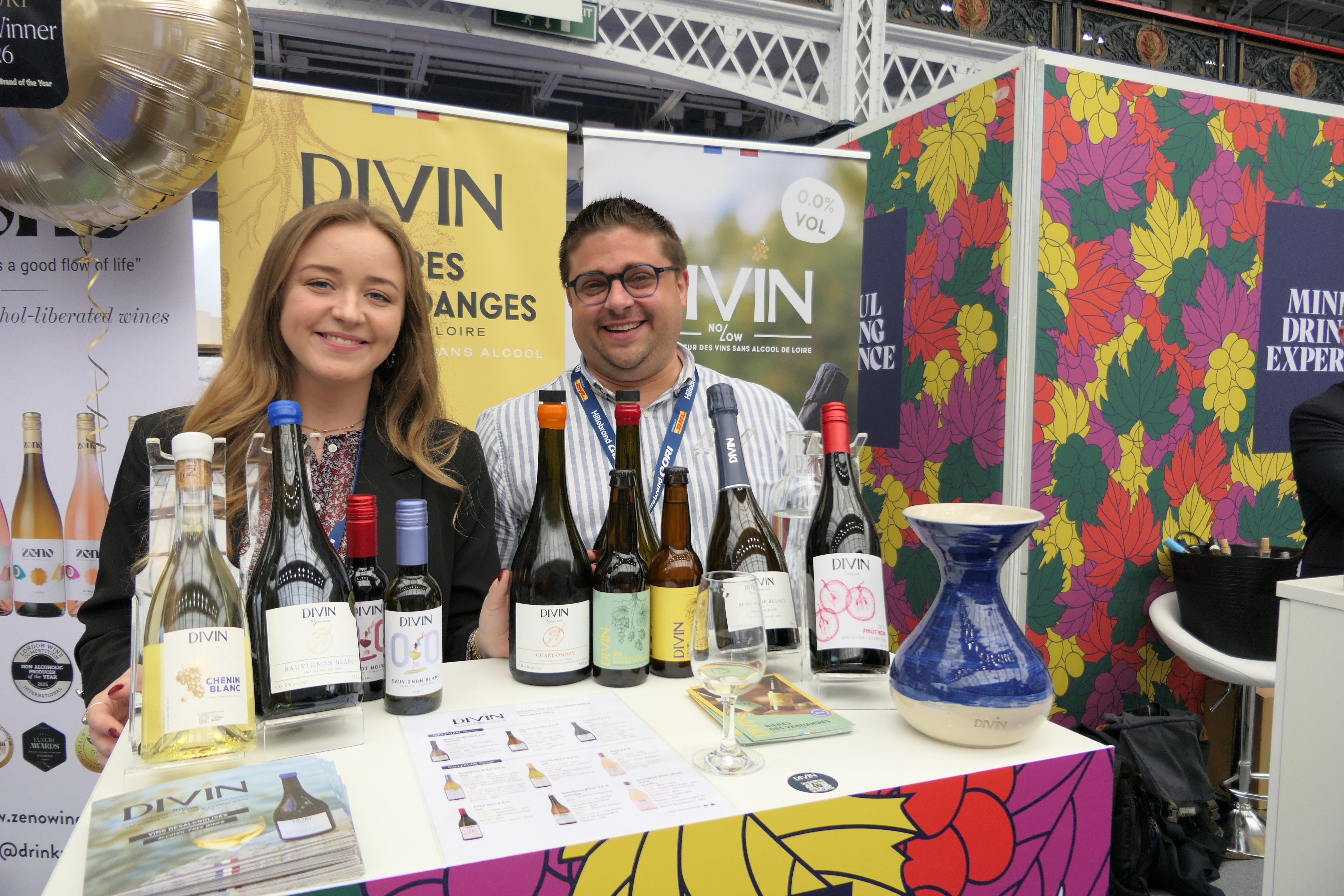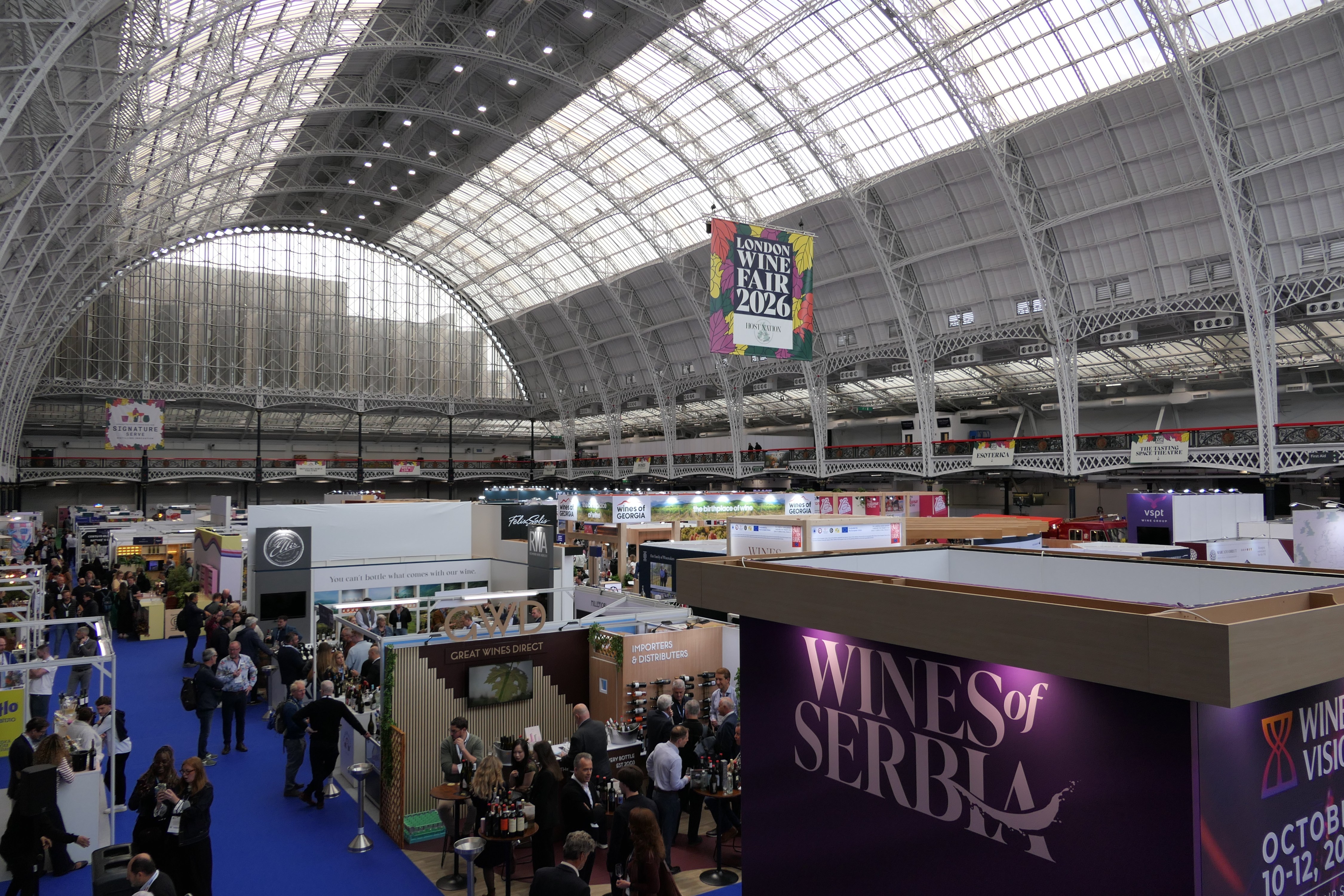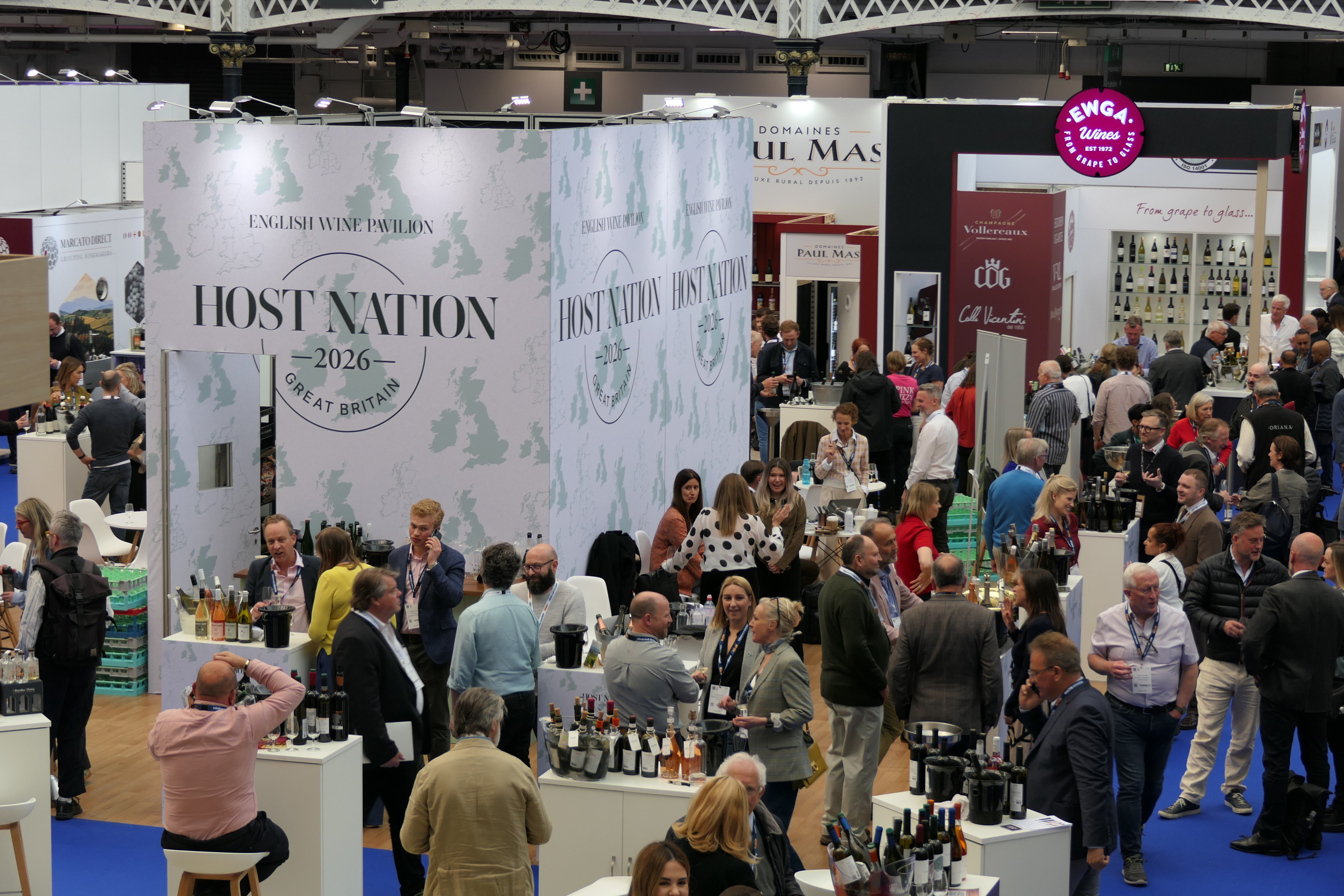

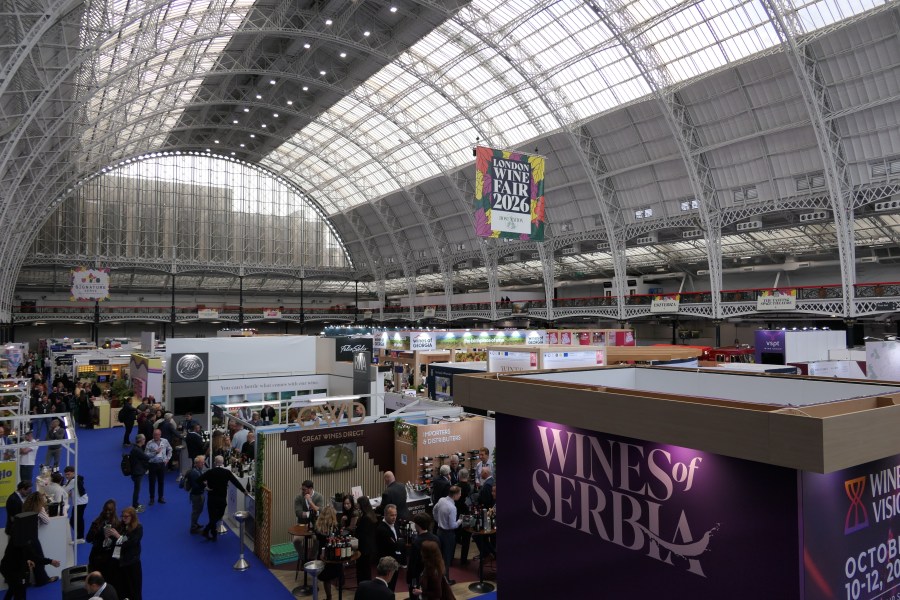
The London Wine Fair took place at Olympia from 18-20 May. Then the inaugural Host Nation event featuring England and Wales allowed Vineyard magazine to experience the wonderful atmosphere of an international stage full of the best of English and Welsh producers showcasing a wonderful array of wine styles and grape varieties – each unique, individual and with a story to tell.
On Tuesday 19 May the London Wine Fair was host to an area dedicated to the producers of contract winemaker Defined Wines. The pop up area had a constant stream of visitors throughout the day and Vineyard magazine caught up With Henry Sugden to hear his thoughts on the show.
“This has been a great opportunity to make the trade realise just how diverse and vibrant the English and Welsh wine community is. This is the London Wine Fair, if the local trade do not find English and Welsh producers here then we are not normalising the sector,” explained Henry. There certainly were plenty of trade buyers, writers and sommeliers and “it would be fair to say a whole new audience has been introduced to English and Welsh wine,” said Henry.
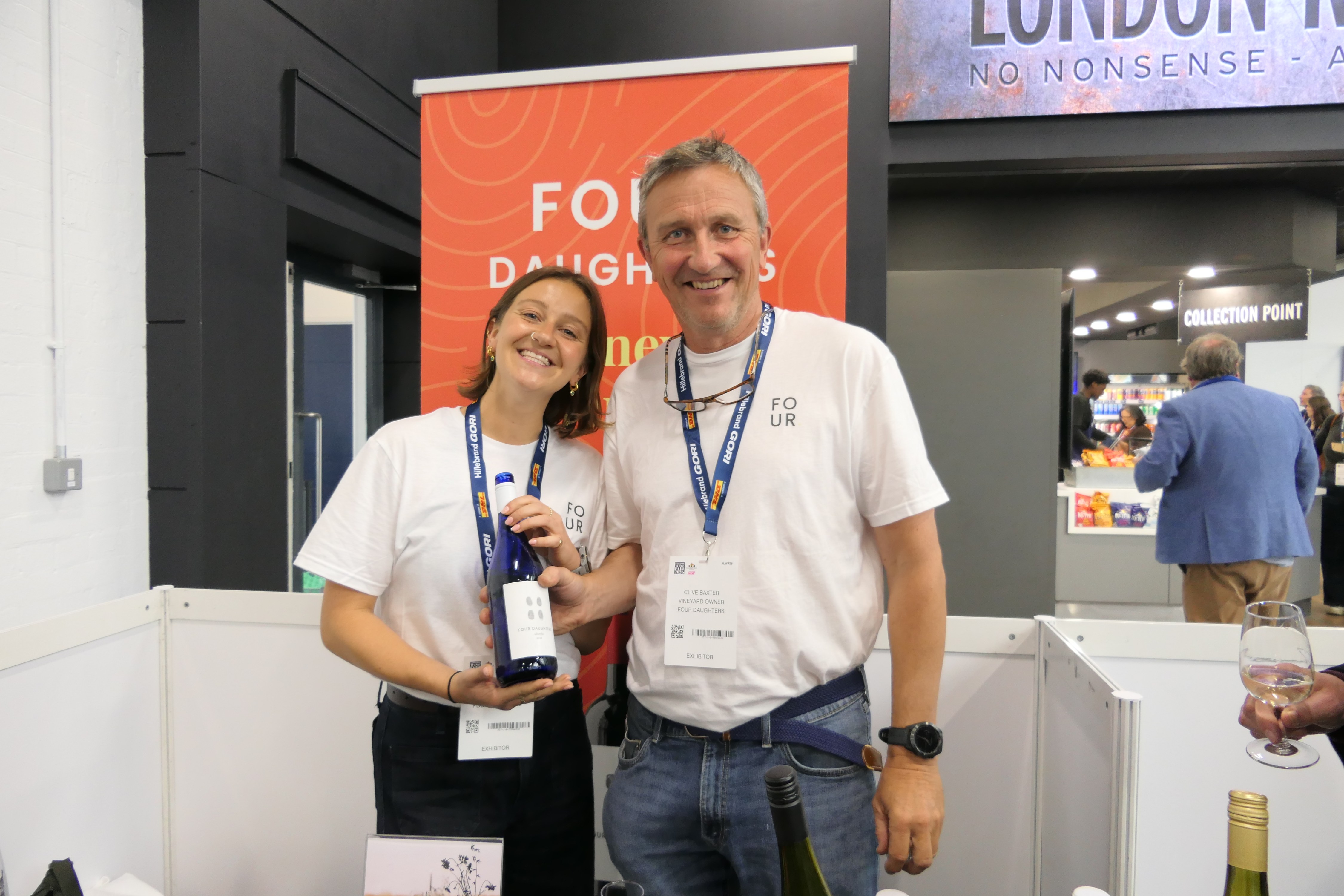
Among the 22 brands that were part of the Defined Wine pop up Vineyard magazine chatted to Lucy Baxter who was showcasing the Four Daughters Albarino 2025. The wine now has an eye catching blue bottle which matches this unusual varietal choice. The wine is bursting with notes of citrus which is also complemented by the bottle choice. Speaking about taking part in the pop up Lucy Baxter said: “This has been an excellent showcase and Defined Wine have put in so much effort.”
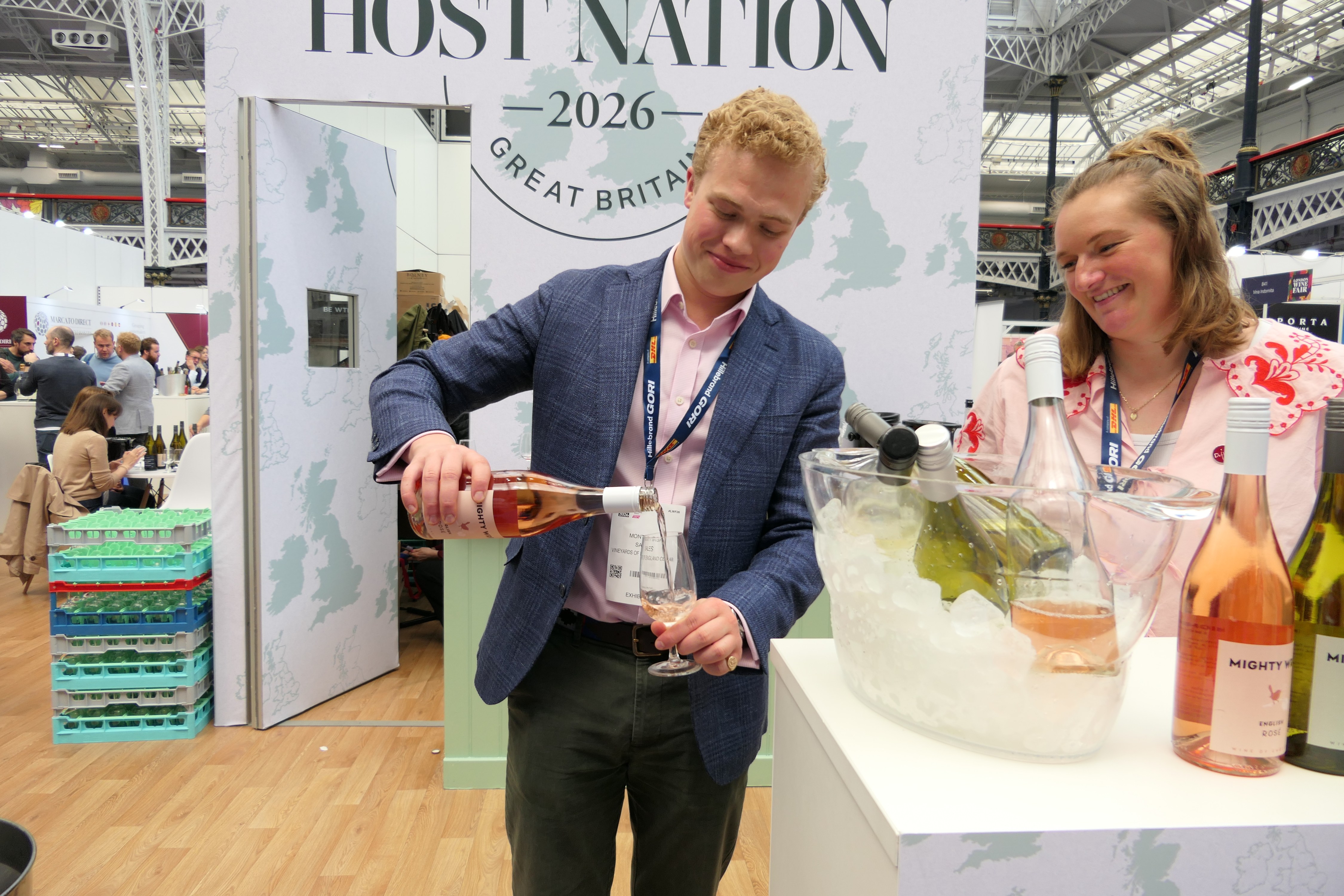
Visiting the London Wine Fair for the first time was the newly launched brand the Mighty Wren. Monty Irish of the Vineyards of England Cellar explained that through a cooperative of four English growers The Mighty Wren has been designed to introduce English wine to the on-trade at a lower price point. With a Red, White and Rosé in the offering the brand is able to travel a full dinner menu but with an on-trade price point of £4-£5 this wine will also make an excellent by the glass offering. The rosé in particular was outstanding. 100% Pinot Noir with 11.5% alcohol the wine has been allowed to undergo malolactic conversion and the result is smoothness balanced with a fruit nose that will give this wine a broad appeal. The idea of offering this wine by the glass on any wine list will work towards “normalising English wine to the wine trade” as Henry Sugden so eloquently explained.
It seemed that around every corner there was another opportunity to become acquainted with the wines of England and Wales. Walking past the Everflhyt stand Luke Spalding was chatting with a steady stream of interested visitors and this pattern was repeated at Williams Family wines and many others around the fantastic venue. Just round the corner, The Uncommon, Sandridge Barton, Bluebell Vineyard Estates, Court Garden Vineyard and House of Coren among others were all part of the impressive WineGB stand for the three days of the show.
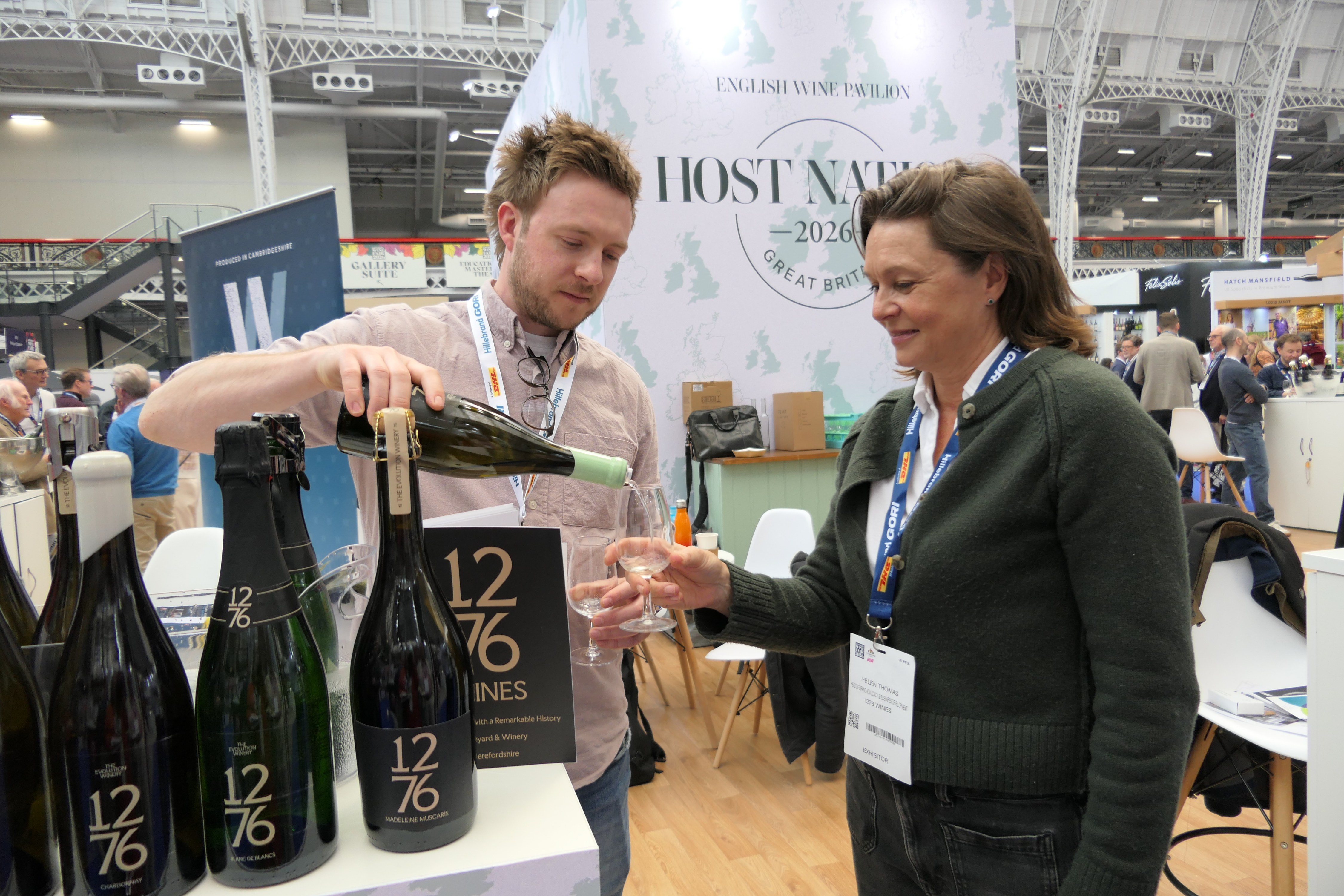
The IWC 2026 trophy winning Chardonnay from 1276 Wines was another highlight of the London Wine Fair with the team on hand to discuss an array of exciting wines in front of a packed crowd. Alongside the Chardonnay was a variety of other exciting wines to try and the team were inundated with enquiries. One wine of note was the Madeline Muscaris Brut NV comprising of 26% Madeline Angevine 69% Muscaris and 5% Chardonnay with five bar pressure this wine has an appealing fruit forward, citrus style.
The London Wine fair is always able to provide visitors with something a bit different and this year was no exception.
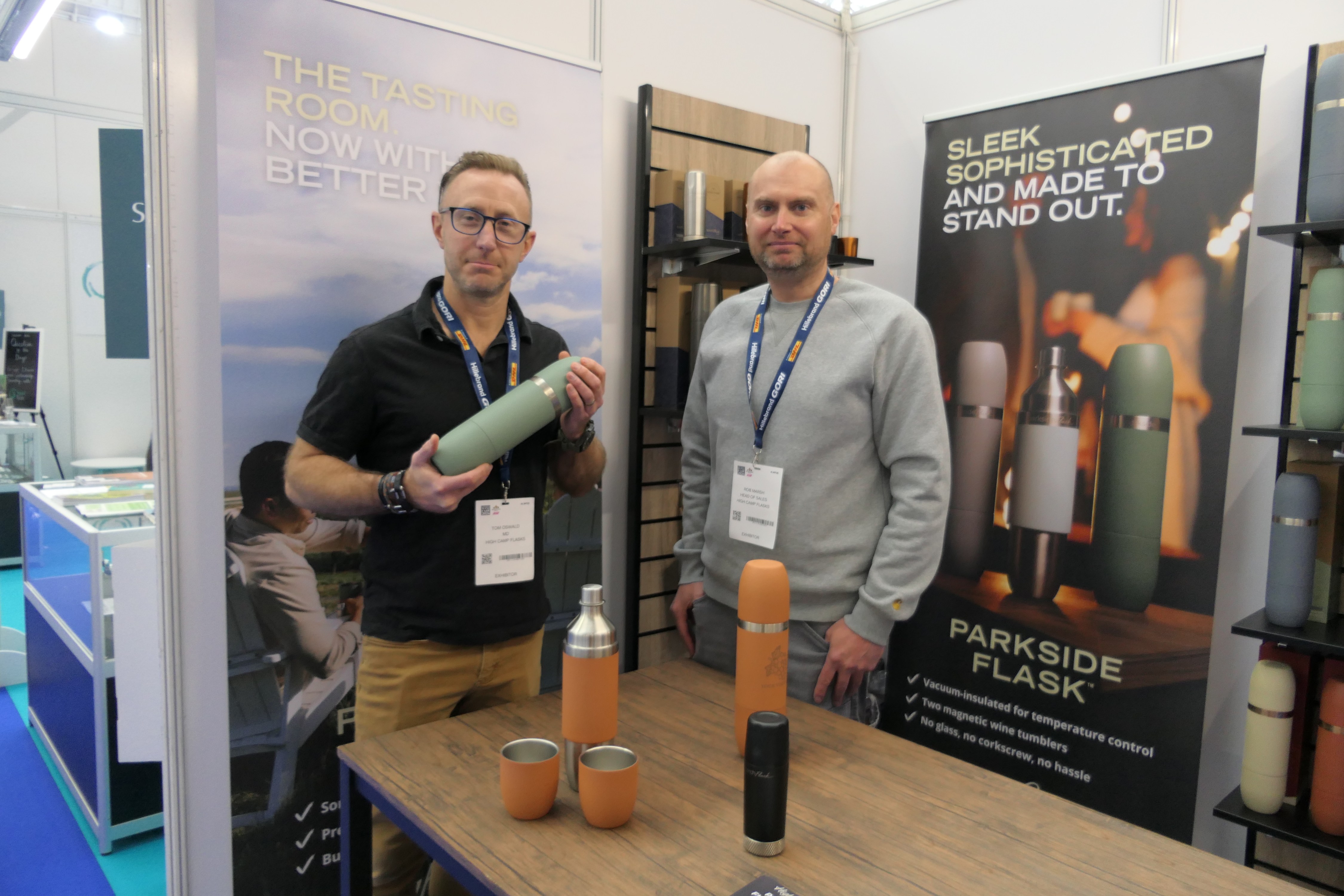
High Camp Flasks were at the London Wine Fair for the first time showcasing a fully brandable wine flask that would be perfect for vineyards that offer a picnic amongst the vines with a returnable basket scheme. Rob Marsh of High Camp flasks explained that the Parkside flask holds a full bottle of white wine at a cool temperature in a stainless steel material that perfectly preserves the wines flavour profile and has two cups seamlessly integrated into the design. “The product has been designed to embrace the outdoor experience,” said Rob.
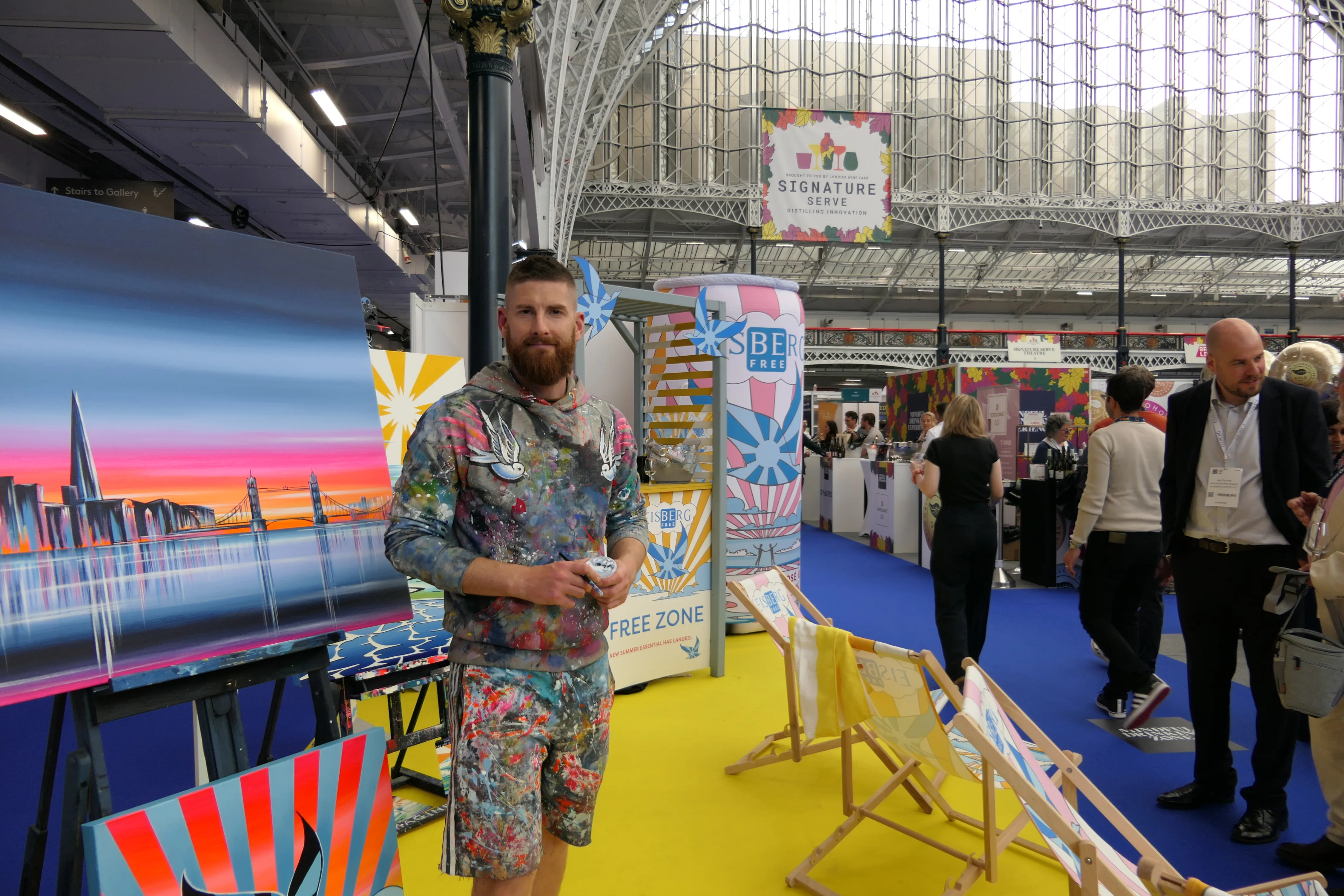
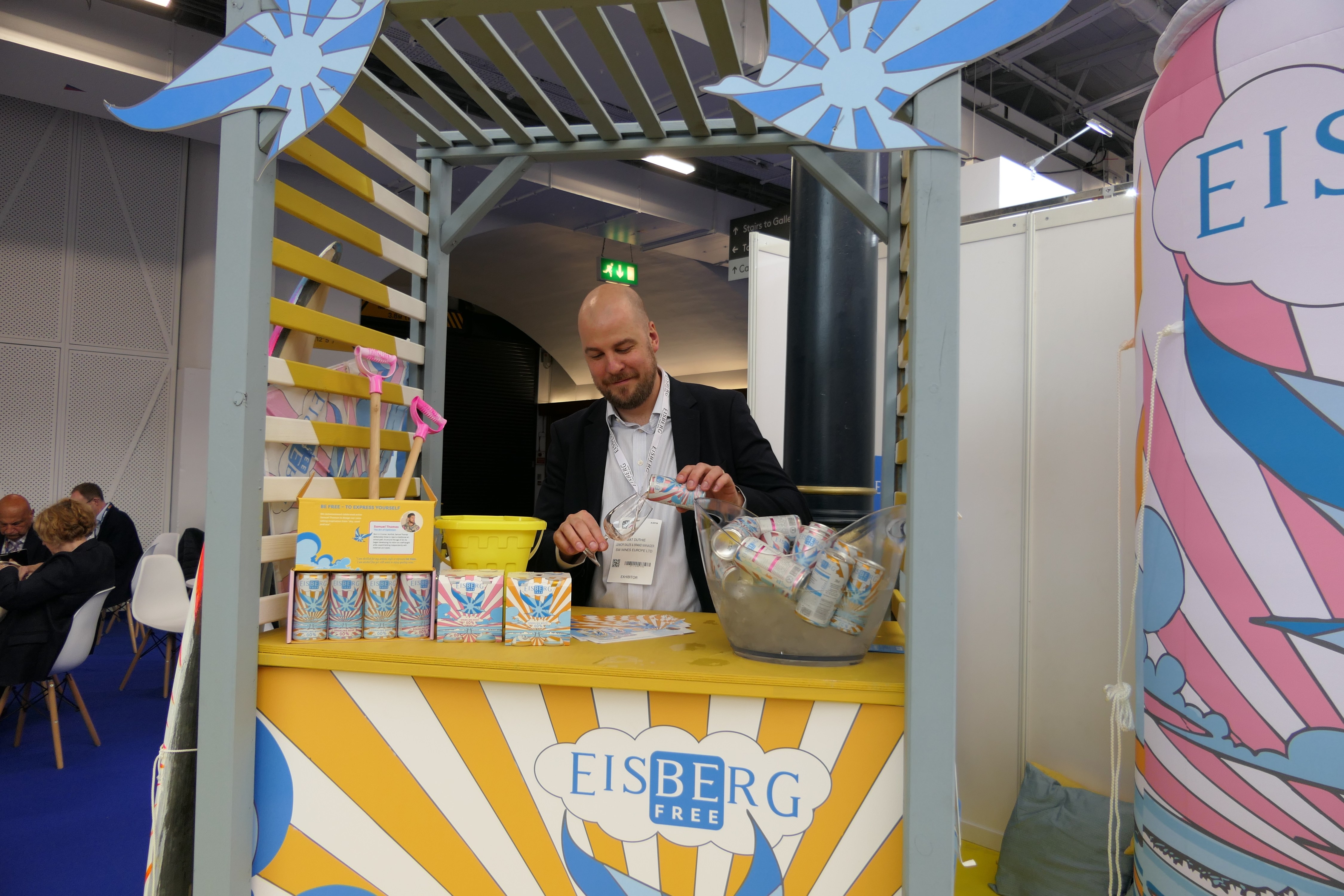
One of the most eye-catching exhibitors at the Fair was Eisberg with a range of alcohol-free wines in a can format. The artwork shown on the cans is a collaboration with Cromer Artist Samuel Thomas who was on the stand exhibiting his artwork which he describes as “The art of optimism” with the artwork being a celebration of life outdoors on the English coast. Mat Duthie Junior Brand Sales Manager for SW Drinks explained that the non-alcohol wine is made with Sauvignon Blanc and utilises a column still for dealcoholisation. Whilst Eisberg has been producing non-alcoholic wine for 35 years the Be Free can format was launched in September 2025. The appeal is obvious be it picnic, BBQ, sports events or outdoor festivals this vegan friendly low calorie non-alcoholic wine in a can offers “more options, in every glass, for every occasion,” said Matthew.
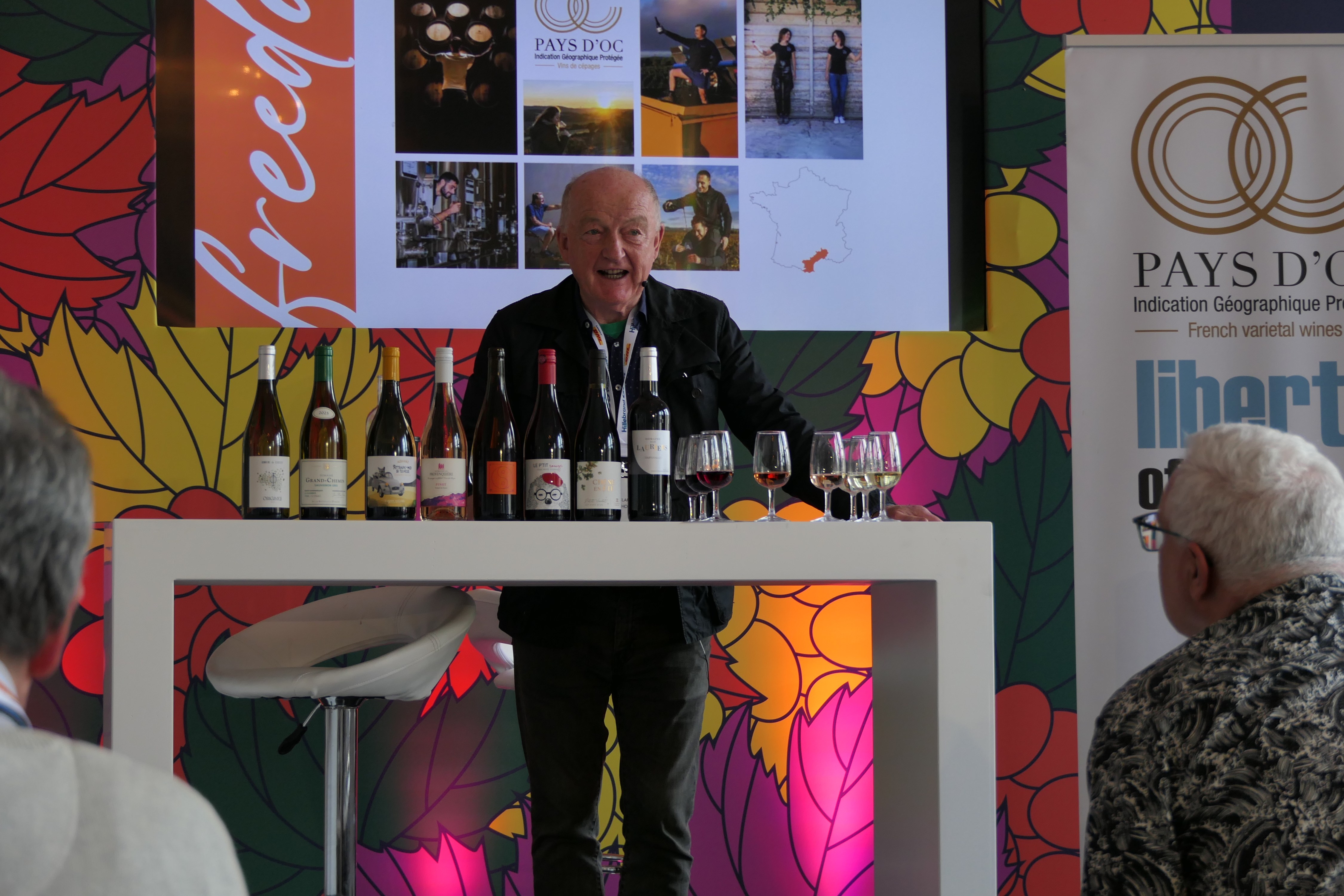
Throughout the event, visitors were treated to talks, debates and masterclasses. On Tuesday afternoon Oz Clarke held a fascinating masterclass entitled ‘Unusual varieties to discover in the Pays d’Oc IGP’. With his customary presenting style packed full of interest and a sprinkling of humour Oz explained that the Pays d’Oc IGP is the biggest wine area in the world. “The Languedoc has long been dismissed and this has been the key to freedom in winemaking expression, it is not stifled by the appellation rules or tradition which can be a corset for the next generation, the only rules are whether the wine will be any good and this region provides vineyards and winemakers the opportunity to make their own reputation,” said Oz with enthusiasm. He likened this to the spirit of winemaking seen in England and Wales which shares this freedom of winemaking free from unnecessary and constraining rules.
The tasting travelled through eight very different wines. Starting with Rolle (also known as Vermentino), produced close to the suburbs of Montpellier. Oz explained that the Languedoc benefits from four winds that mean that wines made in this region are often suited to organic and biodynamic techniques. After a richer and fuller Sauvignon Gris wine there came the chance to experience an Albarino. Oz explained that this grape has been successful in many growing regions. “Once in a decade there comes a grape variety that is revolutionary, Malbec would be a good example and Albarino is also that grape, it is a grape that the wine buying public really understand,” said Oz. He went on to state that Albarino has been successful in England and Wales, replying to a murmur from the international audience “it makes a great wine here,” he said.
The wine from Claude Vialade was 13% abv and the vineyard is situated South West of Narbonne and in an attempt to mitigate for climate change the vines are planted on a north facing slope. The following wine was a fantastic rosé made with Pinot Gris. With fruit forward character Oz explained the local forests and wild herbs influence the wine. Oz again drew comparisons with English wine and told the audience: “Vineyards of Sussex make really good Pinot Gris,” The following wine from Jacques Frelin Vignobles was Herisson Le P’tit Rouge 2025 was a 100% cinsault wine. With 10.5% abv Oz explained this variety was widely planted in Morrocco, Lebanon and South Africa but that to make a varietal wine from this variety was highly unusual in France where it has traditionally been used to soften rosé.
Continuing this theme, the next wine was a Petit Verdot single varietal wine of outstanding quality. Grown on volcanic basalt this wine had everything and more – structure, body, balanced tannin and bursting with fruit. Traditionally used as less than 5% of the blend in Bordeaux this wine was a revelation, Domaine de Medeilhan, Chêne en été 2024 would be welcome on any wine list and with a price point of 3.85 euros would really show the skill of the wine buying team if available by the glass. The masterclass drew to a close with a significant buzz in the conversation. Despite occupying the last masterclass slot of the day the participants proved reluctant to leave what had been a truly enlightening event.
Vineyard magazine also caught up with producers from Crete who were all attending as part of the wider Wines of Greece exhibit at the London Wine Fair. The stand was large and the exhibitors were welcoming. It was great to hear producers talk about the wines and the indigenous grape varieties. The stand highlighted the unique aspects of the wine industry in this fast-expanding wine region that is quickly becoming recognised for its highly skilled winemakers.
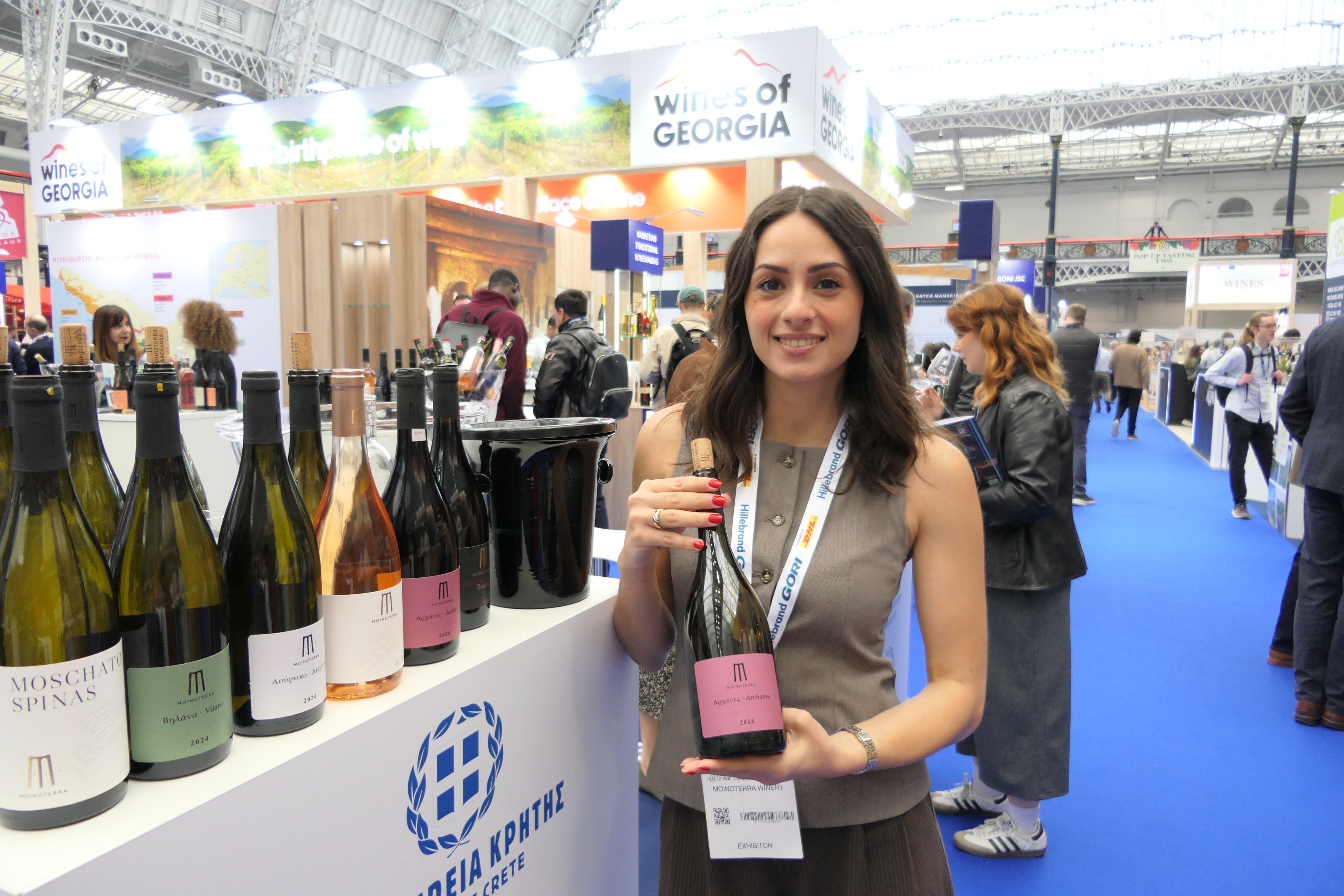
Eva Kasapak head of tourism for Mointerra vineyards situated just a stone’s throw from the ancient city of Knossos was available to talk about the Vilana grape. The white wine is filled with notes of citrus with mineral elements and refreshing acidity, at 13.5% this is an elegant wine. “All the wines we make are from indigenous varieties. The Vilana can be a difficult grape to work with as it oxidises quickly,” said Eva.
Stelios Laderos from Idaia Winery was showcasing a number of wines from indigenous varieties. Planted over 20 years ago there are five hectares of vines and eight varieties including exciting varieties growing in international recognition such as the food friendly white grape Thrapsathiri and the red varietals Kotsifali and Mandilaria which are blended to make the fantastic deep coloured Idaia Red, full of cherry, blackberry and plum notes.
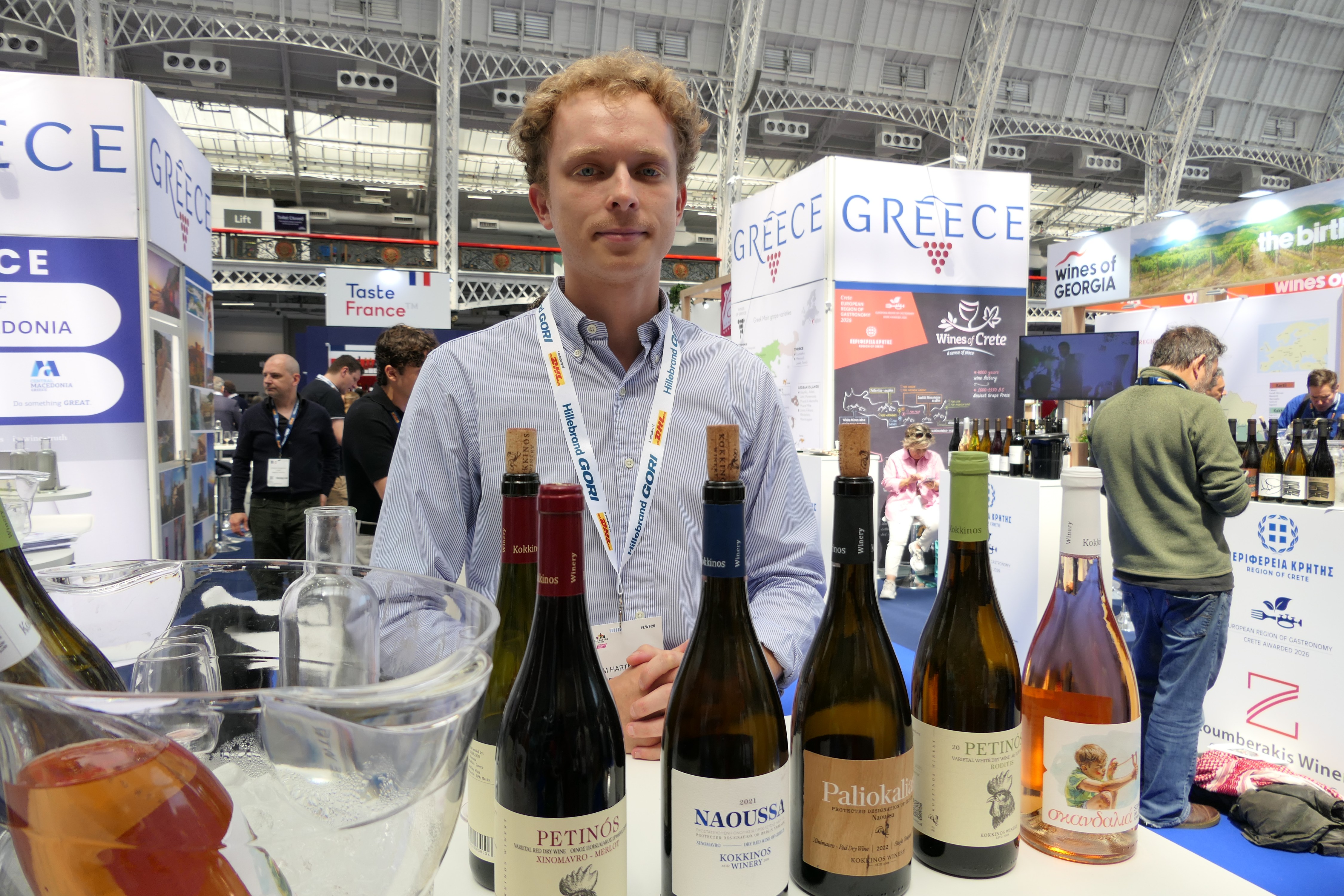
Representing the Kokkinos Winery situated in Naousa a city in the Imathia region of Central Macedonia in Greece was Sam Hartnell. The wine from the Xinomavro variety spends a minimum of 12 months in oak and a further 12 months in bottle before coming to the market. The wine has three cockerels on the label, and this highlights that the winery sits on the previous site of the family poultry farm. In common with many English and Welsh producers the winery was a diversification for this family land and the label is a nod to the past whilst taking the business into the future.