
Why agronomy isn’t for the faint-hearted.
In 2025, Charles Martin, Senior Viticulturist at VineWorks, returned to study for the BASIS Certificate in Crop Protection, building the company’s in-house agronomy expertise.
Not setting foot in a classroom for 43 years and then deciding to tackle the BASIS Certificate might sound slightly unhinged. In my case, it felt like trying to drink from a fire hose of information while someone shouted Latin names at me.
The BASIS syllabus
To give you a flavour of what’s involved, the syllabus expects you to identify 141 weeds, from Annual Meadow Grass to Yorkshire Fog. Then come 158 pests, usually referred to by their Latin names. From Aphis pomi to Frankliniella occidentalis, you must know what they look like, the damage they cause and how to control them.
Next are 39 fungal and bacterial diseases, from Alternaria to the rather alarming Xylella fastidiosa. For each one, you must understand symptoms, how they spread and the appropriate control strategies.
All this knowledge must apply across 133 crops, including fruit, vegetables, nursery stock and greenhouse plants. Curiously, vines barely feature at all. For someone whose memory sometimes resembles a sieve, retaining these many facts was… character building. But here’s the twist: that was the easy part.
Integrated pest management
The next layer of study dives into Integrated Pest Management (IPM). If you’re a vineyard manager, many cultural controls are already second nature: clean starts, choosing the right propagation material and varieties, good drainage, balanced nutrition, weed management, hygiene and monitoring.
These ideas make perfect sense in a vineyard. But the BASIS syllabus applies them to everything, including crops grown under glass. If you’ve never spent time in commercial greenhouses, it becomes a slightly surreal exercise in horticultural imagination.
Biological control
Then we reach the part that is simultaneously mind-boggling, slightly horrifying and fascinating: biological control.
Companies such as Biobest and Koppert produce organisms that control pests naturally. Watching their videos can be strangely addictive. Think of the famous chest-bursting scene from Alien, and you’re not far off the mark.
Take parasitic wasps. A female lays an egg inside a host insect. The larva hatches and feeds from the inside while the host carries on as normal until the moment the parasite bursts out, leaving behind an empty shell. It’s nature’s version of a horror film.
Then there are parasitic nematodes – microscopic organisms that invade insect pests in ways that make you instinctively clench your muscles in sympathy.
Crop protection and chemistry
After cultural and biological controls, you finally arrive at the last resort: chemistry. Before mentioning a pesticide in an exam, you must utter the phrase: “I would check the CRD website first.” That refers to the Health and Safety Executive’s pesticide database. If a product isn’t listed there, it cannot be used legally in the UK.
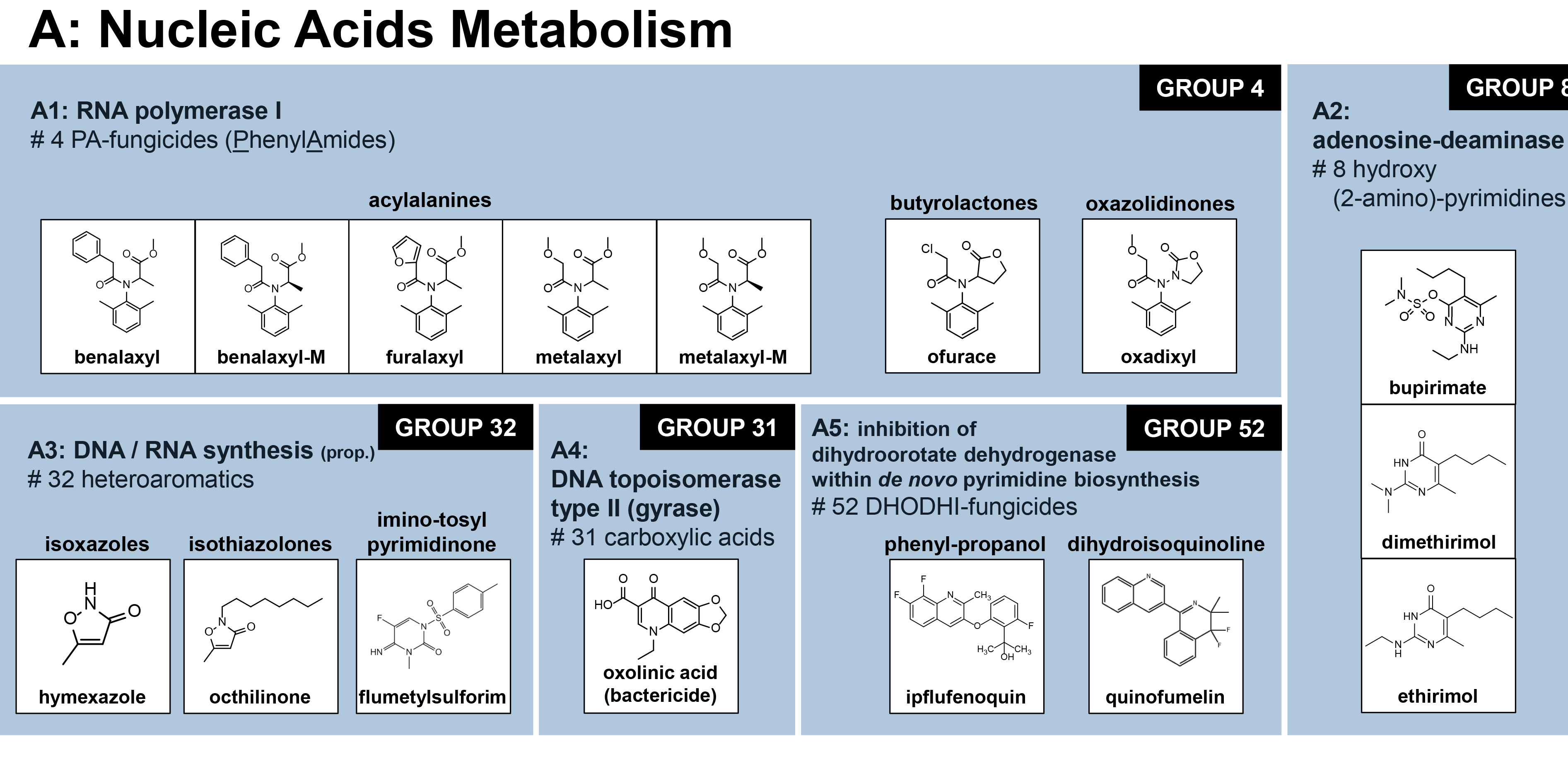
Just when you think your brain is full, you must memorise fungicides and their FRAC code groups to prevent resistance, alongside insecticides and herbicides and their safe-use guidelines.
The BASIS exams
First, you must complete a written project (mine was on Drosophila suzukii). Next comes a multiple-choice paper, followed by a practical identification test of weeds, pests and diseases. Finally comes the dreaded viva panel: three senior agronomists probing every corner of your knowledge. To pass, you must achieve 85%.
It’s daunting, exhausting and occasionally terrifying, but I was extraordinarily well supported throughout the process by the agronomists at GrowTrain and the camaraderie of my fellow students.
Why agronomy matters
Proper agronomy advice demands enormous breadth of knowledge about pests, diseases, legislation, chemistry, biology and environmental responsibility. It’s a complex field, which is why vineyard managers benefit from working with agronomists who understand the realities of UK viticulture. There are only a handful in the country, and one of them now happens to be at VineWorks.