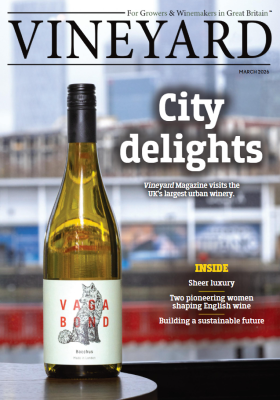

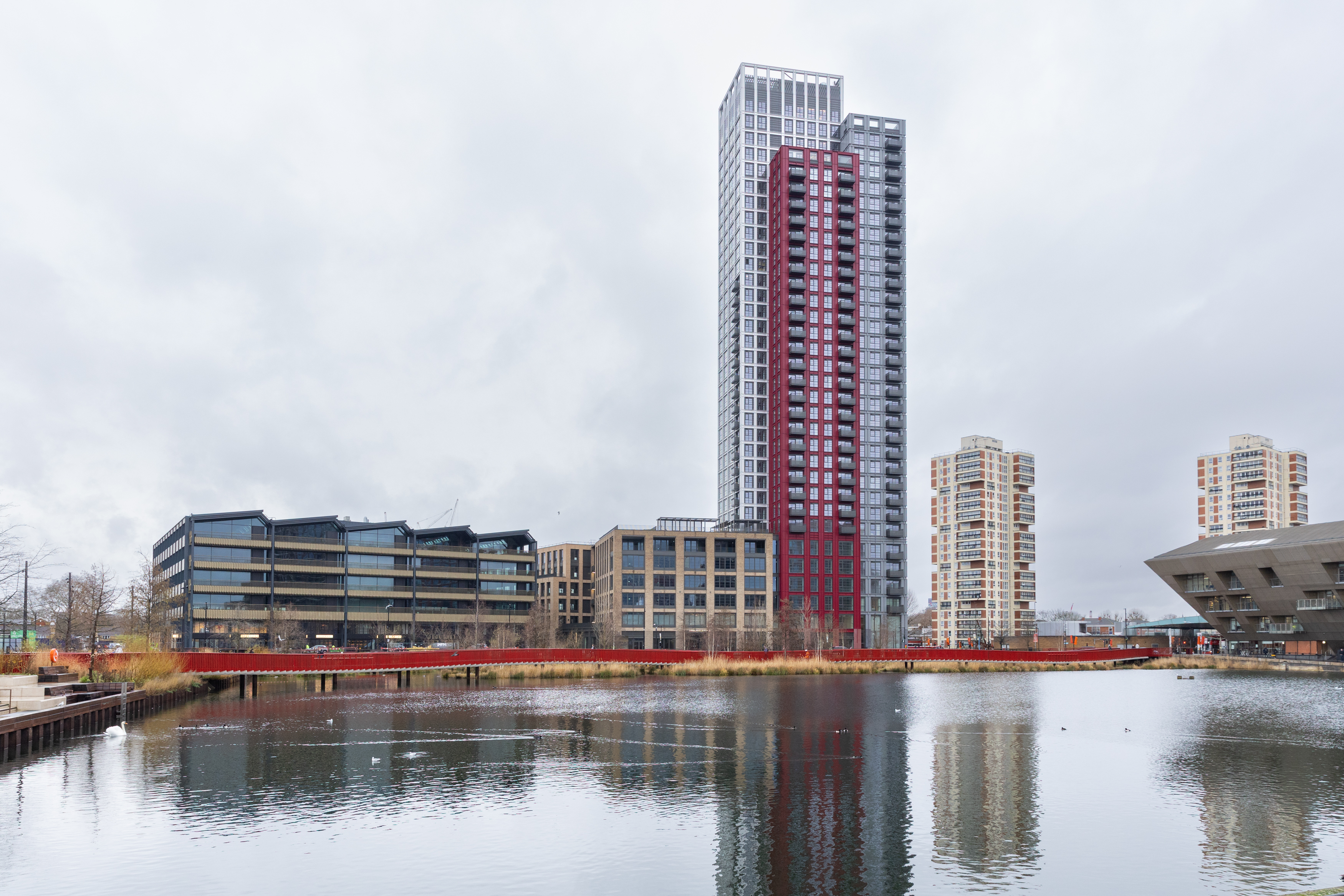
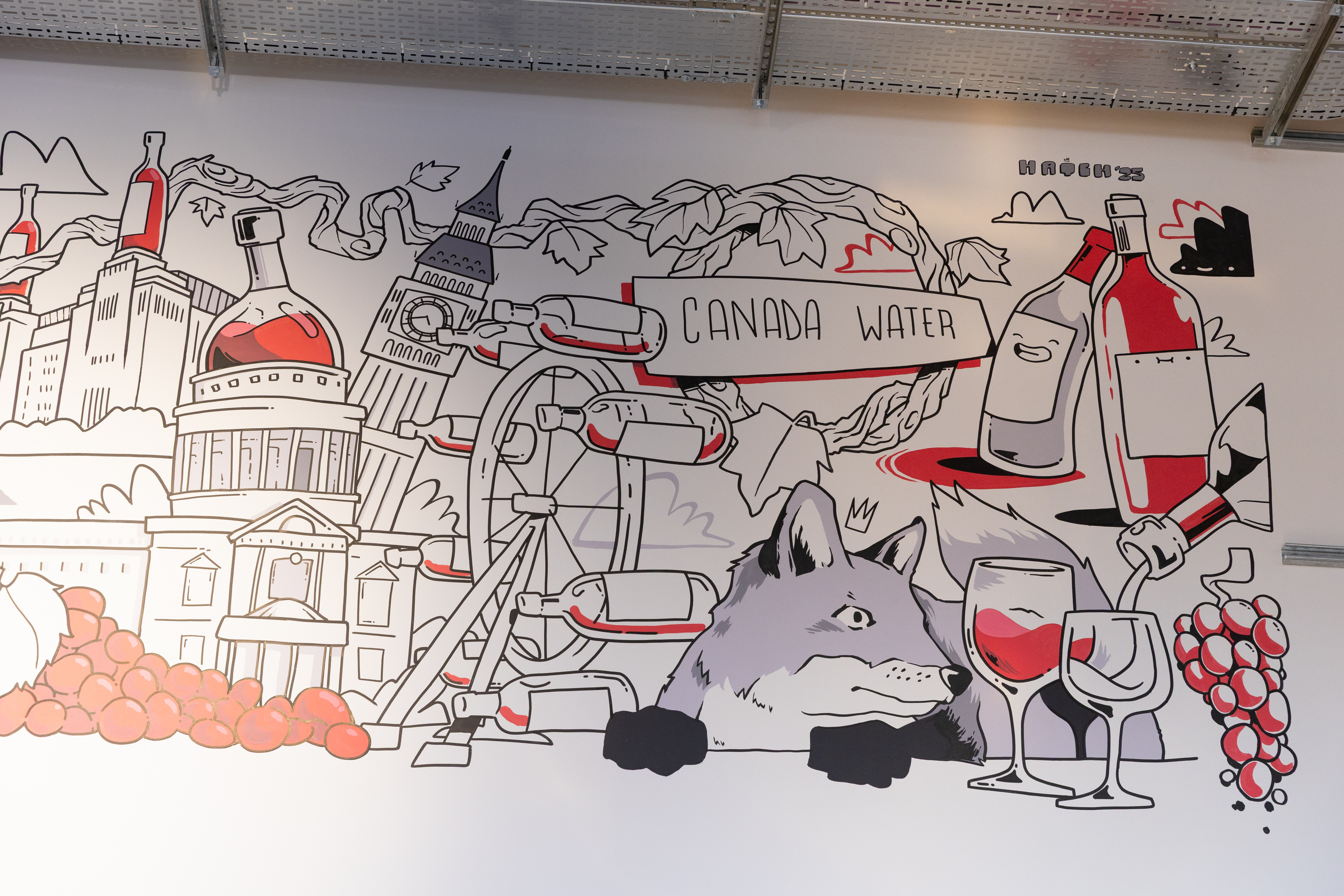
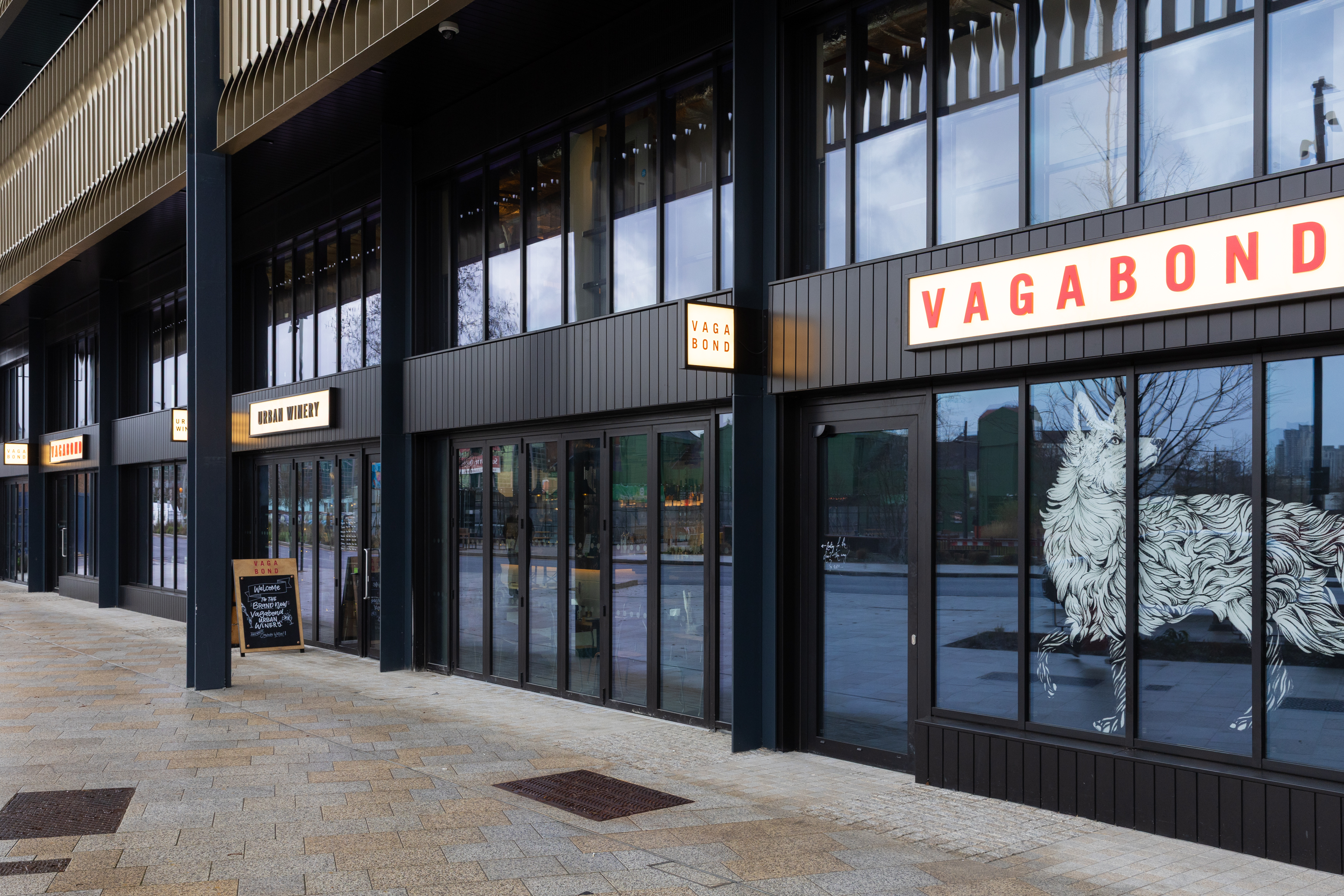
With a full view of London’s iconic skyline Vagabond Winery Canada Water has joined the new community and business space that is developing around the Canada Dock area. Canada Water is an expanding sustainable central London District that has community and wellbeing as the focal point.
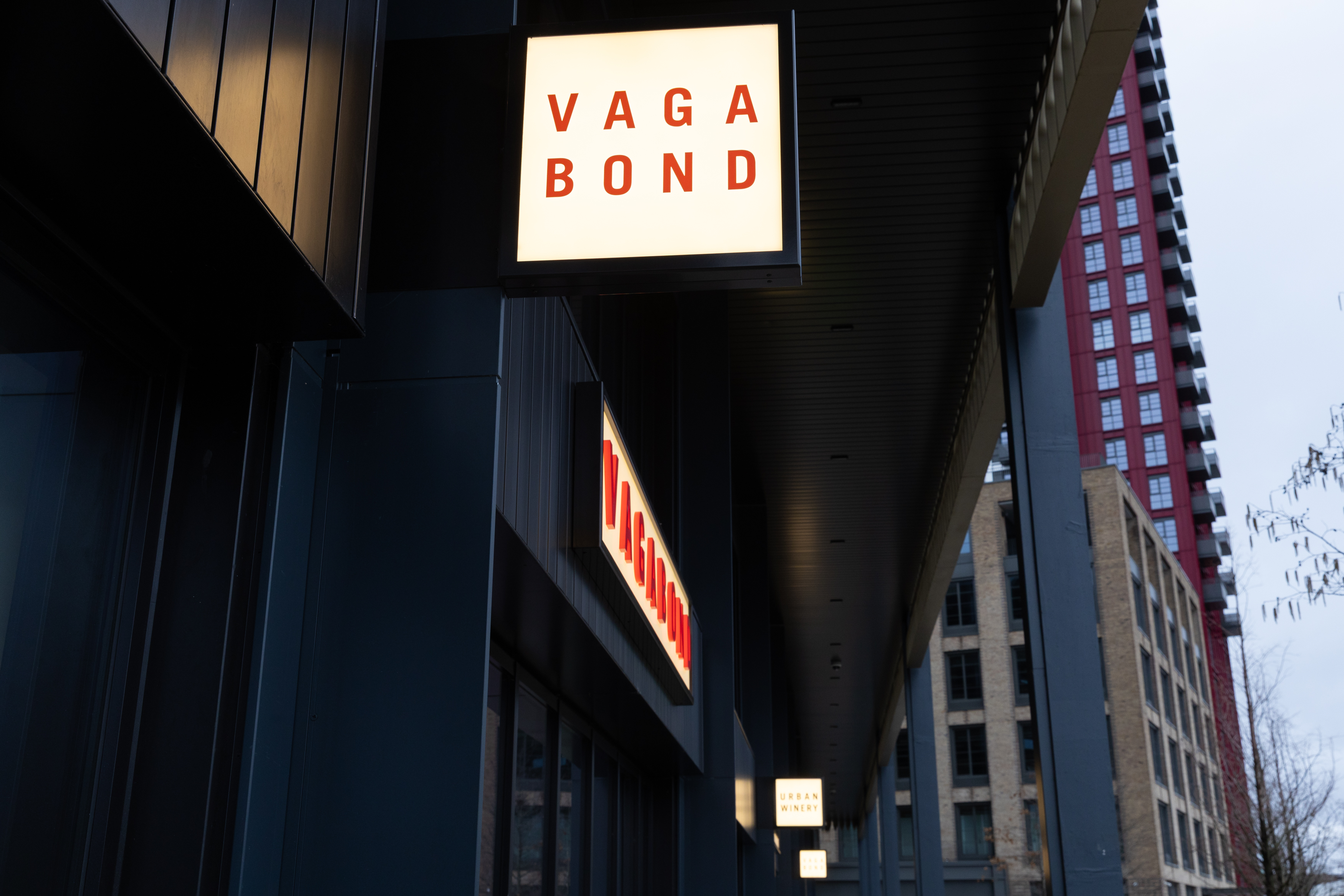
The Canada Water basin, where historically timber from Canada arrived in the UK, is a central feature of this fantastic development where Vagabond Urban Winery Canada Water, officially opened on 4 December 2025. Directly adjacent to the tube and bus station, the UK’s largest urban winery has outstanding links to all parts of the nation’s capital and is right at the heart of this thriving development. The growing popularity of Vagabond Battersea has led to the winery itself being relocated to Vagabond Canada Water and the move has opened significant possibilities for this creative urban winery.
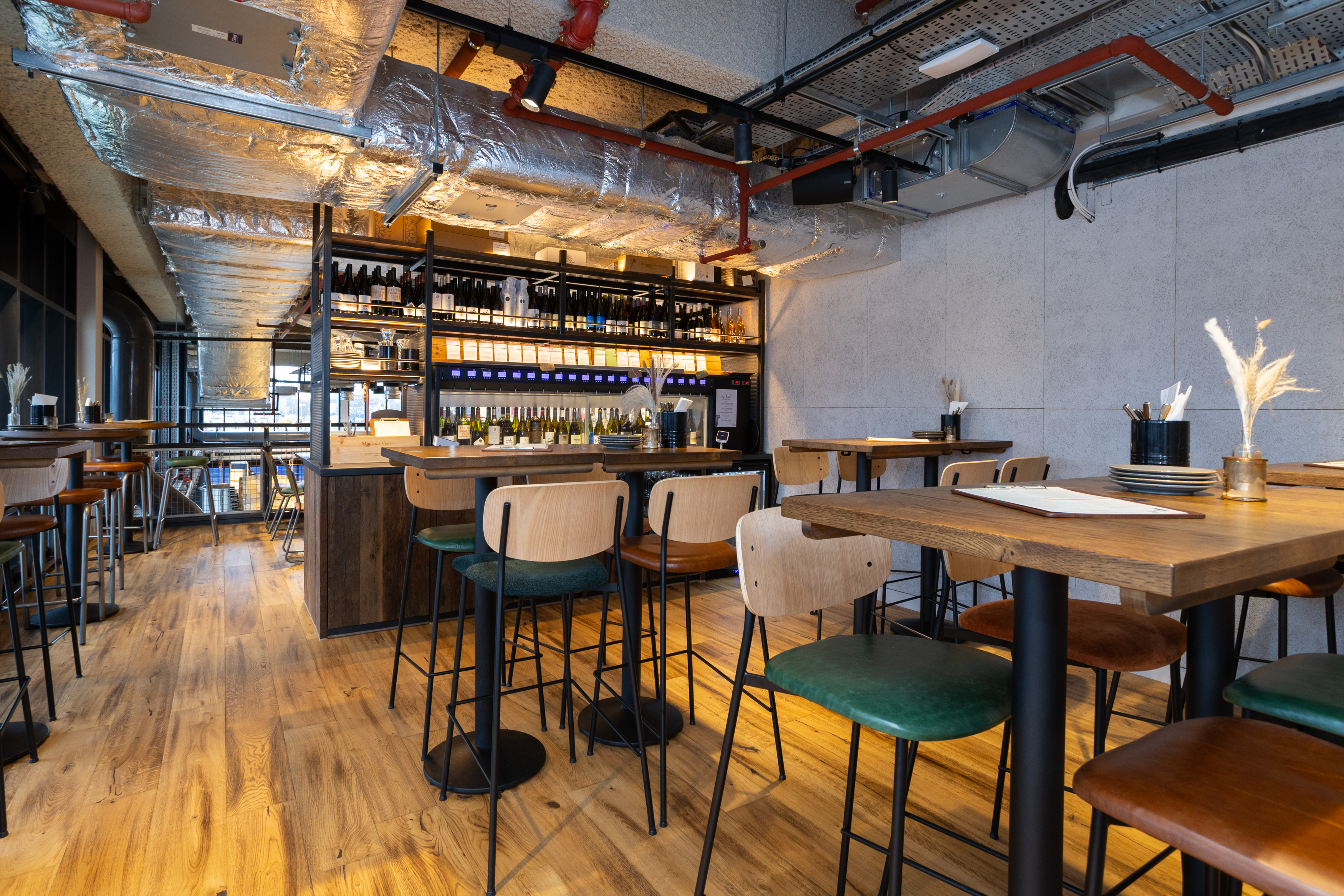
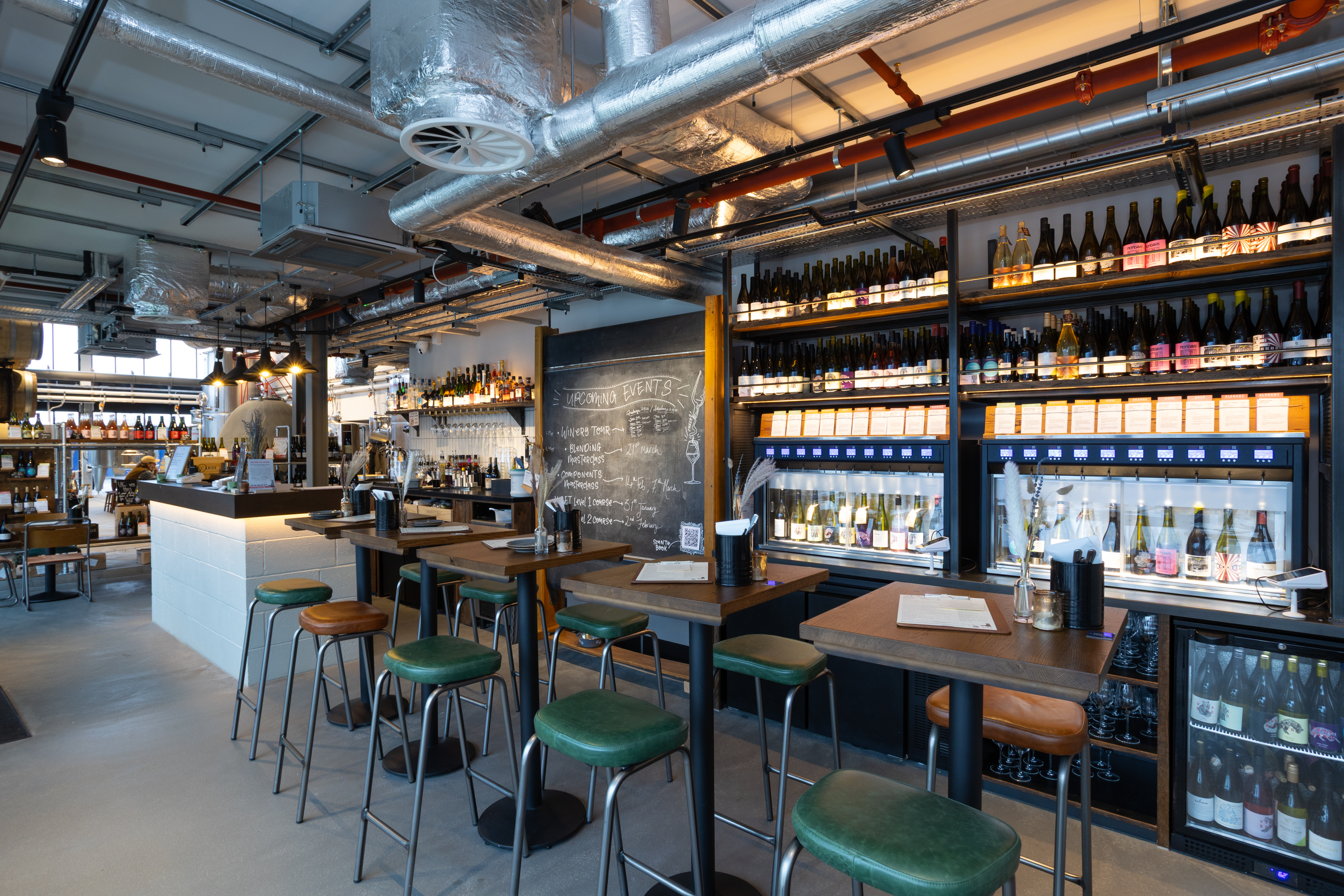
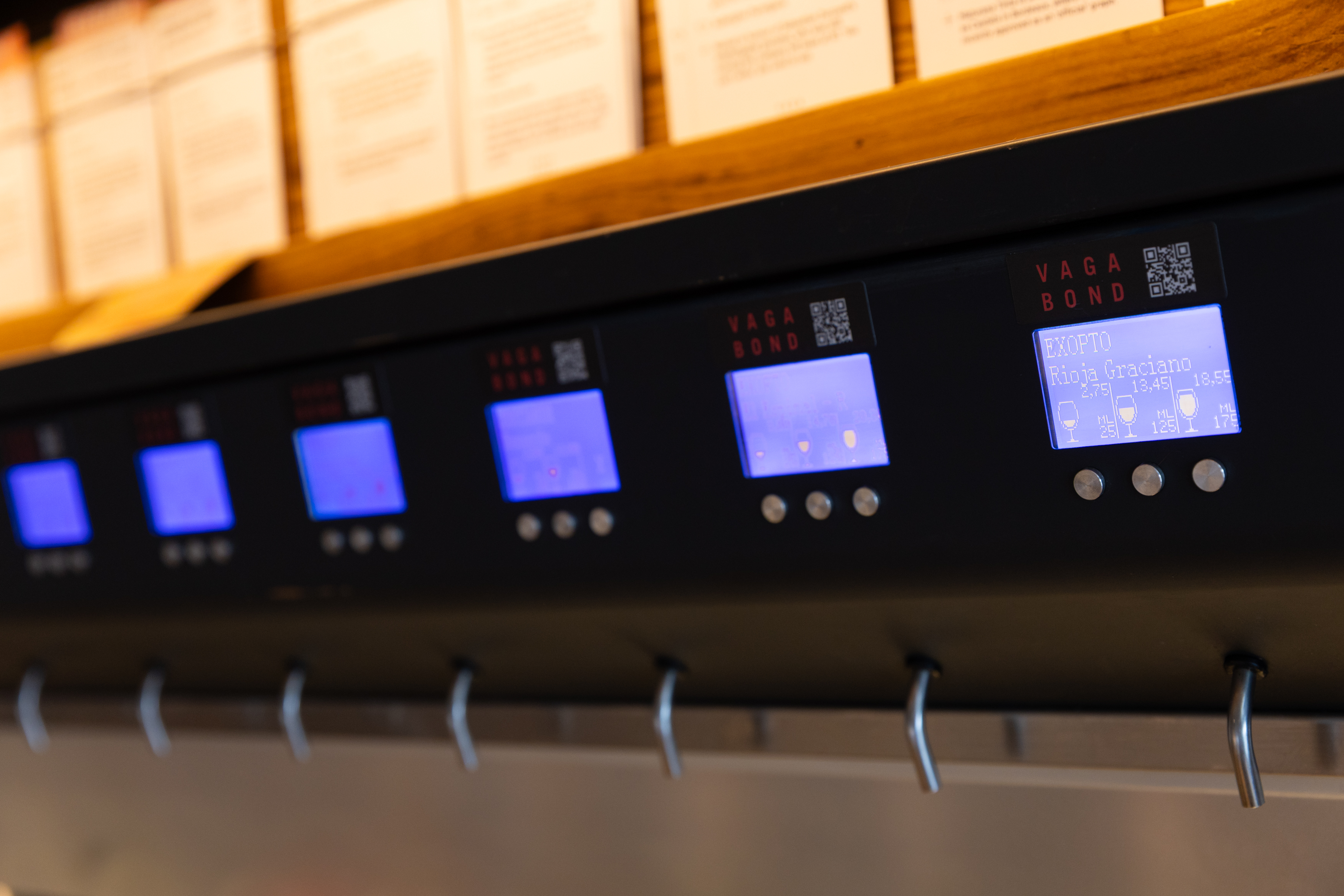
“We had reached absolute maximum capacity at the Battersea facility with 20,000 bottles produced,” explained José Quintana head winemaker at Vagabond. All the wine that is produced by Vagabond is sold through their various bars in London and Birmingham. The wine bars at Vagabond utilise self serve machines so consumers are able to explore on their own terms and with well over one hundred wines from across the globe the bars provide a relaxed but eye opening journey into the wine world. In this way Vagabond offer a context to the English wines produced at the Urban Winery which are regularly sold out.
“The bar at Battersea is getting busier, all the bars have a different feel but the one at Battersea is a real neighbourhood bar and is just getting busier and busier and customers were having to be turned away. The winery was taking space that was actually needed and when Vagabond became part of Majestic it made capital investment a possibility,” José explained.
With this in mind the team at Vagabond set out to find a suitable home for the new Vagabond Winery. “This is not just an urban winery, the model we have put together has three facets, the winery, events and education,” said José. There will be the possibility for interested people to study WSET courses here “but it is not just about WSET exams we recently held a wine and music seminar here,” said José with enthusiasm.
The team had very specific criteria for the new facility. The first of these was space. Having reached maximum capacity at Battersea it was important that the new winery had plenty of room to increase production. The new location of Vagabond at Canada Water will have the ability to produce between 80,000-100,000 bottles a year and will be able to process up to 100 tonnes of fruit in the coming years. This increase in production was necessary in order for all the Vagabond bars to be able to fully showcase the Vagabond Winery’s multiple award winning wines, sold by the glass.
Another important criteria is location. The very centre of London is too difficult logistically. Being outside the Congestion Zone is vital to ensure grape delivery from the winery’s growing partners.
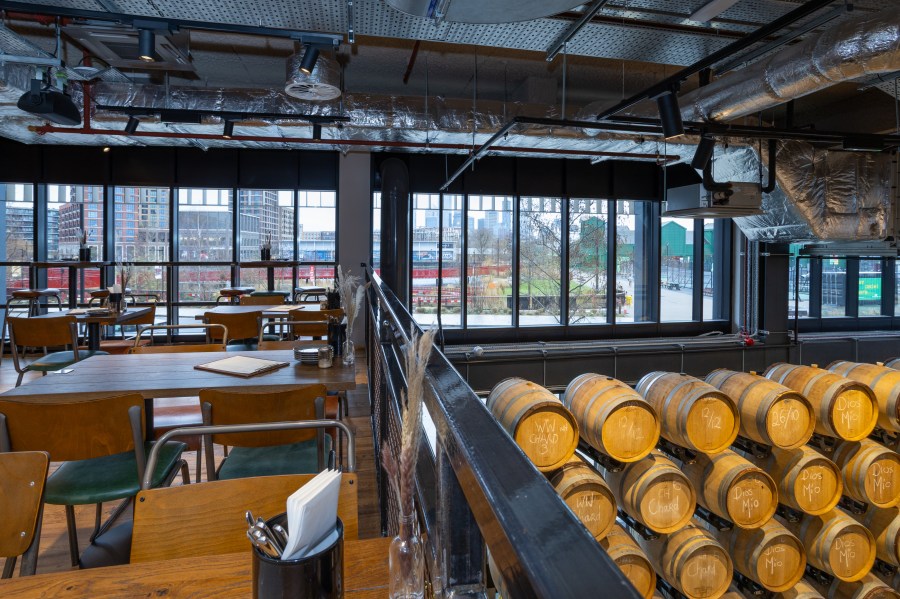
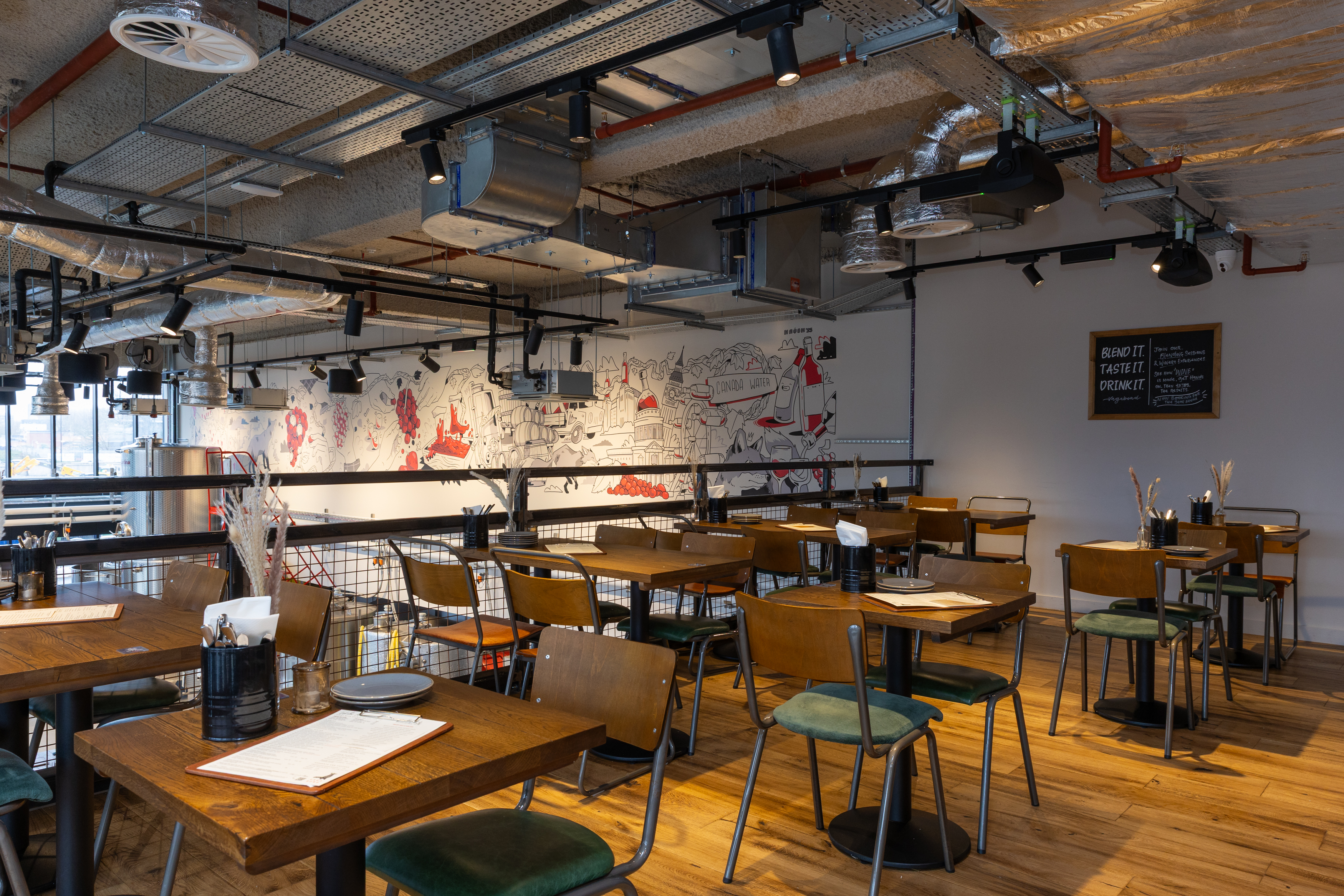
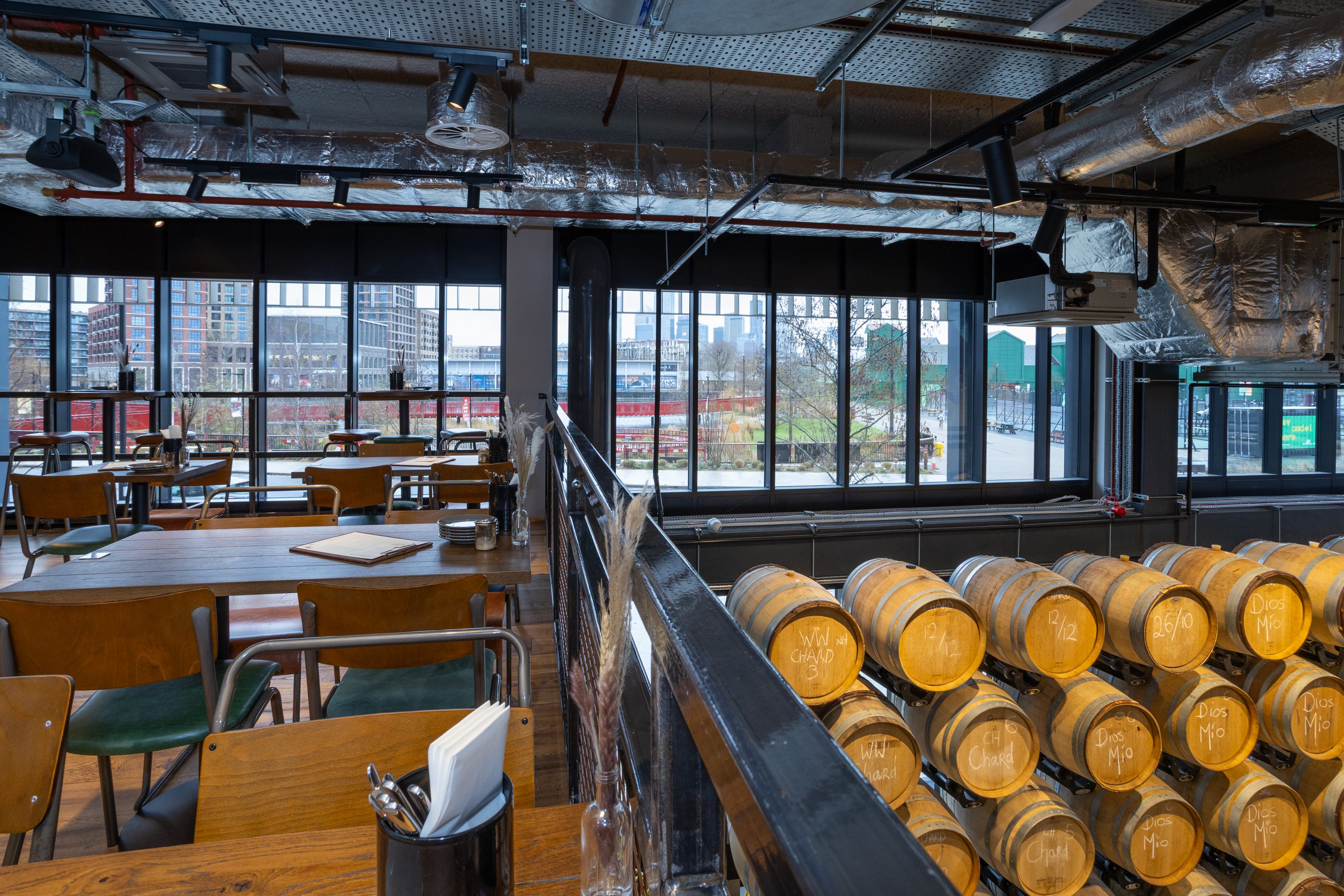
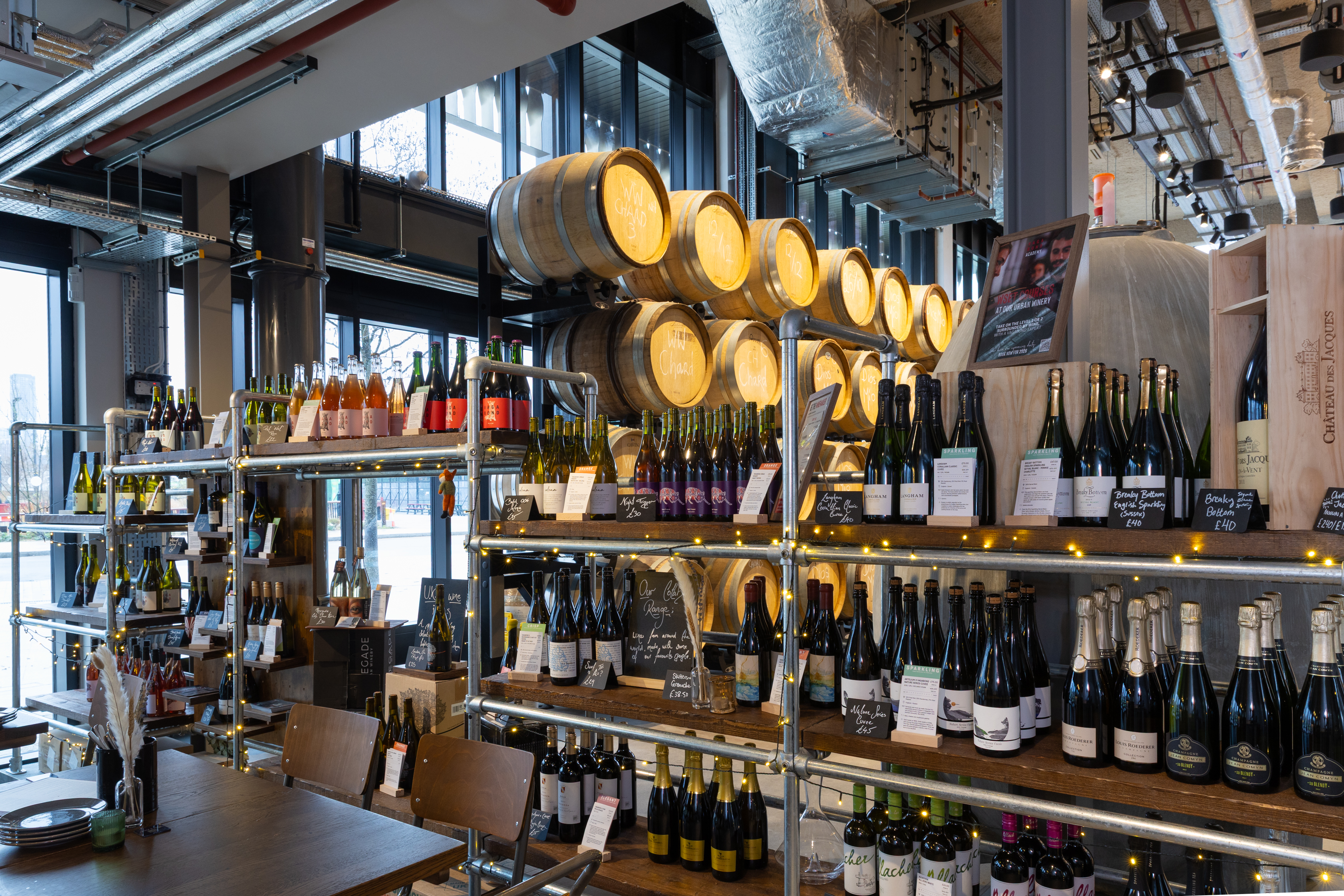
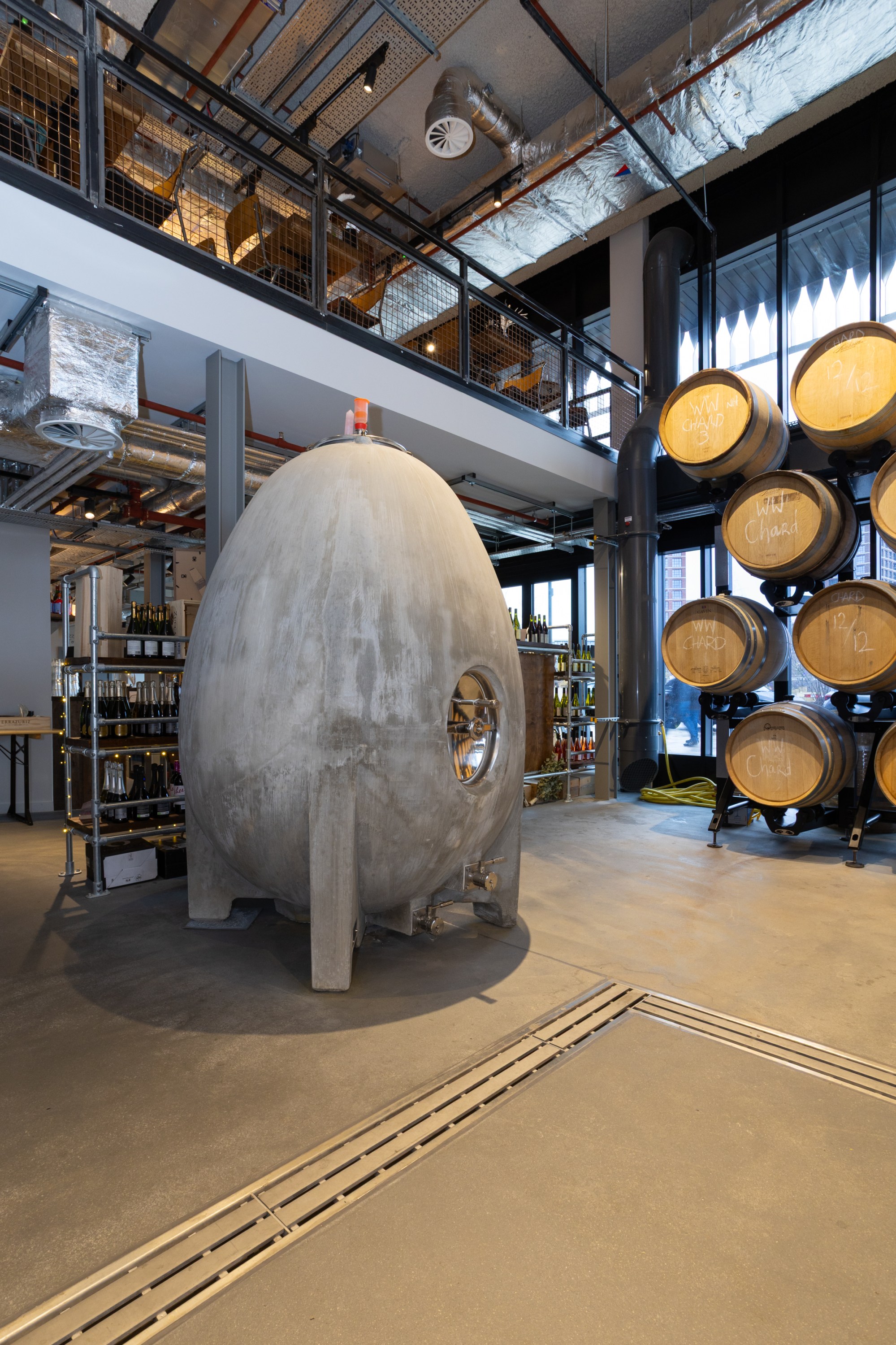
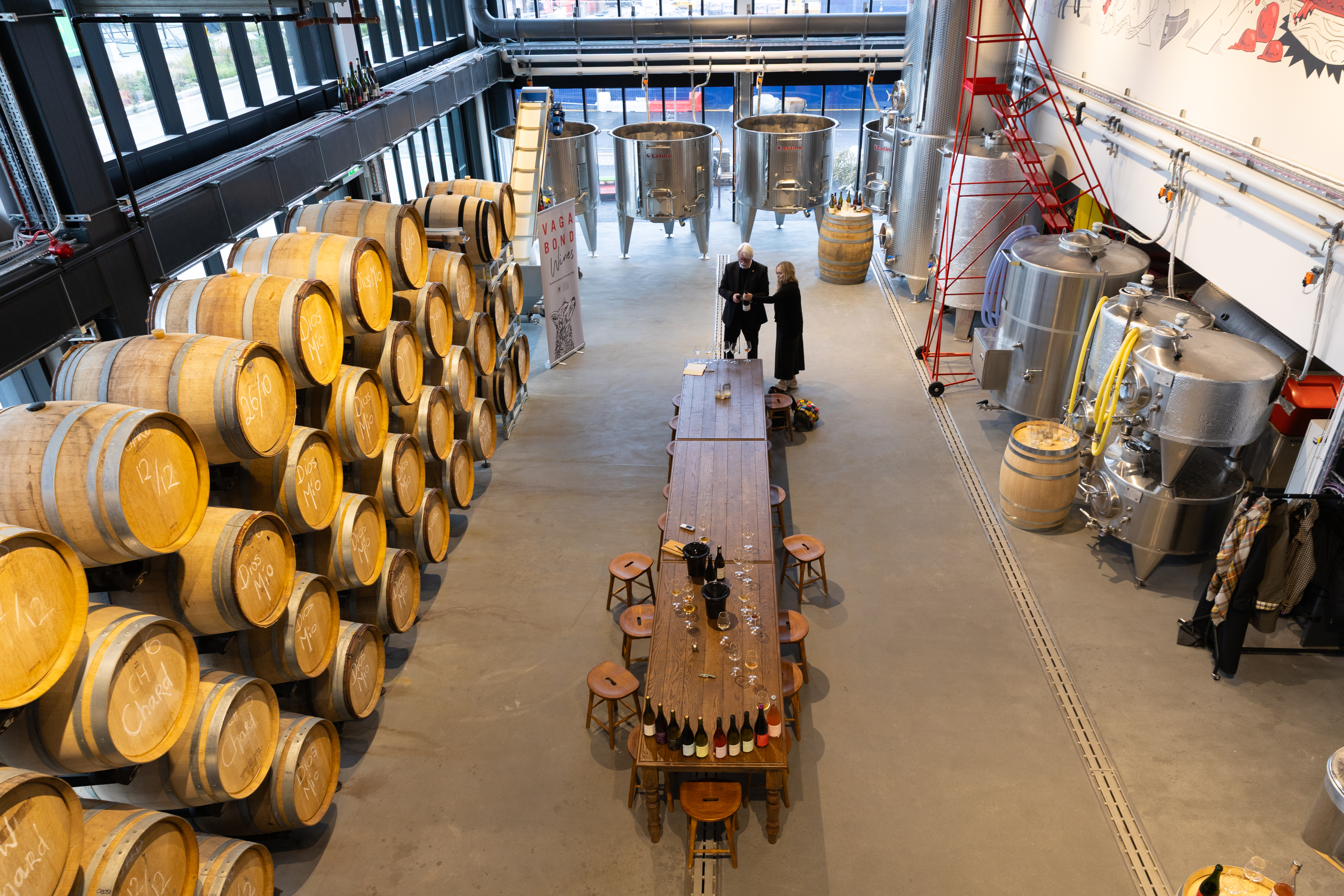
“We also wanted to make sure we had the right type of space,” José continued. At Battersea the lack of space meant that harvest had to take place outside of the bar hours but with the wine press neatly tucked into a corner at Vagabond Canada Water is ready for the first harvest which will take place in 2026 with guests able to book a literal front row seat to watch the action while sipping a glass. The bespoke winery space has been expertly designed and the team at Vagabond have, with their usual attention to detail, worked with numerous suppliers including Bevtech, WR Services and Core Equipment to ensure it is not just practical but also eye catching. The new winery is part of the bar space with a mezzanine floor which allows guests to become uniquely immersed in the working experience of the winery.
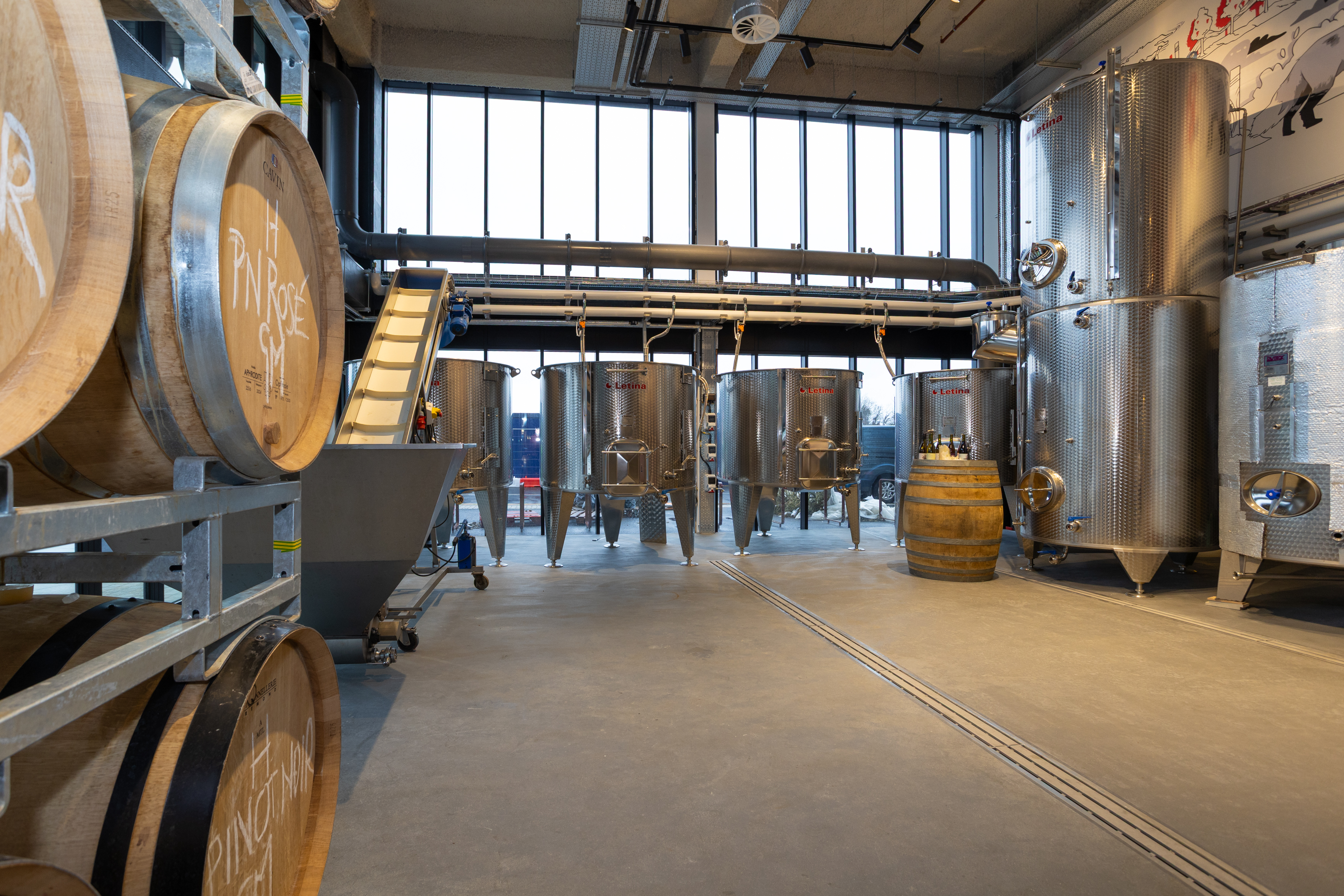
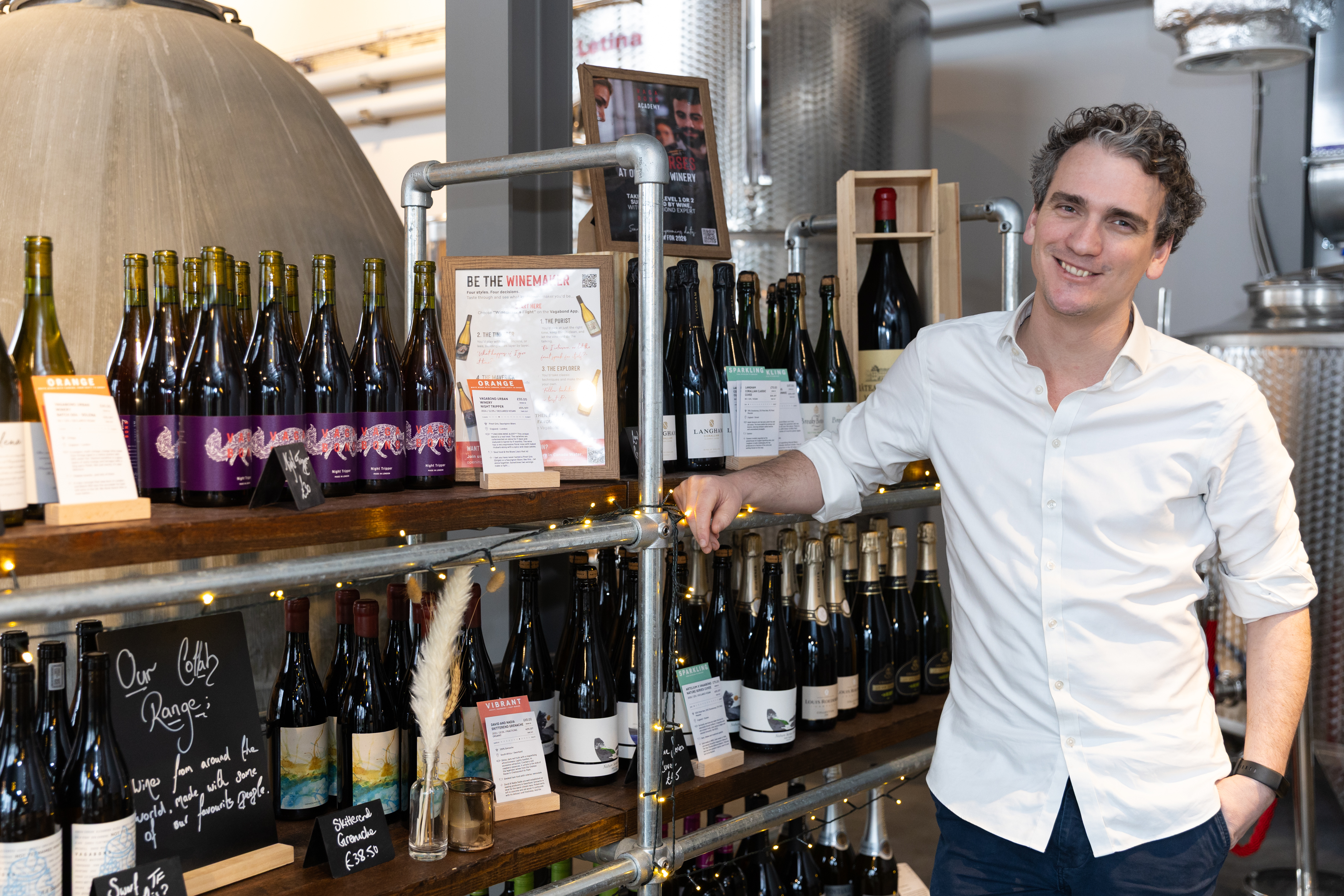
Core Equipment have been part of Vagabond’s journey to become London’s largest urban winery. Core supplied a range of stainless steel vessels from Letina, carefully selected to match Vagabond’s production requirements and space-efficient cellar layout. In addition, Core provided a Bucher Vaslin Delta LOB pump, a highly versatile rotary pump designed to efficiently handle the transfer of grapes, musts, and wines, support bottling operations, pump lees, and integrate seamlessly with filtration systems.
The installation included a red wine variable capacity tank alongside multiple storey fermentation and storage tanks. Variable capacity and multi-storey tank designs are particularly well suited to urban winery environments, where floor space is limited and efficient use of vertical space is critical.
The new wine tanks reach the same level as the mezzanine and therefore catch the eye of anyone sitting in this space drawing them into the activity below.
Jeaffreson Paterson, Business Manager at Core Equipment, commented: “I’ve known Vagabond’s Head Winemaker José since our time together at Plumpton College, so it’s been fantastic to see his vision for Vagabond’s wines become a reality. Vagabond’s expansion is a great example of how ambition, technical expertise, and the right equipment can come together to create something truly impressive.”
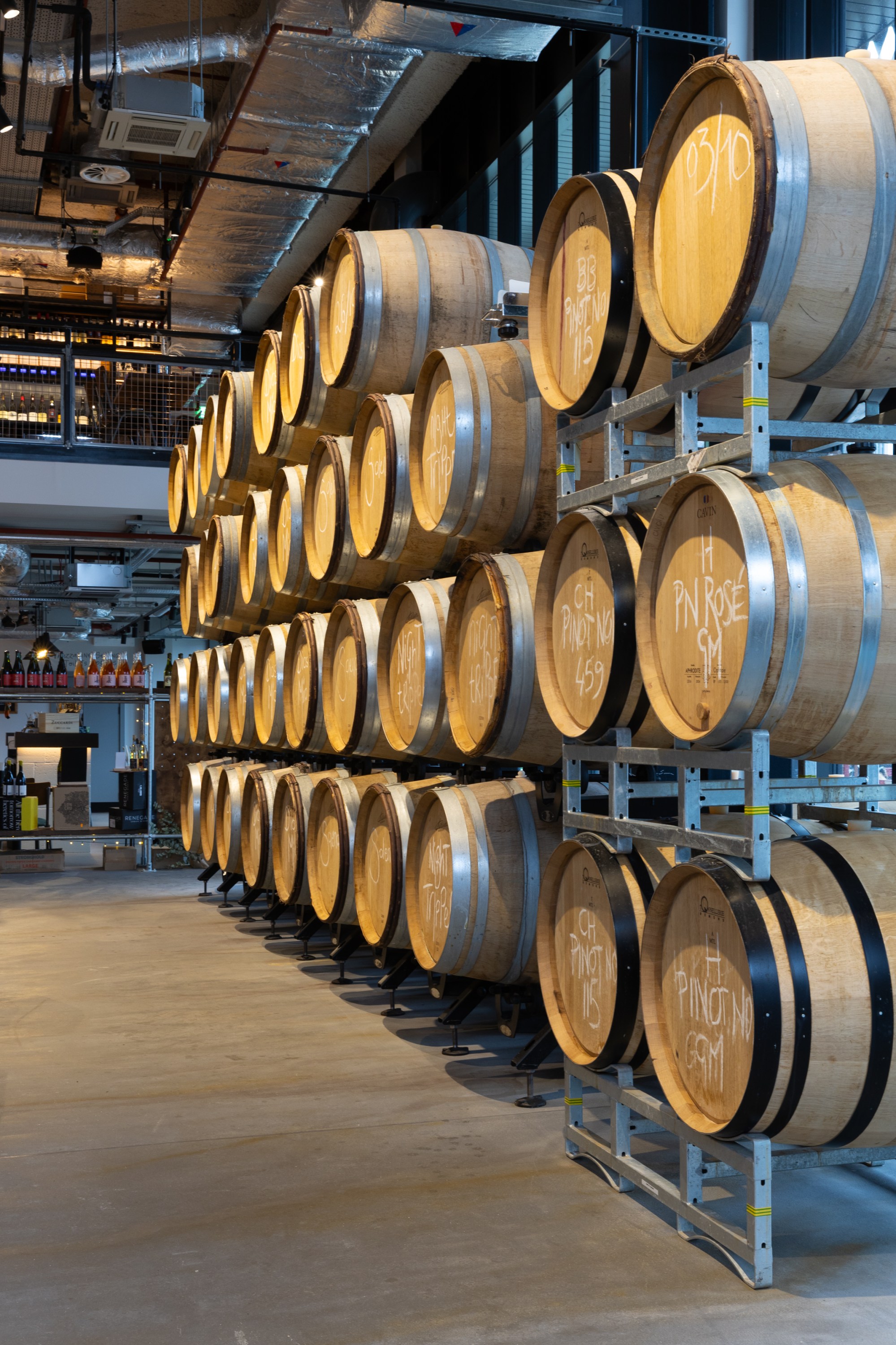
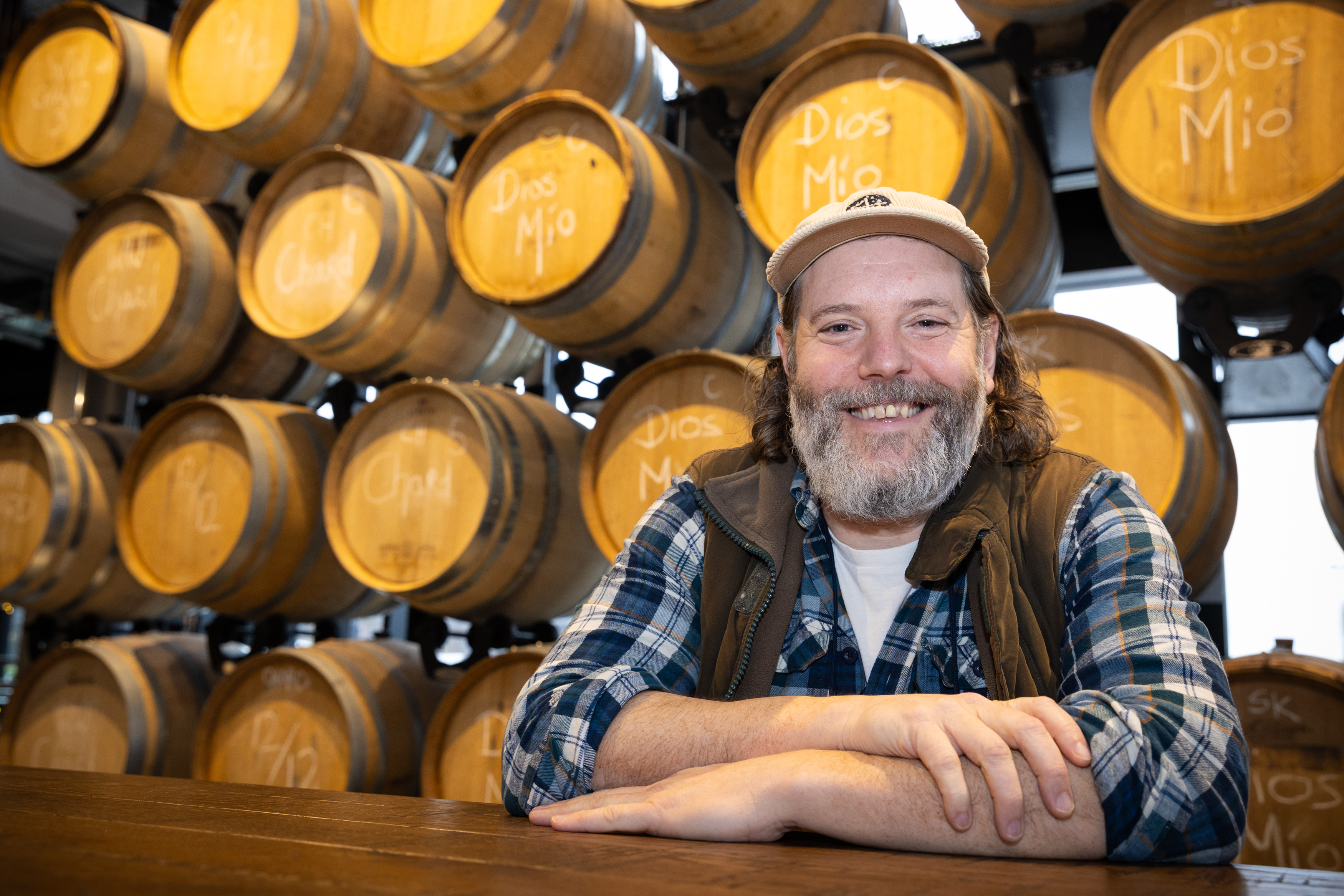
It is also possible to host events among the steel tanks and barrels which are marked up with the vintages and the wine style for all to see. This creates a refreshing sense of transparency to the winemaking at Vagabond. The wines are regularly praised in competitions and press articles for their innovation, imagination and quality but Vagabond Canada Water blends this with an inclusive atmosphere.
The full barrels that are now at Vagabond Canada Water were first moved from the Battersea site in January 2025 before they arrived at their new permanent home. “The site at Battersea was so tight there was no room for a forklift or even a pallet truck,” said José with a smile lighting up his face. In the end the team managed to find a boom lift for small spaces that enabled the precious cargo to be transported to its new home.
Wayne Russell, Managing Director of WR Services explained: “Vagabond Canada Water presented new challenges for WR services and TR Equipments. Thermal regulation is a critical part of any winery and getting it correct takes a lot of planning and the urban setting also presented some new challenges; chiller placement, and noise reduction were key factors to consider. C02 extraction was also a very critical point for this build and the aesthetic of this equipment had to be taken into consideration to remain within the final decor plans. We worked closely with Vagabond and the other suppliers, and we are very proud to have been a part of this fantastic new build.”
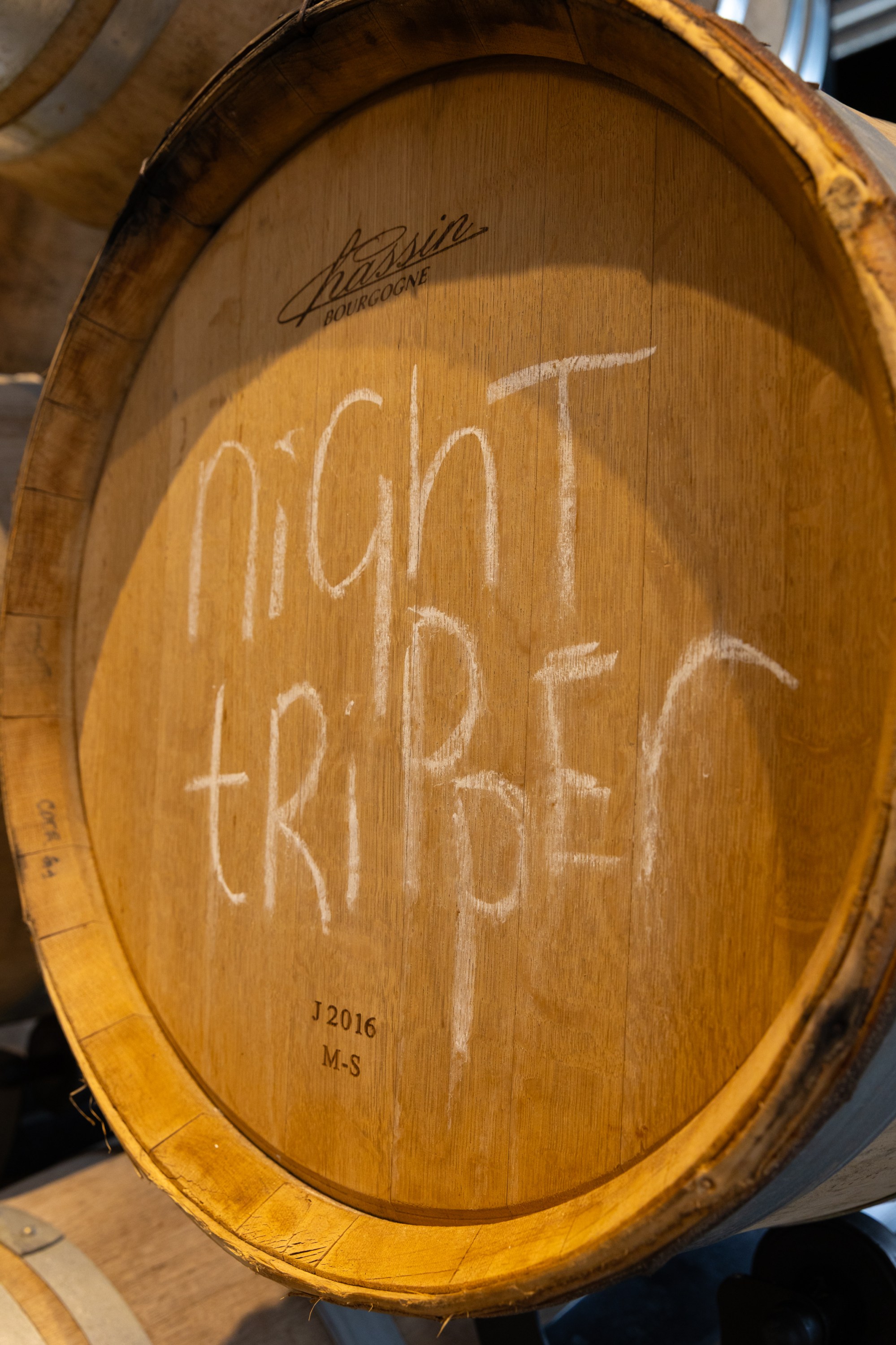
An urban winery certainly has its own unique challenges. “Once at Battersea we had a problem where the official loading bay would not allow deliveries from the truck and trailer that had already been stuck in traffic because it was declared too small. We were really struggling to get the fruit into the winery and fellow urban winemaker Sergio Verrillo at the Urban Winery Blackbook lent us a Dolav bin so we could transport the grapes on a pallet truck from where the truck and trailer had been rerouted to. This was a very long way from the winery loading doors. At the end of a long day in the winery I then had to track down my own abandoned vehicle,” said José. This experience has given inspiration to Vagabond’s extremely popular Pinot Gris, Sauvignon Blanc blend – Night Tripper. “It is all about perspective,” said José with a warm smile.
There are seven vineyards that will be delivering grapes to these new facilities with growers from Kent, Oxfordshire, Essex, Suffolk and Sussex, meaning the grapes rarely travel for more than two hours to reach the winery. This allows Vagabond to work collaboratively with growers. Jack Merrylees, Head of Marketing and PR at Vagabond described this as a partnership relationship which allows Vagabond and the growers to create something truly special.
An urban winery is able to explore different grape growing regions and play with wine within the context of English and Welsh grapes. “I find the island climate creates amazing differences between fruit from Oxfordshire and fruit from Essex (a distance of slightly more than 100 miles) which is not seen in other wine producing regions. For example, if you travelled the same distance in the Mendoza region you would find variation but it would not be as significant,” said José.
Since José values the individuality of each vineyard he works closely with them throughout the season making several visits to each vineyard every year. In the winery José is bold, imaginative and not confined by rules. This is also true of his relationships with those who grow grapes. His praise for the work that happens in the vineyards is both warm and genuine. In response to a question about the sugar and acid levels he looks for in the grapes José explained: “It is in the vineyard and by tasting the grapes that I learnt to get balance so for me winemaking is not solely dictated by the numbers.”
The winery team work with vineyards that are small enough to take picking decisions late but it is also clear that José understands the challenges of agriculture. “I grew up on a farm at Cross in Hand, East Sussex so I understand that there are risks to these decisions and working as partners involves working closely. Once the grapes are picked that is the very best quality those grapes will ever be but grape ripeness has to be considered alongside the possibility of crop loss and that is where long term planning together can ensure that we are all pulling in the same direction,” he said. To ensure that all the grapes are treated with the respect they deserve the winery has a long harvest season. Working with different vineyards in different counties and different varieties meant that in 2025 the harvest season took place between 9 September and 22 October with the Pinot Noir for still wines being the last grapes to come through the winery.
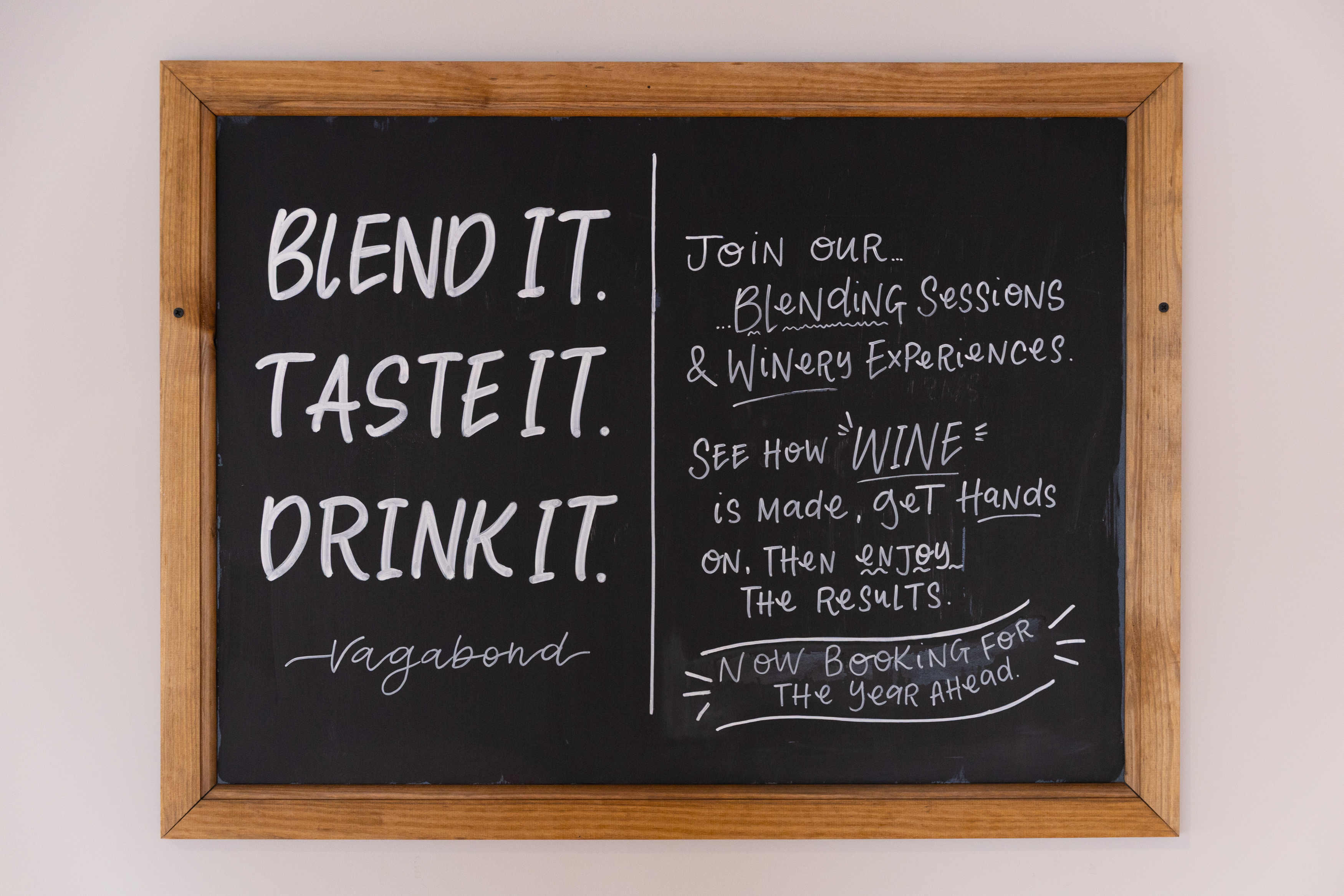
The winery has quickly become part of the community at Canada Water and the wider Rotherhithe area. As we are talking there are several people who are curious about the new hospitality venue and its onsite winery. “We have been made so welcome here,” said Beth Brickenden, Head of Winery Events at Vagabond Canada Water. With the location so easily accessible it would be easy to assume that after work drinks would be the mainstay of the visitors to this new venue but Beth proudly explained: “There is a very strong local community here and we have already conducted tours and events across a broad and diverse spectrum of the community including Gen Z and local pensioners groups.” Beth has a background in theatre and has also worked as a sommelier giving her a unique approach to tours and events. “We hold masterclasses that are focussed on the technical aspects of wine but the technical is also intertwined with the romance of wine and that ‘sprinkles the magic’,” she said with a joyful look in her eyes.
Tours are £29 with four Vagabond wines to try. “We talk through the production and story behind each of those wines. People are most surprised when they taste the two different styles of Ortega in a side by side tasting,” Beth explained. Vagabond produce Ortega which is a classic steel fermented style producing a wine that clearly expresses its growing conditions.
It is the ability of Ortega to truly reflect site versatility that leads José to declare that it is his favourite grape to work with.
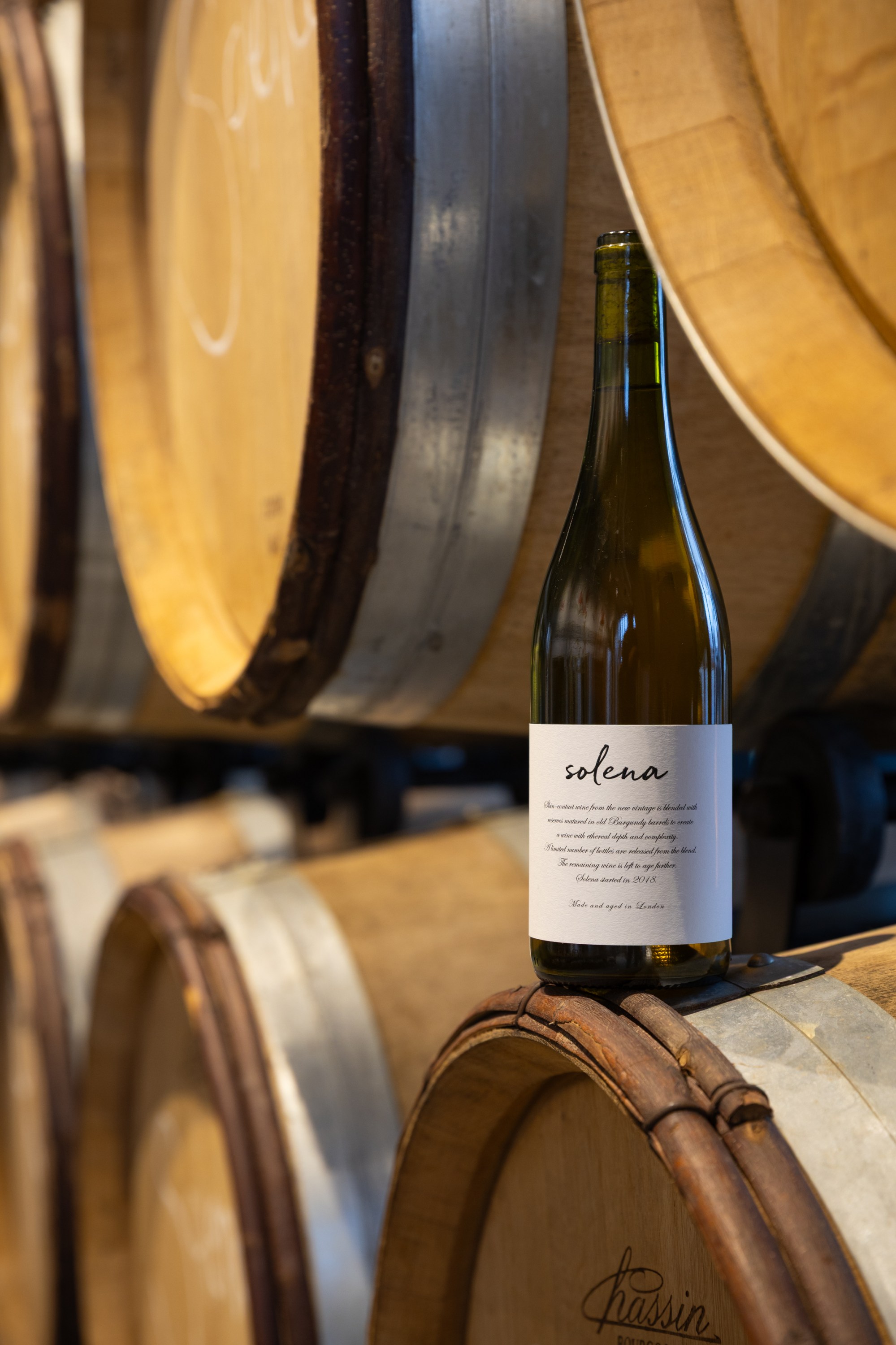
Ortega is also used to produce Solena, utilising 100% skin contact, made using a Solera system which started in 2018. Each new vintage adds two thirds to the volume and the number of bottles produced of this outstanding wine is limited to under 1000 each year. For a more detailed analysis of the qualities of this wine see Matthew Jukes’ review in the January 2026 edition of Vineyard.
José explained that he is inspired by his love of travel and the learning experiences this can provide. The inspiration to incorporate flor and the Solera system came from Spain but the intention is always to innovate and never to replicate. José further explained this wine travel inspiration and how valuable he finds it to his winemaking imagination, citing the young growers and winemakers in Burgundy who have in the last 15 years started to gain attention for their use of the Aligote grape variety and the ground breaking wines they are producing.
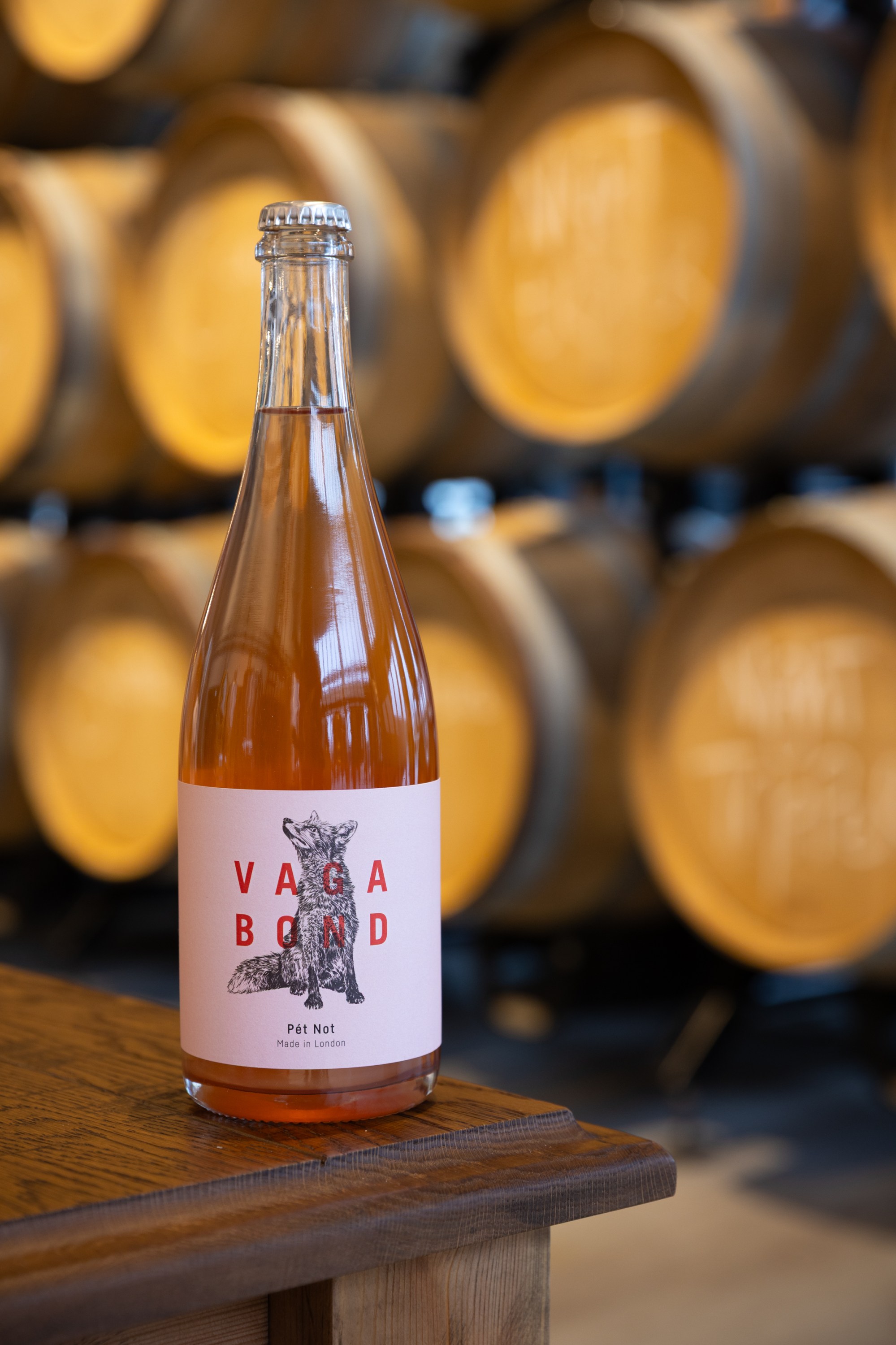
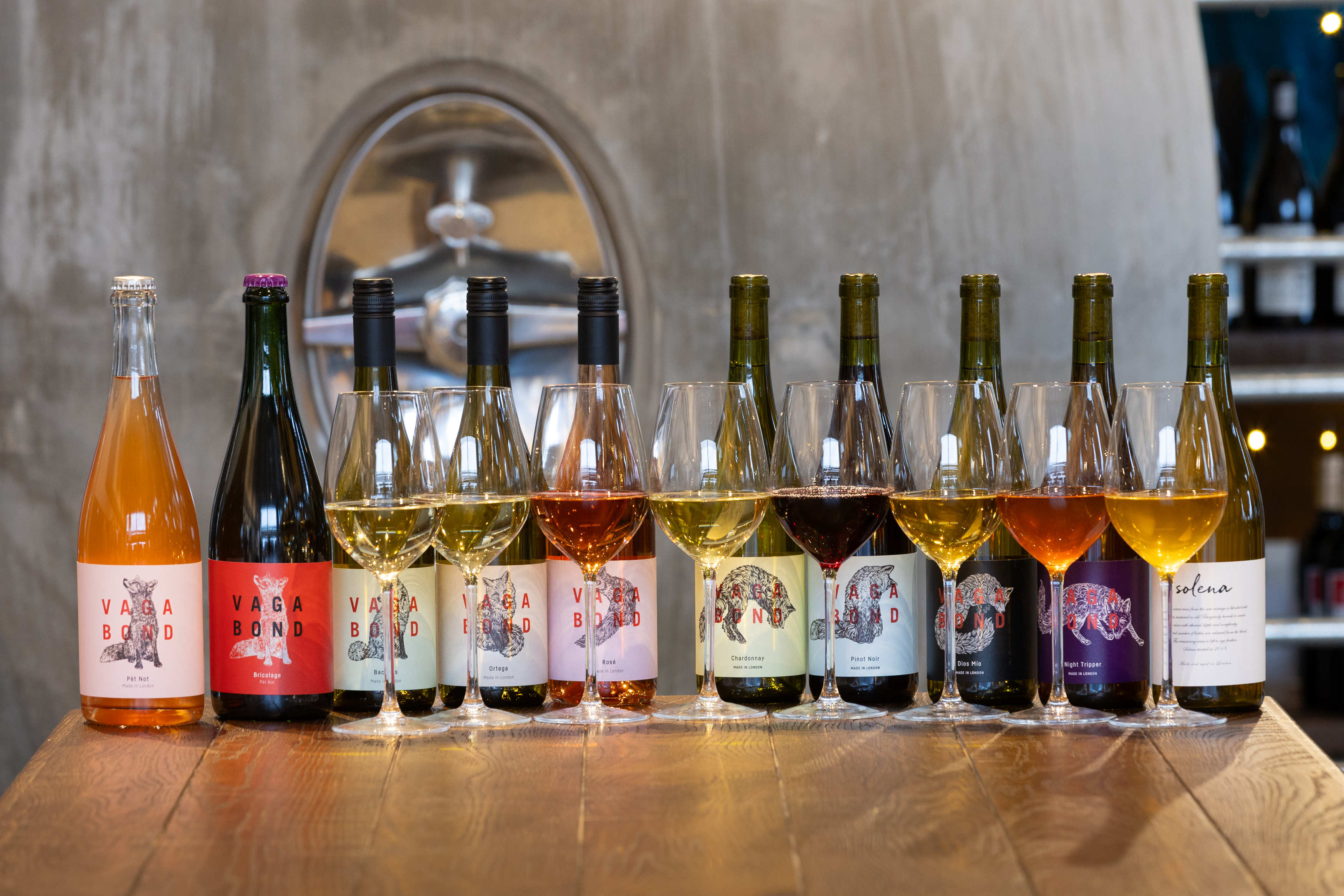
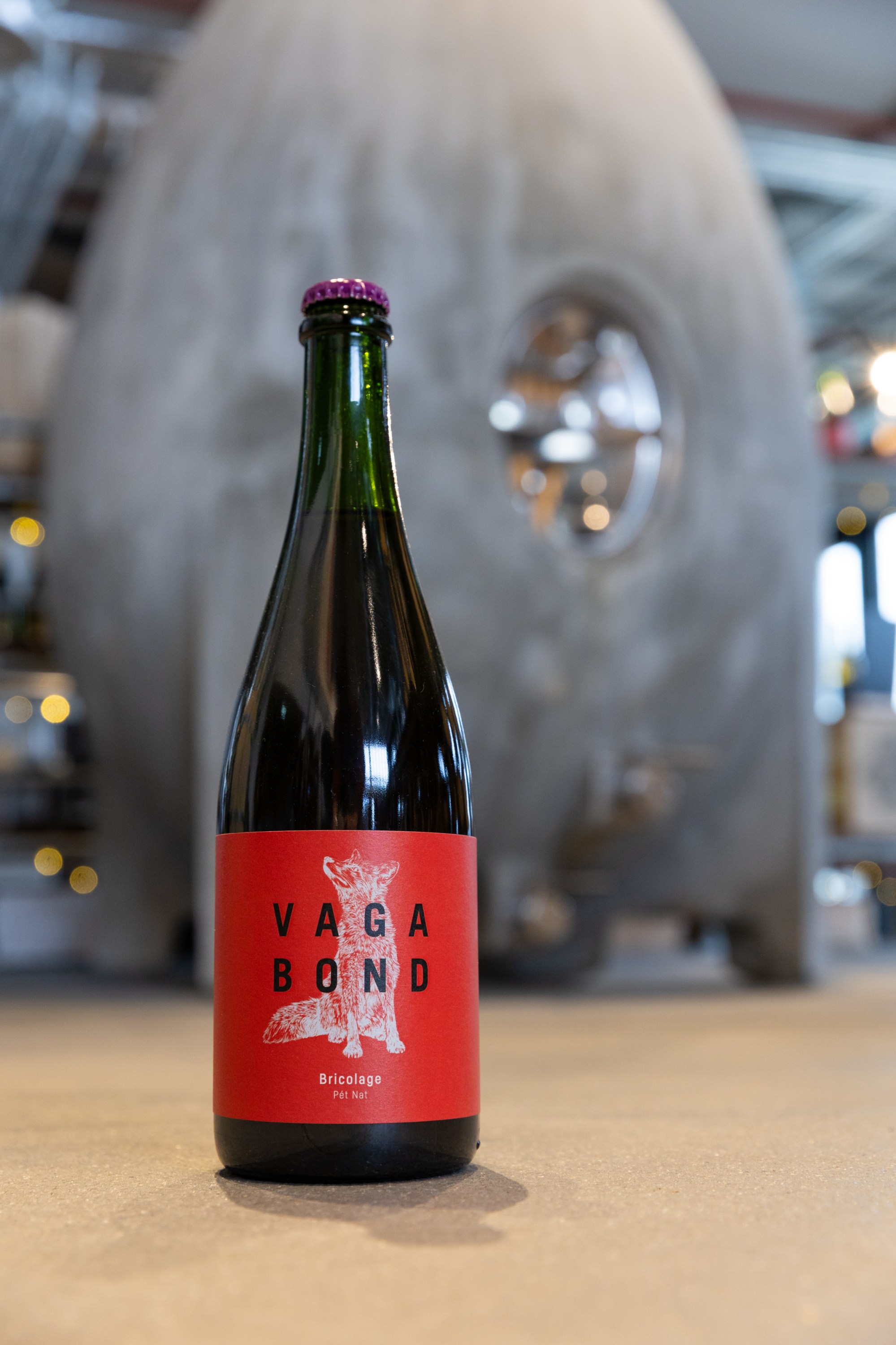
All the wines produced at Vagabond are outstanding. Remarkably the variation of style and variety that has been achieved will mean that every wine lover is certain to find at least one wine that will feel as if it was tailor made for them “I want to make wines in the most transparent way possible,” José said with conviction. In every aspect of the winemaking process José is willing to explain the thought process behind the wine. The Pet Not 2023 he explained is a wine designed to give the celebratory nature of fizz but at an accessible price point. Using the Col Fondo method the still wine is bottled with yeast and sugar. The wine is not disgorged and will age all the time on lees and so the experience will be different every time. With an alcohol content of around 12% and lower pressure than traditional method sparkling wines José described the wine as “approachable, accessible and fun.”
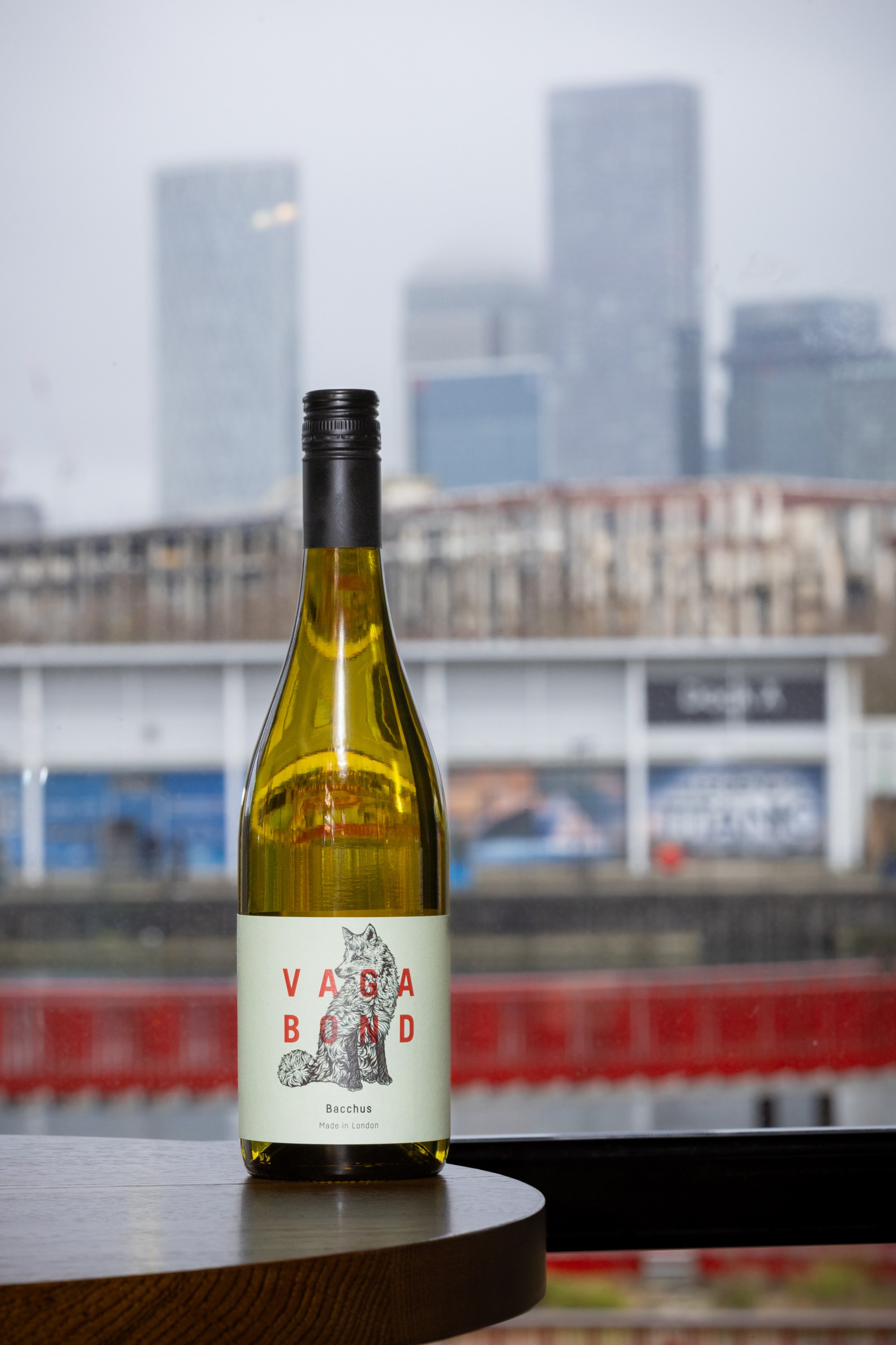
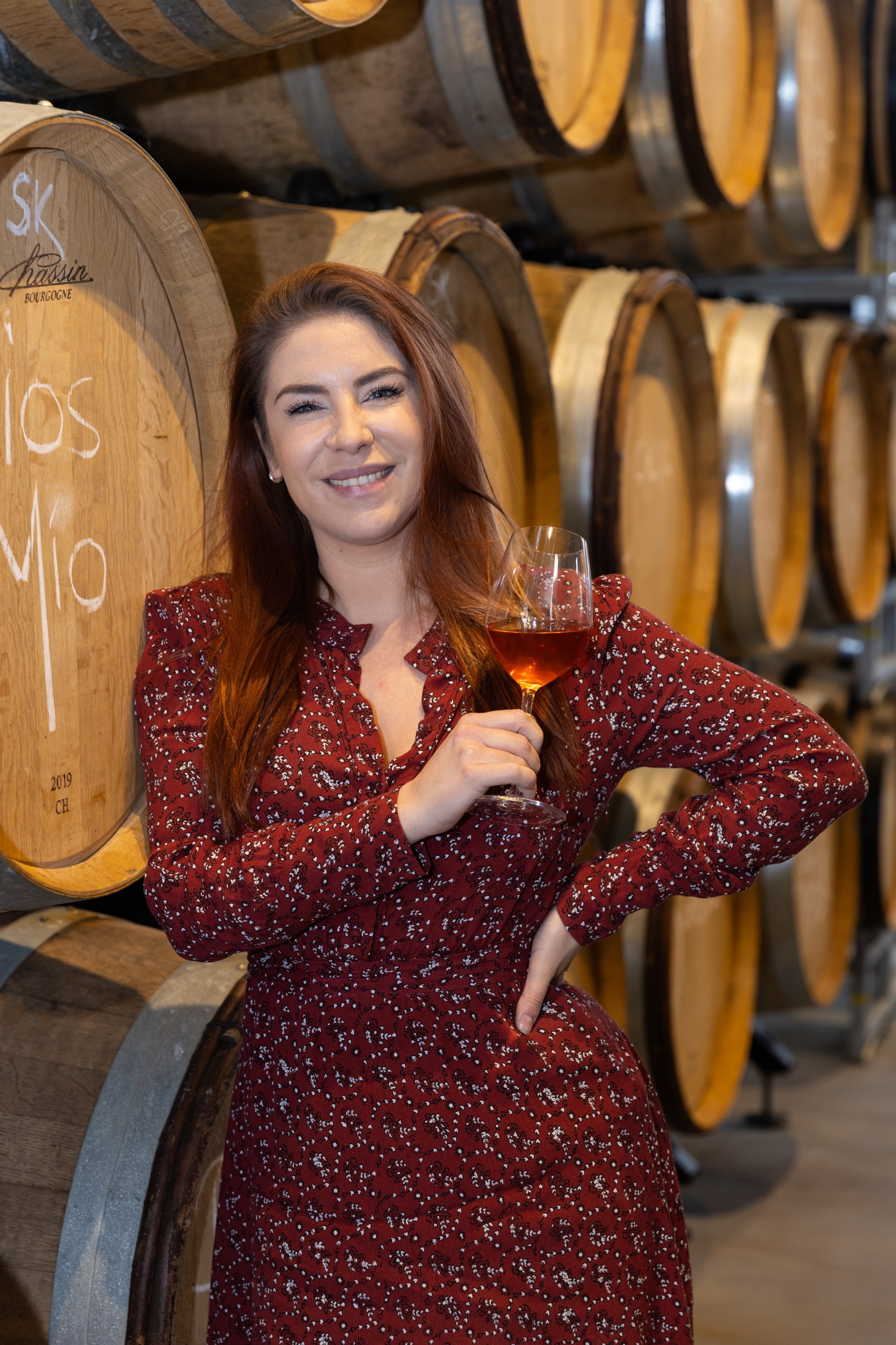
“Bacchus is our most popular variety,” explained José. “If someone is new to wine, Bacchus as a grape can give them confidence they can easily pick out the notes in the wines and this can ensure they are put at ease and then they are open to an adventure,” he added. Again, this urban winery have added another dimension to the Bacchus variety. The same grapes from the same vineyard and the same vintage are used to make two very distinct wines, a classic style Bacchus full of the notes of elderflower sits alongside the Dios Mio which is a 50% skin contact wine with a texture and hint of salinity that make it truly special.
José is keen to point out that he is not looking for perfection, he is looking for honest adventure in wine and openly discusses how each wine will change for the better with the next production. Speaking of the Chardonnay which has won numerous awards and has been widely acclaimed in the press José said: “The acidity of the wine gives the palate a structural journey, a taste memory and length but the oak will be slightly tweaked for the 2025 vintage. The oak will in effect become a figurative picture frame.”
Listening to José explain how each of the wines could be better and continuing his analogy of the picture in a frame it is not surprising that these wines in the Vagabond collection are masterpieces of collaboration between grower and winemaker involving fine tuning, bravery and skill at all levels. “All wines are satisfying but originality is the most rewarding,” concluded José. Looking out from a working winery across the water at the reimagined, old Canada Dock towards the London skyline the statement seems to embody the past, present and future of Vagabond.

Photos: © Martin Apps, Countrywide Photographic